
Diving at Deacon's Reef (Papua New Guinea)
Deacon's Reef presents a notable Papua New Guinea dive experience, defined by its varied topography. A sloping wall serves as the main feature, gradually descending into deeper sections. Supporting multiple scuba dive types, depths average 15 m (49 ft) to a reported maximum of 25 m (82 ft). Divers find ample opportunity for both wide-angle and macro exploration.
As evening covers Deacon's Reef, the local air temperature is measured at 24.5°C. The current wave height at the surface is recorded at 0.6 m. These late-day readings characterize the surface conditions for the night.
Dive Site Location & Key Facts
Dive Site Overview
Exploring Deacon's Reef offers a glimpse into a key part of Milne Bay's underwater heritage. Named for Kevin Deacon, a foundational Australian underwater photographer and diver, the site underscores the rich biodiversity found within the Coral Triangle, an area recognized for its exceptional marine species diversity.
Early diving pioneers like Bob Halstead played a crucial role in developing this Papua New Guinea region for diving, emphasizing both its pristine reef structures and specialized muck diving opportunities. Divers visiting the northern coast of Milne Bay, where Deacon's Reef is located, can anticipate vibrant coral gardens and the possibility of pelagic encounters. It also provides excellent conditions for the 'critter' hunting that has brought Milne Bay widespread recognition among macro enthusiasts.
A healthy, sloping wall presents an impressive display of extensive hard and soft corals, complemented by massive sponges. Exploring its contours reveals diverse macro life nestled among coral formations.
A compelling environment for varied underwater exploration results, from observing small invertebrates to scanning the blue for larger visitors. Combining healthy reef and macro potential makes it a versatile dive profile.
Conditions are Moderate
High Wind Advisory (41km/h). Unsafe surface.
Current conditions near Deacon's Reef show 25° air, 27° sea temperature, 0.9 m waves, and 41 km/h wind. Forecast data is refreshed regularly to ensure accuracy.
Best Time to Dive
Diving at Deacon's Reef is generally viable year-round, offering excellent conditions for much of the year. Early months, from January to April, consistently show excellent dive scores, with average air temperatures around 27-28°C (81-82°F) and lower rainfall, typically ranging from 3-9 mm. Wind speeds during this period tend to be lighter, between 13-17 km/h (8-11 mph). As the year progresses into the mid-months, particularly July through September, dive scores are rated as good; these periods might see slightly increased wave heights up to 0.6 meters (2 ft) and average wind speeds reaching 22 km/h (14 mph). Despite seasonal shifts, water temperatures remain reliably warm, typically 26-29°C (79-84°F), ensuring comfortable diving throughout the year. For optimal calm conditions and high visibility, targeting the 'Excellent' dive score periods is often preferred.
PEAK SEASON SCORE
Scores combine air & water temps, waves, wind & rainfall for overall conditions.
BEST MONTHS TO DIVE
Monthly records compiled from satellite and marine observation nodes over the last 3 years. Data provided by Open-Meteo and MET Norway.
Dive Experience & Conditions
A comfortable dive experience awaits, suitable even for beginners, with average water temperatures consistently falling between 26-29°C (79-84°F). Visibility here can fluctuate, typically ranging from 5-25 m (16-82 ft), depending on recent weather and current activity. Currents generally keep the water clear, yet are typically mild enough not to pose significant challenges for divers. Expect to navigate engaging underwater terrain, featuring numerous gullies, natural swim-throughs, and an abundance of gorgonians, seafans, and whip corals. Such varied landscape provides ample nooks and crannies for exploration. Divers often find this dynamic dive profile offers continuous visual interest, enhancing the overall underwater journey.
Dive Difficulty & Safety Guidelines
While diving Deacon's Reef, maintaining excellent buoyancy control is crucial given the pristine and healthy coral formations encountered along the sloping wall. Divers should avoid contact with fragile reef structures and its abundant macro life to preserve this vibrant ecosystem. Even though the site is rated for beginners, it's wise for all divers to remain aware of their surroundings, particularly within gullies and near swim-throughs, ensuring responsible interaction.
Keeping an eye on your depth and no-decompression limits is always recommended, especially when exploring deeper sections that extend beyond 25 m (82 ft). Prudent planning and adherence to your dive computer's guidance will ensure a safe and enjoyable experience.
Recommended Equipment
- Dive Computer
This gear list is based on verified equipment signals for Deacon's Reef, Papua New Guinea. Always confirm final gear choices with your dive operator, guide, or liveaboard.
Recommended Dive Suit
Forecast trends indicate little change in overall diving conditions during the next few days.
Two divers in the same water temperature may experience very different comfort levels. Stronger winds may also make surface intervals feel cooler than usual.
Many divers find that 2-3mm shorty or light wetsuit offers the right level of insulation for conditions like these. Consider warmer surface protection (like a boat coat) due to brisk winds. The surrounding waters at Deacon's Reef are currently registering temperatures of roughly 27°C (80°F). Surface air temperatures are resting at 25°C (76°F).
Due to technical issues with our weather providers, live updates are temporarily delayed. The data above reflects the conditions at the time of the last successful fetch.
Emergency & Medical Support
Essential information to help you plan your dive trip to Deacon's Reef.

Hyperbaric chambers are a critical part of dive safety infrastructure. Availability varies significantly by region, and not all dive areas have immediate access.
Before diving, it's recommended to:
- confirm nearest medical facilities
- check emergency procedures with local dive operators
- ensure dive insurance covers evacuation if required
Divers Alert Network
Diving emergency assistance available through DAN World.
+1-919-684-9111- 24/7 emergency hotline
- Diving medical assistance
- Evacuation coordination
Emergency contacts are provided for reference. Always verify local emergency services before diving.
Marine Life at Deacon's Reef
A vibrant ecosystem thrives here, notably for its extensive coral coverage and abundant macro life. Divers frequently encounter ornate ghost pipefish, which are a reliable highlight.
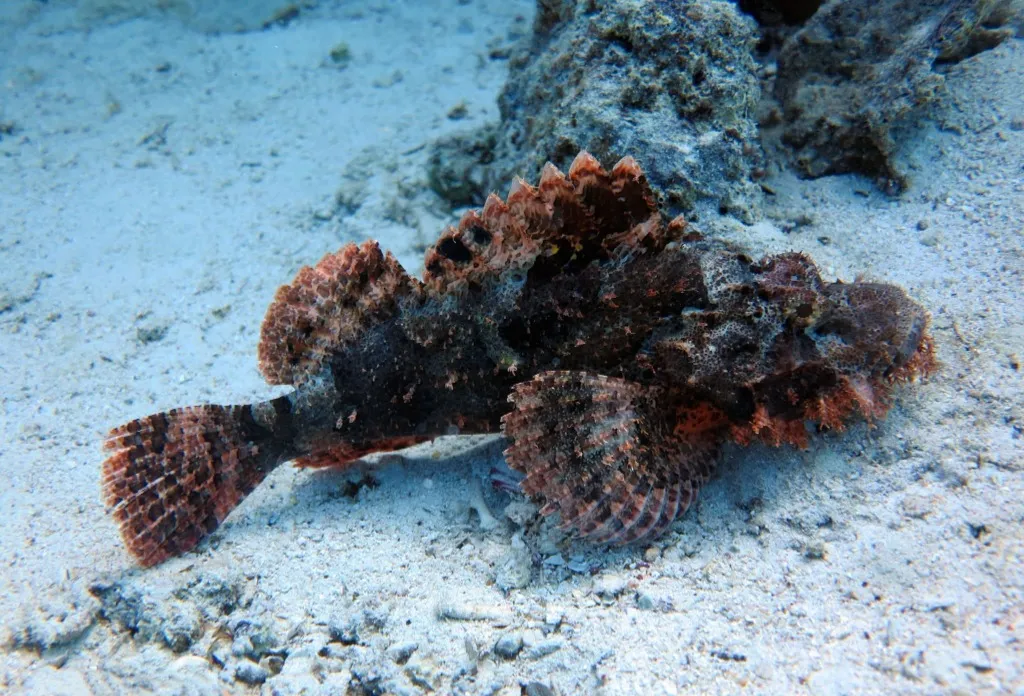
Look for well-camouflaged Leaf Scorpionfish and the often-miffed-looking Spinecheeks. Beyond the macro realm, Milne Bay's northern coast occasionally hosts exciting pelagic encounters.
In the blue, divers might spot larger species like Whalesharks, Hammerheads, and Mantas, adding an element of surprise to any dive.

Dive Sites Near Deacon's Reef
View all dive sites in Papua New GuineaDiscover more underwater gems in this area.
Dive Centers Near Deacon's Reef
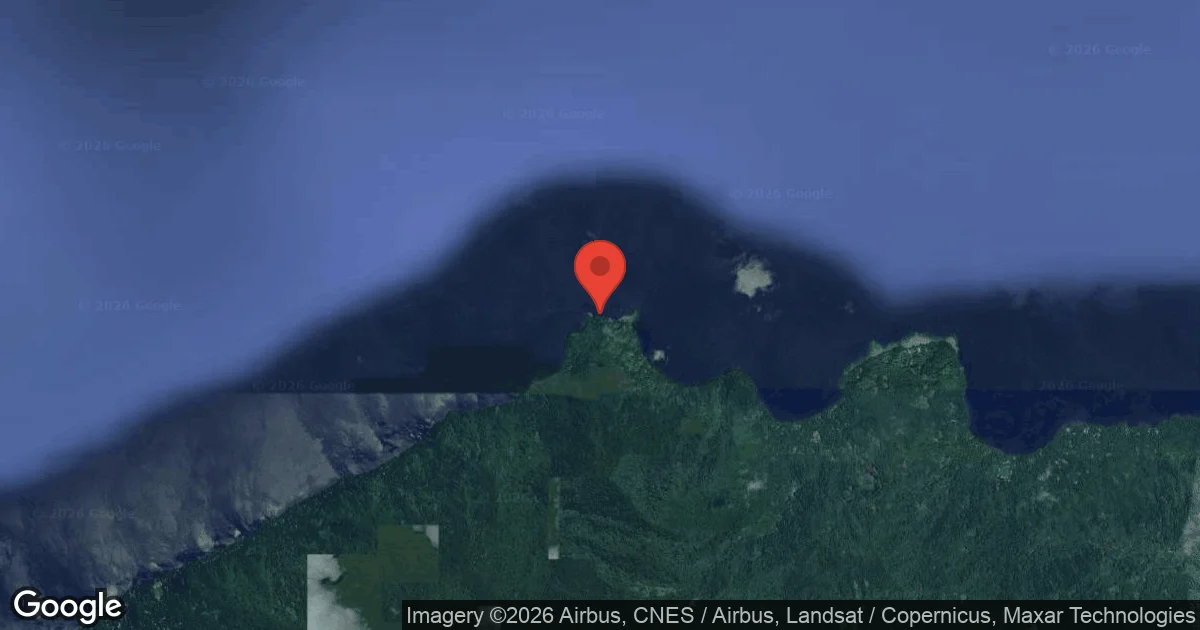
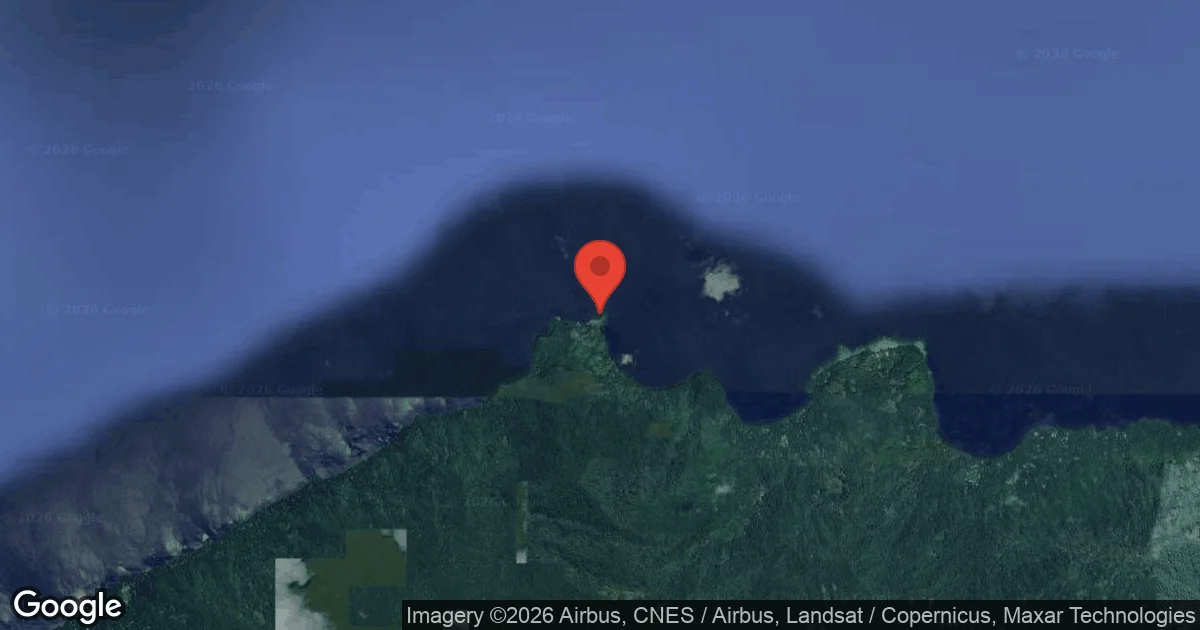
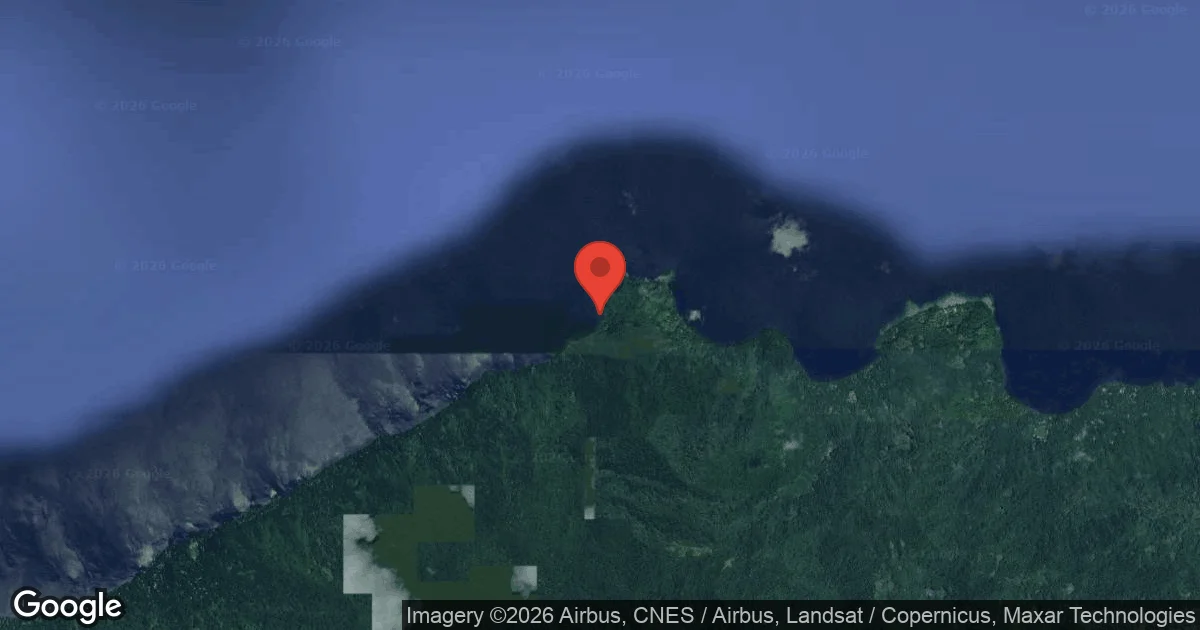
No Dive Centers Local To Deacon's Reef
Are you a dive center visiting this location? Get listed to reach divers.
Nearest Airports
Nearest airports to help plan travel to this dive area.
Search Flights
Check available flights and routes on Expedia, using the nearby airports listed in this section.
Search Flights on ExpediaFrequently Asked Questions
What is the typical maximum depth for diving Deacon's Reef?
The maximum reported depth for diving at Deacon's Reef is 25 m (82 ft), though the average depth for exploration is closer to 15 m (49 ft). This range accommodates both recreational divers and those interested in exploring shallower sections of the reef.
Is Deacon's Reef suitable for beginner divers?
Yes, Deacon's Reef is rated as suitable for beginner divers. Its generally mild currents, clear waters, and varied topography make it an accessible and enjoyable site for those with less experience, provided they have proper training and guidance.
What marine life can I expect to see at Deacon's Reef?
Divers can expect to see a rich array of macro life, including ornate ghost pipefish, Leaf Scorpionfish, and Spinecheeks. The reef also boasts extensive hard and soft corals and massive sponges. There's also a chance for encounters with pelagic species like Whalesharks, Hammerheads, and Mantas in the blue.
What are the water temperatures like at Deacon's Reef?
Water temperatures at Deacon's Reef are consistently warm throughout the year, typically ranging between 26-29°C (79-84°F). These comfortable temperatures make for pleasant diving conditions regardless of the season.
How is Deacon's Reef accessed?
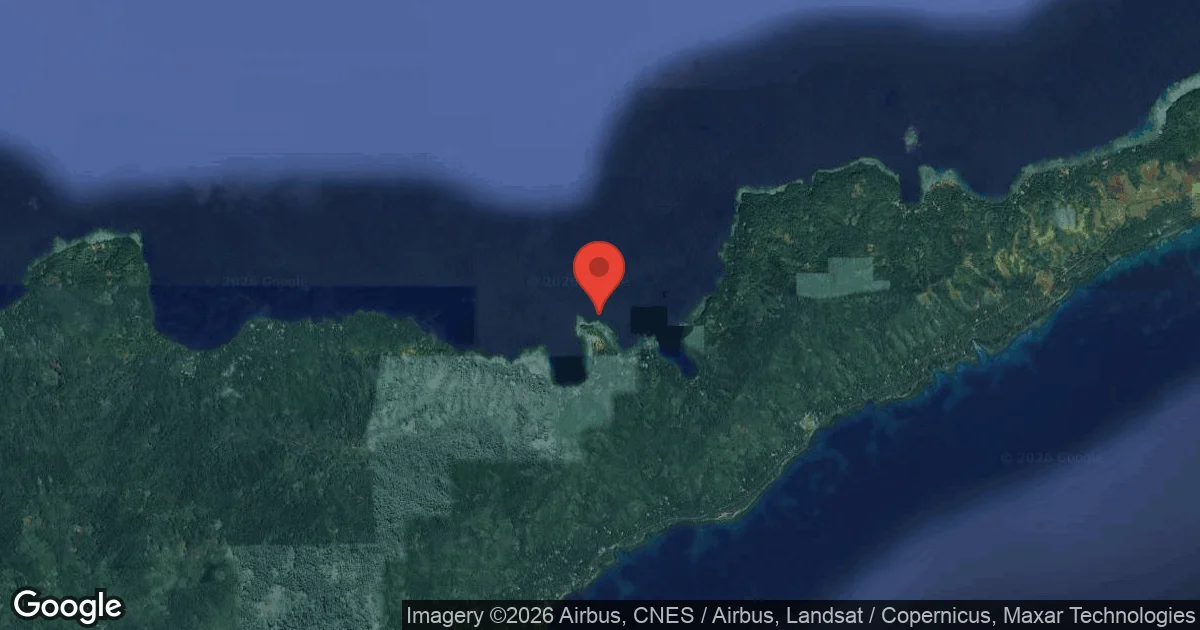
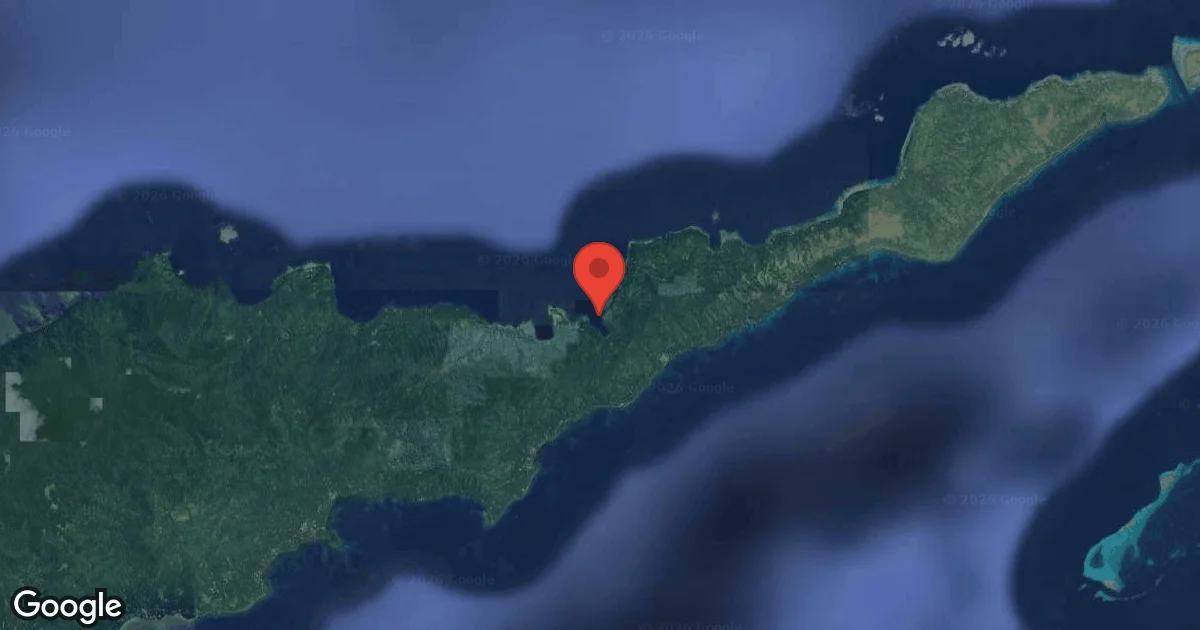
Deacon's Reef is primarily accessed via boat, usually a short 10-minute ride from Tawali Dive Resort on the north coast of Milne Bay. Liveaboards operating in the region also visit this site, especially during specific months.
What makes Deacon's Reef historically significant?
Deacon's Reef is named after Kevin Deacon, a pioneering underwater photographer and diver. The site, like many in Milne Bay, benefited from the early exploration efforts of divers like Bob Halstead, who helped establish the region's reputation as a world-class diving destination, particularly for macro photography.
Planning to dive Deacon's Reef?
Send one inquiry and receive offers directly from the best verified local dive operators.
Conditions are Moderate
High Wind Advisory (41km/h). Unsafe surface.
Current conditions near Deacon's Reef show 25° air, 27° sea temperature, 0.9 m waves, and 41 km/h wind. Forecast data is refreshed regularly to ensure accuracy.