
Diving at Barracuda Point (Papua New Guinea)
Plunging into Barracuda Point, divers are met with an immediate sensation of dynamic life flowing along its contours. The currents, often noticeable, orchestrate a dramatic underwater ballet, guiding explorers past vibrant corals and into the midst of vast schooling fish. It's a site that pulses with a distinct energy, promising exhilarating encounters around every corner.
As evening covers Barracuda Point, the local air temperature is measured at 24.5°C. The current wave height at the surface is recorded at 0.9 m. These late-day readings characterize the surface conditions for the night.
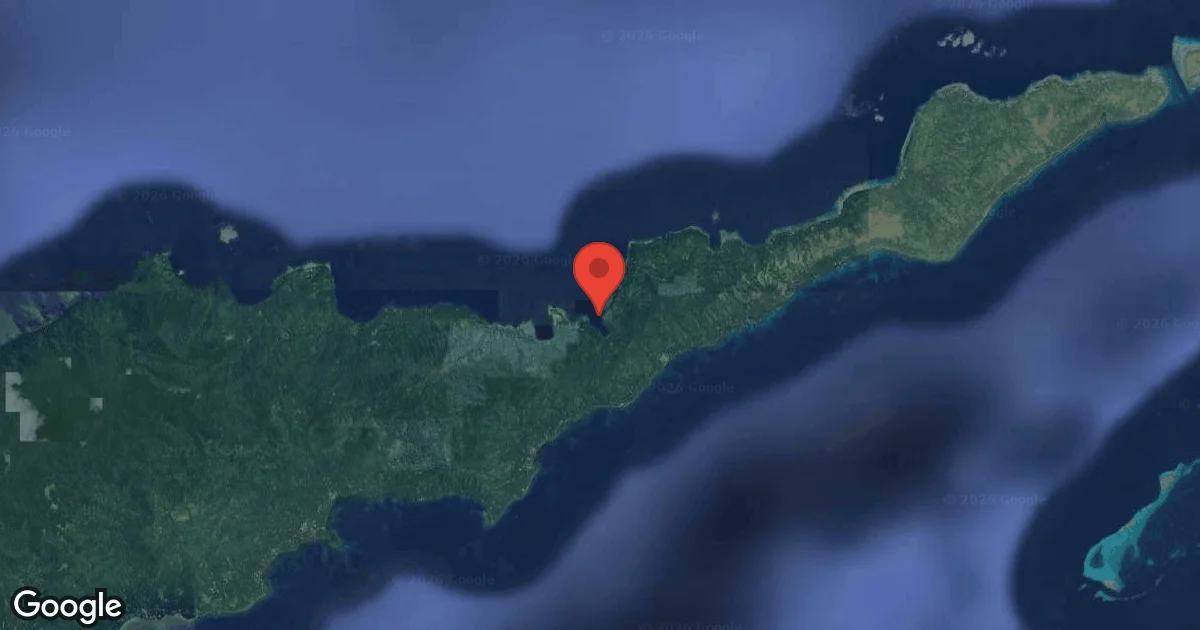
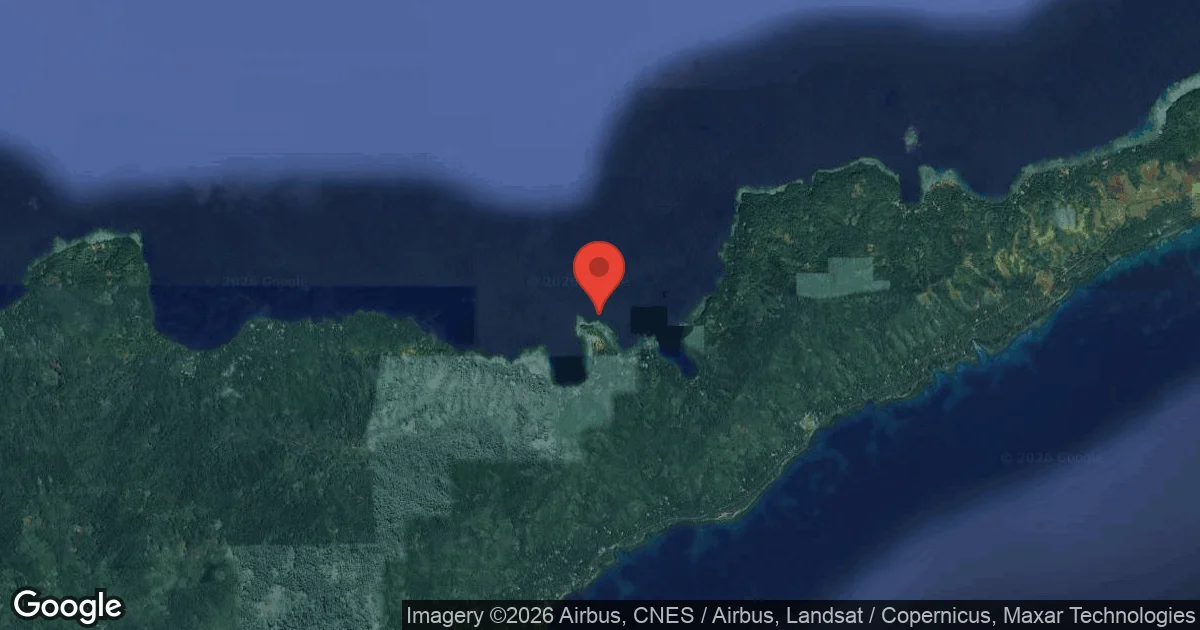
Dive Site Location & Key Facts
Dive Site Overview
Barracuda Point presents a varied underwater topography, beginning with vibrant coral gardens on a shallower shelf and transitioning into a dramatic sloping wall that reaches approximately 30 m (100 ft). Divers often experience this site as a drift dive, letting prevailing currents guide them along the reef's edge, which significantly enhances the sense of exploration.
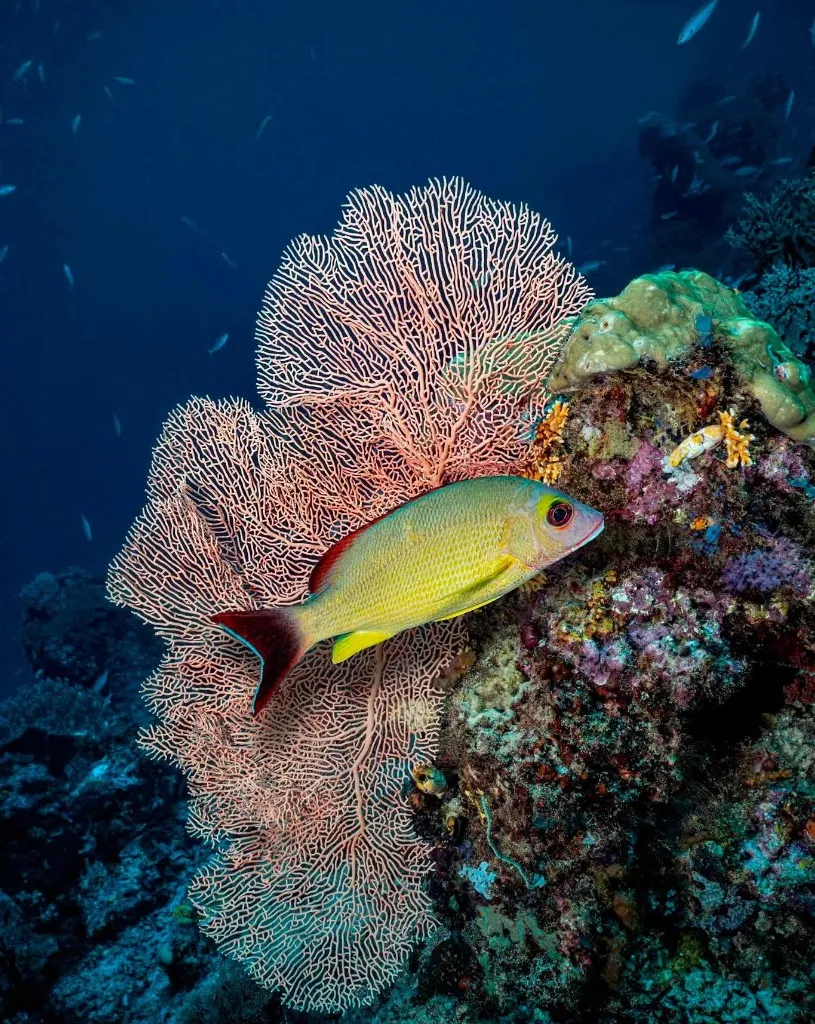
Along the wall, a wide array of hard and soft corals thrives, encompassing notable gorgonians, whip corals, and barrel sponges that adhere firmly to the rock face. Further into the dive, deeper sections reveal impressive crevices and small overhangs providing shelter for various species. Shallower sections, typically around 5 m (16 ft), function as lively coral gardens, rich with diverse reef fish and an abundance of invertebrates, offering a calm and colorful conclusion to deeper explorations.
Schooling fish, including barracuda, trevally, snappers, and batfish, consistently appear, frequently forming immense, swirling aggregations along the wall's contours, a sight that defines the site. Observing these vast schools often becomes a central focus for many divers.
This dynamic underwater journey progresses from exciting pelagic encounters to tranquil reef discoveries, shaping a comprehensive and memorable dive profile.
Conditions are Moderate
High Wind Advisory (42km/h). Unsafe surface.
Current conditions near Barracuda Point show 25° air, 27° sea temperature, 0.9 m waves, and 42 km/h wind. Forecast data is refreshed regularly to ensure accuracy.
Best Time to Dive
Planning your dive at Barracuda Point can yield excellent conditions for most of the year, providing ample opportunity to experience its vibrant marine ecosystems. Months from January through April, and again from October through December, typically offer excellent dive scores, characterized by average air temperatures ranging from 26.5-28°C (80-82°F). During these periods, rain averages are lower, generally between 3.5-8.6 mm, with wave heights often below 0.3 m. While diving is possible year-round, the months of May through September see 'Good' dive scores, alongside higher average wave heights, sometimes exceeding 0.5 m, and increased wind speeds, potentially impacting surface conditions. Rain averages during this stretch can reach up to 15.3 mm.
PEAK SEASON SCORE
Scores combine air & water temps, waves, wind & rainfall for overall conditions.
BEST MONTHS TO DIVE
Monthly records compiled from satellite and marine observation nodes over the last 3 years. Data provided by Open-Meteo and MET Norway.
Dive Experience & Conditions
Divers frequently encounter noticeable currents upon entering Barracuda Point, ranging from mild to moderate and occasionally strengthening. These dynamic conditions make this location a prime candidate for drift diving, where natural flows guide exploration along its reef and wall features. A sloping point initiates the dive, gradually plunging into a steep wall that reaches a maximum depth of 30 m (100 ft). Visibility often remains good, typically exceeding 20 m (65 ft), providing clear perspectives of extensive coral formations and a rich, diverse marine ecosystem. Transitioning from deeper wall sections to shallower areas, divers find a vibrant coral garden, offering a relaxed final phase of the dive amidst healthy hard corals. Dynamic conditions necessitate comfort with current management for an optimal experience; divers should be prepared for varying water movement to fully appreciate the site's challenging and rewarding features.
Dive Difficulty & Safety Guidelines
Effectively navigating Barracuda Point requires a solid understanding of drift diving techniques, due to varying currents. Divers should always conduct thorough buddy checks and ensure precise buoyancy control, avoiding accidental contact with delicate coral structures. Remaining aware of dive plans, particularly entry and exit points, is crucial for managing any drift.
Given its maximum depth of 30 m (100 ft) along the wall, monitoring bottom time and gas consumption remains a priority. While specific hazards aren't consistently reported, always be mindful of surroundings and any changes in current strength. Stronger currents can develop rapidly, necessitating situational awareness.
Recommended Equipment
Deep dive hazard. Increased narcosis and gas consumption risk.
Current and surface separation risk. Local briefing strongly recommended.
- Dive Computer
- DSMB
- Primary & Backup Lights
- Reel / Spool
- Hard-soled Dive Boots
This gear list is based on verified equipment signals for Barracuda Point, Papua New Guinea. Always confirm final gear choices with your dive operator, guide, or liveaboard.
Recommended Dive Suit
Forecast models show minimal temperature variation in the coming days.
Some divers prefer slightly warmer exposure protection simply for additional comfort. Stronger winds may also make surface intervals feel cooler than usual.
2-3mm shorty or light wetsuit usually works well for maintaining comfort during standard dive profiles in these conditions. Strong winds are present; please take strong precautions against rapid cooling during surface intervals. The surrounding waters at Barracuda Point are currently registering temperatures of roughly 27°C (80°F). Surface air temperatures are resting at 25°C (76°F).
Emergency & Medical Support
Essential information to help you plan your dive trip to Barracuda Point.

Hyperbaric chambers are a critical part of dive safety infrastructure. Availability varies significantly by region, and not all dive areas have immediate access.
Before diving, it's recommended to:
- confirm nearest medical facilities
- check emergency procedures with local dive operators
- ensure dive insurance covers evacuation if required
Divers Alert Network
Diving emergency assistance available through DAN World.
+1-919-684-9111- 24/7 emergency hotline
- Diving medical assistance
- Evacuation coordination
Emergency contacts are provided for reference. Always verify local emergency services before diving.
Marine Life at Barracuda Point
Aggregations of schooling fish form a primary spectacle at Barracuda Point, often encountered in breathtaking numbers. Divers regularly witness vast schools of barracuda, trevally, snappers, fusiliers, and batfish moving synchronously along reef walls.
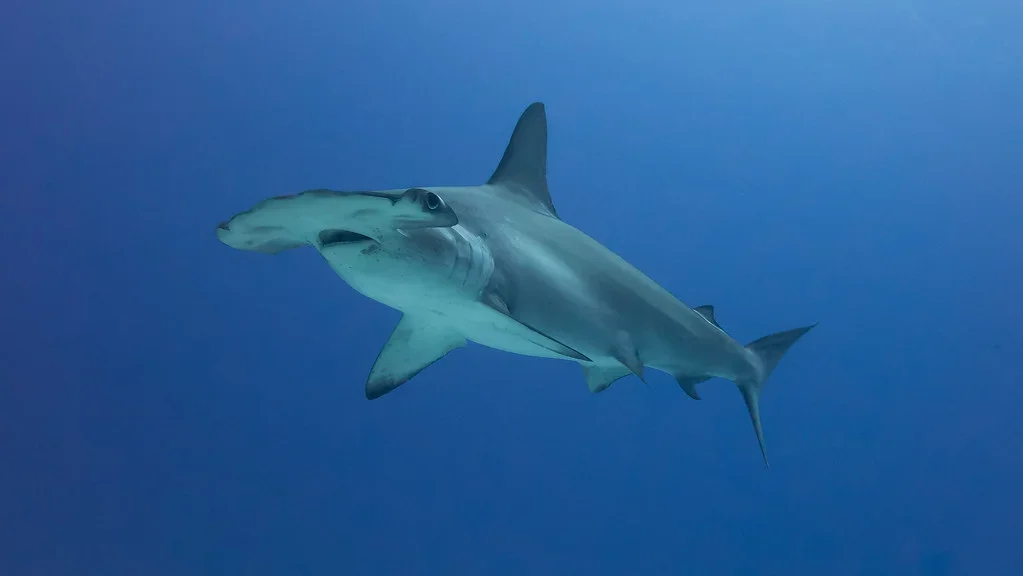
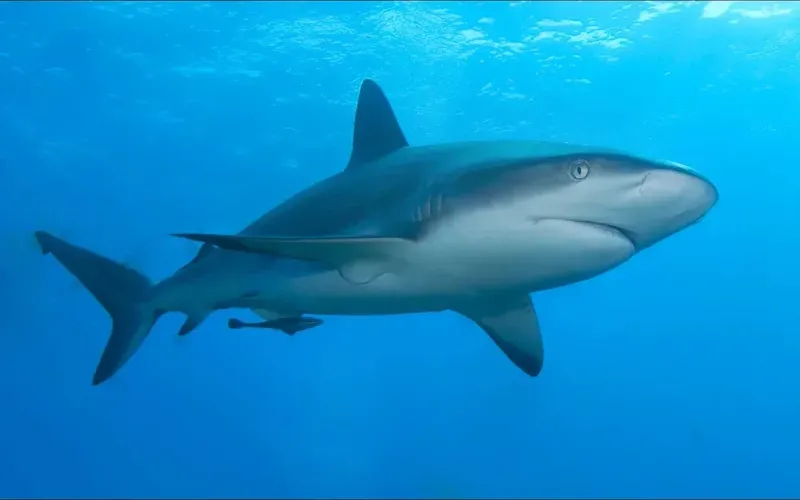
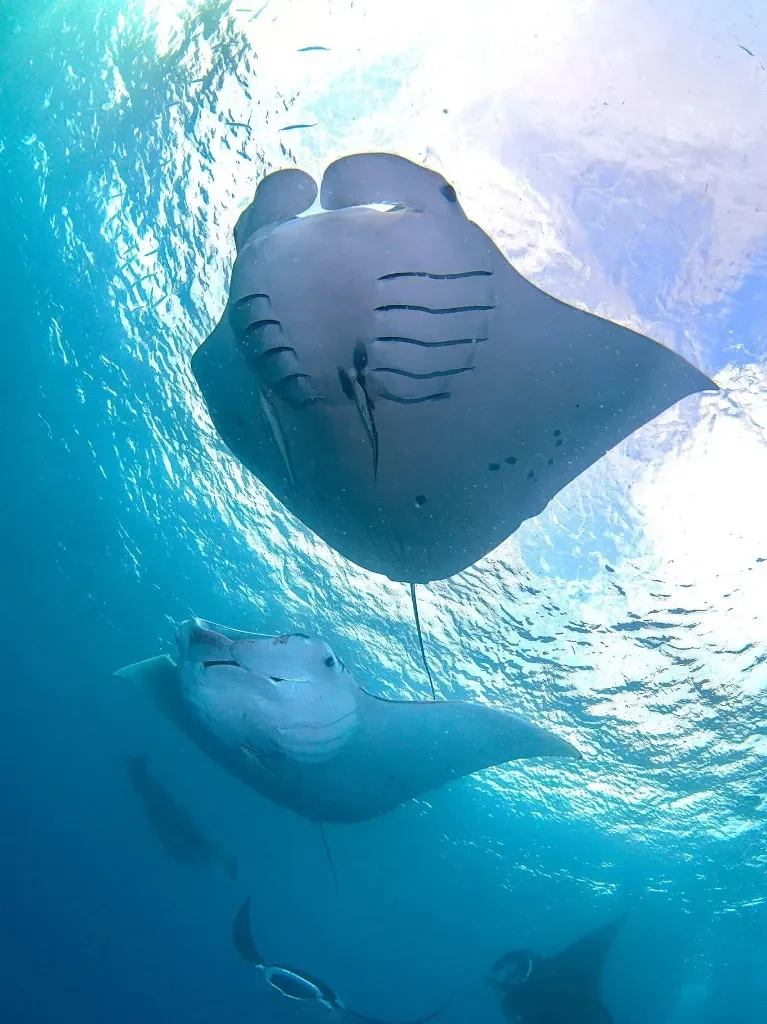
Beyond these impressive schools, pelagic species like grey reef sharks patrol the blue. Occasional sightings of hammerhead sharks, manta rays, or even whale sharks are possible for those looking into open water.
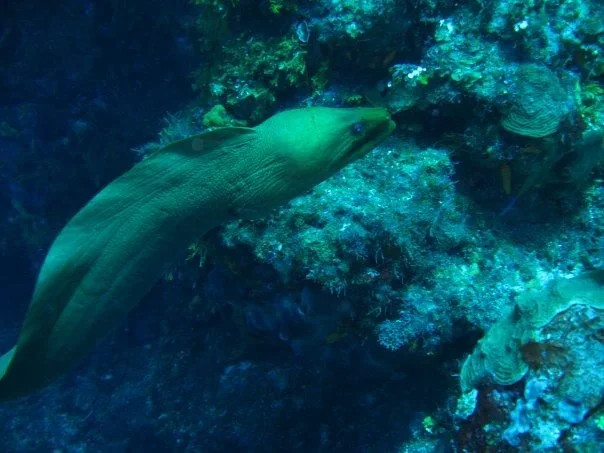
Shallower sections reveal an abundance of reef fish, including surgeonfish, parrotfish, emperor angelfish, and anemonefish, alongside creatures such as nudibranchs, crocodilefish, moray eels, and banded sea kraits.
Dive Sites Near Barracuda Point
View all dive sites in Papua New GuineaDiscover more underwater gems in this area.
Dive Centers Near Barracuda Point
No Dive Centers Local To Barracuda Point
Are you a dive center visiting this location? Get listed to reach divers.
Nearest Airports
Nearest airports to help plan travel to this dive area.
Search Flights
Check available flights and routes on Expedia, using the nearby airports listed in this section.
Search Flights on ExpediaFrequently Asked Questions
What kind of currents can I expect at Barracuda Point?
Currents at Barracuda Point can range from mild to moderate, but they are sometimes reported as strong. The site is frequently dived as a drift dive, so preparation for current is advisable.
What is the maximum depth at Barracuda Point?
The site features a steep wall that drops to a maximum depth of approximately 30 m (100 ft). Shallower coral garden sections are also present.
What type of marine life is commonly seen here?
Barracuda Point is known for large schools of barracuda, trevally, snappers, and other reef fish. Divers also frequently spot sharks, turtles, and a variety of colorful corals and invertebrates.
Can I dive Barracuda Point year-round?
Yes, Barracuda Point can be dived all year long. The best conditions with excellent dive scores are typically experienced from January through April and October through December.
What are the main dive structures at Barracuda Point?
The site is primarily composed of a sloping point that transitions into a steep wall. There is also a vibrant coral garden in the shallower areas that serves as a finishing point for many dives.
Is this a suitable dive site for beginners?
Due to the potential for strong currents and the drift diving nature, Barracuda Point is generally more suited for certified divers comfortable with current management and drift diving techniques. Experienced divers will likely have the most enjoyable experience here.
Planning to dive Barracuda Point?
Send one inquiry and receive offers directly from the best verified local dive operators.
Conditions are Moderate
High Wind Advisory (42km/h). Unsafe surface.
Current conditions near Barracuda Point show 25° air, 27° sea temperature, 0.9 m waves, and 42 km/h wind. Forecast data is refreshed regularly to ensure accuracy.