
Diving at Wahoo Point (Papua New Guinea)
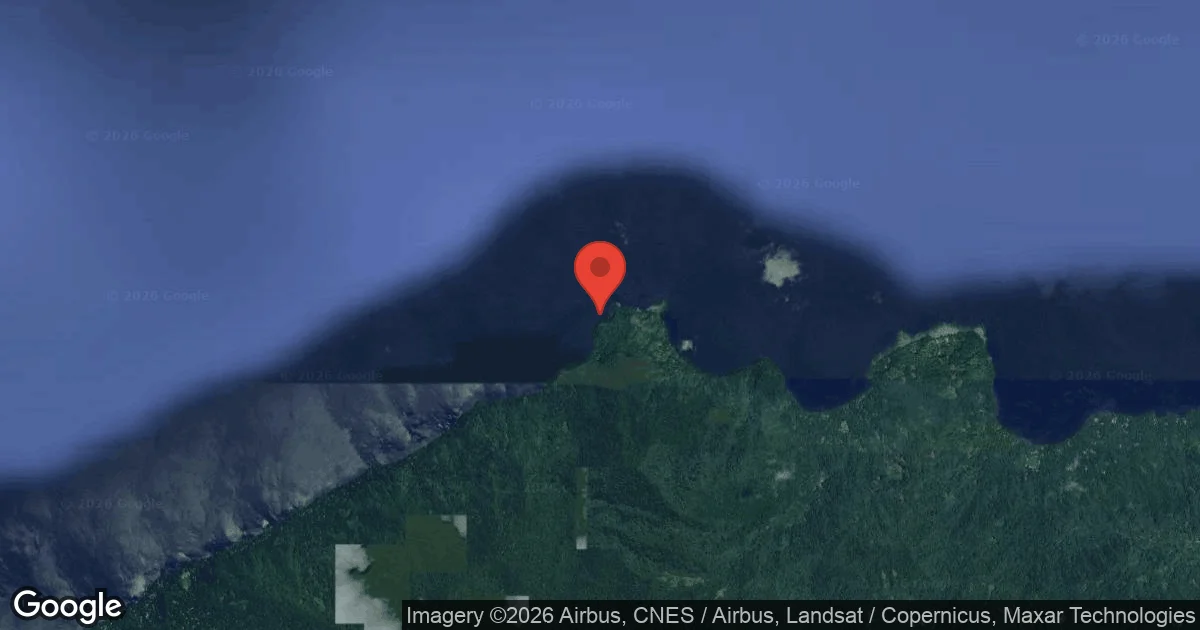
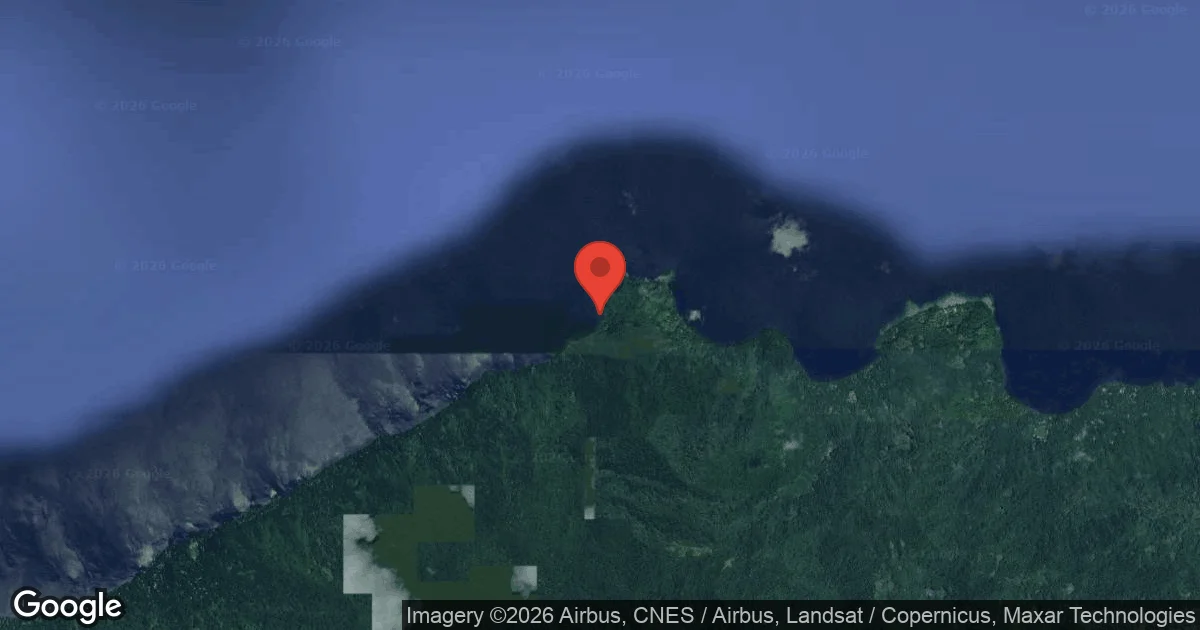
A dramatic shelf characterizes this prominent reef dive site in Papua New Guinea's Milne Bay. The reef initially slopes gently, extending to approximately 16 m (52 ft) at the point, before plunging steeply to depths exceeding 100 m (330 ft). This significant drop-off creates an environment favored by larger pelagic species. Divers frequently encounter big marine life here. Currents at this location are typically mild to moderate.
Evening condition tracking at Wahoo Point features an air temperature of 24°C. We have recorded wave heights measuring 1.2 m during this period. These figures outline the environmental parameters currently present.
Dive Site Location & Key Facts
Dive Site Overview
Wahoo Point stands out due to its dynamic structure and excellent potential for encountering larger pelagic animals, a key feature within Milne Bay's rich biodiversity. Just a three-minute boat ride from the local resort, the site showcases a dramatic reef shelf formation.
A shelf begins at shallower depths, extending to about 16 m (52 ft) at the point, then plunges steeply to depths over 100 m (330 ft). This creates an open ocean environment favorable for transient pelagics. Milne Bay, at the epicenter of the Coral Triangle, benefits from a complex network of nutrient-rich equatorial and regional currents.
These currents act as a natural distribution system, delivering eggs, larvae, and essential nutrients that sustain an extraordinary marine ecosystem, boasting over 600 coral and 3,000 fish species. Divers at Wahoo Point explore vibrant coral gardens thriving on gently sloping terraces that lead into the deeper waters of the Goschen Strait.
Prevailing currents, generally mild to moderate, contribute significantly to the site's allure by nourishing this environment and attracting the diverse marine life for which the region is known. An experience here truly encapsulates the dynamic, nutrient-rich diving characteristic of Northern Milne Bay.
Conditions are Moderate
High Wind Advisory (42km/h). Unsafe surface.
Current conditions near Wahoo Point show 24° air, 27° sea temperature, 1.2 m waves, and 42 km/h wind. Forecast data is refreshed regularly to ensure accuracy.
Best Time to Dive
Optimal weather and sea conditions for diving at Wahoo Point are largely dictated by Milne Bay's seasonal patterns. Divers looking for favorable conditions will find good diving scores from January through April, as well as during November and December. Air temperatures during these preferred months consistently stay around 27-28°C (81-82°F), making surface intervals comfortable. Rain activity typically remains low, often between 4-8 mm. This contributes to generally calmer, more pleasant diving experiences. Wave heights usually stay below 0.3 m (1.0 ft), with wind speeds hovering around 21-24 km/h (13-15 mph). In contrast, July and September might present moderate dive scores, often experiencing higher wave heights near 0.8 m (2.6 ft) and stronger winds exceeding 30 km/h (19 mph). Many liveaboard operations in Milne Bay target the mid-January to late March period, aligning with this window of more favorable conditions.
PEAK SEASON SCORE
Scores combine air & water temps, waves, wind & rainfall for overall conditions.
BEST MONTHS TO DIVE
Monthly records compiled from satellite and marine observation nodes over the last 3 years. Data provided by Open-Meteo and MET Norway.
Dive Experience & Conditions
The dive at Wahoo Point progresses from a gently sloping reef shelf to an abrupt vertical descent. Divers begin on a shallower section, reaching approximately 16 meters at the point, before encountering a sheer wall. This wall plunges significantly into deeper waters, exposing an expansive open ocean environment. It's a setting that often increases the likelihood of pelagic encounters. Currents encountered here are typically mild to moderate. Prepare for potential shifts, particularly closer to the point or along the deeper sections of the wall. Water temperatures in this tropical area are generally warm; however, specific readings for the site itself aren't consistently reported. Visibility usually holds excellent, providing clear views across extensive coral gardens and of any transient marine life.
Dive Difficulty & Safety Guidelines
Given Wahoo Point’s significant depth and potential for moderate currents, this site is generally best suited for advanced certified divers. Experience managing drift conditions and a good understanding of deep diving principles are beneficial. Always dive with an experienced local guide who understands the site's specific current patterns, which can fluctuate.
Maintaining proper buoyancy control is crucial, especially near the drop-off, to protect the delicate coral ecosystems. Divers should carry a surface marker buoy (SMB) for safety in case of drift, and adhere strictly to no-decompression limits for recreational profiles. Staying within the planned depth and bottom time is essential for a safe experience.
Recommended Equipment
- Dive Computer
This gear list is based on verified equipment signals for Wahoo Point, Papua New Guinea. Always confirm final gear choices with your dive operator, guide, or liveaboard.
Recommended Dive Suit
For relaxed exploration dives, 2-3mm shorty or light wetsuit generally provides adequate warmth. Strong winds are present; please take strong precautions against rapid cooling during surface intervals. For divers entering the water at Wahoo Point, temperatures are currently hovering around 27°C (80°F). Surface air temperatures are resting at 24°C (75°F).
Conditions in the coming days are expected to stay within a similar temperature range.
A diver's personal tolerance to cold water can play a large role in suit selection.
Emergency & Medical Support
Essential information to help you plan your dive trip to Wahoo Point.

Hyperbaric chambers are a critical part of dive safety infrastructure. Availability varies significantly by region, and not all dive areas have immediate access.
Before diving, it's recommended to:
- confirm nearest medical facilities
- check emergency procedures with local dive operators
- ensure dive insurance covers evacuation if required
Divers Alert Network
Diving emergency assistance available through DAN World.
+1-919-684-9111- 24/7 emergency hotline
- Diving medical assistance
- Evacuation coordination
Emergency contacts are provided for reference. Always verify local emergency services before diving.
Marine Life at Wahoo Point
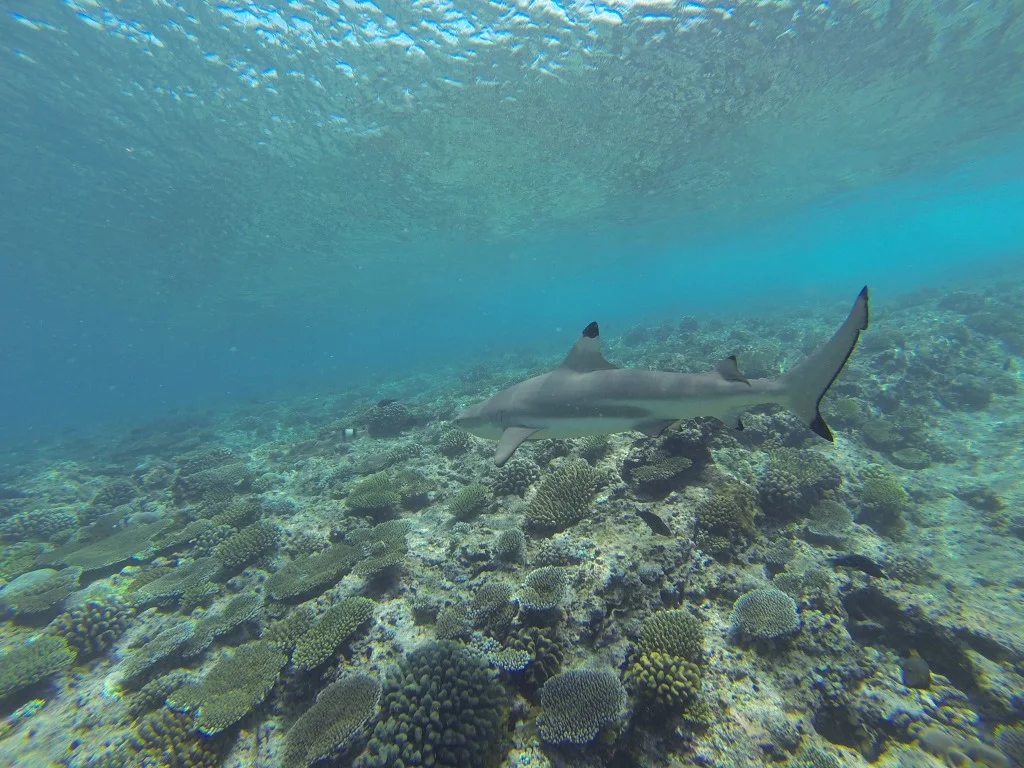
Encounters with larger pelagic species frequently define the marine life experience at Wahoo Point, a highlight for many divers. Common sightings include sharks, various whale species, playful dolphins, and a variety of sea turtles navigating open waters.
Alongside, vibrant reef ecosystems are present, part of the broader Coral Triangle’s exceptional marine biodiversity. Divers can observe a rich diversity of reef fish and invertebrates within healthy coral gardens.
An Elephant Ear Sponge, for instance, has been observed, indicating diverse invertebrate life. Constant flow of nutrient-rich currents supports this thriving environment, making it a productive area for marine encounters.


Dive Sites Near Wahoo Point
View all dive sites in Papua New GuineaDiscover more underwater gems in this area.
Dive Centers Near Wahoo Point
No Dive Centers Local To Wahoo Point
Are you a dive center visiting this location? Get listed to reach divers.
Nearest Airports
Nearest airports to help plan travel to this dive area.
Search Flights
Check available flights and routes on Expedia, using the nearby airports listed in this section.
Search Flights on ExpediaFrequently Asked Questions
Where is Wahoo Point located?
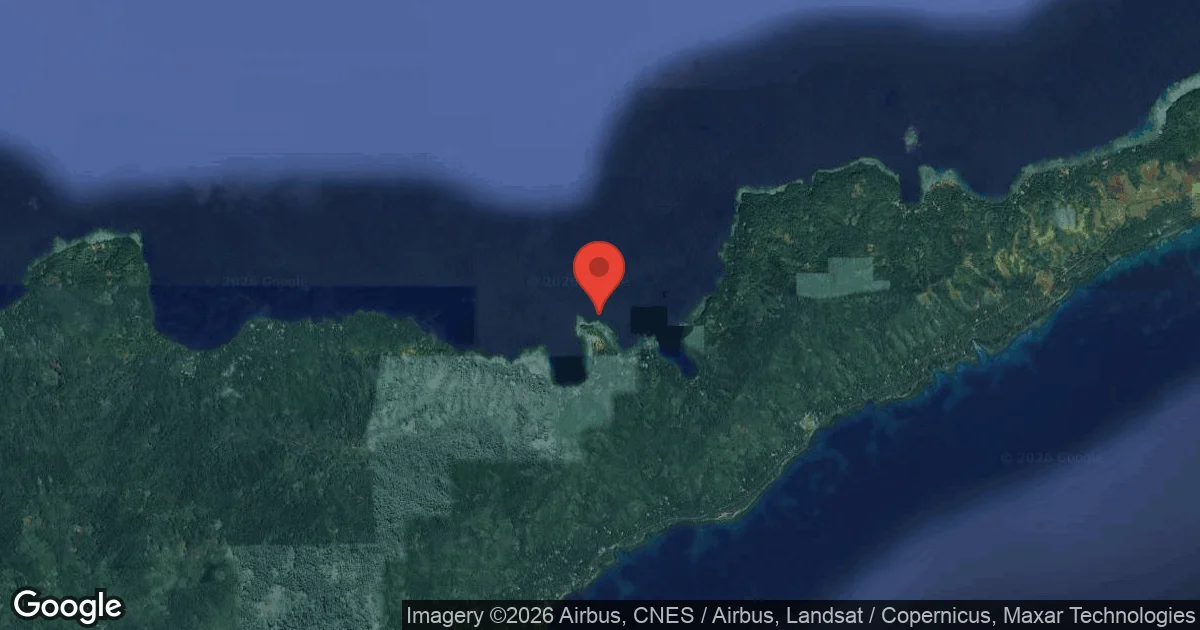
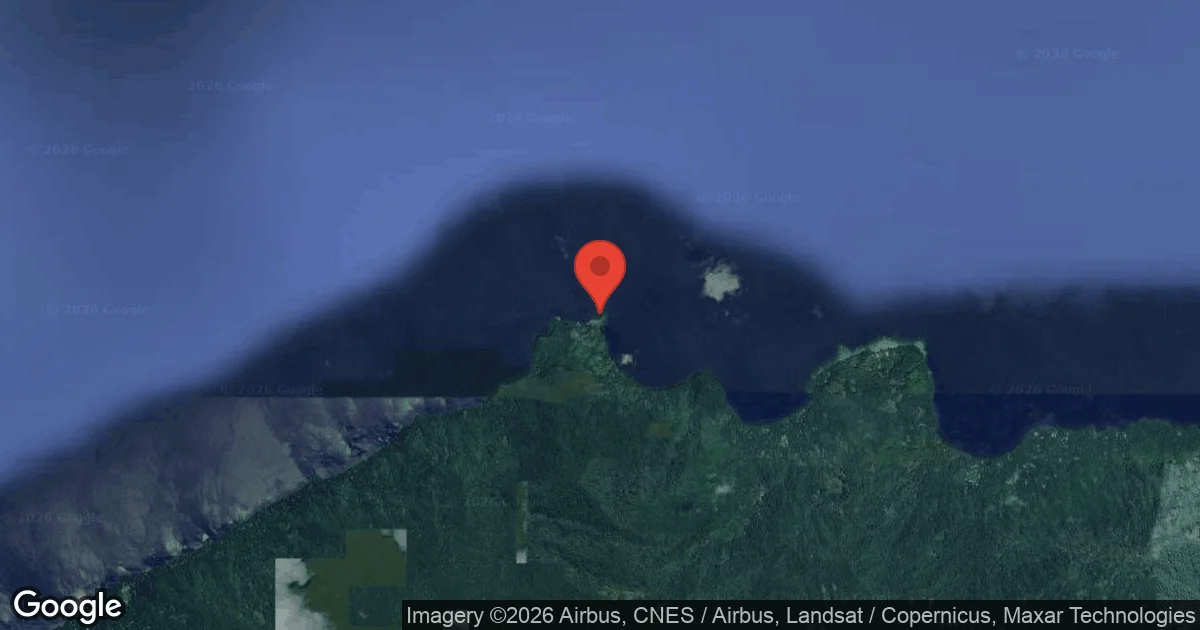
Wahoo Point is in Milne Bay, Papua New Guinea. It is easily accessible by a short boat ride, approximately three minutes, from the local dive resort.
What is the general depth profile of the dive site?
The site features a reef shelf that extends to approximately 16 meters (52 feet) at its point. Beyond this, the reef plunges sharply to significant depths over 100 meters.
Are there strong currents at Wahoo Point?
Currents at Wahoo Point are typically mild to moderate. Divers should be prepared for potential shifts and listen to local guides regarding conditions.
What marine life can I expect to see?
Wahoo Point is known for attracting larger pelagic species, including sharks, whales, dolphins, and turtles. You'll also encounter diverse reef fish and corals.
What is the best time of year to dive Wahoo Point?
The best time is generally from January to April, and also November and December, when conditions offer lower rainfall, milder winds, and calmer seas. Liveaboards often operate in Milne Bay during the first three months of the year.
Is Wahoo Point suitable for beginner divers?
Due to its significant depth potential and occasional moderate currents, Wahoo Point is better suited for advanced certified divers. Experience with drift diving and deeper profiles is recommended.
Planning to dive Wahoo Point?
Send one inquiry and receive offers directly from the best verified local dive operators.
Conditions are Moderate
High Wind Advisory (42km/h). Unsafe surface.
Current conditions near Wahoo Point show 24° air, 27° sea temperature, 1.2 m waves, and 42 km/h wind. Forecast data is refreshed regularly to ensure accuracy.