
Diving at Lauadi Or Dinah's Beach (Papua New Guinea)
For divers seeking the thrill of discovery in the miniature world, Lauadi or Dinah's Beach offers an unparalleled macro diving experience. Lauadi's status, considered the birthplace of muck diving, delivers a focused encounter with cryptic critters. Expect to spend time observing ghost pipefish, seahorses, and various nudibranchs among the silty substrate. It's an immersive opportunity to hone observational skills and capture intricate underwater life. The experience truly shifts focus from grand landscapes to the marvels of the small.
As evening covers Lauadi Or Dinah's Beach, the local air temperature is measured at 24.5°C. The current wave height at the surface is recorded at 0.6 m. These late-day readings characterize the surface conditions for the night.
Dive Site Location & Key Facts
Dive Site Overview
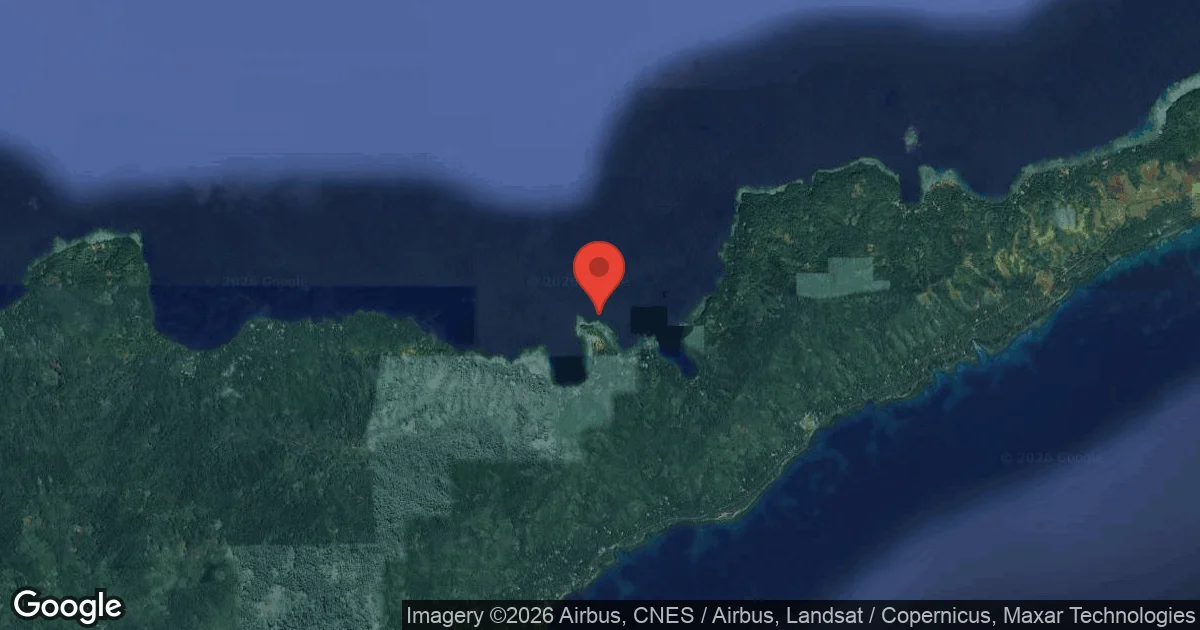
A striking pebbled shoreline, approximately 400-500 meters long, fronts the primary entry point for Dinah's Beach. Lauadi, specifically the Dinah's Beach area, is globally recognized as the origin point for "muck diving," presenting a distinctive topography centered on silty, often dark or black sand substrates directly offshore from the village.
Diving typically explores this unique environment, where the focus shifts from expansive coral formations to the minute and camouflaged life residing within the sediment. Unlike many traditional reef dives, the appeal lies in patiently uncovering extraordinary macro organisms against a relatively sparse backdrop. While Dinah's Beach itself epitomizes the muck dive, the broader Lauadi area in Milne Bay showcases remarkable diversity.
Nearby Deacon's Reef, for instance, provides a stark contrast with its vibrant coral gardens, allowing for a multifaceted diving experience within close proximity. It's possible to encounter both the intricate critter hunting of a muck dive and the rich colors of a coral reef in a single outing, depending on the specific dive plan.
Current conditions at Dinah's Beach are generally mild to moderate, making for comfortable extended bottom times as divers meticulously search the seafloor. Maximum depths are not consistently reported but typically range within recreational limits suitable for exploring the sandy bottom.
Conditions are Moderate
High Wind Advisory (42km/h). Unsafe surface.
Current conditions near Lauadi Or Dinah's Beach show 24° air, 27° sea temperature, 0.9 m waves, and 42 km/h wind. Forecast data is refreshed regularly to ensure accuracy.
Best Time to Dive
Diving at Lauadi or Dinah's Beach is viable year-round, though conditions vary, presenting contrasting experiences throughout the year. Optimal conditions for Milne Bay, including this site, generally span from October to March, often yielding peak visibility and calmer skies. During these months, average air temperatures remain consistently warm, hovering around 26.5-28°C (80-82°F), with rainfall typically lower, ranging from 3.5mm to 7.0mm. These months align with "Excellent" dive scores in our data. From May through September, an increase in average wind speeds and wave heights may affect surface conditions and dive site access. While still offering "Good" dive scores, air temperatures during these months cool slightly, averaging 25.5-26.5°C (78-80°F). Rainfall can be heavier, particularly in May and September, which might reduce surface visibility. Despite these variations, the climate remains hot and humid throughout the year, ensuring comfortable water temperatures suitable for diving regardless of the season.
PEAK SEASON SCORE
Scores combine air & water temps, waves, wind & rainfall for overall conditions.
BEST MONTHS TO DIVE
Monthly records compiled from satellite and marine observation nodes over the last 3 years. Data provided by Open-Meteo and MET Norway.
Dive Experience & Conditions
Conditions at Dinah's Beach typically present divers with a black sand shoreline entry, immediately immersing them in specialized critter hunting. Visibility in the water column often impresses, ranging from 25 to 40 meters (80 to 130 feet), allowing for clear views of the silty bottom. Water temperatures are comfortably warm, averaging around 26°C (79°F), reducing the need for heavy thermal protection. As you reach the seafloor, the environment transitions into the distinct "muck" substrate, characterized by fine sediments and detritus. Currents here are usually mild to moderate, providing stable conditions for photographers and keen observers to meticulously scan the terrain. The experience prioritizes slow, deliberate exploration rather than navigating grand structures. Milder currents further facilitate extended macro photography opportunities.
Dive Difficulty & Safety Guidelines
While no specific site-reported hazards are consistently identified for Dinah's Beach, divers should approach muck diving with appropriate caution. Focusing on small, camouflaged marine life necessitates excellent buoyancy control to avoid disturbing the delicate habitat or stirring up the silty bottom, which can quickly reduce visibility for yourself and others. Currents are typically mild to moderate, but always monitor local conditions and plan dives accordingly, especially if exploring nearby areas where currents might differ.
Given the remote nature of many Papua New Guinea dive sites, ensuring all equipment is in excellent working order and having a robust dive plan is always advisable. Dive with a buddy and communicate thoroughly.
Always allow for adequate surface intervals and plan ascents carefully, considering the potential for boat traffic or surface chop. Adherence to responsible diving practices helps preserve this unique macro environment.
Recommended Equipment
- Dive Computer
This gear list is based on verified equipment signals for Lauadi Or Dinah's Beach, Papua New Guinea. Always confirm final gear choices with your dive operator, guide, or liveaboard.
Recommended Dive Suit
Subtle variations in currents or depth can sometimes influence perceived water temperature.
2-3mm shorty or light wetsuit tends to perform well in water temperatures like those currently observed here. Consider warmer surface protection (like a boat coat) due to brisk winds. Forecast models show minimal temperature variation in the coming days.
Divers heading to Lauadi Or Dinah's Beach today should expect water temperatures around 27°C (80°F). Surface air temperatures are resting at 24°C (76°F).
Due to technical issues with our weather providers, data hasn't been fetched for over 48 hours. The data above reflects the conditions at the time of the last successful fetch.
Emergency & Medical Support
Essential information to help you plan your dive trip to Lauadi or Dinah's Beach.

Hyperbaric chambers are a critical part of dive safety infrastructure. Availability varies significantly by region, and not all dive areas have immediate access.
Before diving, it's recommended to:
- confirm nearest medical facilities
- check emergency procedures with local dive operators
- ensure dive insurance covers evacuation if required
Divers Alert Network
Diving emergency assistance available through DAN World.
+1-919-684-9111- 24/7 emergency hotline
- Diving medical assistance
- Evacuation coordination
Emergency contacts are provided for reference. Always verify local emergency services before diving.
Marine Life at Lauadi Or Dinah's Beach
Dinah's Beach's underwater landscape, characterized by its silty, often dark or black sand substrate, serves as a specialized canvas for an incredible array of macro marine life. The unique environment makes it a globally recognized muck diving destination.
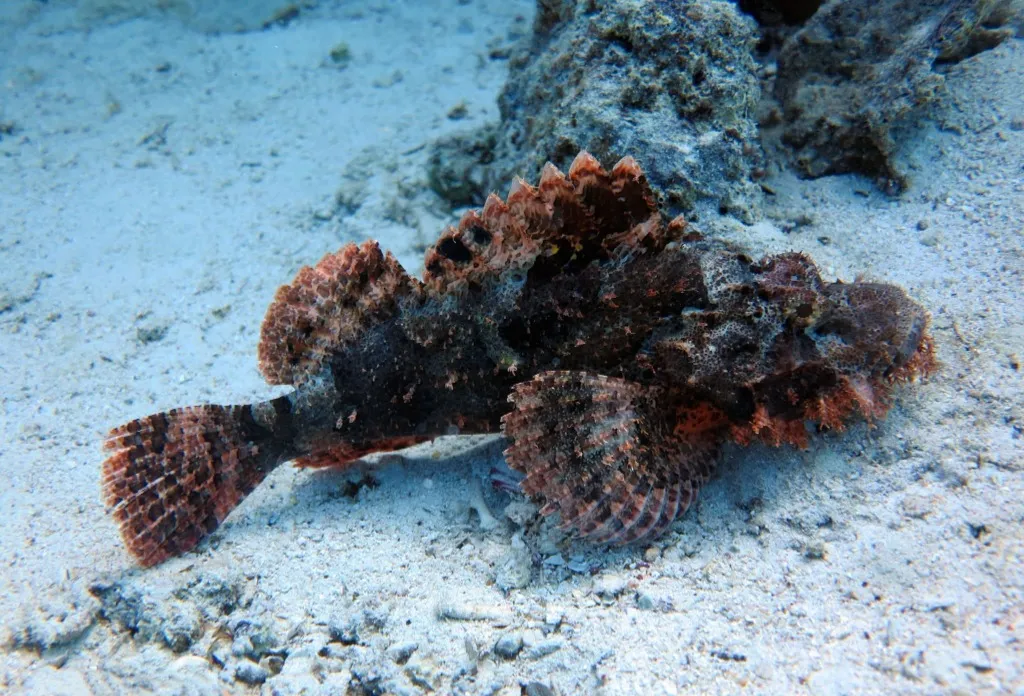
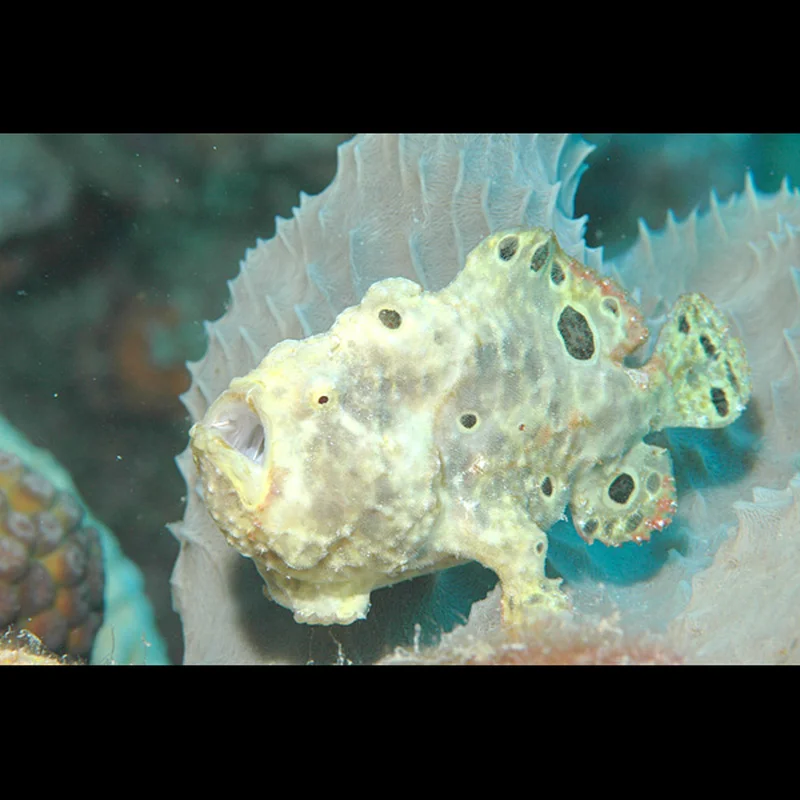
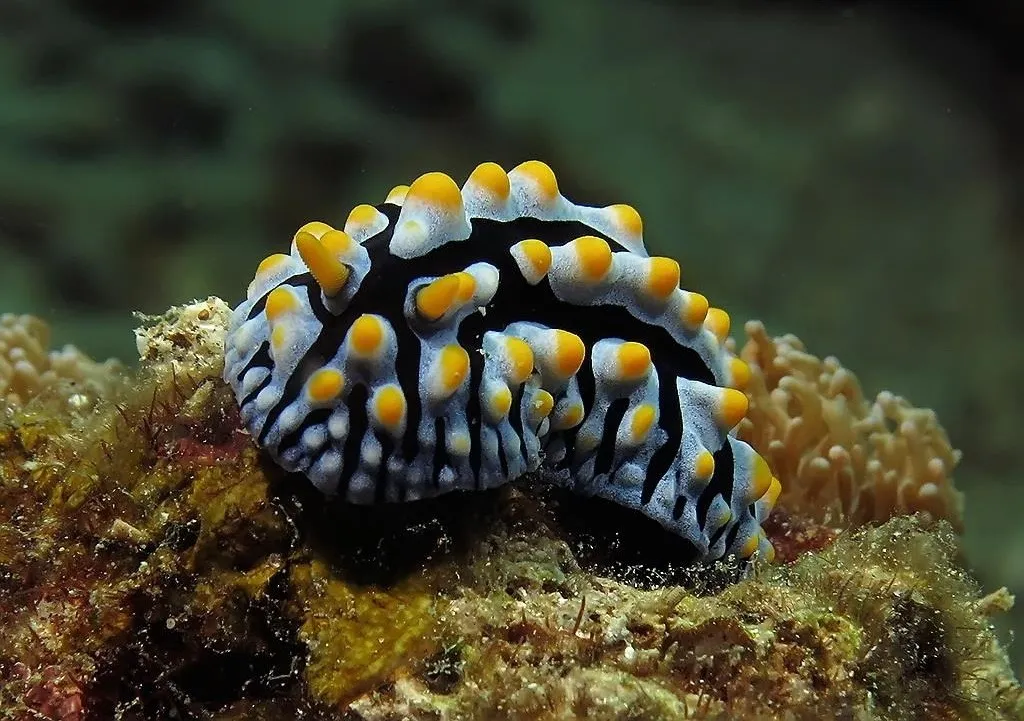
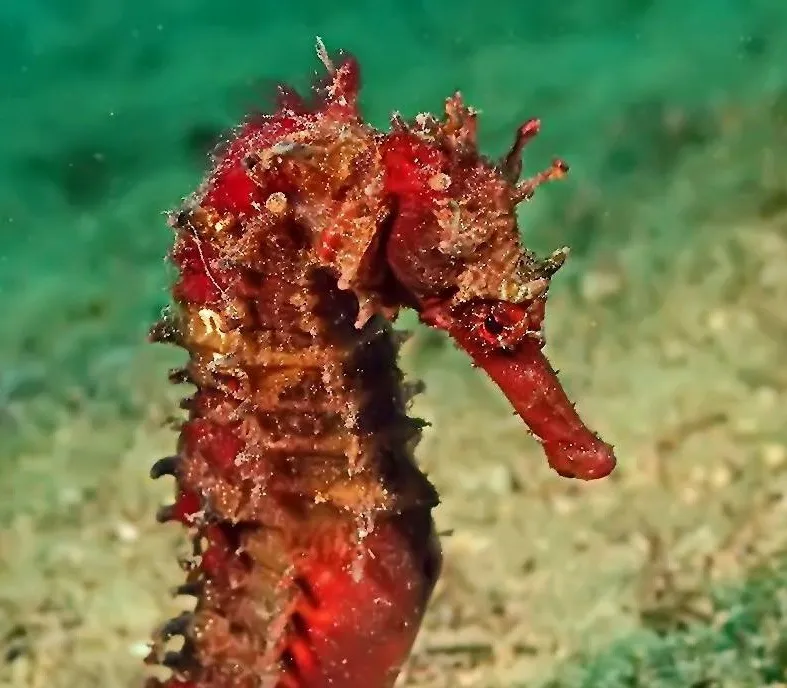
Divers regularly encounter a fascinating assortment of critters, including various species of ghost pipefish, diminutive seahorses, and an impressive diversity of nudibranchs displaying vibrant colors. Keep an eye out for frogfish camouflaged against the bottom and the elusive Rhinopias scorpionfish.
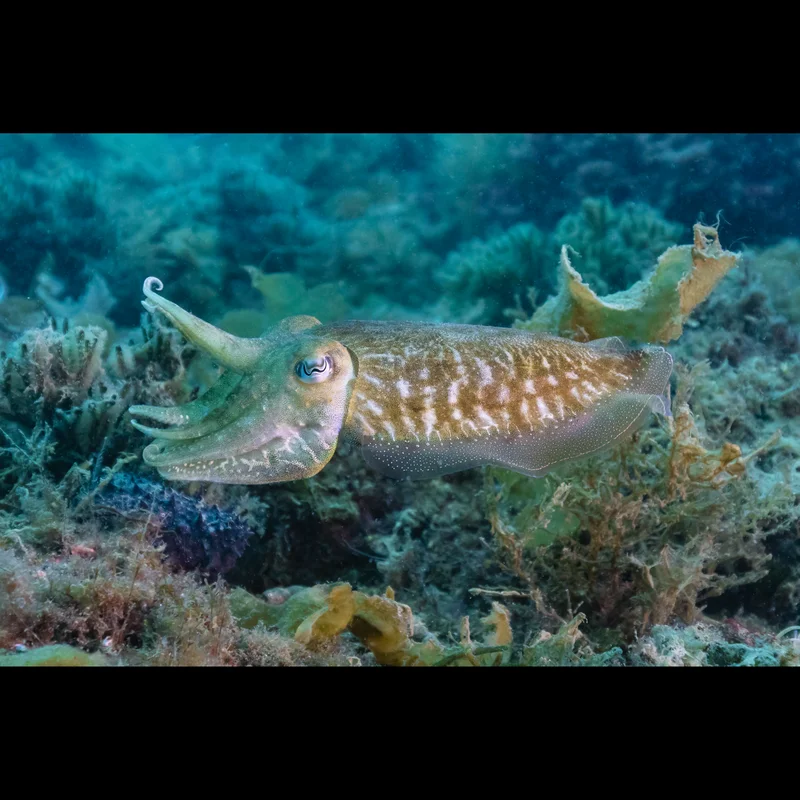
Flatworms, cuttlefish, and mandarin fish also contribute to the rich tapestry of small, often cryptic, inhabitants that define this site.
Dive Sites Near Lauadi Or Dinah's Beach
View all dive sites in Papua New GuineaDiscover more underwater gems in this area.
Dive Centers Near Lauadi Or Dinah's Beach
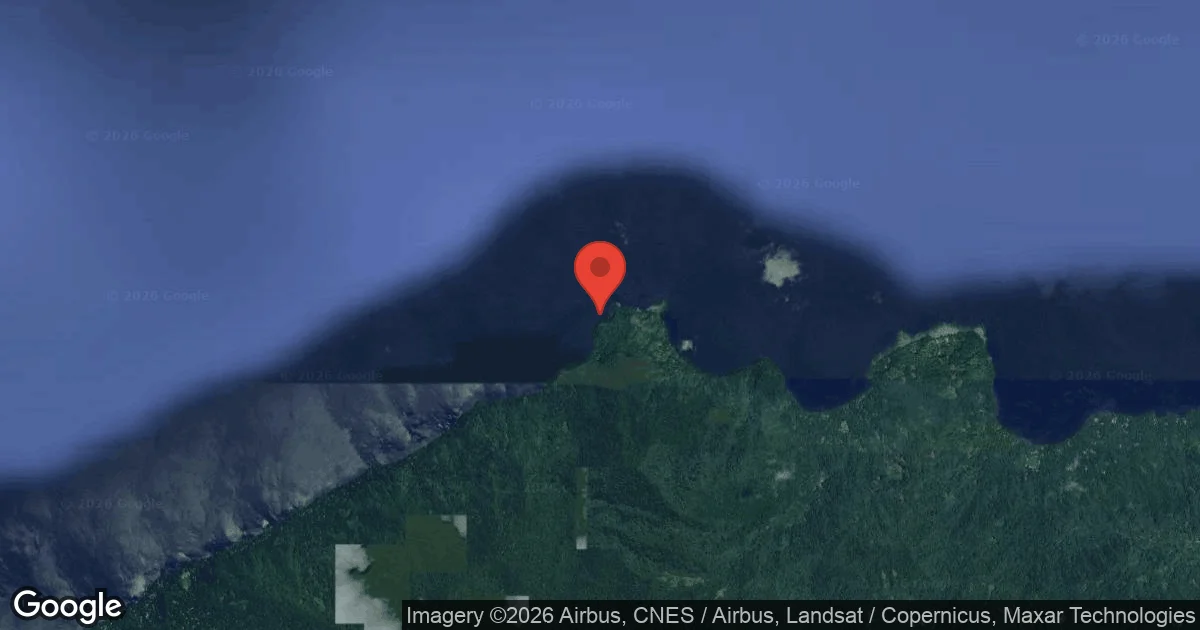
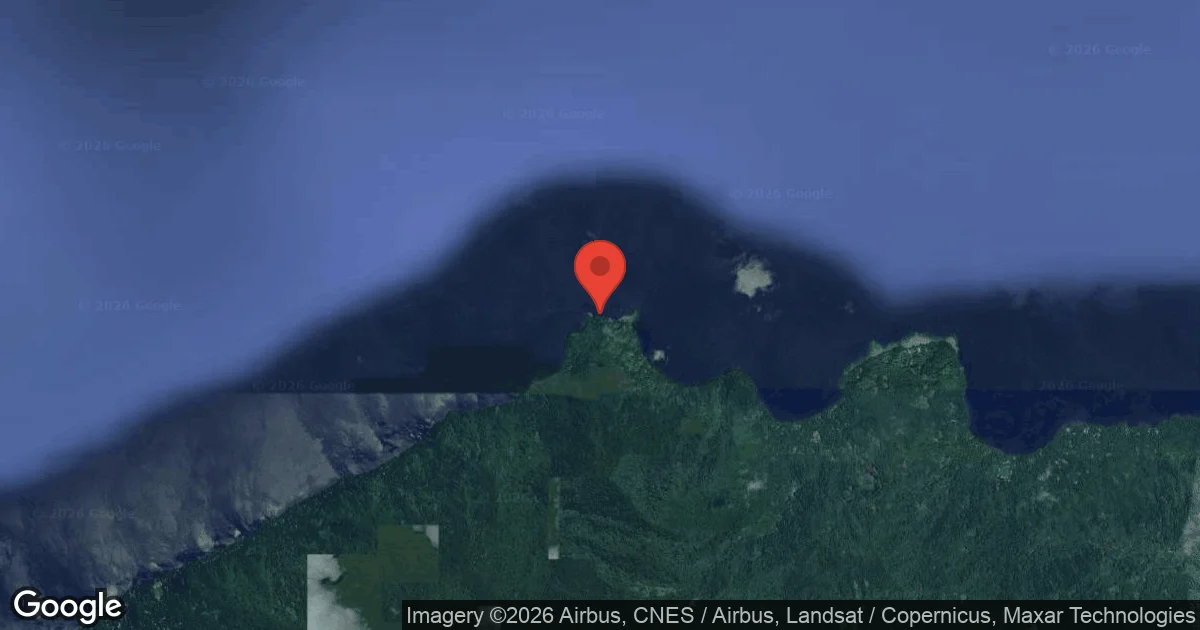
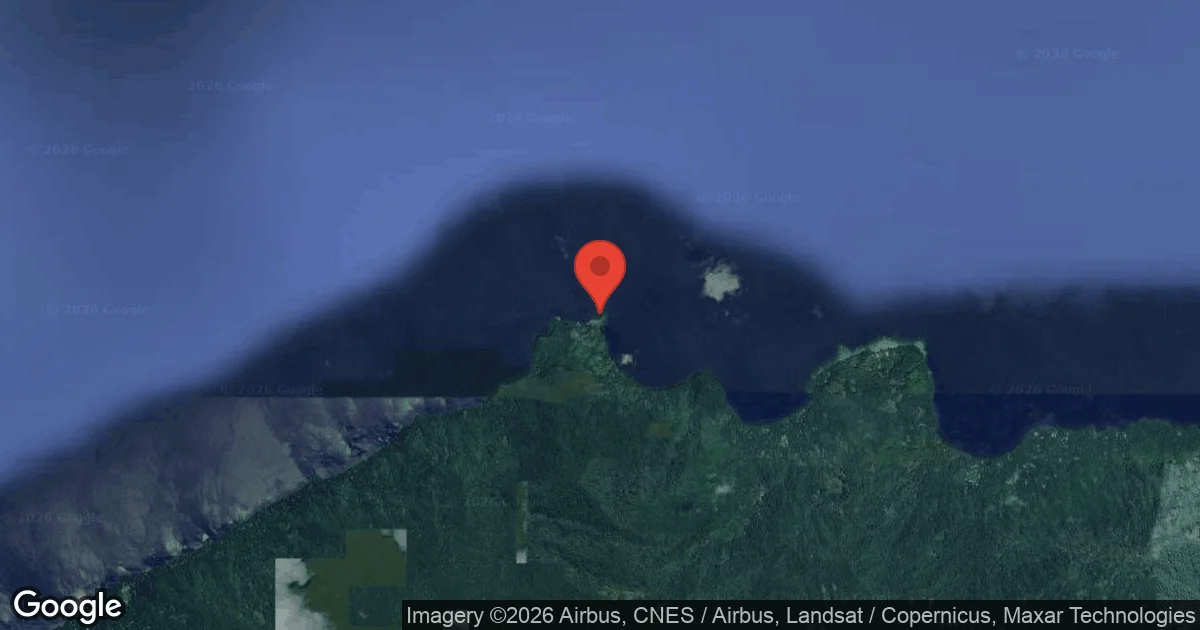
No Dive Centers Local To Lauadi Or Dinah's Beach
Are you a dive center visiting this location? Get listed to reach divers.
Nearest Airports
Nearest airports to help plan travel to this dive area.
Search Flights
Check available flights and routes on Expedia, using the nearby airports listed in this section.
Search Flights on ExpediaFrequently Asked Questions
What defines muck diving at Dinah's Beach?
Muck diving at Dinah's Beach means exploring a silty, often dark sand bottom in search of small, camouflaged marine creatures. It’s a specialized form of diving that focuses on macro life rather than large coral formations. Patience and a keen eye are essential for spotting the diverse critters inhabiting the substrate.
What kind of unique marine life is commonly found here?
Dinah's Beach is celebrated for its incredible macro biodiversity. Divers often spot ghost pipefish, seahorses, frogfish, and a wide variety of nudibranchs. Keep an eye out for flatworms, cuttlefish, and even the rare Rhinopias scorpionfish.
What are the typical water temperature and visibility conditions?
Water temperatures average a comfortable 26°C (79°F) year-round. Visibility is generally excellent, often ranging from 25 to 40 meters (80 to 130 feet), allowing for clear views of the detailed bottom.
Are the currents strong at Lauadi or Dinah's Beach?
Currents at this site are typically very mild to moderate. This makes for relaxed diving, especially beneficial for macro photography and extended observation periods. It generally provides stable conditions for exploring the shallow sandy areas.
Is Dinah's Beach suitable for novice divers?
While generally mild conditions make it accessible, the specific focus on critter hunting and maintaining good buoyancy over a silty bottom might be more rewarding for divers with some experience. Beginners with good control can enjoy it, but a detailed briefing on muck diving techniques is recommended.
Can I experience both muck diving and coral reefs in the same area?
Yes, the Lauadi area is remarkable for its contrasting dive sites. While Dinah's Beach is a dedicated muck dive, the nearby Deacon's Reef offers spectacular coral gardens, providing opportunities for both experiences within close proximity.
Planning to dive Lauadi Or Dinah's Beach?
Send one inquiry and receive offers directly from the best verified local dive operators.
Conditions are Moderate
High Wind Advisory (42km/h). Unsafe surface.
Current conditions near Lauadi Or Dinah's Beach show 24° air, 27° sea temperature, 0.9 m waves, and 42 km/h wind. Forecast data is refreshed regularly to ensure accuracy.