
Diving at 7 Seas Reef (Philippines)
For divers considering 7 Seas Reef, understanding the site's varied topography is key. It presents an accessible shallow reef transitioning into significant depths, making it suitable for divers with diverse experience levels. Beginning gently, the site quickly progresses to more challenging conditions, particularly with its deep walls and potential for drift dives. Novice divers can explore the reef top, while advanced divers will appreciate the deeper sections and wall features.
Evening condition tracking at 7 Seas Reef features an air temperature of 29.5°C. We have recorded wave heights measuring 0.1 m during this period. These figures outline the environmental parameters currently present.
Dive Site Location & Key Facts
Dive Site Overview
A dramatic unfolding characterizes this dive site, beginning with a gently sloping reef top that leads to considerable depths. Divers will initially explore coral mounts nestled within extensive seagrass beds, typically around 10 m (30 ft) deep.
Its vibrant, sunlit habitat provides refuge for countless smaller reef fish and a rich assortment of invertebrates, ideal for macro observation. As the journey continues, the topography shifts noticeably. Further along, a more significant descent begins, with the reef dropping to approximately 50 m (100 ft).
Here, steep slopes transition into impressive sheer drop-offs. These vertical walls extend dramatically, plunging beyond 100 m (300 ft) into the deep blue, creating a profound sense of scale and exploration.
Varied underwater structures at 7 Seas Reef allow for a range of dive experiences. From straightforward beach entries to dynamic drift dives along the reef's edge, divers can tailor their approach.
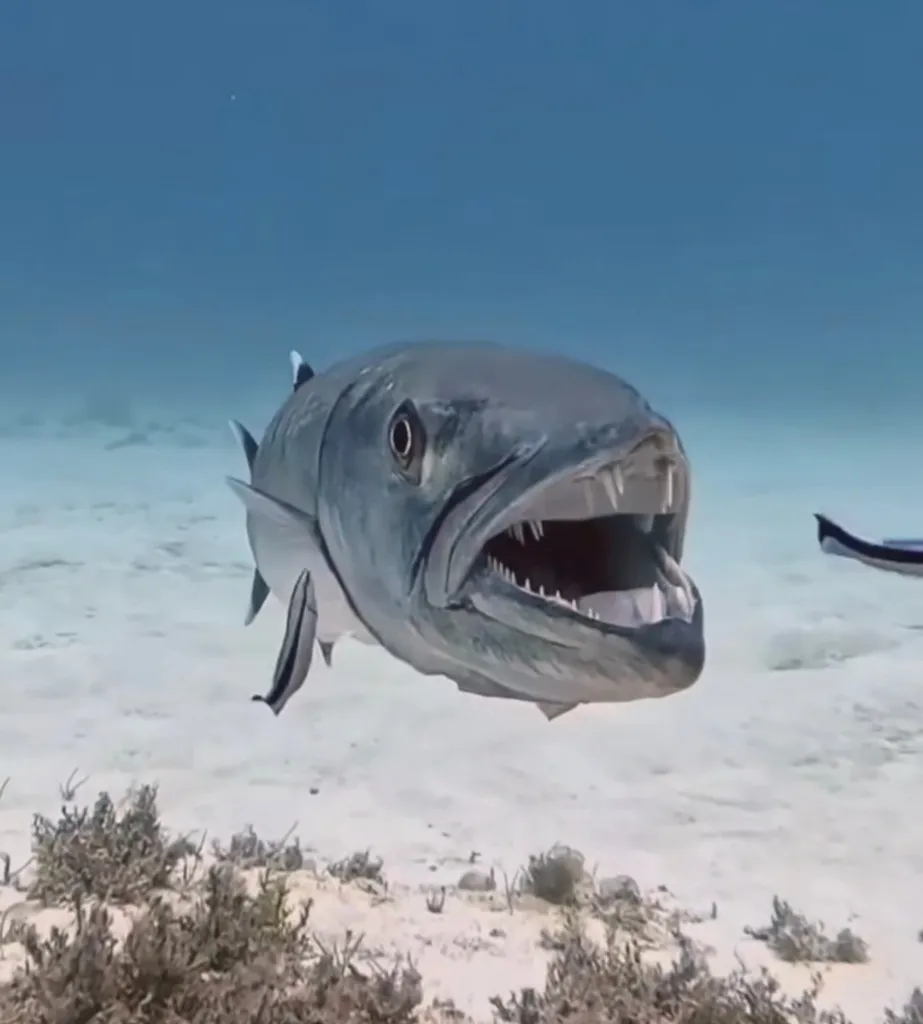
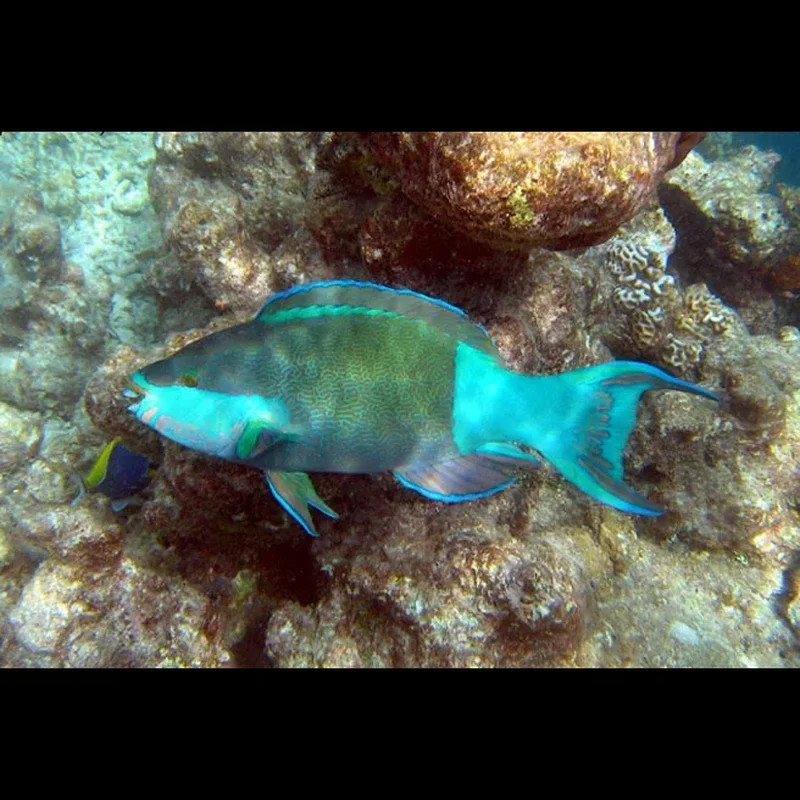
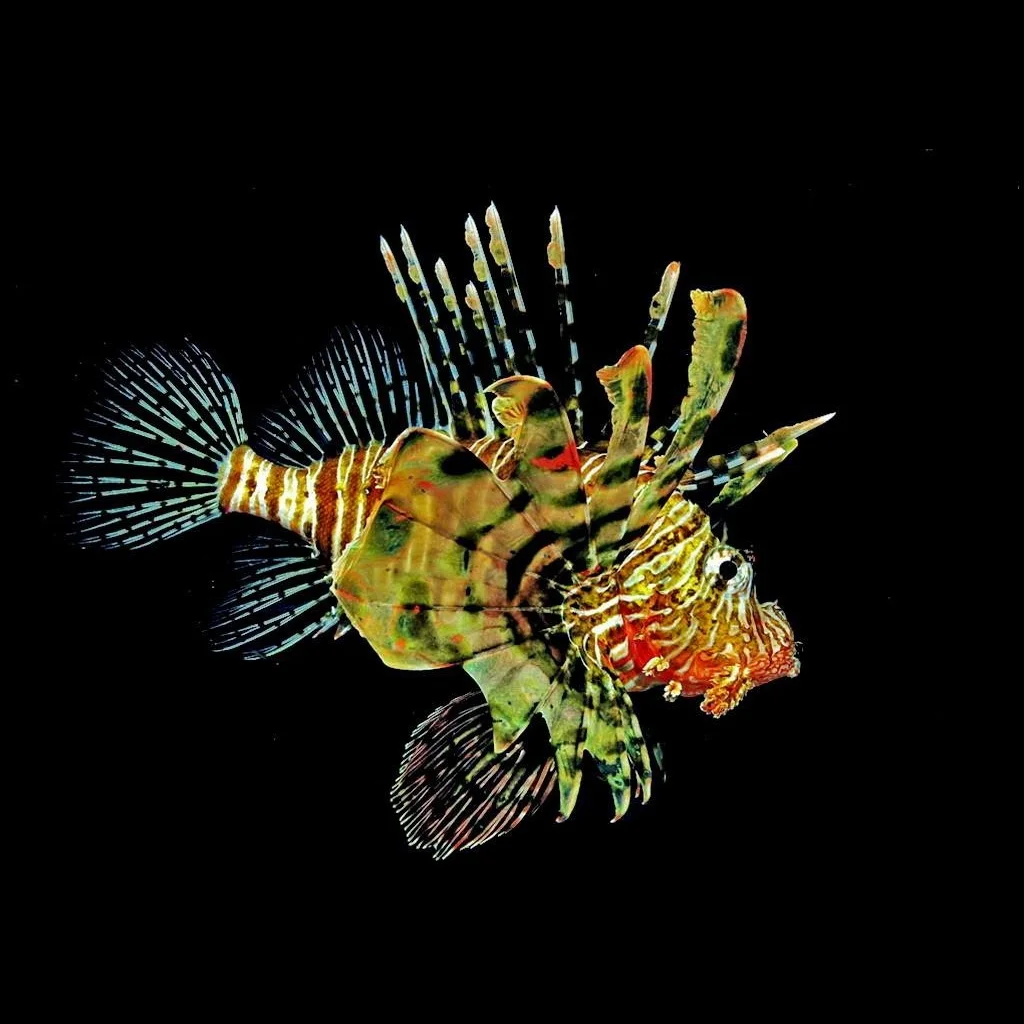
Traditional reef explorations unfold across the shallower sections, while more experienced divers can embrace the thrilling challenge of a wall dive, tracing the intricate textures of the deeper face. Along the reef face, encounters with barracuda, colorful parrotfish, and resting lionfish are common.
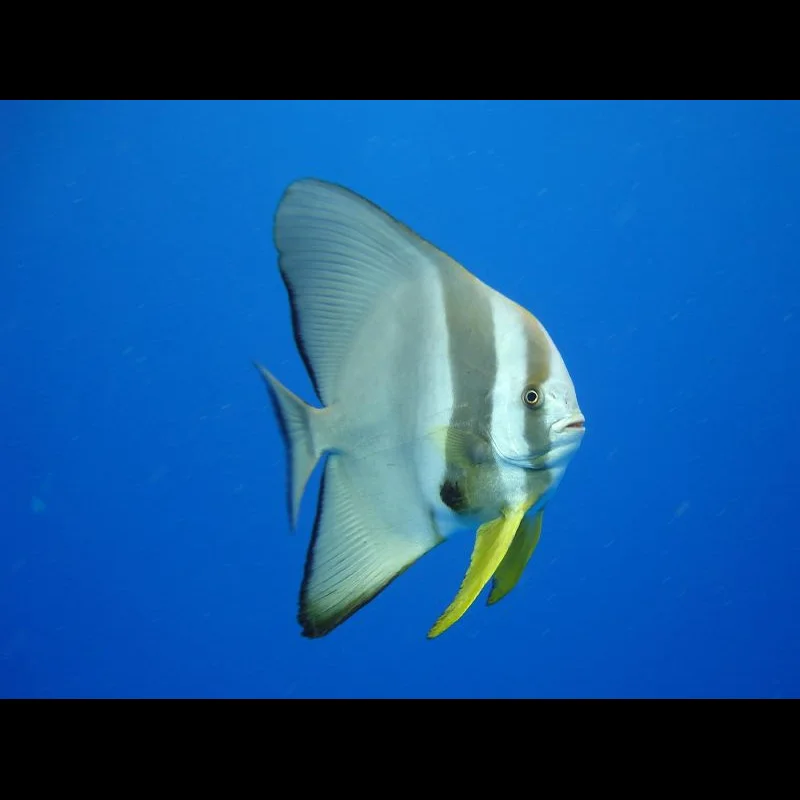
Schools of jacks and graceful batfish often navigate these diverse underwater landscapes, moving from the sunlit shallows to the cool, vertical embrace of the deep wall. Depth profoundly shapes the site's character, promising distinct encounters and differing experiences based on your chosen path.
Conditions are Good
Optimal conditions expected
Current conditions near 7 Seas Reef show 30° air, 30° sea temperature, 0.1 m waves, and 28 km/h wind. Forecast data is refreshed regularly to ensure accuracy.
Best Time to Dive
Planning your trip to 7 Seas Reef during the calmer periods generally enhances the dive experience. Dive scores are consistently good throughout the year, with excellent ratings often seen in April, June, and October. During these months, air temperatures average 28.5-29°C (83-84°F), contributing to comfortable topside conditions. Rain tends to be minimal from April to June, ranging from 2.3 to 6.8 mm. Wave heights are also typically low, often less than 0.2 meters (0.7 ft), indicating calmer sea states. While specific water temperature data for 7 Seas Reef is not consistently reported, Philippine waters generally maintain a warm average, potentially around 29°C (84°F). Wind speeds are often lowest from May to October, supporting smoother boat transfers and surface conditions.
PEAK SEASON SCORE
Scores combine air & water temps, waves, wind & rainfall for overall conditions.
BEST MONTHS TO DIVE
Monthly records compiled from satellite and marine observation nodes over the last 3 years. Data provided by Open-Meteo and MET Norway.
Dive Experience & Conditions
Beginning your descent at 7 Seas Reef, you'll first explore the shallow, sun-drenched reef top, which gracefully slopes down. Here, coral mounts are interspersed with seagrass beds, offering a detailed look at smaller, vibrant reef fish and a vast array of invertebrates. As you continue deeper, the slope steepens significantly, transitioning into impressive drop-offs that plunge beyond 100 m (300 ft). A wide range of visibility allows for clear views of both macro life in the shallows and pelagic activity along deeper walls. Drift diving as an option suggests currents can be a factor, requiring divers to be proficient in managing varying water movements. Maintaining good buoyancy control is essential, particularly when exploring the vertical reef faces.
Dive Difficulty & Safety Guidelines
When diving 7 Seas Reef, it's crucial to approach the site with an appropriate skill level. Given the deep drop-offs and potential for drift conditions, intermediate to advanced certification is recommended, especially if you plan to explore beyond the shallow reef top. Always be mindful of your depth limits and air consumption, particularly on wall dives where the deep blue can be alluring.
Consistent buoyancy control helps protect the delicate coral structures and minimizes effort in potential currents. Staying aware of your dive profile and ascent rates is paramount.
Planning your dive with experienced local guides, who can provide real-time information on prevailing currents and site specifics, significantly enhances safety.
Recommended Equipment
Current and surface separation risk. Local briefing strongly recommended.
- Dive Computer
- DSMB
- Reel / Spool
This gear list is based on verified equipment signals for 7 Seas Reef, Philippines. Always confirm final gear choices with your dive operator, guide, or liveaboard.
Recommended Dive Suit
Forecast trends indicate little change in overall diving conditions during the next few days.
Divers who prefer a balanced level of warmth often select dive skin or rash guard in water temperatures like this.
At 7 Seas Reef, the water is currently sitting around 30°C (86°F). Surface air temperatures are resting at 30°C (85°F).
Emergency & Medical Support
Essential information to help you plan your dive trip to 7 Seas Reef.

Hyperbaric chambers are a critical part of dive safety infrastructure. Availability varies significantly by region, and not all dive areas have immediate access.
Before diving, it's recommended to:
- confirm nearest medical facilities
- check emergency procedures with local dive operators
- ensure dive insurance covers evacuation if required
Divers Alert Network
Diving emergency assistance available through DAN World.
+1-919-684-9111- 24/7 emergency hotline
- Diving medical assistance
- Evacuation coordination
Emergency contacts are provided for reference. Always verify local emergency services before diving.
Marine Life at 7 Seas Reef
Descending into 7 Seas Reef, divers will quickly notice the abundant smaller reef fish darting among the coral mounts and seagrass. A significant variety of invertebrates teems throughout the site, rewarding those with a keen eye for macro life.
Along the reef, you're likely to encounter barracuda patrolling the water column, along with colorful parrotfish grazing the corals. Lionfish often rest in sheltered spots, while schools of jacks and graceful batfish might glide by, especially closer to the drop-offs.
Such diversity reflects a healthy reef ecosystem, supporting both resident species and transient visitors to its varied habitats.

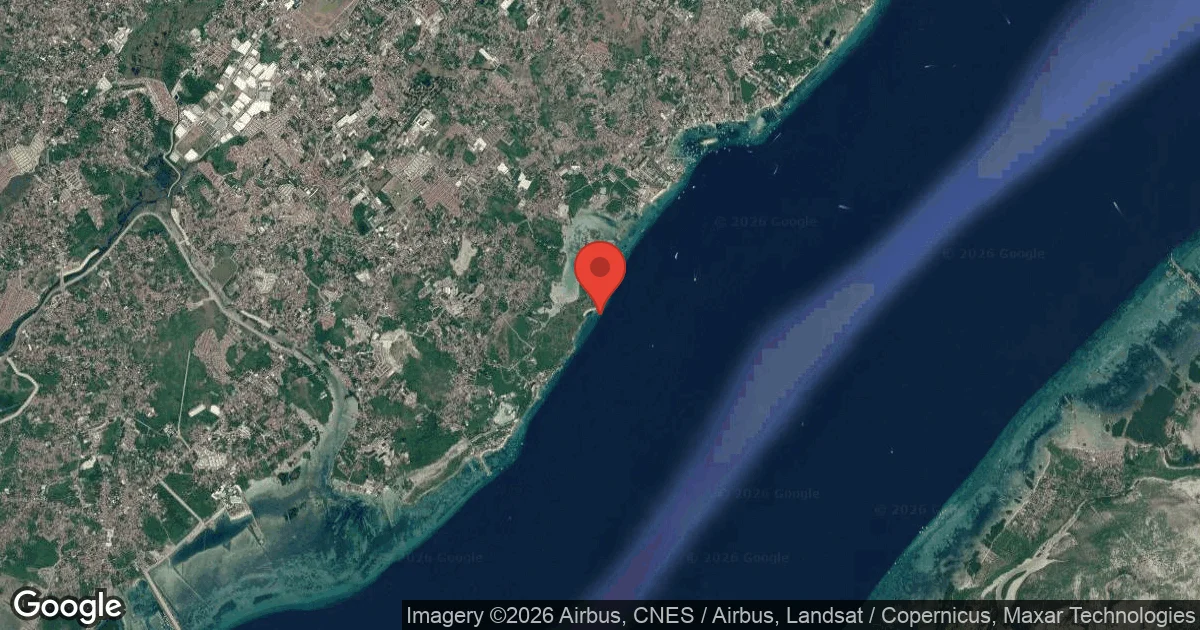
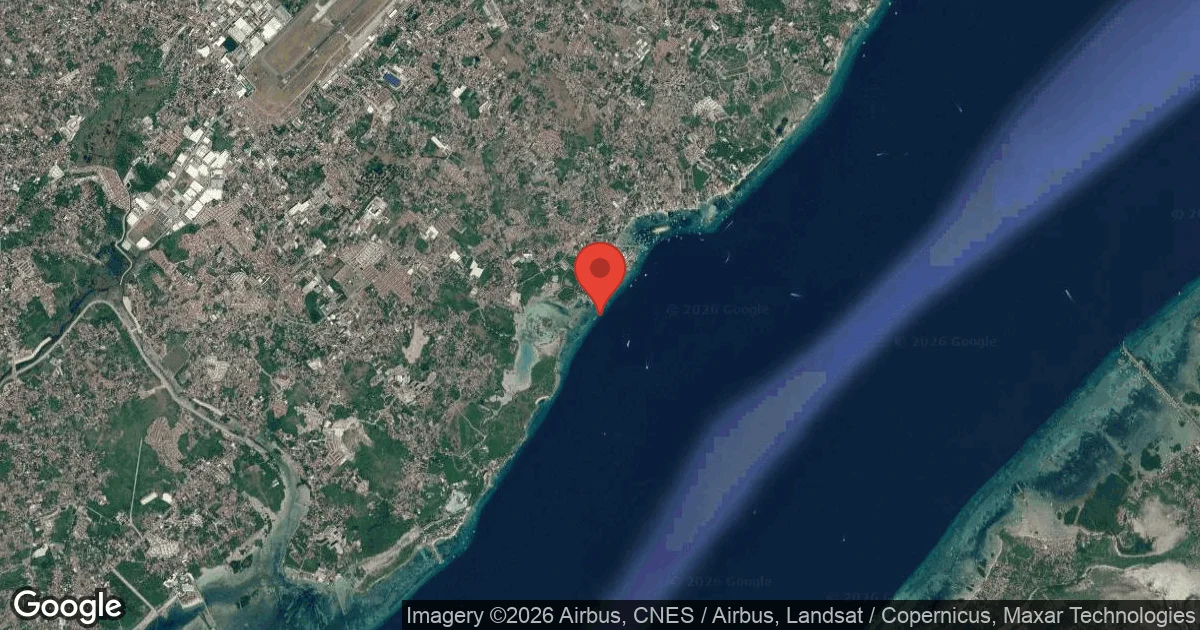
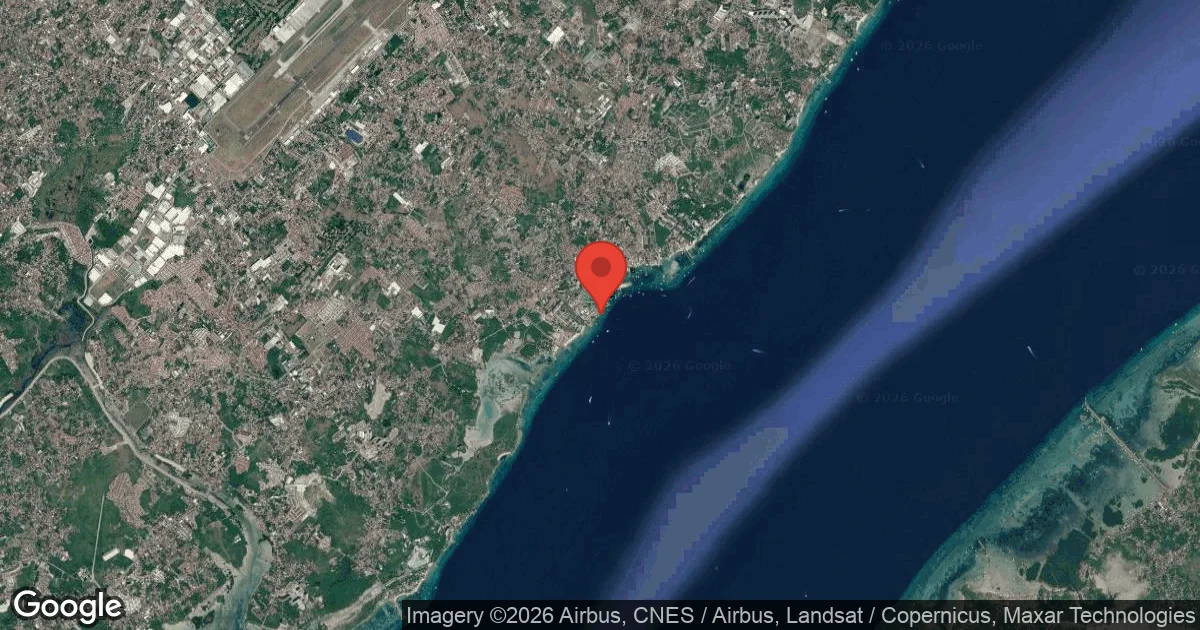
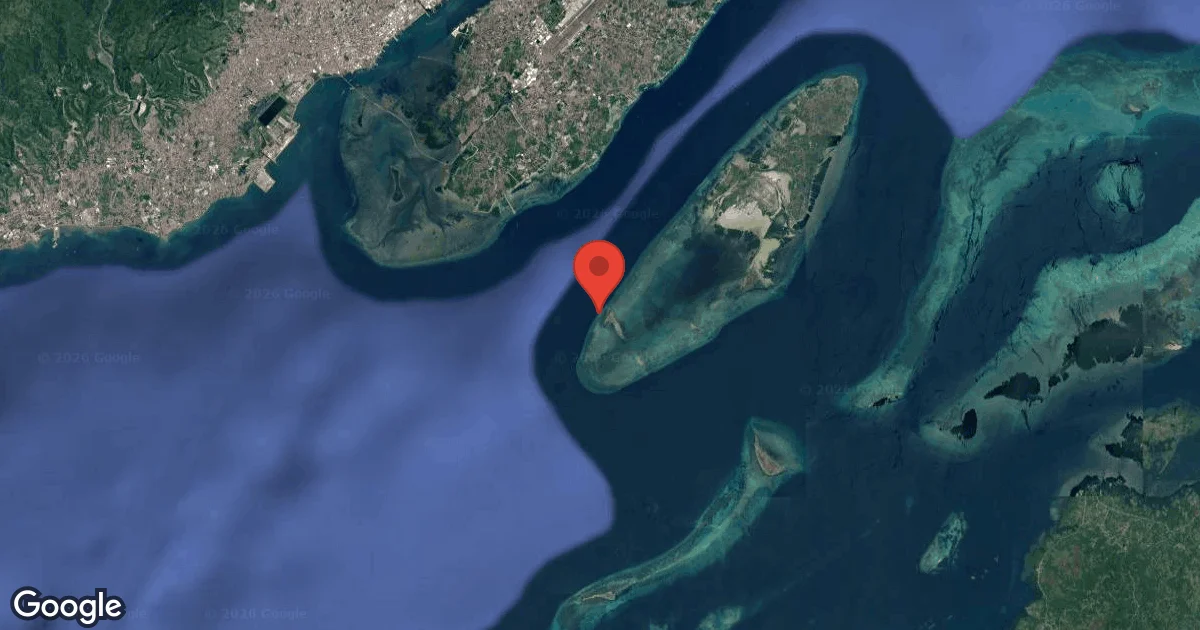
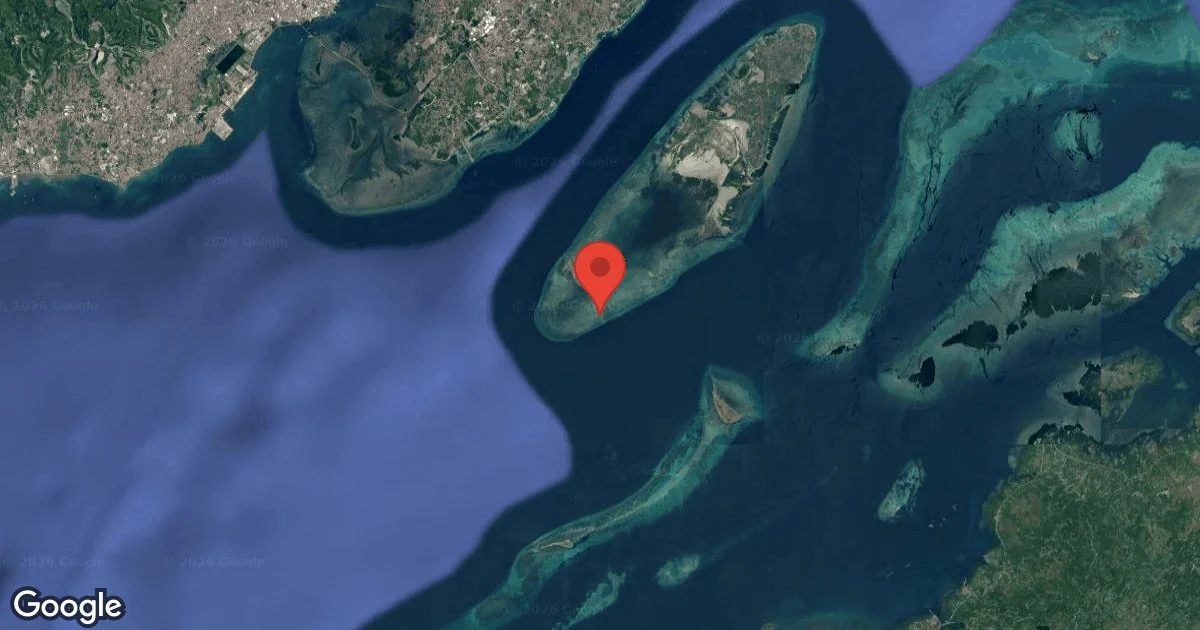
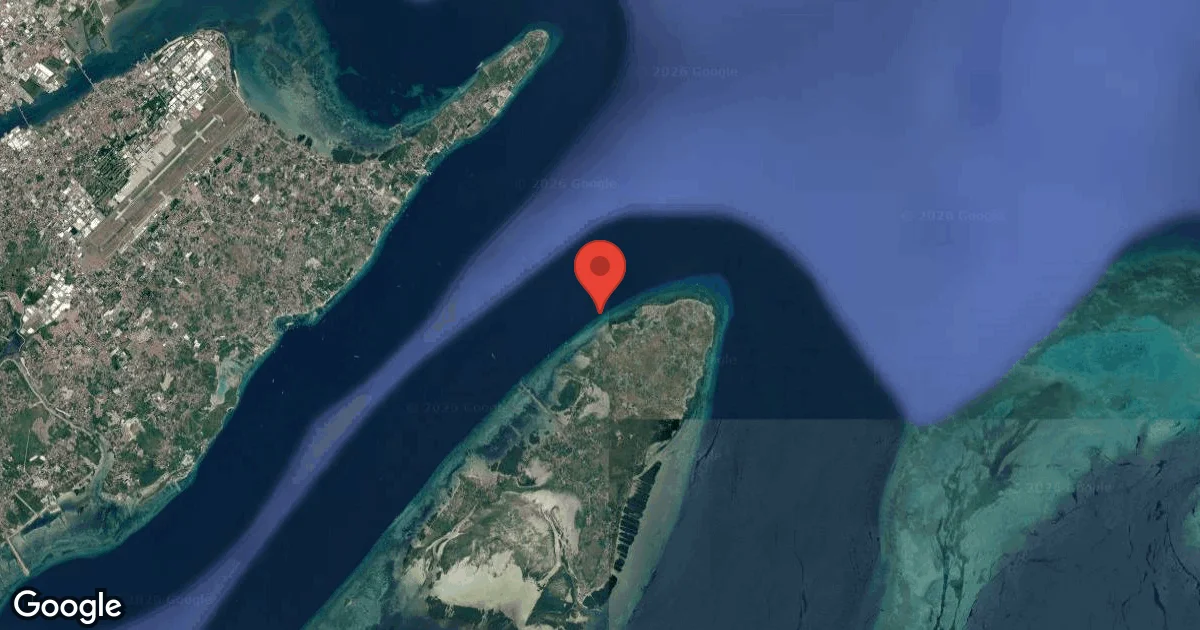
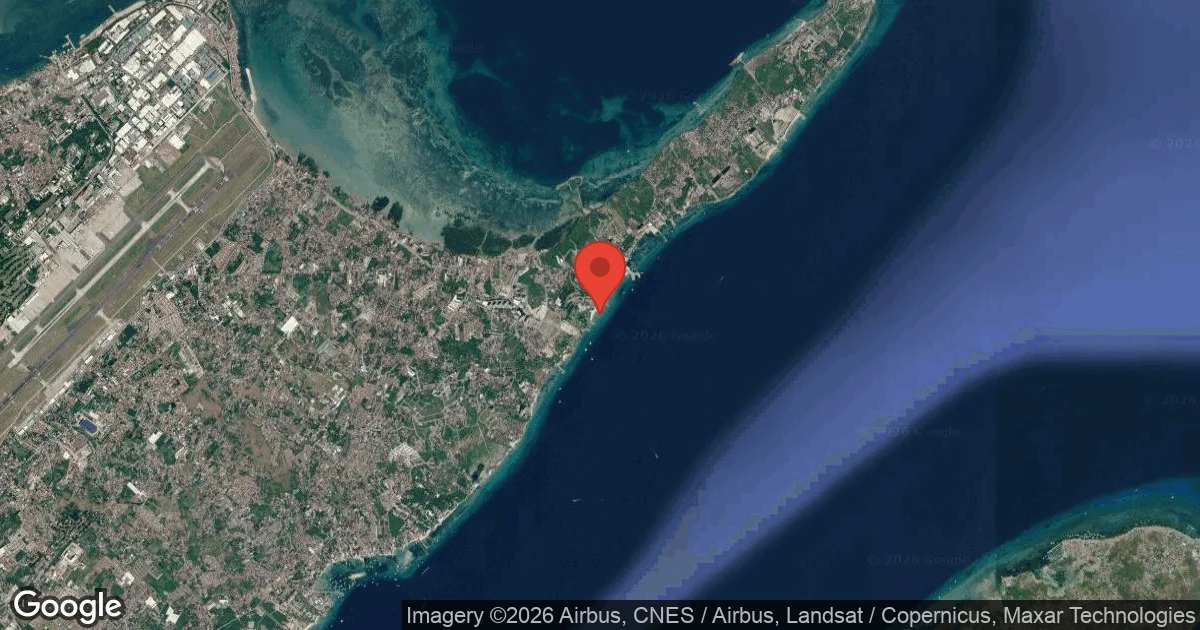
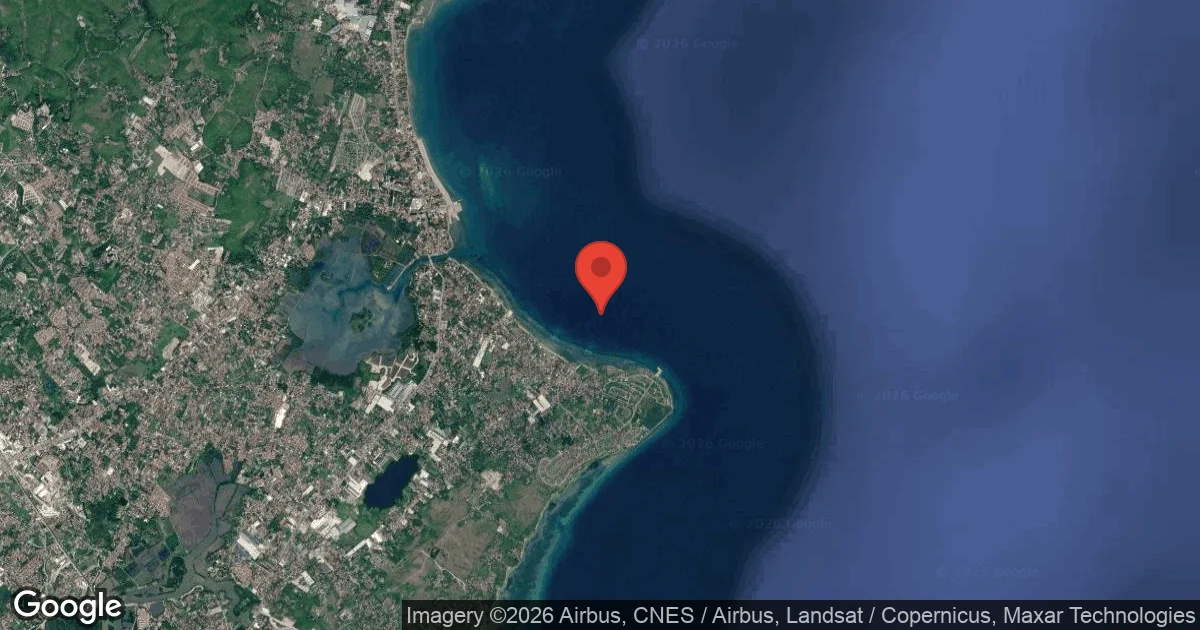
Dive Sites Near 7 Seas Reef
View all dive sites in PhilippinesDiscover more underwater gems in this area.
Dive Centers Near 7 Seas Reef
Today: 07:30 - 18:00
Nearest Airports
Nearest airports to help plan travel to this dive area.
Search Flights
Check available flights and routes on Expedia, using the nearby airports listed in this section.
Search Flights on ExpediaFrequently Asked Questions
What skill level is recommended for diving 7 Seas Reef?
The site accommodates various skill levels. Novice divers can enjoy the shallow reef top, but intermediate to advanced certification is recommended for exploring the deeper slopes, drop-offs, and experiencing potential drift conditions.
What kind of marine life can I expect to see?
You'll find smaller reef fish, a wide range of invertebrates, barracuda, parrotfish, lionfish, jacks, and batfish. The mix of seagrass and coral habitats supports diverse species.
What are the typical dive depths at 7 Seas Reef?
The reef top gently slopes to about 10 m (30 ft), then drops to approximately 50 m (100 ft). Steep slopes and drop-offs continue well beyond 100 m (300 ft).
What types of diving are available here?
7 Seas Reef supports various dive types, including beach dives, drift dives, classic reef dives, and exhilarating wall dives along its deep drop-offs.
When is the best time of year to dive 7 Seas Reef?
While consistently good throughout the year, the months of April, June, and October often receive excellent dive scores due to calmer conditions and minimal rain. Air temperatures are comfortable, averaging 28.5-29°C (83-84°F).
What is the typical water temperature?
Specific water temperature data for 7 Seas Reef is not consistently reported. However, Philippine waters generally maintain warm temperatures, typically around 29°C (84°F) regionally.
Planning to dive 7 Seas Reef?
Send one inquiry and receive offers directly from the best verified local dive operators.
Conditions are Good
Optimal conditions expected
Current conditions near 7 Seas Reef show 30° air, 30° sea temperature, 0.1 m waves, and 28 km/h wind. Forecast data is refreshed regularly to ensure accuracy.