
Diving at San Juan Wreck (Philippines)
San Juan Wreck presents a formidable and rewarding challenge for divers seeking deep exploration. A substantial vessel, it rests on the seabed, demanding advanced technical skills and precise planning. For those with the right training, an immersive journey into a preserved piece of maritime history awaits, an engaging site where the wreck's scale truly stands out.
As evening covers San Juan Wreck, the local air temperature is measured at 30°C. The current wave height at the surface is recorded at 0 m. These late-day readings characterize the surface conditions for the night.
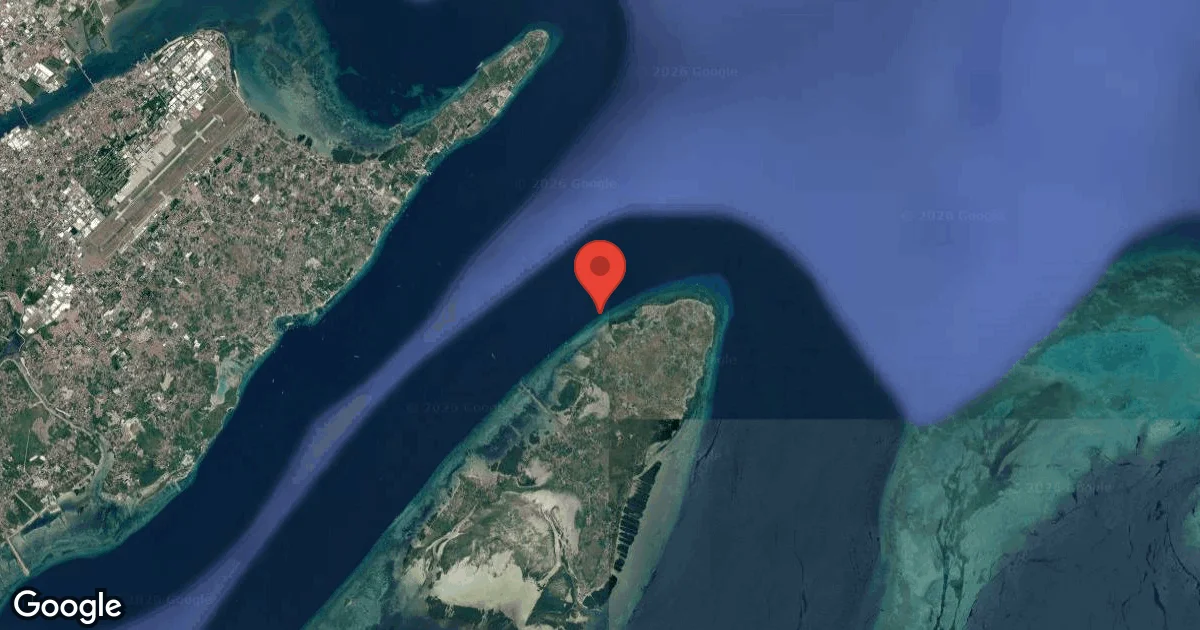
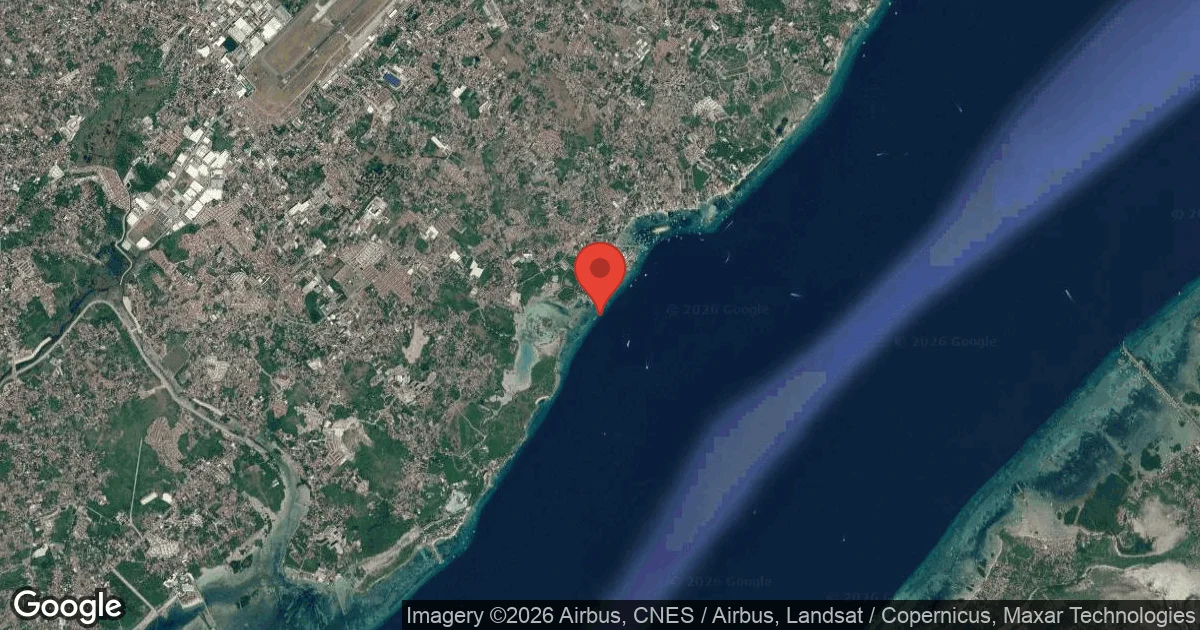
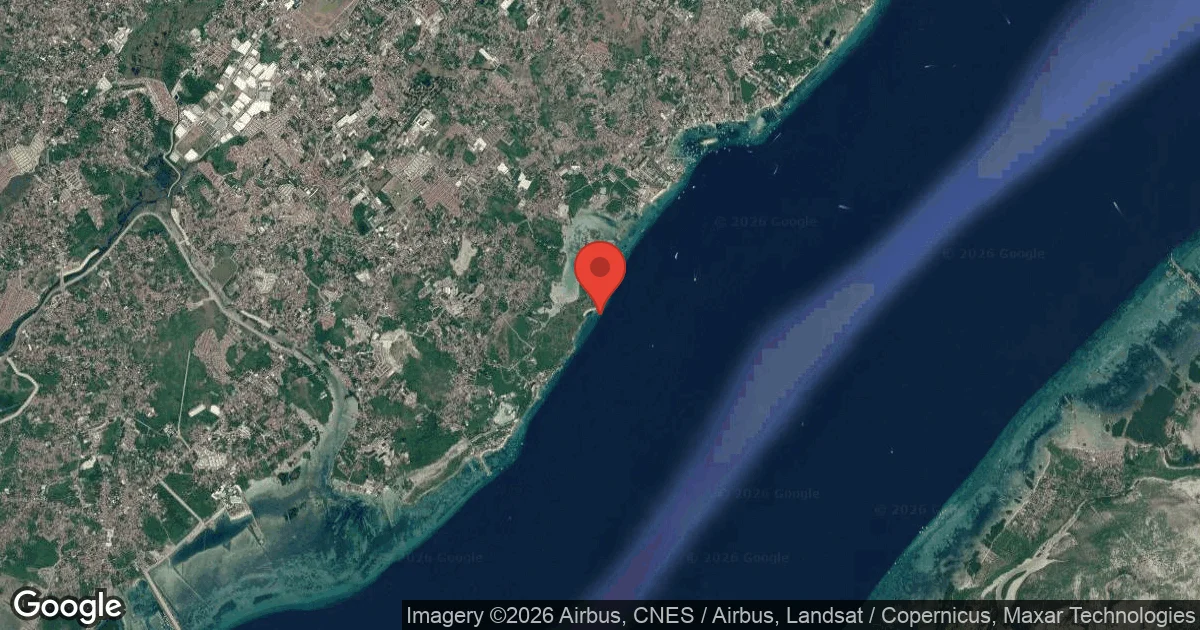
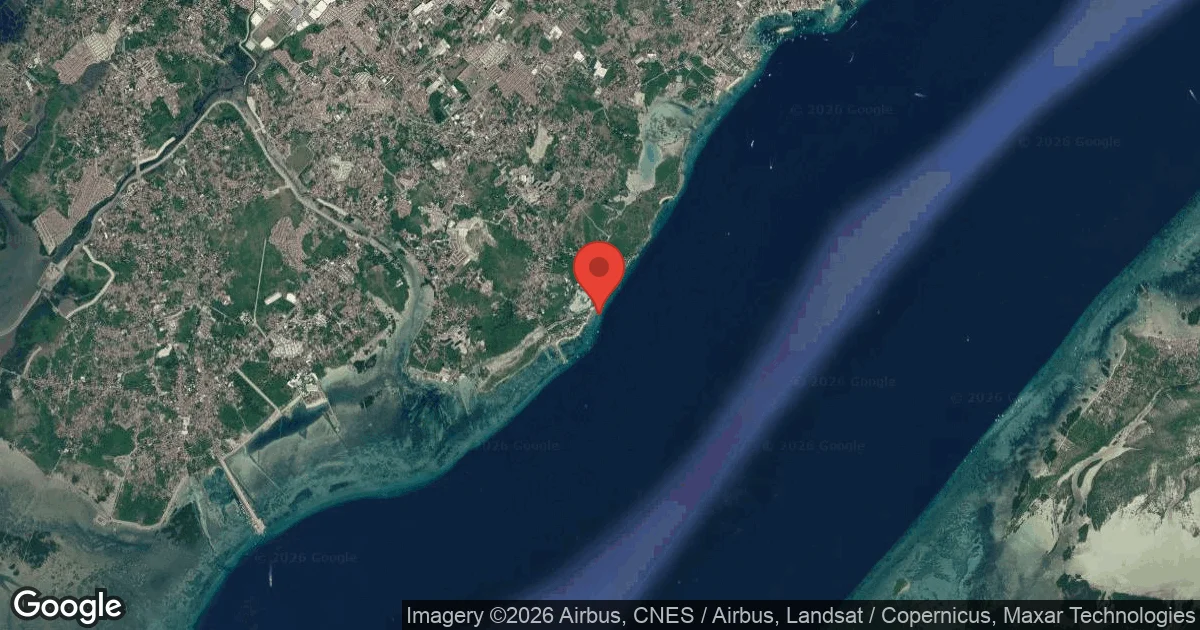
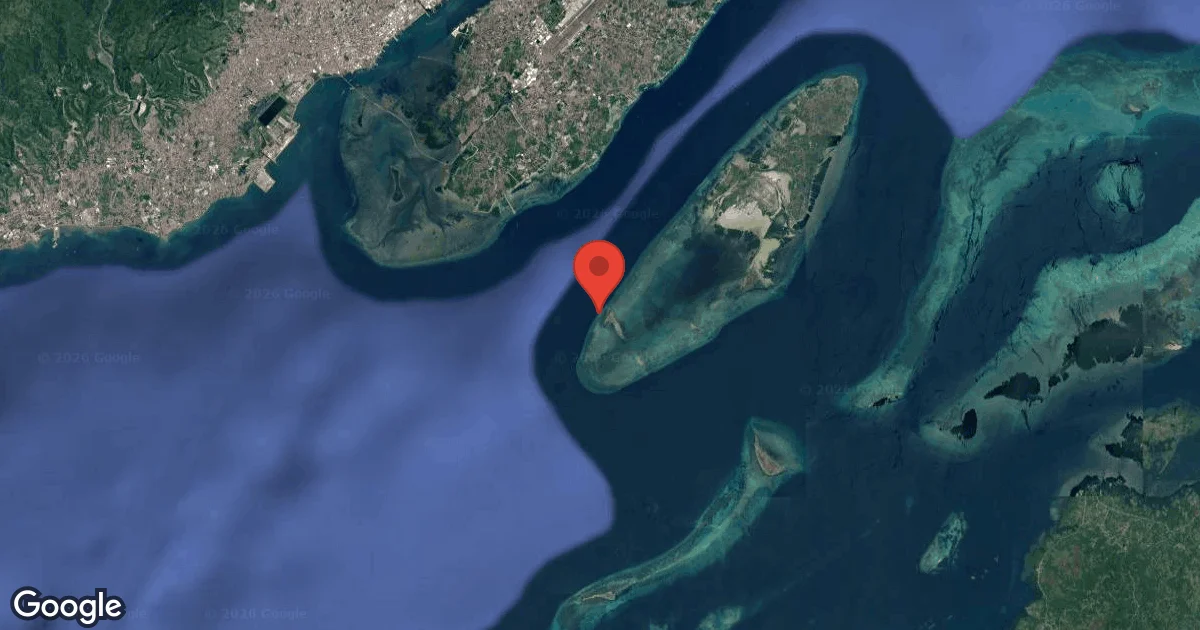
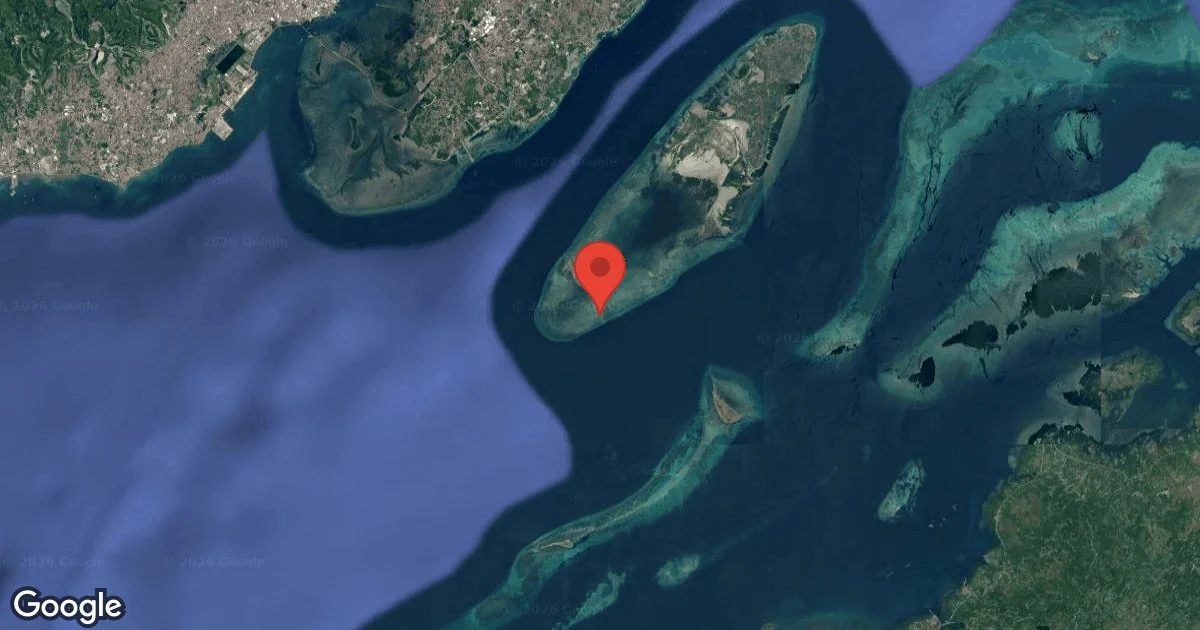
Dive Site Location & Key Facts
Dive Site Overview
Exploring the MV San Juan ferry offers a captivating journey into its submerged history. This vessel, approximately 60 meters long, sank in 2000 following an engine room explosion, now resting on its starboard side on a flat sandy bottom in Liloan Bay.
Reaching a maximum depth of 50 m / 165 ft, its upper structure is accessible around 32-34 m / 105-110 ft, tide dependent. While recreational divers can briefly experience upper portions, no-decompression limits typically restrict bottom time to 10-15 minutes. To truly immerse yourself, perhaps venturing inside the engine room or thoroughly surveying its structure, certifications like SSI Extended Range Diver or PADI Tec 50 are recommended.
Such training enables extended bottom times of 20 minutes or more, often incorporating 50% nitrox for decompression. A rope descent leads directly to the wreck, which has transformed into a vibrant underwater ecosystem, a lively community of marine life calling it home.
Conditions are Excellent
07:00 - 14:00
Optimal conditions expected
Current conditions near San Juan Wreck show 30° air, 30° sea temperature, 0.1 m waves, and 16 km/h wind. Forecast data is refreshed regularly to ensure accuracy.
Best Time to Dive
San Juan Wreck offers excellent diving conditions year-round, though subtle seasonal shifts can influence surface comfort. From January to May, the dry season typically presents minimal rainfall, with monthly averages as low as 1.8 mm in April. Air temperatures during this period are pleasantly warm, ranging from 26.5-28.5°C / 80-83°F. Expect calm surface conditions and clear skies for boat rides out to Liloan Bay. Months from June to November are slightly wetter, seeing rain averages increase, occasionally reaching around 9-10 mm. These are generally short, localized showers that rarely disrupt dive plans; wind and wave conditions remain very low, ensuring smooth access. Water temperatures are not consistently reported but generally match the region's tropical climate, ensuring comfort. Optimal diving visibility and comfort are consistent regardless of the season.
PEAK SEASON SCORE
Scores combine air & water temps, waves, wind & rainfall for overall conditions.
BEST MONTHS TO DIVE
Monthly records compiled from satellite and marine observation nodes over the last 3 years. Data provided by Open-Meteo and MET Norway.
Dive Experience & Conditions
A line descent guides divers directly to the San Juan Wreck, leading to the resting place of this substantial vessel. Approaching from the blue, its silhouette emerges, a ferry lying on its starboard side. The wreck's upper structure provides a focal point for initial exploration, often found where the currents are milder, varying with the tides. Further exploration of deeper sections, down to the sandy bottom, reveals the wreck's full scale. Water temperatures are typically warm and tropical, contributing to comfortable diving. Visibility is generally good, allowing for appreciation of the structure and its growing marine inhabitants. Current is not consistently reported, but tends to vary depending on specific conditions, requiring awareness during the dive.
Dive Difficulty & Safety Guidelines
Diving the San Juan Wreck requires advanced planning and strict adherence to safety protocols, owing to its significant depth and overhead environment. Exclusively for very advanced or technical divers, recreational divers are strictly limited to the shallower parts of the wreck due to no-decompression obligations. Exploring the interior, such as the engine room where traces of the explosion are still evident, demands specialized wreck diving training.
Proper gas planning, including provisions for decompression gases like 50% nitrox, becomes essential for extended bottom times at deeper levels. Always dive with appropriate certifications, a reliable dive computer, and ensure thorough pre-dive checks.
Although the wreck is considered safe for trained wreck divers, awareness of potential inherent dangers is paramount.
Recommended Equipment
Overhead / entanglement risk. Wreck penetration requires proper training.
- Dive Computer
- Primary & Backup Lights
- Wreck Reel
- Cutting Tool
This gear list is based on verified equipment signals for San Juan Wreck, Philippines. Always confirm final gear choices with your dive operator, guide, or liveaboard.
Recommended Dive Suit
Comfort levels can also depend on how active a diver is during the dive.
Divers exploring San Juan Wreck today will likely encounter water temperatures close to 30°C (87°F). Surface air temperatures are resting at 30°C (86°F). When water temperatures fall within this range, many divers dive comfortably with dive skin or rash guard.
Environmental conditions may feel slightly cooler as the week progresses. Cooler days are ahead; you might want a warmer option for later in the week. A thicker wetsuit may be worth considering for extended dives.
Emergency & Medical Support
Essential information to help you plan your dive trip to San Juan Wreck.

Hyperbaric chambers are a critical part of dive safety infrastructure. Availability varies significantly by region, and not all dive areas have immediate access.
Before diving, it's recommended to:
- confirm nearest medical facilities
- check emergency procedures with local dive operators
- ensure dive insurance covers evacuation if required
Divers Alert Network
Diving emergency assistance available through DAN World.
+1-919-684-9111- 24/7 emergency hotline
- Diving medical assistance
- Evacuation coordination
Emergency contacts are provided for reference. Always verify local emergency services before diving.
Marine Life at San Juan Wreck
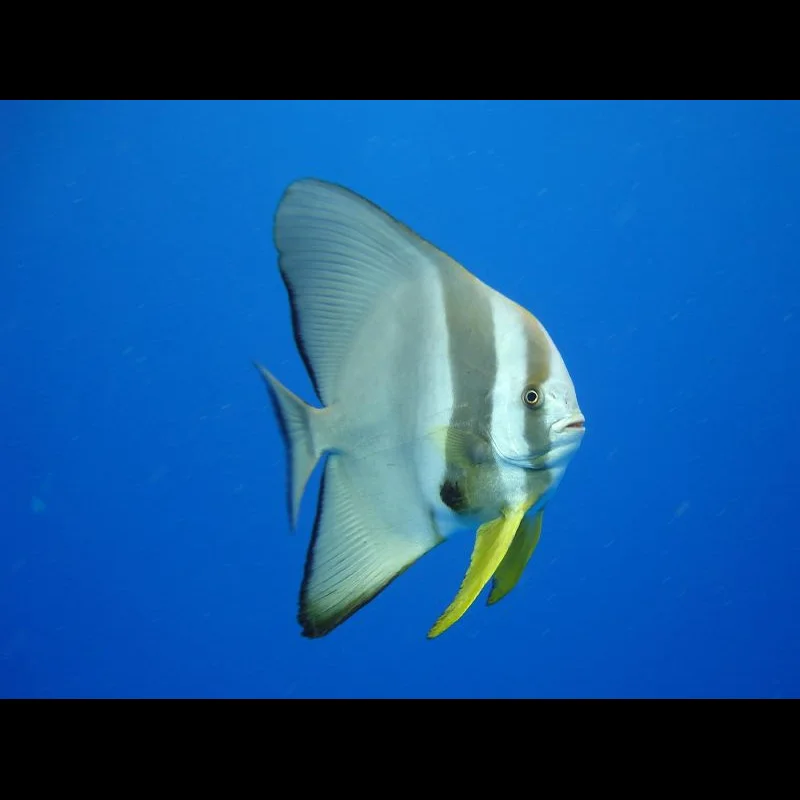
Upon arrival at the San Juan Wreck's depth, a large shoal of batfish often provides the initial welcome, swirling around the sunken ferry. Settling on the seabed, the wreck has become an artificial reef, with corals gradually colonizing its sides and the massive propeller.
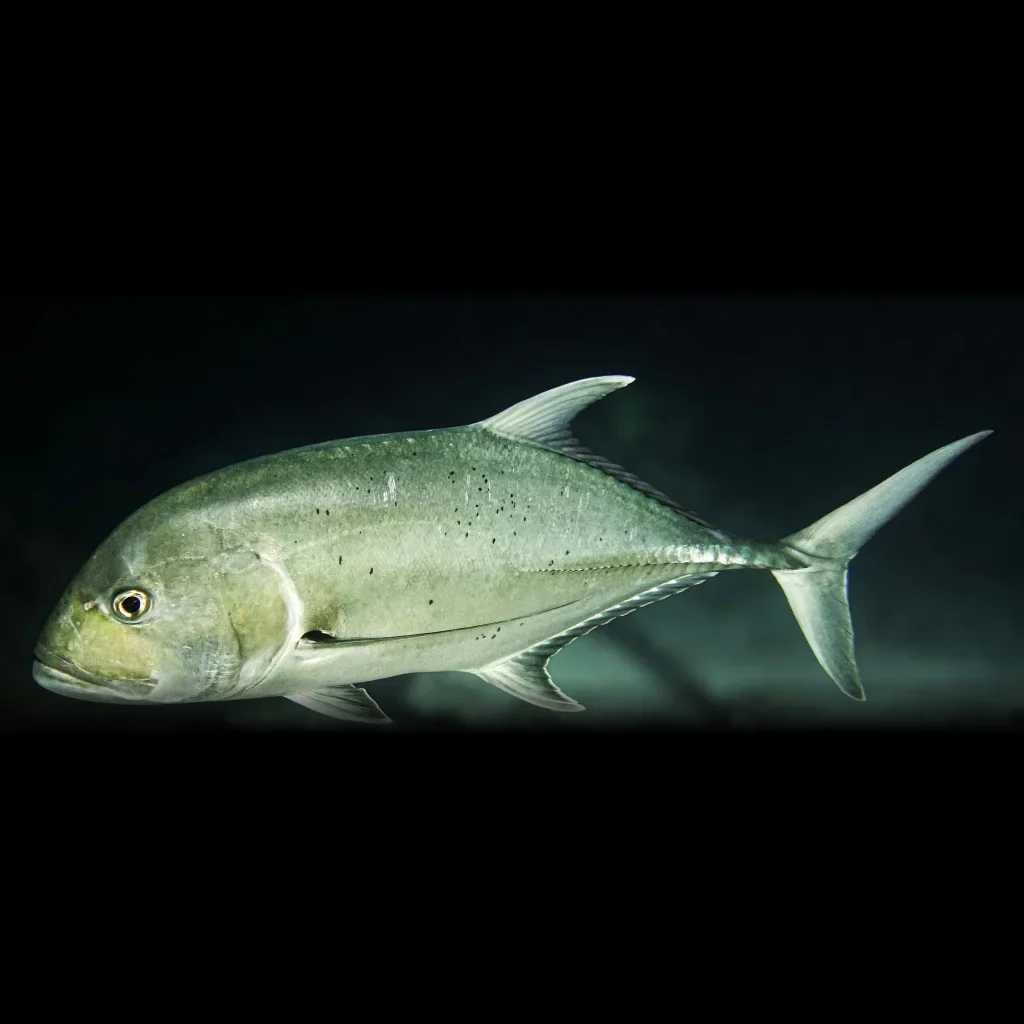
Attracting a diverse array of reef fishes, including schools of butterfly fish, angel fish, and anemonefish, this transformed habitat thrives. Giant trevally might patrol its perimeter.
Ghostly entangled nets from local fishermen also drape parts of the structure, adding a unique visual element to its character. During decompression stops, divers might also spot various wrasse species.

Dive Sites Near San Juan Wreck
View all dive sites in PhilippinesDiscover more underwater gems in this area.
Dive Centers Near San Juan Wreck
Today: 07:30 - 18:00
Nearest Airports
Nearest airports to help plan travel to this dive area.
Search Flights
Check available flights and routes on Expedia, using the nearby airports listed in this section.
Search Flights on ExpediaFrequently Asked Questions
What is the depth of the San Juan Wreck?
The San Juan Wreck rests on a sandy bottom at approximately 50 meters, with its upper sections typically found shallower, around 32-34 meters, depending on tidal conditions.
What level of diver is required for San Juan Wreck?
A deep dive, it's suitable only for very advanced or technical divers. Recreational divers are limited to shallower sections and must adhere to no-decompression limits.
What kind of marine life can be seen at San Juan Wreck?
Expect to see large shoals of batfish upon arrival, along with butterfly fish, angel fish, anemonefish, and giant trevally. Corals cover parts of the wreck, attracting various reef fishes, and wrasse may be visible during decompression stops.
What caused the San Juan ferry to sink?
The San Juan ferry sank in the year 2000 due to an explosion in its engine room. Traces of this event are still clearly visible within the engine room itself.
Are there any specific hazards when diving the San Juan Wreck?
Key hazards include significant depth and the overhead environment inside the wreck. Appropriate training, meticulous gas planning, and adherence to decompression procedures are essential for safety.
Can recreational divers explore inside the San Juan Wreck?
Recreational divers are typically limited to brief bottom times on the shallower parts of the wreck. Exploring the interior, such as the engine room, requires specialized wreck diving certification and technical diving protocols due to overhead environment and depths.
How long is the San Juan Wreck?
Measuring approximately 60 meters in length, the San Juan ferry offers extensive areas for exploration. Its size is a key feature, particularly for technical divers with extended bottom times.
Planning to dive San Juan Wreck?
Send one inquiry and receive offers directly from the best verified local dive operators.
Conditions are Excellent
07:00 - 14:00
Optimal conditions expected
Current conditions near San Juan Wreck show 30° air, 30° sea temperature, 0.1 m waves, and 16 km/h wind. Forecast data is refreshed regularly to ensure accuracy.