
Diving at Shangri-La Marine Sanctuary (Philippines)
Currents at Shangri-La Marine Sanctuary can present varied conditions, typically ranging from mild to moderate. Divers should exercise awareness, as stronger currents may develop, particularly during outbound tides. This dynamic can influence drift patterns along the reef, adding a layer of excitement for experienced divers while requiring careful planning for all skill levels.
As evening covers Shangri-La Marine Sanctuary, the local air temperature is measured at 25.5°C. The current wave height at the surface is recorded at 0.1 m. These late-day readings characterize the surface conditions for the night.
Dive Site Location & Key Facts
Dive Site Overview
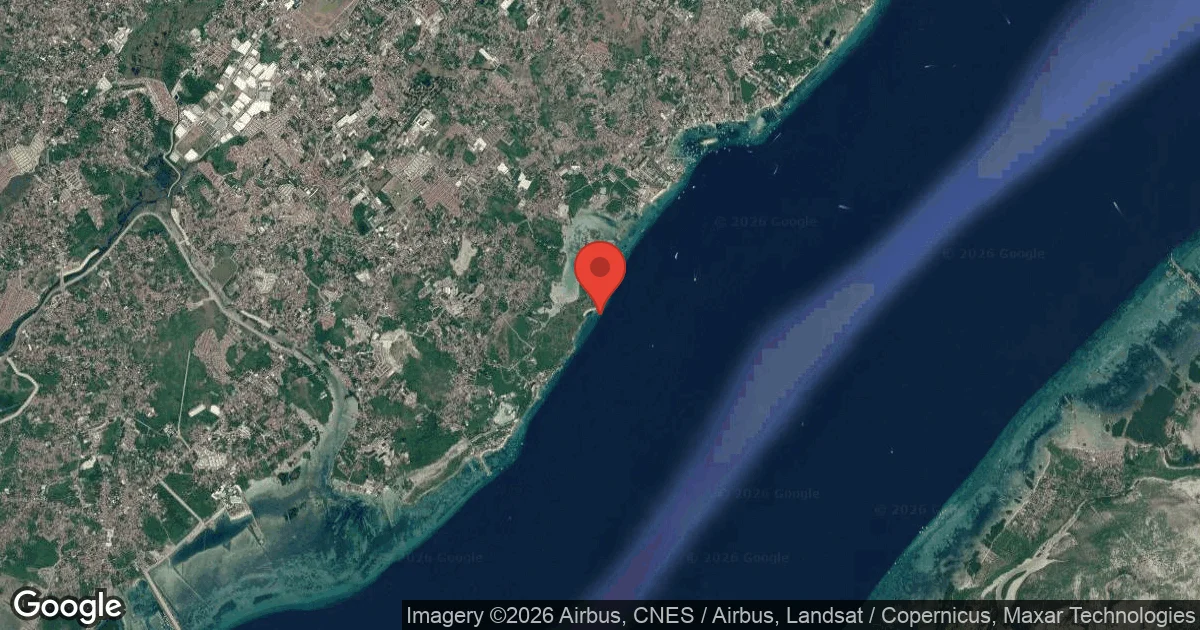
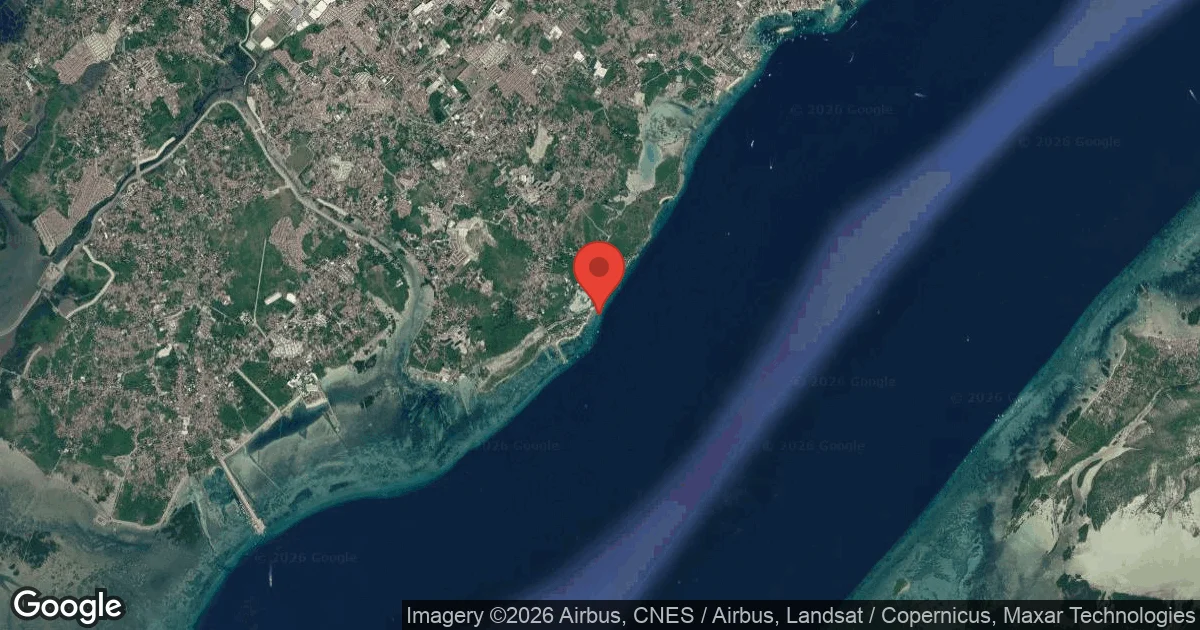
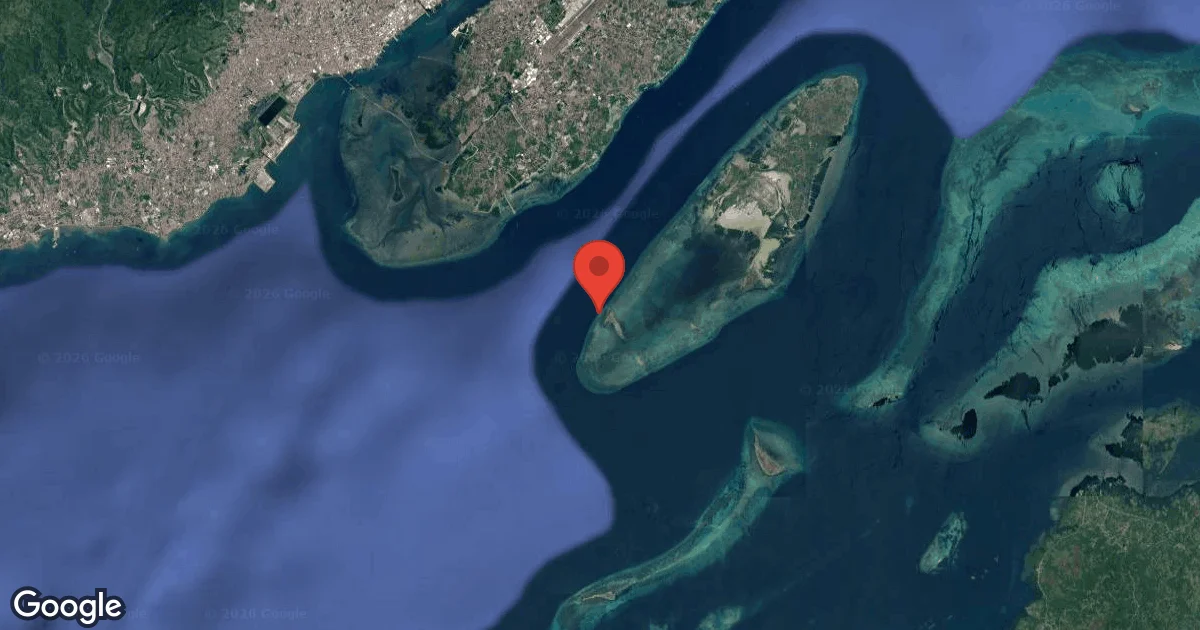
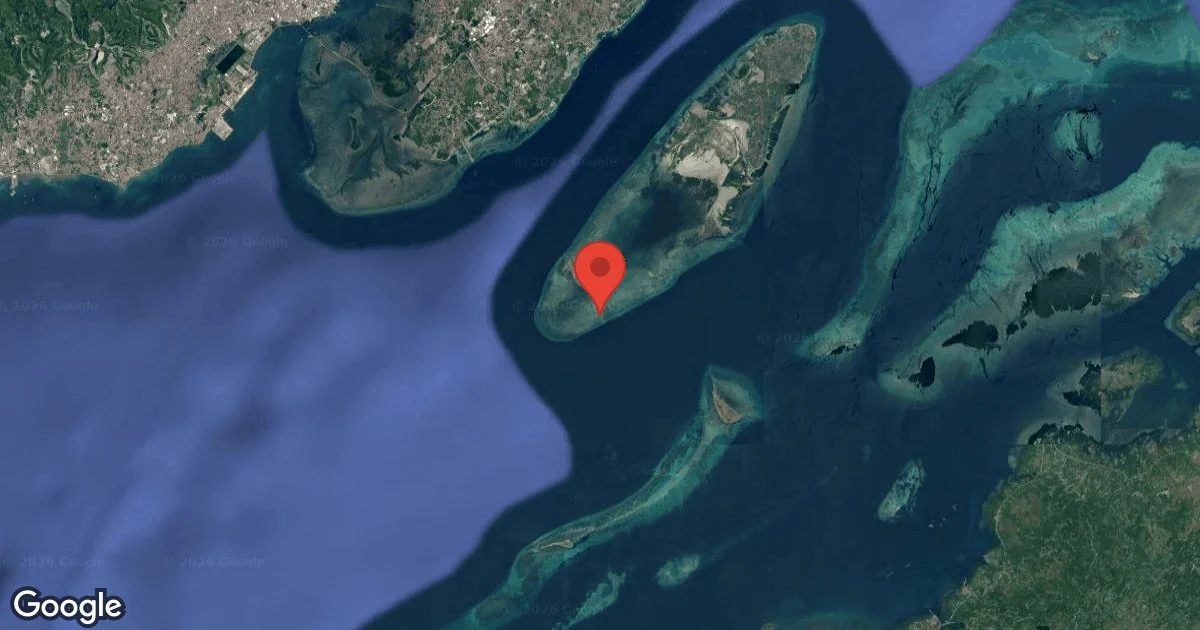
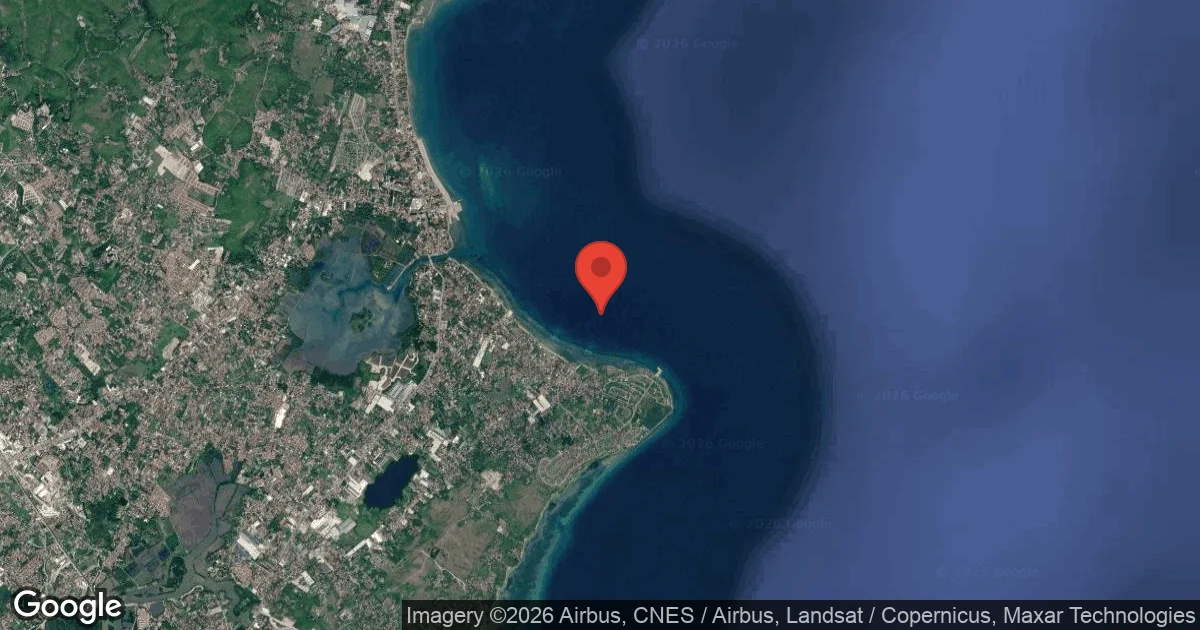
Shangri-La Marine Sanctuary presents a versatile and highly accessible diving experience, serving as a pivotal location for both recreational and advanced technical training within Mactan. Its underwater topography unfolds in distinct layers, beginning with a gently sloping plateau that commences around 3 m / 10 ft.
This initial area gradually descends, providing ample space for novice divers and introductory courses, before transitioning into a more pronounced wall formation. The wall itself plunges to depths suitable for experienced recreational diving, then extends further as a sandy slope. This deeper section is characterized by scattered soft corals and caters specifically to technical divers, reaching significant depths well beyond standard recreational limits.
The sanctuary's diverse structure supports a broad spectrum of marine life, making each dive dynamic. It accommodates various certification levels, from those just starting their diving journey to seasoned technical divers engaging in specialized deep-water courses.
A robust commitment to marine conservation underpins the health of this site, protecting the extensive coral formations and the rich diversity of reef fish found here.
Conditions are Excellent
07:00 - 14:00
Optimal conditions expected
Current conditions near Shangri-La Marine Sanctuary show 25° air, 30° sea temperature, 0.1 m waves, and 15 km/h wind. Forecast data is refreshed regularly to ensure accuracy.
Best Time to Dive
Planning a dive at Shangri-La Marine Sanctuary is convenient, with conditions consistently rated as excellent year-round, offering abundant opportunities for exploration. Air temperatures remain quite stable, generally ranging from 26°C / 79°F to 28°C / 82°F across all seasons, ensuring comfortable surface intervals. For divers prioritizing drier surface weather, the months of January, March, and April typically record the lowest rainfall. April, for instance, averages a minimal 1.6 mm of precipitation. While high dive scores persist throughout the year, the period spanning from December through May often presents slightly lower average wave heights. This contributes to smoother boat entries and more pleasant surface conditions, enhancing the overall comfort of your trip. Water temperatures also stay inviting, consistently around 26-29°C / 79-84°F, making lengthy dives enjoyable at any time.
PEAK SEASON SCORE
Scores combine air & water temps, waves, wind & rainfall for overall conditions.
BEST MONTHS TO DIVE
Monthly records compiled from satellite and marine observation nodes over the last 3 years. Data provided by Open-Meteo and MET Norway.
Dive Experience & Conditions
Diver experience at Shangri-La Marine Sanctuary unfolds across a fascinating range of underwater landscapes. Navigate a gentle sandy slope adorned with an array of hard and soft corals, transitioning into vibrant wall sections. Visibility typically ranges from good to very good, often extending beyond fifteen meters, though it can vary based on local weather and tidal currents. Along the impressive walls, you'll encounter a rich tapestry of coral species displaying vivid colors. While currents are generally mild to moderate, they do have the potential to intensify during outbound tides, creating exciting drift opportunities for those prepared. These conditions make for engaging dives, requiring attentive buoyancy control, especially near delicate coral structures. The sanctuary consistently provides warm water temperatures, maintaining a comfortable 26-29°C / 79-84°F year-round, which allows for extended exploration of the varied topography.
Dive Difficulty & Safety Guidelines
Divers exploring Shangri-La Marine Sanctuary should pay close attention to tidal movements, as outbound tides can bring strong currents, necessitating careful dive planning. Given the site’s deep wall that extends well beyond typical recreational limits, technical divers must adhere strictly to their training and gas planning, especially when accessing its extreme depths. Practicing excellent buoyancy control is essential to protect the delicate coral formations and to navigate the varied underwater topography safely.
Following marine sanctuary regulations ensures the preservation of this rich ecosystem for future visits.
Recommended Equipment
Technical depth range. Advanced planning, gas management, and appropriate certification required.
- Dive Computer
- DSMB
- Primary & Backup Lights
This gear list is based on verified equipment signals for Shangri-La Marine Sanctuary, Philippines. Always confirm final gear choices with your dive operator, guide, or liveaboard.
Recommended Dive Suit
Exposure protection is partly a personal preference.
Dive skin or rash guard typically provides a reliable level of thermal protection for dives here. Weather models currently point toward consistent diving conditions over the next several days.
Divers heading to Shangri-La Marine Sanctuary today should expect water temperatures around 30°C (86°F). Surface air temperatures are resting at 25°C (78°F).
Emergency & Medical Support
Essential information to help you plan your dive trip to Shangri-La Marine Sanctuary.

Hyperbaric chambers are a critical part of dive safety infrastructure. Availability varies significantly by region, and not all dive areas have immediate access.
Before diving, it's recommended to:
- confirm nearest medical facilities
- check emergency procedures with local dive operators
- ensure dive insurance covers evacuation if required
Divers Alert Network
Diving emergency assistance available through DAN World.
+1-919-684-9111- 24/7 emergency hotline
- Diving medical assistance
- Evacuation coordination
Emergency contacts are provided for reference. Always verify local emergency services before diving.
Marine Life at Shangri-La Marine Sanctuary
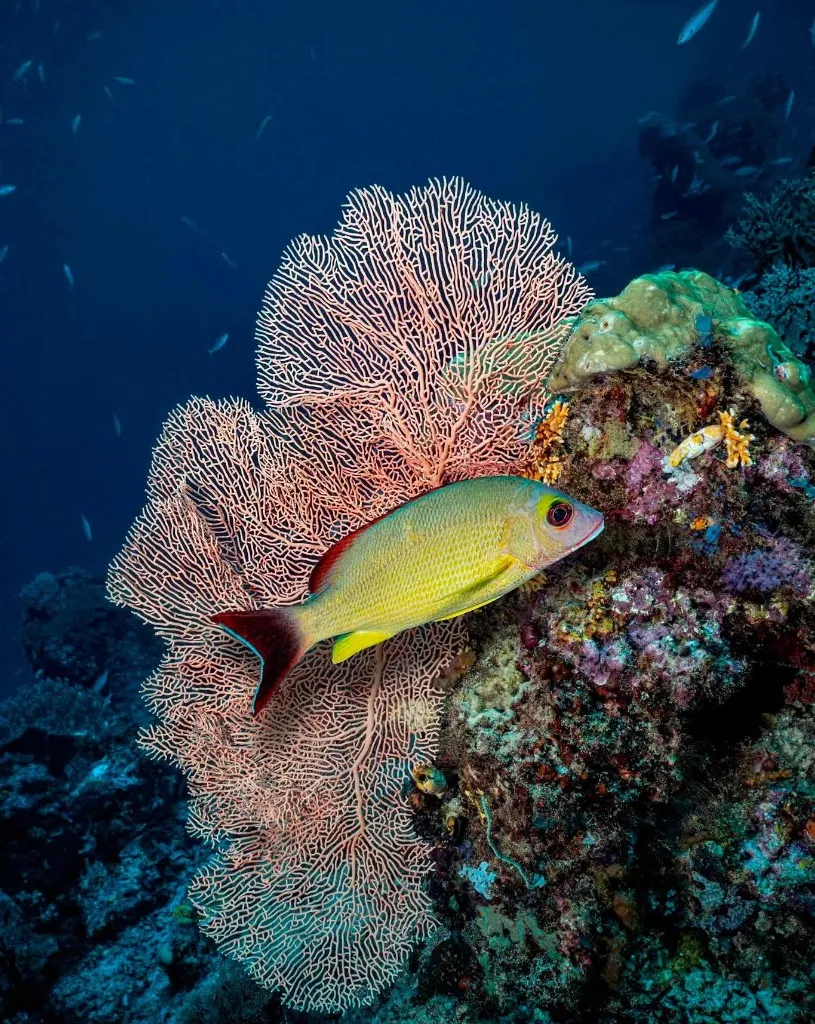
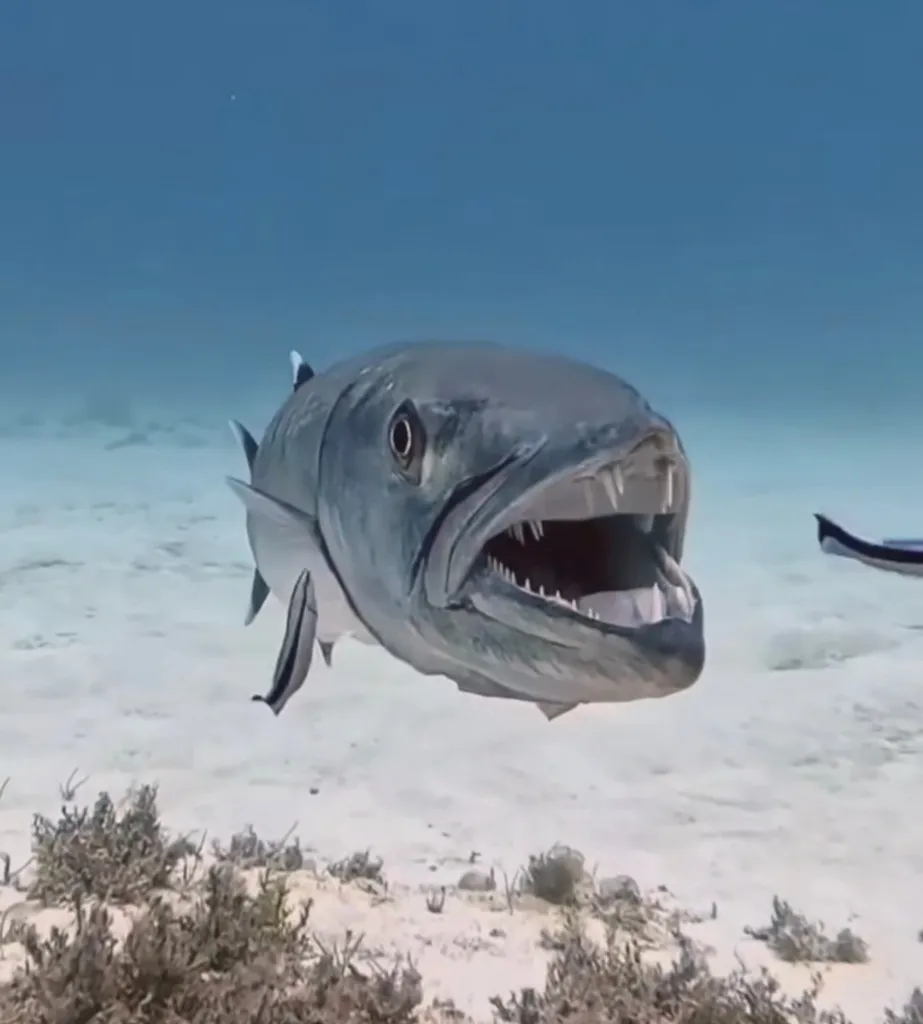
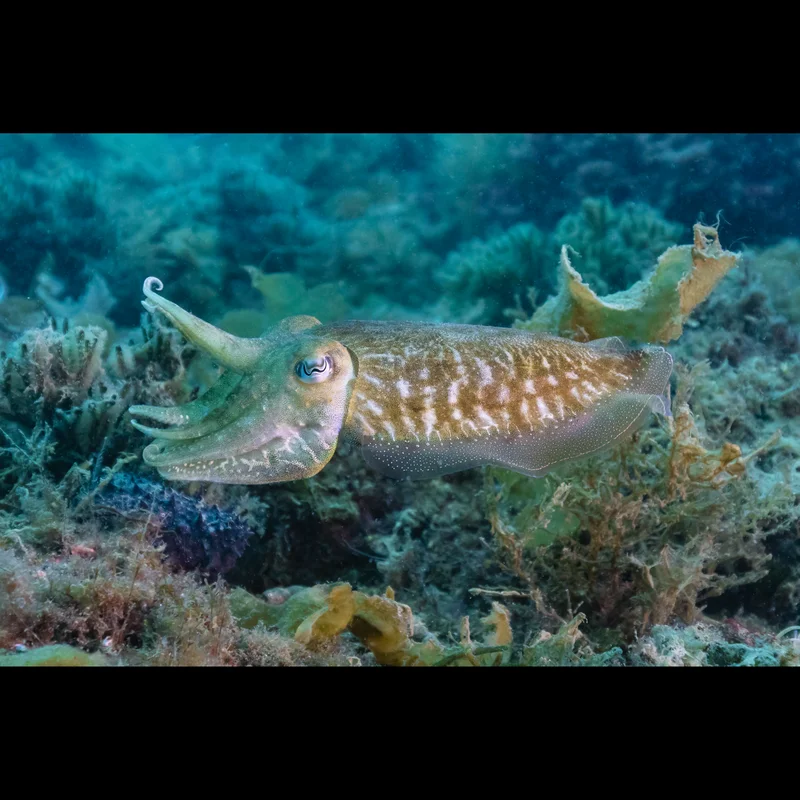
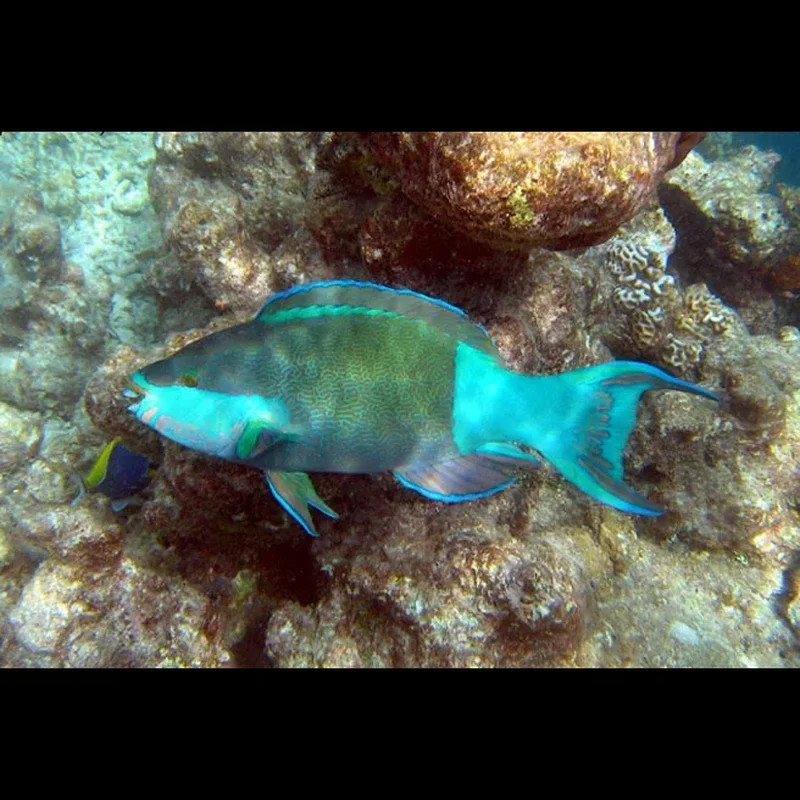
The underwater landscape at Shangri-La Marine Sanctuary teems with a variety of marine life, making it a photographer's delight. Divers frequently encounter impressive barracudas, some reaching up to 1.6 meters / 5.4 feet in length, alongside increasingly large cuttlefish and numerous parrotfish.
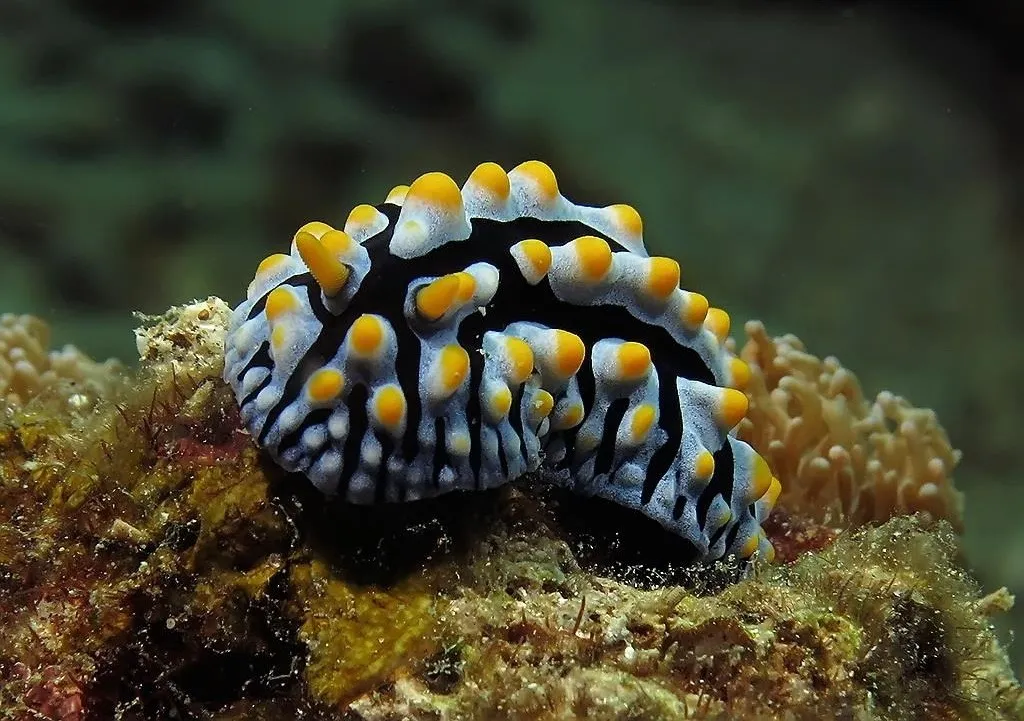
Schools of jack and snappers are commonly observed shoaling, adding dynamic movement to the reef. The seabed is dotted with lionfish, various nudibranchs, eels, and sole fish, contributing to the rich biodiversity scattered throughout the depths.
Dive Sites Near Shangri-La Marine Sanctuary
View all dive sites in PhilippinesDiscover more underwater gems in this area.
Dive Centers Near Shangri-La Marine Sanctuary
Today: 07:30 - 18:00
Nearest Airports
Nearest airports to help plan travel to this dive area.
Search Flights
Check available flights and routes on Expedia, using the nearby airports listed in this section.
Search Flights on ExpediaFrequently Asked Questions
What is the maximum depth at Shangri-La Marine Sanctuary?
The main dive site features a wall that drops to 40 m / 130 ft, and a sandy slope extends further, reaching depths up to 120 m / 393 ft, catering to technical diving courses.
Is Shangri-La Marine Sanctuary suitable for beginners?
Yes, the sanctuary accommodates all levels, with a gently sloping plateau ideal for beginners and training, alongside deeper sections for advanced divers.
What kind of marine life can I expect to see?
You can encounter large barracudas, cuttlefish, parrotfish, schools of jack and snappers. Critters like lionfish, nudibranchs, eels, and sole fish are also prevalent across the seabed.
How are the currents at this dive site?
Currents generally range from mild to moderate. However, strong currents can occur on outbound tides, so divers should be prepared for varying conditions.
When is the best time to dive at Shangri-La Marine Sanctuary?
The sanctuary offers excellent diving conditions year-round. For the driest weather, consider visiting between January and April, though dive quality remains consistently high.
Are there specific equipment recommendations for diving here?
An underwater camera is highly recommended for capturing the abundant marine life and corals. Nitrox is also suggested for divers seeking extended bottom times, especially in deeper areas.
What is the general topography of the dive site?
The site begins with a sloping plateau, transitioning into a vibrant wall, and then extends into a sandy slope dotted with corals. This structure supports a wide array of marine species.
Planning to dive Shangri-La Marine Sanctuary?
Send one inquiry and receive offers directly from the best verified local dive operators.
Conditions are Excellent
07:00 - 14:00
Optimal conditions expected
Current conditions near Shangri-La Marine Sanctuary show 25° air, 30° sea temperature, 0.1 m waves, and 15 km/h wind. Forecast data is refreshed regularly to ensure accuracy.