
Diving at Balinghai (Philippines)
Descending into Balinghai reveals a distinct underwater topography, centered on its notable parallel wall structures. Divers drop into an environment where a shallower wall, carved with natural features, runs alongside a deeper, steeply plunging counterpart. Creating a unique vertical landscape, the site reaches depths extending to 40 m (130 ft). Varying exploration opportunities await almost immediately, from intricate crevices to open water, making for a visually diverse and engaging initial descent.
As evening covers Balinghai, the local air temperature is measured at 27.5°C. The current wave height at the surface is recorded at 0.6 m. These late-day readings characterize the surface conditions for the night.
Dive Site Location & Key Facts
Dive Site Overview
Balinghai dive site is defined by its striking twin parallel walls. One wall, positioned shallower, features numerous small holes and overhangs, providing shelter to smaller reef inhabitants like anthias, gobies, and lionfish.
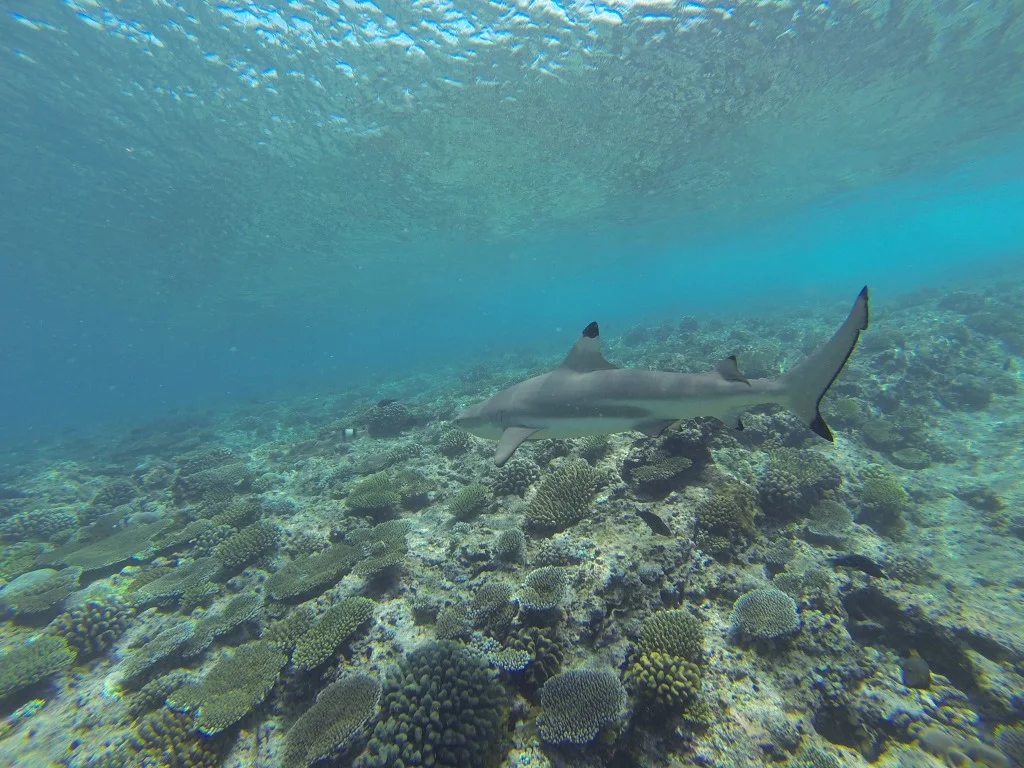
Running closely adjacent, a second deeper wall descends steeply, often resembling a sloped reef at its base, reaching maximum depths around 40 m (130 ft). This deeper section frequently attracts larger pelagic species such as tuna and white tip sharks patrolling the drop-off, particularly during morning dives. From its shallower crevices to deeper slopes, the entire site showcases healthy growth of colorful corals, various species of sponges, and diverse gorgonians.
Artificial reef balls are integrated into some sections, developing into vibrant microhabitats that complement the natural structure, attracting pufferfish and bannerfish. Varied terrain allows for different dive profiles, whether exploring the nooks of the shallower wall or navigating deeper stretches where schoolers like trevallies and jacks are often seen.
A unique parallel wall formation makes Balinghai a distinctive dive, offering dynamic scenery throughout any dive profile.
Conditions are Excellent
07:00 - 14:00
Optimal conditions expected
Current conditions near Balinghai show 28° air, 29° sea temperature, N/A waves, and 17 km/h wind. Forecast data is refreshed regularly to ensure accuracy.
Best Time to Dive
Visibility often dictates dive quality, and Balinghai generally offers good conditions during specific periods. Optimal opportunities for diving occur from April through June, when dive scores consistently rate as "Excellent." During these months, average air temperatures are at their highest, ranging from 28-28.5°C, indicating pleasant surface conditions. Rain is minimal, with monthly averages between 1.68 mm and 5.88 mm, leading to reduced runoff and clearer waters. Wind speeds are also comparatively lower, typically between 16.59 km/h and 20.81 km/h, which can contribute to calmer surface conditions. While diving is possible year-round with "Good" to "Moderate" ratings in other months, these peak months offer the most reliable combination of favorable weather and water clarity.
PEAK SEASON SCORE
Scores combine air & water temps, waves, wind & rainfall for overall conditions.
BEST MONTHS TO DIVE
Monthly records compiled from satellite and marine observation nodes over the last 3 years. Data provided by Open-Meteo and MET Norway.
Dive Experience & Conditions
Diving Balinghai feels dynamic, often shaped by fluctuating currents. Divers should anticipate ascending and descending currents that vary with tidal movements, necessitating confident buoyancy control throughout. While a typical dive might keep you around 30 m (100 ft), managing these shifts is crucial. Visibility is generally good, enhancing visual impact of the vibrant corals and sponges covering both walls. Water temperatures, though not consistently reported, typically reflect the warm tropical climate of the Philippines, likely ranging from 22-27°C (72-81°F). Interaction of structure and current creates an engaging experience, especially in the medium to deeper parts where larger marine life might be observed moving with the flow.
Dive Difficulty & Safety Guidelines
Navigating Balinghai requires strong buoyancy control, especially given the potential for ascending and descending currents tied to tides. Maintaining proper depth is essential to prevent uncontrolled ascents or descents, particularly around the deeper wall. Divers planning to explore the deeper sections, which can extend to 40 m (130 ft), should be appropriately certified and consider Nitrox for extended bottom times.
There are no specific hazards reported beyond the typical considerations for wall diving, such as managing air consumption and decompression limits. Always dive within your training and experience levels.
Recommended Equipment
- Dive Computer
- DSMB
This gear list is based on verified equipment signals for Balinghai, Philippines. Always confirm final gear choices with your dive operator, guide, or liveaboard.
Recommended Dive Suit
Forecast trends indicate little change in overall diving conditions during the next few days.
Two divers in the same water temperature may experience very different comfort levels.
Many divers find that dive skin or rash guard offers the right level of insulation for conditions like these. A hood or vest is suggested for sensitive divers due to surface winds. The surrounding waters at Balinghai are currently registering temperatures of roughly 29°C (85°F). Surface air temperatures are resting at 28°C (82°F).
Emergency & Medical Support
Essential information to help you plan your dive trip to Balinghai.

Hyperbaric chambers are a critical part of dive safety infrastructure. Availability varies significantly by region, and not all dive areas have immediate access.
Before diving, it's recommended to:
- confirm nearest medical facilities
- check emergency procedures with local dive operators
- ensure dive insurance covers evacuation if required
Divers Alert Network
Diving emergency assistance available through DAN World.
+1-919-684-9111- 24/7 emergency hotline
- Diving medical assistance
- Evacuation coordination
Emergency contacts are provided for reference. Always verify local emergency services before diving.
Marine Life at Balinghai
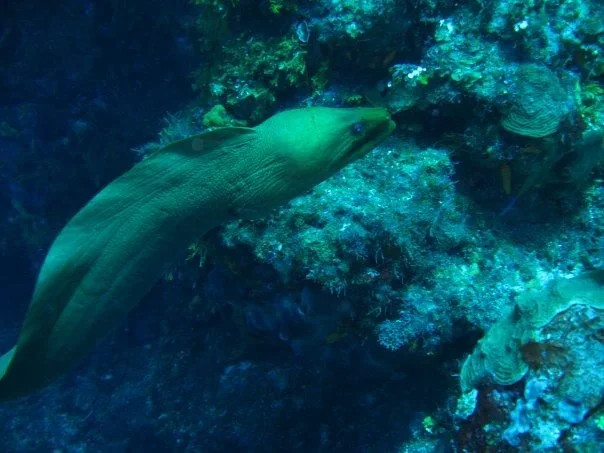
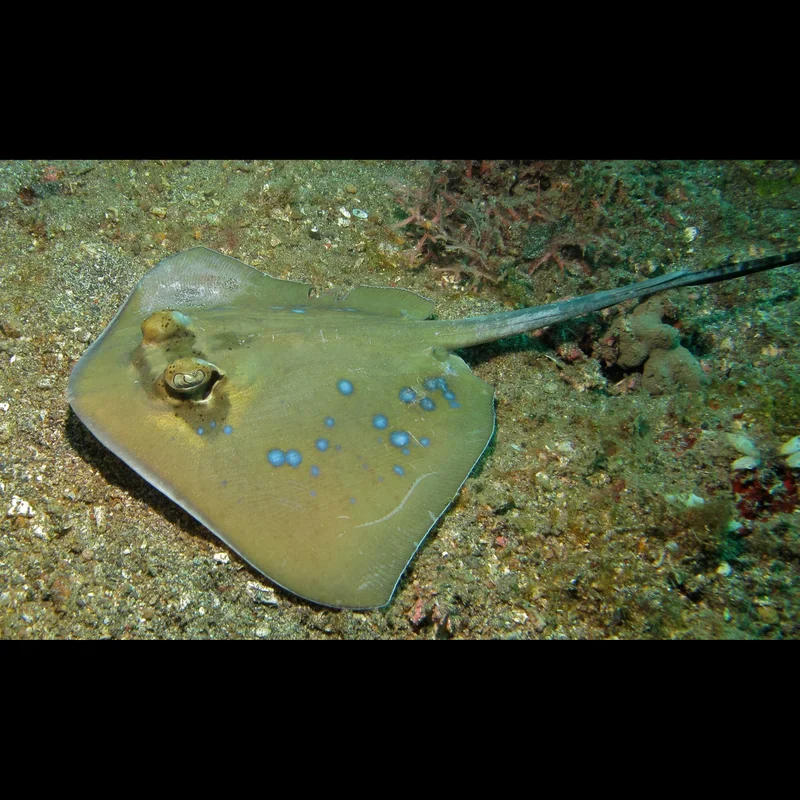
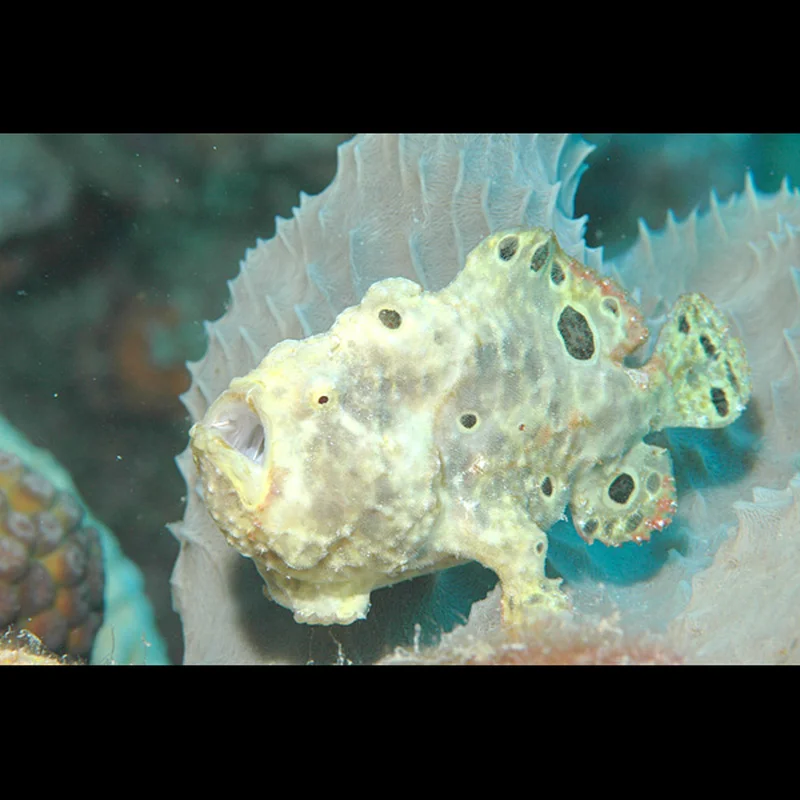
An underwater landscape at Balinghai teems with a variety of reef inhabitants and occasional pelagic visitors. Moray eels and frogfish are commonly sighted, often camouflaged among colorful corals and sponges adorning the twin walls.
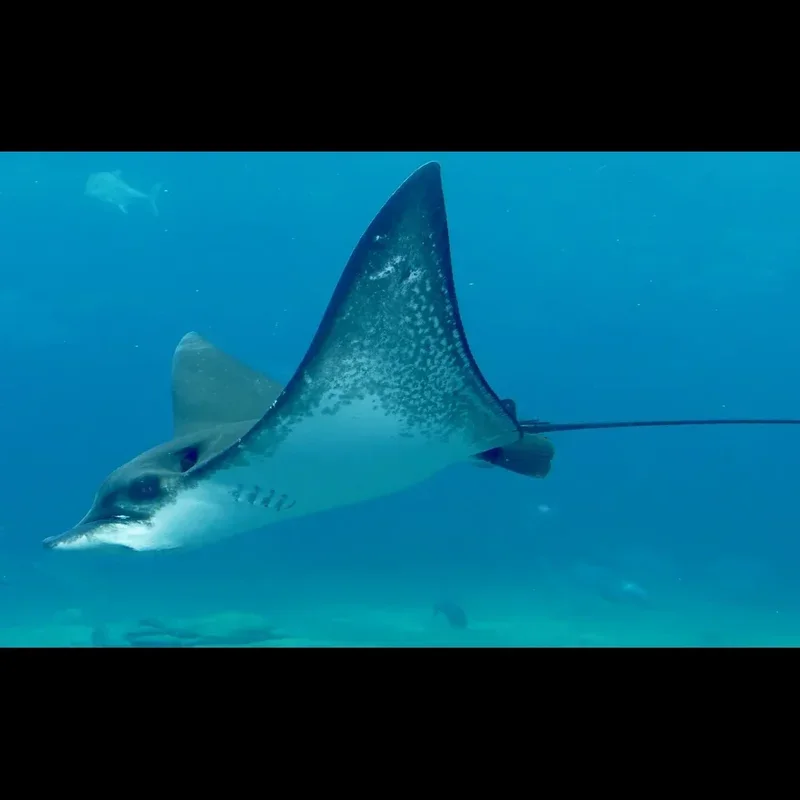
Keep an eye out for shoals of blue triggerfish, groupers, and schools of jacks traversing the reef. White tip sharks and eagle rays are sometimes spotted in deeper sections, especially during morning dives when currents are stronger.
Lionfish, pufferfish, bannerfish, and angelfish are also frequently observed navigating crevices and overhangs of the shallower wall.
Dive Sites Near Balinghai
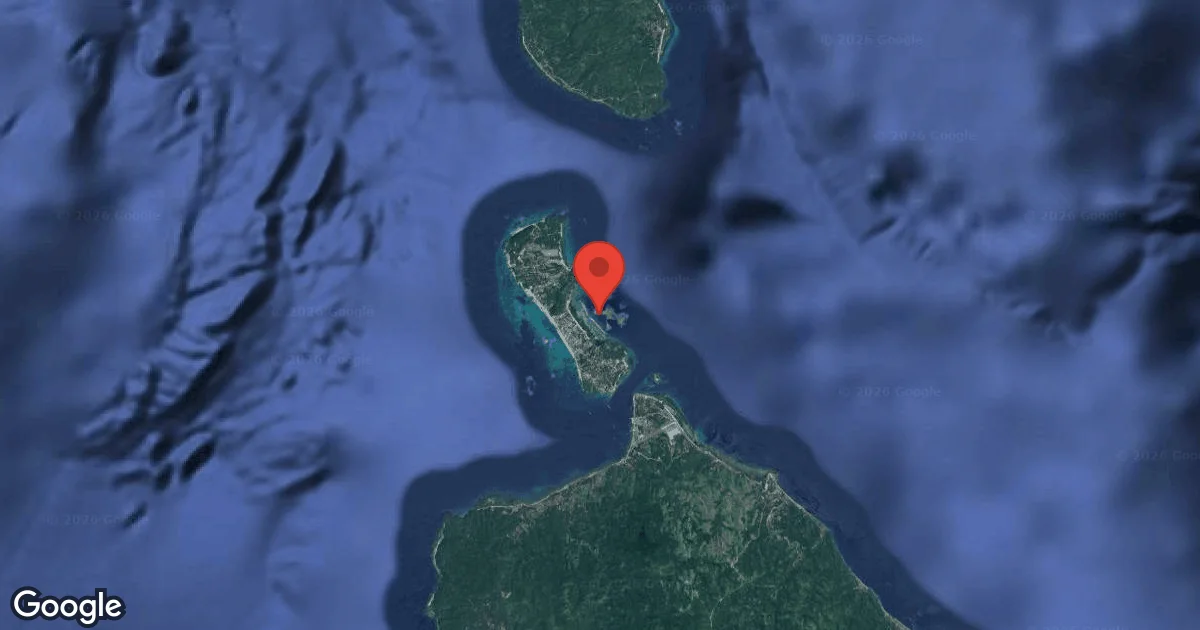
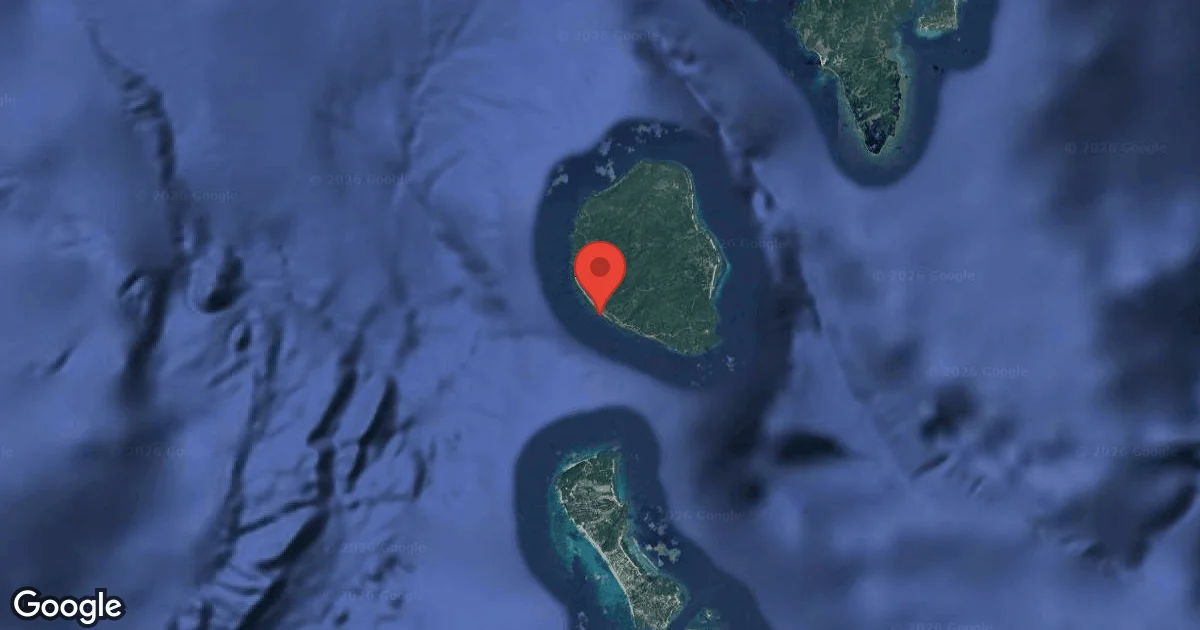
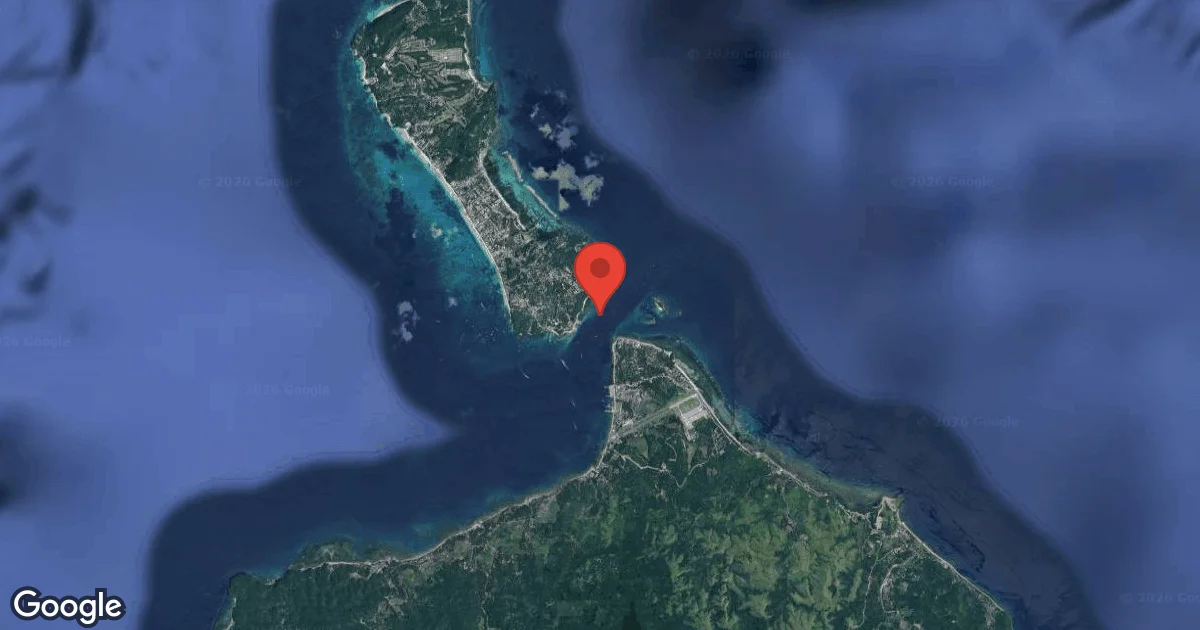
View all dive sites in PhilippinesDiscover more underwater gems in this area.
Dive Centers Near Balinghai
Today: 08:00 - 18:00
Nearest Airports
Nearest airports to help plan travel to this dive area.
Search Flights
Check available flights and routes on Expedia, using the nearby airports listed in this section.
Search Flights on ExpediaFrequently Asked Questions
What makes Balinghai a unique dive site?
It's known for its distinct topography featuring two parallel walls that run closely together, a relatively rare formation to encounter underwater. This structure provides varied environments from shallow crevices to deep drop-offs.
What is the maximum depth at Balinghai?
The deeper wall at Balinghai can extend down to approximately 40 m (130 ft). The shallower wall offers beautiful diving above 18 m (60 ft).
Are there strong currents at Balinghai?
Currents can be quite strong and variable, with both ascending and descending flows depending on the tides. Divers should have good buoyancy control to manage these conditions effectively.
What kind of marine life can I expect to see?
The site is rich in biodiversity, including moray eels, frogfish, lionfish, and schools of blue triggerfish, groupers, and jacks. White tip sharks and eagle rays are also occasionally spotted in deeper areas.
When is the best time to dive Balinghai for optimal conditions?
The months of April through June generally offer excellent dive conditions, characterized by minimal rain, lower winds, and pleasant air temperatures, contributing to better visibility.
Is Nitrox recommended for diving Balinghai?
For those planning to explore the medium to deeper parts of the site, particularly to extend bottom time and observe pelagic species, Nitrox is a recommended consideration for safety and comfort.
What experience level is recommended for Balinghai?
Due to potentially strong and variable currents, Balinghai is best suited for intermediate divers or those with confident buoyancy control who are comfortable with wall diving.
Planning to dive Balinghai?
Send one inquiry and receive offers directly from the best verified local dive operators.
Conditions are Excellent
07:00 - 14:00
Optimal conditions expected
Current conditions near Balinghai show 28° air, 29° sea temperature, N/A waves, and 17 km/h wind. Forecast data is refreshed regularly to ensure accuracy.