
Diving at Yapak (Philippines)
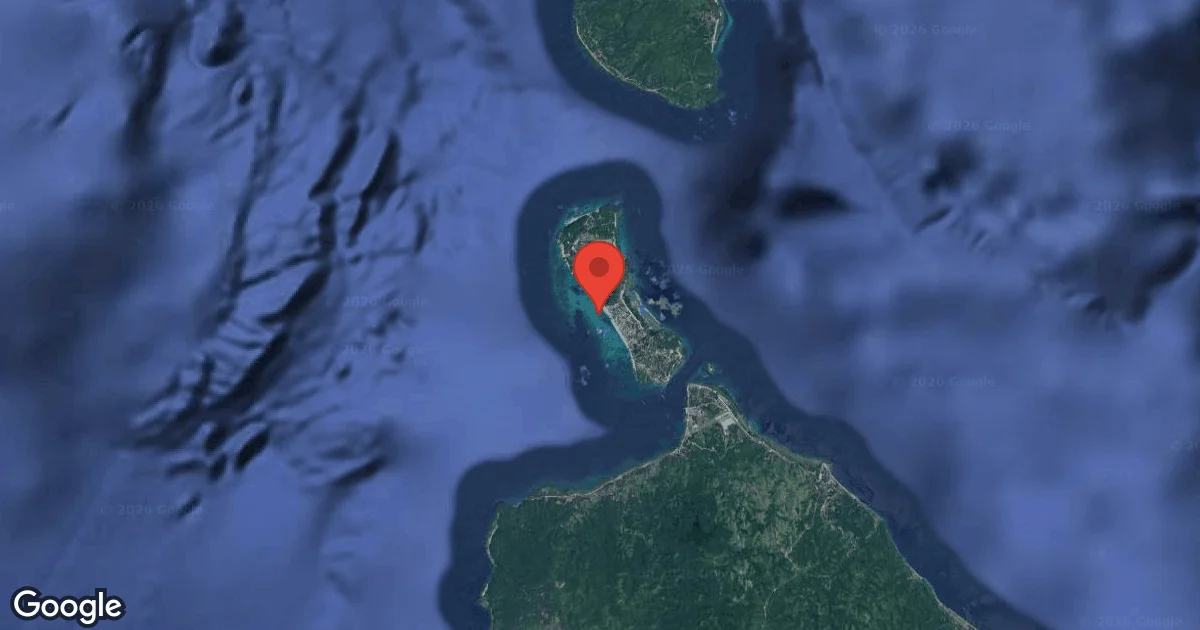
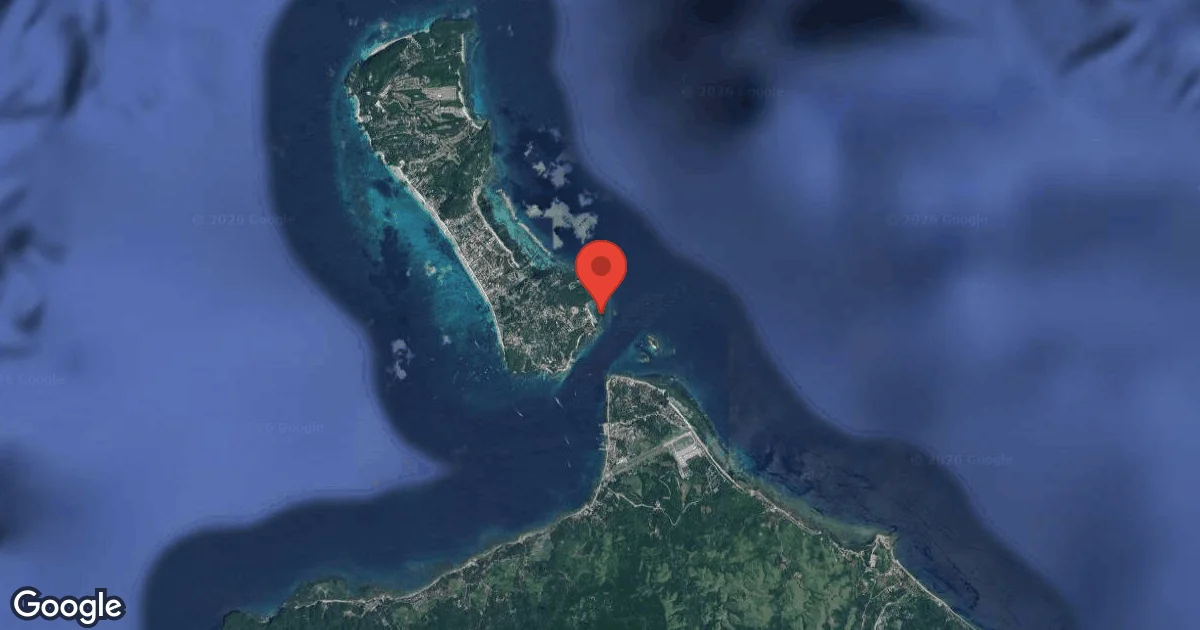
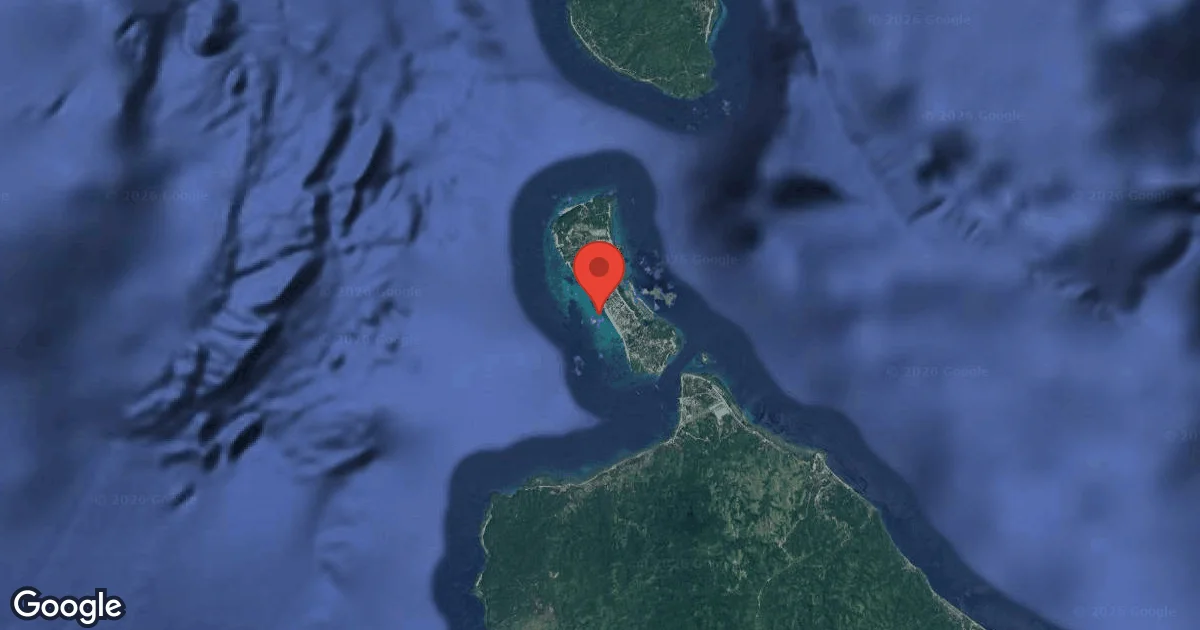
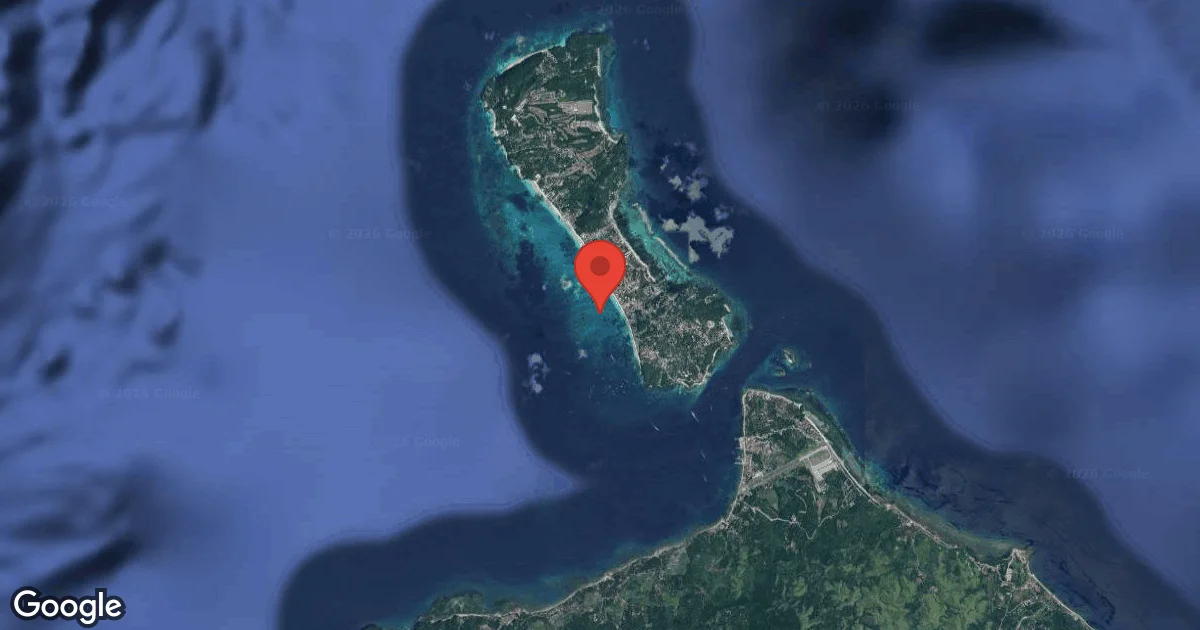
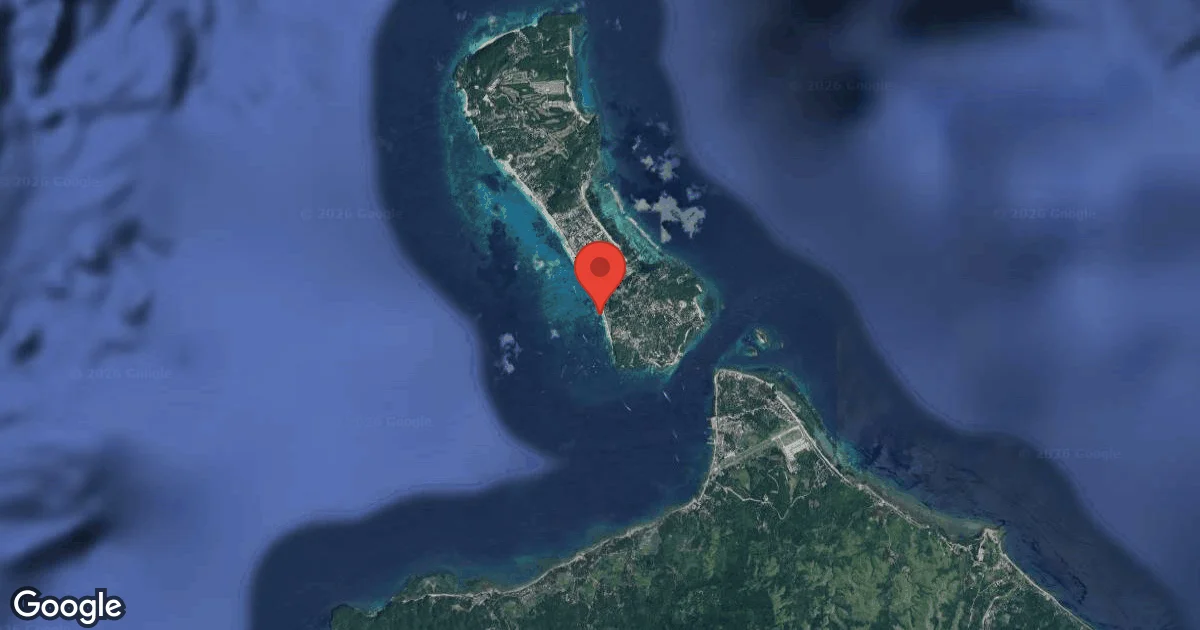
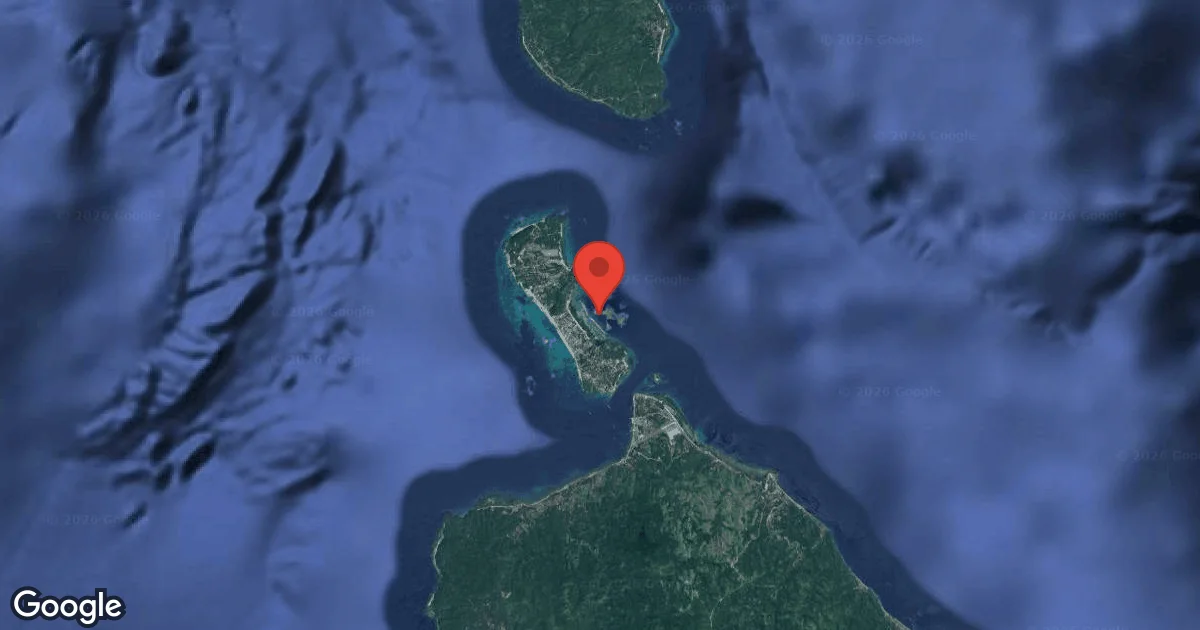
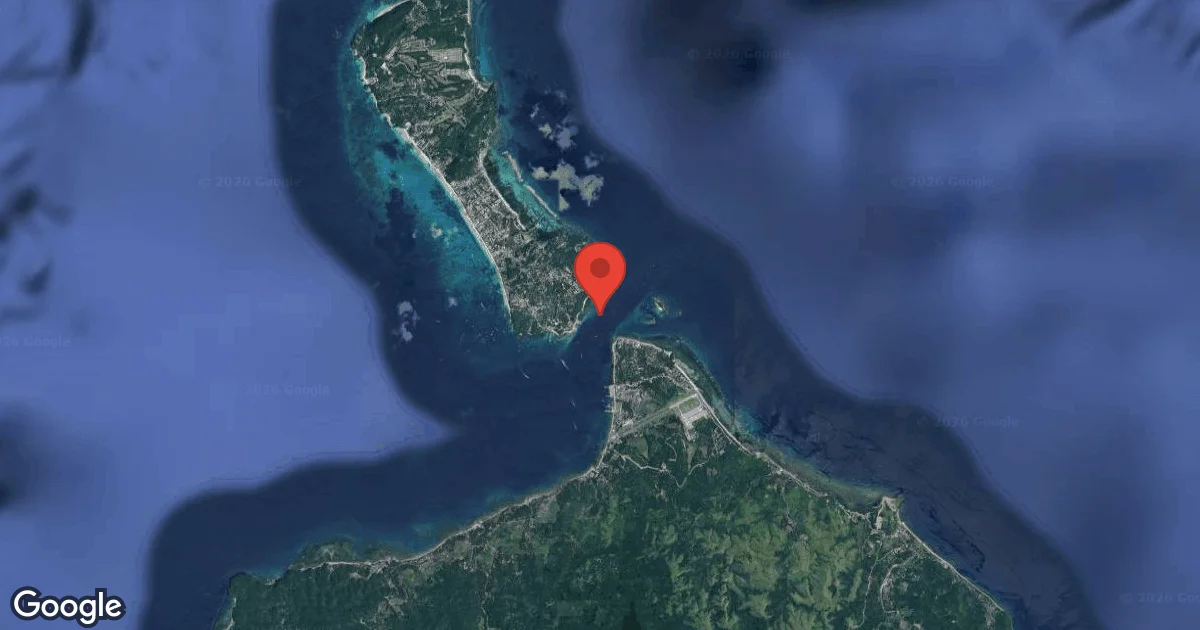
Yapak is recognized for its often challenging conditions, demanding the attention of experienced divers. Located off the west end of Boracay, this site features significant wall structures. These walls drop from approximately 30 m (100 ft) down to 70 m (230 ft), making it a true deep dive. Strong currents are a frequent factor, often necessitating negative entries. Its dynamic environment provides rewarding encounters for those prepared.
As evening covers Yapak, the local air temperature is measured at 27.5°C. The current wave height at the surface is recorded at 0.6 m. These late-day readings characterize the surface conditions for the night.
Dive Site Location & Key Facts
Dive Site Overview
Long established as a premier deep dive destination near Boracay, Yapak encompasses several distinct wall sites, notably Yapak 1 and Yapak 2. These impressive structures distinguish themselves by spanning considerable depths.
The wall top typically begins around 30 meters, from where the formations plummet, reaching beyond 70 meters in their deepest points. Exploring these sheer faces reveals dramatic drop-offs and overhangs. Divers exploring this site must contend with currents that can range from mild to strong, making careful planning and execution essential.
Prevailing conditions frequently require a negative entry to rapidly reach the wall and avoid drifting from the main features. Beyond its challenging nature, the site is celebrated for diverse marine life, featuring both pelagic encounters and intricate macro subjects.
While larger species like sharks and tuna patrol the depths, upper wall sections are adorned with vibrant gorgonians and sea fans, hosting smaller, unique creatures. Successful dives here require advanced or deep diver certifications to safely navigate these demanding underwater landscapes, emphasizing precise buoyancy and current management.
Conditions are Good
Optimal conditions expected
Current conditions near Yapak show 27° air, 30° sea temperature, 0.7 m waves, and 27 km/h wind. Forecast data is refreshed regularly to ensure accuracy.
Best Time to Dive
Yapak welcomes divers year-round, but conditions shift with the seasons. From April to June, expect optimal conditions, consistently earning "Excellent" dive scores. Air temperatures during this peak typically hover between 28°C and 28.5°C (82-83°F), alongside minimal rainfall, averaging 1.7mm to 5.9mm. These calmer months often present reduced wave heights and lighter winds, significantly improving surface comfort. Water temperatures stay dependably warm, ranging 24-29°C (75-84°F) throughout the year. February and March are also rated "Good," offering pleasant air temperatures around 26°C to 26.5°C (79-80°F) and low precipitation. Expect stronger winds and higher waves between November and January; while diveable, more dynamic surface environments will require adaptation.
PEAK SEASON SCORE
Scores combine air & water temps, waves, wind & rainfall for overall conditions.
BEST MONTHS TO DIVE
Monthly records compiled from satellite and marine observation nodes over the last 3 years. Data provided by Open-Meteo and MET Norway.
Dive Experience & Conditions
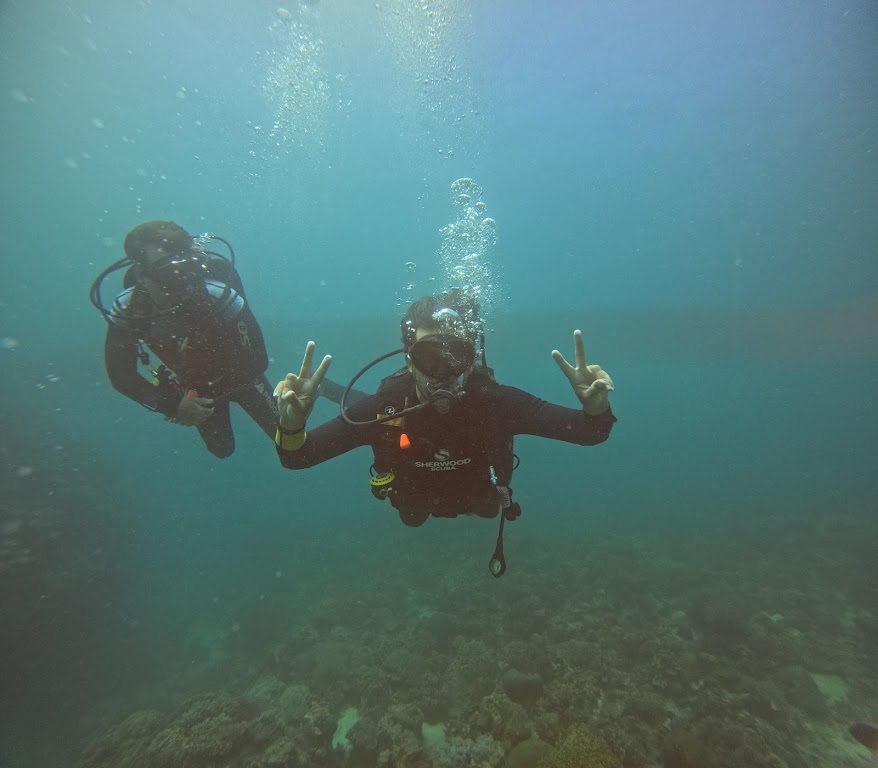
Descending into Yapak often requires a negative entry, especially with robust currents present. This technique rapidly brings divers to the wall's upper edge, typically encountered around 30 to 32 meters, minimizing surface exposure. Striking wall structures, including Yapak 1 and Yapak 2, characterize the dive, plummeting to depths reaching 60 meters or, in certain areas, up to 70 meters. Currents are a constant factor, frequently shifting from mild to strong, demanding continuous vigilance and strong finning. Along the upper wall sections, vibrant corals, sea fans, and gorgonians teem, providing shelter for numerous smaller reef species. Deeper explorations unveil larger marine life, underscoring the necessity of advanced and deep diver certifications for a safe and rewarding experience.
Dive Difficulty & Safety Guidelines
For an advanced dive site like Yapak, thorough preparation is paramount. It's expressly recommended for experienced divers who possess advanced and deep diver certifications. The currents here can be unpredictable, often strong, requiring exceptional buoyancy control and precise dive planning.
Always maintain close communication and proximity with your dive buddy; strong currents can quickly separate divers. Since gas consumption increases significantly at these greater depths, diligently monitor your air supply and adhere strictly to your no-decompression limits.
Utilizing a reliable dive computer is essential for tracking your dive profile and bottom time, ensuring safe ascent rates and mandatory safety stops. When currents are robust, focus on maintaining a streamlined position and conserving energy to enhance overall dive safety.
Recommended Equipment
Technical depth range. Advanced planning, gas management, and appropriate certification required.
- Dive Computer
- DSMB
- Primary & Backup Lights
This gear list is based on verified equipment signals for Yapak, Philippines. Always confirm final gear choices with your dive operator, guide, or liveaboard.
Recommended Dive Suit
With water temperatures around 30°C (85°F), many divers find a dive skin or rash guard provides comfortable protection.
Local dive briefings can provide the most accurate guidance.
The forecast outlook suggests that temperatures will stay close to current levels.
Emergency & Medical Support
Essential information to help you plan your dive trip to Yapak.

Hyperbaric chambers are a critical part of dive safety infrastructure. Availability varies significantly by region, and not all dive areas have immediate access.
Before diving, it's recommended to:
- confirm nearest medical facilities
- check emergency procedures with local dive operators
- ensure dive insurance covers evacuation if required
Divers Alert Network
Diving emergency assistance available through DAN World.
+1-919-684-9111- 24/7 emergency hotline
- Diving medical assistance
- Evacuation coordination
Emergency contacts are provided for reference. Always verify local emergency services before diving.
Marine Life at Yapak
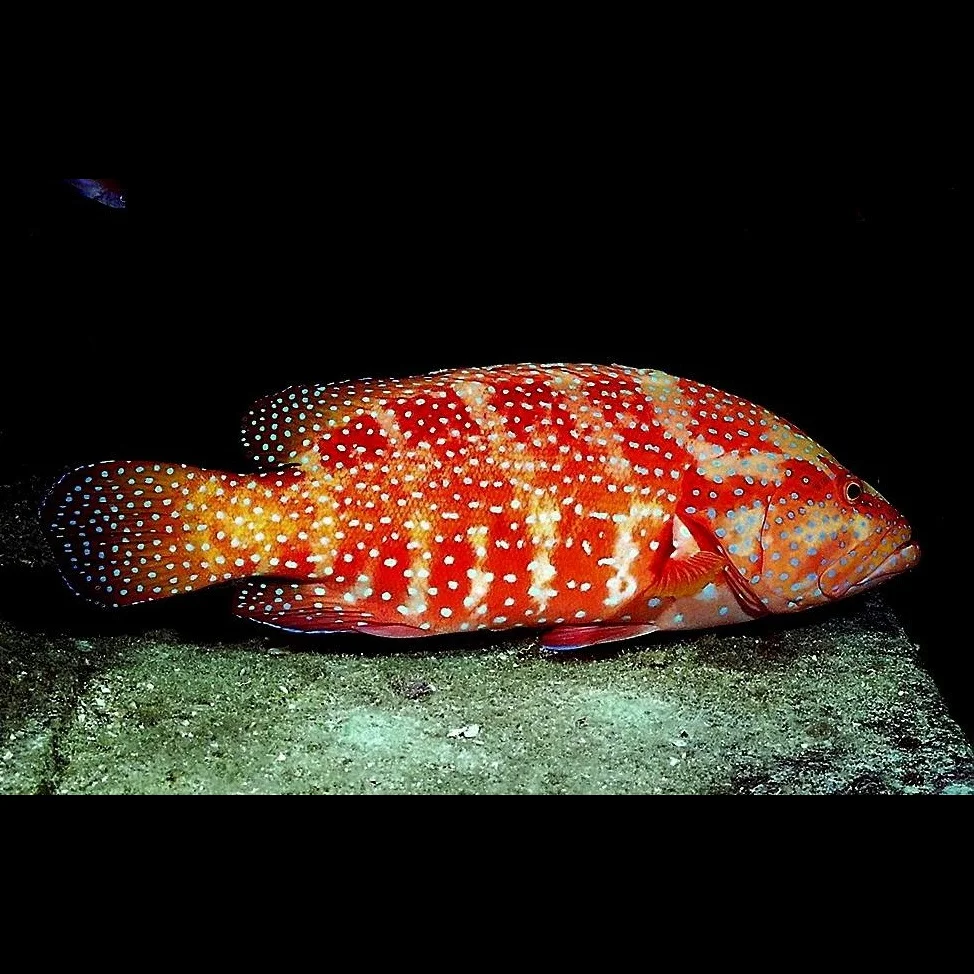
Focusing on Yapak's marine inhabitants reveals a dynamic underwater community. Divers commonly observe grey reef sharks patrolling and whitetip reef sharks resting along the wall structure.
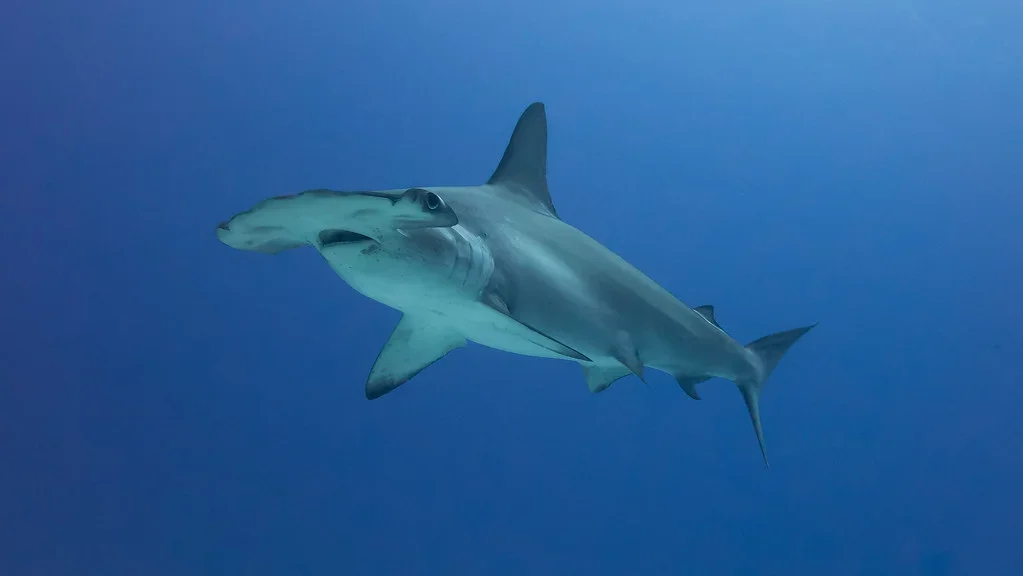
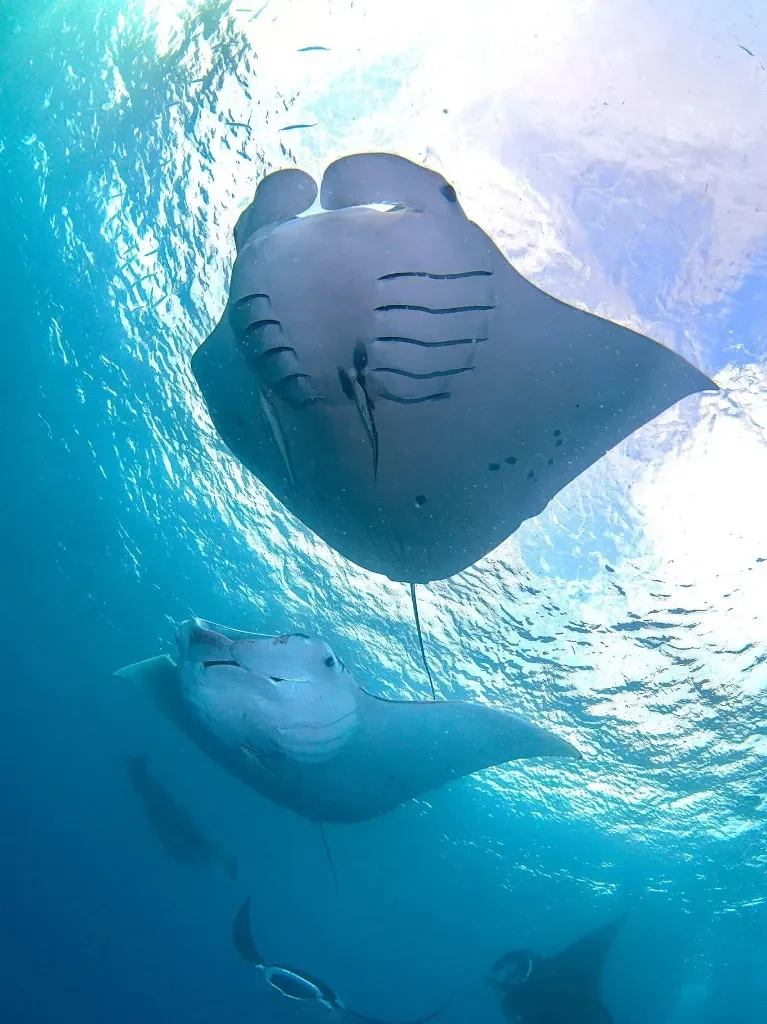
Larger pelagic species, including dogtooth tuna, groupers, and substantial schools of giant trevallies, are frequently encountered in the blue. Fortunate divers might also glimpse elusive hammerhead sharks, manta rays, or even the rare mola mola.
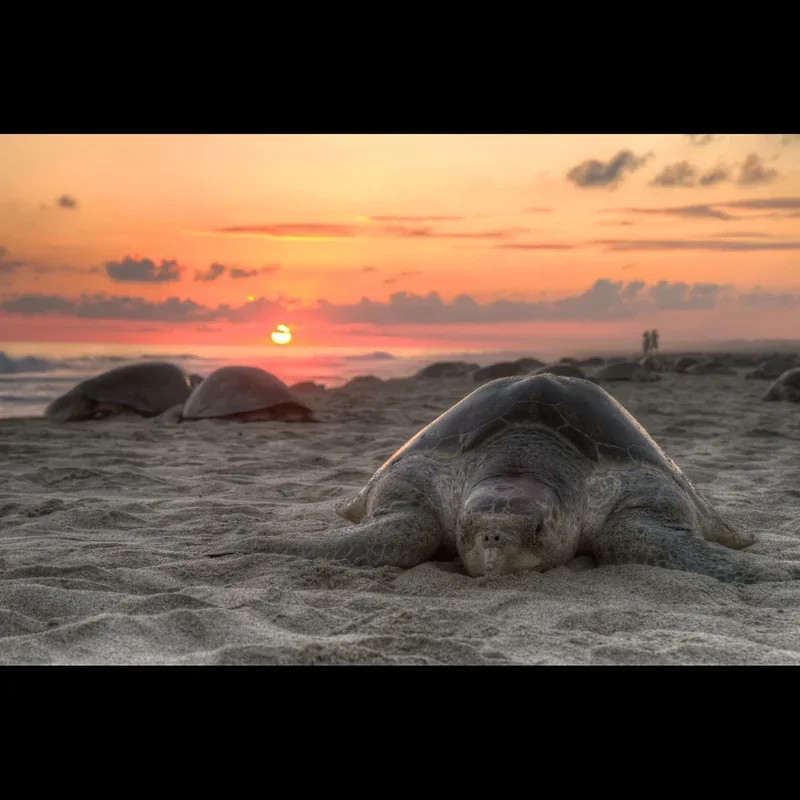
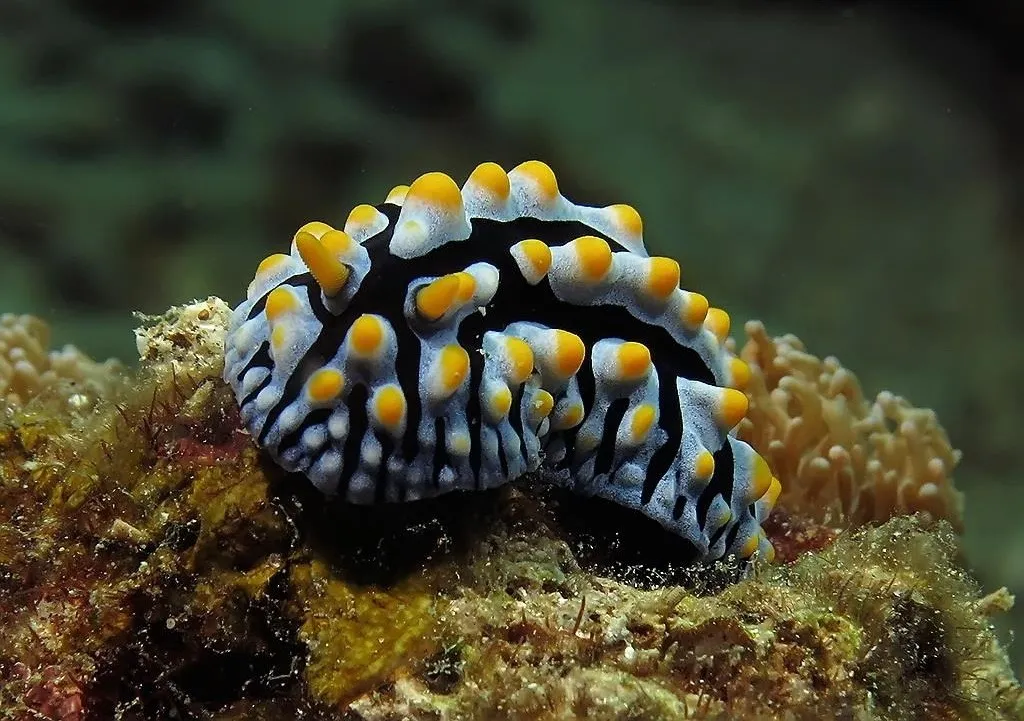
On the shallower reaches of the wall, particularly among gorgonians and sea fans, look for smaller, intricate creatures like nudibranchs and pygmy seahorses. Schools of blue triggerfish add vibrant movement along the reef, while sea turtles are occasionally seen navigating the area. A plateau at around 25 meters (80 feet) also provides shelter for juvenile sharks in its crevices.
Dive Sites Near Yapak
View all dive sites in PhilippinesDiscover more underwater gems in this area.
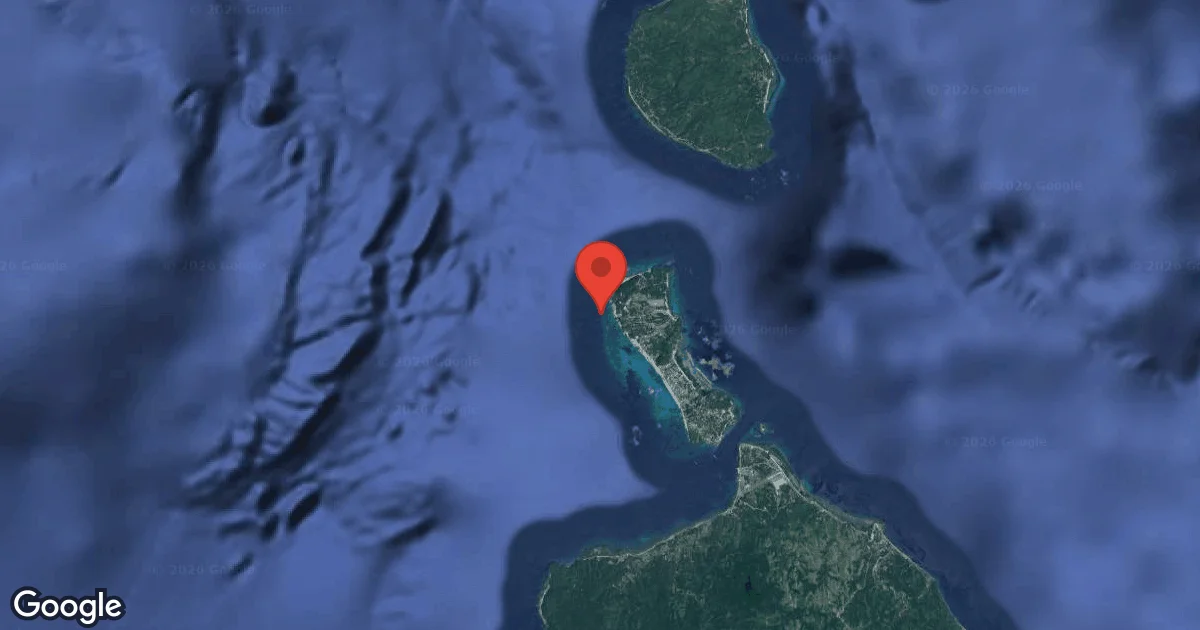
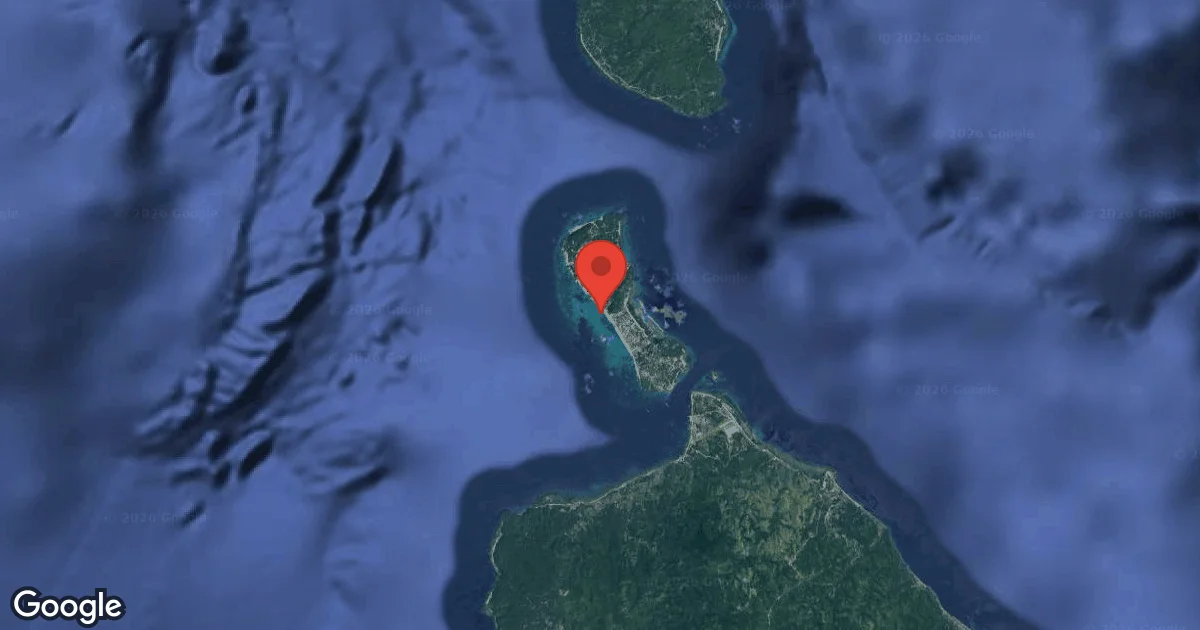
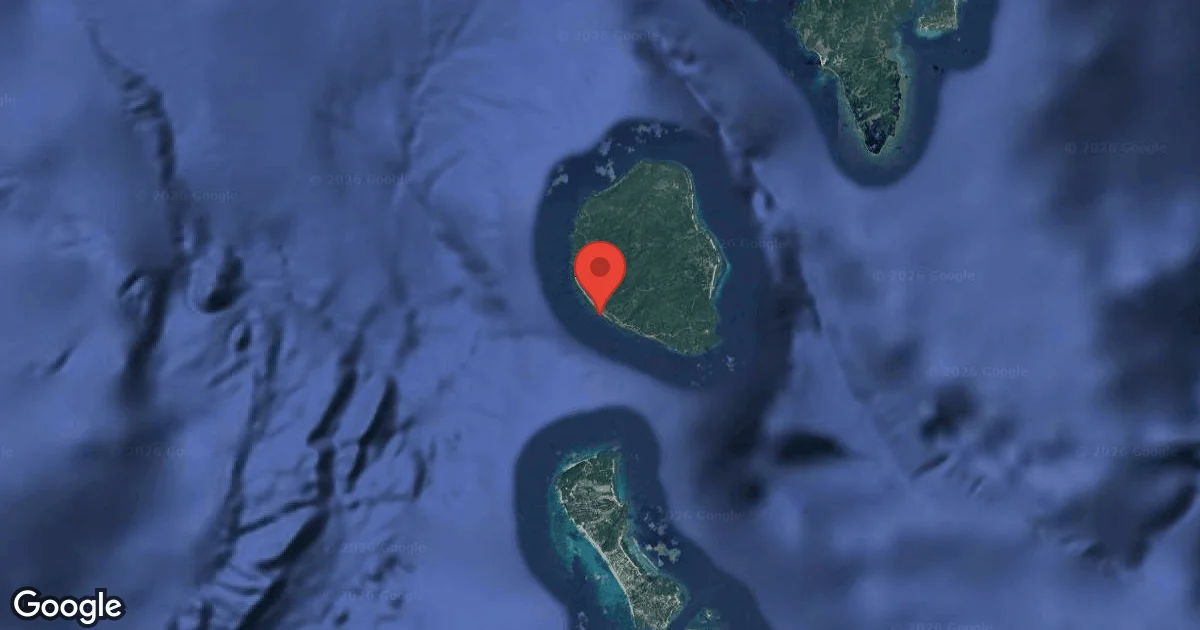
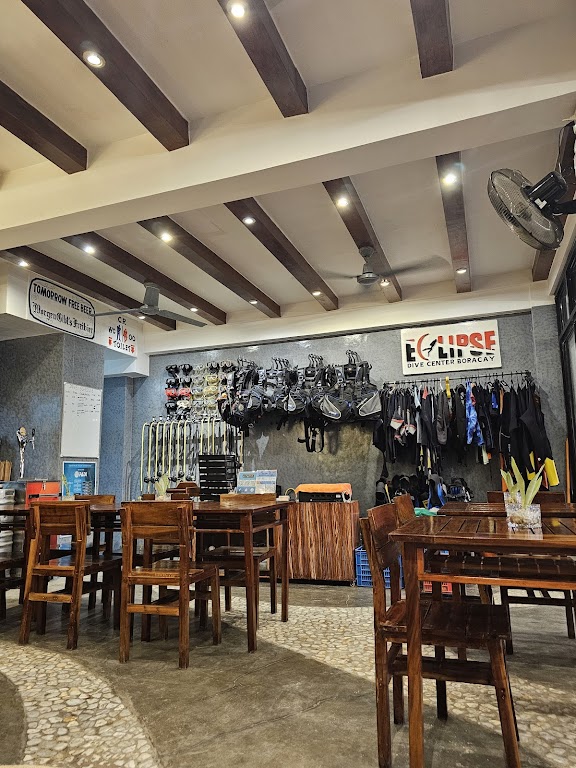
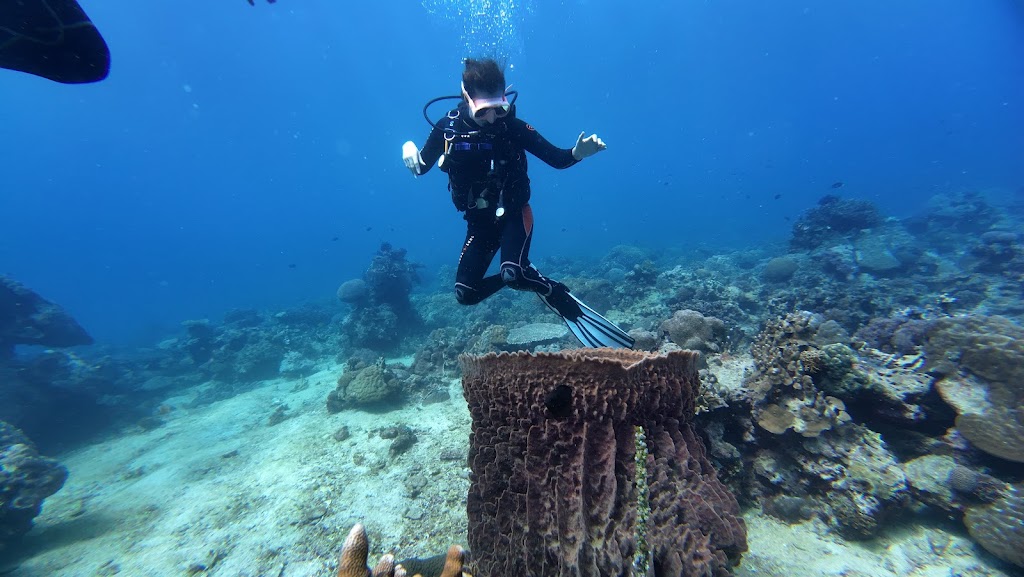
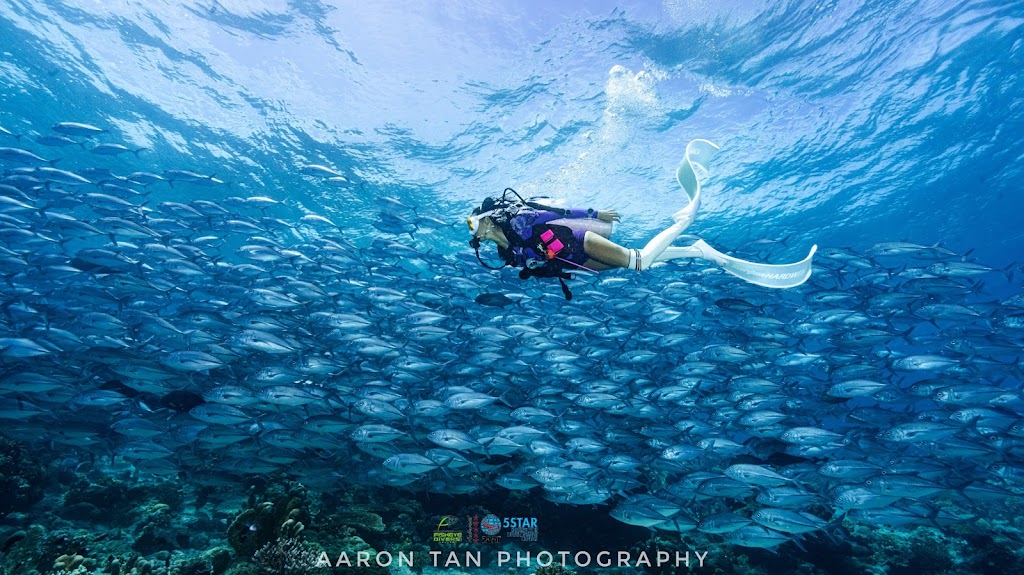
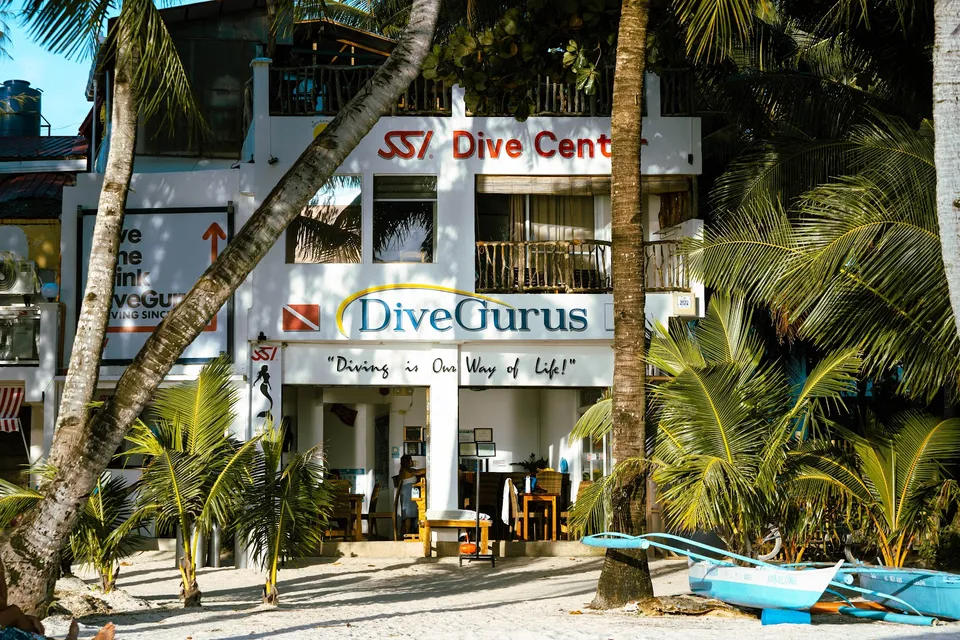
Dive Centers Near Yapak
Today: 08:00 - 18:00

Nearest Airports
Nearest airports to help plan travel to this dive area.
Search Flights
Check available flights and routes on Expedia, using the nearby airports listed in this section.
Search Flights on ExpediaFrequently Asked Questions
Is Yapak suitable for beginner divers?
No, Yapak is strictly recommended for experienced divers. Its significant depths and often strong currents require advanced skills and certifications, including deep diver training. This site presents challenges best managed by those with a solid foundation in deep diving.
What are the typical depths at Yapak?
The Yapak dive sites feature walls that typically begin around 30 meters (100 feet). From there, they descend significantly, reaching maximum depths of 60 meters or even up to 70 meters. Recreational diving usually focuses on these upper wall sections, though the full depth range is accessible to technical divers.
What marine life can I expect to see at Yapak?
Yapak is known for pelagic encounters, including grey reef sharks, whitetip reef sharks, dogtooth tuna, and giant trevallies. Lucky divers might also spot hammerhead sharks, manta rays, or the rare mola mola. Macro life like nudibranchs and pygmy seahorses can also be found on the wall.
How strong are the currents at Yapak?
Currents at Yapak can vary from mild to strong, with robust currents being a frequent occurrence. Strong currents necessitate careful dive planning, excellent buoyancy control, and often a negative entry to manage the descent effectively.
How do I access the Yapak dive sites?
Access to Yapak is exclusively by boat from Boracay Island. Dive operators typically offer trips, with a boat ride from most dive centers taking approximately 5-15 minutes, depending on the specific launch point.
What is a 'negative entry' and why is it used at Yapak?
A negative entry involves rapidly descending upon entering the water, without waiting at the surface to equalize or gather. It's often employed at Yapak to quickly reach the top of the wall and prevent divers from being swept away by strong surface currents before they can begin their descent.
Planning to dive Yapak?
Send one inquiry and receive offers directly from the best verified local dive operators.
Conditions are Good
Optimal conditions expected
Current conditions near Yapak show 27° air, 30° sea temperature, 0.7 m waves, and 27 km/h wind. Forecast data is refreshed regularly to ensure accuracy.