
Diving at Tribird (Philippines)
Lying at an accessible depth, the Tribird wreck offers a diverse vertical profile suitable for various certifications. While much of the plane rests around 18 meters / 60 feet, allowing Open Water divers ample exploration, deeper sections or approaches might extend to approximately 28-35 meters, reaching over 100 feet for those with advanced training. This range supports both introductory wreck experiences and more thorough, extended dives around the structure.
Evening condition tracking at Tribird features an air temperature of 27.5°C. We have recorded wave heights measuring 0.5 m during this period. These figures outline the environmental parameters currently present.
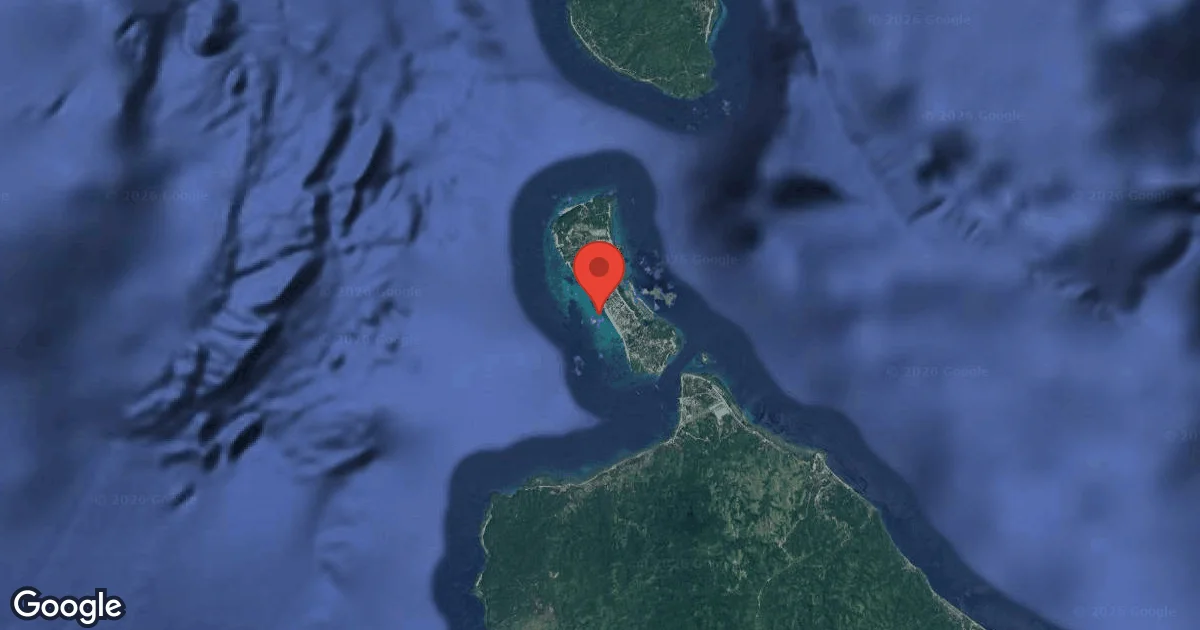
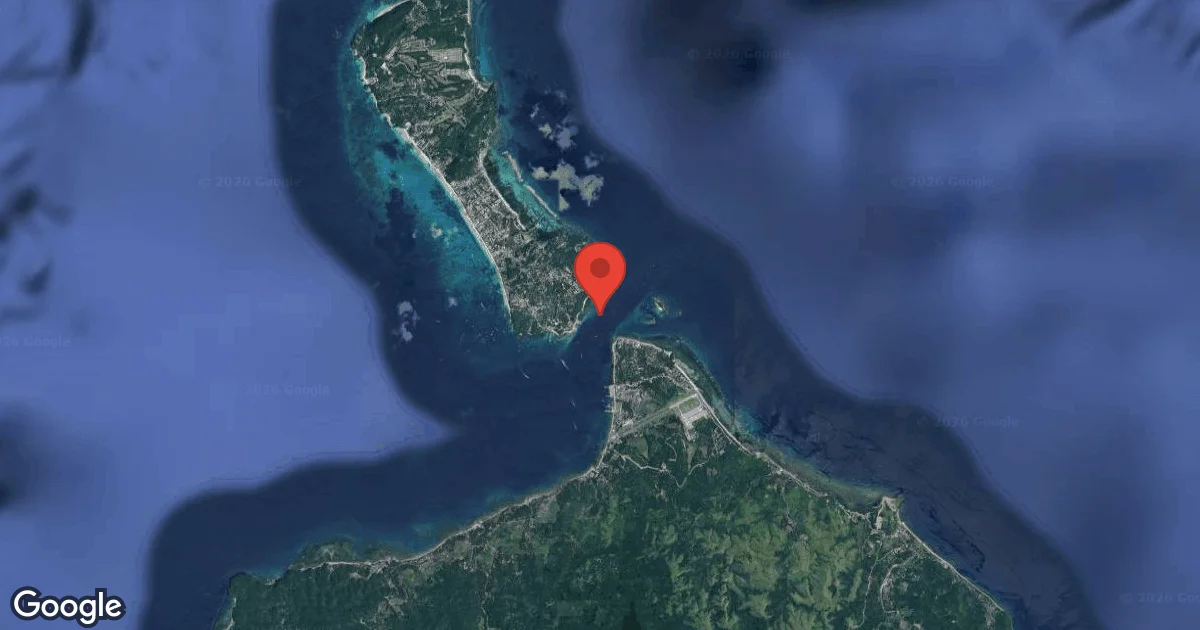
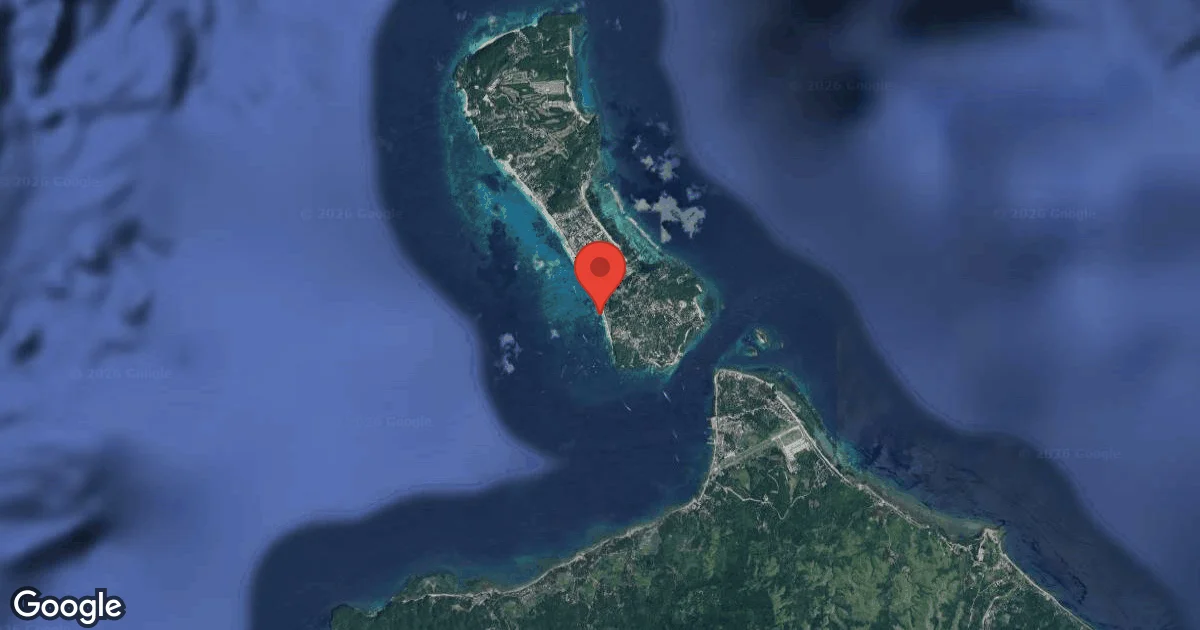
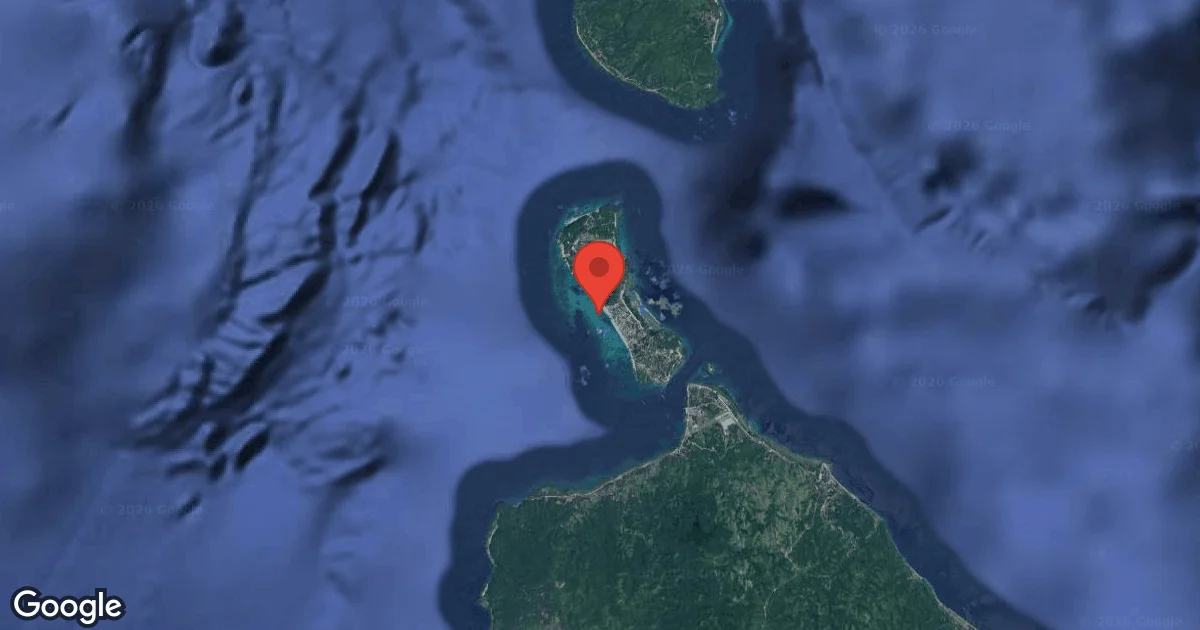
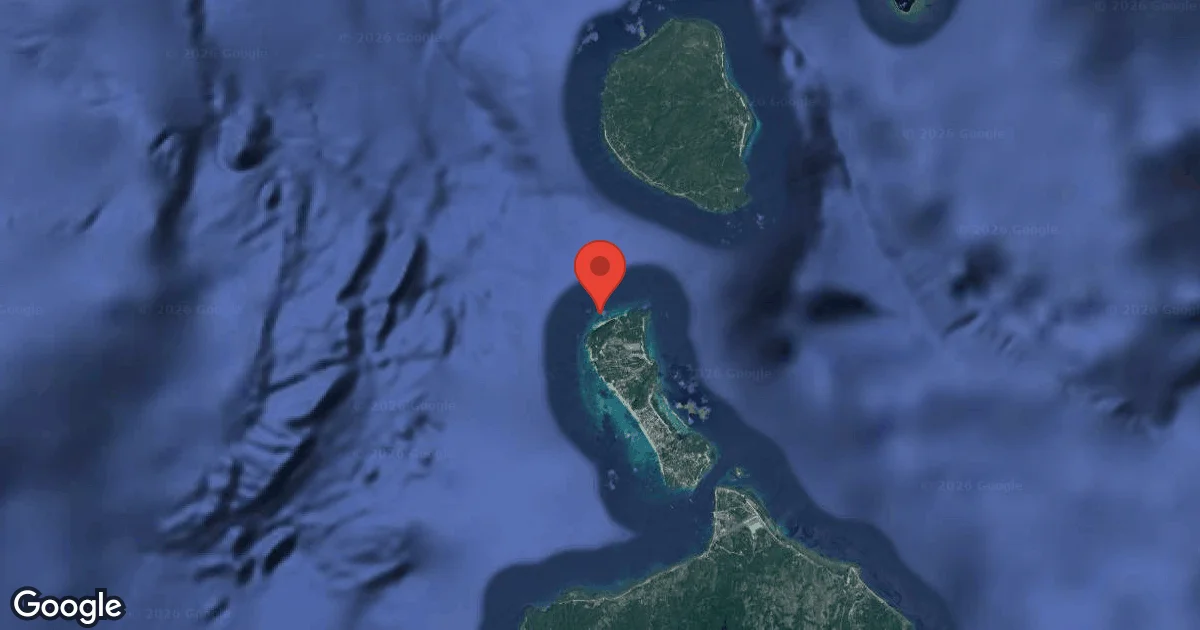
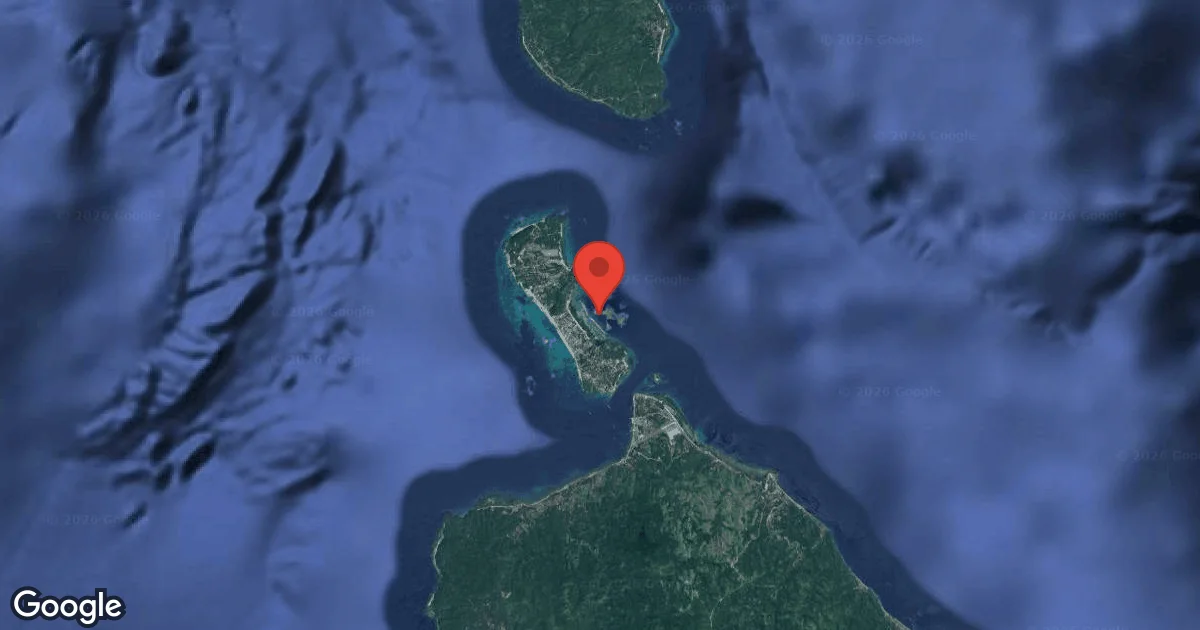
Dive Site Location & Key Facts
Dive Site Overview
This dive site centers around the Tribird wreck, a small passenger aircraft intentionally sunk to form an artificial reef in Boracay's clear waters. It presents a distinctive topography, transformed from an aviation relic into a thriving marine habitat.
Divers can expect to navigate the plane's exterior, observing how nature has reclaimed the structure with corals and other growth. The wreck is compact enough for a single dive, yet provides many nooks and crannies where marine life finds shelter. For Open Water certified divers, exploring the outside offers an engaging experience.
Those with advanced certifications might venture into the interior of the plane, provided conditions are suitable and accompanied by a guide. Its accessibility and fascinating history make it a compelling destination for all skill levels, from those taking their first wreck dive to experienced enthusiasts looking for a relaxed exploration.
Conditions are Good
Optimal conditions expected
Current conditions near Tribird show 28° air, 29° sea temperature, 0.5 m waves, and 27 km/h wind. Forecast data is refreshed regularly to ensure accuracy.
Best Time to Dive
Contrasting with periods of higher rainfall, the optimal time for diving the Tribird wreck typically spans from April through June. During these months, the conditions are generally more stable, presenting excellent dive scores and facilitating a leisurely exploration of the site. Air temperatures during this peak season average between 28-28.5°C / 82-83°F, while rainfall significantly decreases to a range of 1.6-5.8 mm. Outside of this period, from October to March, conditions remain quite good, with average air temperatures still pleasant, around 26-27°C / 79-81°F, and only slightly higher rainfall, between 3.4-12.7 mm. Boracay’s waters are noted for their calm nature overall, meaning minimal current is usually encountered at the Tribird site.
PEAK SEASON SCORE
Scores combine air & water temps, waves, wind & rainfall for overall conditions.
BEST MONTHS TO DIVE
Monthly records compiled from satellite and marine observation nodes over the last 3 years. Data provided by Open-Meteo and MET Norway.
Dive Experience & Conditions
A smooth descent brings divers directly to the Tribird wreck, where the site's calm conditions and typically excellent visibility simplify initial orientation. With minimal current, divers can immediately focus on buoyancy control, a crucial skill here to avoid contact with the plane's structure or disturbing sediment. The wreck's shallow depth ensures comfortable bottom times for observation and exploration. Beginners often practice hovering and navigating the exterior, while those with advanced certifications can explore deeper within the plane, provided they have appropriate training. This site offers ample opportunities to refine skills like underwater photography without the pressure of more technical wrecks, making it a relaxed yet engaging dive for all levels.
Dive Difficulty & Safety Guidelines
While Tribird presents minimal inherent hazards, maintaining excellent buoyancy control is paramount to avoid stirring up sediment or accidental contact with the wreck structure, which preserves both the site and diver safety. Divers should always stay close to their buddy, ensuring a clear communication plan for navigation and maintaining visual contact throughout the dive. Being mindful of the marine environment is also essential; avoid touching any part of the wreck or the delicate marine life and corals that have colonized it.
Respecting these guidelines helps protect the ecosystem and ensures the site remains enjoyable for future explorations. Dive briefings provided by local operators detail specific procedures and any recent changes to the wreck's condition.
Recommended Equipment
Deep dive hazard. Increased narcosis and gas consumption risk.
Overhead / entanglement risk. Wreck penetration requires proper training.
- Dive Computer
- DSMB
- Primary & Backup Lights
- Wreck Reel
- Cutting Tool
This gear list is based on verified equipment signals for Tribird, Philippines. Always confirm final gear choices with your dive operator, guide, or liveaboard.
Recommended Dive Suit
Forecast models show minimal temperature variation in the coming days.
Thermal protection such as dive skin or rash guard is commonly used in similar temperatures. A hood or vest is suggested for sensitive divers due to surface winds.
At Tribird, the water is currently sitting around 29°C (85°F). Surface air temperatures are resting at 28°C (82°F).
Emergency & Medical Support
Essential information to help you plan your dive trip to Tribird.

Hyperbaric chambers are a critical part of dive safety infrastructure. Availability varies significantly by region, and not all dive areas have immediate access.
Before diving, it's recommended to:
- confirm nearest medical facilities
- check emergency procedures with local dive operators
- ensure dive insurance covers evacuation if required
Divers Alert Network
Diving emergency assistance available through DAN World.
+1-919-684-9111- 24/7 emergency hotline
- Diving medical assistance
- Evacuation coordination
Emergency contacts are provided for reference. Always verify local emergency services before diving.
Marine Life at Tribird
The underwater landscape of the Tribird wreck teems with diverse marine life, transforming the plane into an artificial reef bustling with activity. Coral growth now encrusts much of the structure, providing shelter and feeding grounds for various fish species.
Divers frequently observe schools of fish darting through the plane's frame and smaller creatures tucked away in its many crevices. The wreck has become a focal point for reef life, showcasing nature's ability to adapt and thrive on submerged structures.
Dive Sites Near Tribird
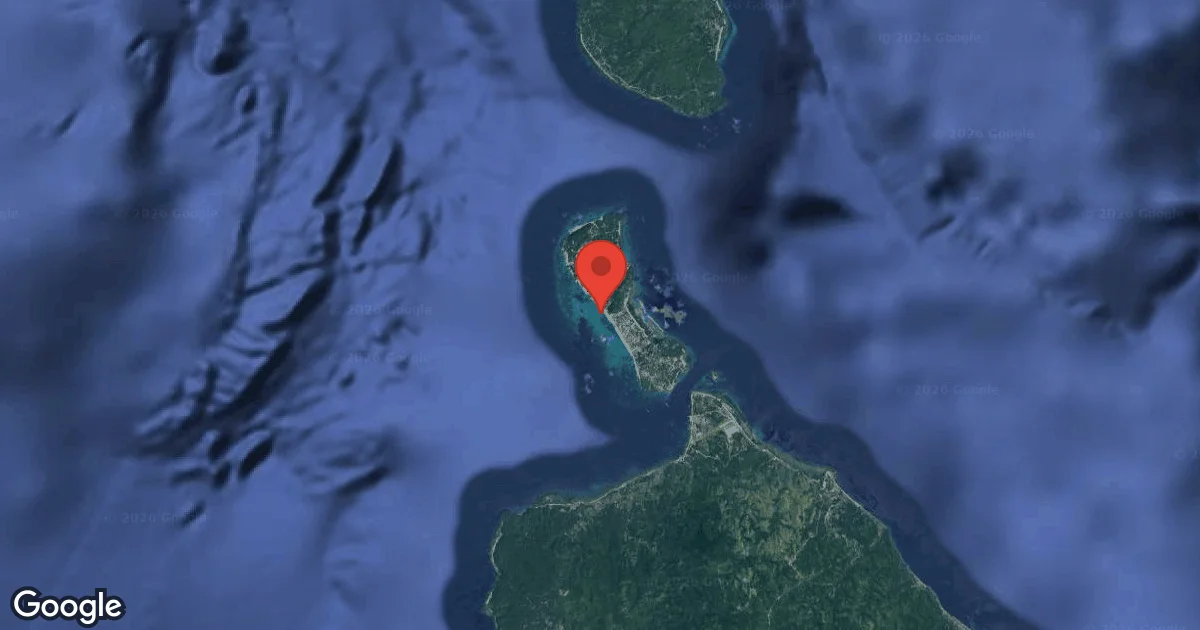
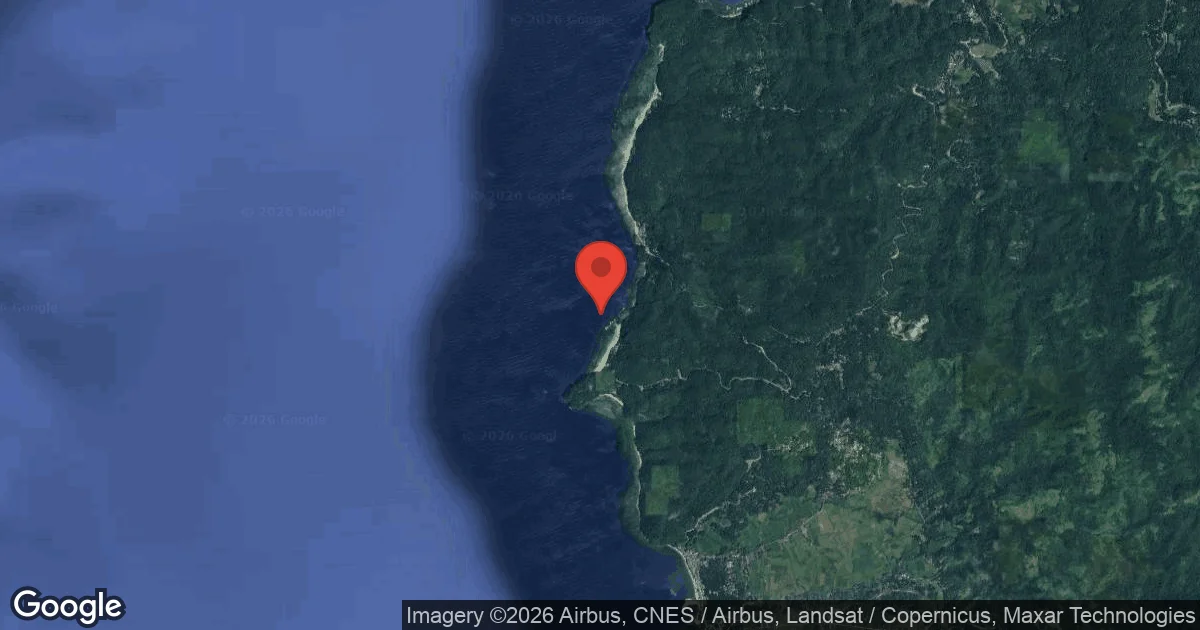
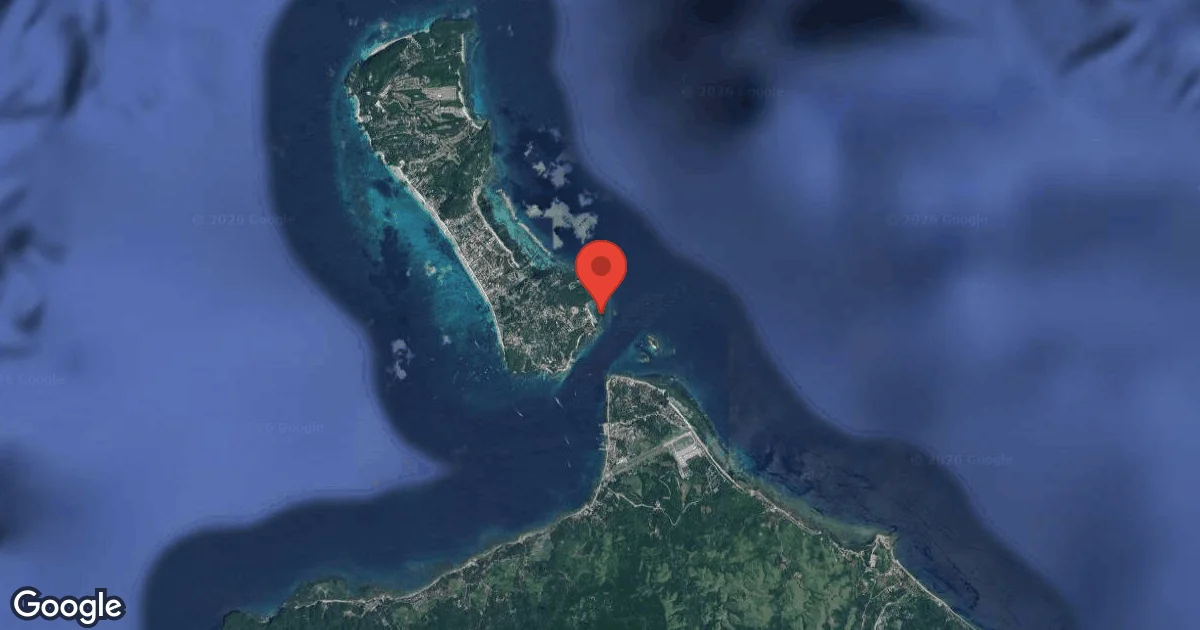
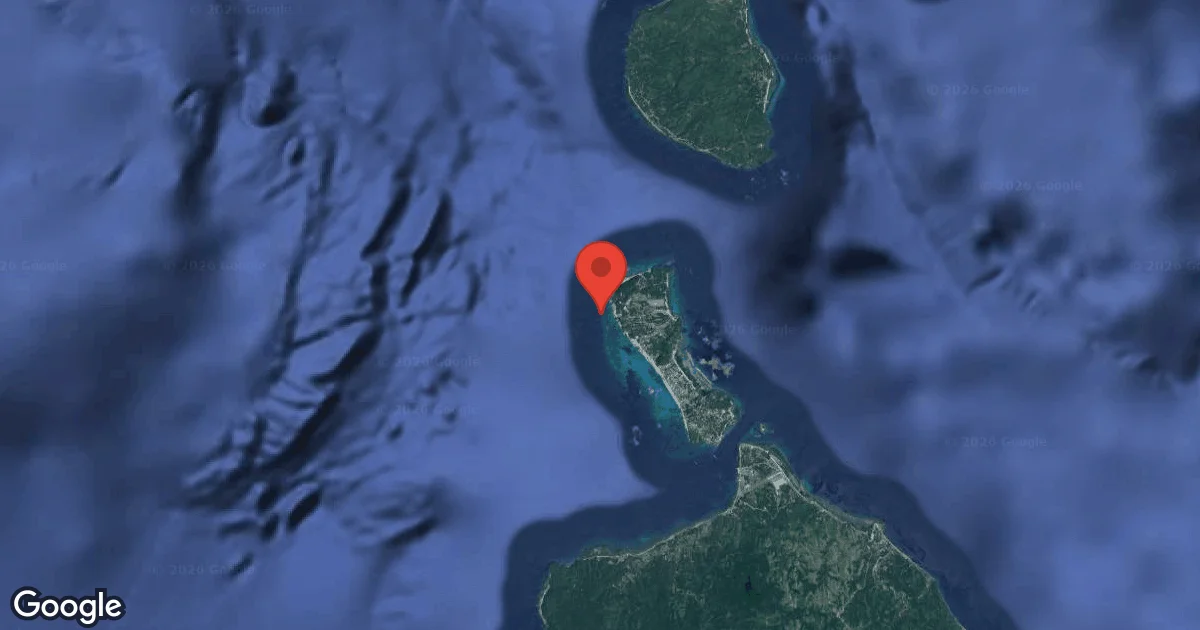
View all dive sites in PhilippinesDiscover more underwater gems in this area.
Dive Centers Near Tribird
Today: 08:00 - 18:00

Nearest Airports
Nearest airports to help plan travel to this dive area.
Search Flights
Check available flights and routes on Expedia, using the nearby airports listed in this section.
Search Flights on ExpediaFrequently Asked Questions
Is the Tribird wreck suitable for beginner divers?
Yes, the Tribird wreck is considered very beginner-friendly. Its shallow depth and generally calm waters make it an ideal site for those new to wreck diving, allowing focus on buoyancy and navigation skills.
How deep is the Tribird wreck?
The main structure of the Tribird wreck lies around 18 meters. While most recreational dives stay within this range, some reported deeper explorations or approaches indicate depths reaching 28-35 meters for advanced divers.
What type of wreck is the Tribird?
It is a small passenger aircraft, believed to have been intentionally sunk to create an artificial reef. This unique origin story adds to its appeal as a dive site.
Can advanced divers explore the interior of the Tribird wreck?
Yes, experienced and advanced certified divers may explore the interior sections of the plane. This offers opportunities for more technical navigation and a different perspective of the wreck, always under proper guidance.
What are the typical water conditions at the Tribird wreck?
Boracay's waters are known for their calm nature, and the Tribird site typically experiences minimal current. Visibility is often excellent, which contributes to a relaxed and enjoyable dive experience.
Is the Tribird wreck a good spot for underwater photography?
Absolutely. Its shallow depth, clear waters, and the photogenic transformation of the plane into a marine habitat make it an ideal location for underwater photography, even for beginners.
What safety precautions should I take at the Tribird wreck?
Focus on maintaining good buoyancy to avoid contact with the wreck or stirring sediment. Always dive with a buddy and avoid touching any marine life or coral to help preserve the site.
Planning to dive Tribird?
Send one inquiry and receive offers directly from the best verified local dive operators.
Conditions are Good
Optimal conditions expected
Current conditions near Tribird show 28° air, 29° sea temperature, 0.5 m waves, and 27 km/h wind. Forecast data is refreshed regularly to ensure accuracy.