
Diving at Crocodile Island (Philippines)
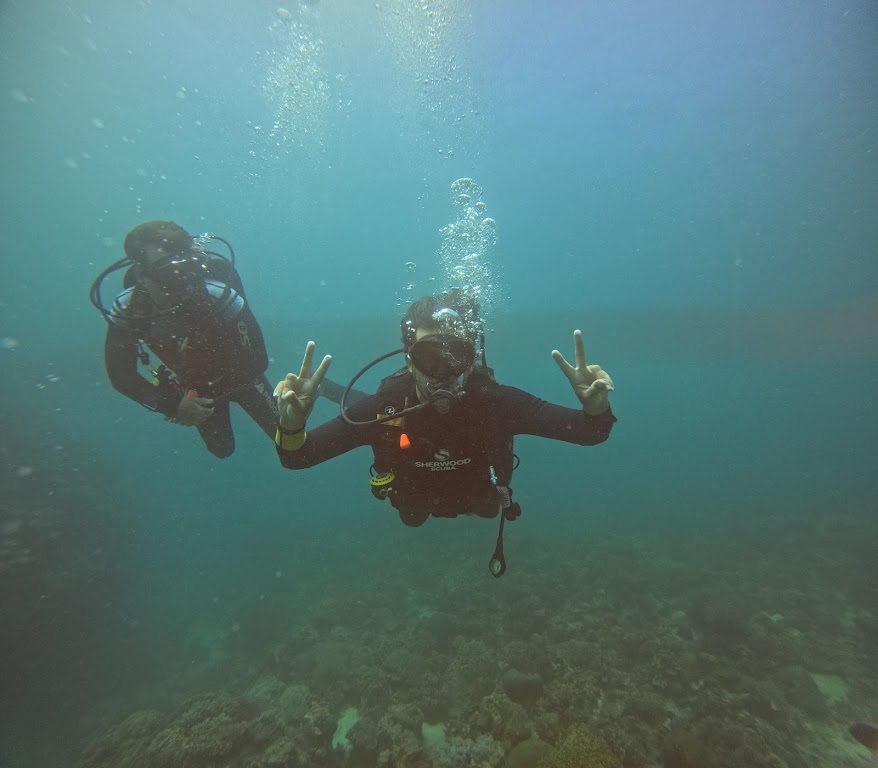
Encountering the vibrant marine community at Crocodile Island immediately reveals a remarkable underwater tapestry. This site, easily accessible from Boracay, serves as a rich ecosystem for a diverse range of reef inhabitants. From intricate nudibranchs to schooling reef fish, the vibrant soft and hard corals support an impressive biological density, making every dive an active observation session of its thriving ecology. Divers frequently discover new species inhabiting the detailed coral gardens and wall formations here.
As evening covers Crocodile Island, the local air temperature is measured at 28°C. The current wave height at the surface is recorded at 0.5 m. These late-day readings characterize the surface conditions for the night.
Dive Site Location & Key Facts
Dive Site Overview
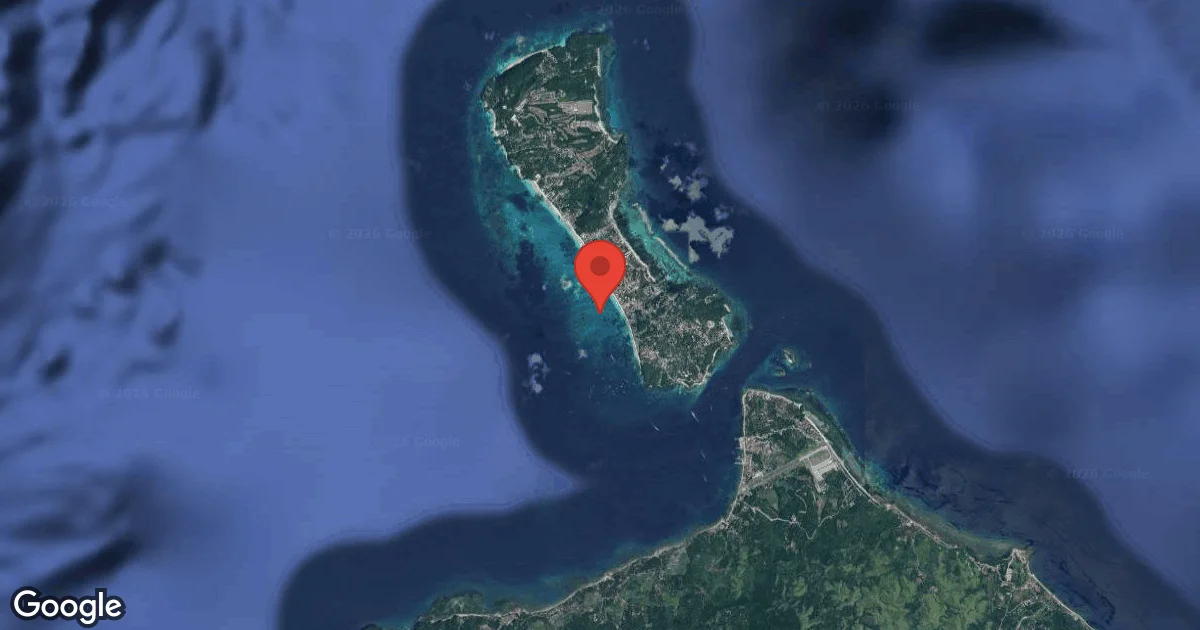
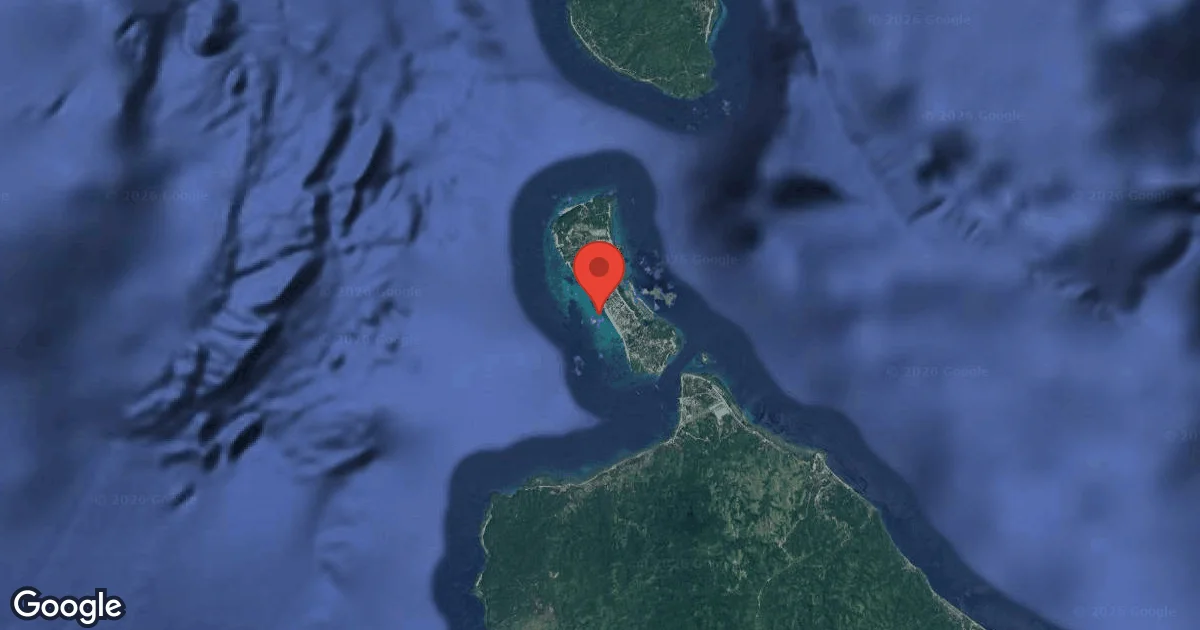
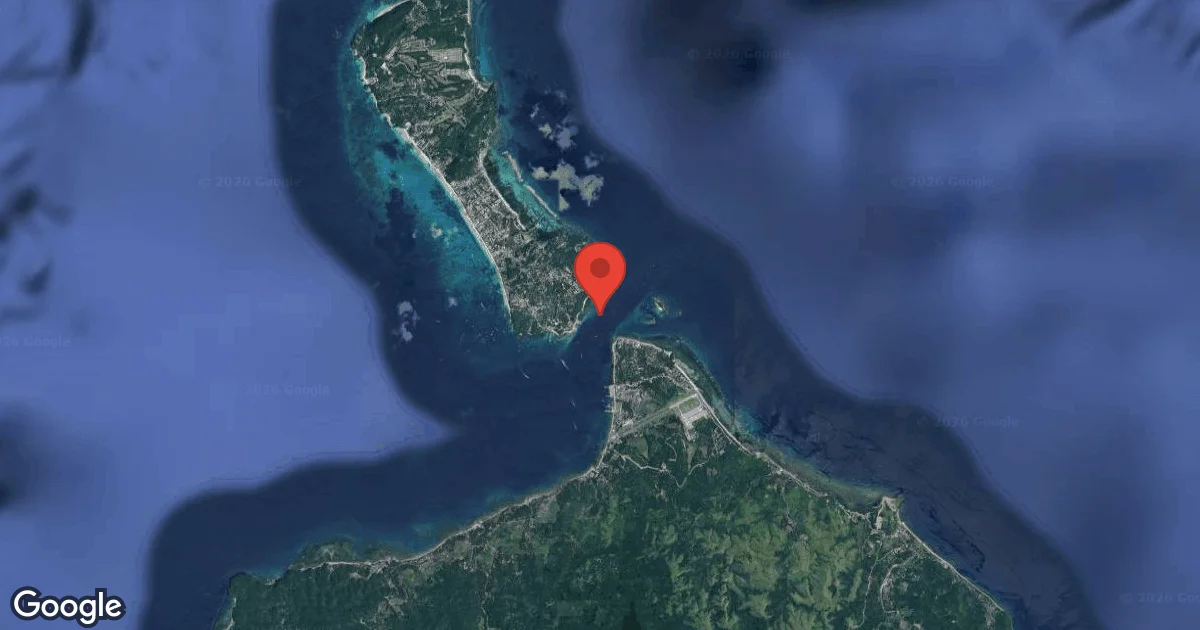
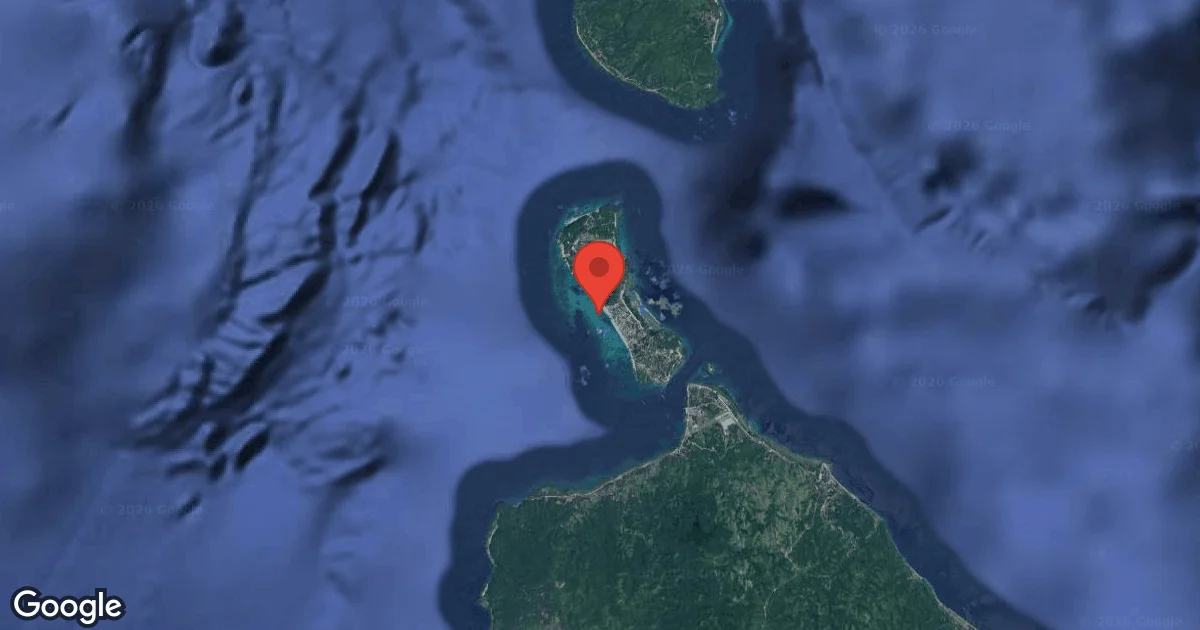
Venturing a mere 15 minutes by boat from Boracay's White Beach transports divers to Crocodile Island, a site named for its distinct silhouette when viewed from the south-west. This uninhabited outcrop unfolds a dynamic underwater world beneath its surface, starting with a gently sloping reef that gradually gives way to dramatic walls.
Divers explore scattered boulders, small caverns, and expansive coral gardens on the descent. Its dual nature presents varied experiences: the west side frequently features invigorating currents, making for exciting drift dives with often excellent visibility.
In contrast, the eastern flanks benefit from consistent nutrient flow, fostering an "unbelievable colorful coral biodiversity" of both hard and soft corals, alongside impressive sea fans. With depths typically ranging from 5 to 22 meters (16 to 72 feet), though some areas extend to 30 meters, and visibility commonly between 20 and 30 meters, this site accommodates all skill levels, from beginners to advanced divers seeking vibrant scenery and fascinating encounters.
Conditions are Good
07:00 - 14:00
Optimal conditions expected
Current conditions near Crocodile Island show 28° air, 29° sea temperature, 0.6 m waves, and 23 km/h wind. Forecast data is refreshed regularly to ensure accuracy.
Best Time to Dive
While Crocodile Island remains diveable throughout the year, distinct seasonal shifts influence conditions. The period from November through May typically presents the most consistent and favorable diving. During these months, surface conditions are generally calmer, currents exhibit greater predictability, and underwater visibility is often at its peak. For instance, April stands out as an excellent month, with average air temperatures around 28°C / 82°F and minimal rainfall, approximately 1.68 mm. Water temperatures during this prime season hover between 27-29°C / 80-84°F, making for a comfortable experience. Conversely, the transition into the rainy season, while still offering good diving opportunities, may introduce more variable conditions, including increased rainfall and potentially stronger winds that can affect wave height.
PEAK SEASON SCORE
Scores combine air & water temps, waves, wind & rainfall for overall conditions.
BEST MONTHS TO DIVE
Monthly records compiled from satellite and marine observation nodes over the last 3 years. Data provided by Open-Meteo and MET Norway.
Dive Experience & Conditions
Exploring the underwater terrain here begins on a gently sloping reef, gradually leading divers towards more pronounced wall sections. This dynamic profile provides an engaging dive path, weaving through scattered boulders and occasional small caverns adorned with rich coral gardens. Conditions are generally mild to moderate, although currents can intensify significantly, particularly on the western side of the island between slack tides. These stronger flows make it an excellent location for exhilarating drift dives, allowing divers to effortlessly glide along the reef. Visibility is frequently very good, commonly ranging from 20 to 30 meters, enabling clear views of the vibrant ecosystems that populate the various depths.
Dive Difficulty & Safety Guidelines
Effective management of Crocodile Island's currents is paramount, as their intensity and direction can shift rapidly, often influenced by tidal flows. Even for experienced divers, partnering with a knowledgeable local guide is strongly advised; their insights into daily conditions and site specifics are invaluable for a secure and rewarding dive. Guides can predict current behavior and recommend appropriate entry or exit points, enhancing safety.
All divers should participate in thorough pre-dive briefings, understanding the planned trajectory and contingency plans. Snorkelers, too, must exercise vigilance, always confirming prevailing conditions before entering the water.
Proper dive planning and awareness of these dynamic water movements are crucial for all visitors to ensure an enjoyable and incident-free experience at this vibrant site.
Recommended Equipment
- Dive Computer
- DSMB
This gear list is based on verified equipment signals for Crocodile Island, Philippines. Always confirm final gear choices with your dive operator, guide, or liveaboard.
Recommended Dive Suit
Dive skin or rash guard is widely used for recreational dives in waters of this temperature. Those diving at Crocodile Island today will likely encounter water temperatures in the region of 29°C (85°F). Surface air temperatures are resting at 28°C (83°F).
Forecast models show minimal temperature variation in the coming days.
Water temperatures can occasionally shift throughout the day depending on currents and depth layers.
Emergency & Medical Support
Essential information to help you plan your dive trip to Crocodile Island.

Hyperbaric chambers are a critical part of dive safety infrastructure. Availability varies significantly by region, and not all dive areas have immediate access.
Before diving, it's recommended to:
- confirm nearest medical facilities
- check emergency procedures with local dive operators
- ensure dive insurance covers evacuation if required
Divers Alert Network
Diving emergency assistance available through DAN World.
+1-919-684-9111- 24/7 emergency hotline
- Diving medical assistance
- Evacuation coordination
Emergency contacts are provided for reference. Always verify local emergency services before diving.
Marine Life at Crocodile Island
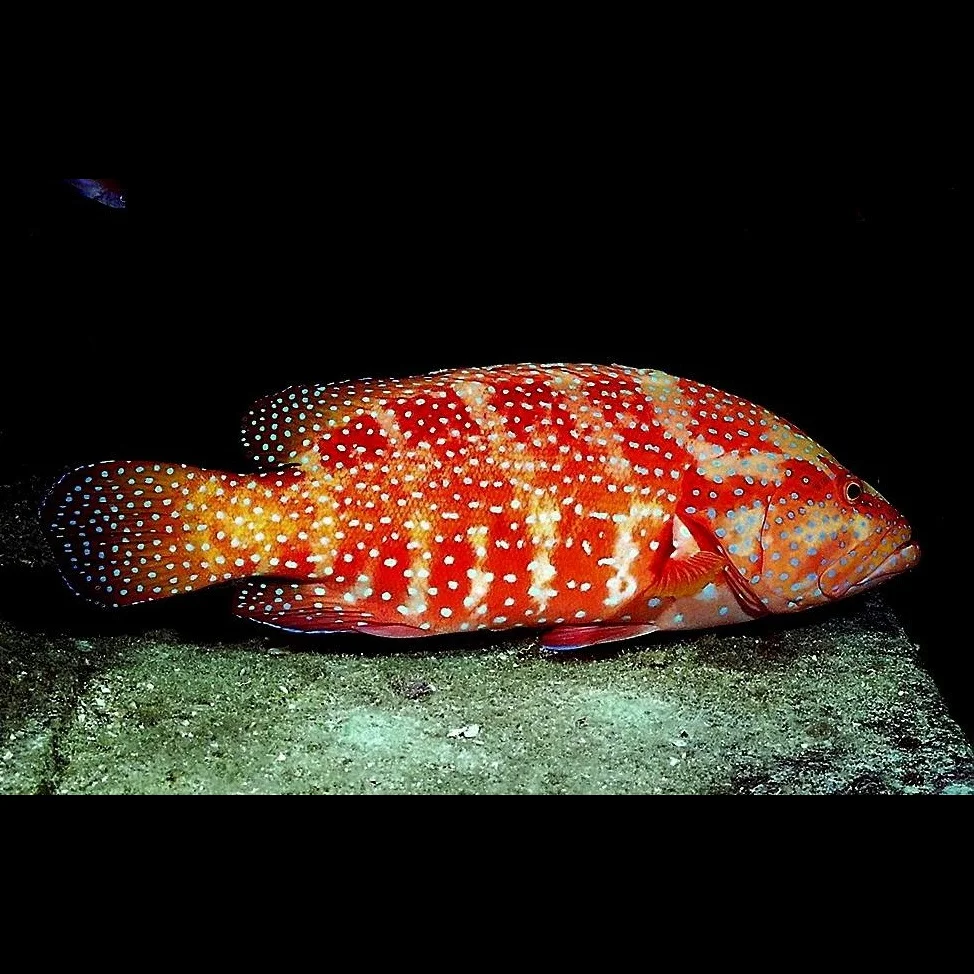
The underwater landscape of Crocodile Island boasts an impressive biodiversity, characterized by extensive fields of colorful soft and hard corals, including large gorgonians and sea fans. This vibrant habitat supports a rich array of reef fish, often seen shoaling, with sightings of blue triggerfish and various groupers.
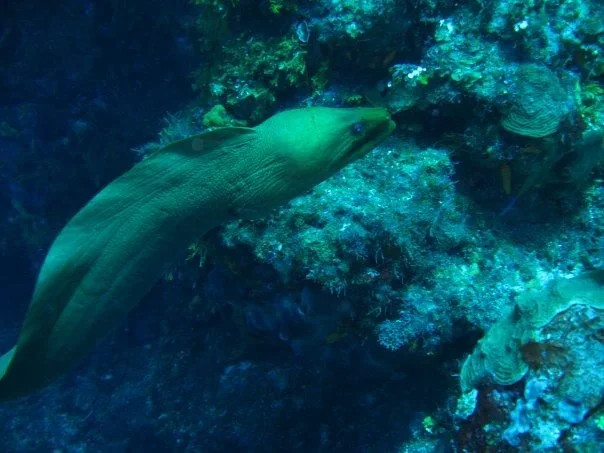
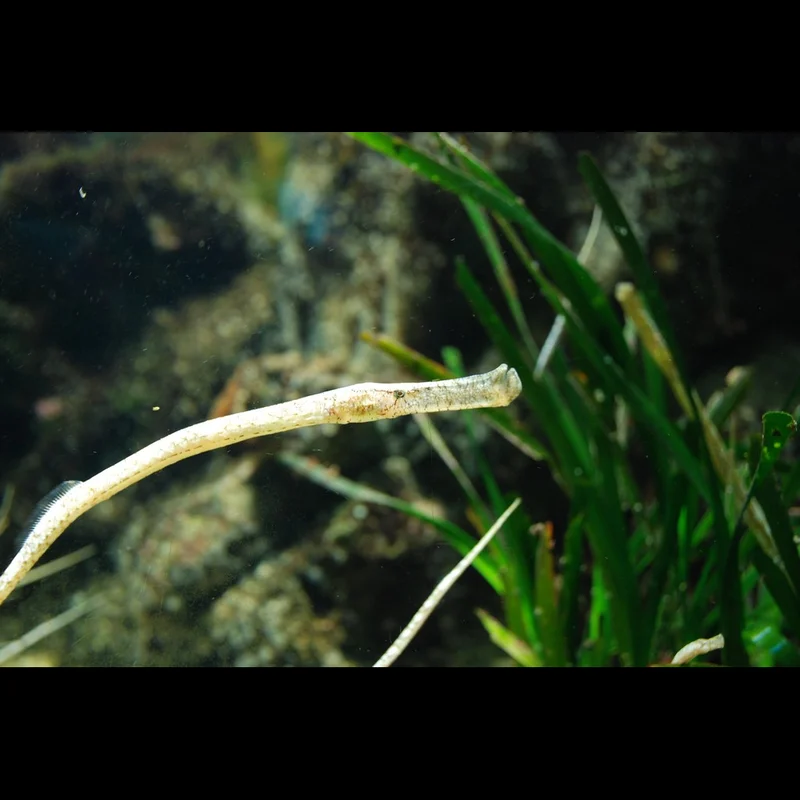
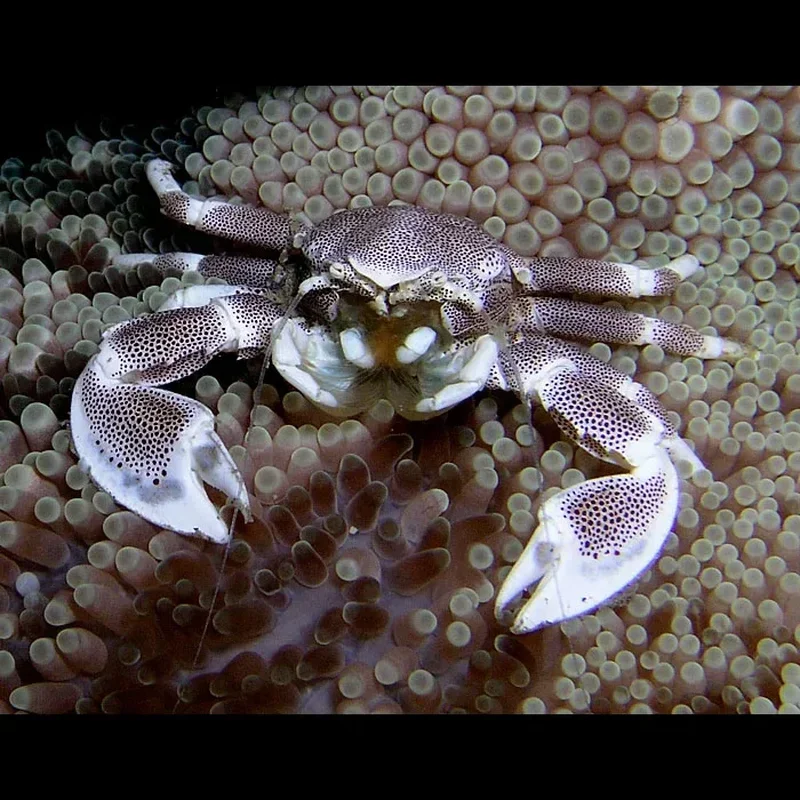
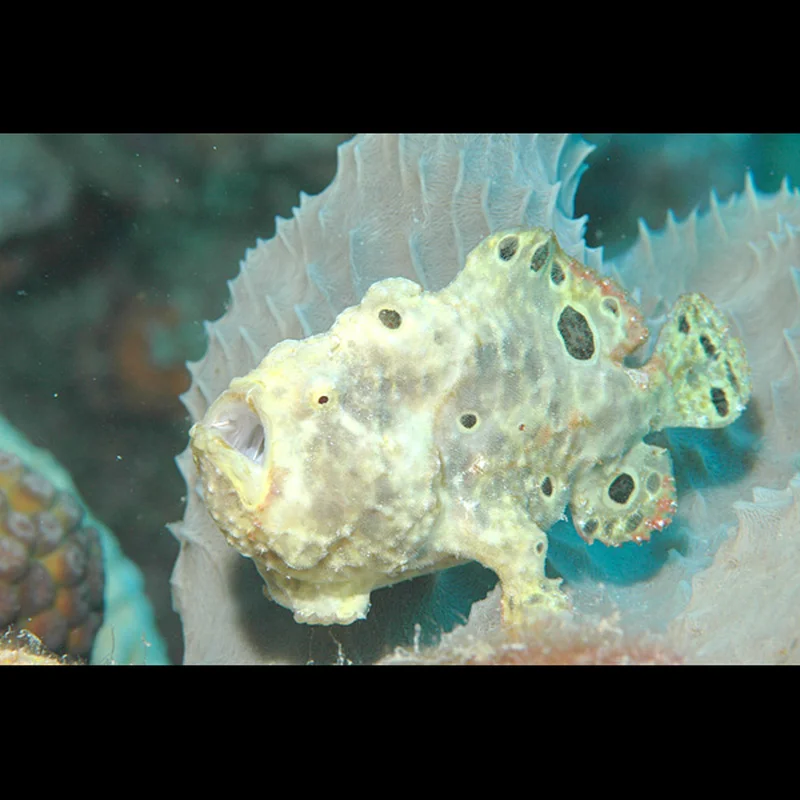
Divers also regularly encounter lionfish, moray eels, and numerous nudibranch species. Crustaceans such as boxer shrimp, porcelain crabs, and decorator crabs contribute to the intricate ecological tapestry. Observing the smaller inhabitants, such as frogfish and pipefish, requires a keen eye.
Dive Sites Near Crocodile Island
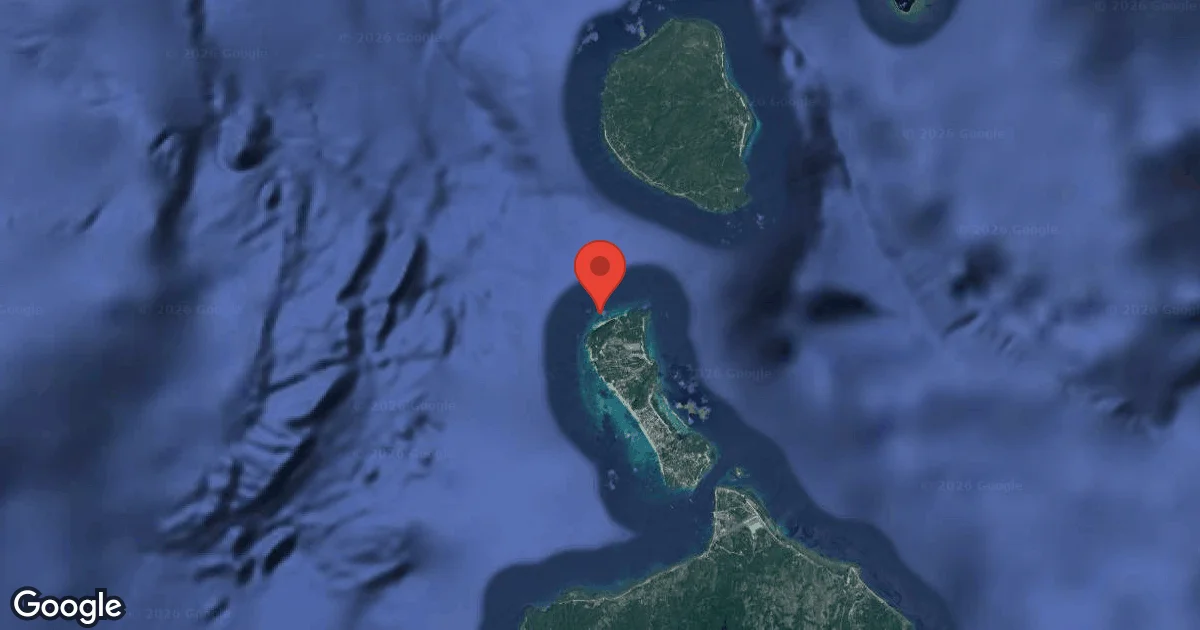
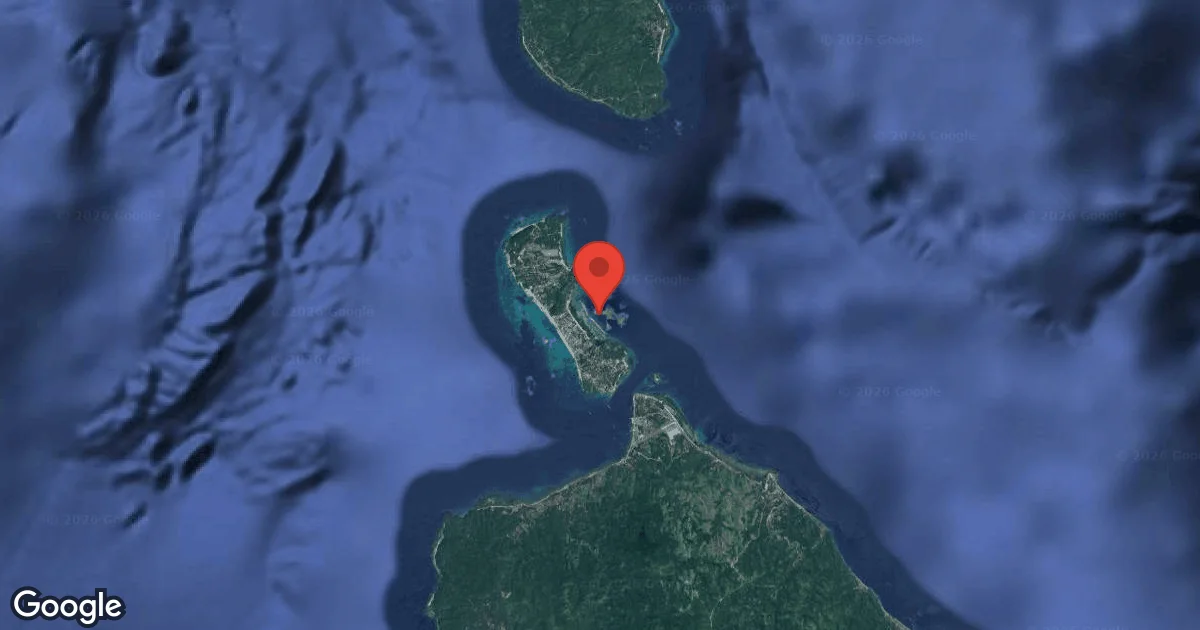
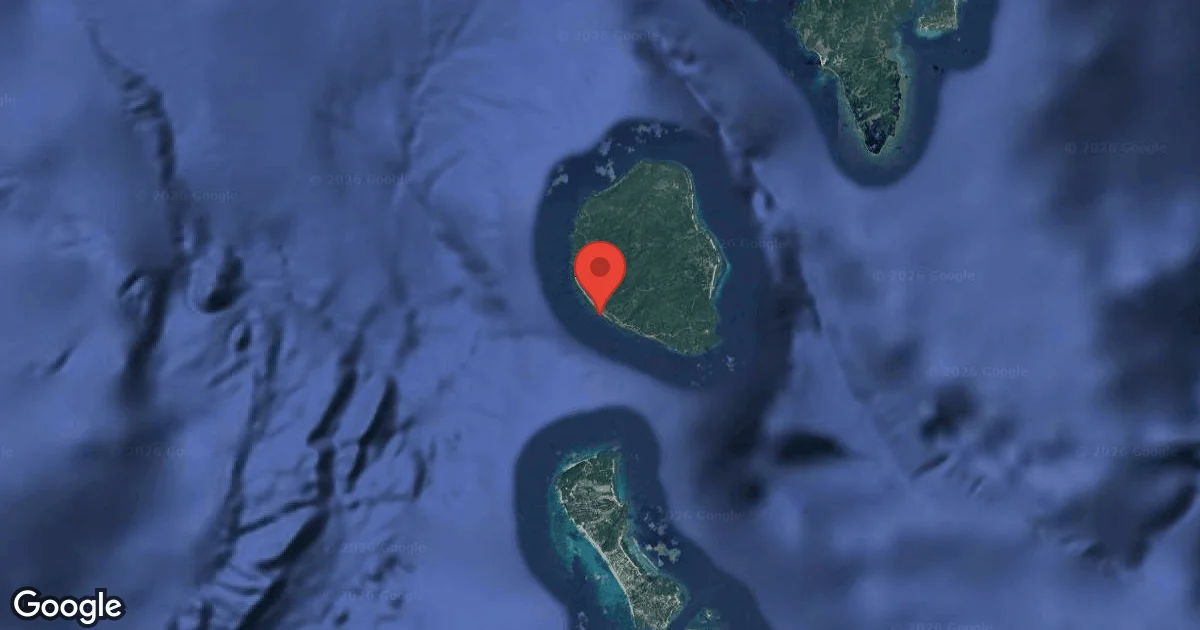
View all dive sites in PhilippinesDiscover more underwater gems in this area.
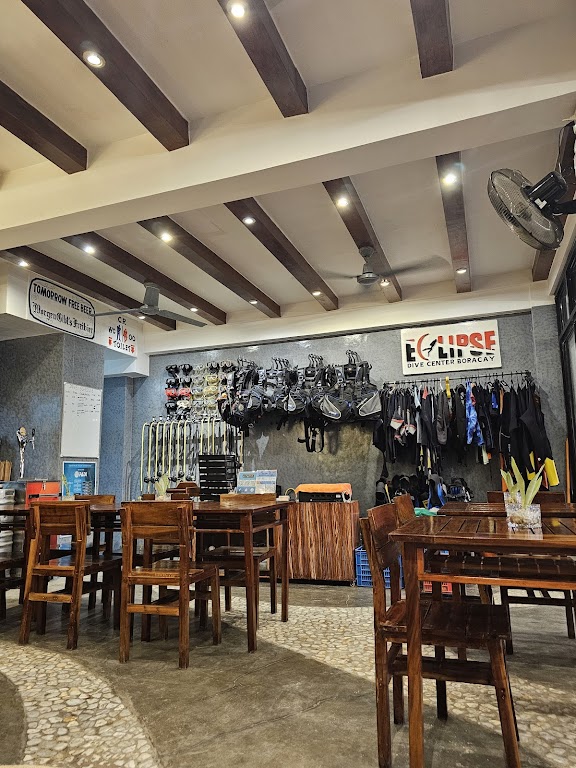
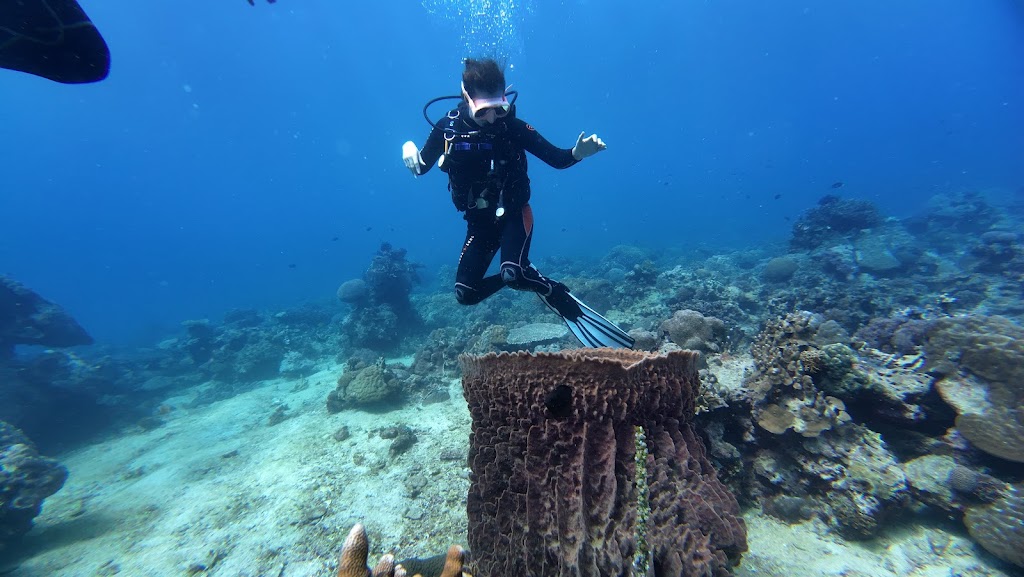
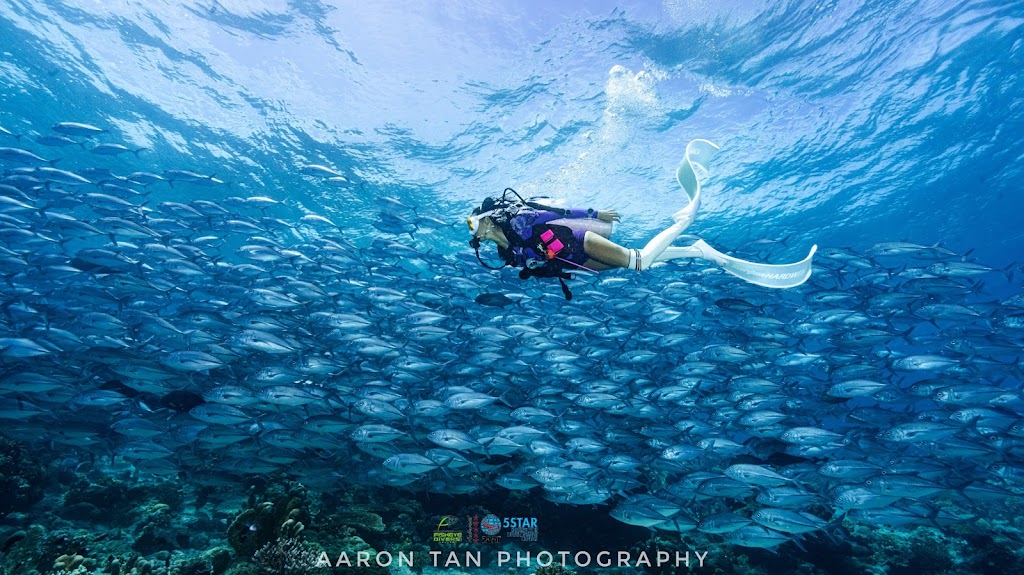
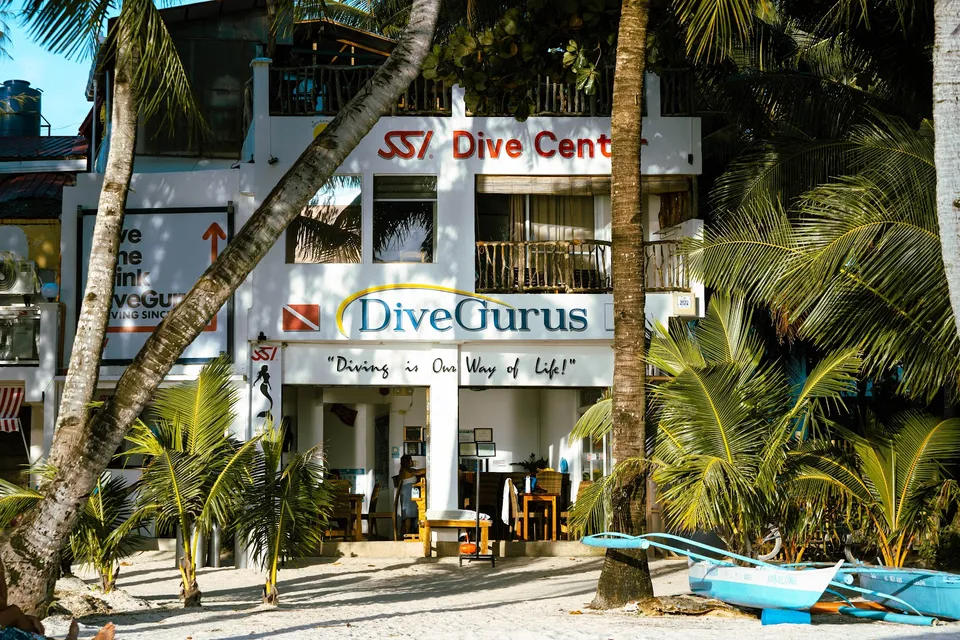
Dive Centers Near Crocodile Island
Today: 08:00 - 18:00
Nearest Airports
Nearest airports to help plan travel to this dive area.
Search Flights
Check available flights and routes on Expedia, using the nearby airports listed in this section.
Search Flights on ExpediaFrequently Asked Questions
How long does it take to get to Crocodile Island from Boracay?
It's a short boat ride, typically taking about 15 minutes from Boracay's White Beach. This proximity makes it a convenient and popular dive destination.
What are the typical dive depths at Crocodile Island?
The site features a varied topography, with dive depths commonly ranging from 5 to 22 meters (16 to 72 feet). Some areas allow for descents up to 30 meters, accommodating a wider range of certification levels.
Is Crocodile Island suitable for all diver skill levels?
Yes, Crocodile Island is accessible to divers of all levels, from beginners to advanced. However, due to potentially varying current conditions, diving with a local guide is highly advisable for a safer and more enjoyable experience.
What kind of marine life can I expect to see?
The site is rich in biodiversity, featuring vibrant soft and hard corals, gorgonians, and sea fans. Expect to encounter numerous reef fish, lionfish, moray eels, nudibranchs, and various crustaceans like boxer shrimp.
Are the currents at Crocodile Island always strong?
Currents can vary from mild to moderate, but they can intensify, especially on the west side of the island during tidal changes. These stronger currents often create excellent conditions for drift diving.
Can I snorkel at Crocodile Island?
Yes, Crocodile Island is also a popular snorkeling spot. However, snorkelers should be aware that currents can sometimes be strong, and it's important to check conditions before entering the water.
Why is the island named Crocodile Island?
The island gets its name from its distinctive silhouette. When viewed from certain angles, particularly from the south-west, its shape resembles a large crocodile.
What is the water temperature like at Crocodile Island?
During the most consistent diving season (November to May), water temperatures generally average between 27-29°C / 80-84°F, providing comfortable conditions for diving.
Planning to dive Crocodile Island?
Send one inquiry and receive offers directly from the best verified local dive operators.
Conditions are Good
07:00 - 14:00
Optimal conditions expected
Current conditions near Crocodile Island show 28° air, 29° sea temperature, 0.6 m waves, and 23 km/h wind. Forecast data is refreshed regularly to ensure accuracy.