
Diving at Carabao Islad (Philippines)
Navigating Carabao Island's underwater landscape presents a spectrum of experiences for certified divers. From tranquil reef gardens ideal for buoyancy practice to exhilarating deep drift dives requiring advanced skills, this destination caters to various proficiencies. Divers are challenged to adapt to dynamic currents at sites like Yapak while also finding serene conditions for macro photography along the Lanas Wall. It’s an environment that rewards preparation and a willingness to explore diverse subaquatic terrains.
As evening covers Carabao Islad, the local air temperature is measured at 26.5°C. The current wave height at the surface is recorded at 0.4 m. These late-day readings characterize the surface conditions for the night.
Dive Site Location & Key Facts
Dive Site Overview
Venturing beneath the waves here reveals a varied topography, encompassing vibrant coral reefs, dramatic walls, and intriguing cave formations. Dive sites such as Cathedral Cave plunge to 40 m / 131 ft, showcasing untouched fan corals within large, accessible chambers.
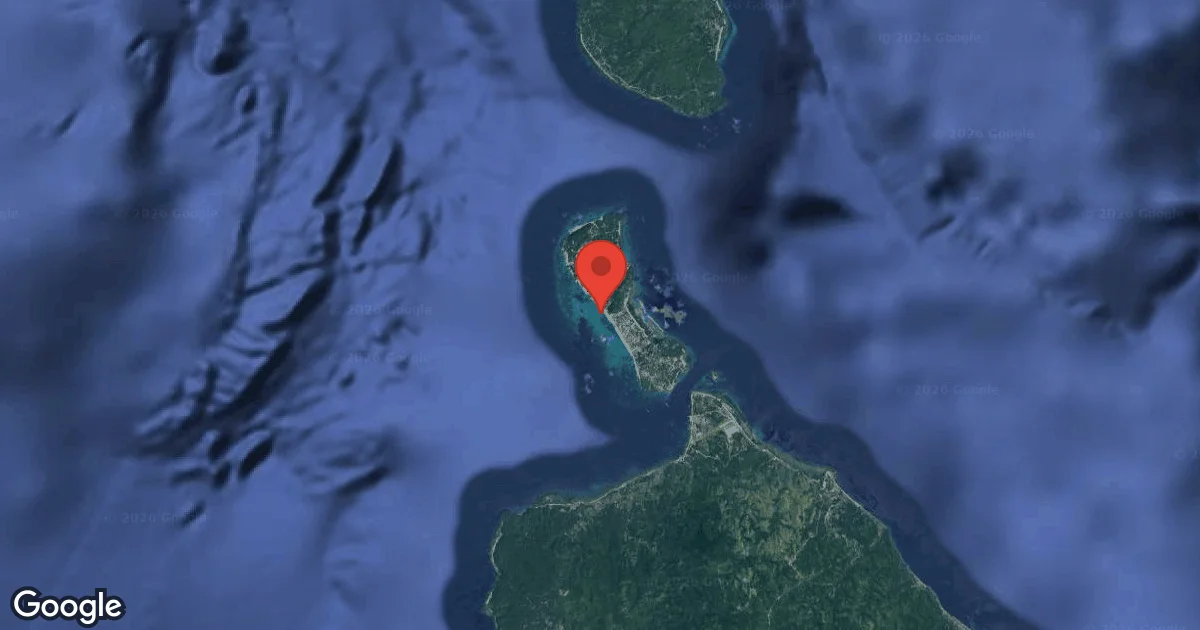
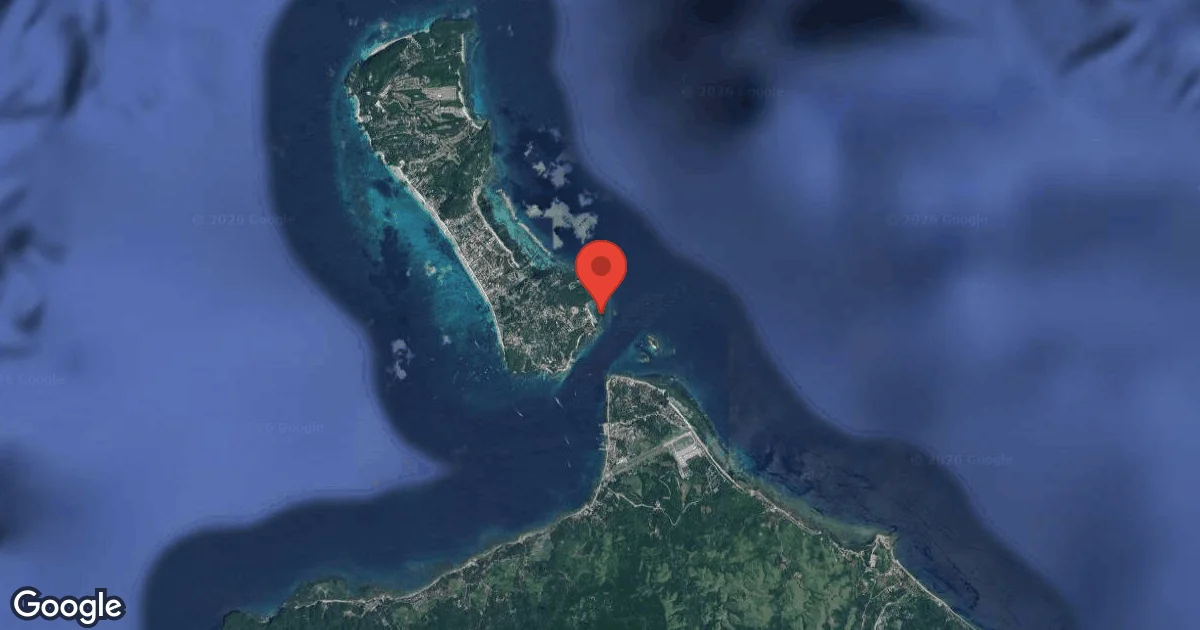
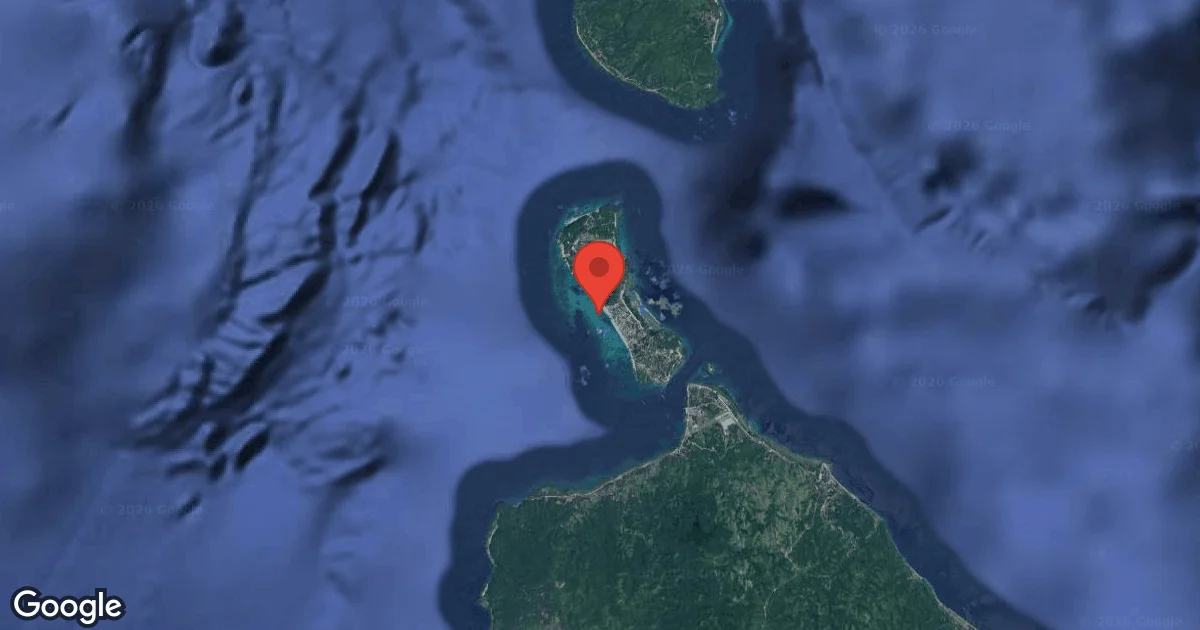
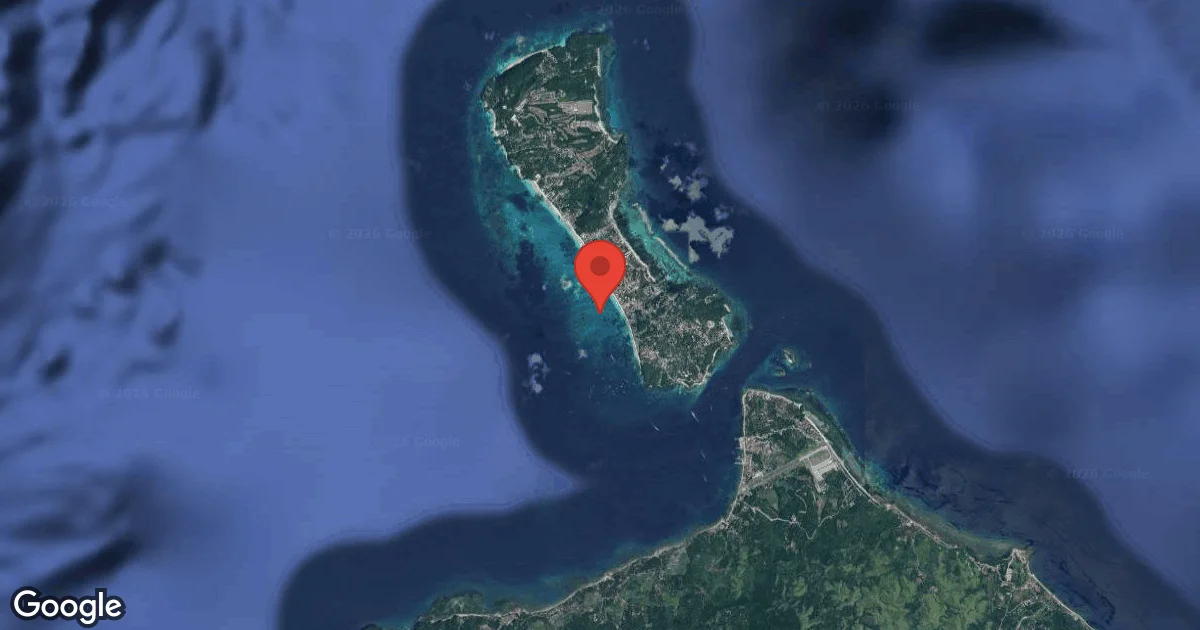
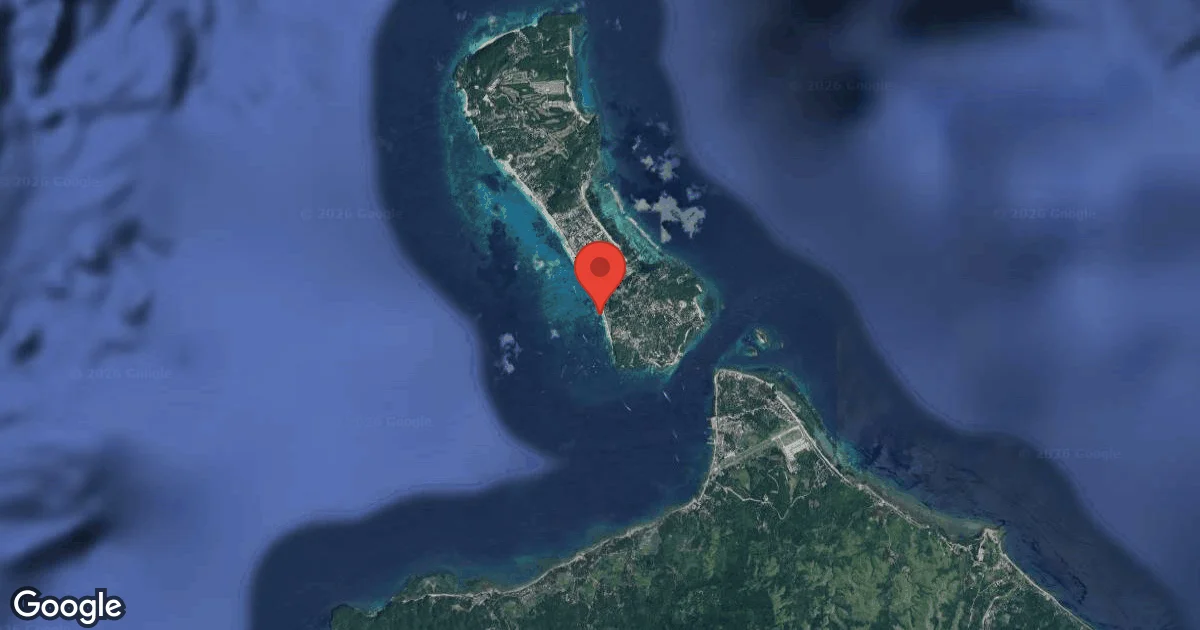
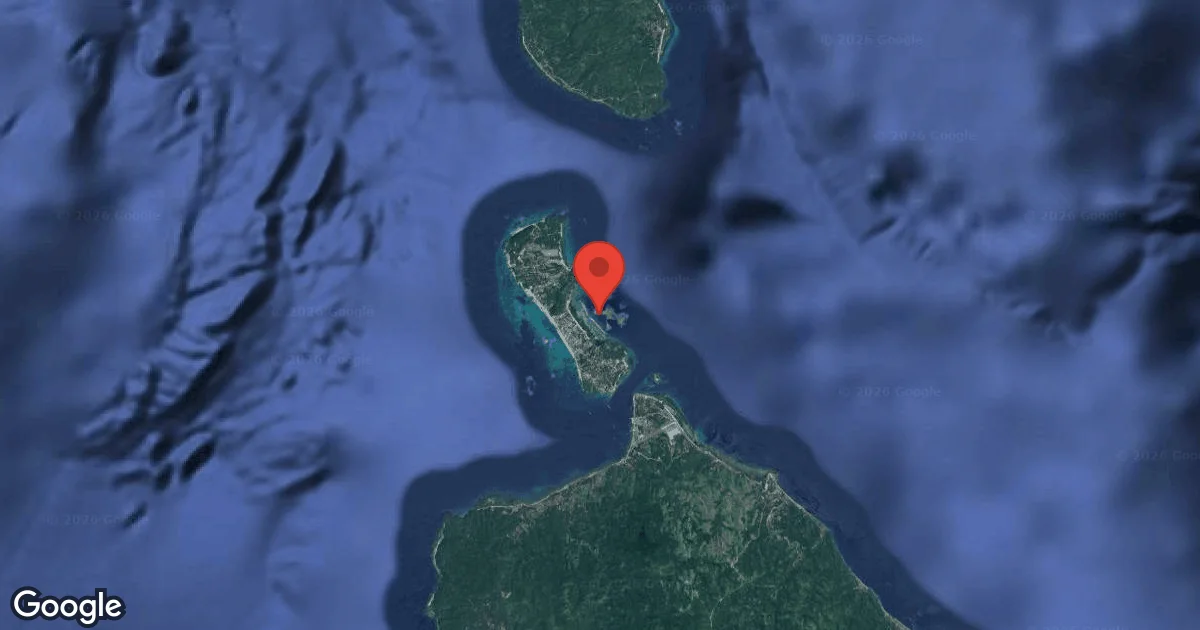
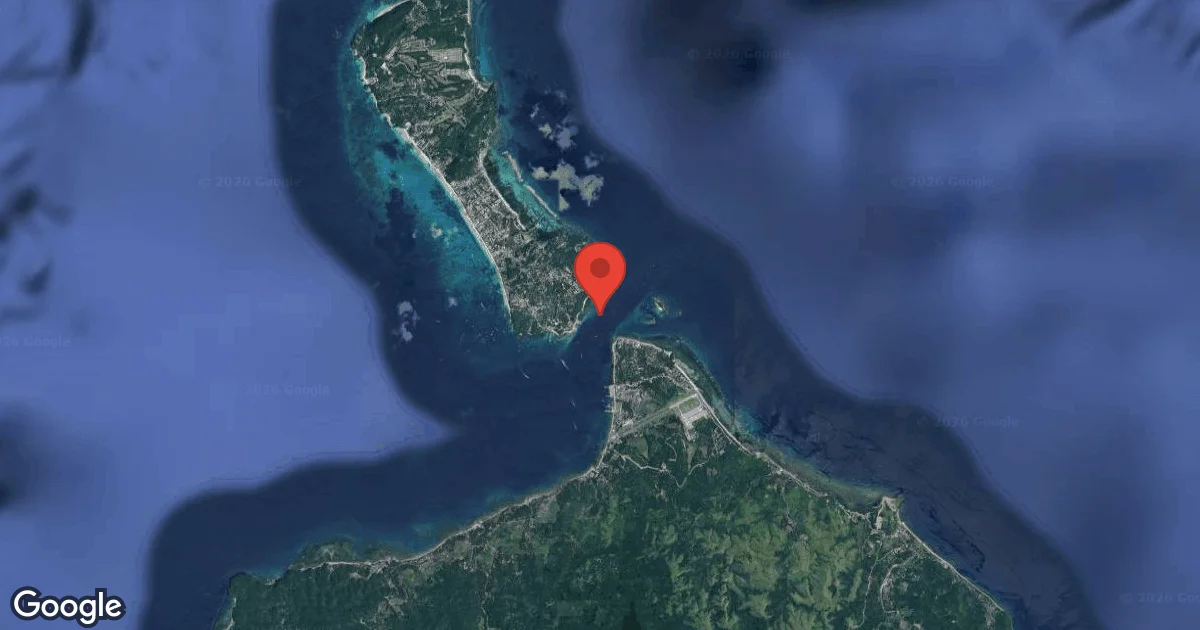
For those seeking a thrill, the Yapak site, a drift dive between Carabao and Boracay, demands a negative entry and a blue water decent, reaching depths that can exceed 30 m / 100 ft. Here, divers can encounter larger pelagic species. Shallower areas like Lanas Wall, with a maximum depth of 18 meters (roughly 60 feet), are perfect for beginner training and night dives, teeming with hard and leather corals.
Sites such as The Slide and Canyon offer chances for macro life and interesting rock formations with swim-throughs. Depths here typically reach 30 meters (about 100 feet) and 25 meters (around 80 feet) respectively.
Whether you're drawn to prolific reef fish or searching for larger ocean inhabitants, Carabao Island's dive sites provide compelling marine encounters.
Conditions are Good
Optimal conditions expected
Current conditions near Carabao Islad show 26° air, 29° sea temperature, 0.5 m waves, and 27 km/h wind. Forecast data is refreshed regularly to ensure accuracy.
Best Time to Dive
Optimal diving often aligns with periods of calmer weather and minimal rainfall, directly enhancing underwater visibility. The months from February to June generally offer good to excellent dive scores, with consistently lower wave heights and less precipitation. April and May, for instance, show the lowest average rainfall, around 1.5-4.9 mm, coupled with reduced wind speeds. During these months, average air temperatures hover around 28-29°C / 82-84°F, contributing to comfortable surface intervals. While diving is possible year-round, conditions in July, September, November, and December, when rain averages 7-13 mm, might mean more moderate visibility and choppier surface conditions, particularly with higher average wave heights recorded in January and July.
PEAK SEASON SCORE
Scores combine air & water temps, waves, wind & rainfall for overall conditions.
BEST MONTHS TO DIVE
Monthly records compiled from satellite and marine observation nodes over the last 3 years. Data provided by Open-Meteo and MET Norway.
Dive Experience & Conditions
Encountering the waters around Carabao Island means preparing for a range of conditions, from calm, clear environments to powerful currents. Some dive sites, particularly the deeper walls and pinnacles, can feature significant drift, requiring careful tidal planning and experience. Surface conditions after a deep drift dive, such as at Yapak, might be rough while awaiting boat pickup. Conversely, sites like Carabao's Coral Garden often present calm and clear water, making them ideal for discovery dives or practicing photography. Underwater, divers will navigate diverse structures including impressive walls with small holes, interesting rock formations, and sandy bottoms ideal for skill refinement. The lack of consistently reported water temperature data suggests a general warmth characteristic of tropical Philippine waters.
Dive Difficulty & Safety Guidelines
Approaching Carabao Island's dive sites requires a keen awareness of conditions and appropriate certification. For advanced sites like Yapak and Cathedral Cave, which feature deep drift dives, negative entries, or cavern exploration, an Advanced Open Water Diver certification and specific experience with current management are essential.
Always consult with local dive operators regarding current tidal patterns, as catching the right tide is critical for both safety and enjoyment, especially in areas known for strong currents. While there are no specific hazards consistently reported beyond typical tropical diving considerations, always dive within your training limits.
Be prepared for potentially rough surface conditions after certain dives, ensuring your boat contact and surface marker buoy protocols are in place.
Recommended Equipment
Deep dive hazard. Increased narcosis and gas consumption risk.
- Dive Computer
- DSMB
- Primary & Backup Lights
This gear list is based on verified equipment signals for Carabao Islad, Philippines. Always confirm final gear choices with your dive operator, guide, or liveaboard.
Recommended Dive Suit
Current diving conditions indicate water temperatures around 29°C (84°F) at Carabao Islad. Surface air temperatures are resting at 26°C (79°F).
Forecast models indicate that diving conditions should remain largely unchanged.
In water temperatures like these, dive skin or rash guard typically offers sufficient warmth for most recreational dives. Some divers naturally tolerate cooler water better than others.
Due to technical issues with our weather providers, live updates are temporarily delayed. The data above reflects the conditions at the time of the last successful fetch.
Emergency & Medical Support
Essential information to help you plan your dive trip to Carabao Islad.

Hyperbaric chambers are a critical part of dive safety infrastructure. Availability varies significantly by region, and not all dive areas have immediate access.
Before diving, it's recommended to:
- confirm nearest medical facilities
- check emergency procedures with local dive operators
- ensure dive insurance covers evacuation if required
Divers Alert Network
Diving emergency assistance available through DAN World.
+1-919-684-9111- 24/7 emergency hotline
- Diving medical assistance
- Evacuation coordination
Emergency contacts are provided for reference. Always verify local emergency services before diving.
Marine Life at Carabao Islad
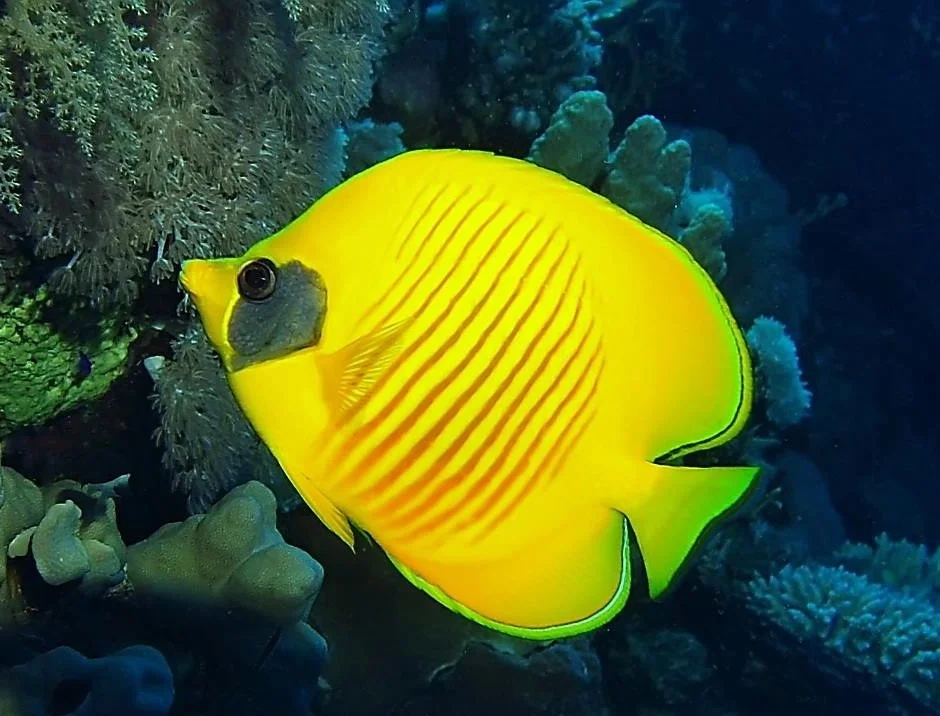
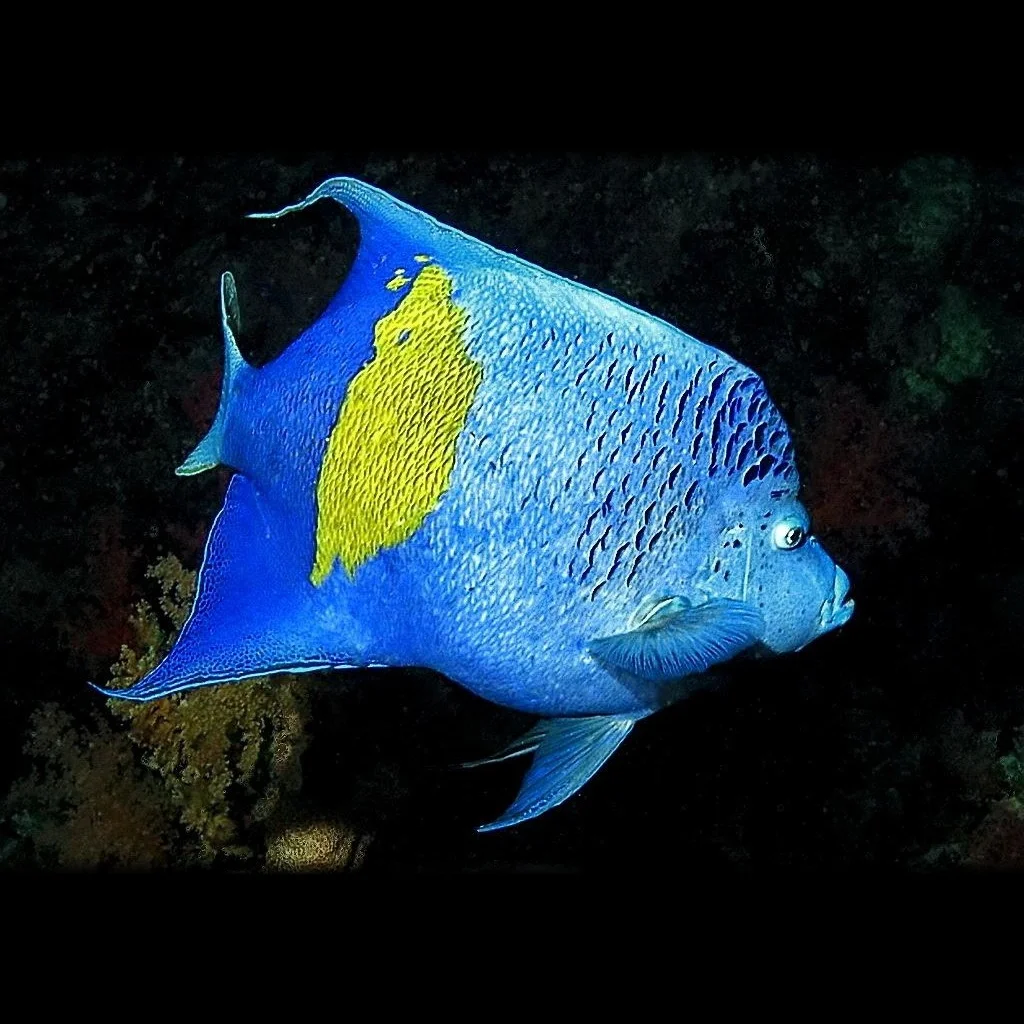
Down in these waters, divers often first spot the prolific reef fish darting among the corals. Schools of moorish idols are a common sight, alongside surgeonfish, butterflyfish, and angelfish.
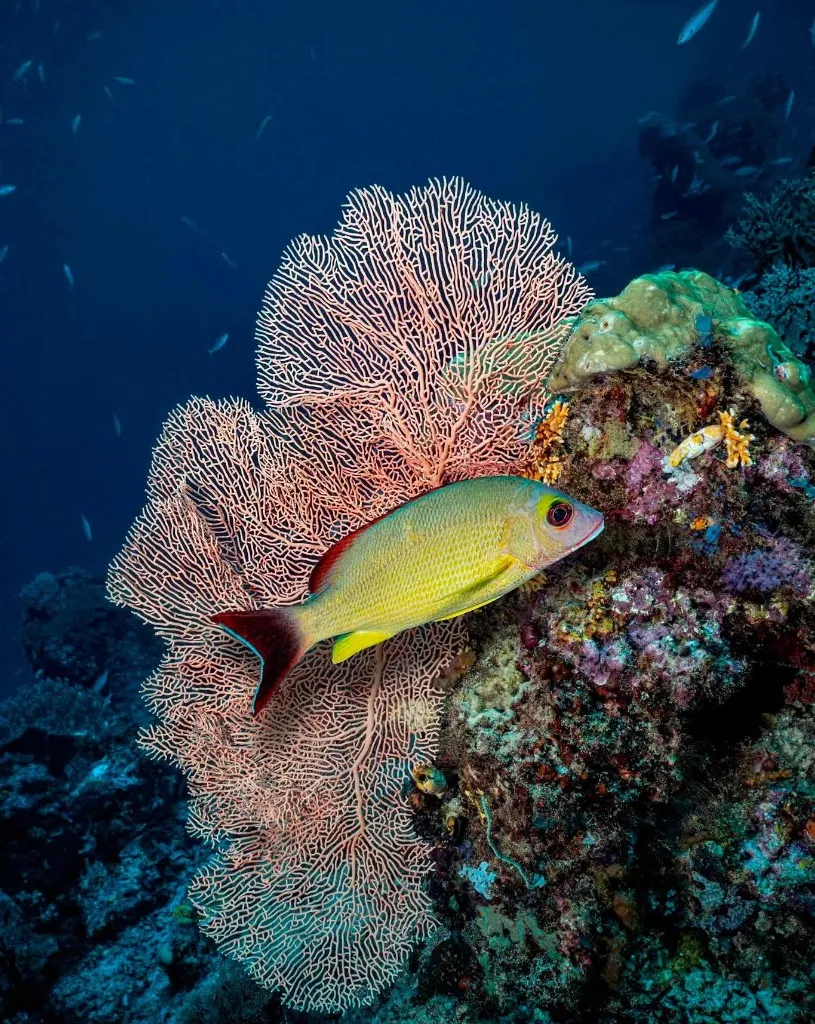
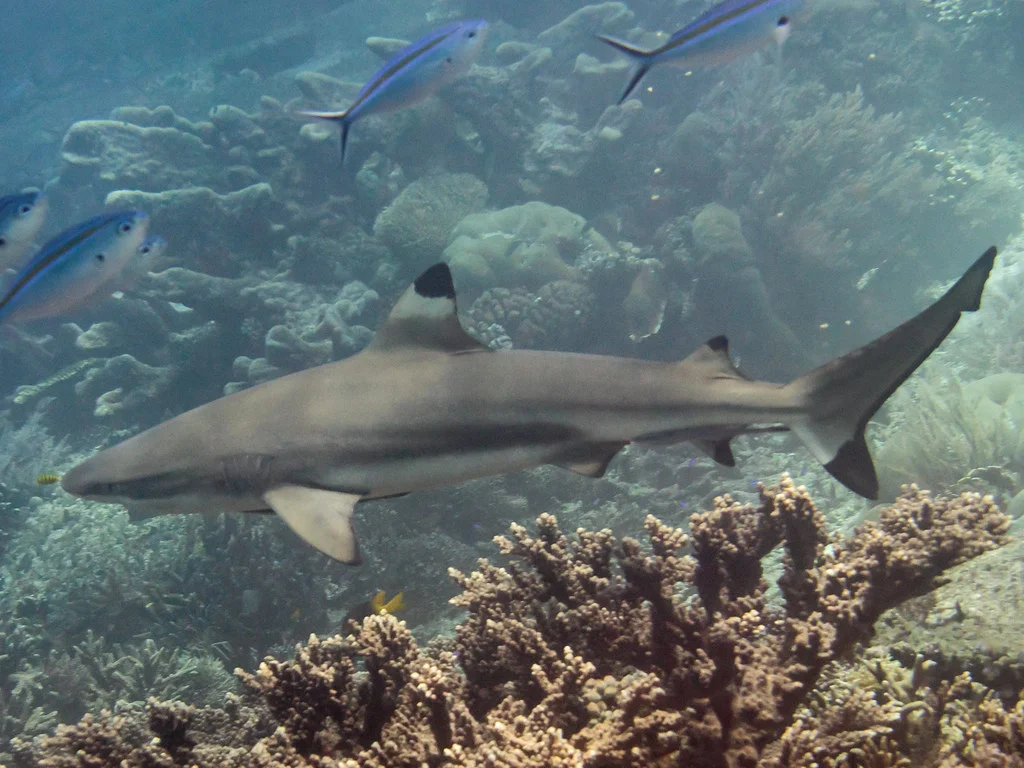
Along the walls and deeper areas, there’s a chance to encounter larger pelagic species, including various snapper, jacks, and sweetlips. Divers might also see blacktip reef sharks, grey sharks, and whitetip reef sharks in the blue.
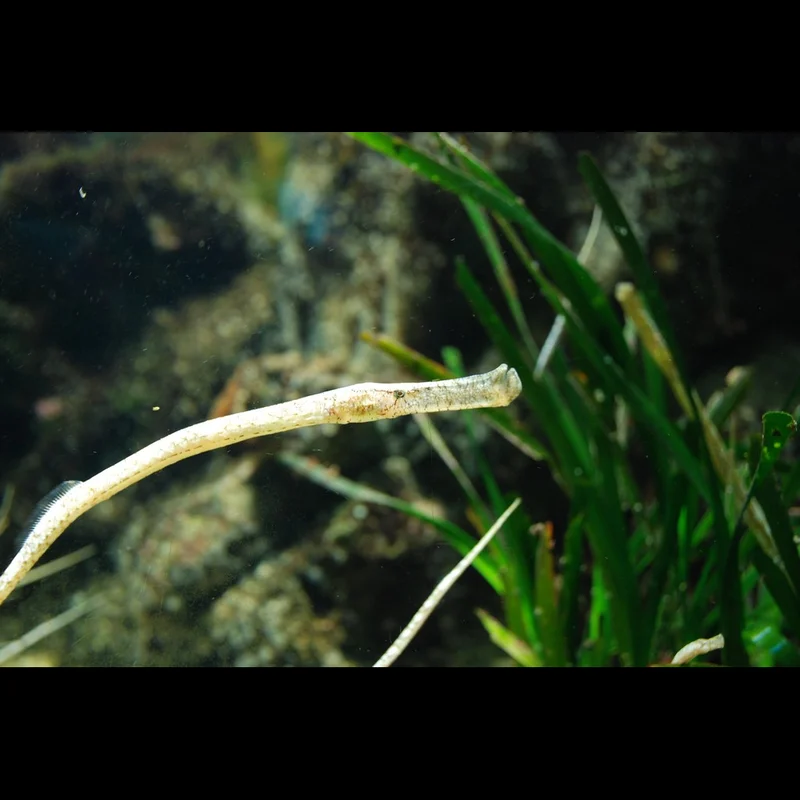
For macro enthusiasts, areas like The Slide offer opportunities to find pipefishes, nudibranchs, and a variety of shrimps. Turtles and sea snakes are frequently encountered on sites like Lanas Garden Wall.
Dive Sites Near Carabao Islad
View all dive sites in PhilippinesDiscover more underwater gems in this area.
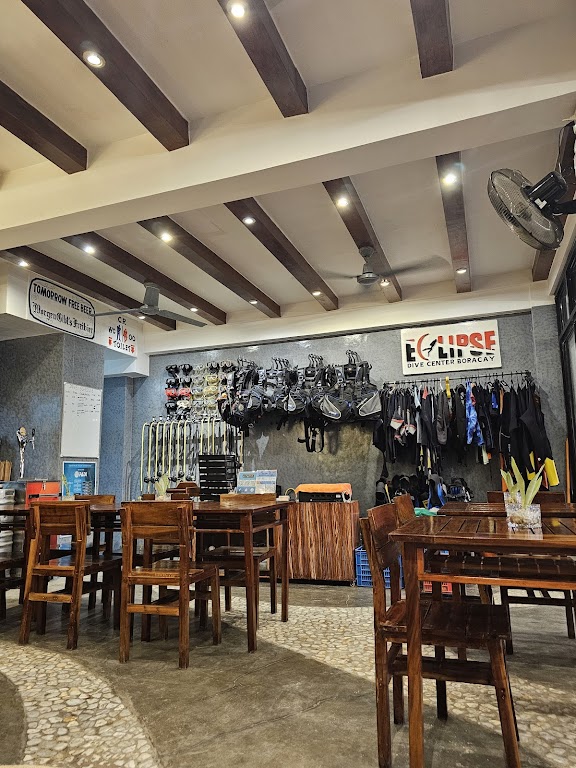
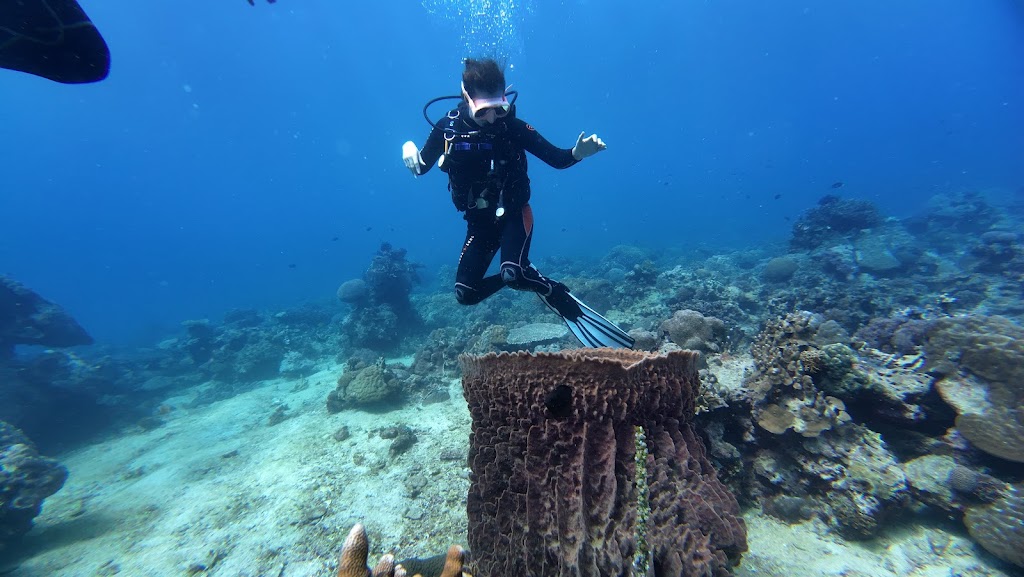
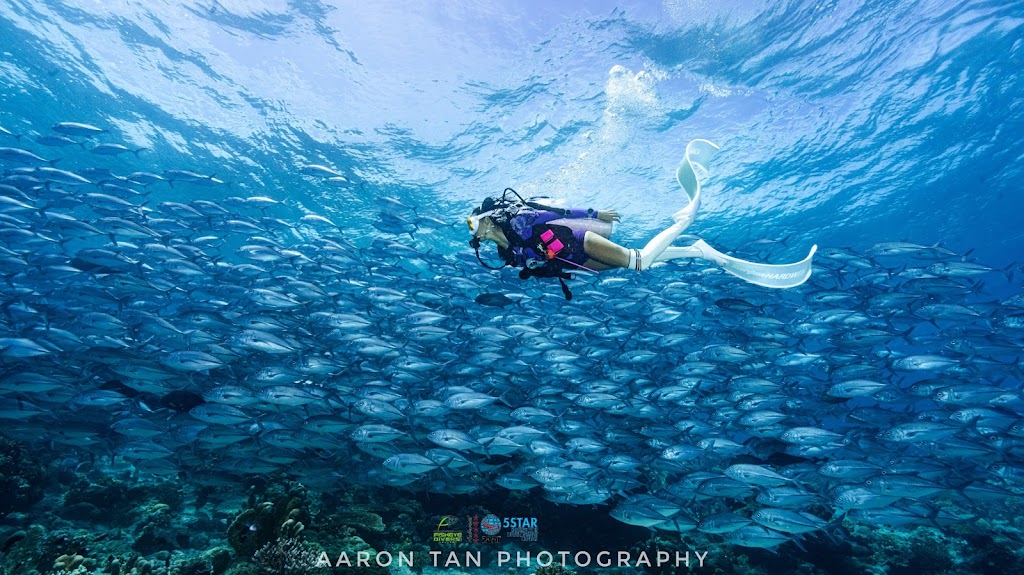
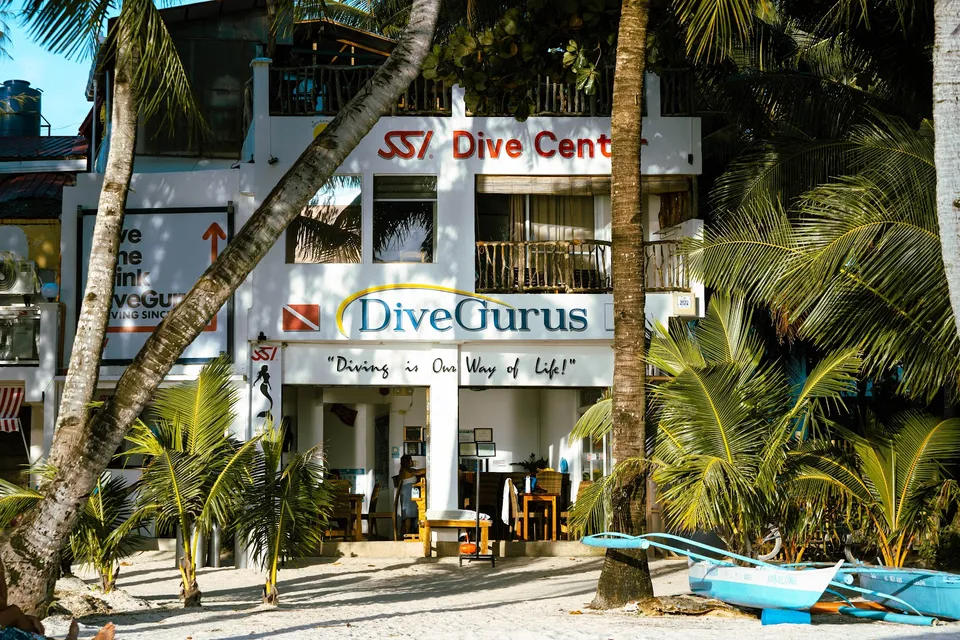
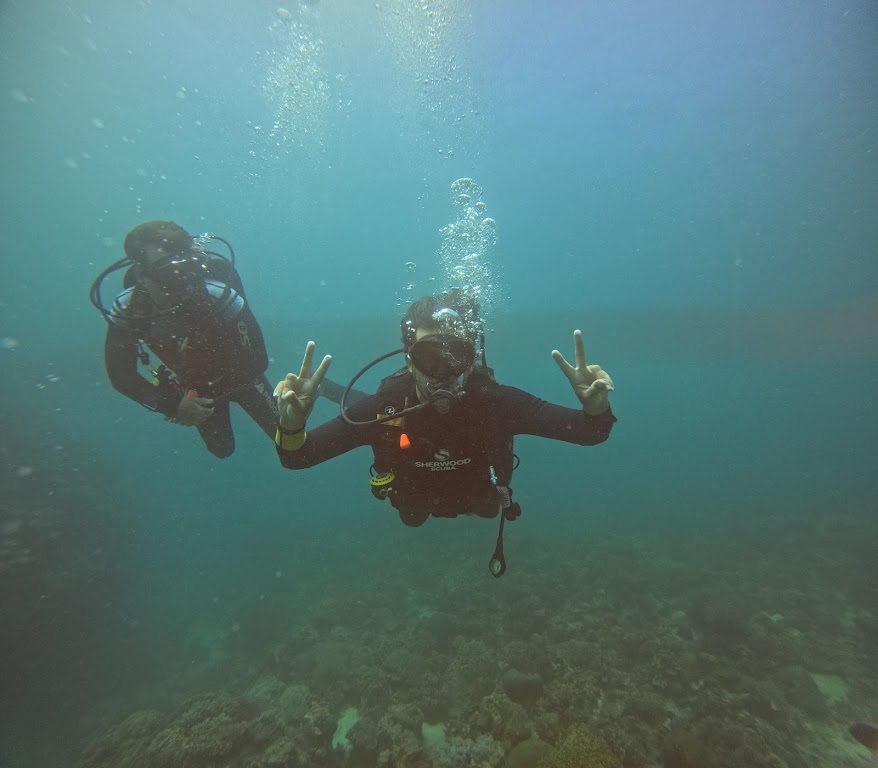
Dive Centers Near Carabao Islad
Today: 08:00 - 18:00
Nearest Airports
Nearest airports to help plan travel to this dive area.
Search Flights
Check available flights and routes on Expedia, using the nearby airports listed in this section.
Search Flights on ExpediaFrequently Asked Questions
What is the typical depth range for dives around Carabao Island?
Dive sites vary significantly in depth, accommodating different skill levels. You'll find areas starting as shallow as 4 meters (about 13 feet), ideal for beginners. Dives can extend to maximum depths of 40 meters (around 130 feet) for experienced divers exploring walls and pinnacles.
Are there dive sites suitable for beginners?
Yes, sites like Lanas Wall and Carabao's Coral Garden are excellent for beginners and training dives. They typically offer calm, clear water and shallower depths, with abundant hard and leather corals.
What marine life can I expect to see?
The waters are home to diverse reef fish such as surgeonfish, butterflyfish, and angelfish, along with schools of moorish idols. Larger pelagic species like snapper, jacks, and various reef sharks are present in deeper areas. Macro life, including nudibranchs and shrimps, is also common.
Are drift dives common at Carabao Island?
Yes, several sites, particularly the deeper and more exposed ones like Yapak, are known for drift diving. These often require specific tidal planning and are recommended for experienced divers.
What certifications are recommended for diving here?
While Open Water Diver certification is sufficient for shallower sites, an Advanced Open Water Diver certification is highly recommended. This allows access to deeper sites, drift dives, and potential cavern explorations, enhancing your overall experience.
When are the calmest conditions for diving?
Generally, the months from February to June tend to have the calmest conditions with lower wave heights and less rainfall. This period often provides the best visibility and most comfortable surface conditions for diving.
Planning to dive Carabao Islad?
Send one inquiry and receive offers directly from the best verified local dive operators.
Conditions are Good
Optimal conditions expected
Current conditions near Carabao Islad show 26° air, 29° sea temperature, 0.5 m waves, and 27 km/h wind. Forecast data is refreshed regularly to ensure accuracy.