
Diving at Big la Laguna (Philippines)
Beginning a dive at Big La Laguna often means a gentle entry from its inviting white sandy beach. This location is particularly welcoming for beginners, providing a perfect introduction to reef diving in calm, clear conditions. Snorkelers also find this an accessible spot to observe marine life closer to the surface. It sets the stage for an easy, pleasant underwater experience, inviting immediate engagement with the marine environment.
Evening condition tracking at Big la Laguna features an air temperature of 27.5°C. We have recorded wave heights measuring 0.3 m during this period. These figures outline the environmental parameters currently present.
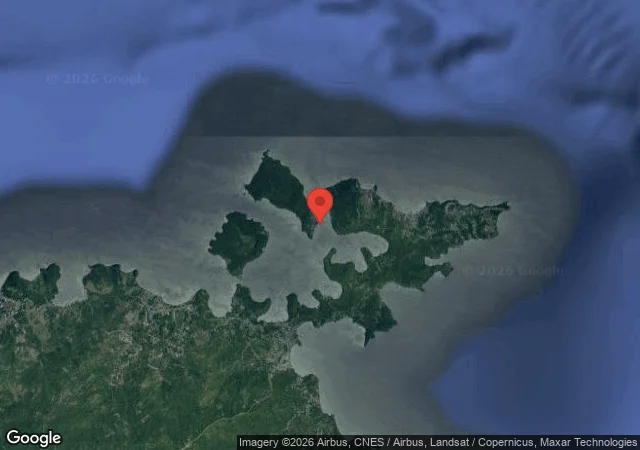
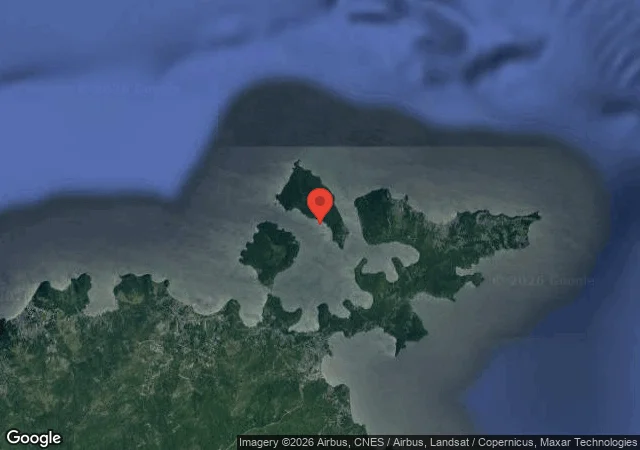
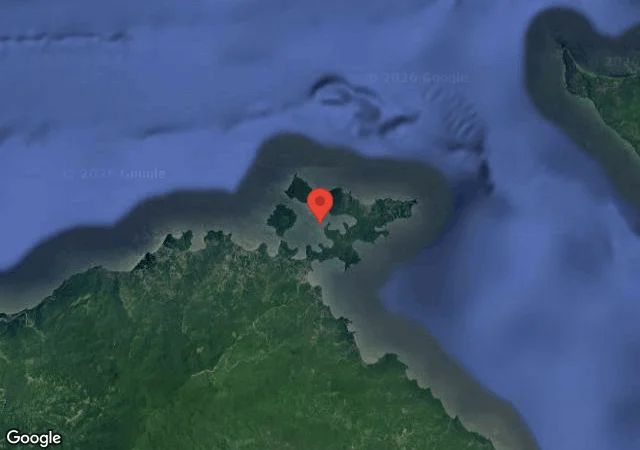
Dive Site Location & Key Facts
Dive Site Overview
Big La Laguna stands out as a versatile dive site, catering to a broad spectrum of dive proficiencies from novice to experienced. Its primary allure lies in the seamless transition from a soft sandy bottom into vibrant reef areas, creating diverse habitats within close proximity.
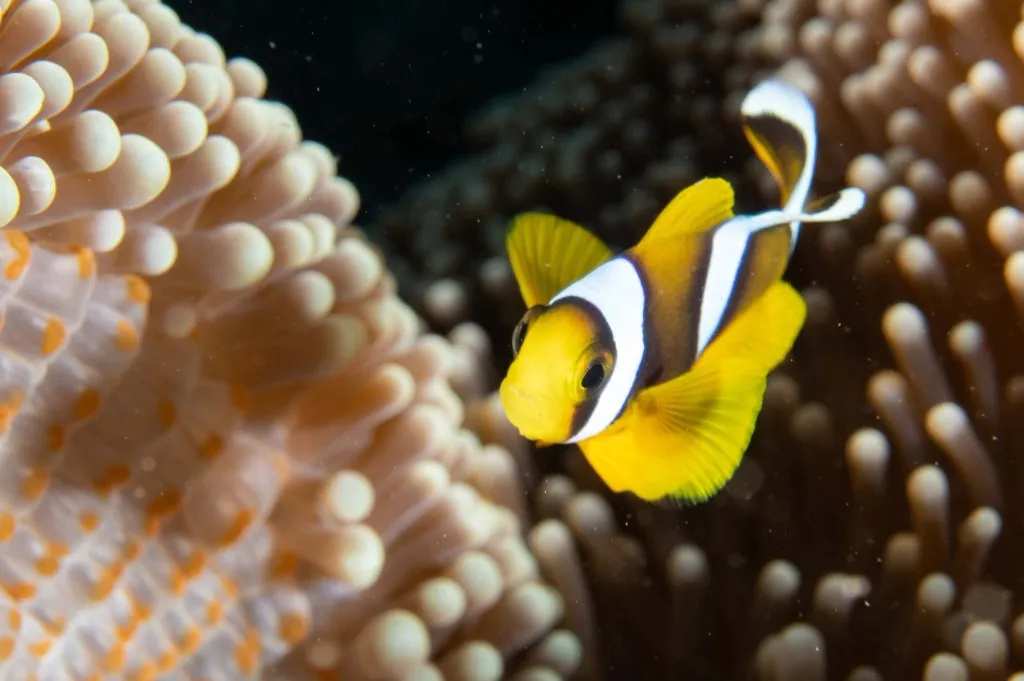
Along the beach, healthy hard and soft corals line the seafloor, featuring structures like staghorn, fire coral, and impressive table corals. This natural reef provides shelter for a variety of smaller reef fish and numerous anemone species with their resident anemone fish. Beyond the reef, the sandy expanses offer unique opportunities for macro enthusiasts to spot elusive critters.
Adding an intriguing element to the underwater landscape is the wreck of a small speedboat, resting in approximately 12 m (39 ft) of water, offering a gentle wreck exploration for those with appropriate training. With a maximum depth reaching around 22 m (72 ft), the site allows for extended bottom times and exploration without venturing into deep dive territory.
This combination of an easy entry, varied topography, and accessible points of interest ensures that every dive offers something new to discover.
Conditions are Moderate
Optimal conditions expected
Current conditions near Big la Laguna show 27° air, 30° sea temperature, N/A waves, and 31 km/h wind. Forecast data is refreshed regularly to ensure accuracy.
Best Time to Dive
Optimal diving conditions at Big La Laguna typically emerge during the months of March, April, May, and August, which consistently show an "Excellent" dive score. During this period, the air temperatures are comfortably warm, ranging from 26°C (79°F) in March to a peak of 28.5°C (83°F) in May, before settling around 28°C (82°F) in August. Rainfall is notably minimal, often less than 7 mm (0.3 inches), especially in March, April, and May, ensuring clear skies. Wave heights are generally low, frequently below 0.3 m (1 ft), leading to calm surface conditions and excellent underwater visibility. While no specific water temperature is consistently reported in our system data, the tropical climate suggests comfortable water for diving year-round, typically aligning with the warmer air temperatures. Planning a trip within these peak months offers the most consistent and pleasant dive environment, though other months still provide good conditions.
PEAK SEASON SCORE
Scores combine air & water temps, waves, wind & rainfall for overall conditions.
BEST MONTHS TO DIVE
Monthly records compiled from satellite and marine observation nodes over the last 3 years. Data provided by Open-Meteo and MET Norway.
Dive Experience & Conditions
The underwater journey here provides a tranquil experience, starting with an easy descent into clear, warm saltwater. The site unfolds across a gently sloping sandy bottom, transitioning into rich coral gardens that define the reef areas on either side of the beach. Divers can explore these reefs, observing diverse hard and soft corals. Keep a keen eye out for the small speedboat wreck, which lies at roughly 12 meters, offering an interesting point of exploration. Visibility is often excellent, contributing to clear observations of the resident marine life. Currents are not consistently reported as strong, generally allowing for relaxed exploration, making it suitable for newer divers to build confidence. Maximum depths typically extend to 22 meters (72 ft), making this a versatile site for various certification levels. The calm conditions frequently observed in Big La Laguna contribute to a rewarding underwater journey.
Dive Difficulty & Safety Guidelines
Approaching Big La Laguna means understanding its suitability for a range of diver skill levels. For beginners, the easy entry and relatively shallow reef areas provide a safe environment for initial open water experiences and skill practice. More experienced divers, especially those with advanced or specialty training, can safely explore the small speedboat wreck and deeper sections of the reef.
Always dive within your certification limits. Utilizing a dive computer is essential for monitoring bottom time and ascent rates, while a Surface Marker Buoy (SMB) ensures visibility to boat traffic.
Carrying a torch can enhance the viewing of smaller critters and crevices, even during day dives. Adhering to responsible diving practices, such as maintaining buoyancy control to protect the delicate corals and refraining from touching marine life, preserves the site for future enjoyment. Local dive centers offer comprehensive support and guidance.
Recommended Equipment
Overhead / entanglement risk. Wreck penetration requires proper training.
- Dive Computer
- DSMB
- Primary & Backup Lights
- Wreck Reel
- Cutting Tool
This gear list is based on verified equipment signals for Big la Laguna, Philippines. Always confirm final gear choices with your dive operator, guide, or liveaboard.
Recommended Dive Suit
Individual comfort in the water can vary significantly from diver to diver, even under the same conditions.
For most recreational dives, dive skin or rash guard should provide comfortable protection. Consider warmer surface protection (like a boat coat) due to brisk winds. Forecast conditions over the next few days suggest temperatures will remain relatively stable.
Water temperatures across the dive area at Big la Laguna are presently estimated to be around 30°C (86°F). Surface air temperatures are resting at 27°C (81°F).
Emergency & Medical Support
Essential information to help you plan your dive trip to Big La Laguna.

Hyperbaric chambers are a critical part of dive safety infrastructure. Availability varies significantly by region, and not all dive areas have immediate access.
Before diving, it's recommended to:
- confirm nearest medical facilities
- check emergency procedures with local dive operators
- ensure dive insurance covers evacuation if required
Divers Alert Network
Diving emergency assistance available through DAN World.
+1-919-684-9111- 24/7 emergency hotline
- Diving medical assistance
- Evacuation coordination
Emergency contacts are provided for reference. Always verify local emergency services before diving.
Marine Life at Big la Laguna
The waters of Big La Laguna host a rich variety of smaller marine creatures and reef fish. Divers frequently encounter flounders camouflaged on the sandy bottom, alongside shrimps often found cohabiting with their goby partners.
Pufferfish and pipefish often hide within the seagrass patches. Schools of juvenile catfish are a common sight, contributing to the dynamic underwater scenery.
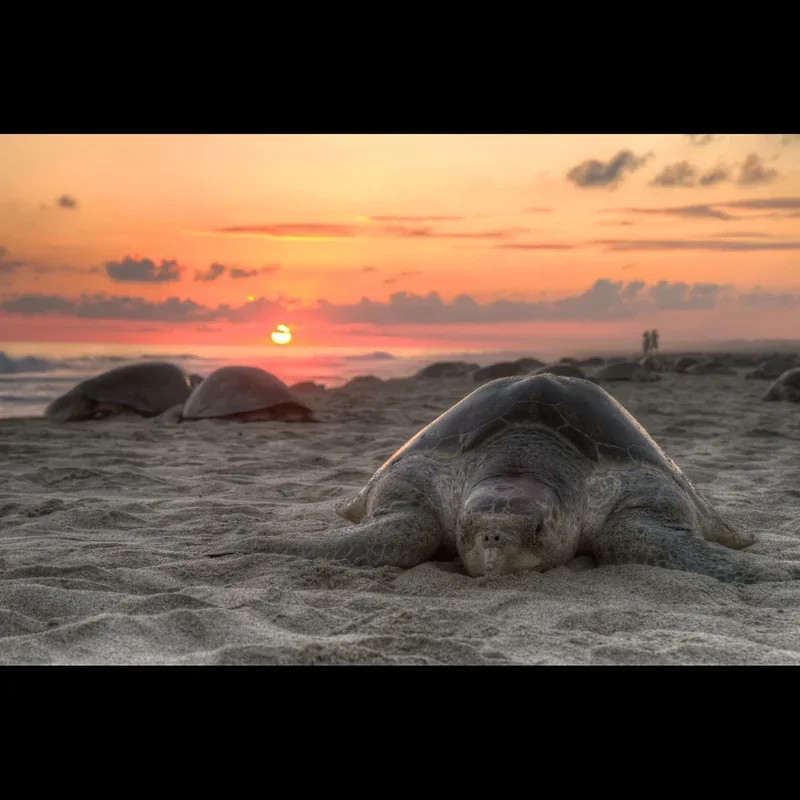
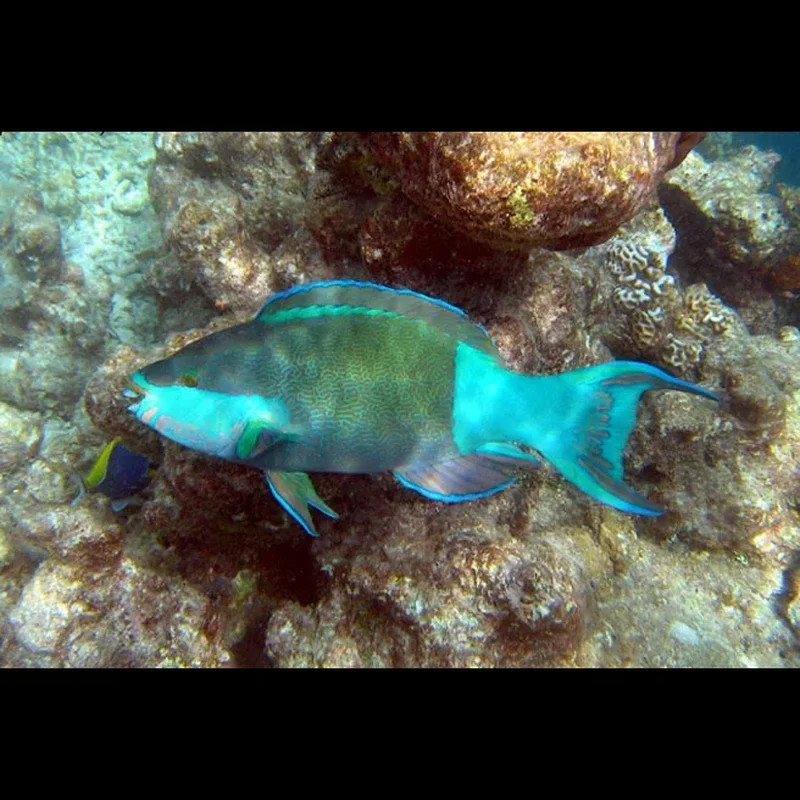
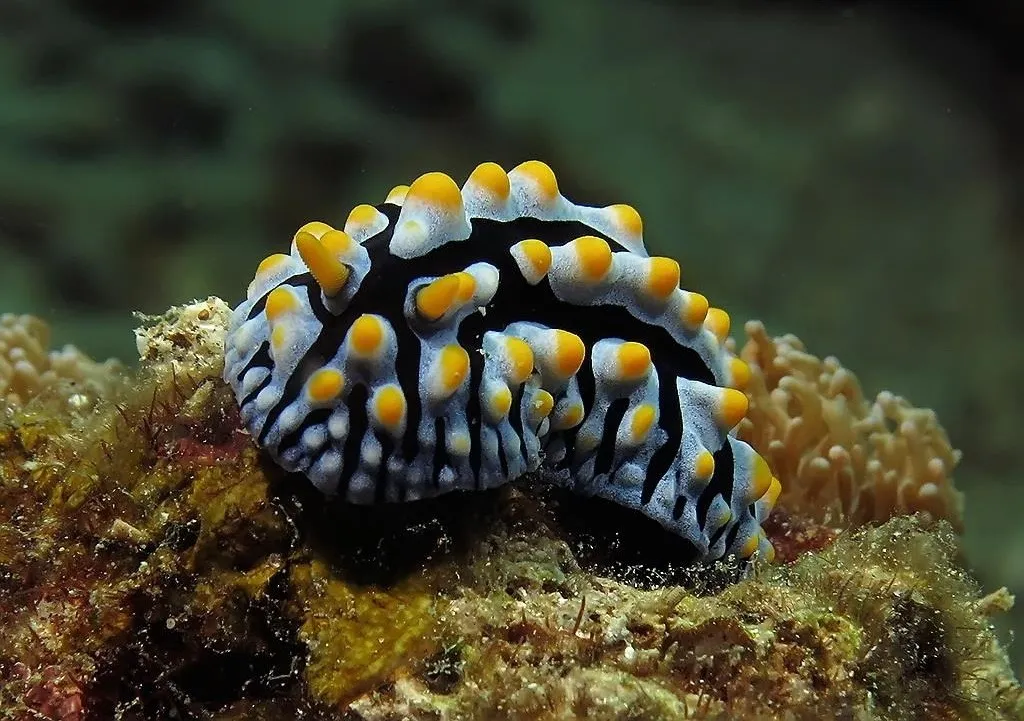
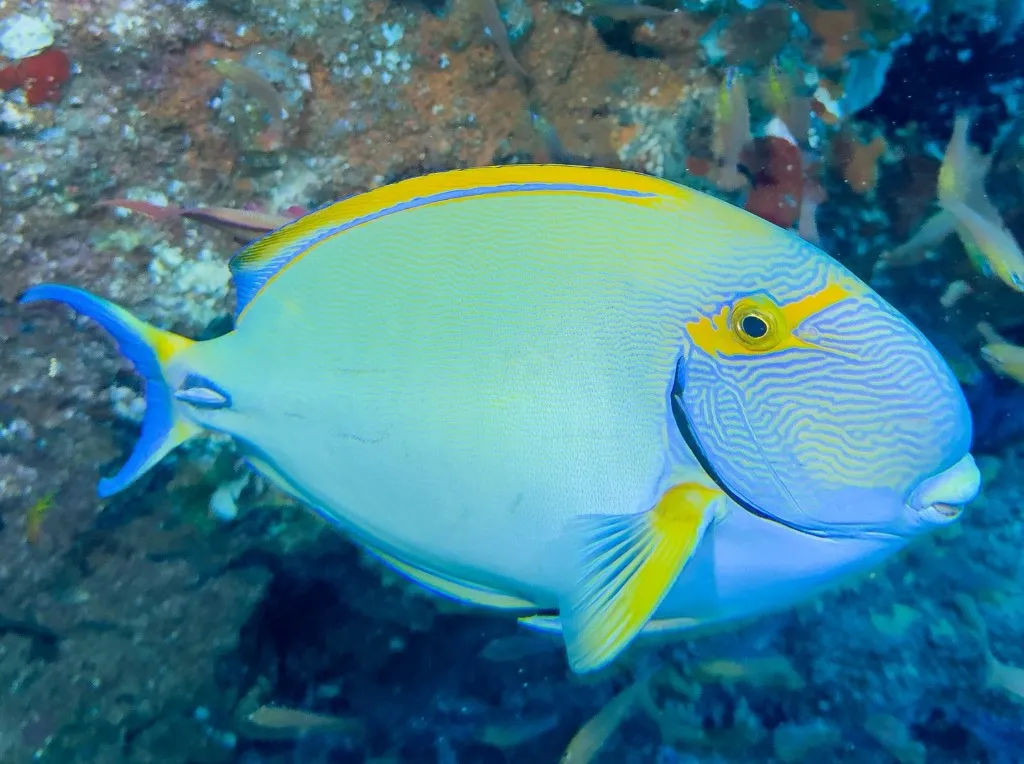
The reef areas are home to antheas, parrot fish, and surgeon fish, while various species of anemones shelter different kinds of anemone fish. Lucky divers might also spot sea turtles, colorful nudibranchs, or the occasional ghost pipefish. Mackerel and trumpetfish add to the diversity, ensuring a vibrant viewing experience for observers.
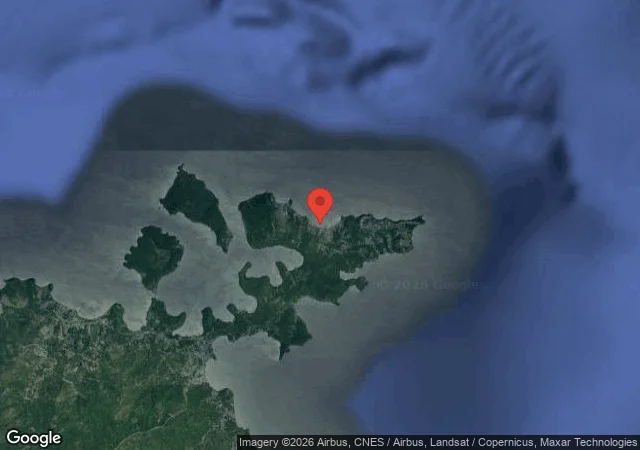
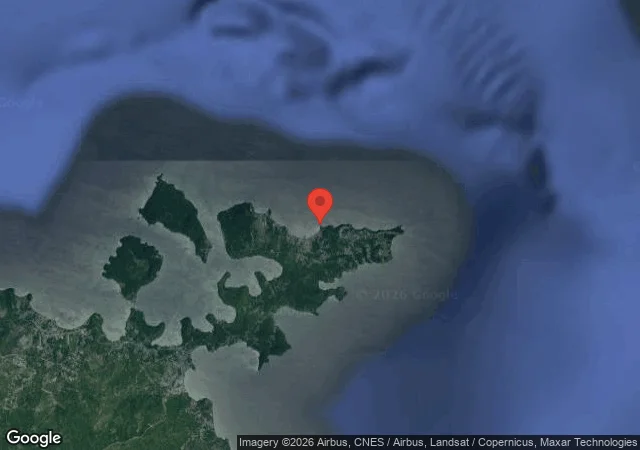
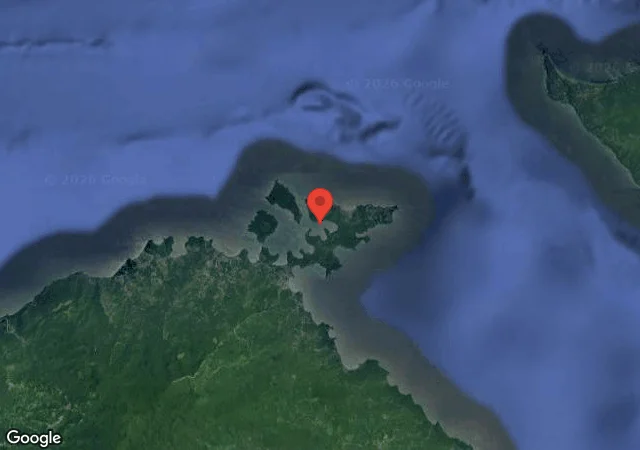
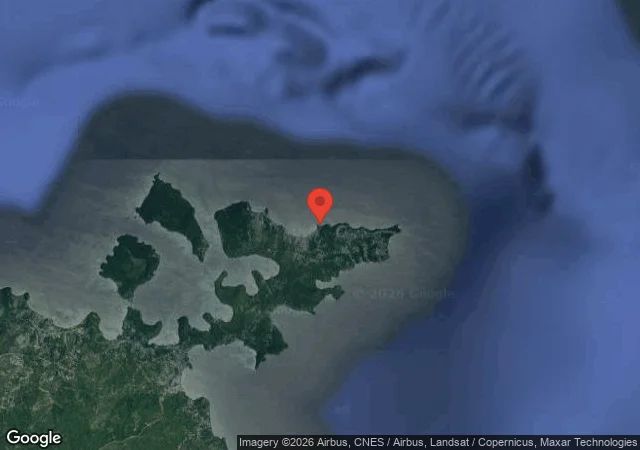
Dive Sites Near Big la Laguna
View all dive sites in PhilippinesDiscover more underwater gems in this area.
Dive Centers Near Big la Laguna
Today: Open 24 hours
Nearest Airports
Nearest airports to help plan travel to this dive area.
Search Flights
Check available flights and routes on Expedia, using the nearby airports listed in this section.
Search Flights on ExpediaFrequently Asked Questions
What is the maximum depth at Big La Laguna?
The maximum depth for diving at Big La Laguna is generally around 22 m (72 ft). This makes it accessible for Open Water certified divers while still offering exploration opportunities.
Is Big La Laguna suitable for beginner divers?
Yes, it's considered an easy dive site, perfect for beginners. The gentle entry from the sandy beach and the presence of shallow reef areas make it ideal for initial open water experiences and training.
Can I see a wreck at this dive site?
Yes, there is a small speedboat wreck at Big La Laguna. It rests in approximately 12 m (39 ft) of water and offers an interesting feature for divers to explore.
What kind of marine life can I expect to see?
The site is known for a variety of critters such as flounders, shrimps with gobies, pufferfish, and pipefish. You'll also encounter reef fish like antheas, parrot fish, and surgeon fish, alongside anemone fish.
Are there dive centers offering services at Big La Laguna?
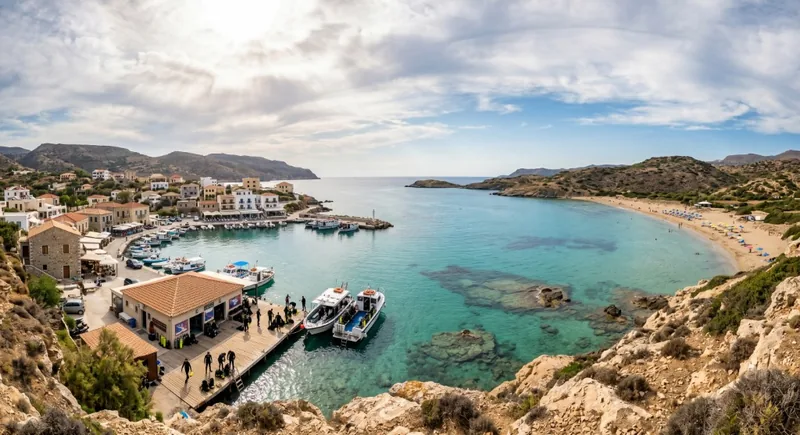
Yes, facilities like La Laguna Beach Club & Dive Centre are located right on Big La Laguna Bay. They offer PADI courses, equipment rental, air fills, and dive boat services to multiple sites in the area.
What are the typical water conditions like?
Divers can expect clear, warm saltwater conditions. Visibility is often excellent, and currents are typically mild, contributing to a relaxed and enjoyable dive.
Planning to dive Big la Laguna?
Send one inquiry and receive offers directly from the best verified local dive operators.
Conditions are Moderate
Optimal conditions expected
Current conditions near Big la Laguna show 27° air, 30° sea temperature, N/A waves, and 31 km/h wind. Forecast data is refreshed regularly to ensure accuracy.