
Diving at Giant Clam (Philippines)
Maintaining precise buoyancy control is paramount when exploring sites like the Giant Clam in the Philippines. These ancient mollusks, some reaching 1.2 m / 4 ft across, are critical reef builders and filter feeders. Your approach should prioritize non-interference, observing their vibrant mantles without touching or disturbing the delicate surrounding ecosystem. Responsible diving here means understanding their protected status and contributing to their preservation through mindful interaction.
Tonight's objective overview for Giant Clam shows an air temperature of 27.5°C. The measured surface conditions include wave heights around 0.1 m. This environmental data is logged for the close of the day.
Dive Site Location & Key Facts
Dive Site Overview
The physical structure of the Giant Clam sites in the Philippines is anchored by the colossal presence of Tridacna species, some individuals exceeding 1.2 meters / 4 feet across and weighing over 200 kilograms. These aren't merely immense shells; they are living, photosynthesizing organisms, housing symbiotic algae that infuse their mantles with a dazzling spectrum of blues, greens, purples, and golds.
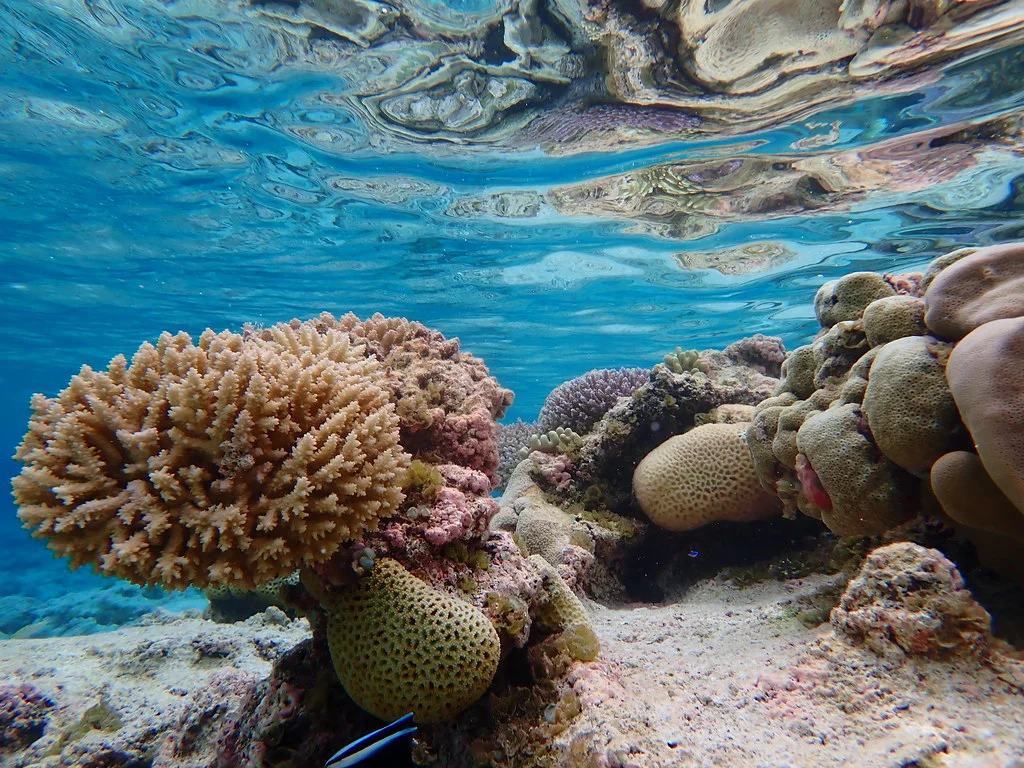
These sessile giants are often nestled among coral gardens in shallower areas, extending into typical recreational dive depths, making them accessible for both snorkeling and diving. Their immense size and stationary nature make them central features of the reef. These clams play a crucial ecological role as natural filters, clearing large volumes of seawater, and their massive shells contribute significantly to the reef's physical structure.
This creates complex microhabitats for a diverse array of smaller marine life, enriching the local biodiversity. Understanding their ecological value—as biodiversity boosters and reef builders—transforms a simple dive into an appreciation for these protected treasures.
Sites like those around Bohol, including areas near Balicasag Island and various artificial reef projects, exemplify successful conservation efforts, making each dive a glimpse into a thriving, protected marine sanctuary.
Conditions are Good
Optimal conditions expected
Current conditions near Giant Clam show 28° air, 29° sea temperature, 0.1 m waves, and 19 km/h wind. Forecast data is refreshed regularly to ensure accuracy.
Best Time to Dive
Optimizing your visit to the Giant Clam sites often means aiming for the drier months, which typically run from March through May. During this period, the dive score consistently ranks as 'Excellent,' with minimal rainfall, averaging between 2.1-6.1 mm. Air temperatures during these prime months range pleasantly from 26-28.5°C / 79-83°F, contributing to comfortable surface intervals. Wave heights are generally at their lowest, often around 0.2-0.5 meters, indicating calmer surface conditions and potentially clearer visibility underwater. While the site remains accessible and provides good diving opportunities throughout much of the year, including the months of June to November with 'Good' dive scores, these periods see increased rainfall, averaging 9.2-12.5 mm, and slightly higher wave activity. The late dry season offers the most consistent conditions for appreciating the delicate reef ecosystems and the giant clams without significant weather interruptions.
PEAK SEASON SCORE
Scores combine air & water temps, waves, wind & rainfall for overall conditions.
BEST MONTHS TO DIVE
Monthly records compiled from satellite and marine observation nodes over the last 3 years. Data provided by Open-Meteo and MET Norway.
Dive Experience & Conditions
Diving these Giant Clam sites often feels like entering a calm, sunlit aquarium, with emphasis on precise interaction. You'll primarily navigate relatively shallow reef areas, experiencing generally gentle current dynamics. Visibility consistently ranges from good to excellent, allowing for clear observation of the clams' intricate mantles and the surrounding coral gardens. The region features warm tropical waters, typically requiring minimal thermal protection for comfortable diving. The experience demands precise buoyancy control, as both the clams and their reef habitat are fragile. Divers commonly encounter these mollusks amidst corals, some individuals near reef drop-offs, others spread across more open sandy-bottom patches. The environment encourages a slow, deliberate dive, providing ample time for both macro and wide-angle photography of these stationary yet stunning creatures. This offers a rewarding photographic opportunity.
Dive Difficulty & Safety Guidelines
A primary challenge at Giant Clam sites is the imperative to protect these endangered mollusks and their fragile environment. Maintaining impeccable buoyancy control is essential to prevent accidental contact with the clams or surrounding corals; unintentional contact can damage their delicate tissues and symbiotic algae. All giant clams are protected under Philippine law (Republic Act No.
- and CITES Appendix II, prohibiting collection, export, or trade. Divers are expected to observe a strict no-touch policy, refraining from standing on, touching, or disturbing any marine life.
Supporting eco-friendly dive operators who prioritize sustainability and conservation is also a crucial guideline, as they often participate in local marine protected area initiatives. Adhering to these practices ensures the preservation of these keystone species for future generations.
Recommended Equipment
- Dive Computer
- DSMB
- Pointer / Muck Stick
This gear list is based on verified equipment signals for Giant Clam, Philippines. Always confirm final gear choices with your dive operator, guide, or liveaboard.
Recommended Dive Suit
Divers who spend more time observing marine life often prefer slightly warmer gear.
The water around Giant Clam is currently holding at approximately 29°C (84°F), setting the tone for today's dives. Surface air temperatures are resting at 28°C (82°F). Water temperatures in this range are often well suited to diving with dive skin or rash guard. A hood or vest is suggested for sensitive divers due to surface winds.
Environmental conditions appear stable for the near future.
Emergency & Medical Support
Essential information to help you plan your dive trip to Giant Clam.

Hyperbaric chambers are a critical part of dive safety infrastructure. Availability varies significantly by region, and not all dive areas have immediate access.
Before diving, it's recommended to:
- confirm nearest medical facilities
- check emergency procedures with local dive operators
- ensure dive insurance covers evacuation if required
Divers Alert Network
Diving emergency assistance available through DAN World.
+1-919-684-9111- 24/7 emergency hotline
- Diving medical assistance
- Evacuation coordination
Emergency contacts are provided for reference. Always verify local emergency services before diving.
Marine Life at Giant Clam
What you immediately notice are the monumental Giant Clams themselves, their vibrantly colored mantles pulsing and reflecting light, making each one a unique photographic subject. These magnificent filter feeders, some exhibiting blues, greens, purples, or golds, are the undisputed stars, serving as living architecture on the reef.
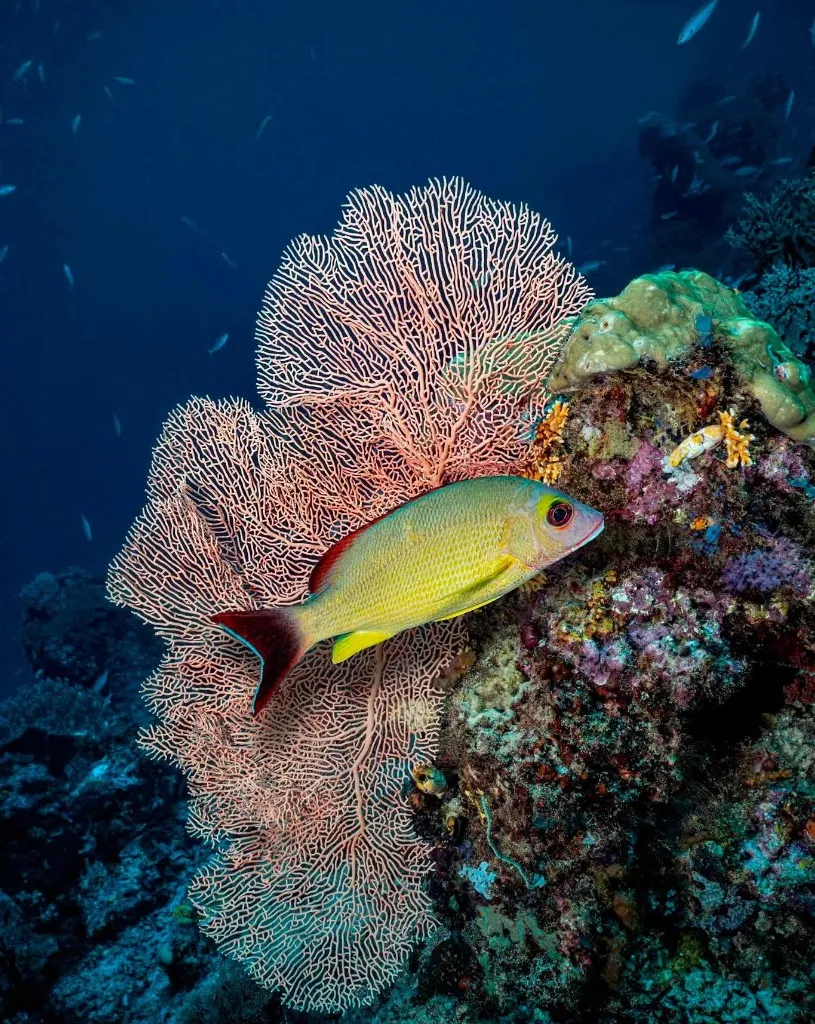
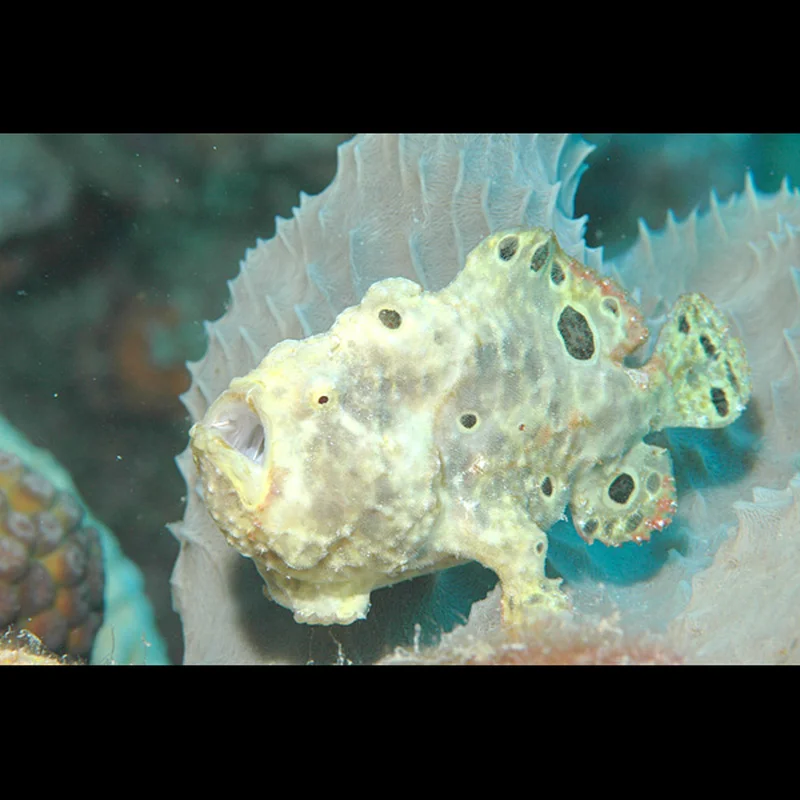
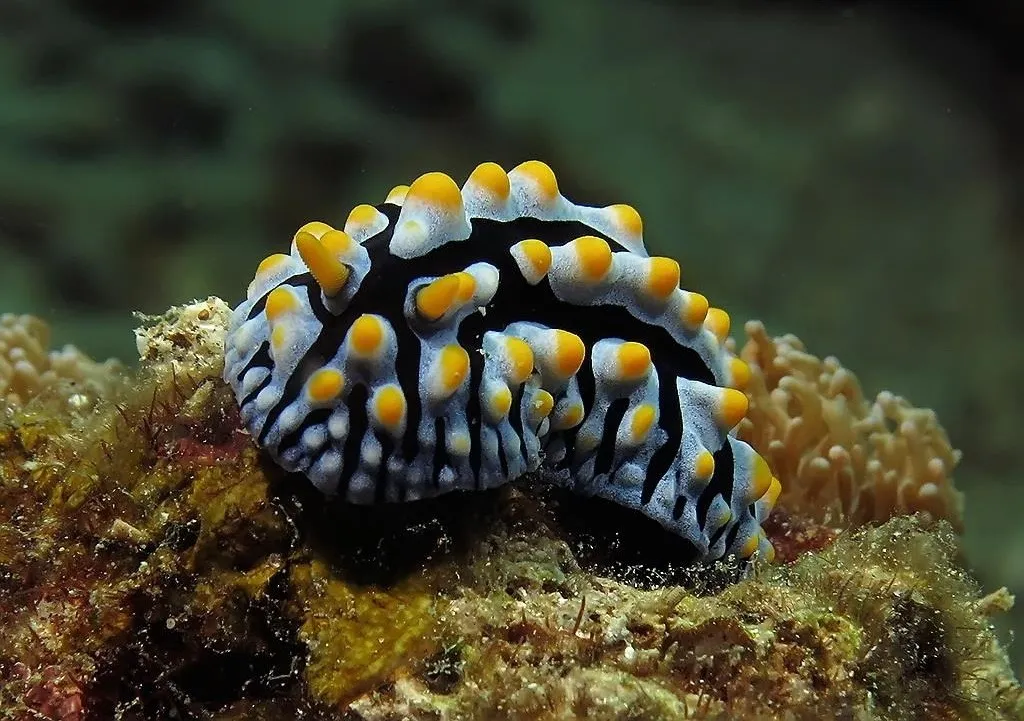
Beyond these sessile giants, the structured environment created by their shells and surrounding corals often attracts various reef fish, including different species of snapper. Keep a keen eye out among the coral crevices and sandy patches for well-camouflaged creatures like frogfish, blending seamlessly into the reefscape.

Dive Sites Near Giant Clam
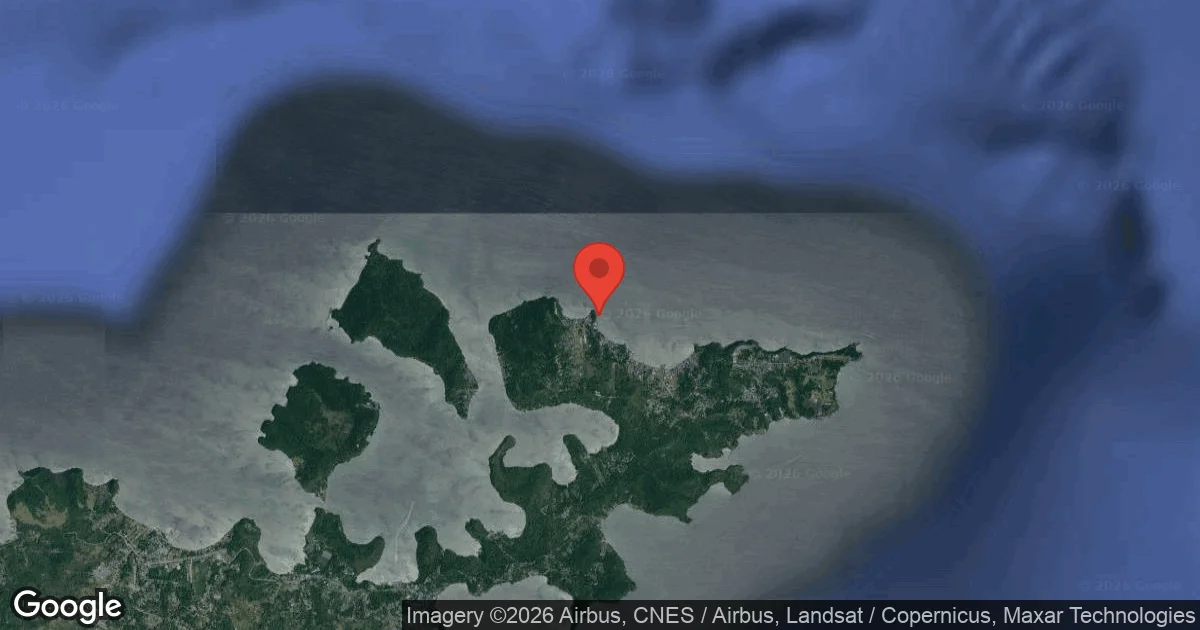
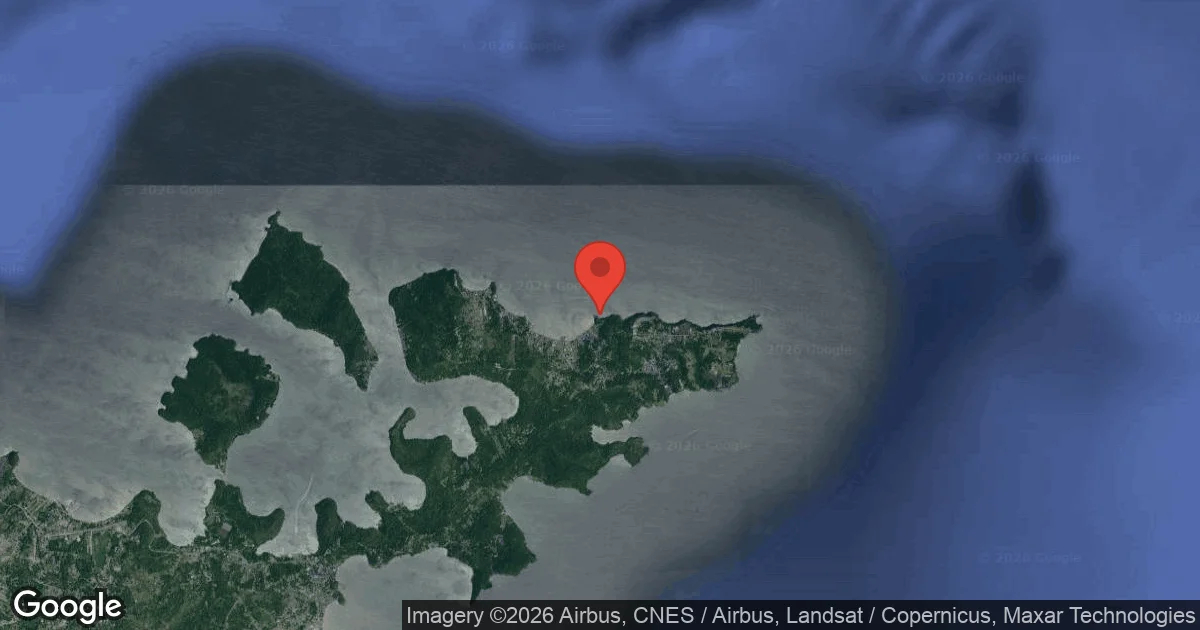
View all dive sites in PhilippinesDiscover more underwater gems in this area.
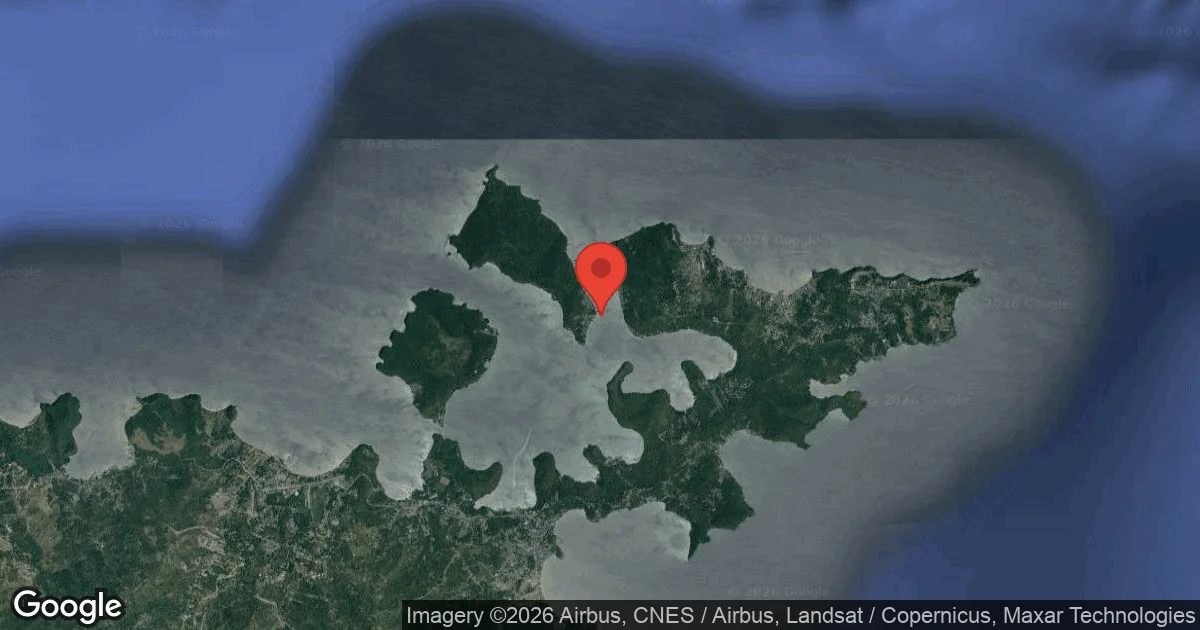
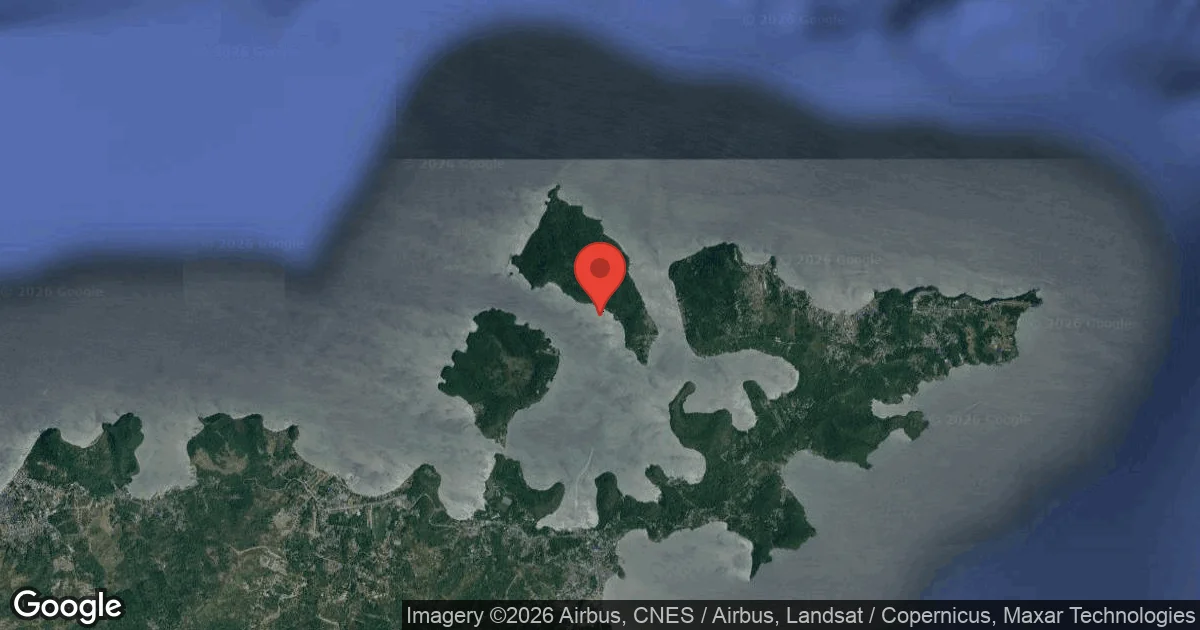
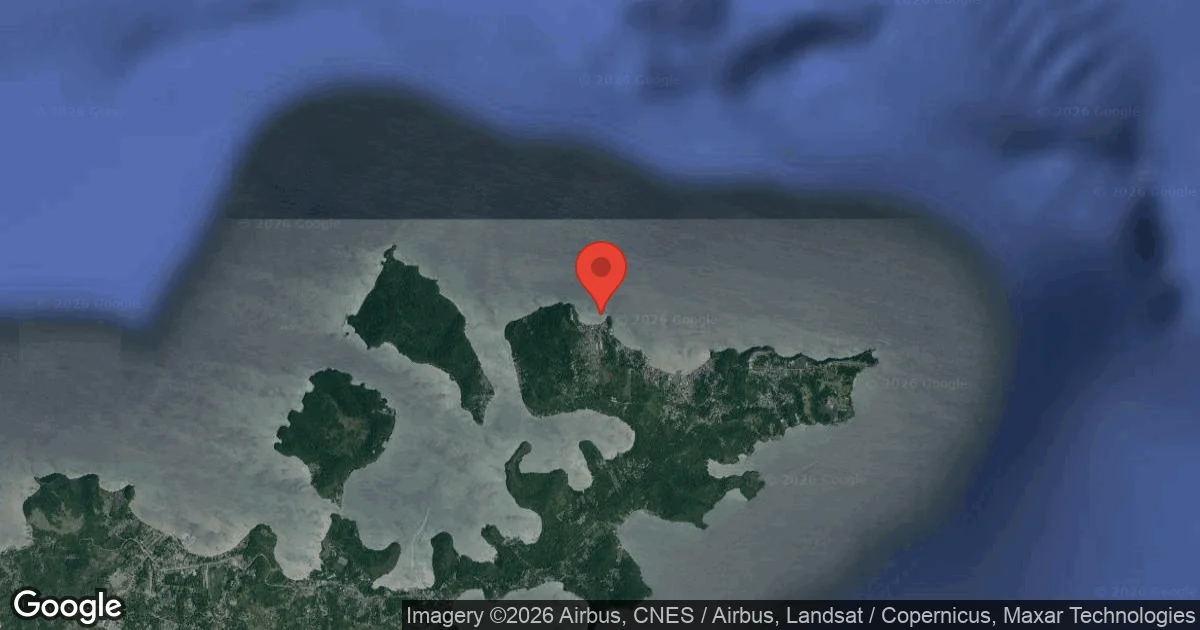
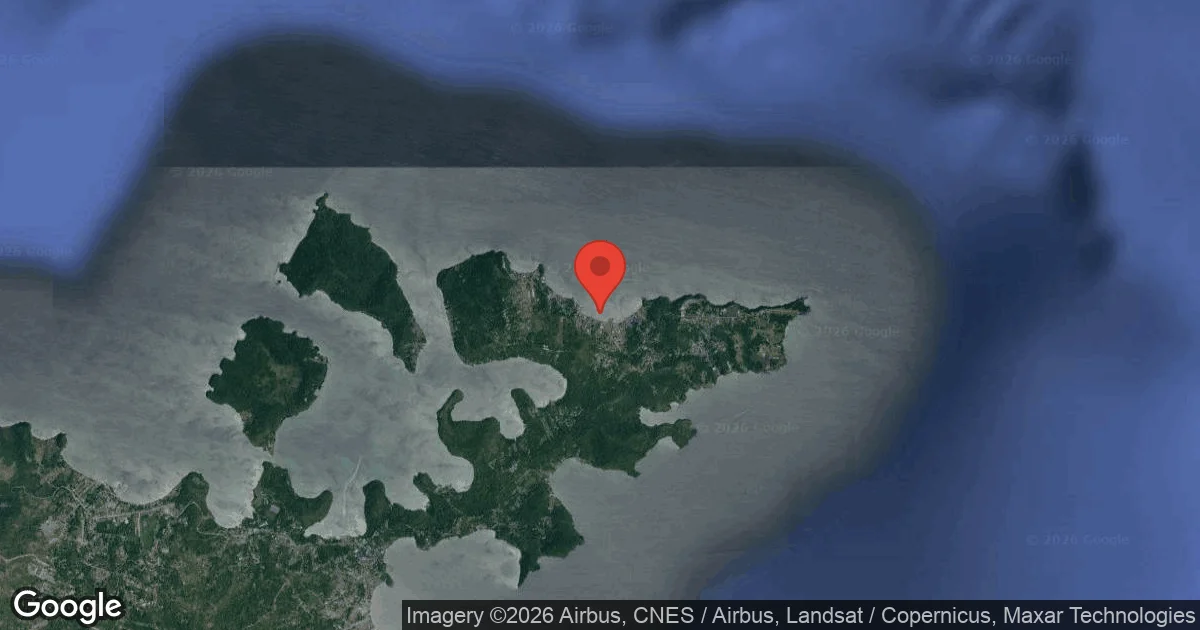
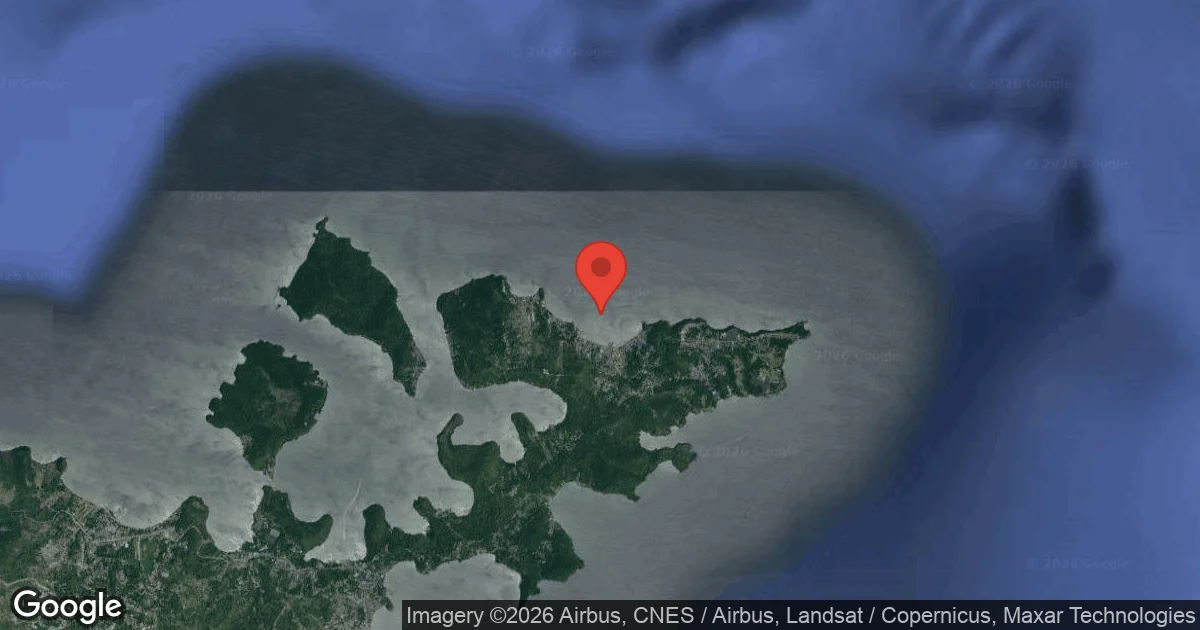
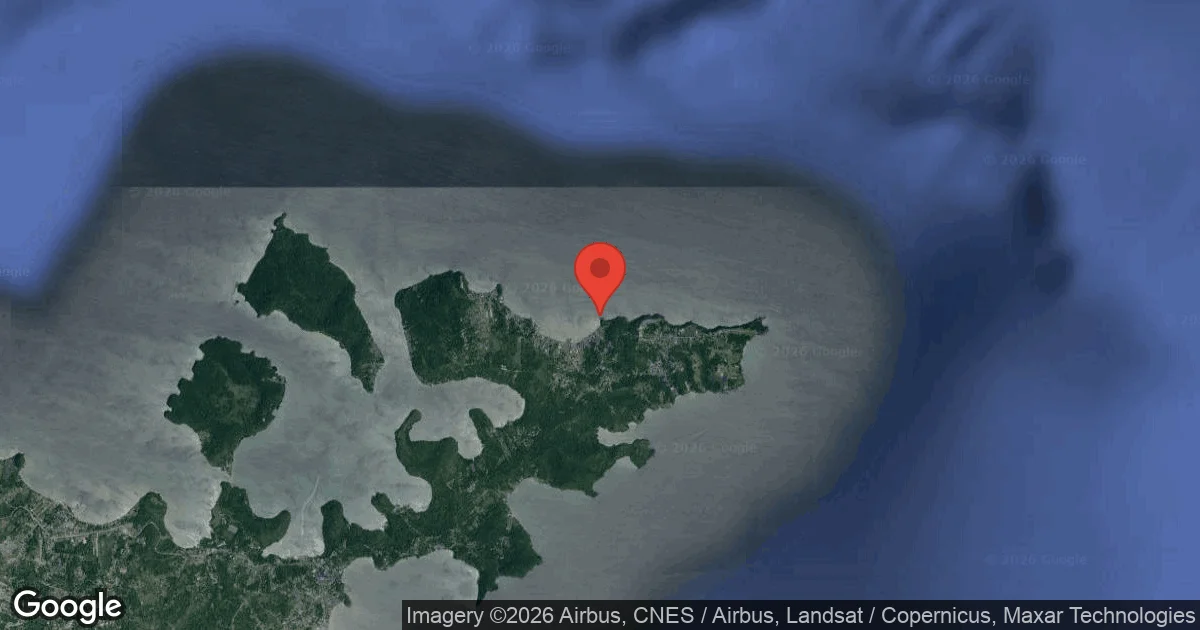
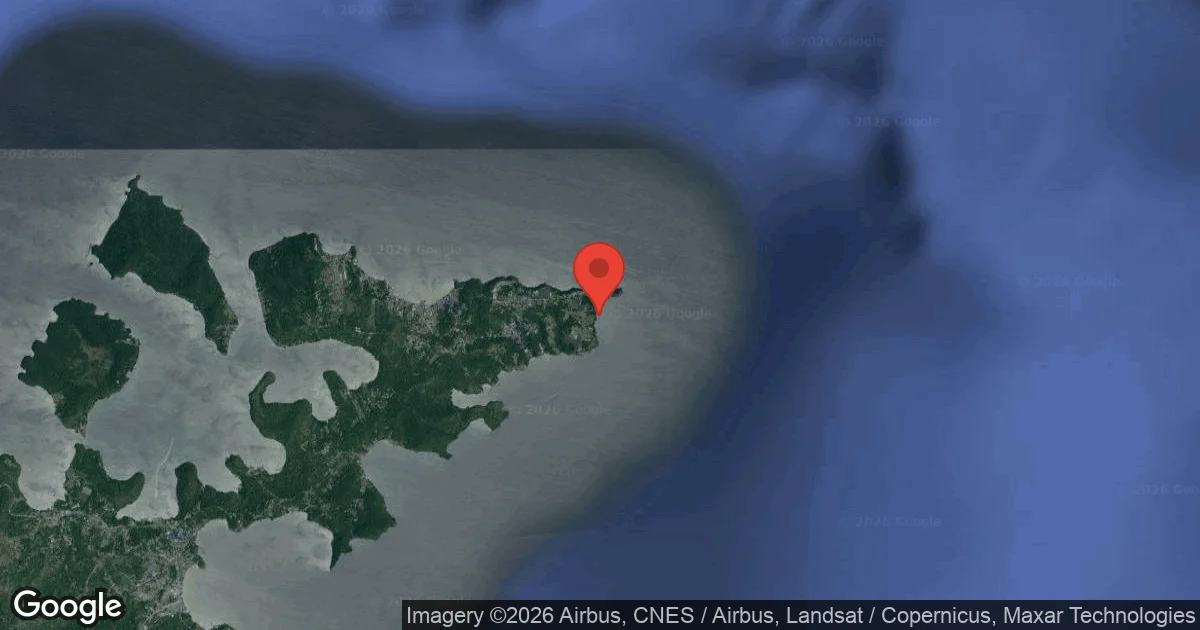
Dive Centers Near Giant Clam
Today: Open 24 hours
Nearest Airports
Nearest airports to help plan travel to this dive area.
Search Flights
Check available flights and routes on Expedia, using the nearby airports listed in this section.
Search Flights on ExpediaFrequently Asked Questions
What are giant clams?
Giant clams belong to the genus Tridacna, known for their immense size, with some species growing over a meter across. They are filter feeders and also house symbiotic algae in their tissues, which provide them with nutrients through photosynthesis. This unique partnership is why they thrive in sunlit reef environments.
Are giant clams protected in the Philippines?
Yes, giant clams are heavily protected under Philippine law (Republic Act No. 10654) and are listed under CITES Appendix II, regulating international trade. Local Marine Protected Areas also actively monitor and support their conservation through rehabilitation programs.
How deep are giant clams typically found?
Giant clams prefer shallow, sunlit reefs, as they rely on photosynthesis from symbiotic algae. They can be found in areas suitable for both snorkeling and recreational diving depths, often amidst corals or on sandy bottoms.
Why is buoyancy control critical when diving with giant clams?
Maintaining excellent buoyancy control is crucial to avoid accidental contact with the clams or surrounding reef structures. Their delicate tissue and symbiotic algae are easily damaged by touching or kicking, which can cause stress and disrupt their ecosystem role.
What is the best way to interact with giant clams?
The best interaction is strictly observational. Maintain a safe distance, never touch or stand on them, and avoid collecting shells. Responsible diving includes respecting their space and practicing a no-touch approach to the entire marine environment.
What ecological role do giant clams play in the reef ecosystem?
Giant clams are keystone species. They act as natural filters, clearing seawater, and their large shells provide essential structure and habitat for other marine life. Their presence boosts biodiversity and helps maintain a balanced reef ecosystem.
Can I take photos of giant clams?
Yes, giant clams are a favorite subject for underwater photographers due to their vibrant, iridescent mantles. Their stationary nature allows for ample time to compose shots, capturing the dazzling array of colors and patterns.
Planning to dive Giant Clam?
Send one inquiry and receive offers directly from the best verified local dive operators.
Conditions are Good
Optimal conditions expected
Current conditions near Giant Clam show 28° air, 29° sea temperature, 0.1 m waves, and 19 km/h wind. Forecast data is refreshed regularly to ensure accuracy.