
Diving at Boulders (Philippines)
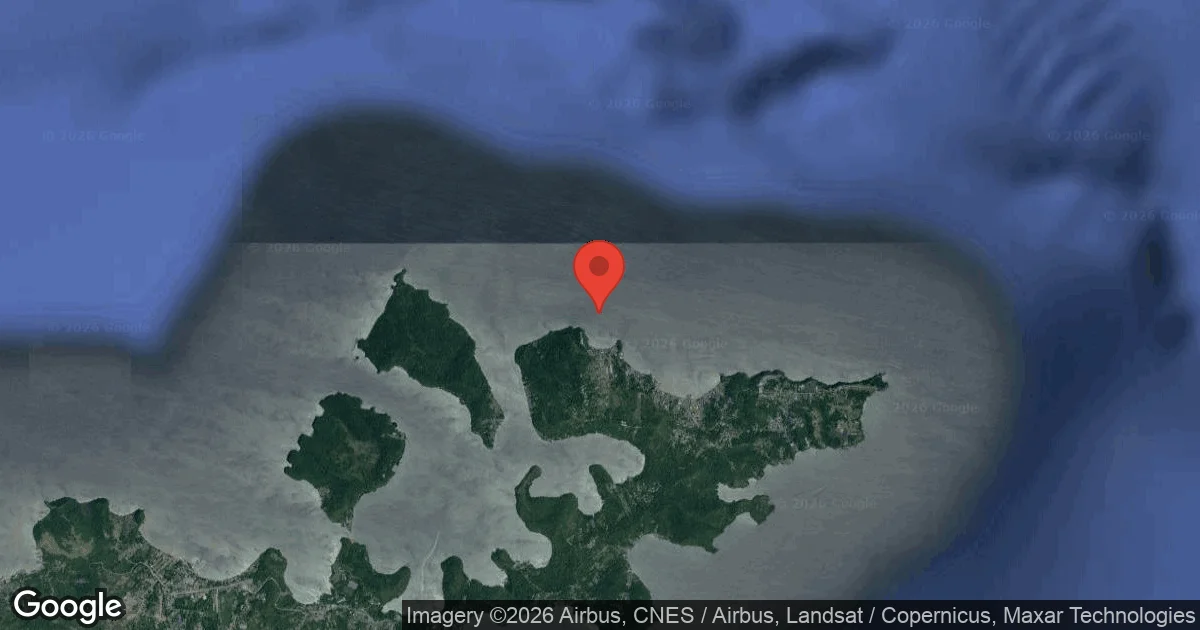
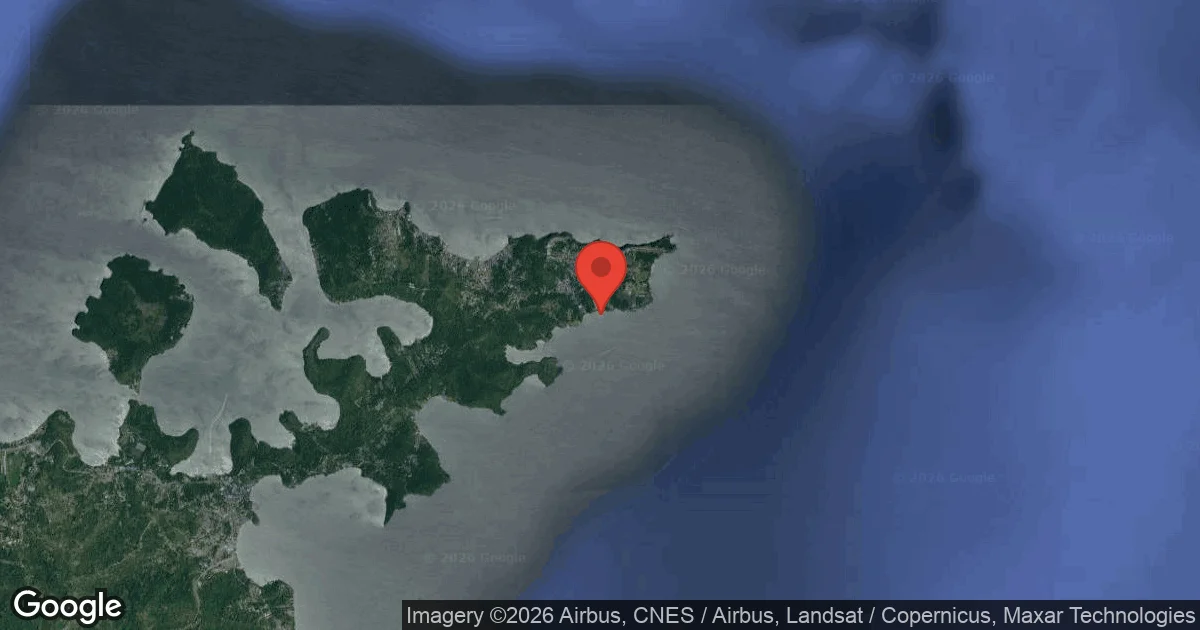
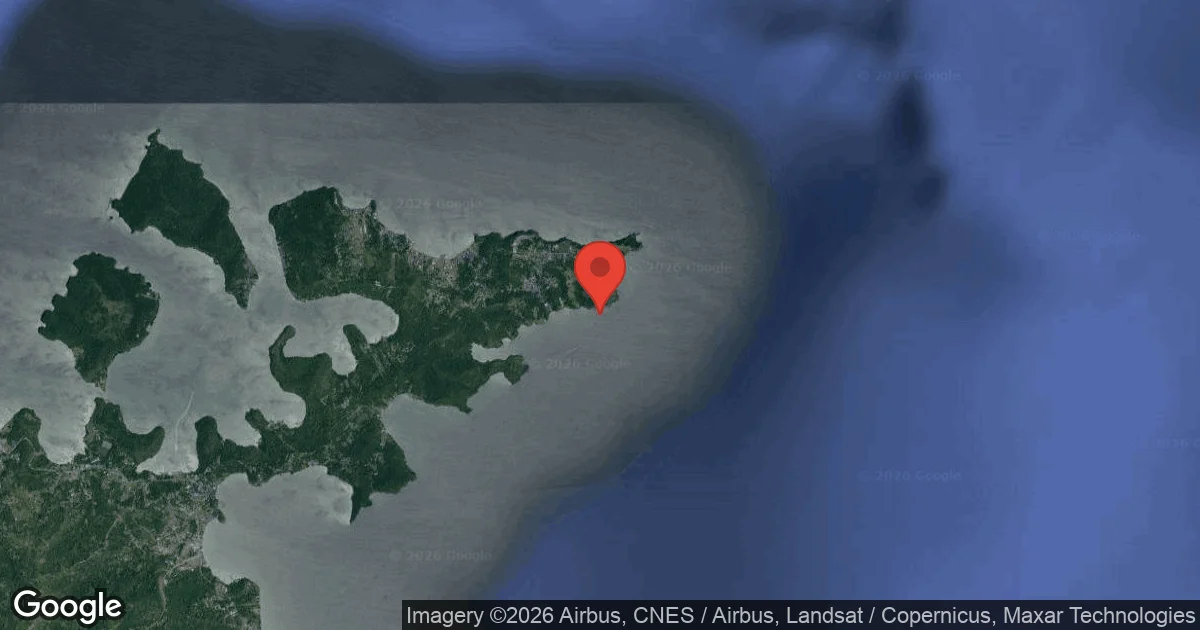
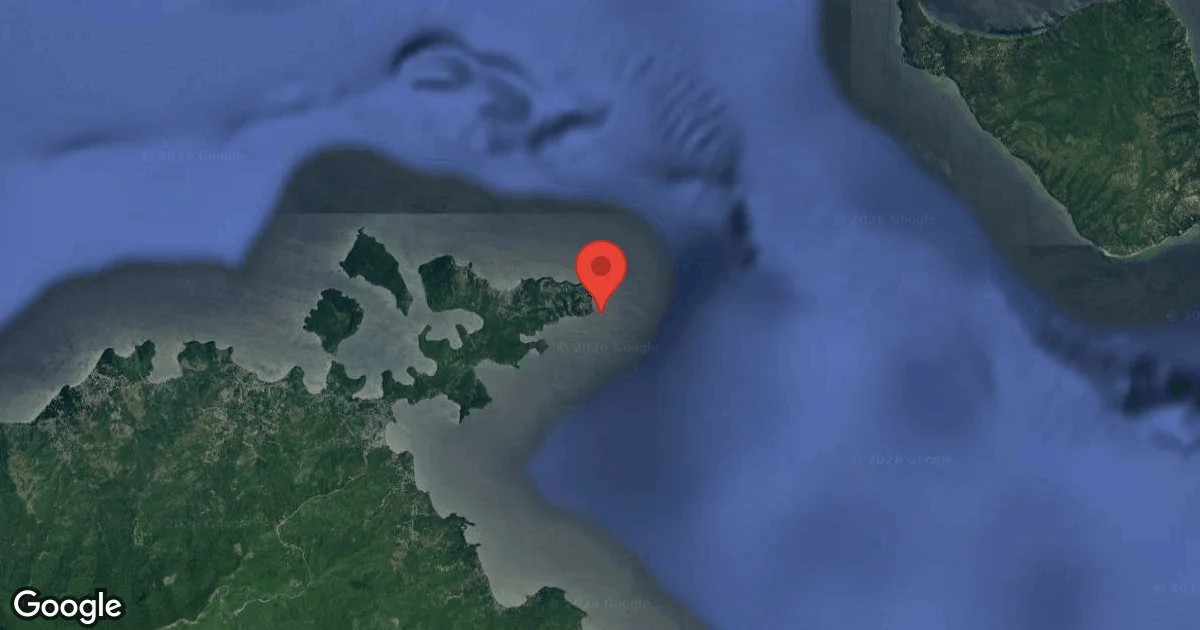
Colossal rock formations define Boulders, a dive site off Puerto Galera's tropical coast. Ancient structures dominate the underwater landscape, creating a dramatic backdrop for certified divers. Explore hidden crevices and discover diverse marine life sheltered within this geological spectacle, where depths extend from 5 to 30 m (16-98 ft).
Tonight's objective overview for Boulders shows an air temperature of 29.5°C. The measured surface conditions include wave heights around 0.1 m. This environmental data is logged for the close of the day.
Dive Site Location & Key Facts
Dive Site Overview
Experiencing Boulders means navigating a distinctly geological dive site, where prominent large rock formations scatter across a sandy and gravel bottom. Divers explore these colossal features, which stack from a shallow 5 meters down to a maximum depth of 30 m (98 ft).
This intricate topography naturally forms numerous hiding places and ledges, establishing an ideal habitat for a variety of marine creatures. Typically, a drift dive allows divers to move with prevailing currents, providing dynamic exploration of the expansive boulder field. Such an approach suits experienced individuals comfortable managing variable current conditions and maintaining proper buoyancy around complex rock structures.
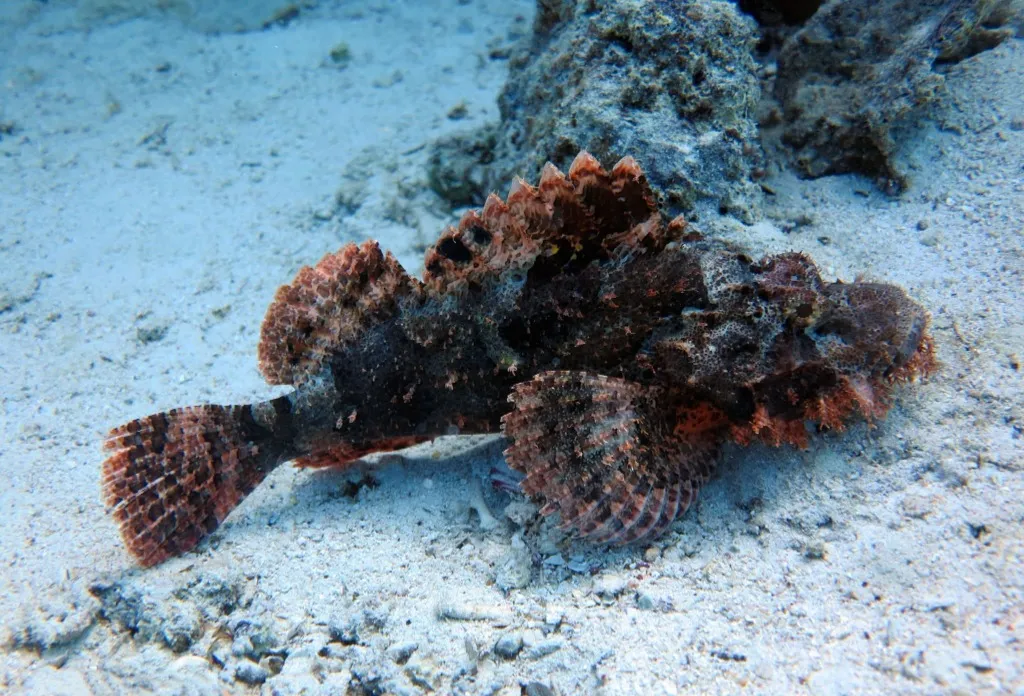
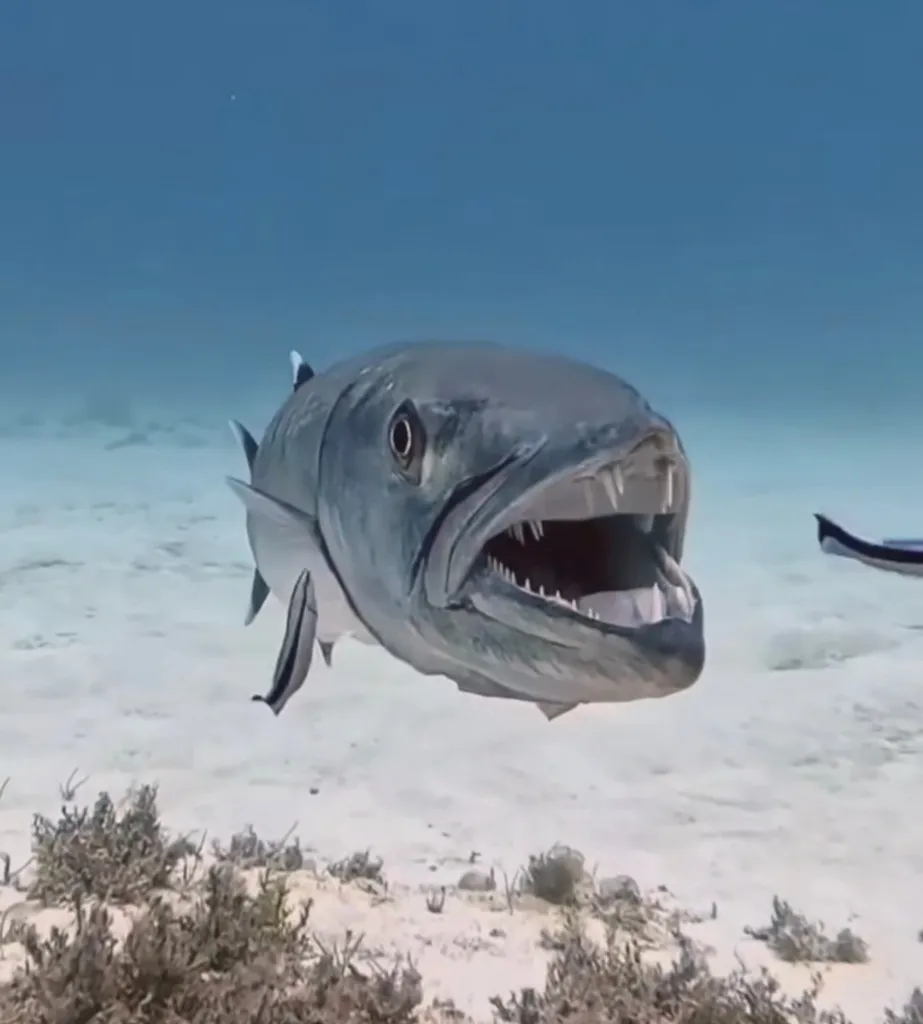
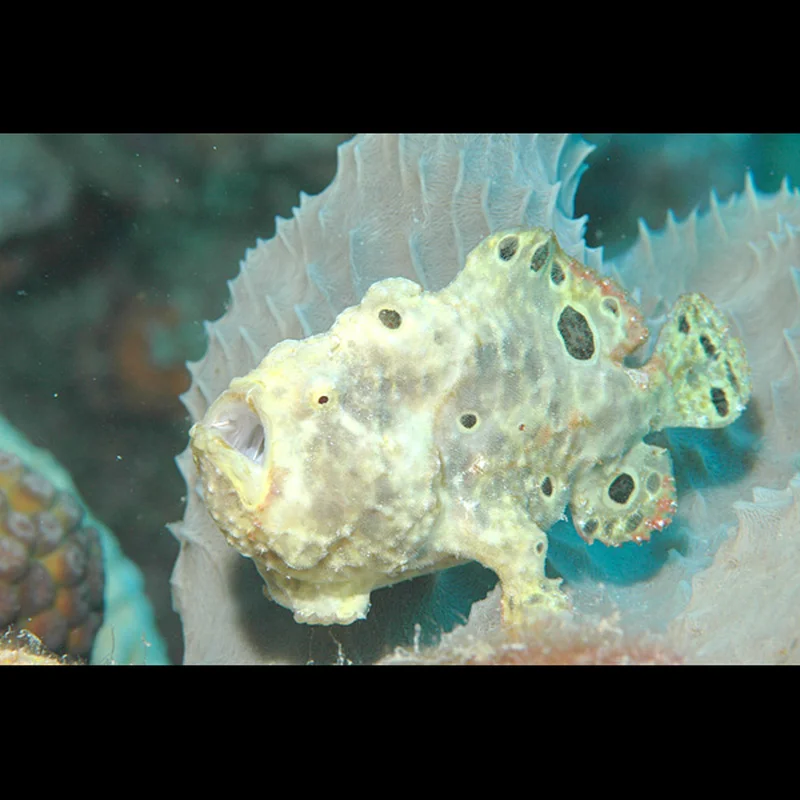
Encounters frequently feature barracudas and trevallies cruising deeper sections; mackerels often appear. Closer inspection around the formations reveals lionfish, camouflaged frogfish, and scorpionfish.
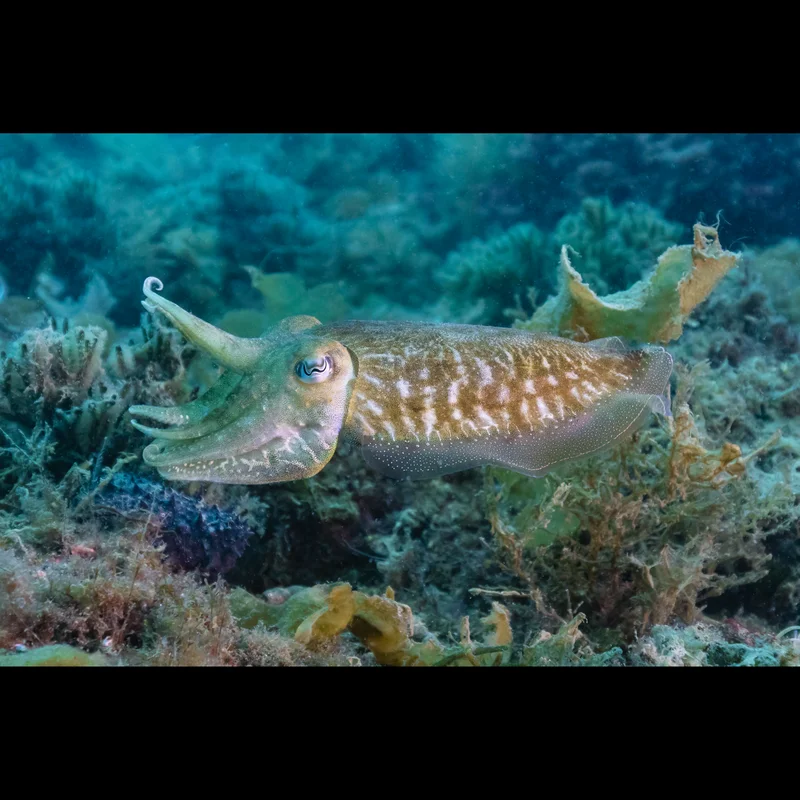
More elusive inhabitants like seahorses, octopi, and cuttlefish are also common sights, showcasing the site's rich biodiversity. Observing the interaction between the geology and its inhabitants is a key part of the experience, offering continuous opportunities for discovery at different depths.
Conditions are Good
07:00 - 14:00
Optimal conditions expected
Current conditions near Boulders show 29° air, 29° sea temperature, 0.1 m waves, and 15 km/h wind. Forecast data is refreshed regularly to ensure accuracy.
Best Time to Dive
Planning a dive at Boulders involves understanding the seasonal weather patterns, with 'Excellent' conditions often presenting a contrast to other periods. March, April, May, and August stand out for their favorable conditions, characterized by lower average rainfall and generally calmer seas. April, for instance, sees minimal rain, averaging around 2.1 mm, alongside air temperatures reaching approximately 28°C (82°F). May also offers superb diving with air temperatures peaking at 28.5°C (83°F) and around 5.5 mm of rain. Throughout these months, wave heights are typically lower, contributing to more comfortable boat entries and surface intervals. While other months like January, February, and November still offer 'Good' dive scores, they tend to have higher average rainfall, ranging from 11.4 mm to 14.0 mm, and more pronounced wind speeds, which can affect sea state. Air temperature generally remains warm year-round, oscillating between 25°C (77°F) in January and 28.5°C (83°F) in May, ensuring comfortable surface conditions.
PEAK SEASON SCORE
Scores combine air & water temps, waves, wind & rainfall for overall conditions.
BEST MONTHS TO DIVE
Monthly records compiled from satellite and marine observation nodes over the last 3 years. Data provided by Open-Meteo and MET Norway.
Dive Experience & Conditions
Navigating the Boulders dive site effectively requires a good grasp of advanced dive skills, particularly due to its profile as a drift dive. A varied depth profile defines the site, starting shallow at 5 meters and descending to a maximum depth of 30 m (98 ft); divers should be comfortable with multi-level profiles. Currents here can vary in intensity, making it suitable for experienced divers who can manage dynamic underwater movements while appreciating the scenic rock formations. Visibility is not consistently reported for this specific site but generally remains good in the Puerto Galera region, often exceeding 15 m (50 ft) on calm days. Water temperatures in the Philippines are typically warm year-round, though site-specific data for Boulders is limited. Expect comfortable conditions, likely within a tropical range, minimizing the need for heavy thermal protection. Novice divers aren't typically recommended for this site due to the potential for strong currents and the demands of a drift dive.
Dive Difficulty & Safety Guidelines
Diving Boulders, given its nature as a drift dive, primarily requires divers to be experienced and maintain strong situational awareness. It's crucial to follow your dive leader's briefing closely, especially regarding entry and exit procedures, and to understand the projected drift path. Excellent buoyancy control is paramount when exploring the boulder formations to prevent accidental contact with marine life or the rock structures.
Always dive with a reliable buddy and ensure both are proficient in current diving techniques. While no specific hazards are consistently reported for Boulders, divers should always be mindful of local marine life, such as lionfish or scorpionfish, which can blend into the environment.
Adhering to recreational depth limits and monitoring your dive computer's no-decompression limits are standard safety protocols that apply here.
Recommended Equipment
Overhead / entanglement risk. Wreck penetration requires proper training.
- Dive Computer
- Primary & Backup Lights
- Wreck Reel
- Cutting Tool
This gear list is based on verified equipment signals for Boulders, Philippines. Always confirm final gear choices with your dive operator, guide, or liveaboard.
Recommended Dive Suit
With water temperatures around 29°C (84°F), many divers find a dive skin or rash guard provides comfortable protection.
Being prepared with flexible exposure options is a common approach among experienced divers.
A modest cooling trend is expected in the upcoming forecast. Cooler days are ahead; you might want a warmer option for later in the week. A warmer option can provide additional comfort if conditions shift.
Emergency & Medical Support
Essential information to help you plan your dive trip to Boulders.

Hyperbaric chambers are a critical part of dive safety infrastructure. Availability varies significantly by region, and not all dive areas have immediate access.
Before diving, it's recommended to:
- confirm nearest medical facilities
- check emergency procedures with local dive operators
- ensure dive insurance covers evacuation if required
Divers Alert Network
Diving emergency assistance available through DAN World.
+1-919-684-9111- 24/7 emergency hotline
- Diving medical assistance
- Evacuation coordination
Emergency contacts are provided for reference. Always verify local emergency services before diving.
Marine Life at Boulders
An immediate impression at Boulders comes from the sheer variety of life nestled within its striking geological landscape. Divers frequently encounter schools of barracudas and trevallies patrolling deeper areas, while mackerels often appear in open water.
Intricate boulder formations themselves act as a natural haven, concealing a rich tapestry of smaller creatures. You'll often find lionfish elegantly poised, alongside the well-camouflaged frogfish and scorpionfish.
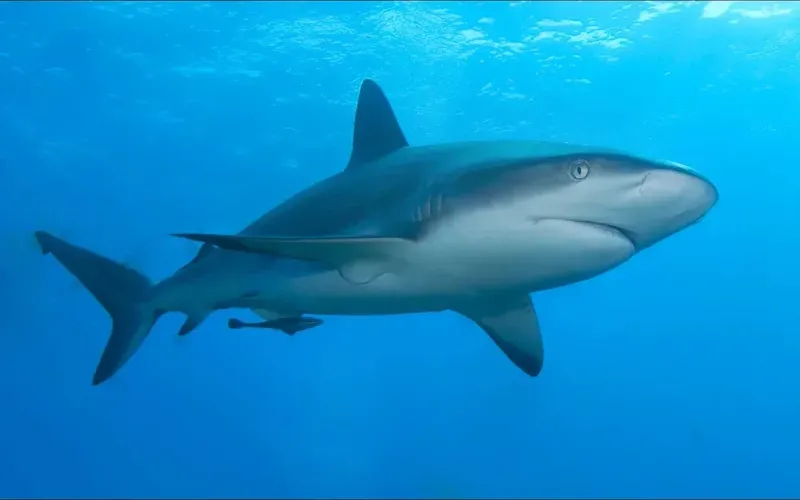
Exploring the nooks and crannies reveals more elusive sightings like seahorses, octopi, and cuttlefish. Occasionally, black-tip reef sharks are also spotted, adding to the excitement of exploring this vibrant reef.
Dive Sites Near Boulders
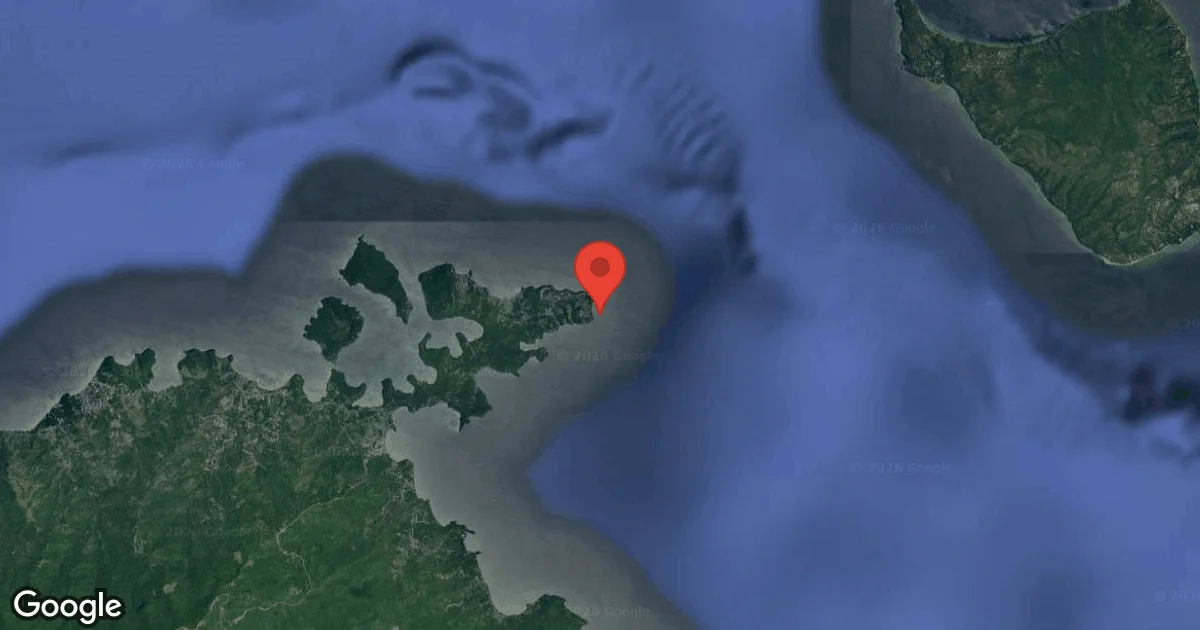
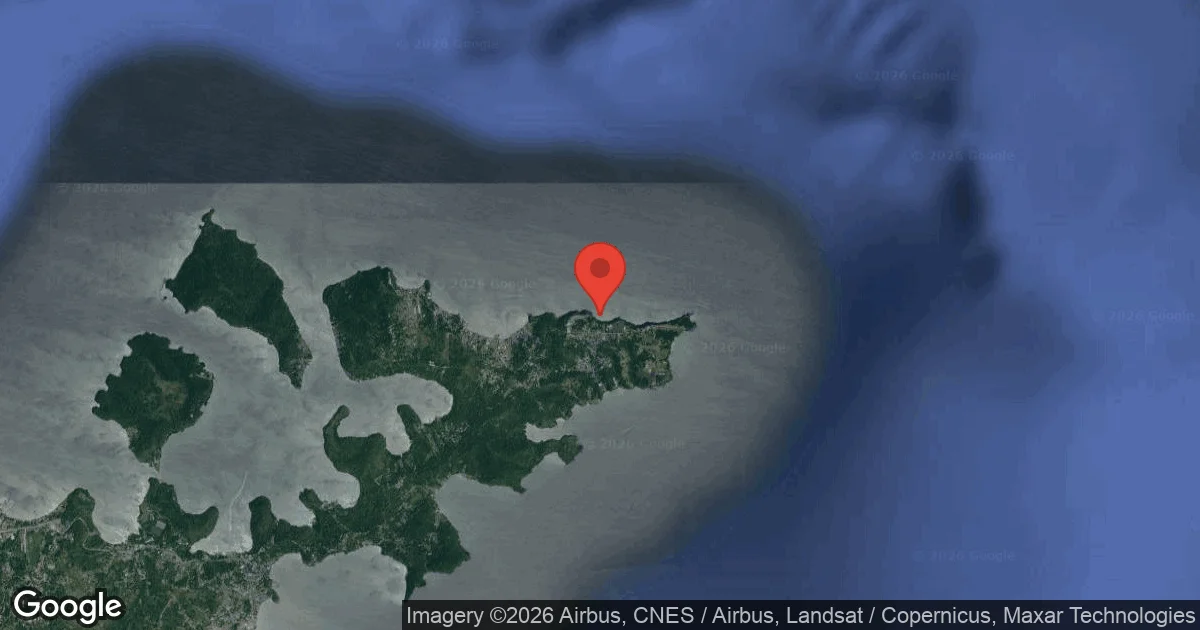
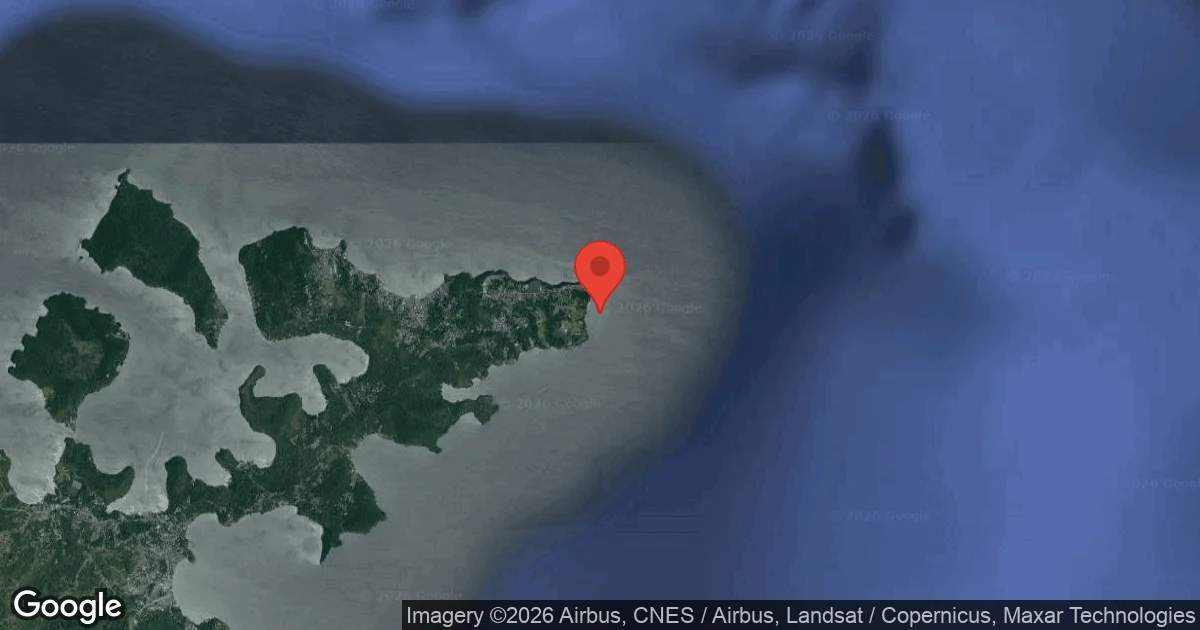
View all dive sites in PhilippinesDiscover more underwater gems in this area.
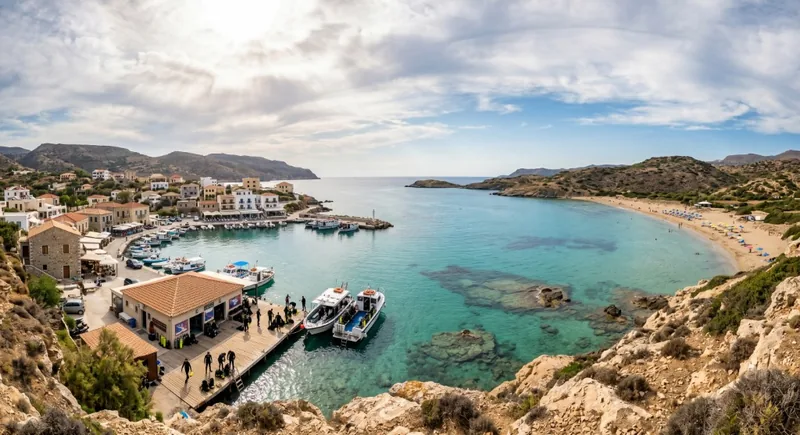
Dive Centers Near Boulders
Today: Open 24 hours
Nearest Airports
Nearest airports to help plan travel to this dive area.
Search Flights
Check available flights and routes on Expedia, using the nearby airports listed in this section.
Search Flights on ExpediaFrequently Asked Questions
What is the primary feature of the Boulders dive site?
The dive site is primarily characterized by its extensive formations of large rock boulders. These structures create a unique and complex underwater topography, providing numerous hiding spots for marine life across a sandy and gravel bottom.
What depth range can divers expect at Boulders?
Divers at Boulders can explore depths ranging from a shallow 5 m (16 ft) down to 30 m (98 ft). Boulder formations are present across this entire depth range, offering various exploration opportunities.
Is Boulders suitable for all diver experience levels?
No, Boulders is typically recommended for experienced divers. Its suitability for experienced divers is primarily due to its nature as a drift dive, which requires good buoyancy control and comfort with varying current conditions.
What kind of marine life might I see at Boulders?
A diverse array of marine life inhabits Boulders. Common sightings include barracudas, trevallies, mackerels, lionfish, frogfish, and scorpionfish. Lucky divers might also spot seahorses, octopi, cuttlefish, and occasionally black-tip reef sharks.
What are the best months to dive Boulders?
March, April, May, and August are generally considered excellent months for diving Boulders. These periods typically feature lower rainfall and calmer sea conditions, leading to better overall dive experiences.
What type of dive is typically conducted at Boulders?
Diving at Boulders is usually conducted as a drift dive. Divers move with the prevailing currents, allowing for a dynamic and often less strenuous way to explore the site's unique topography.
What are the typical water temperatures at Boulders?
Site-specific water temperatures for Boulders are not consistently reported. However, the general conditions in Puerto Galera, Philippines, suggest warm tropical waters throughout the year, suitable for comfortable diving.
Planning to dive Boulders?
Send one inquiry and receive offers directly from the best verified local dive operators.
Conditions are Good
07:00 - 14:00
Optimal conditions expected
Current conditions near Boulders show 29° air, 29° sea temperature, 0.1 m waves, and 15 km/h wind. Forecast data is refreshed regularly to ensure accuracy.