
Diving at Hole in the Wall (Philippines)
Navigating the iconic 'Hole in the Wall' in Puerto Galera presents a distinct challenge for divers seeking both architectural marine topography and dynamic reef life. This site requires a good understanding of current conditions and precise buoyancy control, particularly when traversing its signature underwater tunnel. It's an engaging dive that rewards preparedness with memorable encounters.
Evening condition tracking at Hole in the Wall features an air temperature of 28°C. We have recorded wave heights measuring 0.1 m during this period. These figures outline the environmental parameters currently present.
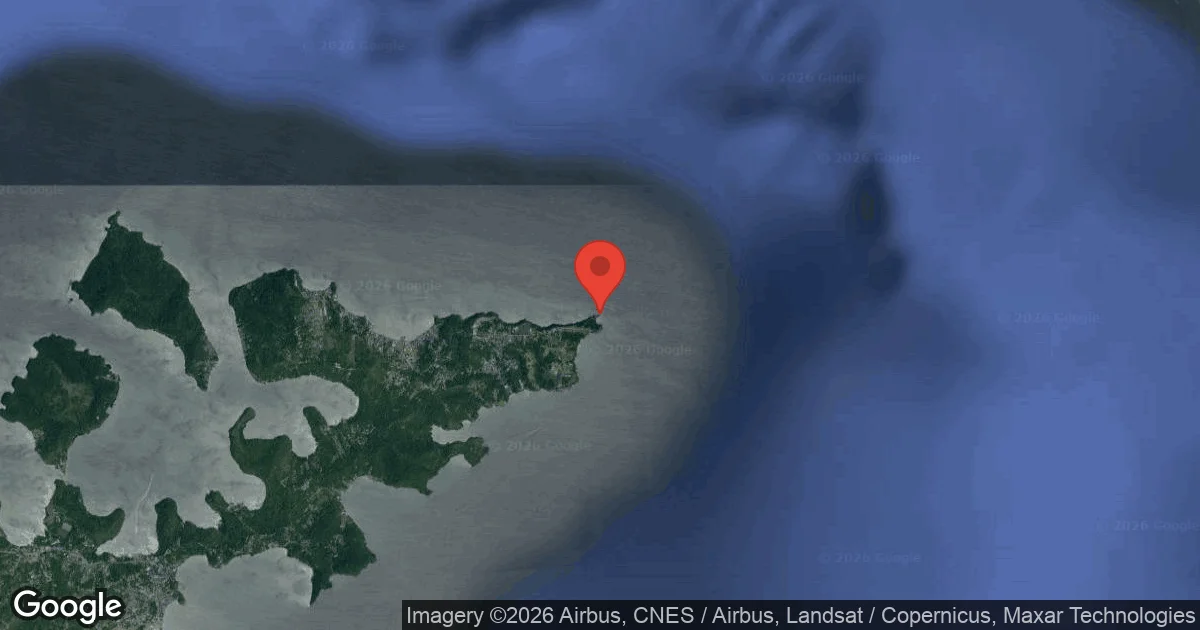
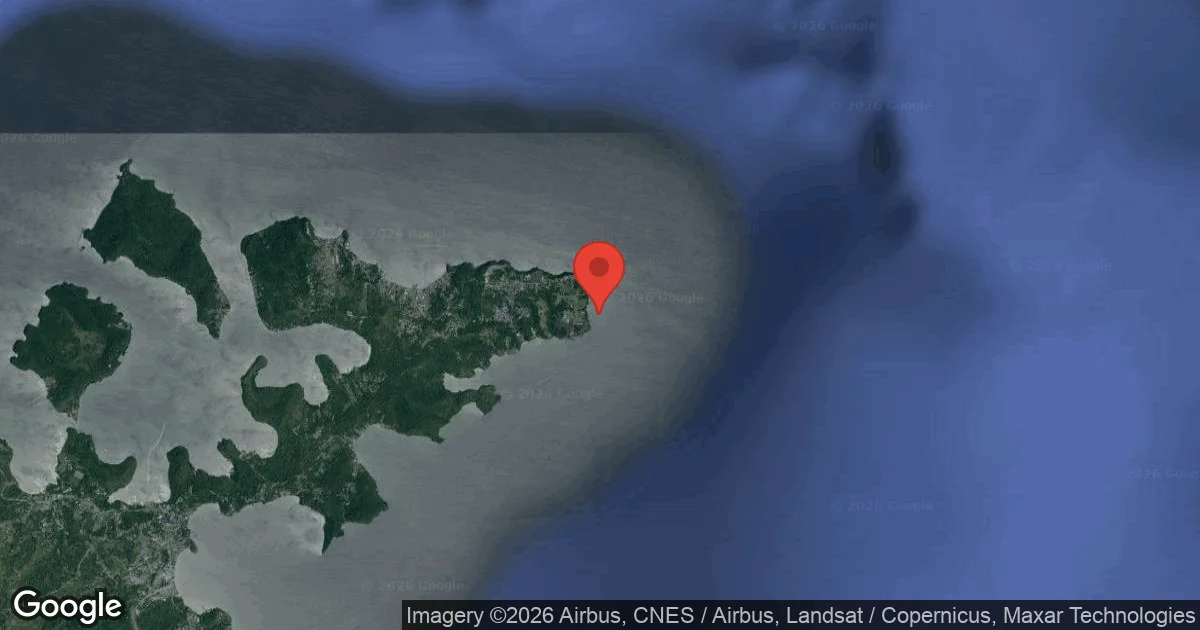
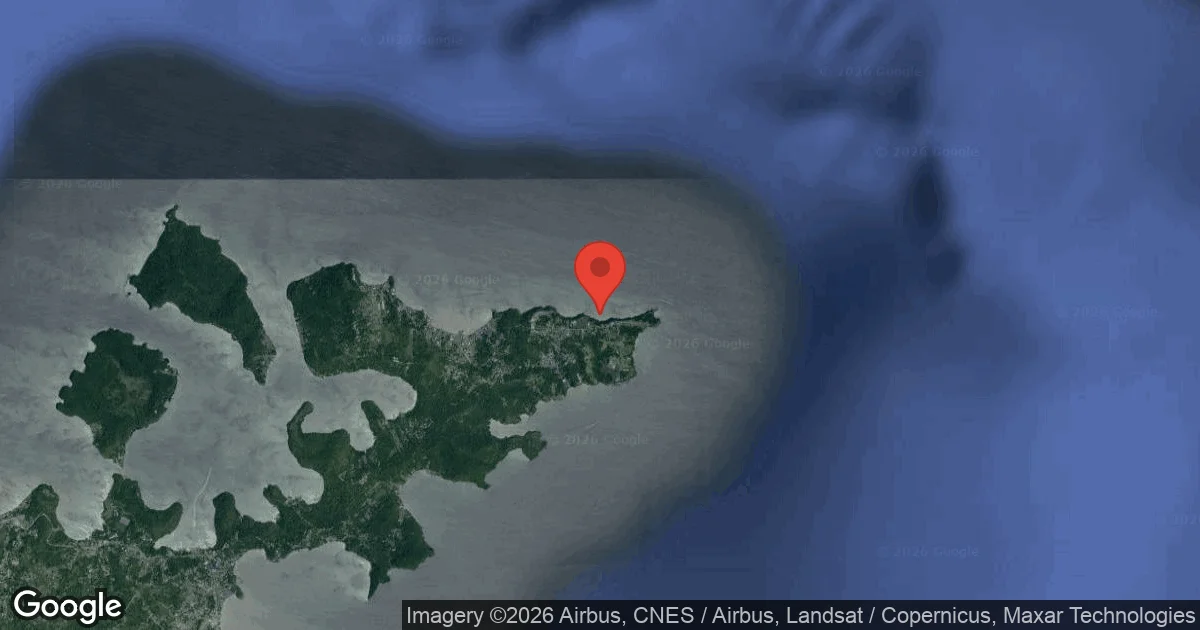
Dive Site Location & Key Facts
Dive Site Overview
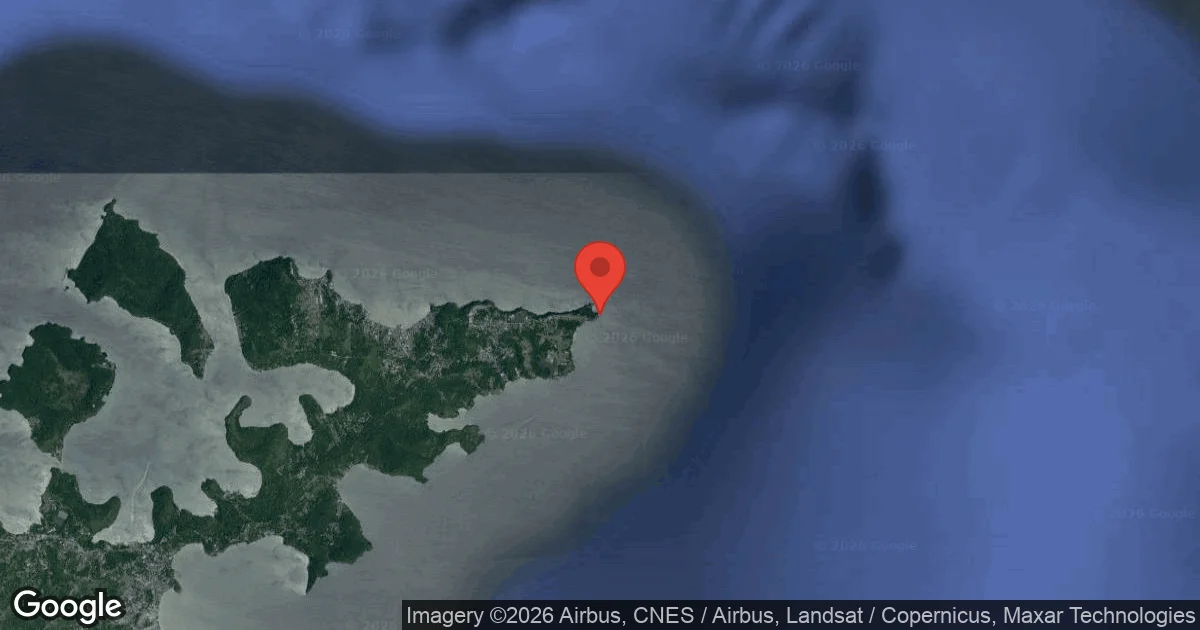
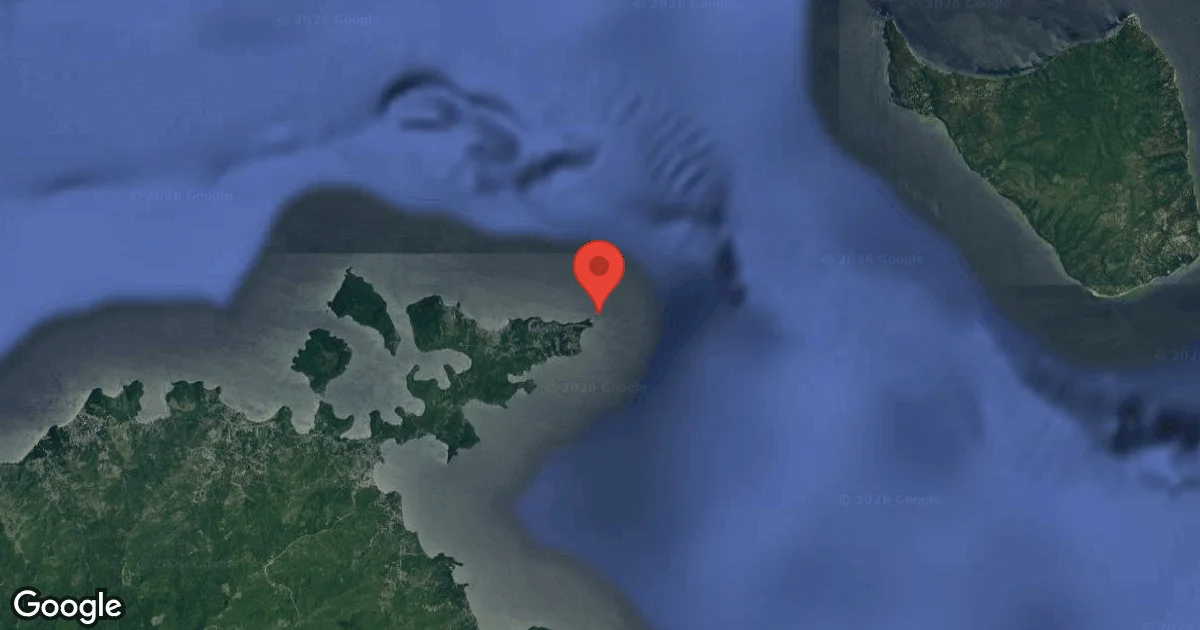
Hole in the Wall serves as a distinct dive destination near Puerto Galera, Philippines, primarily recognized for its thrilling underwater tunnel or swim-through that defines the site's unique character. Divers explore vibrant coral reefs that serve as a crucial habitat for diverse fish species, extending beyond the central passage.
The topography here includes not only the signature 'hole' but also a network of canyons and crevices, creating a complex and visually rich environment. Currents are a notable feature of this site; they can vary, sometimes necessitating drift diving techniques, which adds an element of excitement and requires an adaptive diving approach. Exploring the surrounding reef system reveals abundant marine biodiversity, making it a compelling spot for underwater photography.
The overall experience blends an architectural wonder with a lively ecosystem, appealing to divers who appreciate both structural features and a thriving reef system. This site consistently offers dynamic conditions, rewarding divers with careful planning and excellent buoyancy control.
Conditions are Good
Optimal conditions expected
Current conditions near Hole in the Wall show 28° air, 29° sea temperature, 0.1 m waves, and 20 km/h wind. Forecast data is refreshed regularly to ensure accuracy.
Best Time to Dive
Optimizing visibility for the 'Hole in the Wall' dive often aligns with periods of lower rainfall and calmer seas, enhancing the visual spectacle of its vibrant corals and diverse marine life. The months of March, April, May, and August typically offer excellent dive scores, characterized by reduced wave heights and lighter winds, which contribute to clearer conditions underwater. During this timeframe, air temperatures remain comfortably warm, averaging between 26-28.5°C (79-83°F). Rainfall is also at its lowest in April and May, averaging around 2.1-5.5mm, further contributing to optimal visibility. While water temperatures for this specific site aren't consistently reported in detail, the tropical climate of the Philippines generally ensures warm diving conditions year-round, making visibility the primary determinant for planning.
PEAK SEASON SCORE
Scores combine air & water temps, waves, wind & rainfall for overall conditions.
BEST MONTHS TO DIVE
Monthly records compiled from satellite and marine observation nodes over the last 3 years. Data provided by Open-Meteo and MET Norway.
Dive Experience & Conditions
Descending into Hole in the Wall's waters, divers encounter a notable current often guiding exploration. This site is particularly engaging for those comfortable with drift diving, as prevailing currents can dictate the dive's flow. A signature underwater tunnel forms the primary attraction, a passage demanding confident buoyancy control for safe navigation. Beyond this central swim-through, the dive unfolds across vibrant reefs, often noted for their good coral health. Deeper sections and the surrounding wall typically reveal a greater diversity of reef fish and sometimes offer glimpses of larger pelagics. Current strength here varies, ensuring each dive presents a slightly different experience; consulting local dive operators beforehand remains crucial.
Dive Difficulty & Safety Guidelines
Approaching Hole in the Wall requires a mindful consideration of its distinct features, particularly the potential for varying currents and the inherent nature of the swim-through. For these reasons, the site is generally recommended for Advanced Open Water divers or individuals who are proficient and comfortable with drift diving techniques. Prioritizing excellent buoyancy control is crucial for navigating the tunnel and preserving the delicate coral formations found throughout the reef.
Always consult with your chosen dive center for the most up-to-date information on daily conditions, as they can provide essential guidance on currents and the best approach for a safe dive. Selecting a reputable dive operator with a favorable diver-to-guide ratio can also significantly enhance both safety and the overall experience.
Recommended Equipment
Overhead environment. Do not enter beyond training and gas planning limits.
Current and surface separation risk. Local briefing strongly recommended.
- Dive Computer
- DSMB
- Primary & Backup Lights
- Reel / Spool
- Cutting Tool
This gear list is based on verified equipment signals for Hole in the Wall, Philippines. Always confirm final gear choices with your dive operator, guide, or liveaboard.
Recommended Dive Suit
For many recreational divers, 2-3mm shorty or light wetsuit provides a practical level of insulation in these conditions. Divers who tend to get cold easily may prefer slightly thicker exposure protection.
At the moment, divers exploring Hole in the Wall will likely experience water temperatures near 29°C (84°F). Surface air temperatures are resting at 28°C (83°F).
Current forecasts indicate relatively stable conditions for the coming days.
Emergency & Medical Support
Essential information to help you plan your dive trip to Hole in the Wall.

Hyperbaric chambers are a critical part of dive safety infrastructure. Availability varies significantly by region, and not all dive areas have immediate access.
Before diving, it's recommended to:
- confirm nearest medical facilities
- check emergency procedures with local dive operators
- ensure dive insurance covers evacuation if required
Divers Alert Network
Diving emergency assistance available through DAN World.
+1-919-684-9111- 24/7 emergency hotline
- Diving medical assistance
- Evacuation coordination
Emergency contacts are provided for reference. Always verify local emergency services before diving.
Marine Life at Hole in the Wall
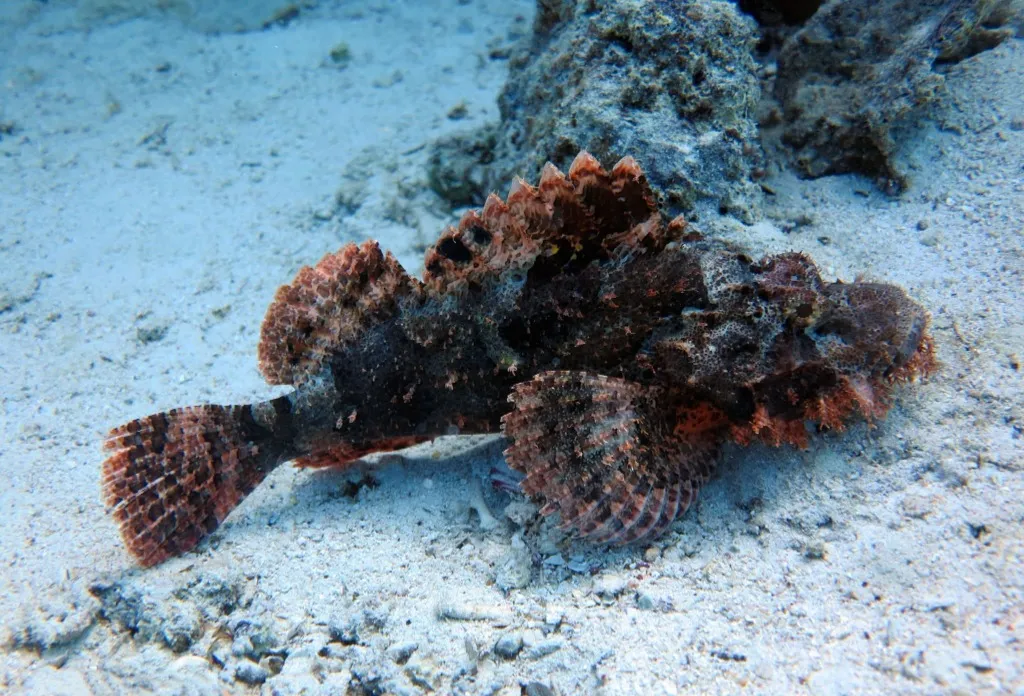
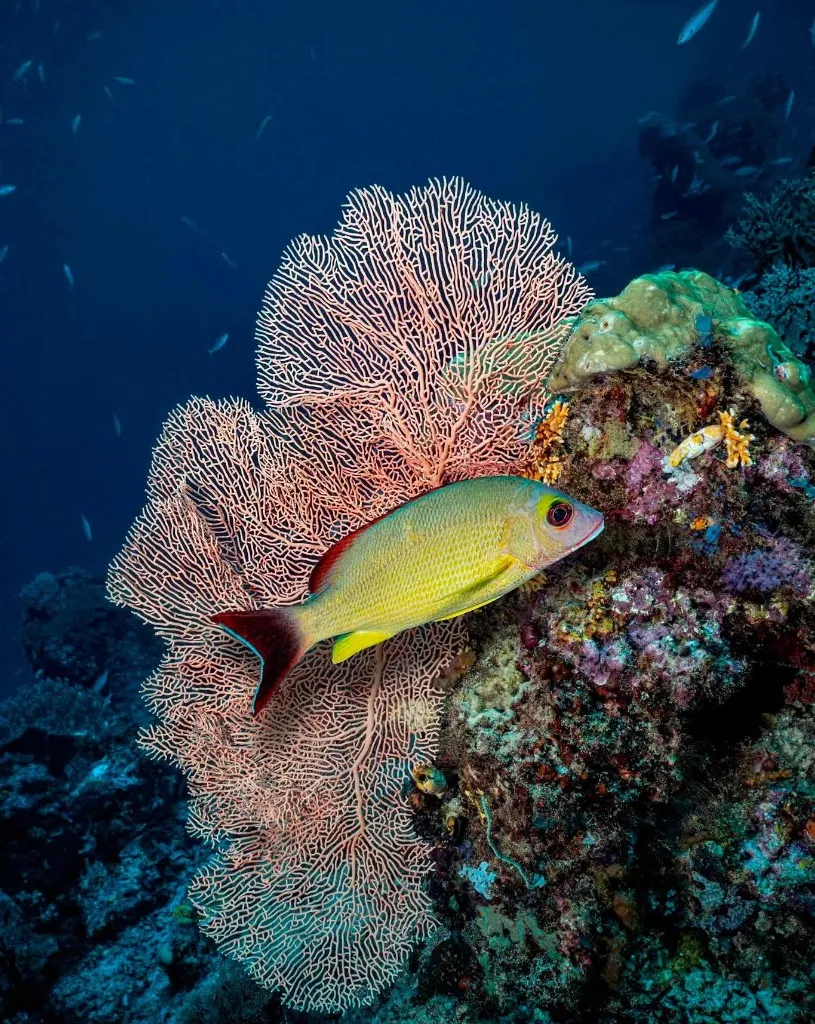
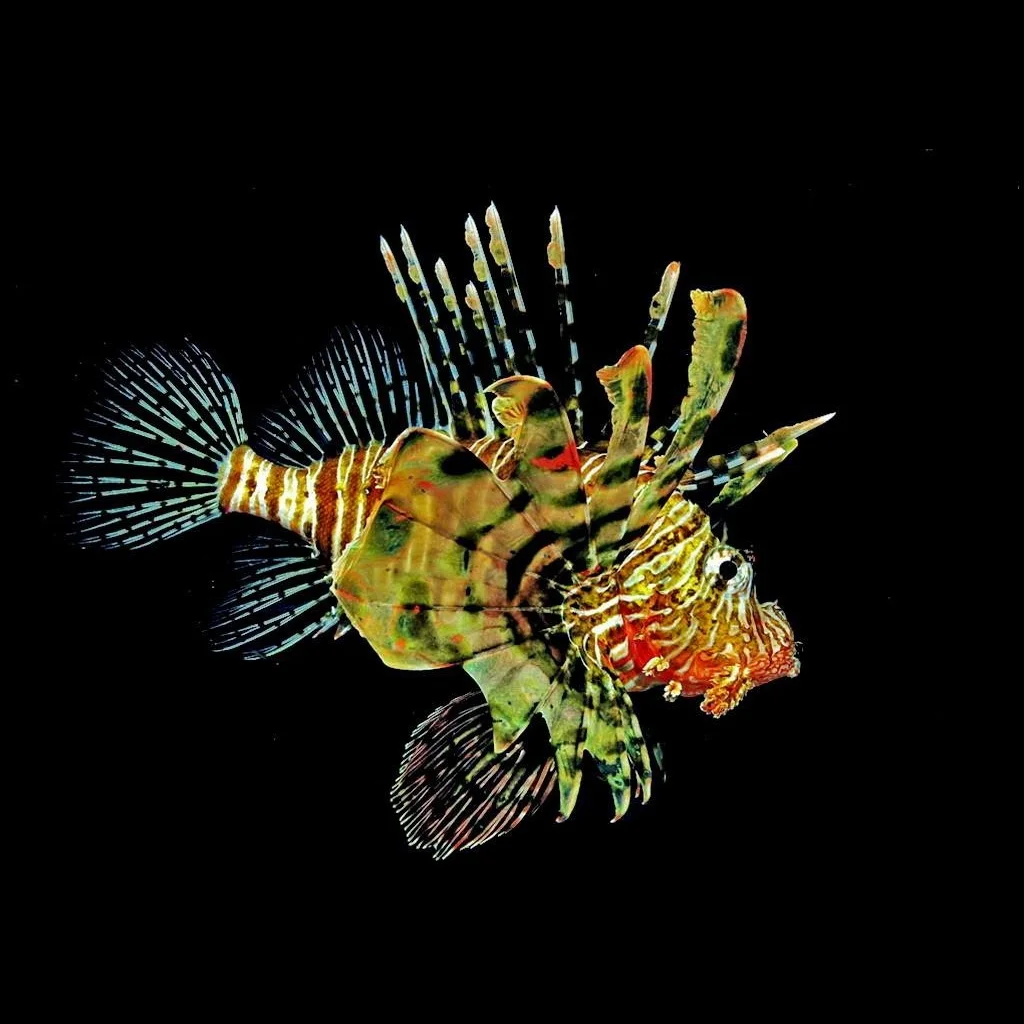
Around Hole in the Wall, waters immediately reveal a dynamic ecosystem brimming with diverse inhabitants. Divers consistently notice vibrant coral reefs first; these provide crucial shelter for a wide array of reef fish, from smaller, colorful species to potentially larger pelagics moving through.
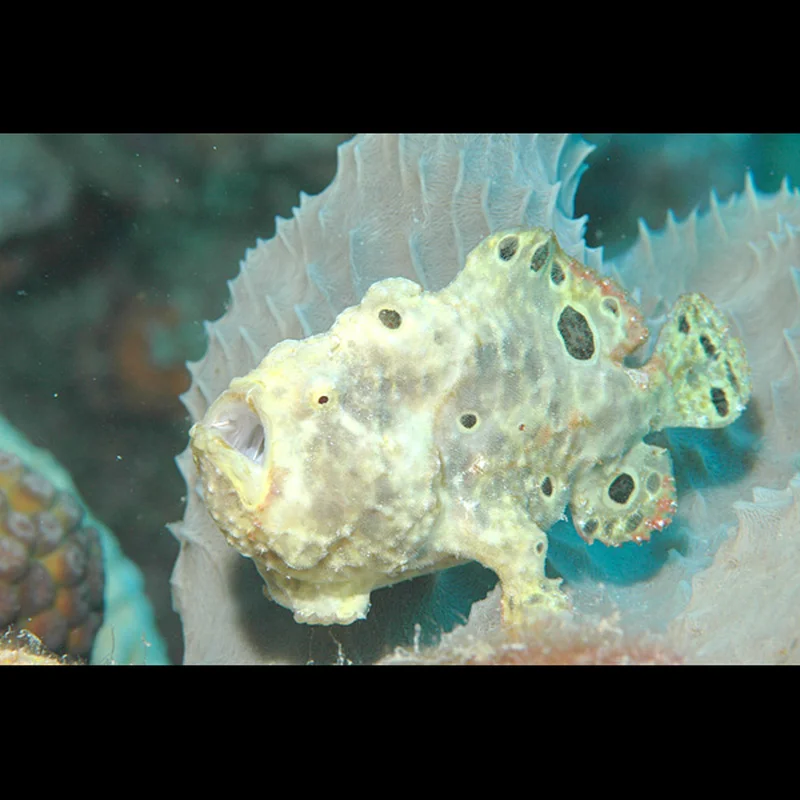
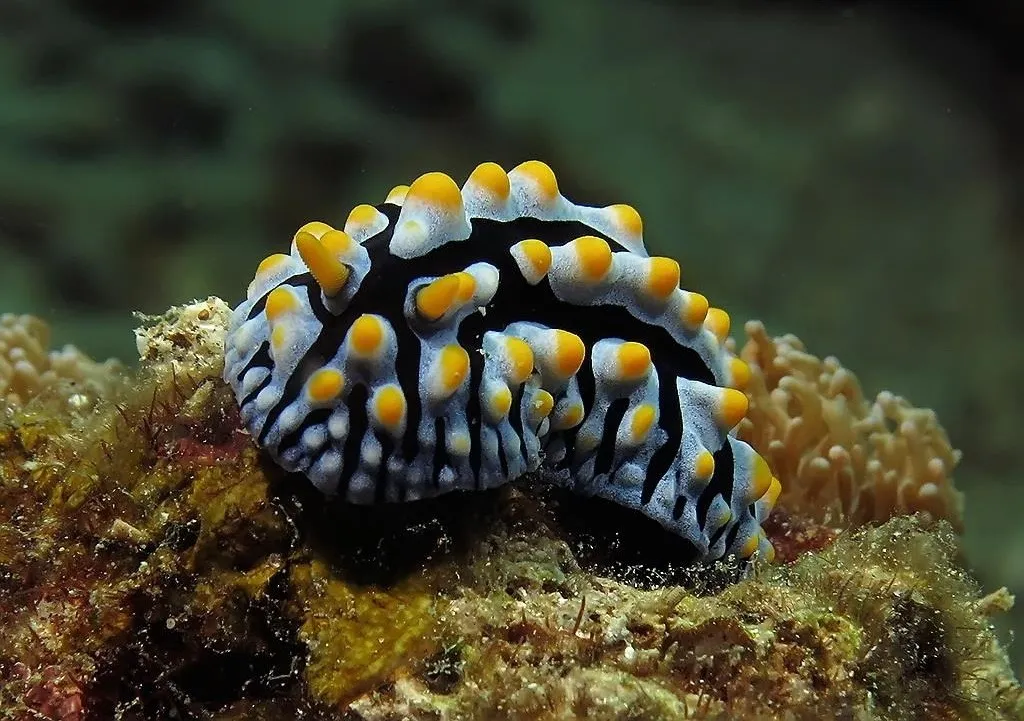
Shimmering schools of silver fish are frequently reported, adding a captivating visual element as they move in unison. Beyond the fish, unique topography, including various canyons and caves, supports an impressive range of invertebrates, such as nudibranchs and other fascinating macro life.
Consistent health and density of the marine population create a perennially engaging underwater landscape.
Dive Sites Near Hole in the Wall
View all dive sites in PhilippinesDiscover more underwater gems in this area.
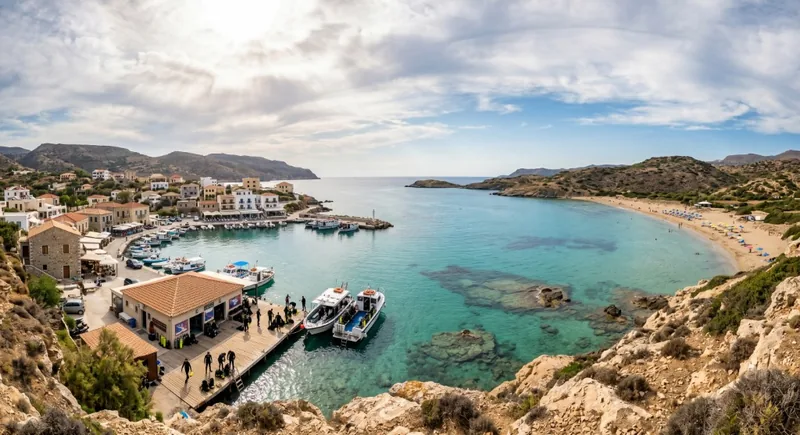
Dive Centers Near Hole in the Wall
Today: Open 24 hours
Nearest Airports
Nearest airports to help plan travel to this dive area.
Search Flights
Check available flights and routes on Expedia, using the nearby airports listed in this section.
Search Flights on ExpediaFrequently Asked Questions
What is the 'Hole' in Hole in the Wall?
It refers to an underwater tunnel or passage that divers can swim through. This unique feature forms an exciting and defining part of the dive experience at the site.
What certifications are recommended for diving Hole in the Wall?
While Open Water divers can visit, the potential currents and the swim-through make it ideal for Advanced Open Water divers or those with confidence in drift diving. Consulting with your instructor for suitability is always wise.
Are there strong currents at Hole in the Wall?
Yes, potential currents are a notable characteristic of this dive site. Divers should be aware that conditions can vary, sometimes making it a drift dive, so experience with currents is beneficial.
Do I need to book dives in advance for Hole in the Wall?
It's highly recommended to book your dives or courses in advance. This is especially true during peak season to ensure your spot with a preferred dive operator and confirm availability.
Are there any entry fees for the dive site itself?
Typically, there are no separate entry fees for the dive site itself. The cost is usually bundled into your dive package or course fees when booking with a certified dive center.
What kind of marine life can I expect to see?
Expect to encounter a variety of reef fish, vibrant corals, and potentially larger pelagics. Many divers report seeing captivating schools of shimmering silver fish, along with various invertebrates and macro life.
Planning to dive Hole in the Wall?
Send one inquiry and receive offers directly from the best verified local dive operators.
Conditions are Good
Optimal conditions expected
Current conditions near Hole in the Wall show 28° air, 29° sea temperature, 0.1 m waves, and 20 km/h wind. Forecast data is refreshed regularly to ensure accuracy.