
Diving at Kilima Wall (Philippines)
Kilima Wall presents a dramatic vertical underwater cliff in Puerto Galera, Philippines, carving out a significant profile within the highly biodiverse Verde Island Passage. This site is primarily a wall dive, often experiencing drift conditions that can enhance the exploration of its depths. Divers can descend to a maximum depth of 30 m (98 ft), navigating overhangs and crevices. It offers varied experiences for recreational divers seeking diverse underwater topography.
Evening condition tracking at Kilima Wall features an air temperature of 28°C. We have recorded wave heights measuring 0.1 m during this period. These figures outline the environmental parameters currently present.
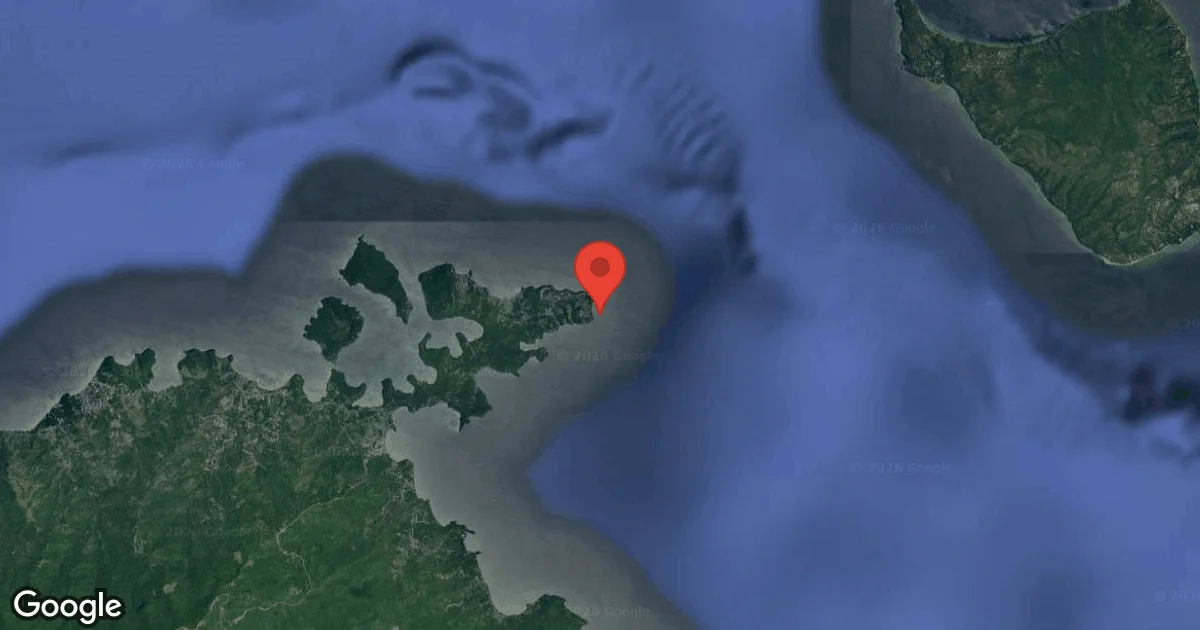
Dive Site Location & Key Facts
Dive Site Overview
Kilima Wall plunges dramatically, revealing a sheer underwater cliff that defines this premier Puerto Galera dive. Exploring here, divers witness a breathtaking vertical drop, adorned with a visually stunning display of soft and hard corals.
They form a vibrant, living tapestry of colors across its face. Situated within the highly biodiverse Verde Island Passage, the site's rich ecosystem supports an array of marine life. Drift diving is a frequent characteristic, allowing for effortless navigation along its extensive structure as nutrient-rich currents reveal hidden overhangs and intricate crevices.
Often considered an extension of the nearby Kilima Steps, the wall features multi-level coral reefs with shallower sections and broad terraces for relaxed exploration. This connectivity provides a diverse experience, ranging from the deeper wall sections to more protected reef environments.
Maximum depth along the wall reaches 30 m (98 ft), though shallower parts of the system are readily accessible for recreational limits. Exceptional visibility commonly prevails in these productive currents, providing unobstructed views of the mesmerizing underwater landscape and its inhabitants.
Conditions are Good
Optimal conditions expected
Current conditions near Kilima Wall show 28° air, 29° sea temperature, 0.1 m waves, and 18 km/h wind. Forecast data is refreshed regularly to ensure accuracy.
Best Time to Dive
Planning a dive at Kilima Wall is generally most rewarding during the months of March, April, May, and August, when the region experiences "Excellent" dive scores. Air temperatures during these periods are consistently warm, ranging from approximately 26°C (79°F) in March to a peak of 28.5°C (83°F) in May. Rainfall is notably lower in these months, with April seeing minimal precipitation around 2.1 mm, contributing to more settled surface conditions. While specific monthly water temperature data is not consistently reported for this site, the tropical climate ensures generally warm waters throughout the year. The early morning hours are often preferred, especially when planning drift dives in the area, to potentially capitalize on favorable ebb tides and calmer conditions.
PEAK SEASON SCORE
Scores combine air & water temps, waves, wind & rainfall for overall conditions.
BEST MONTHS TO DIVE
Monthly records compiled from satellite and marine observation nodes over the last 3 years. Data provided by Open-Meteo and MET Norway.
Dive Experience & Conditions
Kilima Wall's depth profile caters to varied recreational diving, beginning at shallower sections and extending to a maximum depth of 30 m (98 ft). As divers descend, they navigate along a significant underwater cliff, observing vibrant soft and hard corals that cling to the rock face. Diving here often involves a drift, with nutrient-rich currents carrying divers past overhangs and intricate crevices, each harboring diverse inhabitants. Visibility in these ocean waters is frequently exceptional, allowing for clear views of the extensive coral formations and marine activity along the wall. Given the tropical climate, divers can typically anticipate warm water conditions year-round, although specific seasonal fluctuations may occur. Currents, while providing an exciting drift, also draw in pelagic species, adding another layer to the underwater exploration.
Dive Difficulty & Safety Guidelines
Diving Kilima Wall effectively requires a sound understanding of wall and drift diving protocols, making a PADI Advanced Open Water Diver certification or equivalent beneficial for optimal experience. Navigating along a vertical drop, especially with currents, demands careful buoyancy control and awareness of one's surroundings. Divers should prioritize staying with their buddy and adhering to established dive plans, particularly during drift segments where conditions can change.
While no specific inherent hazards are consistently reported for Kilima Wall itself, divers should always monitor current strength and direction. Maintaining a conservative dive profile and carrying a surface marker buoy (SMB) are prudent practices to enhance safety and facilitate surface pick-up.
Always conduct a thorough pre-dive check and brief with your guide to understand the day's conditions.
Recommended Equipment
Current and surface separation risk. Local briefing strongly recommended.
- Dive Computer
- DSMB
- Reel / Spool
This gear list is based on verified equipment signals for Kilima Wall, Philippines. Always confirm final gear choices with your dive operator, guide, or liveaboard.
Recommended Dive Suit
For dives of average duration, dive skin or rash guard usually provides sufficient protection from heat loss.
Divers planning a dive at Kilima Wall today will likely encounter water temperatures close to 29°C (84°F). Surface air temperatures are resting at 28°C (83°F).
Weather projections show fairly stable environmental conditions ahead.
Emergency & Medical Support
Essential information to help you plan your dive trip to Kilima Wall.

Hyperbaric chambers are a critical part of dive safety infrastructure. Availability varies significantly by region, and not all dive areas have immediate access.
Before diving, it's recommended to:
- confirm nearest medical facilities
- check emergency procedures with local dive operators
- ensure dive insurance covers evacuation if required
Divers Alert Network
Diving emergency assistance available through DAN World.
+1-919-684-9111- 24/7 emergency hotline
- Diving medical assistance
- Evacuation coordination
Emergency contacts are provided for reference. Always verify local emergency services before diving.
Marine Life at Kilima Wall
The underwater landscape of Kilima Wall offers a dynamic environment for marine encounters. Its extensive vertical drop and numerous overhangs provide shelter and feeding grounds for a variety of species.
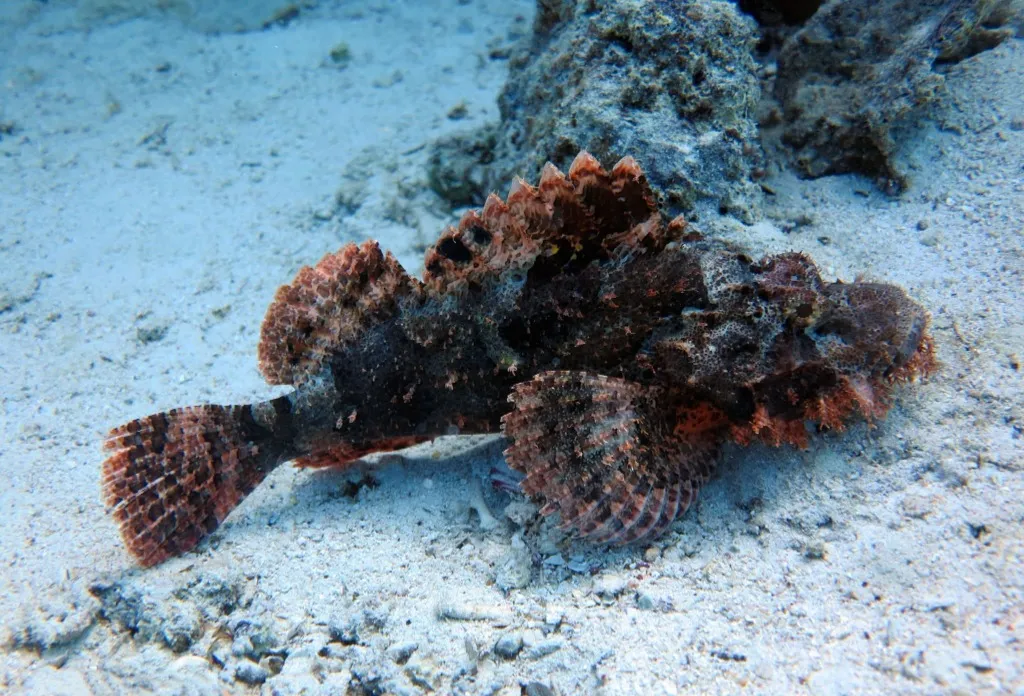
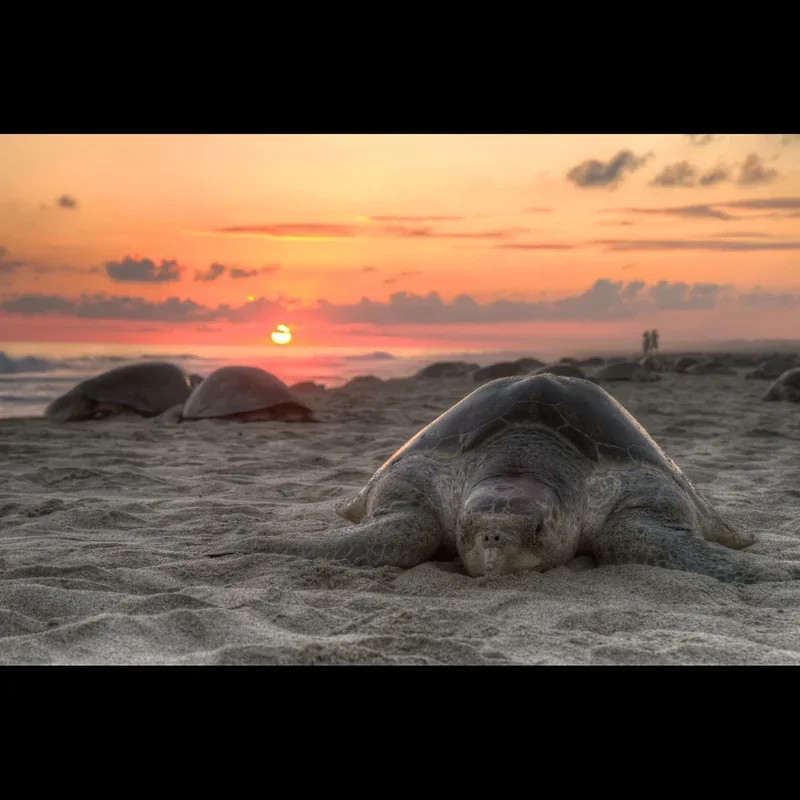
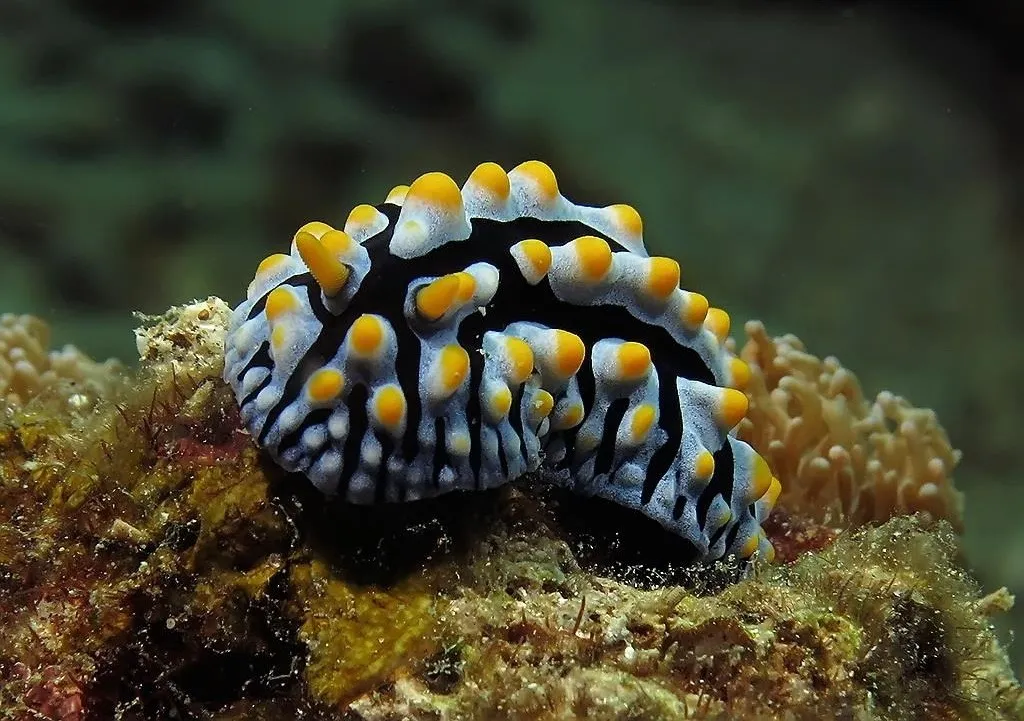
Divers frequently observe both Stonefish and Scorpionfish camouflaged against the corals, alongside diverse nudibranchs slowly traversing the reef. Sea turtles are common sightings, often found grazing or resting in crevices.
For those with an early start, deeper sections beyond the main wall sometimes reveal pelagic activity, with occasional Thresher Sharks passing through the blue. Soft corals contribute significantly to the vibrant tapestry adorning the wall, creating a rich habitat for smaller reef fish and macro creatures.

Dive Sites Near Kilima Wall
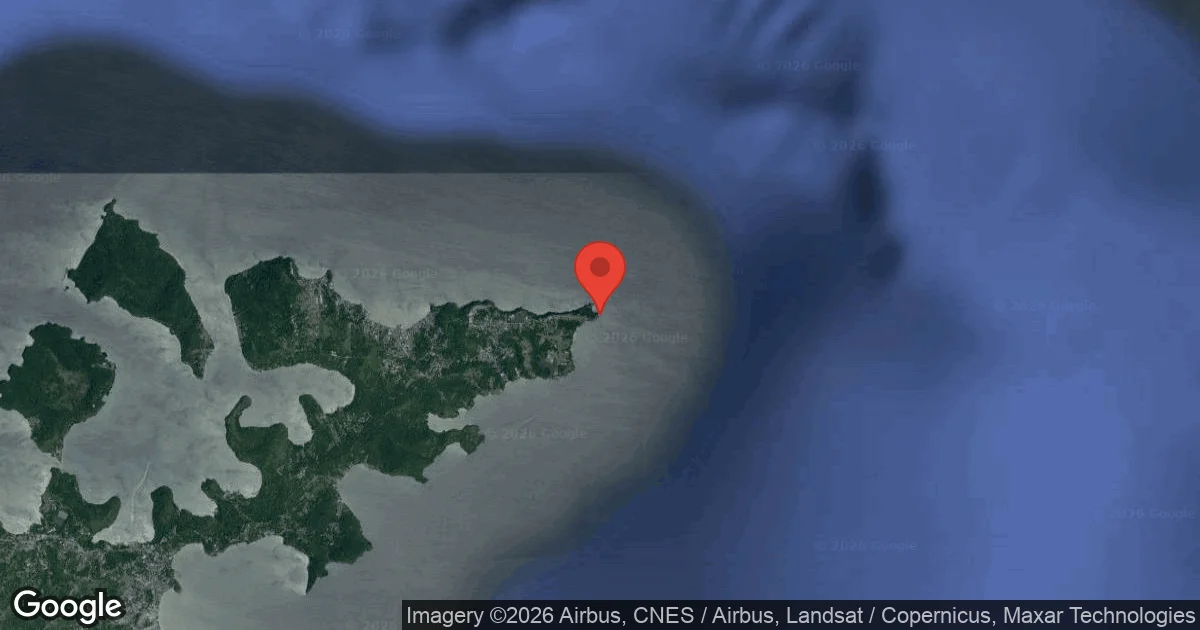
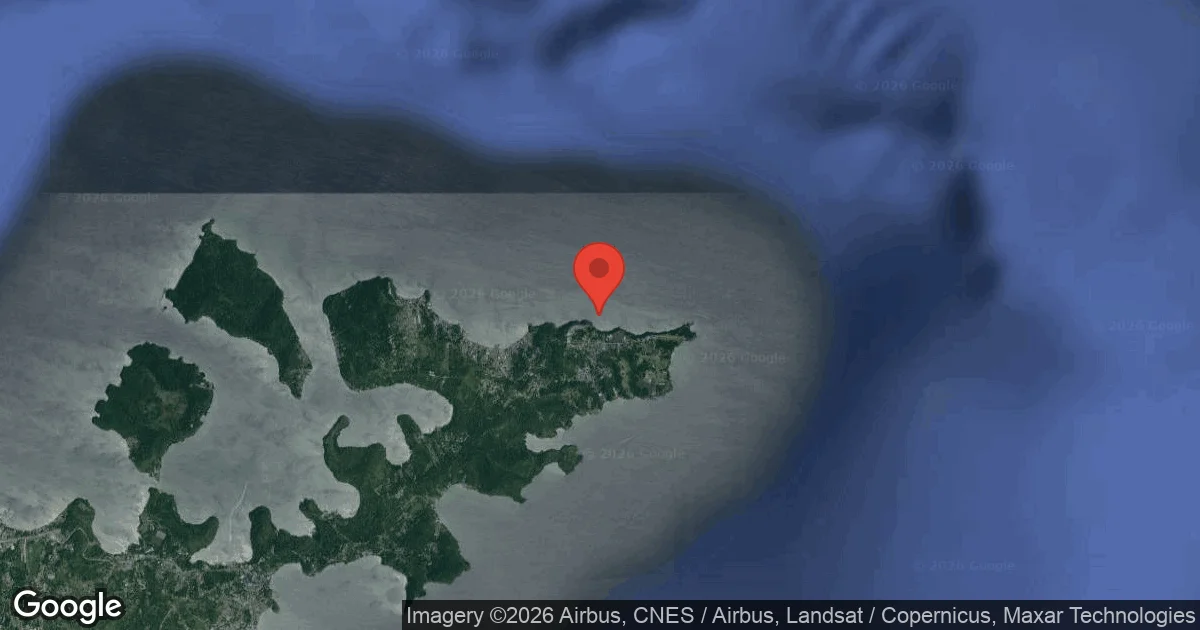
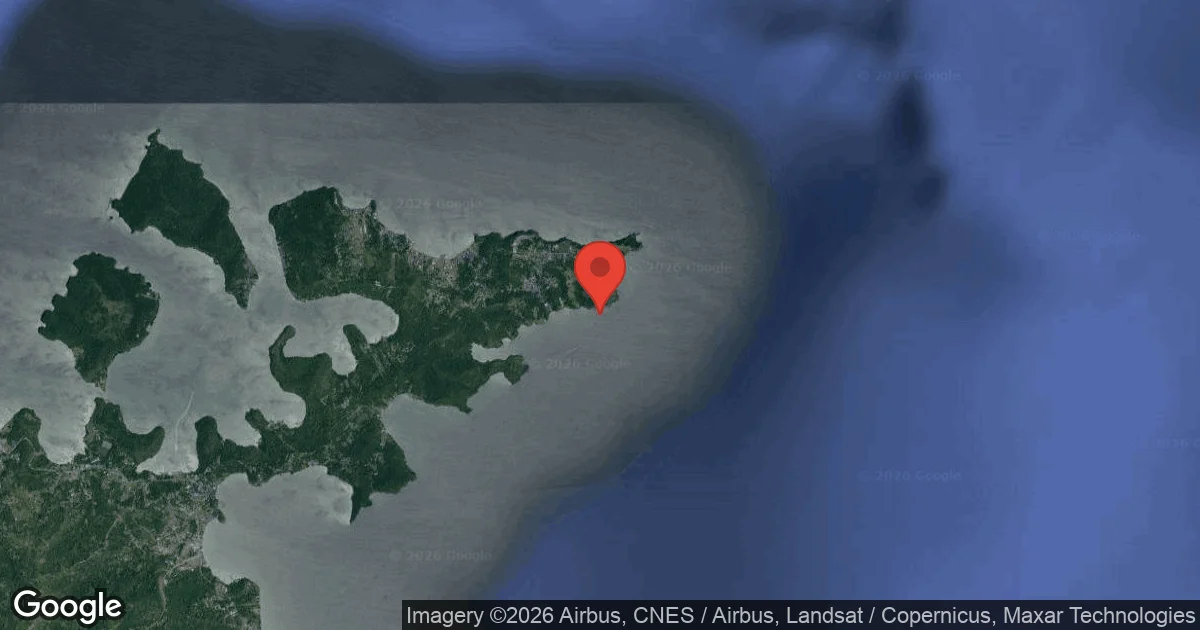
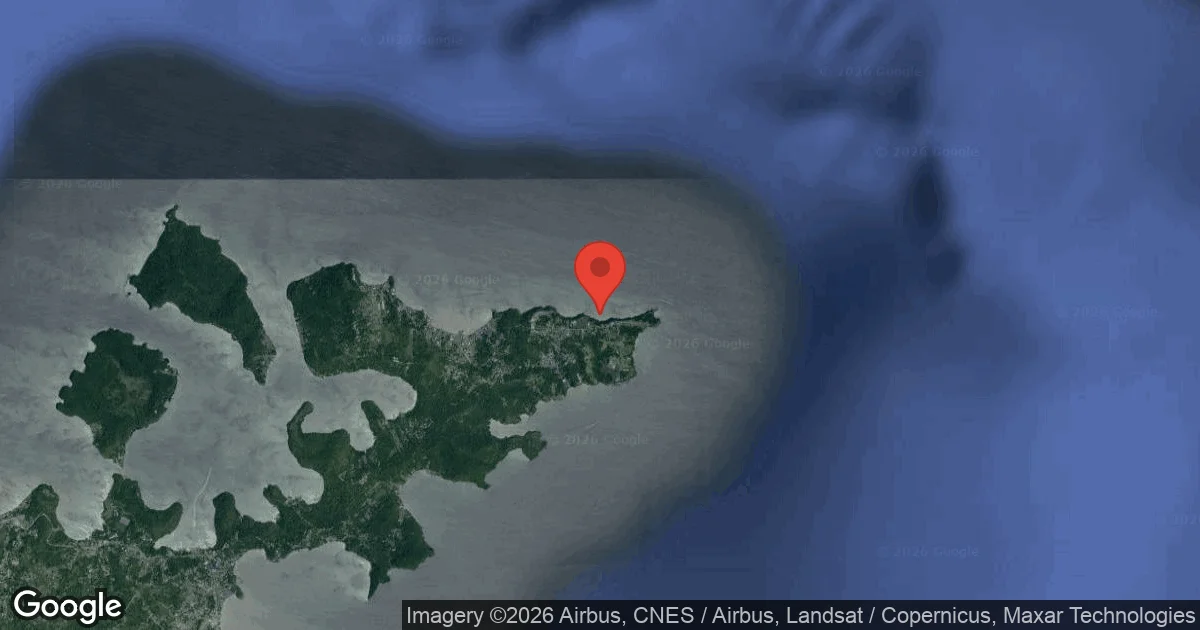
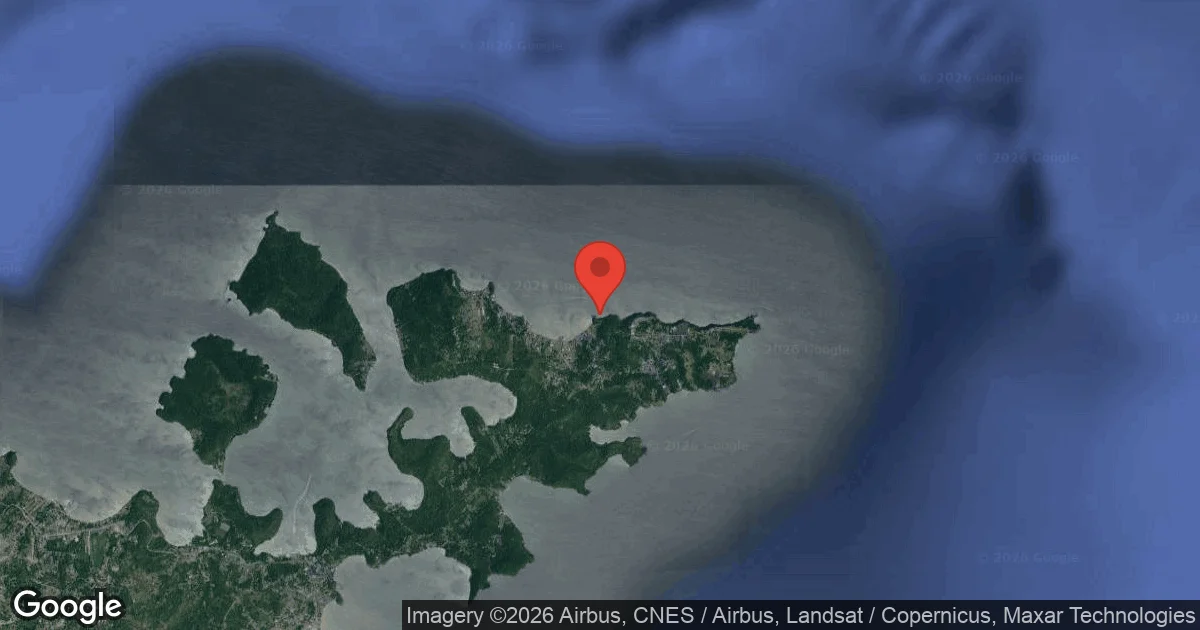
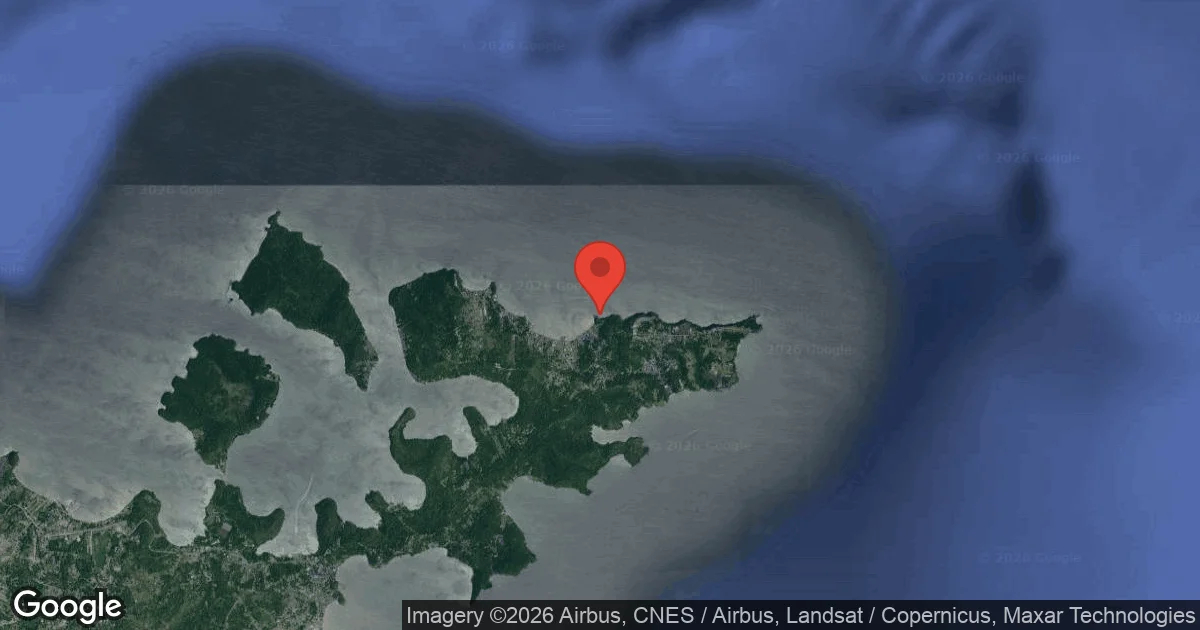
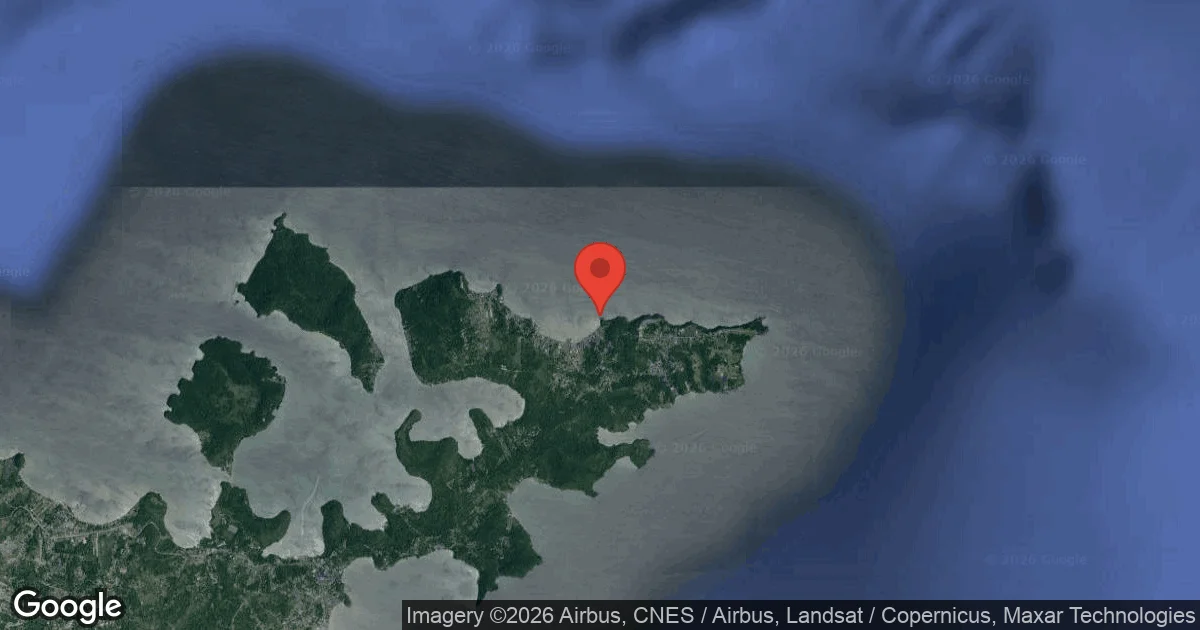
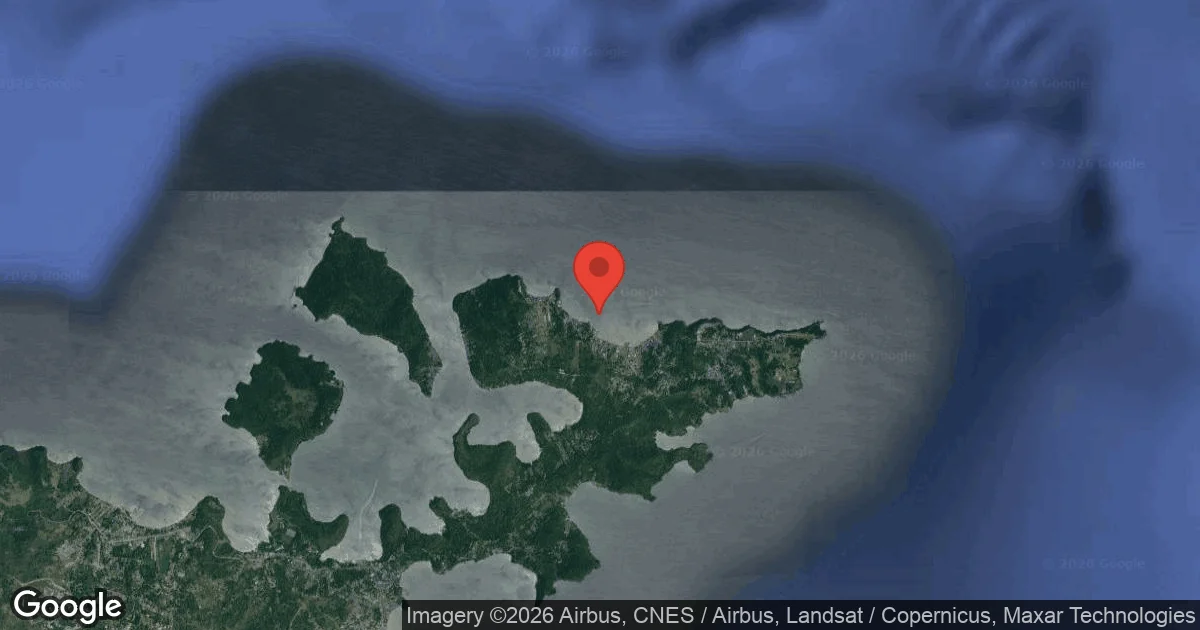
View all dive sites in PhilippinesDiscover more underwater gems in this area.
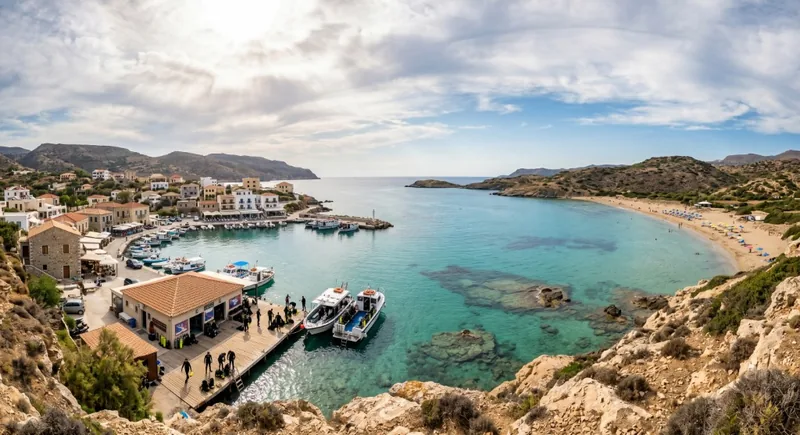
Dive Centers Near Kilima Wall
Today: Open 24 hours
Nearest Airports
Nearest airports to help plan travel to this dive area.
Search Flights
Check available flights and routes on Expedia, using the nearby airports listed in this section.
Search Flights on ExpediaFrequently Asked Questions
What types of diving can I expect at Kilima Wall?
Kilima Wall primarily offers wall diving, characterized by a dramatic vertical drop adorned with corals. It is often experienced as a drift dive, where nutrient-rich currents carry divers along the wall's length.
What is the maximum depth at Kilima Wall?
Kilima Wall reaches a maximum depth of 30 meters (98 feet), making it suitable for recreational divers. Shallower sections are also present, often as a continuation from nearby Kilima Steps.
What marine life might I encounter on a dive here?
Divers often see a variety of marine life, including Stonefish, Scorpionfish, and numerous nudibranchs along the wall. Sea turtles are common, and there's a possibility of encountering Thresher Sharks in the deeper blue, especially during early morning dives.
How are the water conditions and visibility?
Kilima Wall typically boasts exceptional visibility, offering clear views of the extensive coral formations. While specific monthly water temperatures aren't consistently reported, the tropical Philippine climate ensures generally warm waters year-round.
What skill level is recommended for diving Kilima Wall?
While the site caters to various levels, a PADI Advanced Open Water Diver certification or equivalent is suggested. An Advanced Open Water certification helps divers manage the wall's depth and potential drift currents more effectively.
Is boat entry required for Kilima Wall?
Yes, access to Kilima Wall is typically by boat. Boat access allows for convenient drop-offs directly onto the site and facilitates pick-ups, especially after a drift dive.
Planning to dive Kilima Wall?
Send one inquiry and receive offers directly from the best verified local dive operators.
Conditions are Good
Optimal conditions expected
Current conditions near Kilima Wall show 28° air, 29° sea temperature, 0.1 m waves, and 18 km/h wind. Forecast data is refreshed regularly to ensure accuracy.