
Diving at Sardine Ball (Philippines)
Moalboal consistently offers excellent conditions for diving, particularly at the Sardine Ball site. Year-round dive scores are generally good to excellent, supporting the vibrant spectacle of millions of sardines. A permanent bait ball phenomenon provides a dynamic underwater encounter, accessible directly from shore in Moalboal, Cebu. Divers can anticipate comfortable temperatures and typically calm seas.
As evening covers Sardine Ball, the local air temperature is measured at 29°C. The current wave height at the surface is recorded at 0 m. These late-day readings characterize the surface conditions for the night.
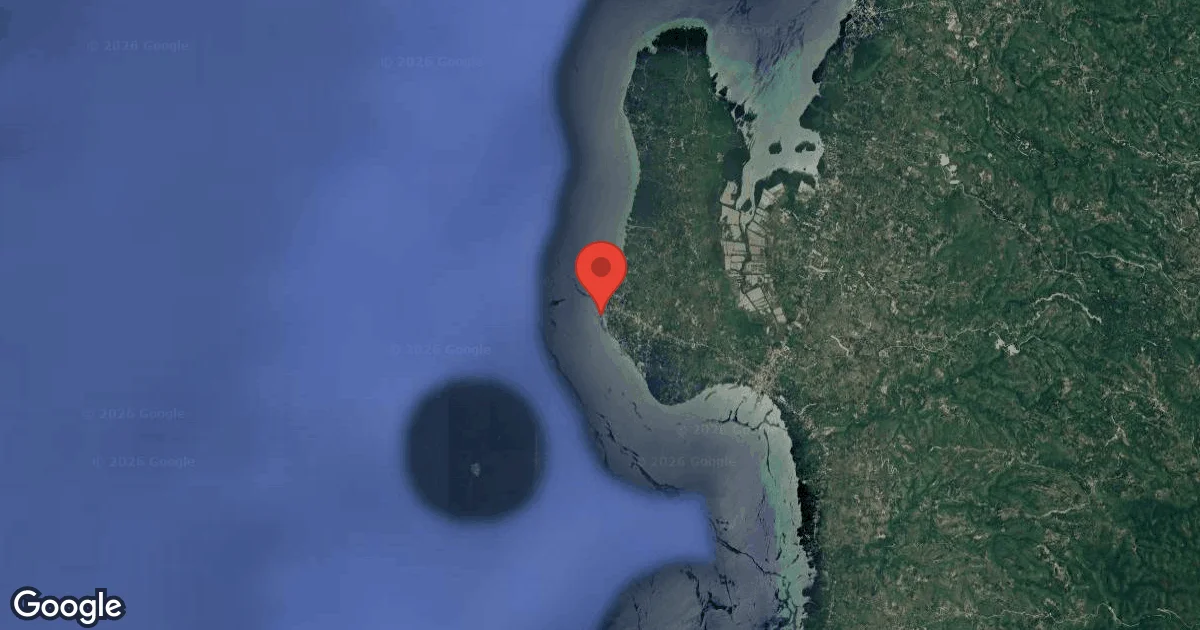
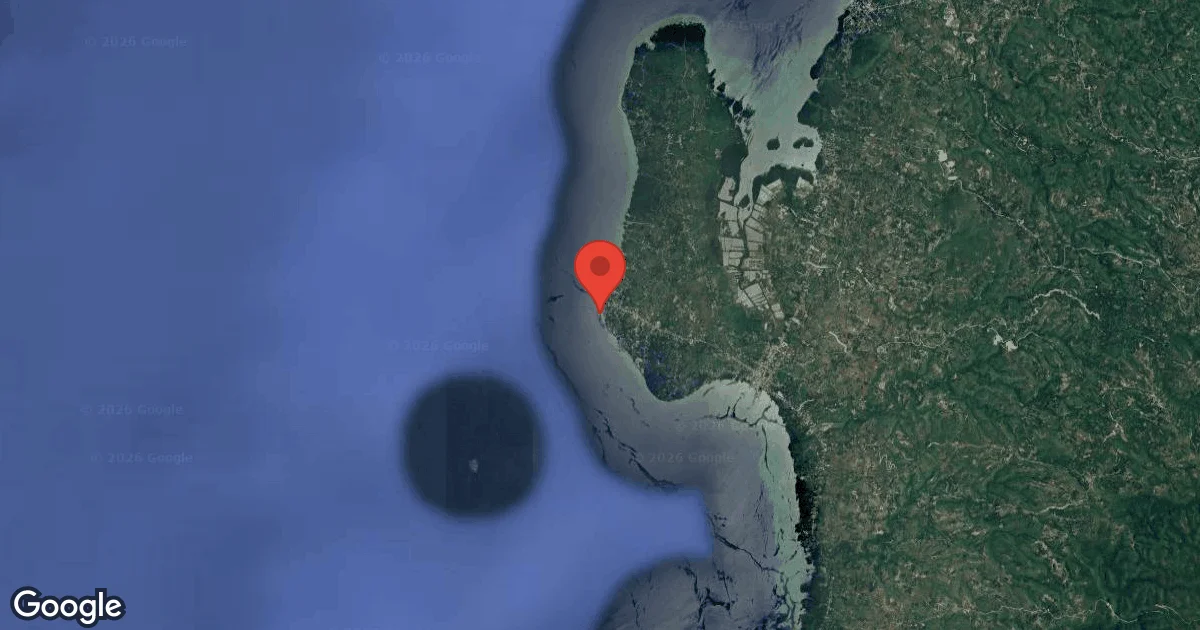
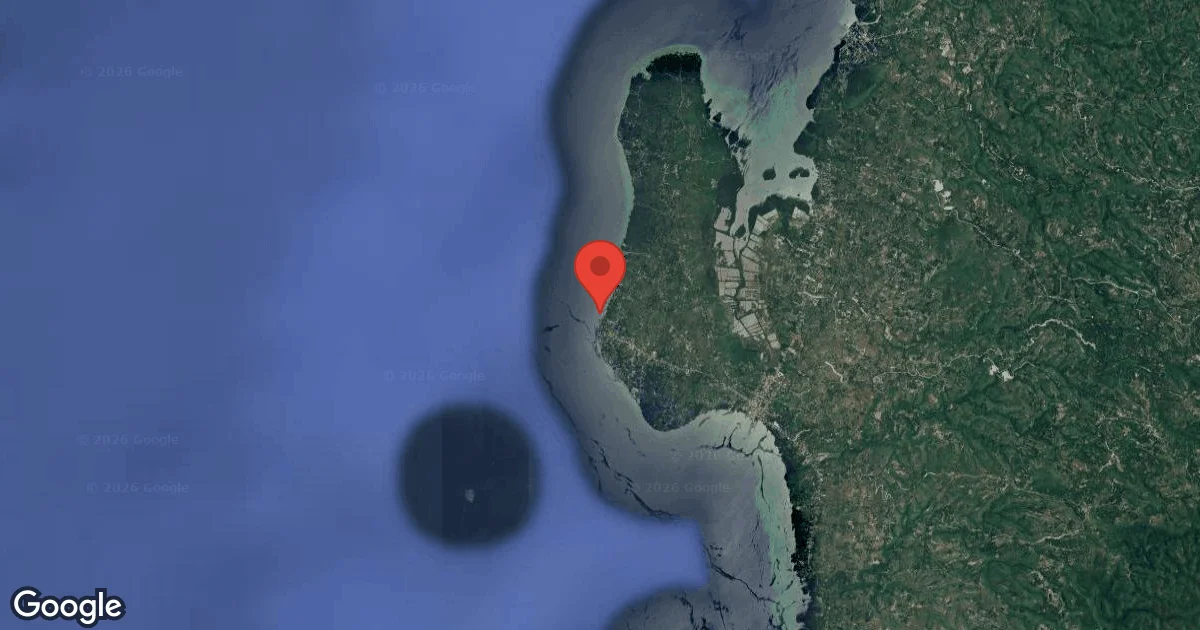
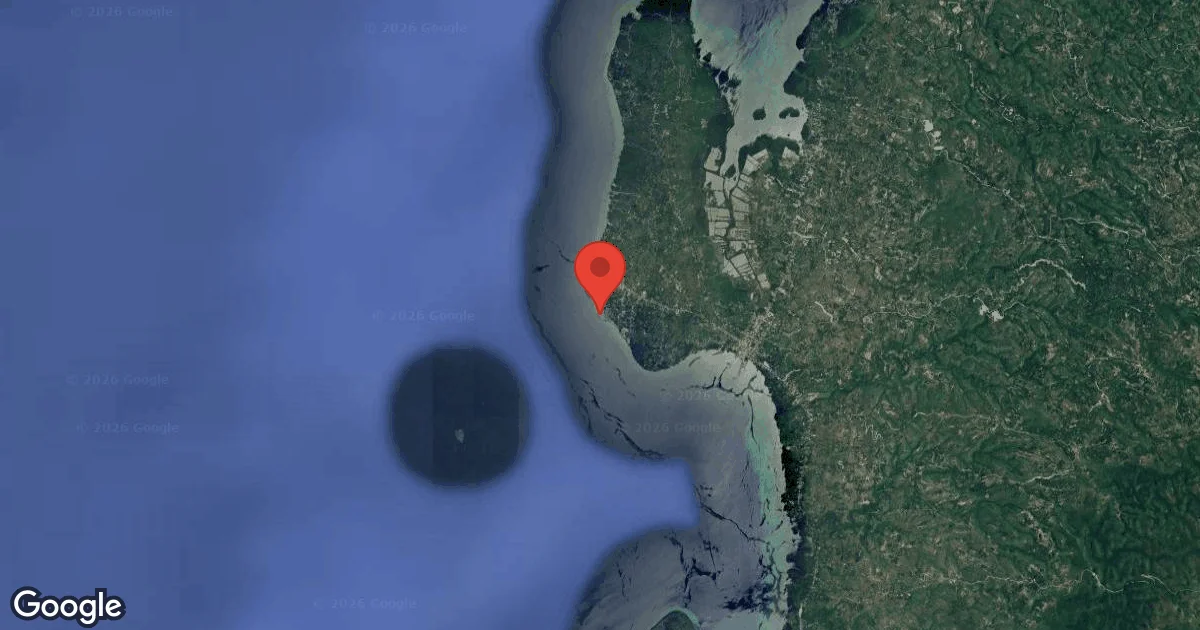
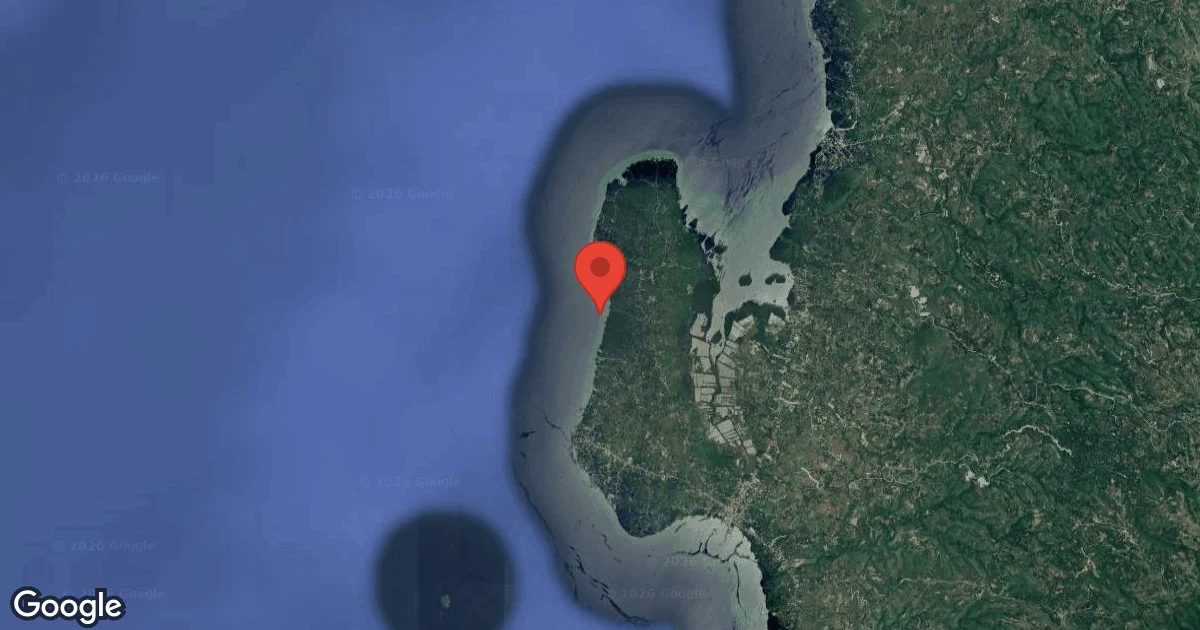
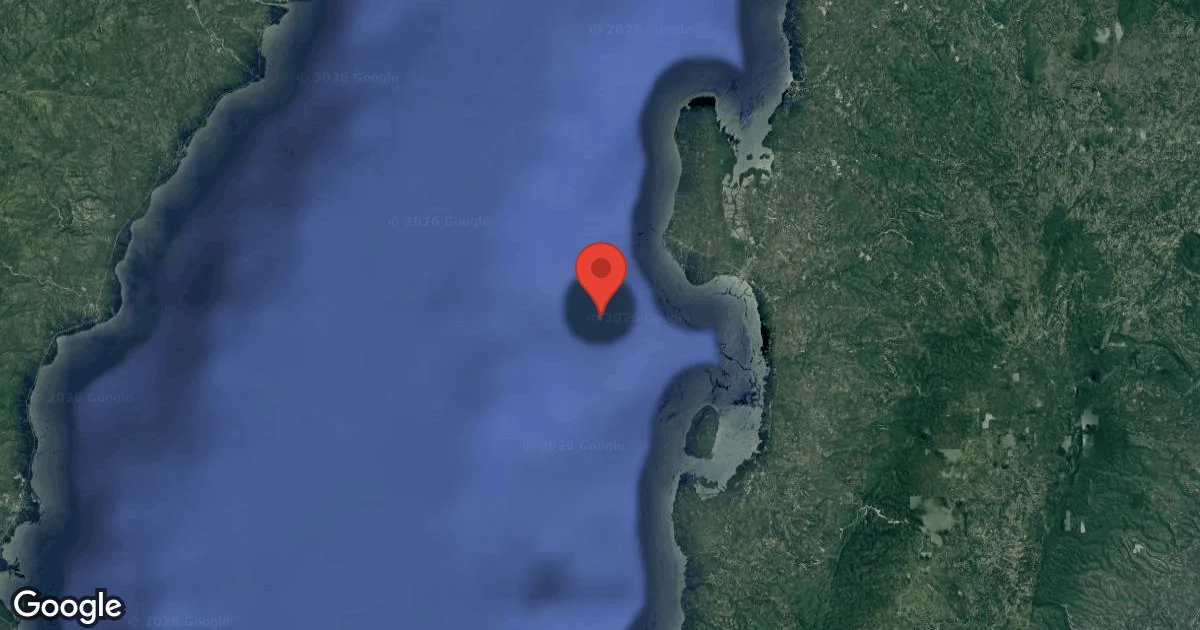
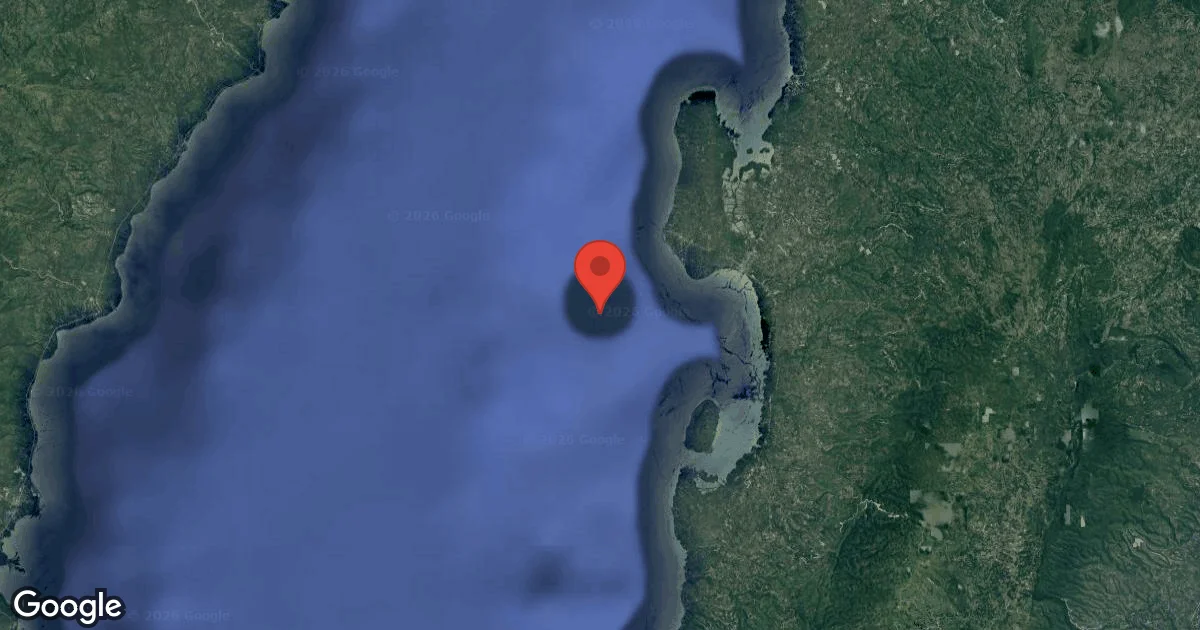
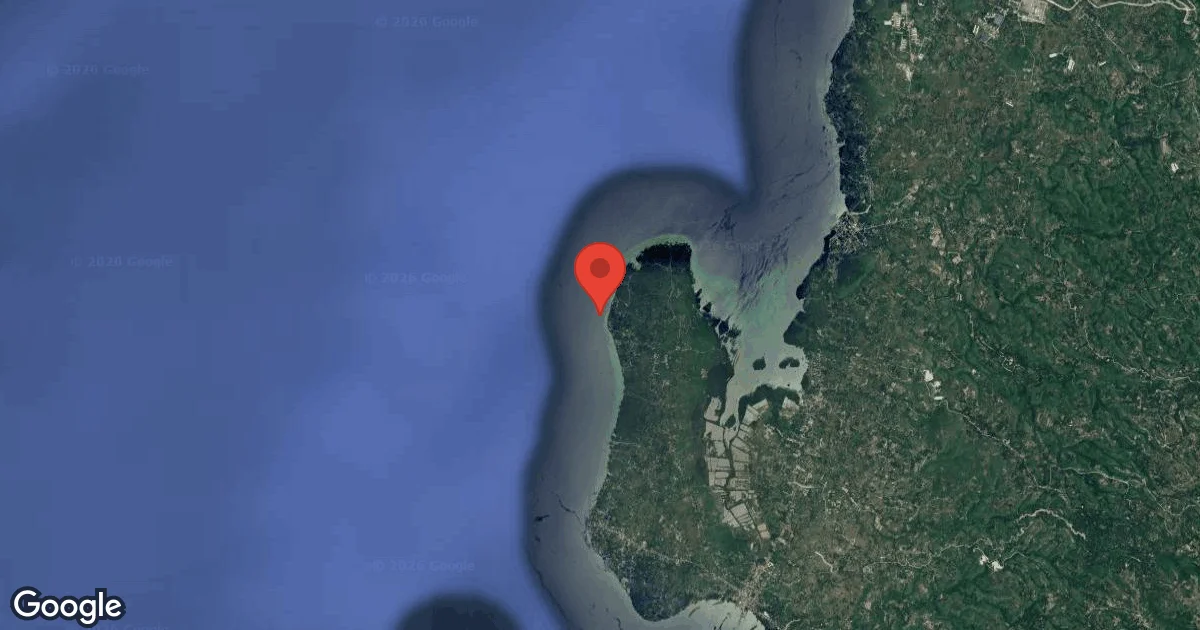
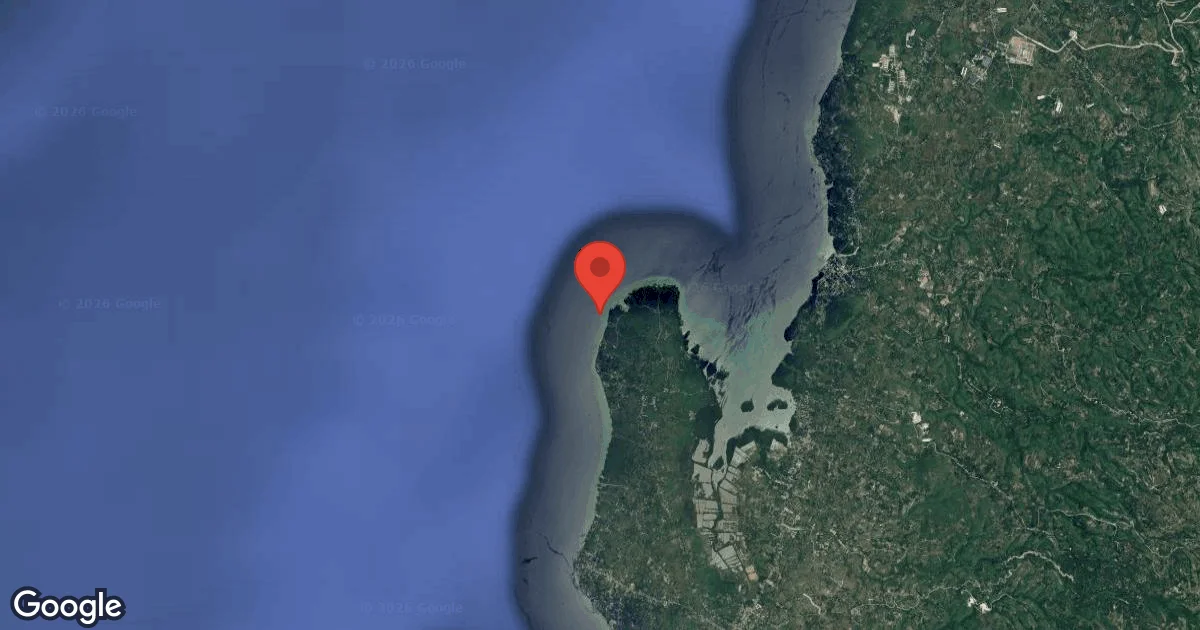
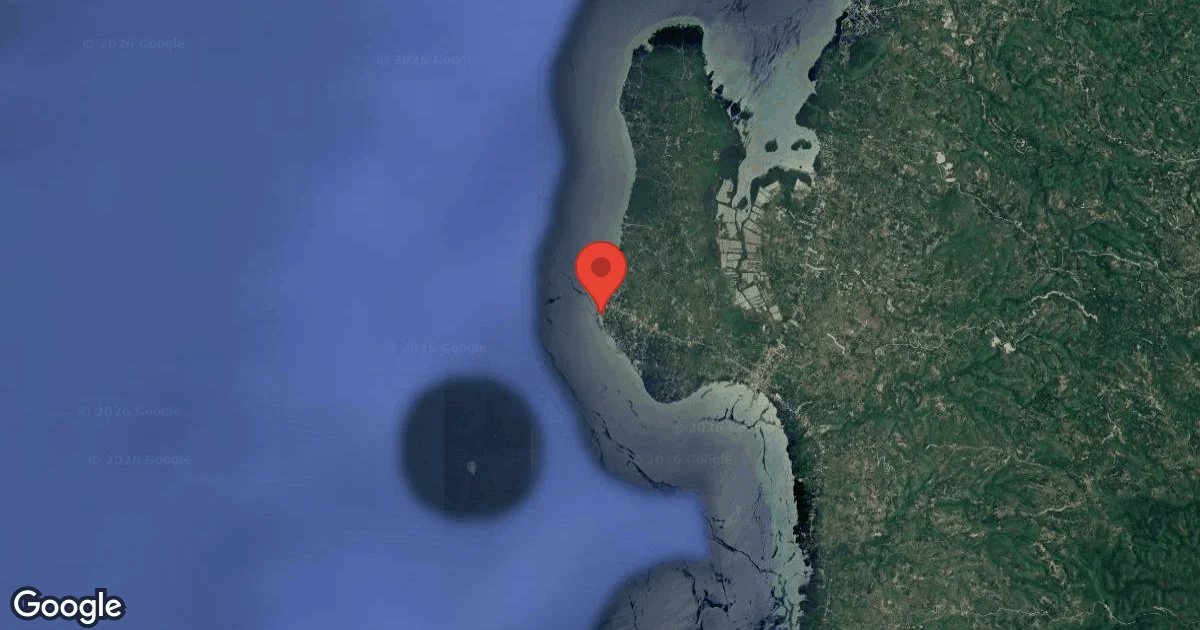
Dive Site Location & Key Facts
Dive Site Overview
Moalboal's sardine bait ball presents a dynamic, living spectacle that consistently captivates divers. This immense aggregation of small fish forms a permanent, accessible feature, differentiating it from seasonal migratory events found globally.
Millions of sardines coalesce into dense, spherical formations as a natural defense mechanism against predation. Observing their synchronized movements, the shoal transforms into fluid, shifting shapes, often resembling a colossal, singular entity that constantly reconfigures itself underwater.
Remarkably, this event is frequently enjoyed as a shore dive directly from Panagsama Beach, eliminating the need for extended boat travel. Such a vast volume of bait fish acts as a powerful magnet for a diverse range of marine predators.
Frequent sightings include various shark species, occasional whale sharks, and dolphins, all drawn by the abundant food source. Turtles also regularly patrol the edges of the school.
Witnessing the intricate interplay of survival strategies, from the sardines' coordinated defense to the predators' hunting behaviors, offers a profound glimpse into the marine ecosystem's balance. Divers often find themselves enveloped by the shimmering mass, experiencing an immersive encounter unlike many other dive sites. While the main body of the bait ball can be encountered within shallower, recreational depth limits, observers can also explore the adjacent reef wall to watch these interactions unfold at varying depths.
Conditions are Excellent
07:00 - 14:00
Optimal conditions expected
Current conditions near Sardine Ball show 29° air, 30° sea temperature, 0.0 m waves, and 15 km/h wind. Forecast data is refreshed regularly to ensure accuracy.
Best Time to Dive
Favorable conditions at the Sardine Ball site persist for much of the year, with excellent dive scores recorded from April through December. Air temperatures generally range from 26.5°C to 29°C (80-84°F), contributing to comfortable surface intervals. While water temperature data is not consistently reported, typical Philippine coastal waters in this region hover around 27-29°C (81-84°F), providing warm diving conditions. Rainfall is relatively low from February to May, averaging around 2.8 to 8.2 mm during these months, and wave heights are typically minimal. Wave heights often remain below 0.2 meters (0.7 ft) during peak excellent dive score months, ensuring calm entries and exits. Such consistent conditions offer abundant opportunities to observe the bait ball in clear, calm seas.
PEAK SEASON SCORE
Scores combine air & water temps, waves, wind & rainfall for overall conditions.
BEST MONTHS TO DIVE
Monthly records compiled from satellite and marine observation nodes over the last 3 years. Data provided by Open-Meteo and MET Norway.
Dive Experience & Conditions
A dramatic reef wall defines the site, dropping significantly less than 30 m (100 ft) offshore and extending beyond 79 m (260 ft) in certain sections. While the bait ball itself can be encountered within recreational depth limits, often shallow enough for snorkeling, divers can descend along the wall to observe predators interacting with the sardines from various perspectives. Maximum depth of the wall provides ample opportunity for deeper exploration if certified, though the primary sardine spectacle generally unfolds in shallower sections. Currents are not consistently reported but can vary depending on local tides and weather; this warrants attention during planning. Visibility often remains good, allowing for clear views of the dynamic sardine formations and the vibrant reef ecosystem.
Dive Difficulty & Safety Guidelines
An expert tip for diving the Sardine Ball involves respecting the natural behavior of the bait ball and its predators. While exhilarating, approaching the schooling sardines too aggressively can cause them to split, disrupting the spectacle for everyone. Maintain a respectful distance from the bait ball and any larger marine life it attracts, allowing them to behave naturally.
Pay attention to your buoyancy, especially when near the reef wall, to avoid accidental contact. Always dive with a buddy, check your gear thoroughly, and monitor your dive computer.
Although generally accessible, local conditions can shift, so always consult with local dive operators about currents and entry points before entering the water.
Recommended Equipment
- Dive Computer
This gear list is based on verified equipment signals for Sardine Ball, Philippines. Always confirm final gear choices with your dive operator, guide, or liveaboard.
Recommended Dive Suit
With water temperatures around 30°C (86°F), many divers find a dive skin or rash guard provides comfortable protection.
Local dive briefings can provide the most accurate guidance.
The upcoming forecast points to generally steady conditions in the area.
Emergency & Medical Support
Essential information to help you plan your dive trip to Sardine Ball.

Hyperbaric chambers are a critical part of dive safety infrastructure. Availability varies significantly by region, and not all dive areas have immediate access.
Before diving, it's recommended to:
- confirm nearest medical facilities
- check emergency procedures with local dive operators
- ensure dive insurance covers evacuation if required
Divers Alert Network
Diving emergency assistance available through DAN World.
+1-919-684-9111- 24/7 emergency hotline
- Diving medical assistance
- Evacuation coordination
Emergency contacts are provided for reference. Always verify local emergency services before diving.
Marine Life at Sardine Ball
What divers notice first at the Sardine Ball is the sheer, overwhelming number of individual fish moving as one cohesive unit. A silvery, shimmering mass continuously shifts shape, appearing as a giant, fluid entity against the deep blue or the reef wall.
Beyond the sardines themselves, the site draws an impressive array of pelagic predators. Common sightings include various species of sharks, occasional whale sharks, dolphins, and numerous turtles, all drawn by the abundant food source.
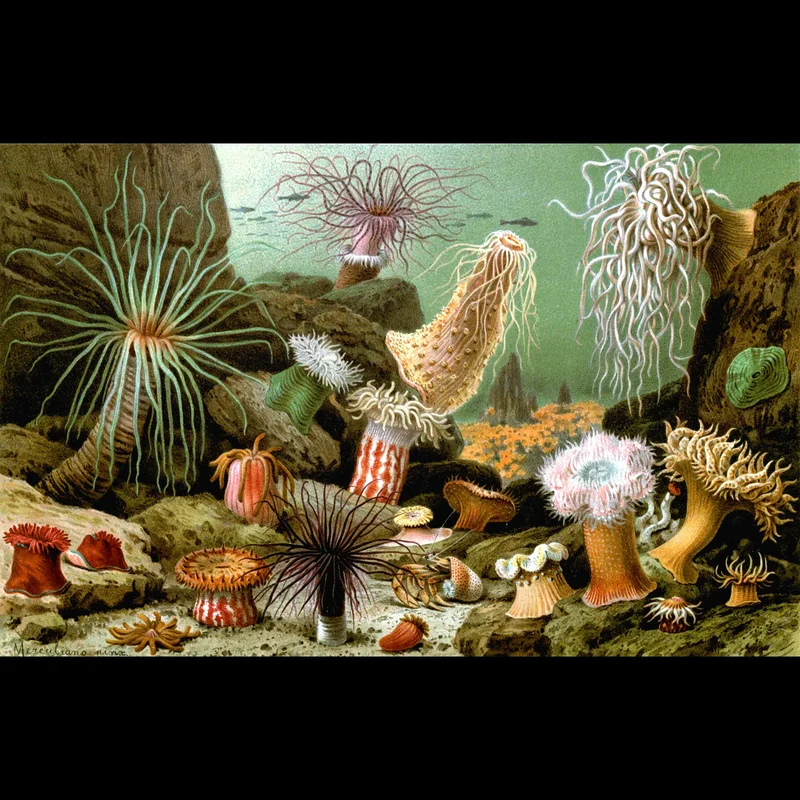
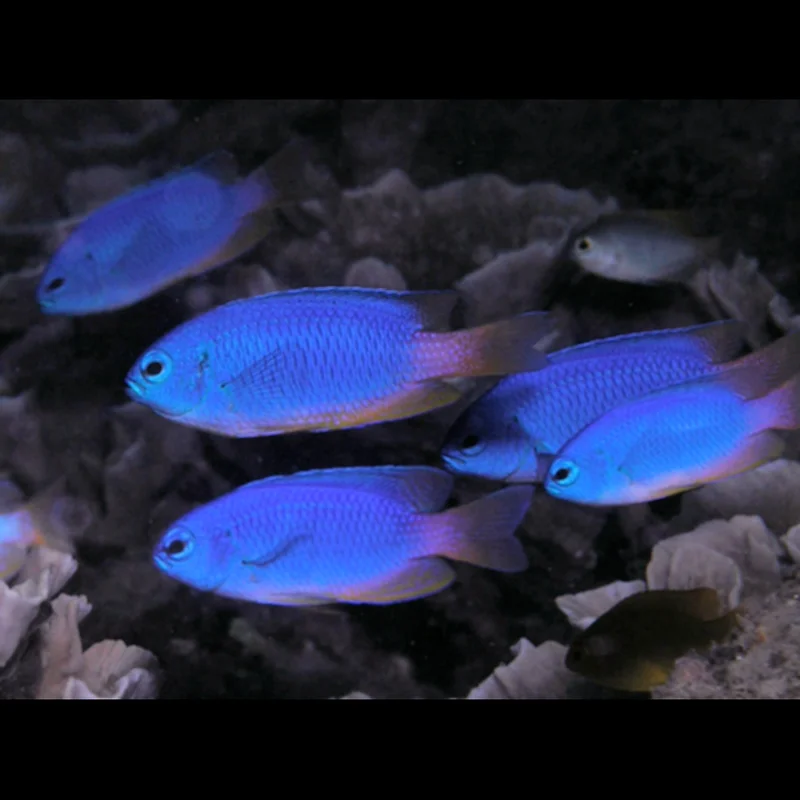
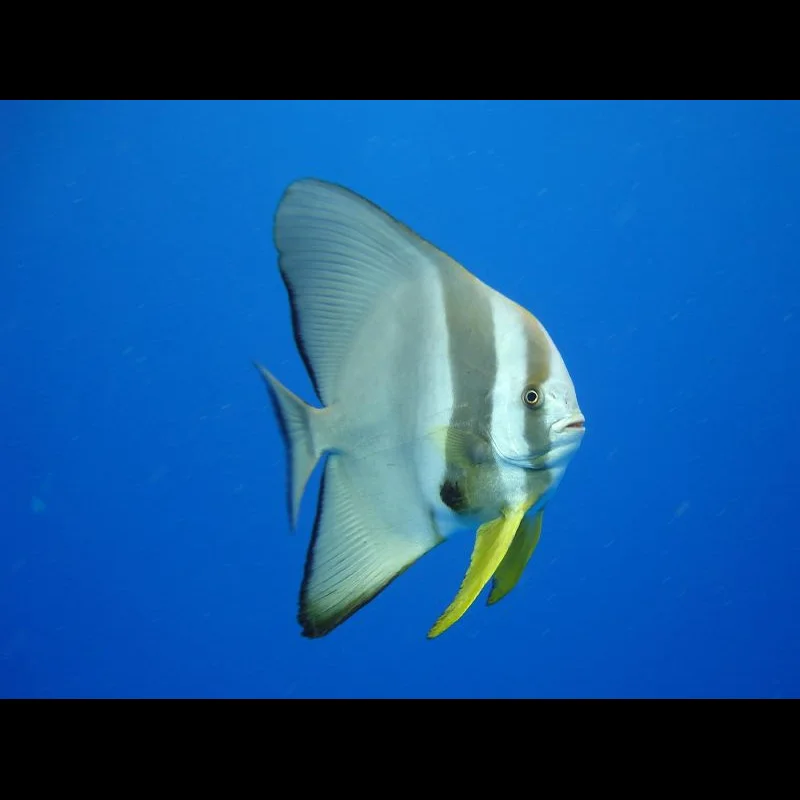
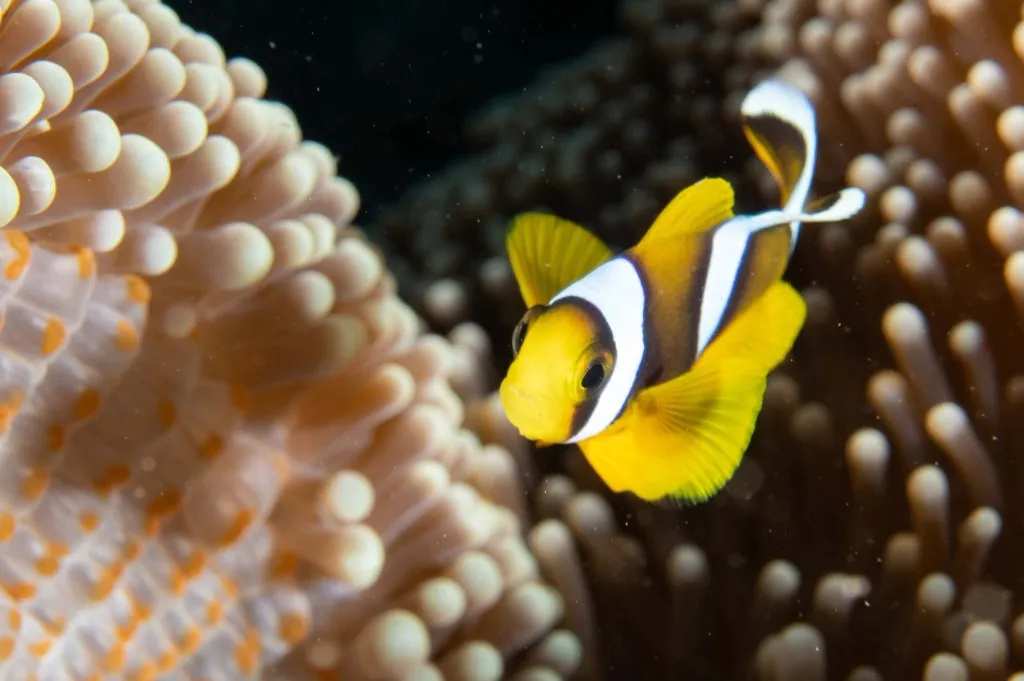
The surrounding reef wall also hosts vibrant sea anemones, clownfish, batfish, and damselfish, providing a contrasting backdrop to the sardine spectacle.

Dive Sites Near Sardine Ball
View all dive sites in PhilippinesDiscover more underwater gems in this area.
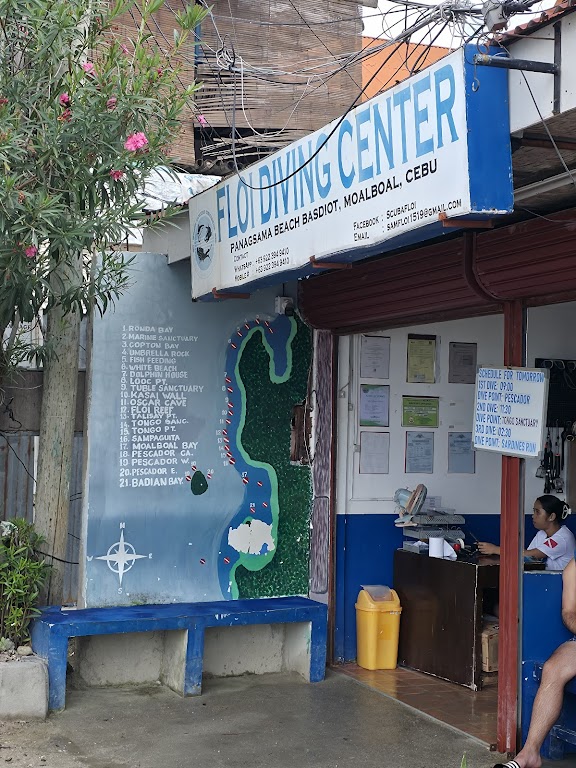
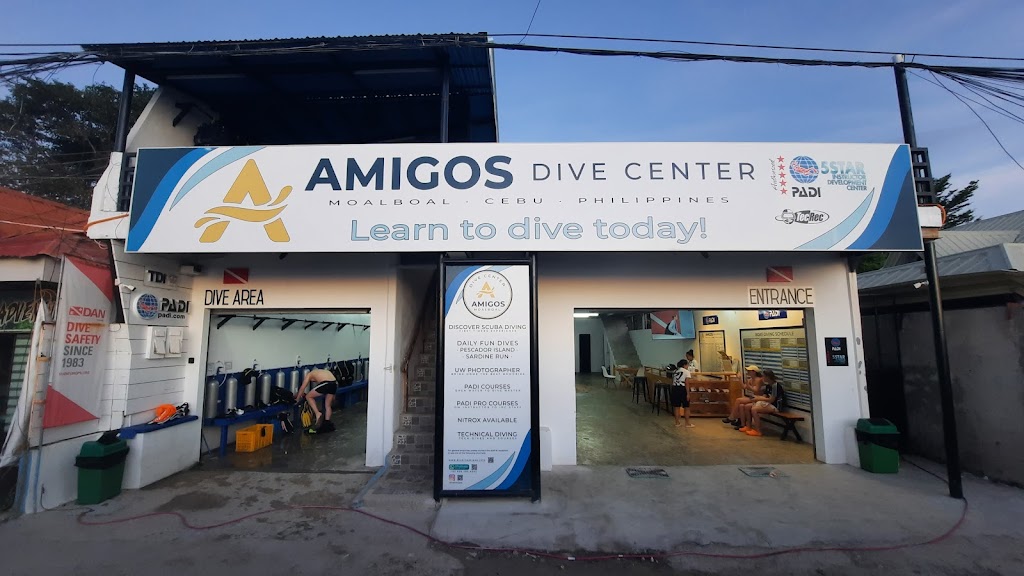
Dive Centers Near Sardine Ball
Today: 07:00 - 22:00
Nearest Airports
Nearest airports to help plan travel to this dive area.
Search Flights
Check available flights and routes on Expedia, using the nearby airports listed in this section.
Search Flights on ExpediaFrequently Asked Questions
Is the Sardine Ball a permanent fixture?
Yes, unlike migratory runs found elsewhere, the Moalboal sardine ball is a permanent resident. It is observable nearly daily, providing consistent opportunities for divers and snorkelers.
What depth is the sardine ball typically found?
The sardine ball is often close to the surface, making it accessible for snorkelers and divers alike. It can be observed within recreational diving depths, usually in the shallower parts of the dive site.
Are there currents at the dive site?
Currents can vary depending on local conditions and tides. It's best practice to check with local dive operators on the day of your dive for the most current assessments and entry advice.
What kind of visibility can I expect?
Visibility is generally good at the Sardine Ball, allowing for clear views of the massive sardine schools and the adjacent reef wall. Conditions can occasionally be affected by weather or plankton blooms.
Can beginners dive the Sardine Ball?
Yes, its accessibility and often calm conditions make it suitable for certified open water divers. While the main spectacle is shallower, exploring deeper sections of the wall may require advanced certifications.
What other marine life might I see at the Sardine Ball?
Besides the millions of sardines, the site attracts larger predators such as various species of sharks, occasional whale sharks, dolphins, and turtles. The reef wall itself hosts a diverse array of colorful reef fish and invertebrates.
Planning to dive Sardine Ball?
Send one inquiry and receive offers directly from the best verified local dive operators.
Conditions are Excellent
07:00 - 14:00
Optimal conditions expected
Current conditions near Sardine Ball show 29° air, 30° sea temperature, 0.0 m waves, and 15 km/h wind. Forecast data is refreshed regularly to ensure accuracy.