
Diving at Neptune's House Reef (Philippines)
Neptune´s House Reef in Moalboal presents generally good to excellent diving conditions throughout much of the year, with calmer waters and higher dive scores dominating from April through December. Wave heights are typically minimal during these months, facilitating smoother entry and exit. Air temperatures remain consistently warm, hovering between 26°C and 29°C (79°F and 84°F).
As evening covers Neptune's House Reef, the local air temperature is measured at 28°C. The current wave height at the surface is recorded at 0 m. These late-day readings characterize the surface conditions for the night.
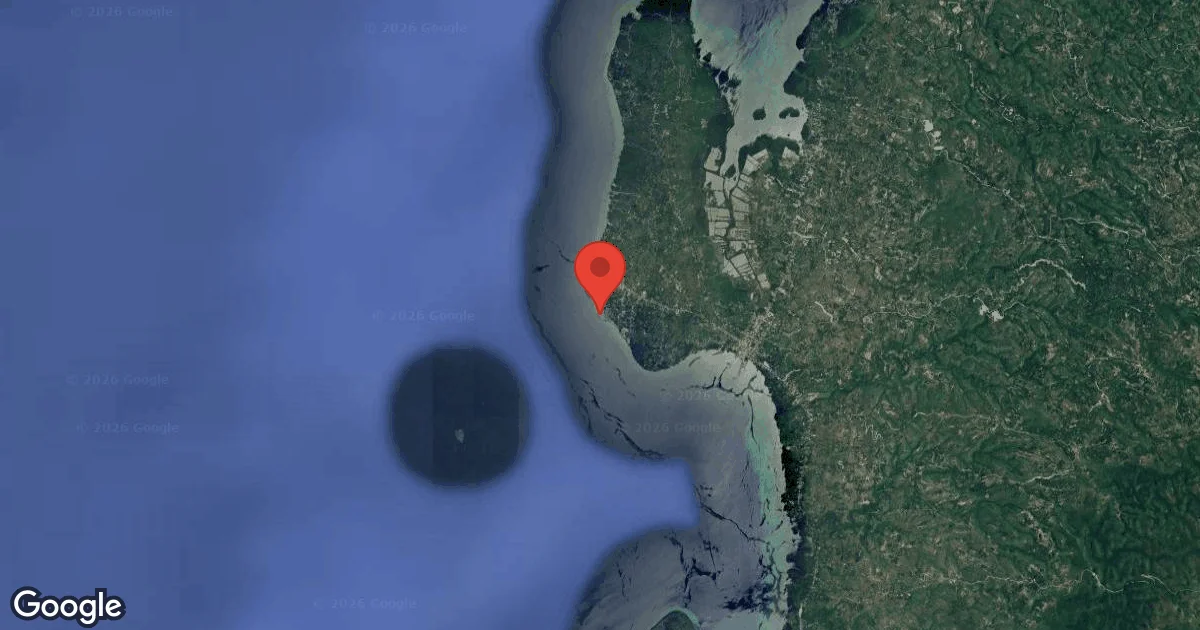
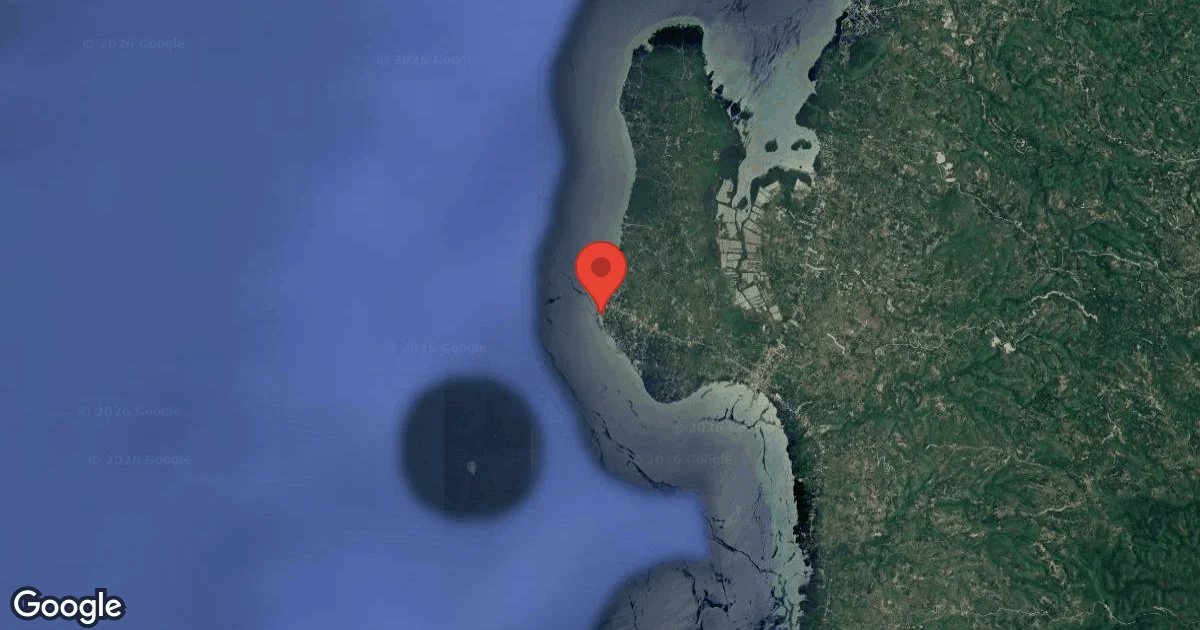
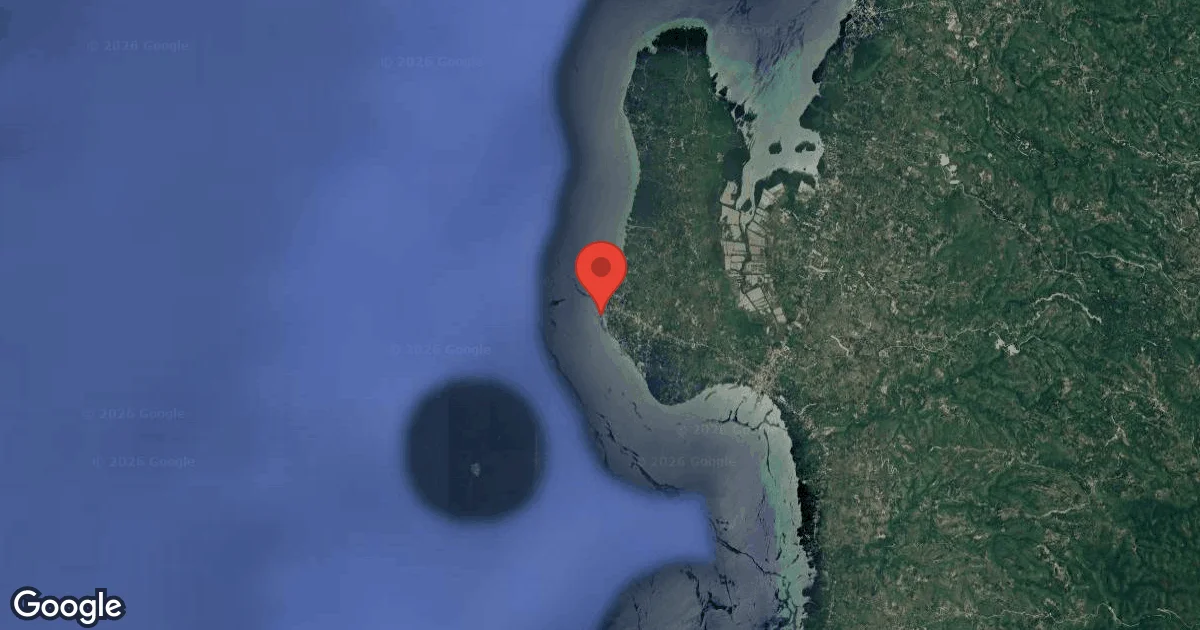
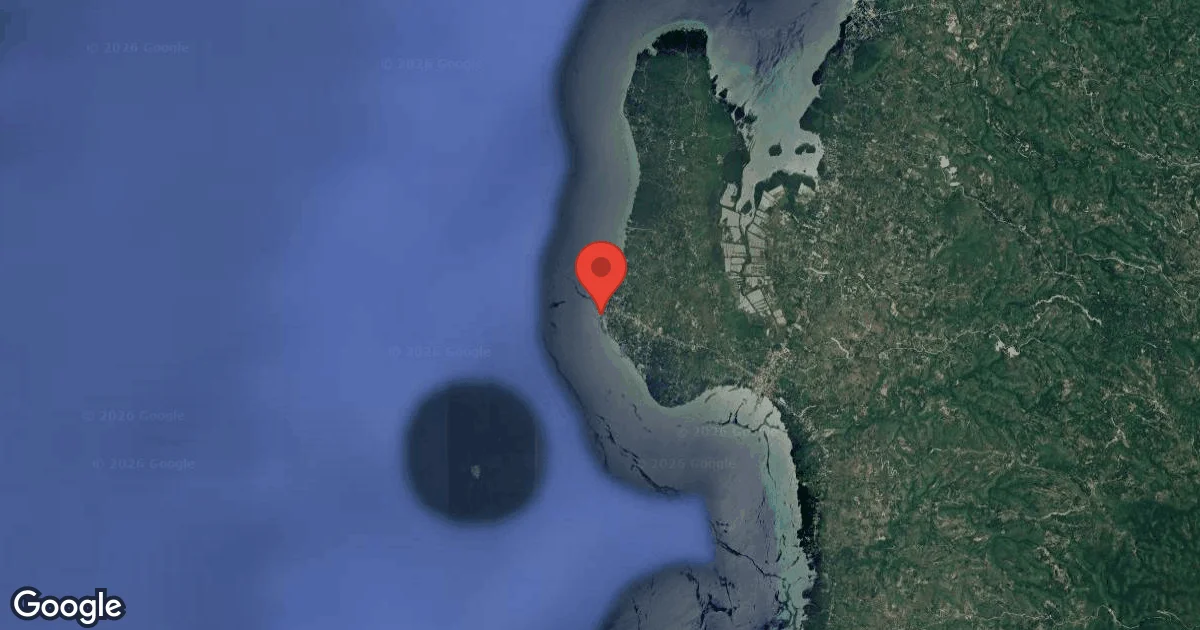
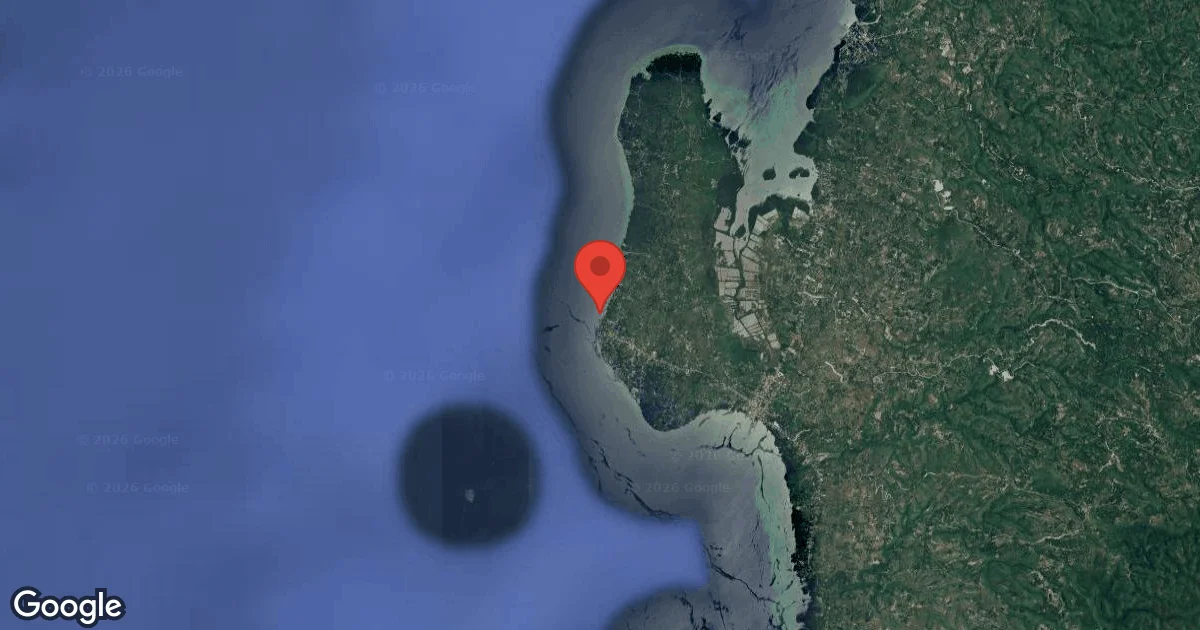
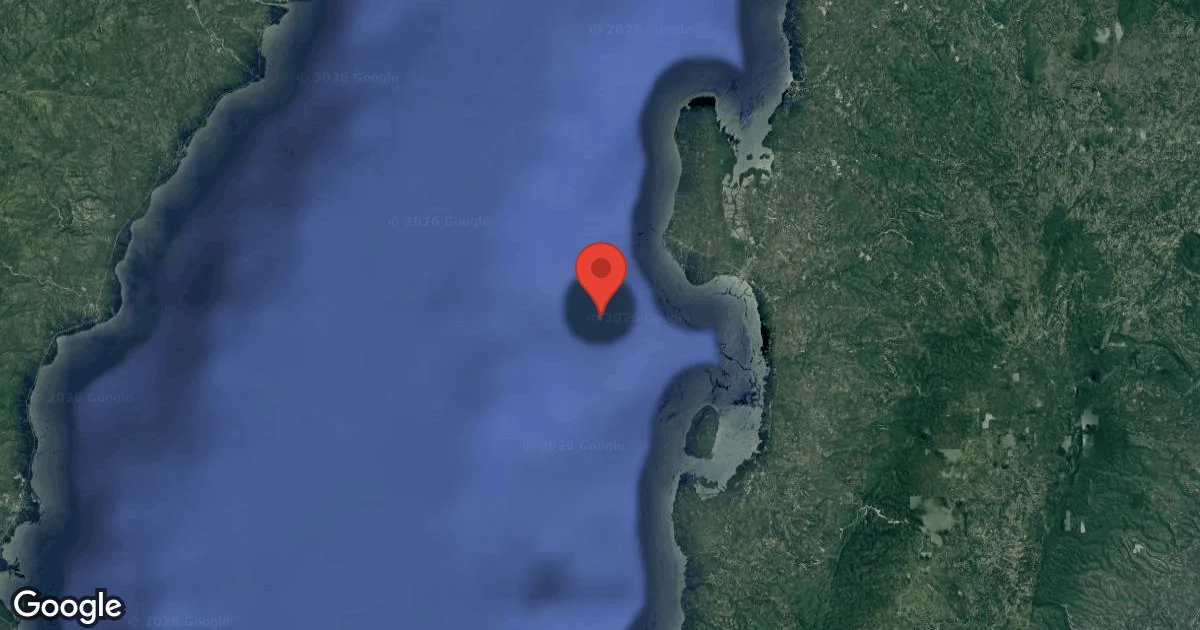
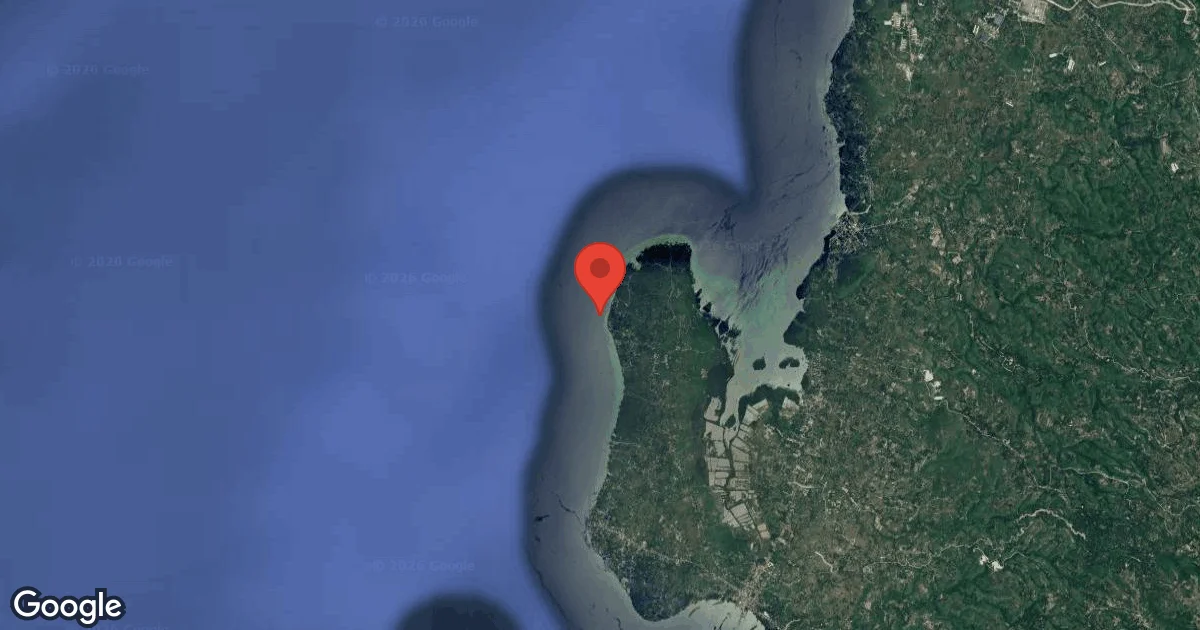
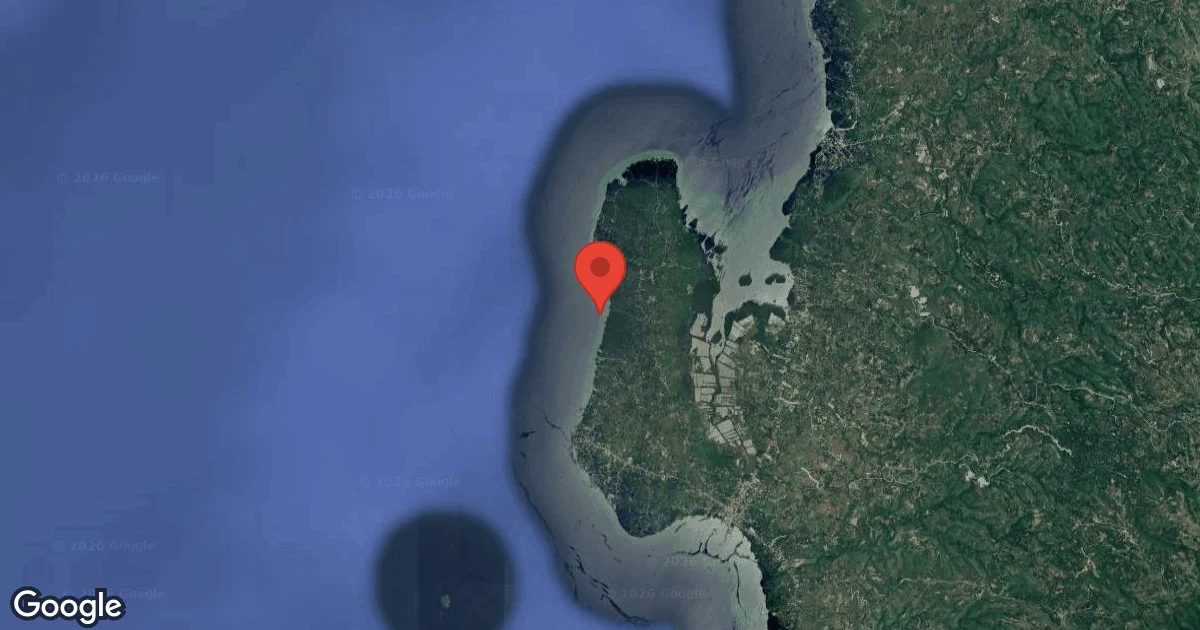
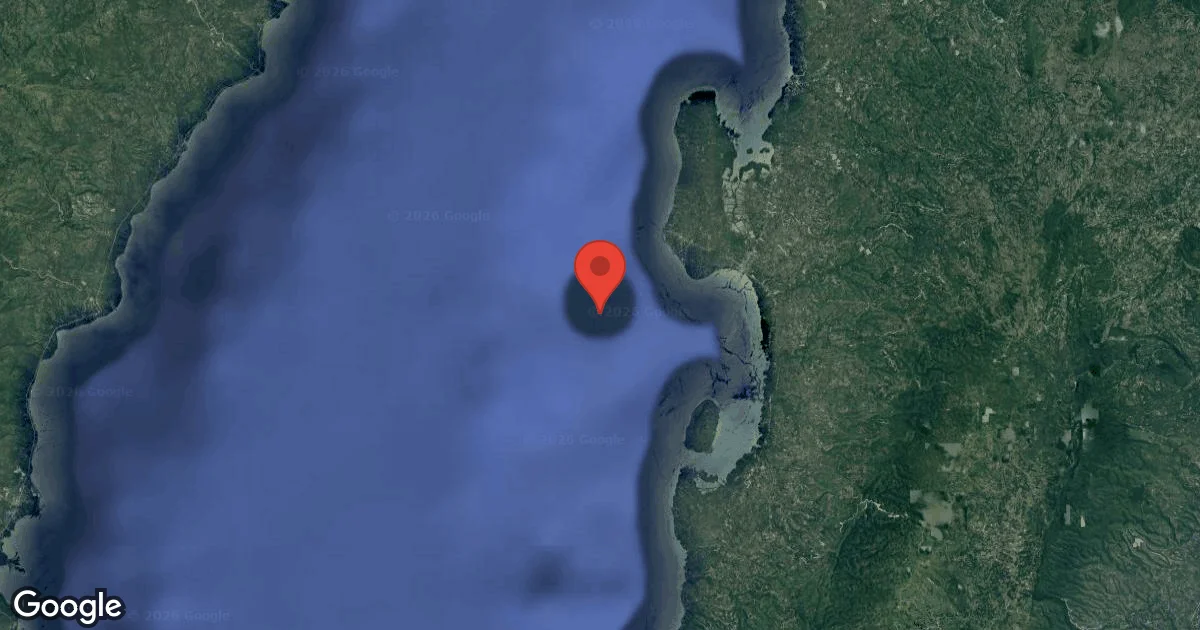
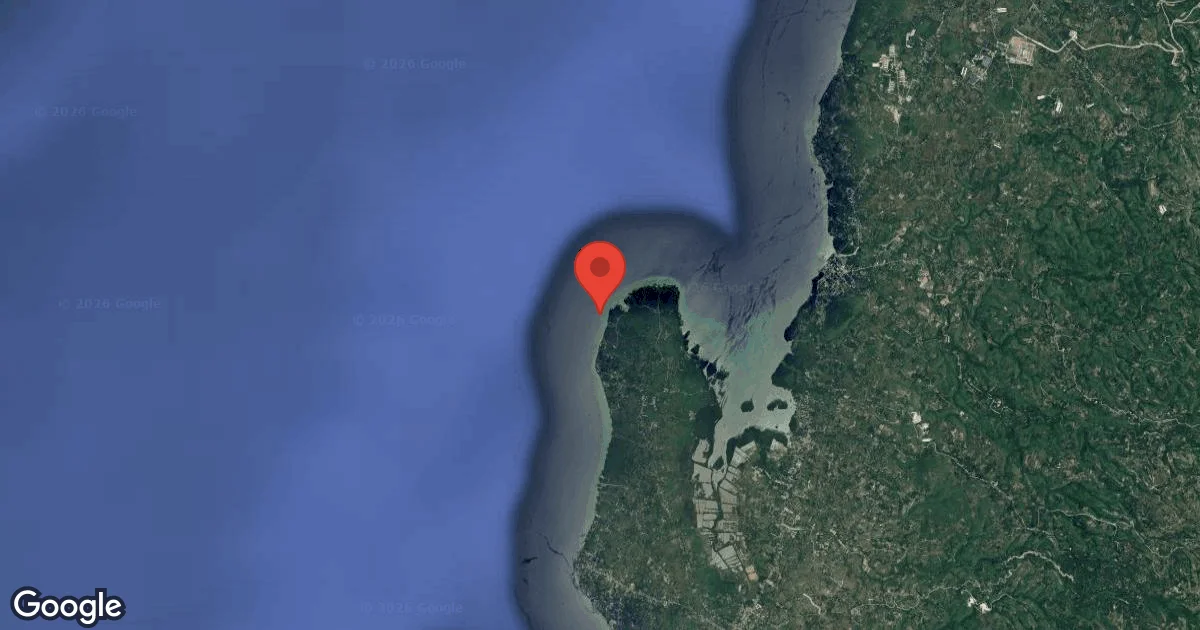
Dive Site Location & Key Facts
Dive Site Overview
This site forms the northern extension of Moalboal's prominent Sardine Storm area. Its unique positioning means the large amounts of plankton feeding the sardine shoals are still abundant here, influencing the local ecosystem directly.
Consequently, while the site may not feature extensive hard or soft coral formations due to these plankton-rich, less clear water conditions, it robustly supports a diverse range of marine life adapted to this specific environment. Divers will explore a reef and wall system, descending to a maximum depth of 40 m / 131 ft. Both shore and boat entries are common here, providing flexible access for various dive operations and preferences.
The dive profiles can range significantly, from shallow reef exploration suitable for open water divers to deeper wall segments that appeal to those with advanced certifications. The consistent presence of nutrient-rich waters ensures a vibrant, if sometimes turbid, underwater setting.
This area acts as a crucial feeding ground, fostering a complex food chain from the smallest organisms to larger pelagic species. While extensive hard coral gardens are not the primary feature, the ecosystem's productivity creates its own compelling underwater landscape.
Conditions are Good
07:00 - 14:00
Optimal conditions expected
Current conditions near Neptune's House Reef show 28° air, 30° sea temperature, 0.1 m waves, and 17 km/h wind. Forecast data is refreshed regularly to ensure accuracy.
Best Time to Dive
Planning a dive at Neptune's House Reef often yields excellent experiences from April to June and August to December. During these periods, average monthly rainfalls are relatively low, typically ranging from 2.8 mm to 9.95 mm, contributing to more predictable surface conditions. Air temperatures consistently remain warm, fluctuating between 27°C and 29°C (81-84°F), which ensures comfortable topside conditions before and after dives. Although specific water temperatures aren't consistently reported, the warm air suggests pleasant underwater conditions. The lowest average wave heights also occur during these months, particularly from May to September, making boat rides and entries generally calm.
PEAK SEASON SCORE
Scores combine air & water temps, waves, wind & rainfall for overall conditions.
BEST MONTHS TO DIVE
Monthly records compiled from satellite and marine observation nodes over the last 3 years. Data provided by Open-Meteo and MET Norway.
Dive Experience & Conditions
Entering Neptune's House Reef is flexible, with options for both boat and shore-based dives. Shore entries are often utilized for sunset dives, particularly to spot specific nocturnal marine life. Once submerged, divers navigate a reef that transitions into a wall, with depths extending to 40 meters. The presence of significant plankton, a characteristic carried over from the nearby Sardine Storm, might reduce visibility at times but enriches the ecosystem for specific species. Moderate currents might be encountered, varying depending on the specific dive plan and tidal movements. This variability makes it a site where conditions can shift, influencing the overall dive profile.
Dive Difficulty & Safety Guidelines
Divers of varying skill levels can explore Neptune's House Reef, as it accommodates both beginner and advanced certifications. Open Water divers can enjoy shallower reef sections, while Advanced Open Water divers can venture to the wall's deeper reaches. Understanding basic dive planning, including appropriate gas management and decompression limits, is crucial, especially when exploring deeper areas.
As with any wall dive, maintaining good buoyancy control helps protect the reef structure and ensures a safe ascent profile. Staying aware of potential currents, which aren't consistently strong but can vary, is also a recommended practice for all divers.
Recommended Equipment
Deep dive hazard. Increased narcosis and gas consumption risk.
- Dive Computer
- DSMB
- Primary & Backup Lights
This gear list is based on verified equipment signals for Neptune's House Reef, Philippines. Always confirm final gear choices with your dive operator, guide, or liveaboard.
Recommended Dive Suit
In these water temperatures, dive skin or rash guard is a common choice for recreational diving. Longer dive profiles can make thermal protection more important than short exploratory dives.
The waters surrounding Neptune's House Reef are currently maintaining temperatures close to 30°C (86°F). Surface air temperatures are resting at 28°C (83°F).
Environmental conditions appear stable for the near future.
Due to technical issues with our weather providers, data hasn't been fetched for over 48 hours. The data above reflects the conditions at the time of the last successful fetch.
Emergency & Medical Support
Essential information to help you plan your dive trip to Neptune's House Reef.

Hyperbaric chambers are a critical part of dive safety infrastructure. Availability varies significantly by region, and not all dive areas have immediate access.
Before diving, it's recommended to:
- confirm nearest medical facilities
- check emergency procedures with local dive operators
- ensure dive insurance covers evacuation if required
Divers Alert Network
Diving emergency assistance available through DAN World.
+1-919-684-9111- 24/7 emergency hotline
- Diving medical assistance
- Evacuation coordination
Emergency contacts are provided for reference. Always verify local emergency services before diving.
Marine Life at Neptune's House Reef
What often catches a diver's eye first at Neptune's House Reef is the sheer abundance of plankton, a vital food source that sustains the larger ecosystem. This attracts significant schools of sardines, particularly as the site borders the Sardine Storm.
Beyond the schooling fish, patient observers might encounter rarer creatures such as the Flying Gurnard, Blue-Ringed Octopus, and Ornate Ghost Pipefish. Turtles are also commonly sighted gliding past the reef, adding to the dynamic marine environment. The productive waters support a consistent variety of smaller reef inhabitants.

Dive Sites Near Neptune's House Reef
View all dive sites in PhilippinesDiscover more underwater gems in this area.
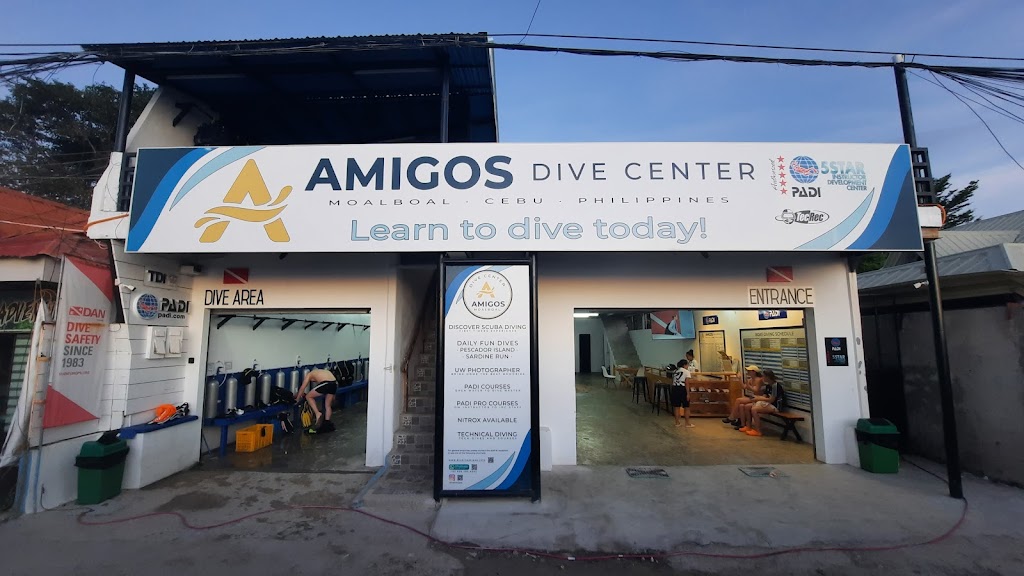
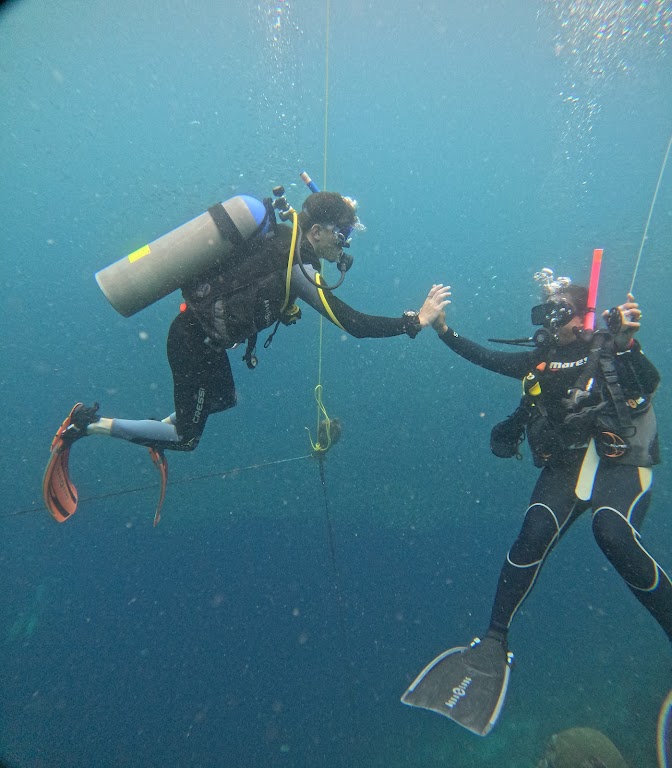
Dive Centers Near Neptune's House Reef

Today: 07:00 - 22:00
Nearest Airports
Nearest airports to help plan travel to this dive area.
Search Flights
Check available flights and routes on Expedia, using the nearby airports listed in this section.
Search Flights on ExpediaFrequently Asked Questions
Is Neptune´s House Reef suitable for beginners?
Yes, this site accommodates divers of various experience levels. Beginners can enjoy the shallower reef areas, while those with advanced certifications can explore the deeper wall sections.
What kind of marine life can I expect to see?
The site is known for its plankton, which attracts large sardine schools. Keep an eye out for turtles, and if you're lucky, rarer finds like Flying Gurnards, Blue-Ringed Octopuses, and Ornate Ghost Pipefish.
What is the maximum depth at Neptune´s House Reef?
Divers can descend to a maximum depth of 40 meters (131 feet) at this site. The dive profile includes both a sloping reef and a wall, offering options for different depth preferences.
Are there currents at the dive site?
Yes, currents can be encountered at Neptune´s House Reef. Their strength and direction vary depending on specific conditions and tidal movements, so divers should be prepared for potential shifts.
What are the entry options for diving here?
Divers have the flexibility of both boat and shore entries at Neptune´s House Reef. Shore dives are often popular for specific experiences, such as observing nocturnal marine life during sunset dives.
Why aren't there many corals mentioned for this site?
The site's proximity to the Sardine Storm means there's an abundance of plankton in the water. While this supports a rich food chain, corals generally prefer clearer water, leading to fewer extensive hard or soft coral formations here.
What's the best time of year to dive at Neptune's House Reef?
The optimal periods for diving are typically from April to June and August to December. These months offer the lowest rainfall, calmer surface conditions, and consistently warm air temperatures, contributing to excellent dive scores.
Planning to dive Neptune's House Reef?
Send one inquiry and receive offers directly from the best verified local dive operators.
Conditions are Good
07:00 - 14:00
Optimal conditions expected
Current conditions near Neptune's House Reef show 28° air, 30° sea temperature, 0.1 m waves, and 17 km/h wind. Forecast data is refreshed regularly to ensure accuracy.