
Diving at Airplane Wreck (Philippines)
A distinct artificial reef experience awaits divers at the Airplane Wreck in the Philippines, providing a compelling alternative to natural reef and wall dives. A deliberately sunken 2-seater Lancair plane anchors the site, transforming a sandy slope into an engaging underwater attraction. Resting at approximately 20-22 m (65-72 ft), it serves as a focal point for both macro enthusiasts and wreck divers.
As evening covers Airplane Wreck, the local air temperature is measured at 30°C. The current wave height at the surface is recorded at 0 m. These late-day readings characterize the surface conditions for the night.
Dive Site Location & Key Facts
Dive Site Overview
Descending to an artificial reef project initiated by Savedra Dive Center in the 1990s defines the experience at Airplane Wreck. An American 2-seater Lancair plane, purposefully placed on a sandy slope at the edge of a wall, stands as the site's primary feature.
Divers typically begin their descent to an 18 m (60 ft) sandy plateau, then follow the slope down to the plane, which rests around 20-22 m (65-72 ft). While the aircraft is largely stripped of its internal components, its fuselage remains mostly intact; both wings are detached but still positioned in a simulated flying stance. The cockpit is easily accessible, and one tail fin is broken away, lying near the left wing.
This structure creates an engaging environment for exploration and underwater photography. Beyond the wreck, a sloping reef continues, transitioning from sandy patches with seagrass to rocky areas.
Expect to encounter diverse coral formations like staghorn, table corals, sea fans, and delicate sea whips, providing a dynamic backdrop. A dive here offers a refreshing break from typical reef and wall dives, appealing to a broad range of certified divers.
Conditions are Excellent
07:00 - 14:00
Optimal conditions expected
Current conditions near Airplane Wreck show 30° air, 30° sea temperature, 0.0 m waves, and 15 km/h wind. Forecast data is refreshed regularly to ensure accuracy.
Best Time to Dive
Planning your dive around the calmest conditions significantly enhances the experience at Airplane Wreck, especially for photographers aiming for clear shots. Generally, the period from April to November presents excellent dive scores, characterized by reduced rainfall and gentler waves, making surface conditions more pleasant. During these months, average wave heights are notably low, ranging from 0.1-0.2 m (0.3-0.7 ft), and rainfall is minimal, often below 8 mm (0.3 inches). Air temperatures remain consistently warm throughout the year, typically between 26-28°C (79-83°F), contributing to comfortable surface intervals. While good diving is possible year-round, months like April, May, and June tend to offer the clearest visibility and the calmest water. These conditions optimize opportunities for exploring the wreck and its intricate marine life without significant environmental interference.
PEAK SEASON SCORE
Scores combine air & water temps, waves, wind & rainfall for overall conditions.
BEST MONTHS TO DIVE
Monthly records compiled from satellite and marine observation nodes over the last 3 years. Data provided by Open-Meteo and MET Norway.
Dive Experience & Conditions
Approaching the Airplane Wreck, divers will find the site suitable for various skill levels, though an Advanced Open Water certification is recommended to fully appreciate the wreck depth. A descent along a mooring buoy rope to an 18 m (60 ft) sandy slope often initiates the dive, leading to the plane. Visibility at the site can vary, typically ranging between 5-20 m (16-65 ft) depending on currents and recent weather. Currents can be a notable factor, with reported speeds from 1-3 knots, potentially offering exhilarating drift diving experiences along the wall. Underwater, a sandy plateau at shallower depths transitions to rocky slopes, adorned with staghorn corals, impressive sea fans, and delicate sea whip corals as you approach and explore the wreck area.
Dive Difficulty & Safety Guidelines
When navigating the Airplane Wreck, divers should remain vigilant about current conditions, as the site can experience moderate to strong currents of 1-3 knots. Planning with local dive operators to understand daily tidal influences is crucial for a safe experience. Maintaining excellent buoyancy control is essential to avoid disturbing the fragile coral formations that encrust the wreck and surrounding reef.
Nitrox is often recommended for those certified, allowing for extended bottom times to thoroughly explore the plane and its abundant macro life without incurring decompression stress. Always respect the marine environment by observing wildlife without touching or harassing it.
Recommended Equipment
Overhead / entanglement risk. Wreck penetration requires proper training.
Current and surface separation risk. Local briefing strongly recommended.
- Dive Computer
- DSMB
- Primary & Backup Lights
- Wreck Reel
- Reel / Spool
- Cutting Tool
This gear list is based on verified equipment signals for Airplane Wreck, Philippines. Always confirm final gear choices with your dive operator, guide, or liveaboard.
Recommended Dive Suit
Exposure protection is partly a personal preference.
Dive skin or rash guard typically provides a reliable level of thermal protection for dives here. Surface temperatures may decrease slightly later in the week. Cooler days are ahead; you might want a warmer option for later in the week. Carrying a secondary suit is common practice among experienced divers.
Divers heading to Airplane Wreck today should expect water temperatures around 30°C (87°F). Surface air temperatures are resting at 30°C (86°F).
Emergency & Medical Support
Essential information to help you plan your dive trip to Airplane Wreck.

Hyperbaric chambers are a critical part of dive safety infrastructure. Availability varies significantly by region, and not all dive areas have immediate access.
Before diving, it's recommended to:
- confirm nearest medical facilities
- check emergency procedures with local dive operators
- ensure dive insurance covers evacuation if required
Divers Alert Network
Diving emergency assistance available through DAN World.
+1-919-684-9111- 24/7 emergency hotline
- Diving medical assistance
- Evacuation coordination
Emergency contacts are provided for reference. Always verify local emergency services before diving.
Marine Life at Airplane Wreck
Around the Airplane Wreck, divers are immediately struck by the vibrant life that has claimed the artificial structure. Hard and soft corals thickly cover the plane, creating a home for numerous tropical reef fish.
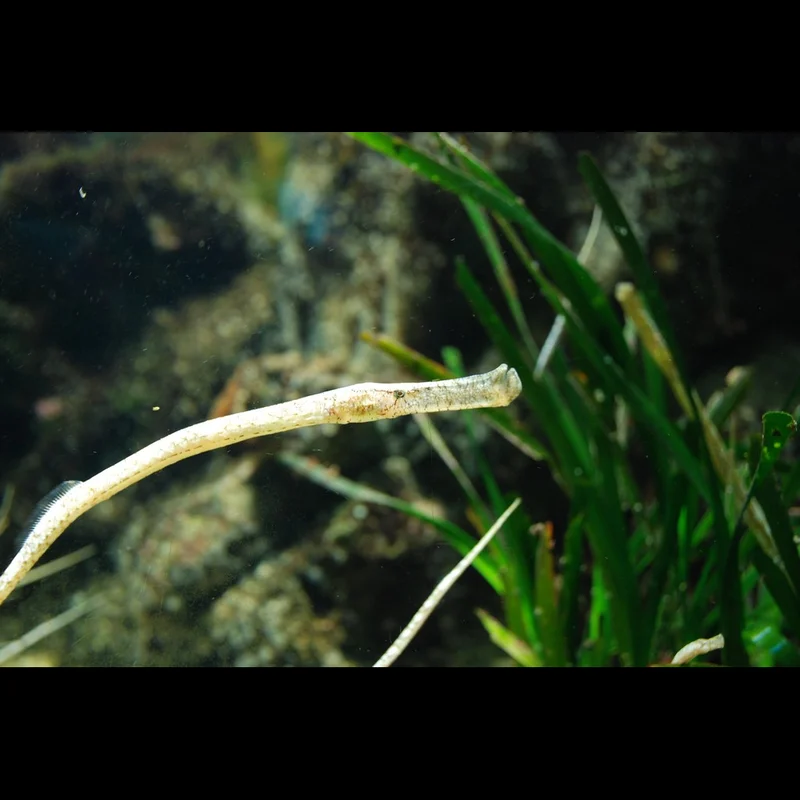
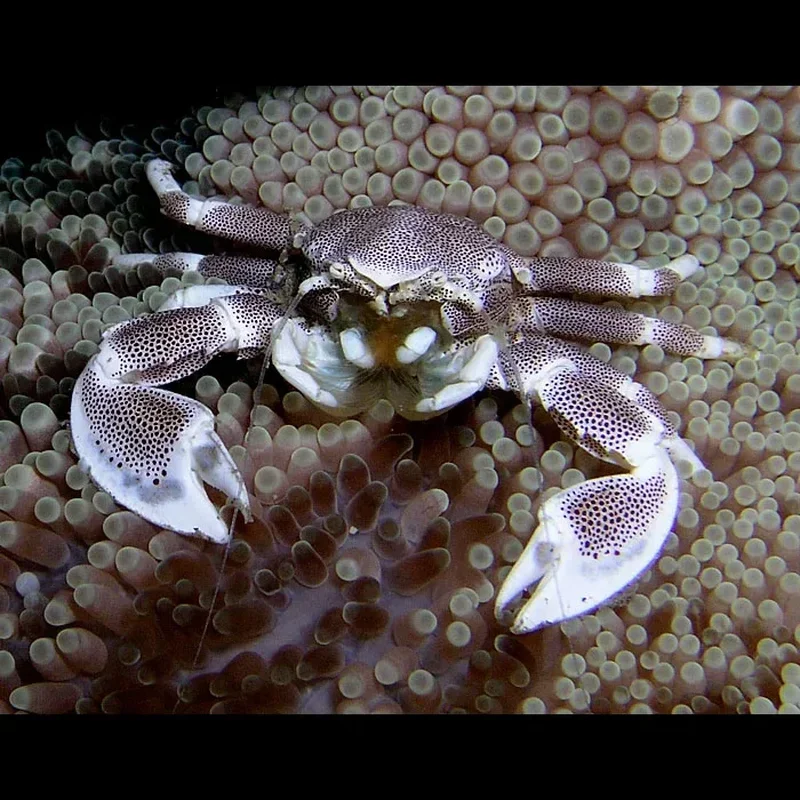
Shoals of sardines frequently pass through the shallows, accompanied by schools of jacks, snappers, and groupers. For macro enthusiasts, the site is a rewarding hunt for critters such as pipefish, feathered starfish, mantis shrimps, and porcelain crabs.
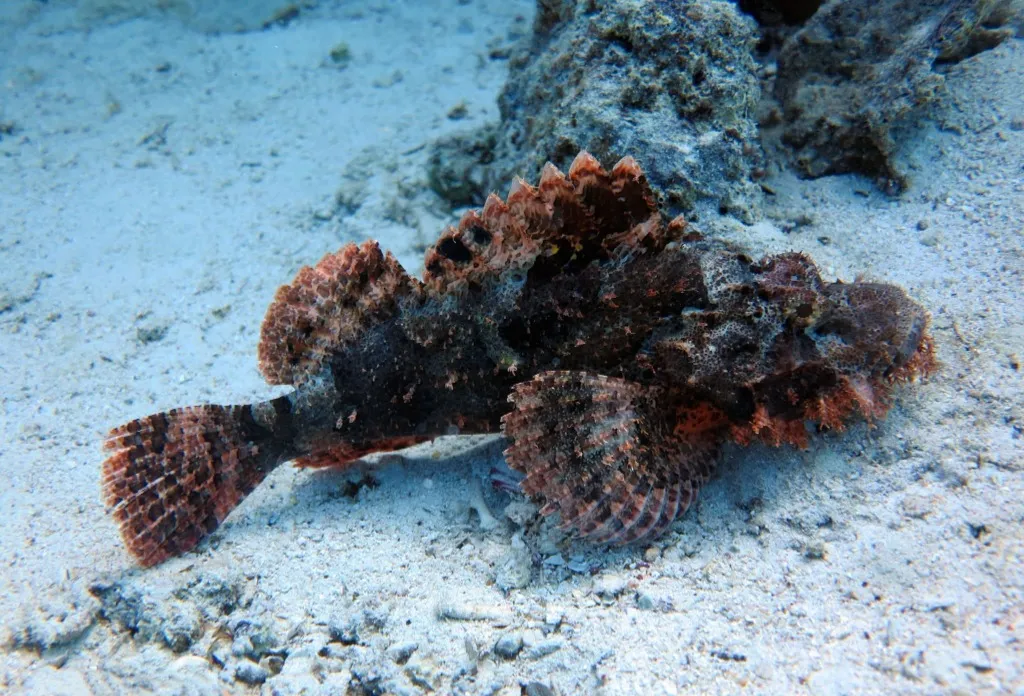
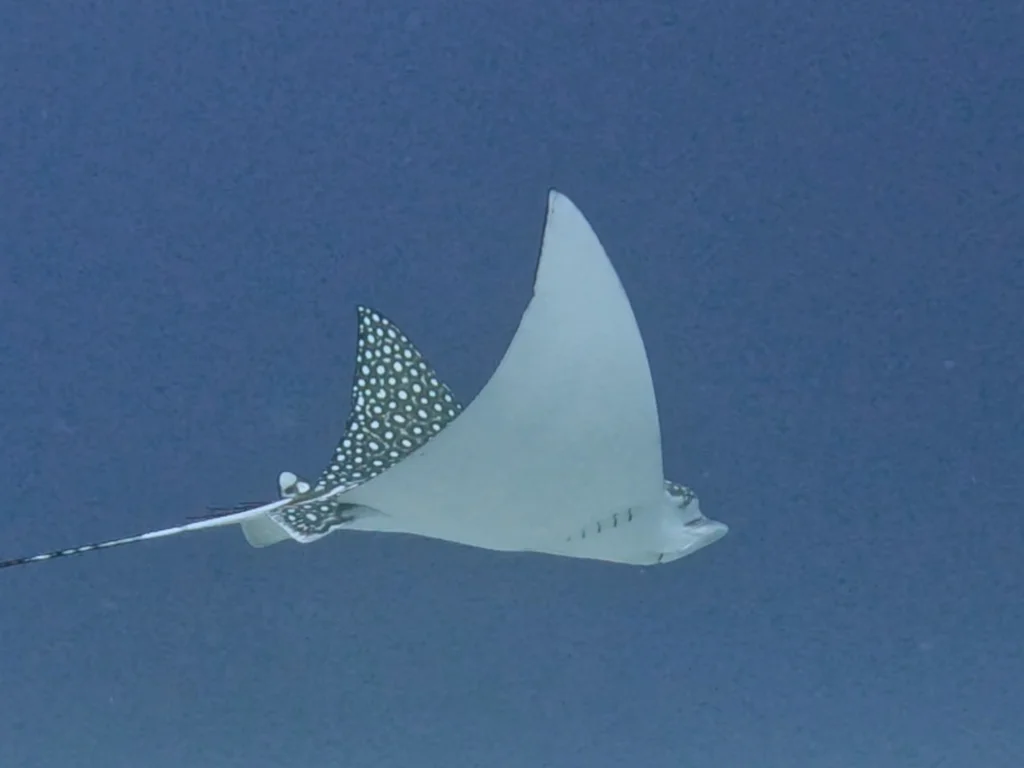
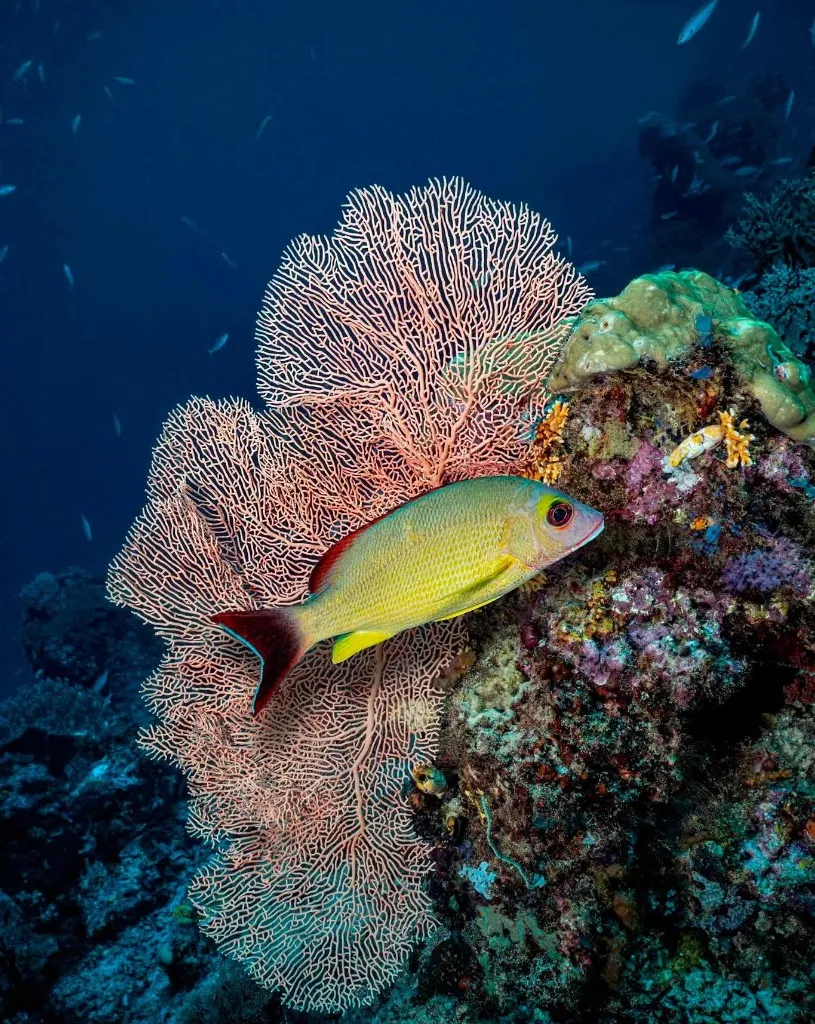
Further exploration can reveal yellow ribbon sweetlips, ringtailed cardinals, majestic angelfish, nudibranchs, devil scorpionfish, and various pufferfish and triggerfish species, with occasional sightings of spotted eagle rays and turtles.
Dive Sites Near Airplane Wreck
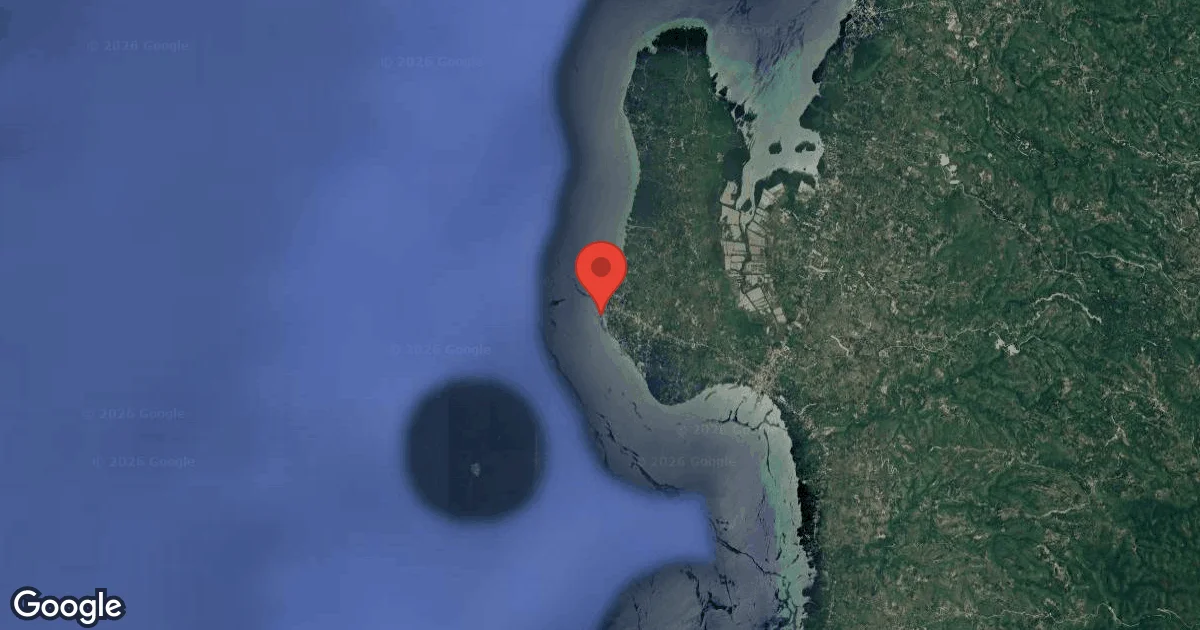
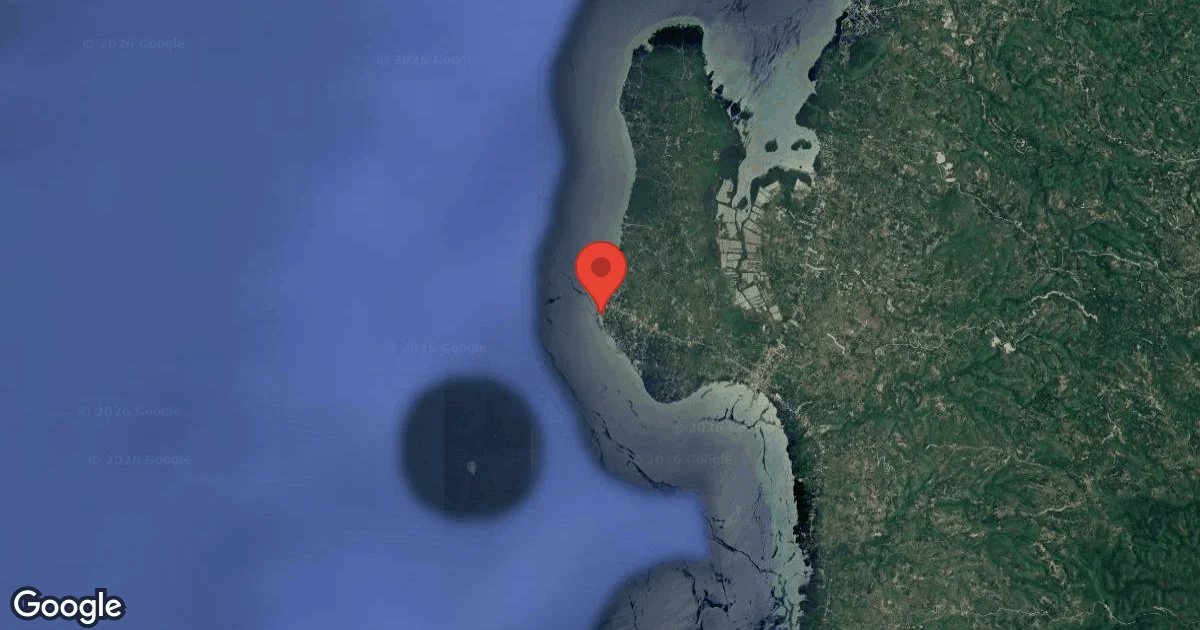
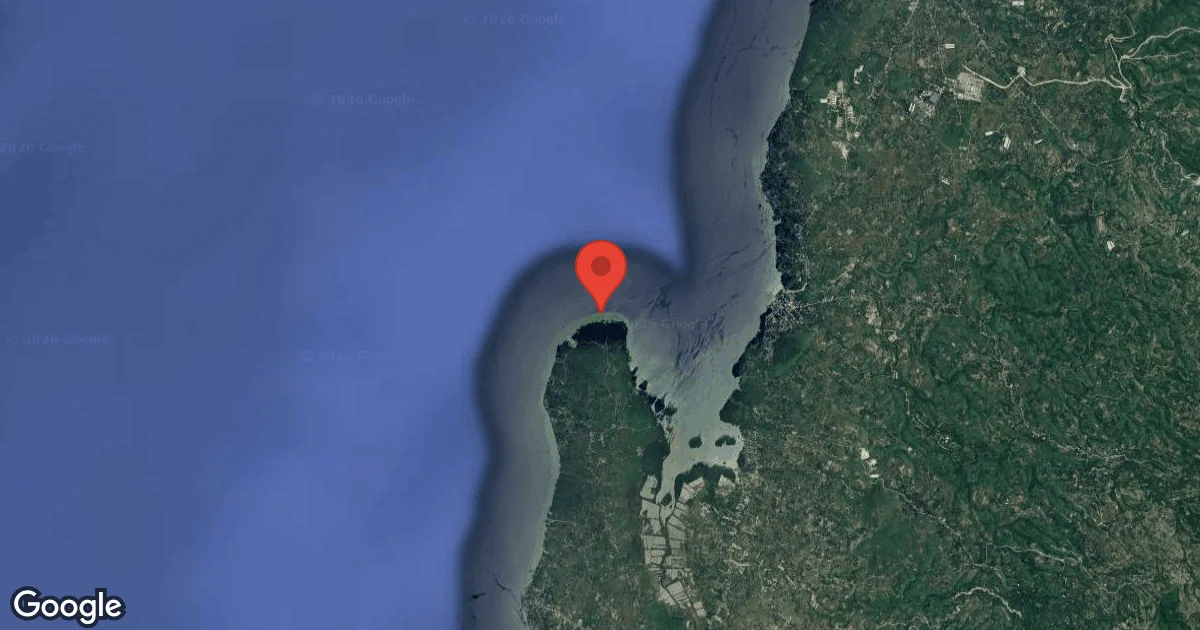
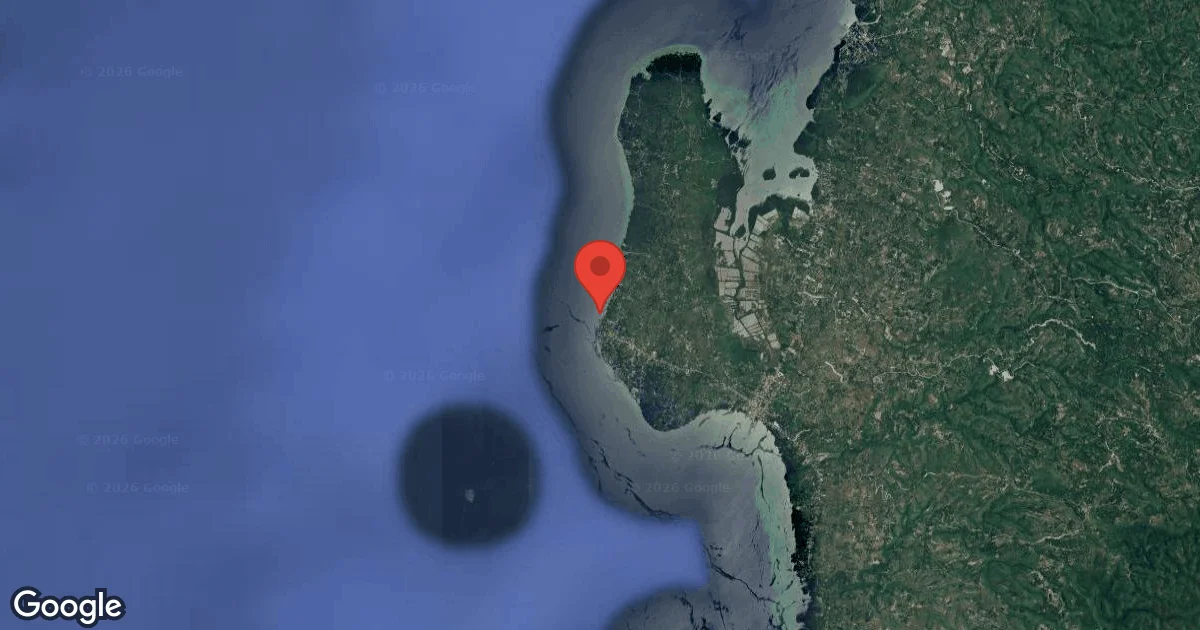
View all dive sites in PhilippinesDiscover more underwater gems in this area.
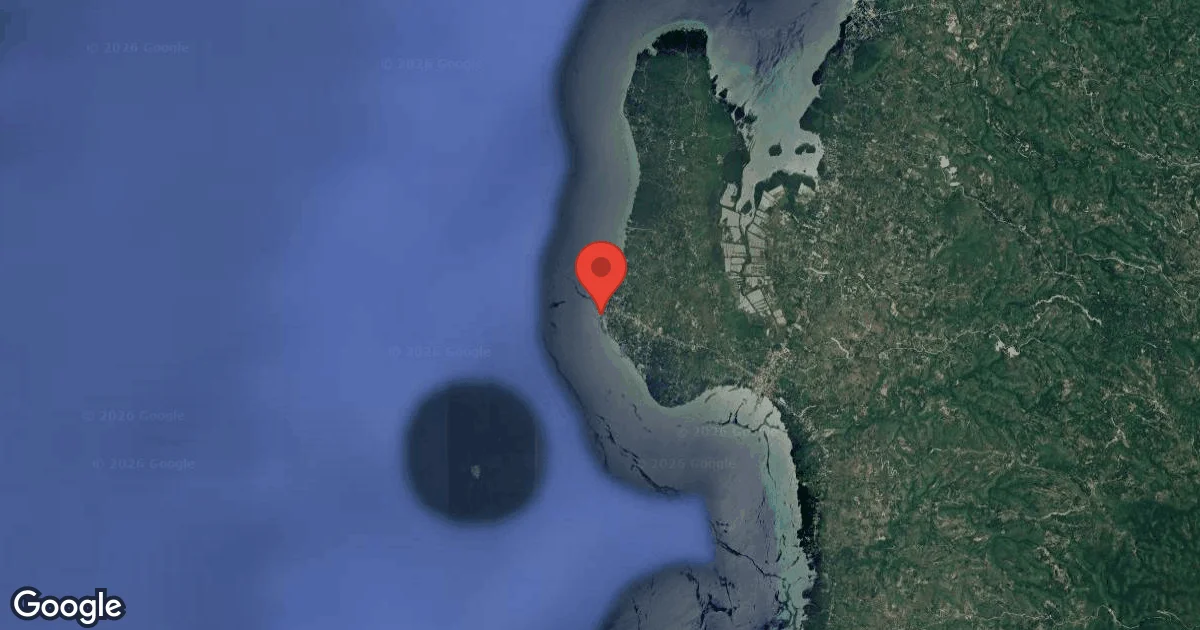
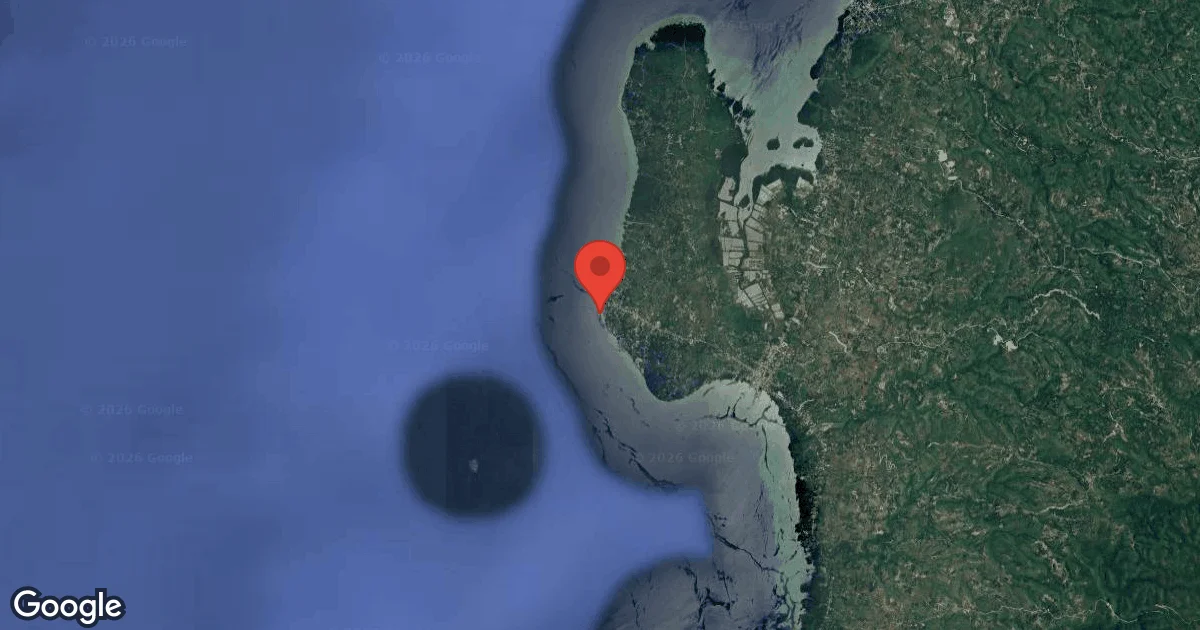
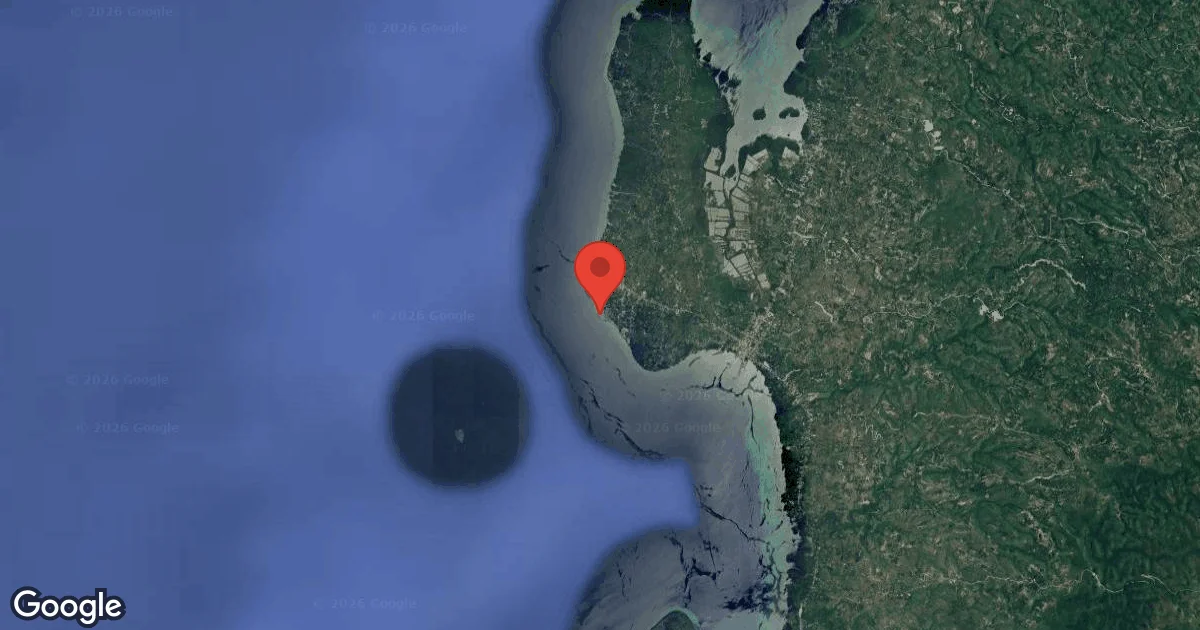
Dive Centers Near Airplane Wreck
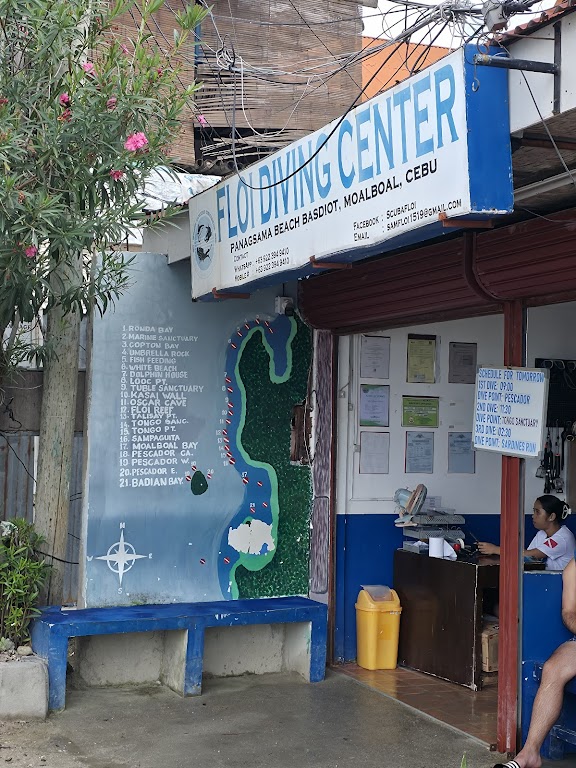
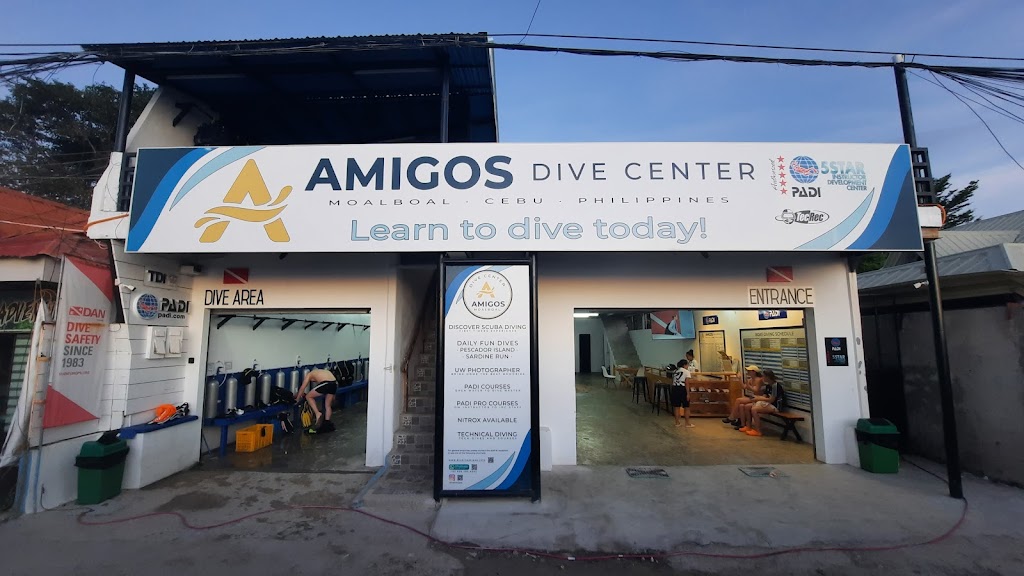
Today: 07:00 - 22:00
Nearest Airports
Nearest airports to help plan travel to this dive area.
Search Flights
Check available flights and routes on Expedia, using the nearby airports listed in this section.
Search Flights on ExpediaFrequently Asked Questions
What kind of plane is the Airplane Wreck?
An American 2-seater Lancair model constitutes the wreck. It was deliberately sunk as an artificial reef attraction, and while the body remains largely intact, its internal parts have been stripped away.
How deep is the Airplane Wreck?
The airplane rests at an approximate depth of 20-22 m (65-72 ft). The dive site features a sloped wall that extends deeper, down to around 35-50 m (115-164 ft).
Is the Airplane Wreck suitable for beginner divers?
While the shallower sandy plateau with scattered coral formations suits beginner divers, reaching and fully exploring the airplane wreck itself, which lies deeper, typically requires an Advanced Open Water certification due to its depth and potential currents.
What is the typical visibility at the dive site?
Visibility at the Airplane Wreck usually ranges from 5-20 m (16-65 ft). It can vary based on prevailing currents and recent weather conditions in the area.
Are there strong currents at the Airplane Wreck?
Currents can vary significantly at this site, sometimes reaching 1-3 knots. Depending on the tides, divers may experience strong currents, making it an engaging spot for drift diving.
What marine life can I expect to see?
Rich marine life inhabits the site, including schools of sardines, jacks, and snappers in the shallows. Around the wreck, expect to see various reef fish, colorful hard and soft corals, sea fans, and gorgonians. Macro life like pipefish, mantis shrimps, and porcelain crabs are also common.
Is Nitrox recommended for this dive?
Yes, Nitrox is recommended for certified divers at the Airplane Wreck. It allows for extended bottom times to thoroughly explore the wreck and its surrounding marine inhabitants, especially beneficial for underwater photographers.
Planning to dive Airplane Wreck?
Send one inquiry and receive offers directly from the best verified local dive operators.
Conditions are Excellent
07:00 - 14:00
Optimal conditions expected
Current conditions near Airplane Wreck show 30° air, 30° sea temperature, 0.0 m waves, and 15 km/h wind. Forecast data is refreshed regularly to ensure accuracy.