
Diving at White Beach (Philippines)
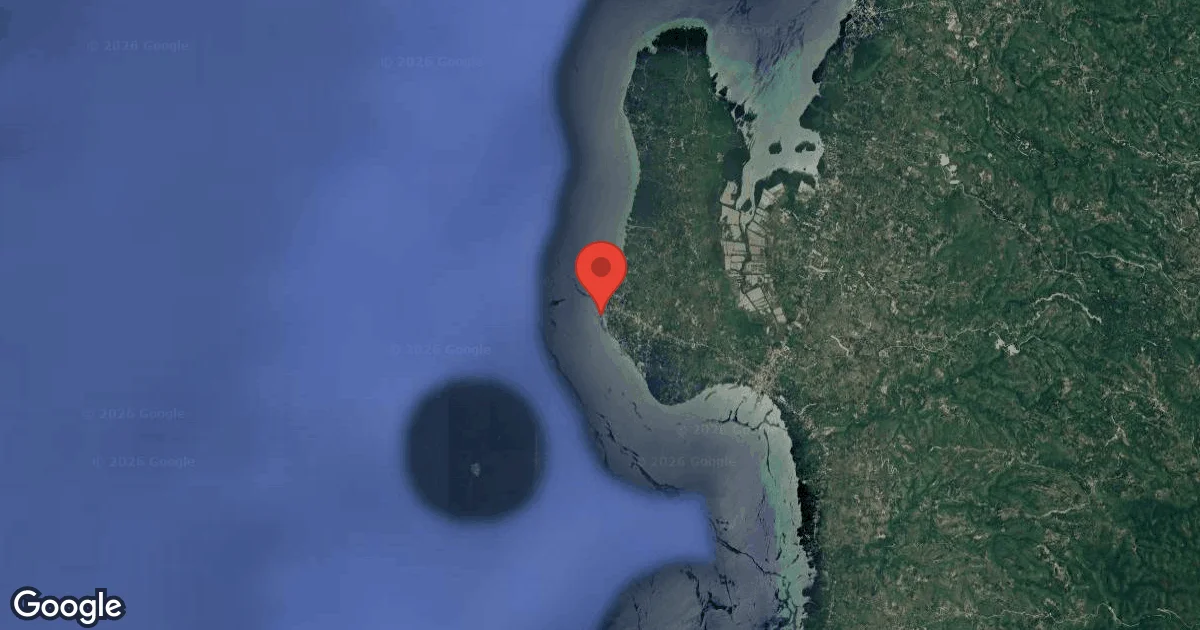
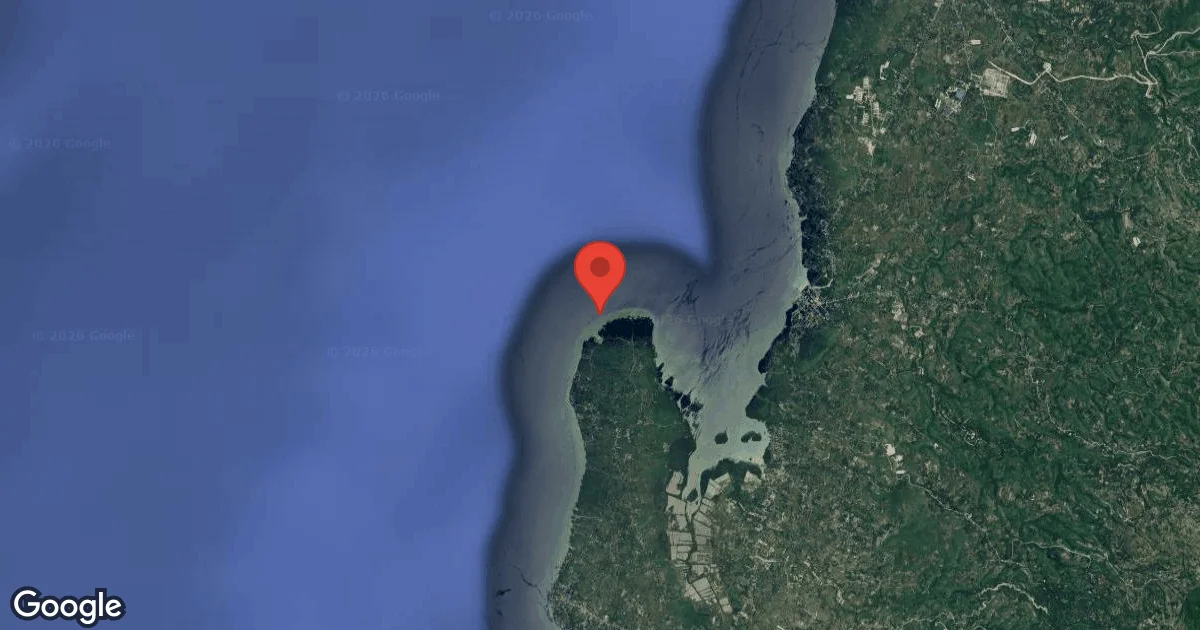
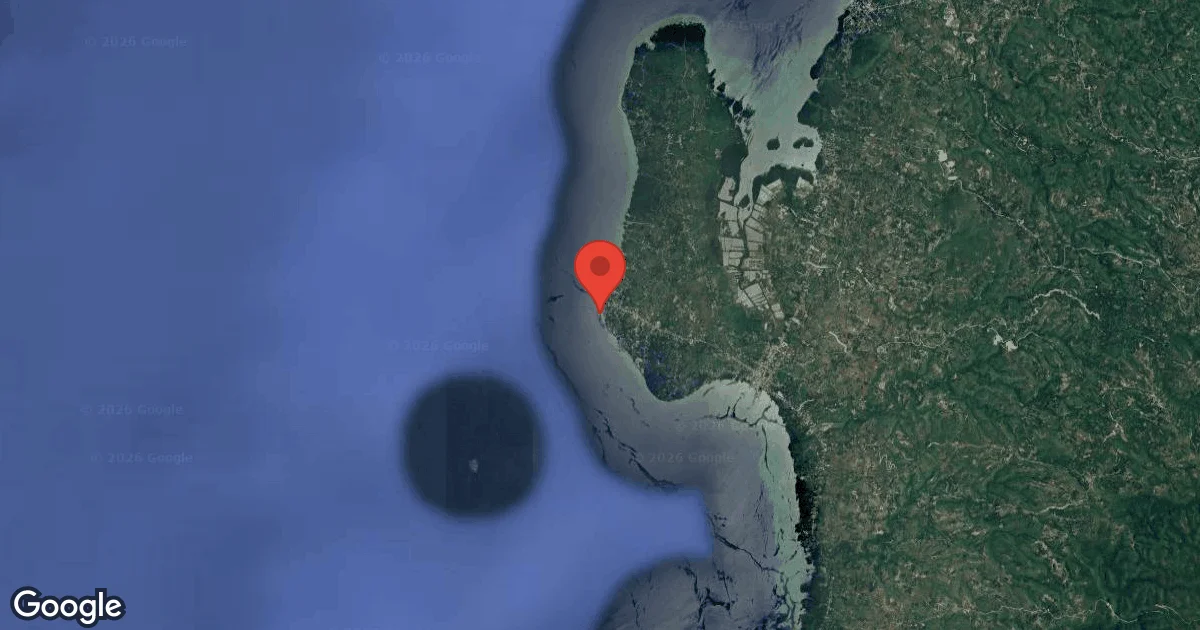
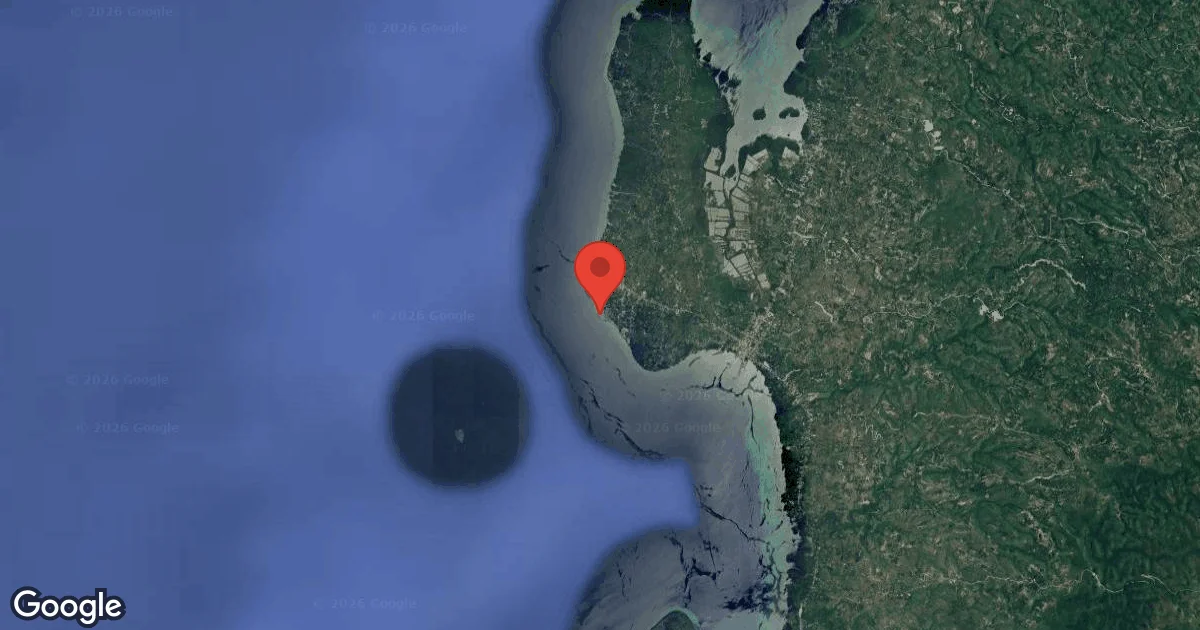
White Beach stretches approximately four kilometers along Boracay's western side. This iconic beachfront separates into three distinct sections known as Station 1, Station 2, and Station 3, each presenting a different atmosphere. Station 1 offers a more upscale and spacious environment with luxury resorts. Station 2 serves as the vibrant hub, bustling with shops, restaurants, and active nightlife. Further south, Station 3 maintains a quieter, more laid-back ambiance, appealing to those seeking serenity.
As evening covers White Beach, the local air temperature is measured at 28.5°C. The current wave height at the surface is recorded at 0 m. These late-day readings characterize the surface conditions for the night.
Dive Site Location & Key Facts
Dive Site Overview
Diving off White Beach provides unique underwater exploration, distinct in its transition from gentle sandy slopes to dramatic wall dives. Initial shallower, sandy expanses serve as habitat for fascinating bottom dwellers, where divers might spot flounders and garden eels subtly integrated into the seafloor, gradually leading towards the thriving reef top.
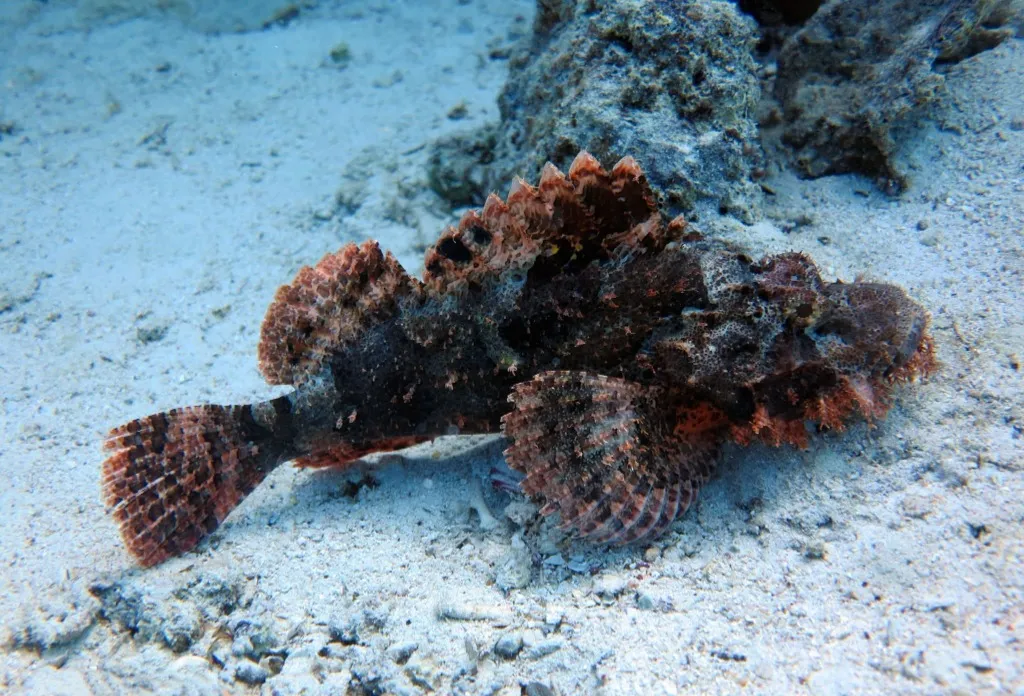
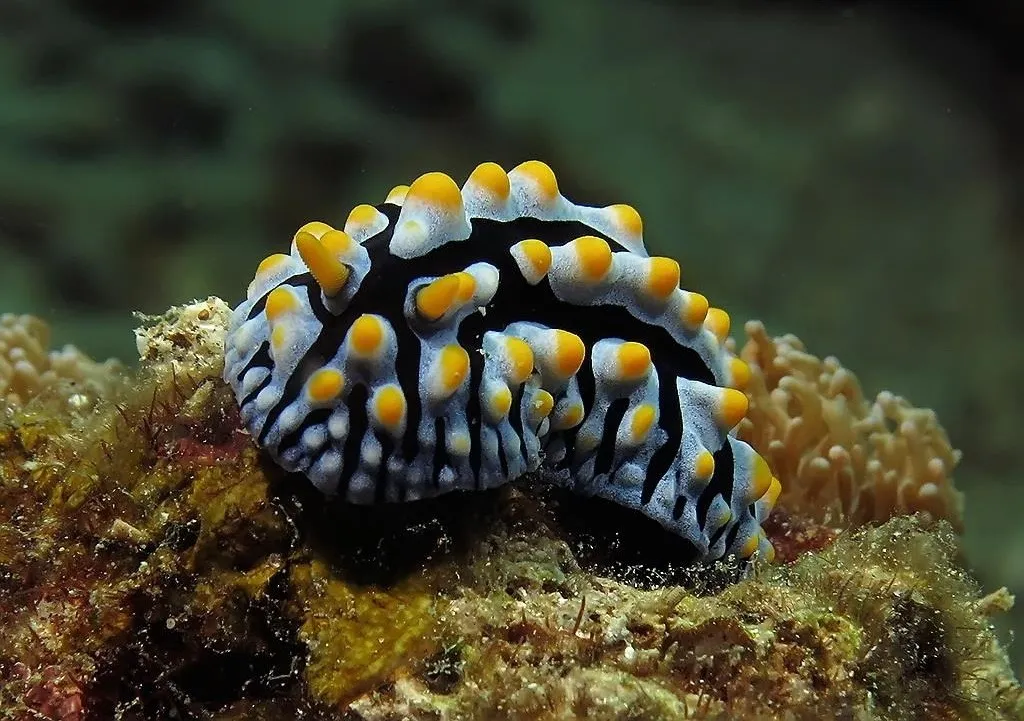
Further out, a magnificent wall emerges from this slope, displaying an impressive, colorful array of different soft corals. Such a shift in topography supports rich biodiversity, making it a compelling environment for observing diverse marine life. Encounters commonly include camouflaged ghost pipefish, various scorpionfish species, intricate nudibranchs, and schools of triggerfish, alongside a profusion of other reef fish navigating the coral formations.
Dive profiles available range from easy beach entries to exhilarating drift dives that capitalize on local currents, alongside traditional reef and wall explorations. Divers can explore depths reaching up to 30 m (100 ft) in more profound wall sections, though the vibrant reef top and upper wall also hold many captivating discoveries, making it suitable for varying experience levels.
Conditions are Excellent
07:00 - 14:00
Optimal conditions expected
Current conditions near White Beach show 28° air, 30° sea temperature, 0.0 m waves, and 17 km/h wind. Forecast data is refreshed regularly to ensure accuracy.
Best Time to Dive
For an optimal dive experience at White Beach, planning a visit during months with "Excellent" dive scores generally yields the best conditions. This period typically spans April through June and again from August to December. During these times, average air temperature is comfortably warm, ranging from 27.5°C to 29°C (81.7°F to 83.8°F), contributing to pleasant surface intervals. Minimal rainfall, often below 9 mm, creates clearer skies and better surface visibility. Wave heights are considerably calmer, averaging below 0.3 meters; wind speeds are typically under 20 km/h (12 mph). While January to March and July are rated "Good" for diving, conditions remain favorable. Even in these months, air temperatures stay within a warm 26.5°C to 28°C (79.9°F to 82.6°F) range. Slight increases in wave height and wind speed might be observed, yet they seldom impede comfortable diving.
PEAK SEASON SCORE
Scores combine air & water temps, waves, wind & rainfall for overall conditions.
BEST MONTHS TO DIVE
Monthly records compiled from satellite and marine observation nodes over the last 3 years. Data provided by Open-Meteo and MET Norway.
Dive Experience & Conditions
Underwater at White Beach, divers will find the marine environment quite dynamic. Initial entry points often feature gentle waves, creating a calm surface environment. Visibility generally remains clear, influenced by minimal rainfall and calmer seas during peak dive seasons. Descending, the experience typically begins over a sandy slope where water temperatures hover comfortably in the tropical range, reflecting warm air temperatures of 26-28°C (79-82°F) experienced year-round. Along this slope, one navigates towards the reef top before encountering the main event: a vibrant wall. Currents can be present, especially around wall sections, making drift diving a common and often preferred method of exploration. Such conditions allow divers to effortlessly observe rich soft coral growth and diverse inhabitants clinging to the vertical face, without battling against the flow.
Dive Difficulty & Safety Guidelines
Diving around White Beach requires prioritizing both personal safety and marine conservation. While no specific hazards are reported in the database, always maintain situational awareness, especially during drift dives where currents might vary. Crucial is following established dive plans and listening to your dive guide's briefings.
Beyond personal safety, White Beach and Boracay implemented stricter regulations aimed at protecting their natural beauty. Divers are strongly encouraged to adopt sustainable practices.
This includes avoiding any contact with corals or disturbing marine life in any way. Proper waste disposal is paramount; visitors should reduce plastic waste by bringing reusable items and using designated bins.
Supporting businesses promoting eco-friendly diving practices, such as New Wave Divers Boracay, contributes directly to the long-term health of these precious ecosystems.
Recommended Equipment
Current and surface separation risk. Local briefing strongly recommended.
- Dive Computer
- DSMB
- Reel / Spool
This gear list is based on verified equipment signals for White Beach, Philippines. Always confirm final gear choices with your dive operator, guide, or liveaboard.
Recommended Dive Suit
Dive skin or rash guard is frequently recommended by dive operators for conditions like these. A hood or vest is suggested for sensitive divers due to surface winds. Those diving at White Beach today will likely encounter water temperatures in the region of 30°C (86°F). Surface air temperatures are resting at 28°C (83°F).
Forecast trends indicate little change in overall diving conditions during the next few days.
Even small thermoclines can occasionally cause noticeable changes in water temperature.
Emergency & Medical Support
Essential information to help you plan your dive trip to White Beach.

Hyperbaric chambers are a critical part of dive safety infrastructure. Availability varies significantly by region, and not all dive areas have immediate access.
Before diving, it's recommended to:
- confirm nearest medical facilities
- check emergency procedures with local dive operators
- ensure dive insurance covers evacuation if required
Divers Alert Network
Diving emergency assistance available through DAN World.
+1-919-684-9111- 24/7 emergency hotline
- Diving medical assistance
- Evacuation coordination
Emergency contacts are provided for reference. Always verify local emergency services before diving.
Marine Life at White Beach
Dive sites near White Beach boast a fascinating range of marine life, particularly in transitions from sandy slopes to coral walls. Divers can anticipate spotting flounders and garden eels camouflaged against the sandy bottom, particularly in shallower areas near the reef top.
Approaching and exploring vibrant coral walls, diversity expands significantly. Look closely for well-hidden ghost pipefish and scorpionfish, which blend seamlessly with their surroundings.
Intricate coral formations also home numerous nudibranch species, showcasing a spectrum of colors and patterns. Triggerfish are a common sight, navigating among corals, alongside an abundance of other reef fish that populate healthy coral ecosystems.


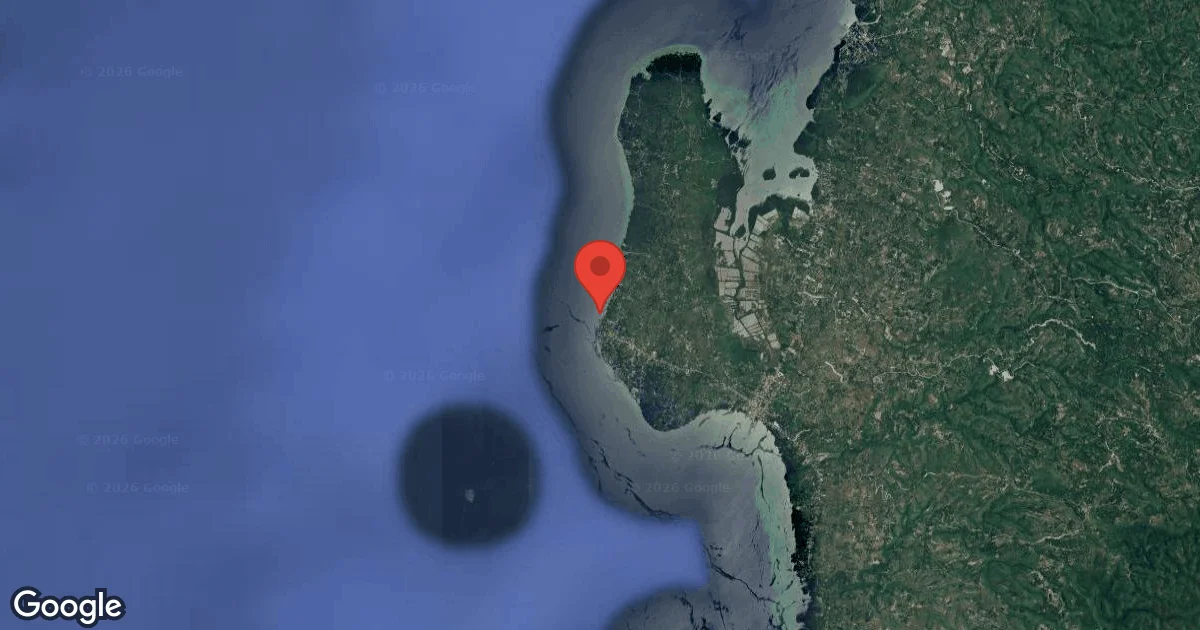
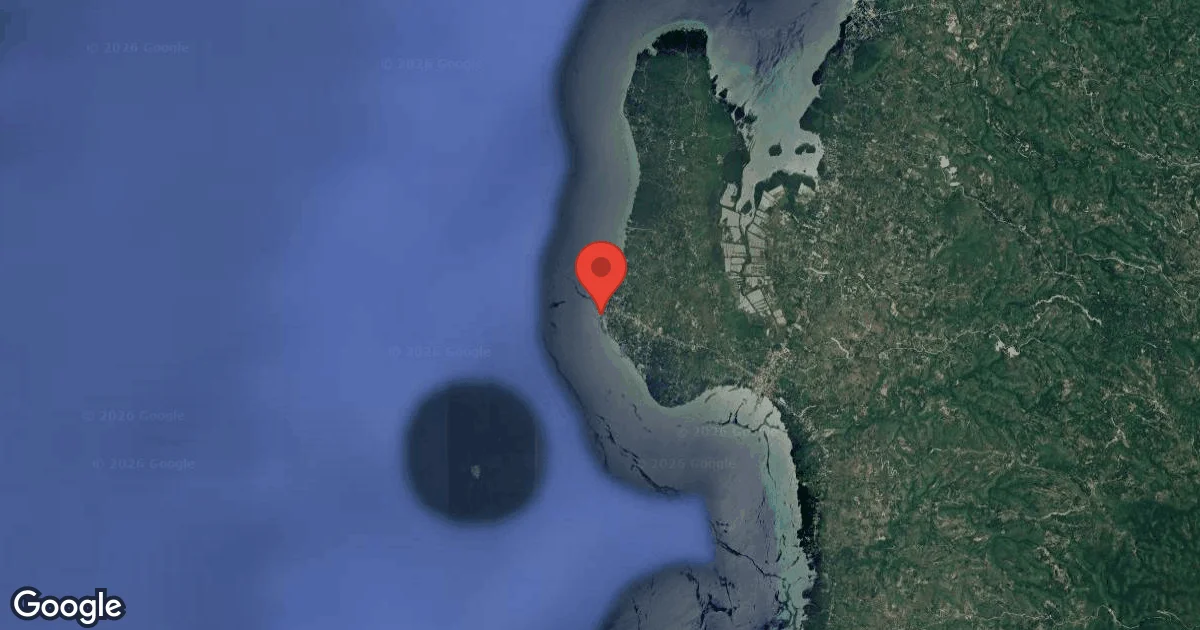
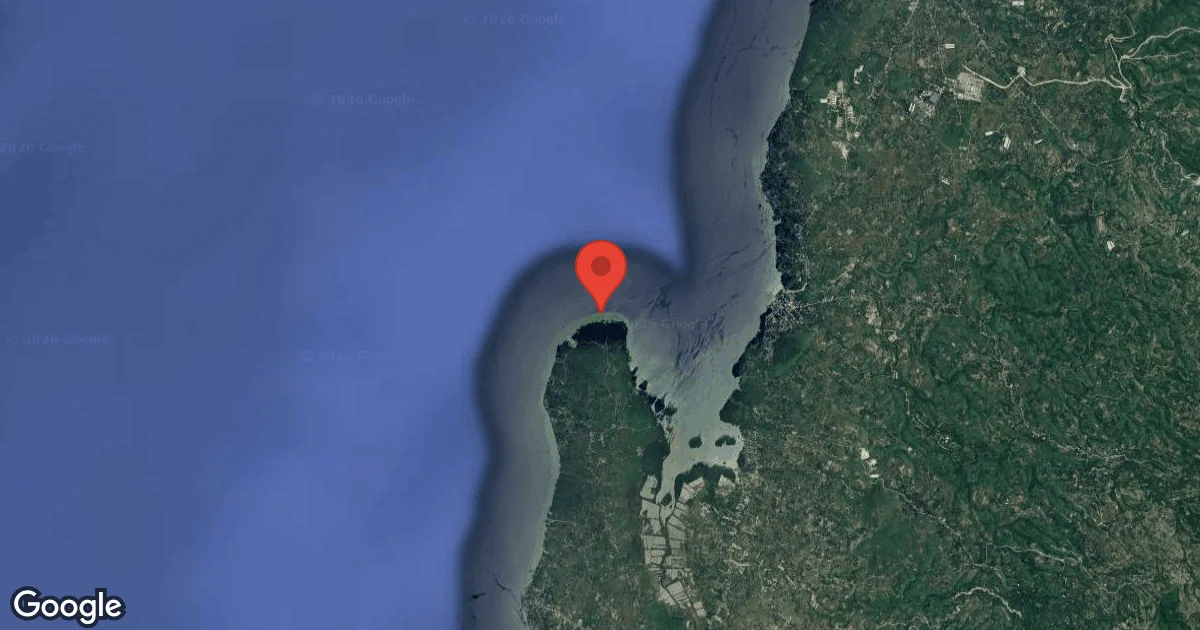
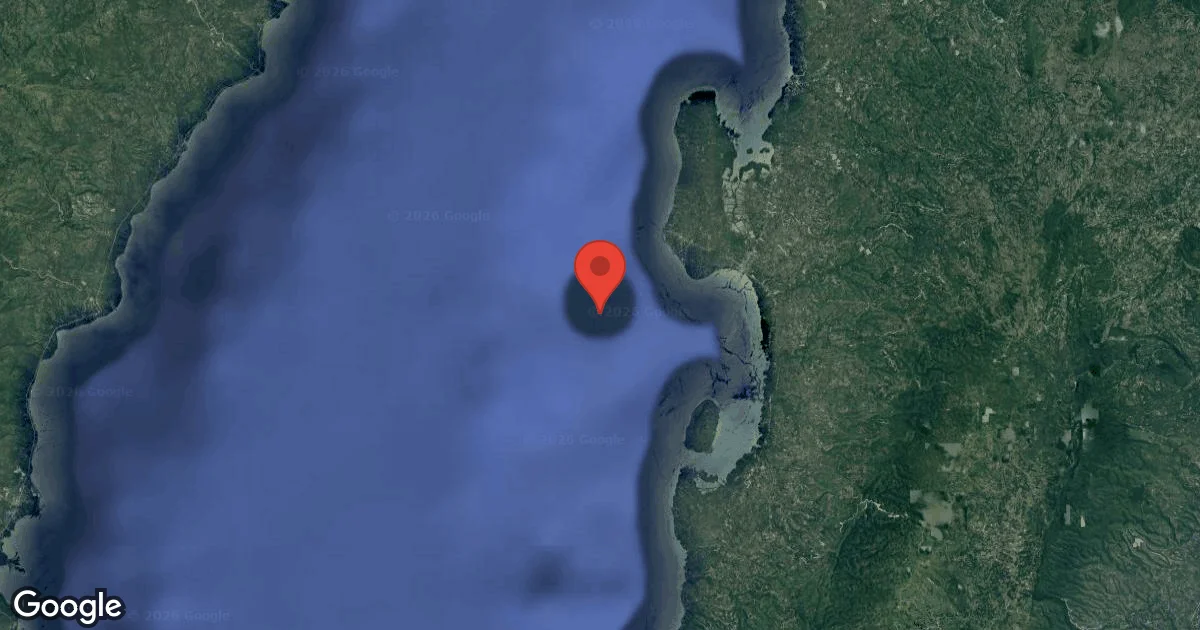
Dive Sites Near White Beach
View all dive sites in PhilippinesDiscover more underwater gems in this area.
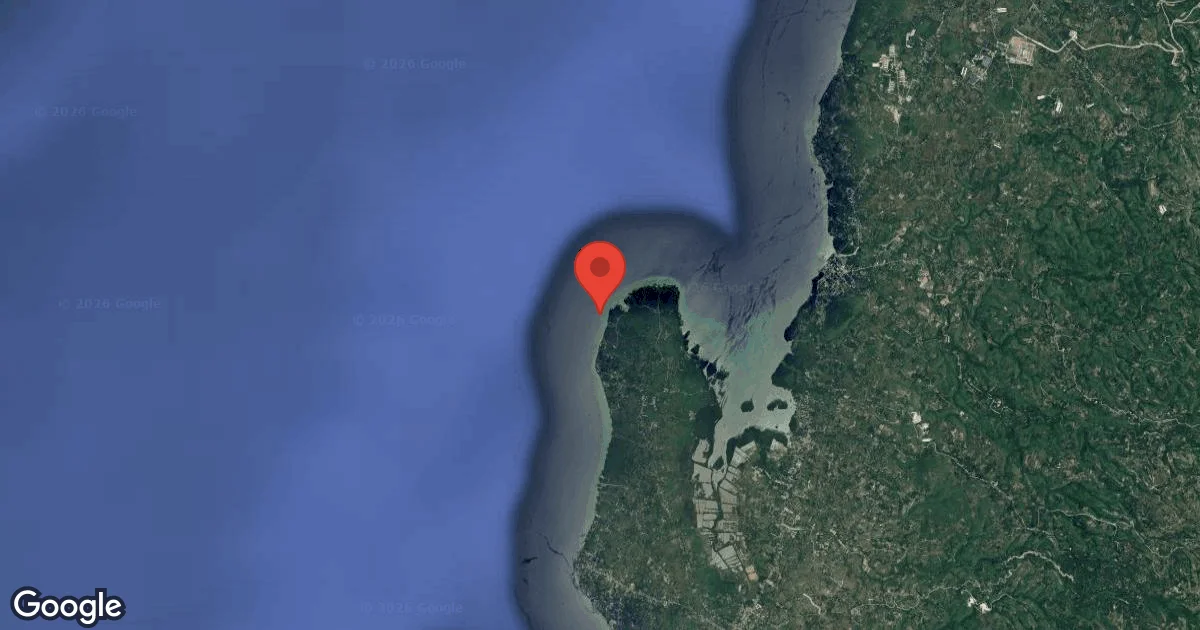
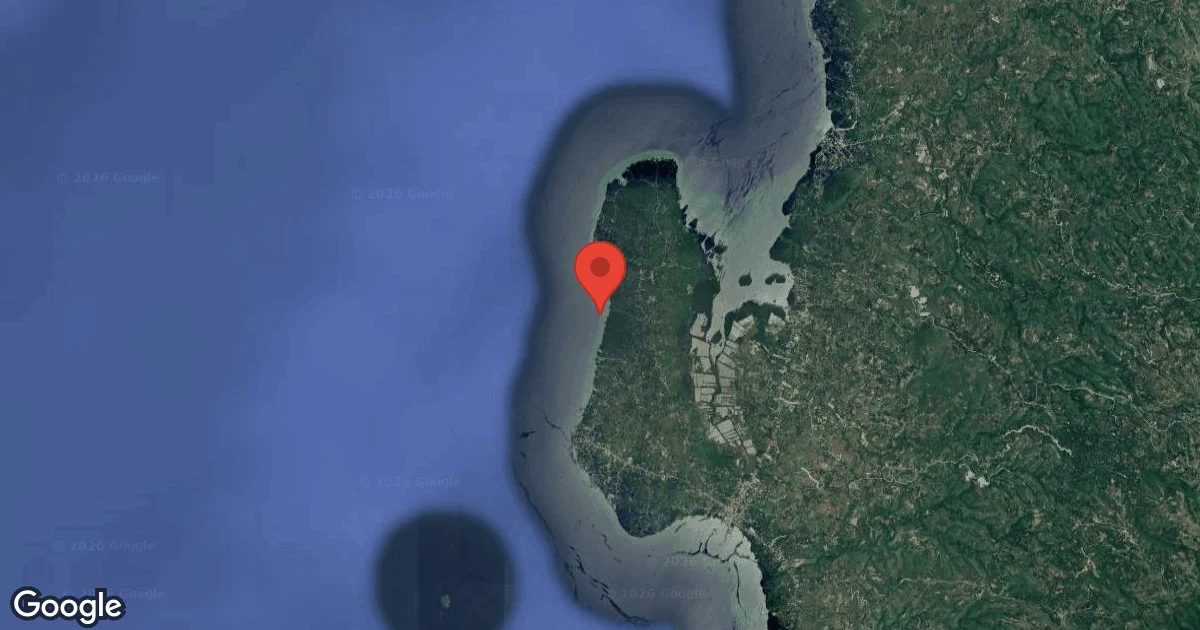
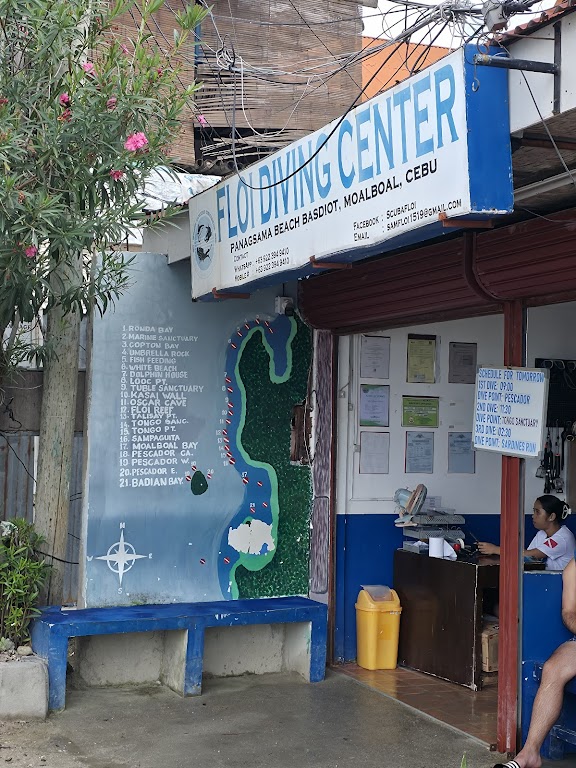
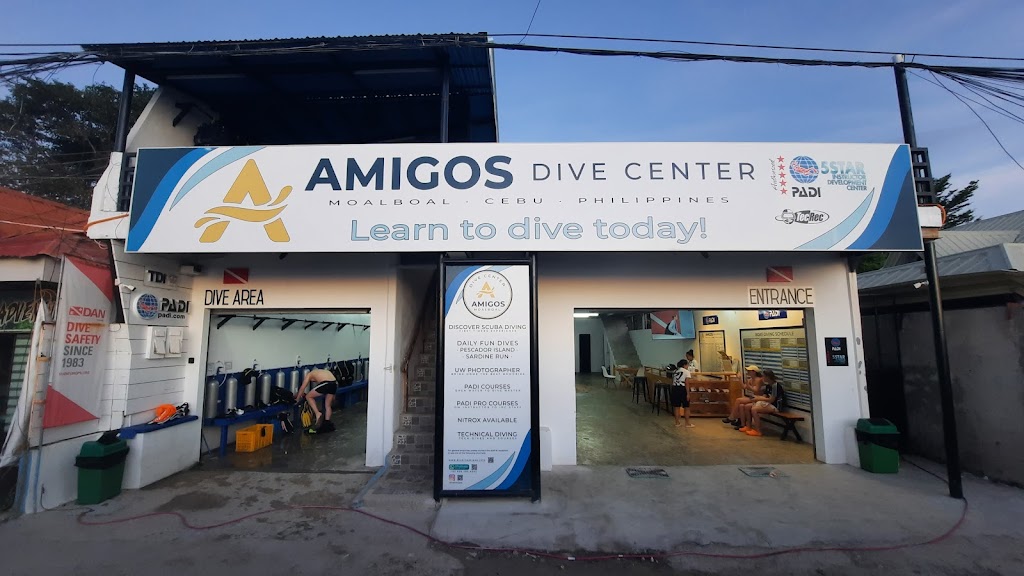
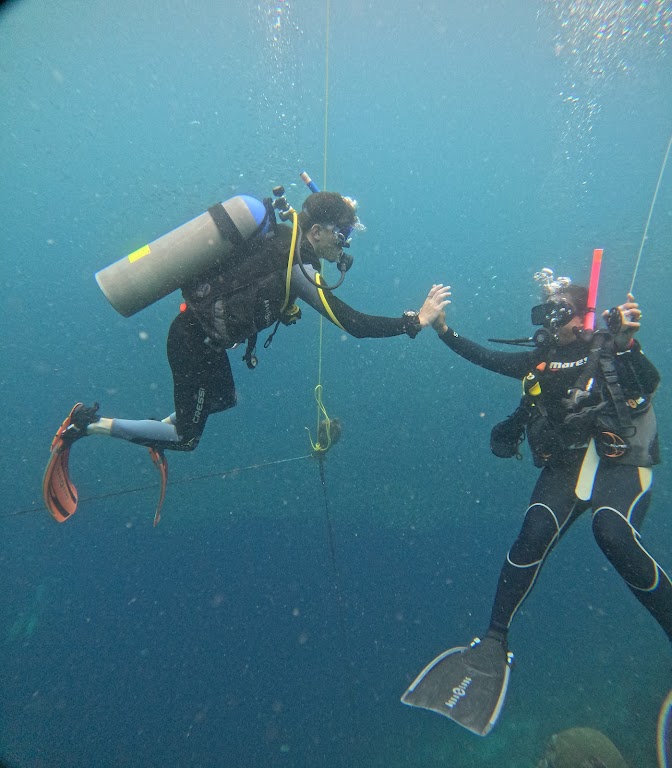
Dive Centers Near White Beach
Today: 07:00 - 22:00
Nearest Airports
Nearest airports to help plan travel to this dive area.
Search Flights
Check available flights and routes on Expedia, using the nearby airports listed in this section.
Search Flights on ExpediaFrequently Asked Questions
What types of diving can I expect at White Beach?
White Beach offers a diverse range of dive types including beach entries, drift dives, explorations of vibrant coral reefs, and exciting wall dives. This variety provides opportunities for different dive preferences and experience levels.
Is White Beach suitable for beginner divers?
Yes, White Beach has areas with sandy slopes and calmer waters that are ideal for beginners. Dive centers in the area, like New Wave Divers Boracay, offer courses such as Discover Scuba Diving for those new to the sport.
What marine life is commonly seen when diving here?
Divers frequently encounter flounders, garden eels, ghost pipefish, scorpionfish, various nudibranchs, and triggerfish. The vibrant coral walls also host a wide array of colorful reef fish.
What are the water temperatures like?
Water temperatures around White Beach are consistently warm throughout the year, typically within a comfortable tropical range, generally around 26-28°C (79-82°F), mirroring the pleasant air temperatures.
What are the best months for diving at White Beach?
The best months for diving are generally April to June and August to December, which typically feature excellent dive conditions. Minimal rain, calmer waves, and comfortable air temperatures characterize these periods.
Are there any environmental guidelines I should follow?
Yes, sustainable practices are strongly encouraged. Avoid touching corals or marine life, minimize plastic waste, and dispose of trash properly. Supporting eco-friendly dive operators also helps protect the local ecosystem.
How deep are the dives typically?
Dives at White Beach generally explore depths ranging from shallower sandy slopes to wall dives that can extend to around 30 m (100 ft). Many fascinating observations can be made across various depths.
Planning to dive White Beach?
Send one inquiry and receive offers directly from the best verified local dive operators.
Conditions are Excellent
07:00 - 14:00
Optimal conditions expected
Current conditions near White Beach show 28° air, 30° sea temperature, 0.0 m waves, and 17 km/h wind. Forecast data is refreshed regularly to ensure accuracy.