
Diving at Pescador Island (Philippines)
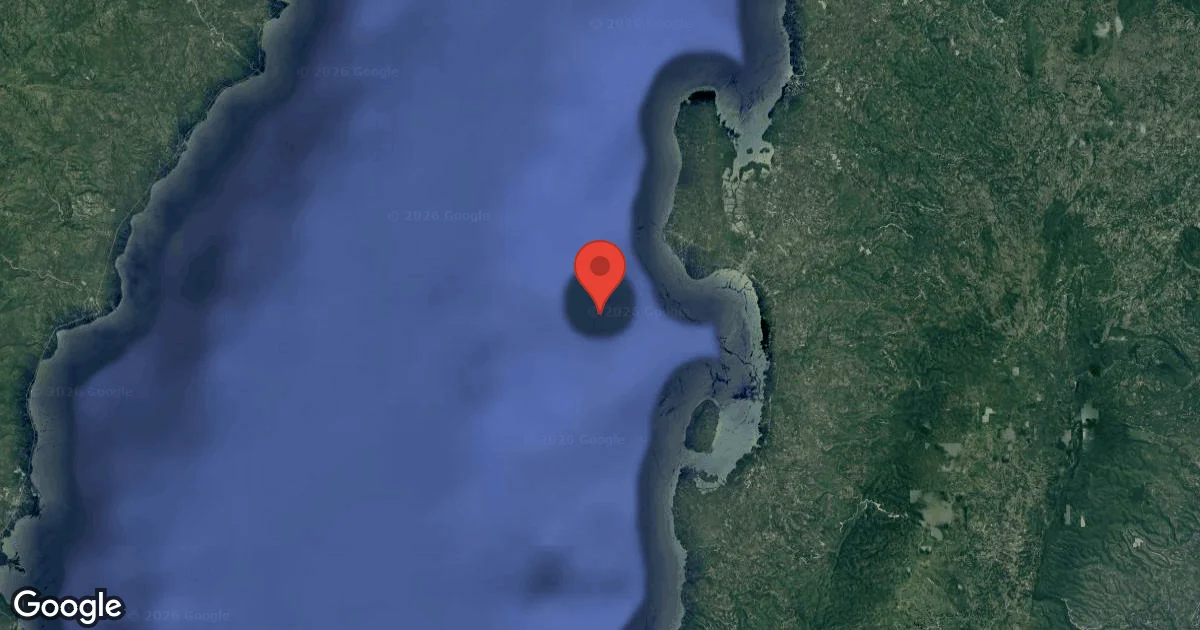
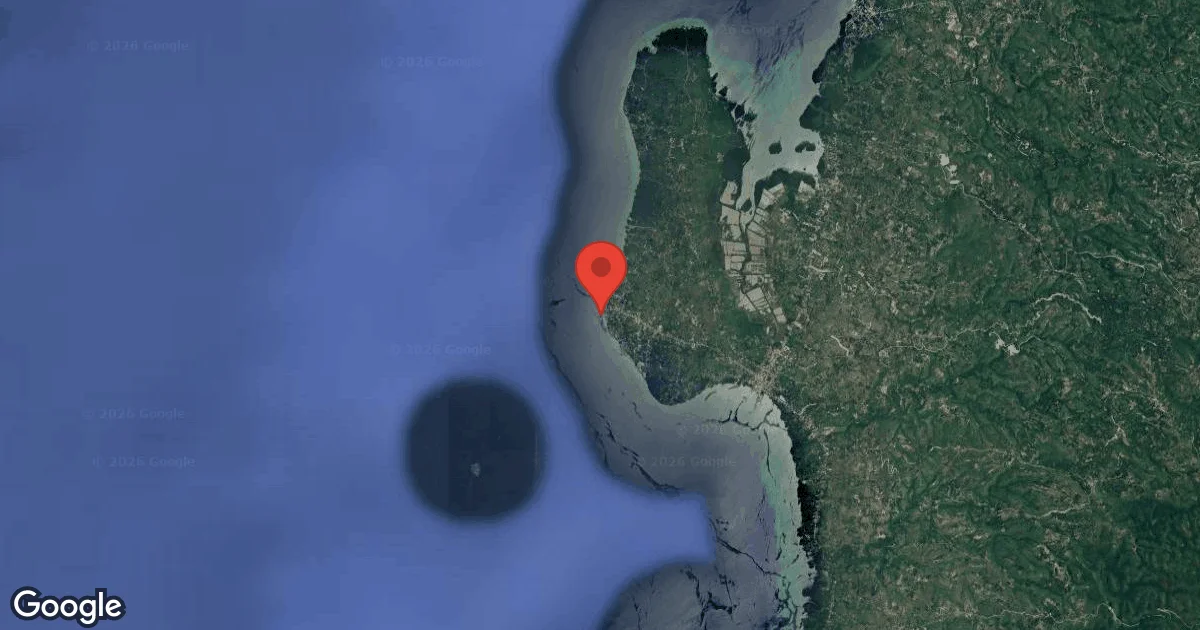
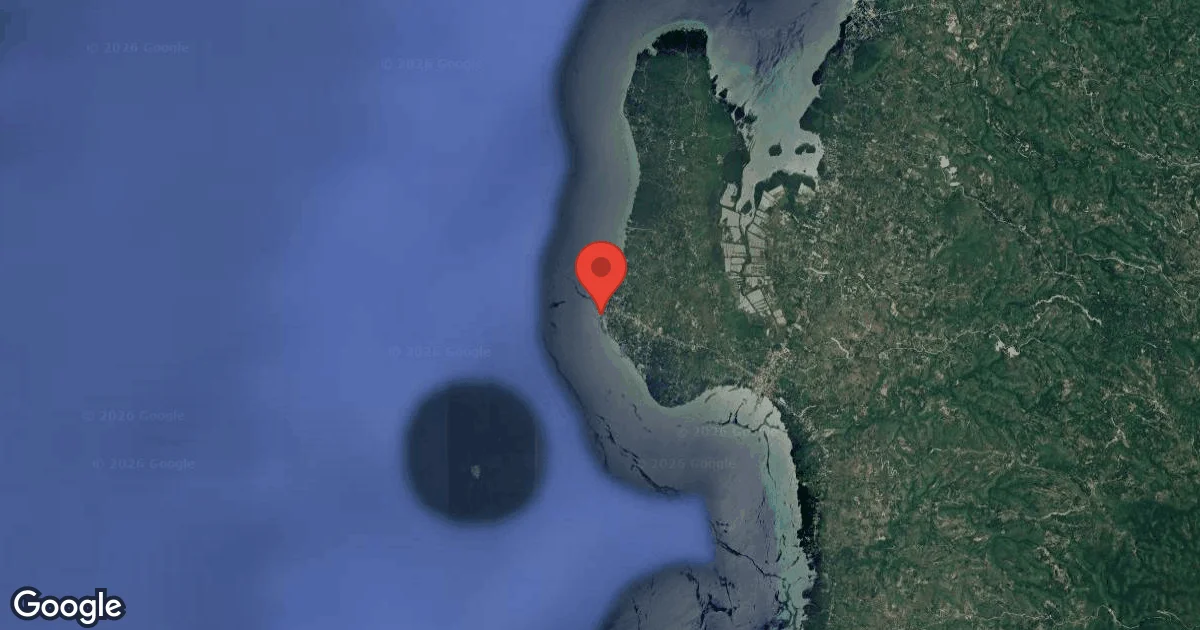
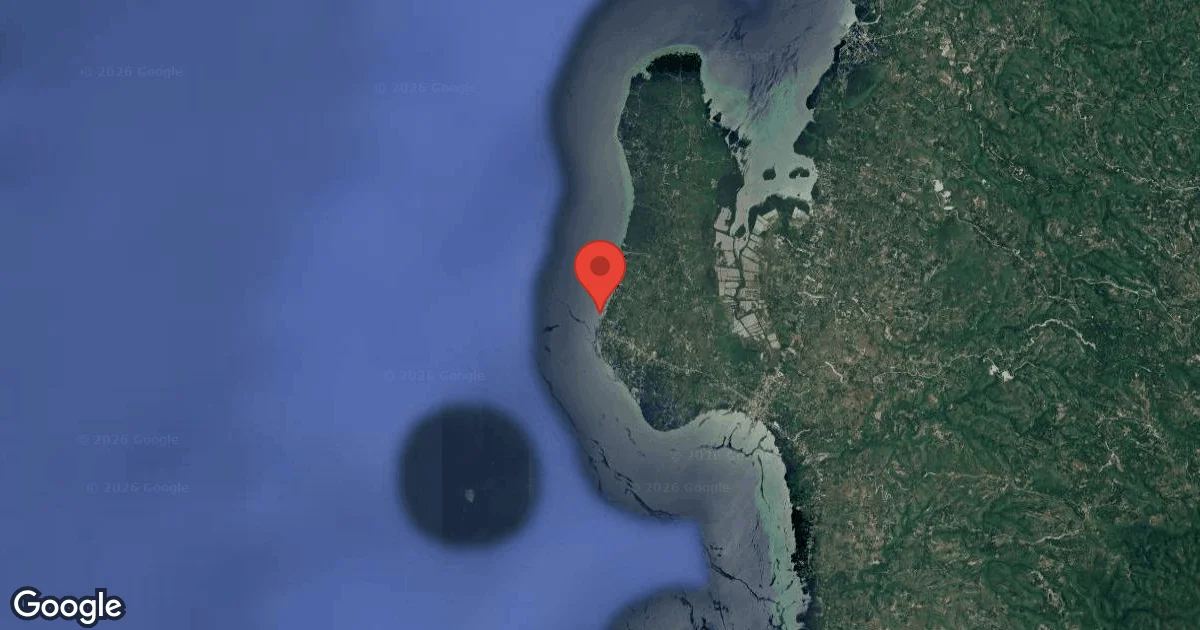
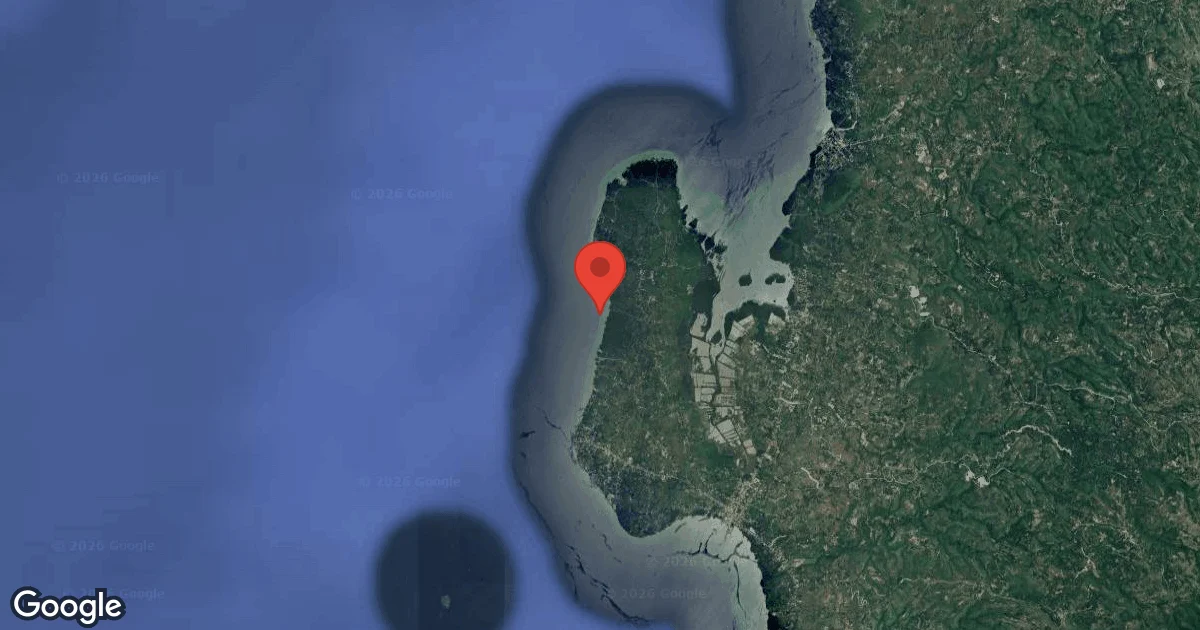
Pescador Island, an ancient sea mound, rises from deep ocean waters a few kilometers off Moalboal's west coast in Cebu, Philippines. Access to this site, approximately 4 km (2.5 miles) from Panagsama Beach, typically occurs by banca boat, taking about 11 minutes. Its diverse underwater topography includes deep walls to the north and west, a steep southern slope, and a shallow ledge for snorkeling. The site reaches a maximum depth of 65 m (213 ft), accommodating various certified diving experiences.
Current morning readings from Pescador Island indicate an air temperature of 30°C. Surface wave heights are averaging around 0 m at this time. These local measurements provide a baseline for your daily dive planning.
Dive Site Location & Key Facts
Dive Site Overview
Discovering Pescador Island's underwater realm offers an immersive experience, distinguished by vibrant coral formations and dynamic marine encounters. This uninhabited island, named for fishermen in Spanish, historically supported abundant fish populations, a tradition evident in its impressive sardine runs.
Divers are drawn to its dramatic topography, which includes sheer walls plunging into significant depths and expansive hard and soft coral gardens in shallower areas. The site's signature feature, "The Cathedral," on its northwest side, presents an architectural marvel for exploration.
Visibility here frequently ranges between 10 to 30 meters (33 to 100 ft), allowing clear views of the diverse ecosystem. Local tales suggest the island is protected by supernatural beings due to failed construction attempts; however, its primary allure remains aquatic.
Navigating the deep walls or observing the bustling life on the shallow reef, Pescador Island consistently delivers memorable dives. It functions as a comprehensive destination, popular with both snorkelers enjoying its coral-filled ledges and divers seeking its deeper mysteries.
Conditions are Good
07:00 - 14:00
Optimal conditions expected
Current conditions near Pescador Island show 30° air, 31° sea temperature, 0.1 m waves, and 24 km/h wind. Forecast data is refreshed regularly to ensure accuracy.
Best Time to Dive
Planning a dive to Pescador Island throughout the year generally promises excellent conditions for an enjoyable experience. The site maintains a remarkably high dive score, consistently rated "Good" or "Excellent" across all months, indicating stable conditions. Water temperatures are comfortably warm, typically ranging between 26-29°C (79-84°F), making wetsuit choice flexible for divers. Air temperatures mirror this tropical warmth, averaging from 26.5°C (80°F) in February to 29°C (84°F) in May. For those preferring the calmest surface conditions, April, May, and June often present minimal wave heights, with average measurements as low as 0.1-0.2 meters (0.3-0.7 ft). Rainfall is generally low, especially from April to September, averaging only 2.8-8.2 mm (0.11-0.32 inches). Even during months with slightly higher precipitation, such as November and December, rain averages around 9.9 mm (0.39 inches), which rarely impacts underwater visibility or overall dive quality. Minimal disruption from weather allows for year-round diving.
PEAK SEASON SCORE
Scores combine air & water temps, waves, wind & rainfall for overall conditions.
BEST MONTHS TO DIVE
Monthly records compiled from satellite and marine observation nodes over the last 3 years. Data provided by Open-Meteo and MET Norway.
Dive Experience & Conditions
Navigating Pescador Island's diverse underwater landscape, divers should be prepared for varying current dynamics. While conditions can be calm, currents may reach up to 3 knots (5.5 km/h), particularly around the deeper wall sections. These currents often bring in nutrients, supporting the vibrant marine life and enhancing visibility which typically ranges from 10 to 30 meters (33 to 100 ft). The topography shifts from steep slopes in the south to dramatic deep walls on the north and west sides, offering different challenges and opportunities. Recreational divers typically explore between 7 and 20 meters (23 and 66 ft), where expansive coral gardens thrive. For those with advanced certifications, the maximum depth of 65 meters (213 ft) provides access to deeper, cooler waters. Considering the potential for moderate currents, maintaining good buoyancy control and situational awareness is important for an optimal dive experience here.
Dive Difficulty & Safety Guidelines
Appropriate diver skill and planning are essential for a safe experience at Pescador Island. While Open Water certified divers can enjoy the shallower sections and coral gardens, the presence of potentially strong currents up to 3 knots (5.5 km/h) means Advanced Open Water or higher certifications are beneficial, especially when exploring deeper walls. No specific environmental hazards beyond currents are consistently reported for the site.
Dive computers are crucial for managing bottom time and decompression limits, given the significant maximum depth available. Employing a Surface Marker Buoy (SMB) is a sensible precaution, particularly in areas with current or boat traffic, ensuring visibility to surface vessels.
Local dive guides possess invaluable knowledge of daily conditions and site specifics; diving with them is highly recommended. Always verify your equipment before entry.
Recommended Equipment
Technical depth range. Advanced planning, gas management, and appropriate certification required.
- Dive Computer
- DSMB
- Primary & Backup Lights
This gear list is based on verified equipment signals for Pescador Island, Philippines. Always confirm final gear choices with your dive operator, guide, or liveaboard.
Recommended Dive Suit
Dive skin or rash guard is often considered an appropriate level of exposure protection for conditions like these. A hood or vest is suggested for sensitive divers due to surface winds.
Divers entering the water at Pescador Island today can expect temperatures near 31°C (87°F) beneath the surface. Surface air temperatures are resting at 30°C (86°F).
The upcoming forecast points to generally steady conditions in the area.
Emergency & Medical Support
Essential information to help you plan your dive trip to Pescador Island.

Hyperbaric chambers are a critical part of dive safety infrastructure. Availability varies significantly by region, and not all dive areas have immediate access.
Before diving, it's recommended to:
- confirm nearest medical facilities
- check emergency procedures with local dive operators
- ensure dive insurance covers evacuation if required
Divers Alert Network
Diving emergency assistance available through DAN World.
+1-919-684-9111- 24/7 emergency hotline
- Diving medical assistance
- Evacuation coordination
Emergency contacts are provided for reference. Always verify local emergency services before diving.
Marine Life at Pescador Island
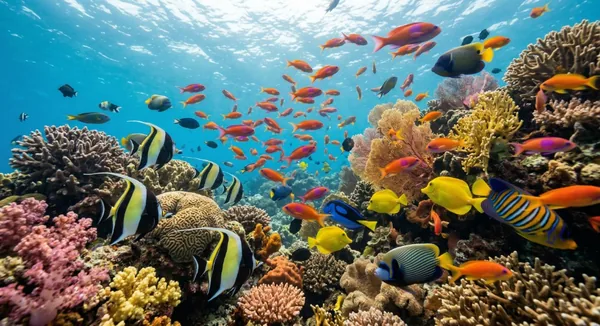
Underwater life around Pescador Island presents a captivating spectacle, with its vibrant reefs supporting diverse species. Large schools of sardines are a primary draw, often swirling in immense formations that create a dazzling natural show.
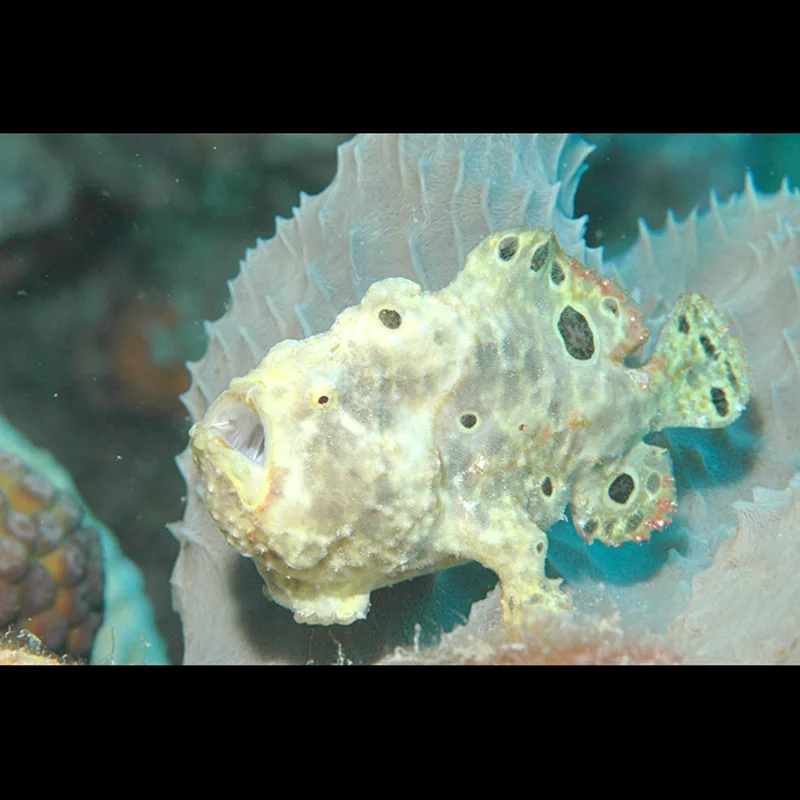
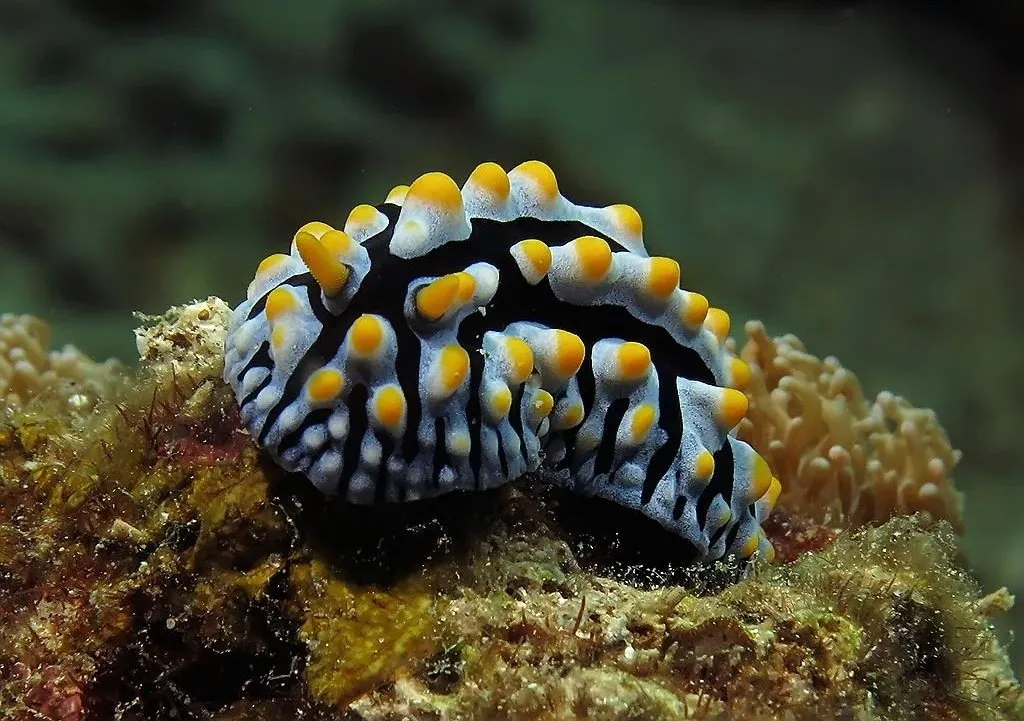
Exploring the abundant hard and soft coral gardens, divers regularly encounter a variety of macro life. Frogfish, Spanish Dancers, and numerous nudibranchs are commonly sighted among the intricate reef structures.
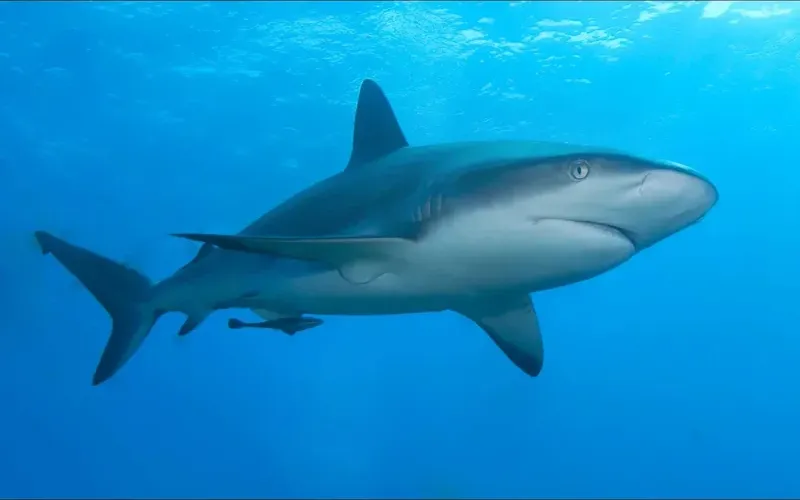
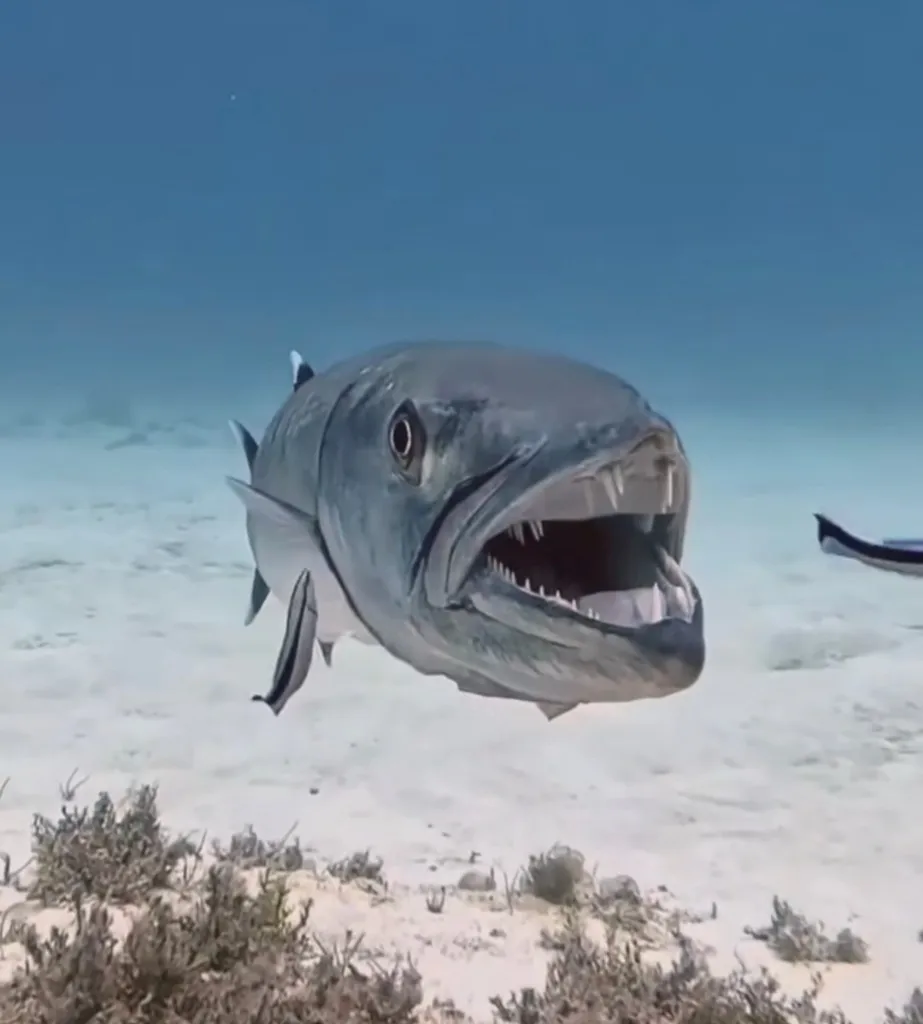
Further into the blue, larger pelagics such as tuna and barracuda can be observed. Keep an eye out for white-tipped reef sharks patrolling the deeper edges, adding an element of excitement to the dive. Occasional sightings of whale sharks, pipehorse, and jawfish are also possible.
Dive Sites Near Pescador Island
View all dive sites in PhilippinesDiscover more underwater gems in this area.
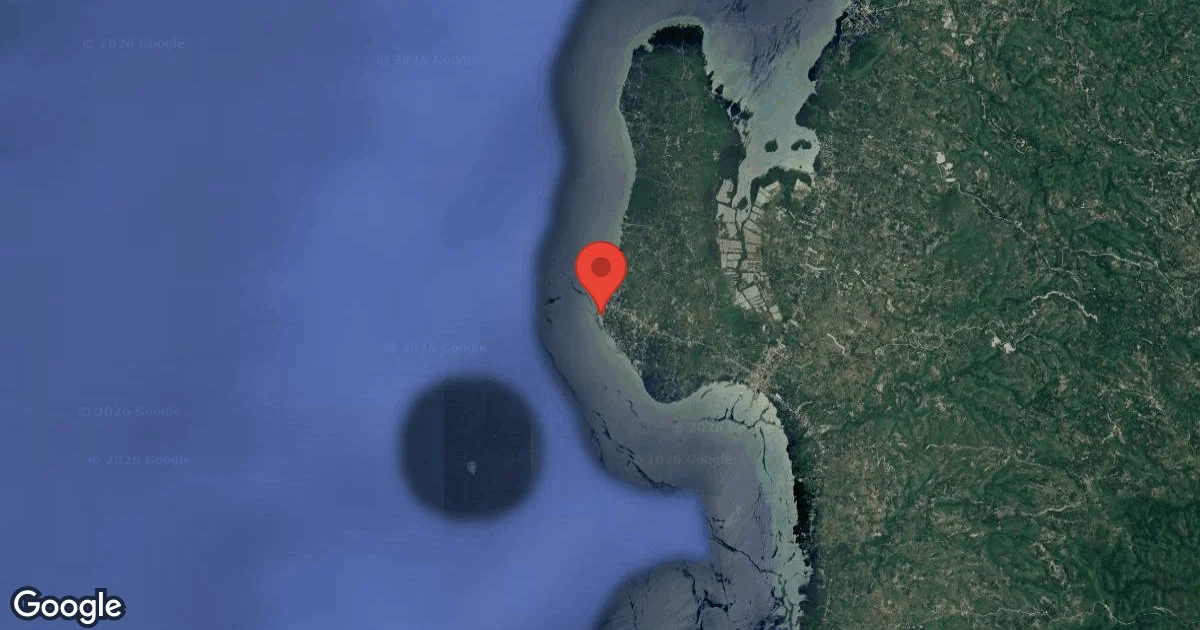
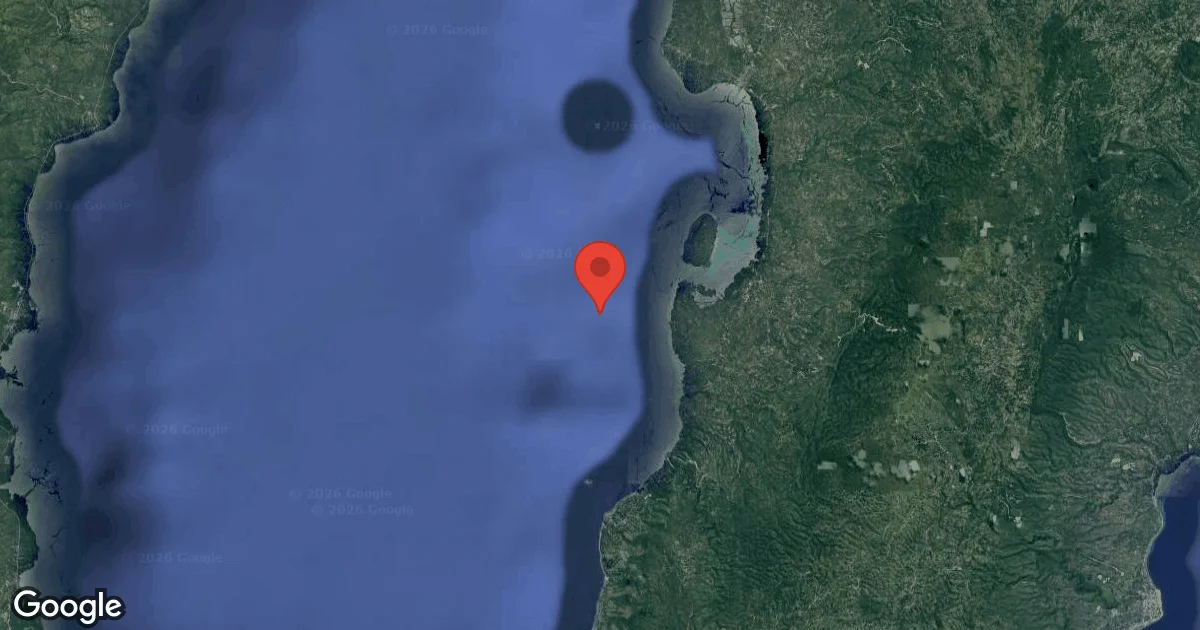
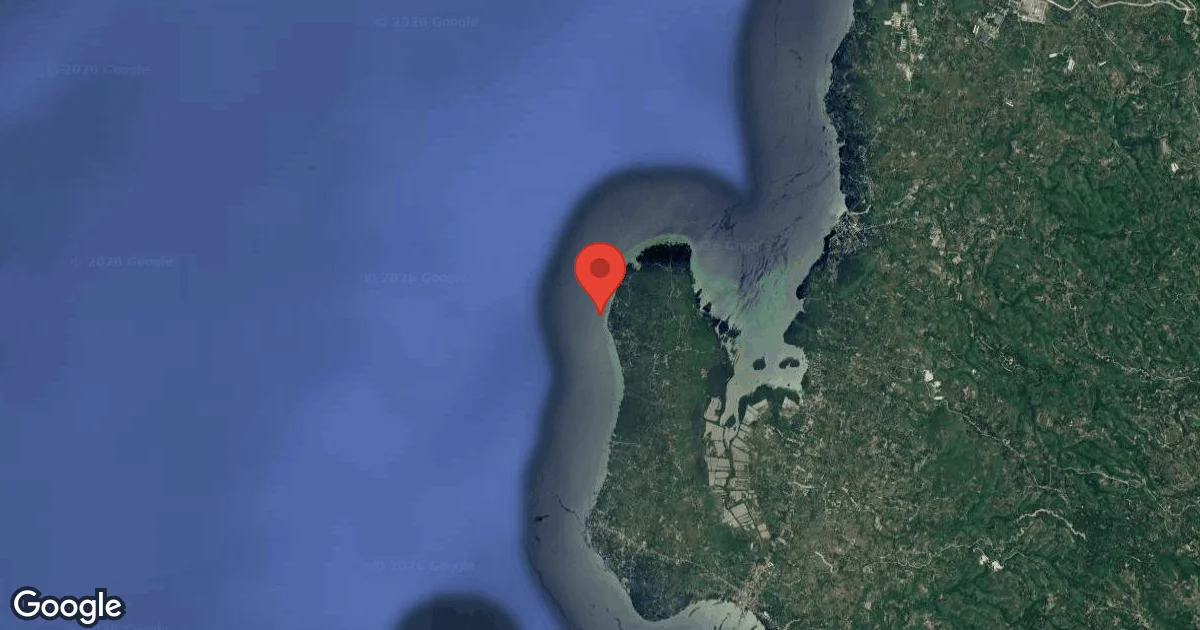
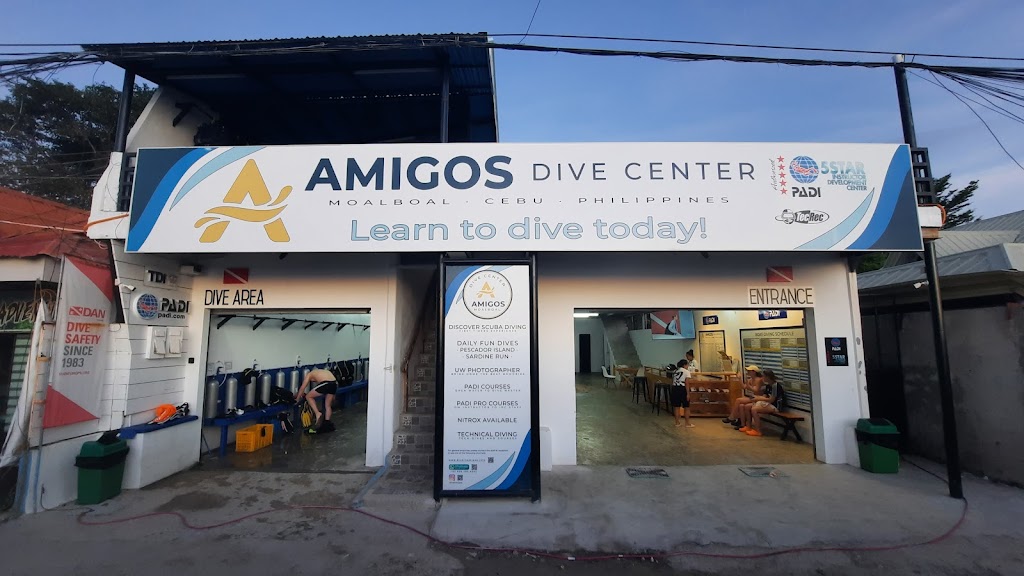
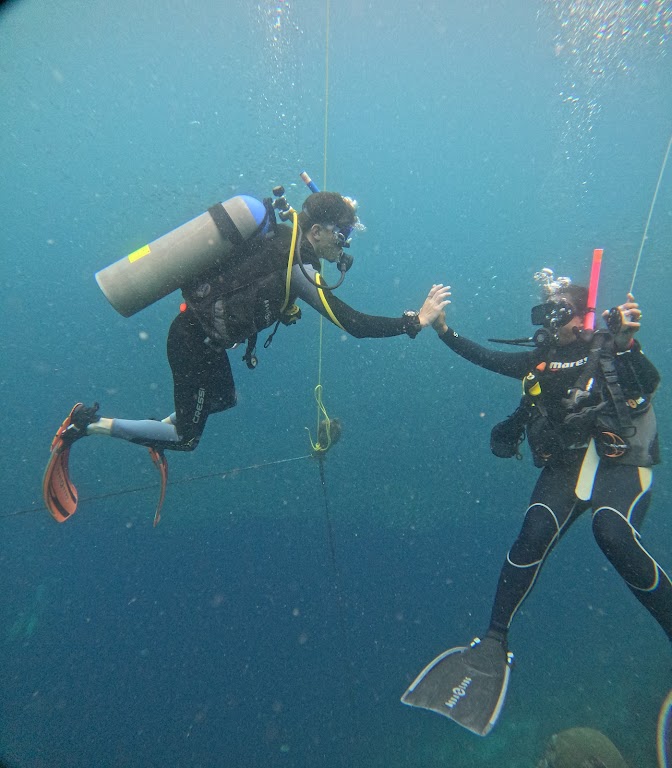
Dive Centers Near Pescador Island
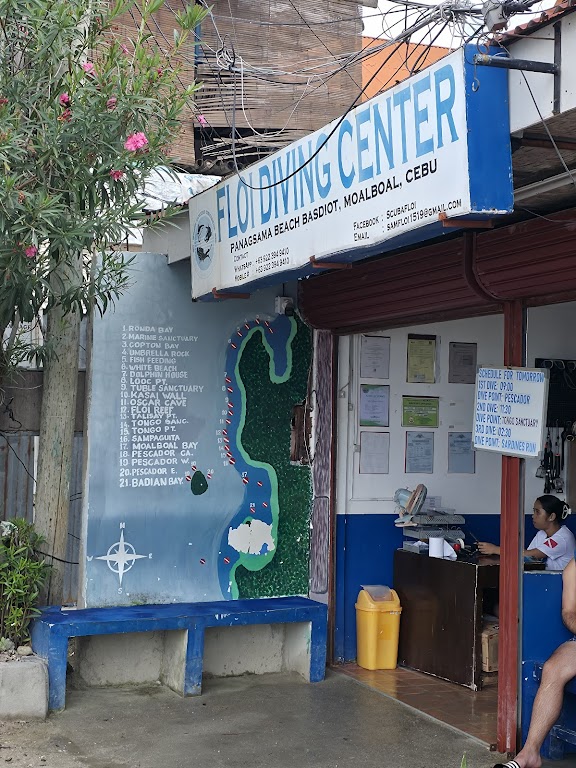
Today: 07:00 - 22:00
Things to Do Around Pescador Island


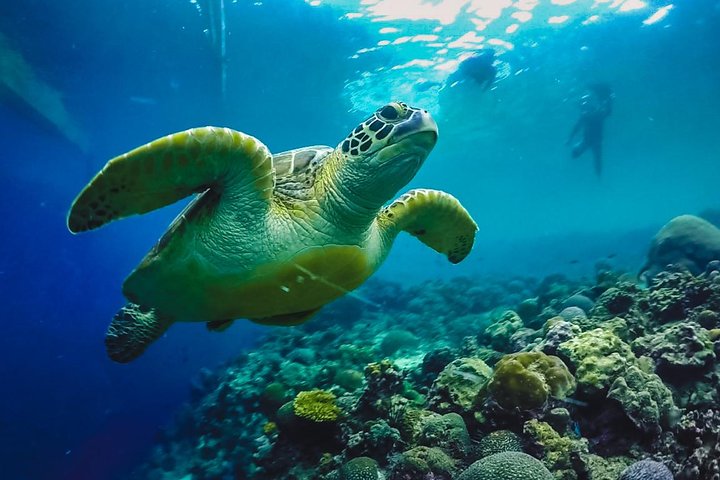
Cebu: Moalboal Sardines, Turtle Snorkeling & Kawasan Canyoneering


Moalboal Sardines and Turtle with Canyoneering in Kawasan Falls
Nearest Airports
Nearest airports to help plan travel to this dive area.
Search Flights
Check available flights and routes on Expedia, using the nearby airports listed in this section.
Search Flights on ExpediaFrequently Asked Questions
What makes Pescador Island a significant dive destination in Moalboal?
Pescador Island is considered a premier dive site due to its extensive marine biodiversity and unique underwater topography. It's particularly noted for its dramatic walls, abundant hard and soft coral gardens, and notable sardine runs.
Are there strong currents at Pescador Island?
Currents at Pescador Island can vary, ranging from calm to potentially strong, reaching up to 3 knots (5.5 km/h). Divers should be prepared for these conditions, especially around the deeper wall sections, and maintain good buoyancy control.
What is "The Cathedral" feature at Pescador Island?
"The Cathedral" is a prominent underwater feature found on the northwest side of Pescador Island. This unique geological formation offers an intriguing architectural element for divers to explore.
What marine life can divers expect to see at Pescador Island?
Divers can anticipate seeing large schools of sardines, frogfish, Spanish Dancers, and various nudibranchs. Larger species like tuna, barracuda, and white-tipped reef sharks are also common, with occasional whale shark sightings.
Is Pescador Island suitable for beginner divers?
Pescador Island offers areas suitable for Open Water certified divers, particularly its shallower ledges and coral gardens. However, due to potential currents and deeper wall sections, Advanced Open Water certification is beneficial for a more comprehensive exploration.
How long does it take to get to Pescador Island from Moalboal?
Pescador Island lies approximately 4 kilometers (2.5 miles) from Panagsama Beach in Moalboal. Travel by banca boat typically takes about 11 minutes to reach the dive site.
Planning to dive Pescador Island?
Tell us your dates and diving needs. We'll review your request and seek offers from relevant local dive centers.
Request Dive OffersConditions are Good
07:00 - 14:00
Optimal conditions expected
Current conditions near Pescador Island show 30° air, 31° sea temperature, 0.1 m waves, and 24 km/h wind. Forecast data is refreshed regularly to ensure accuracy.