
Diving at Talisay (Philippines)
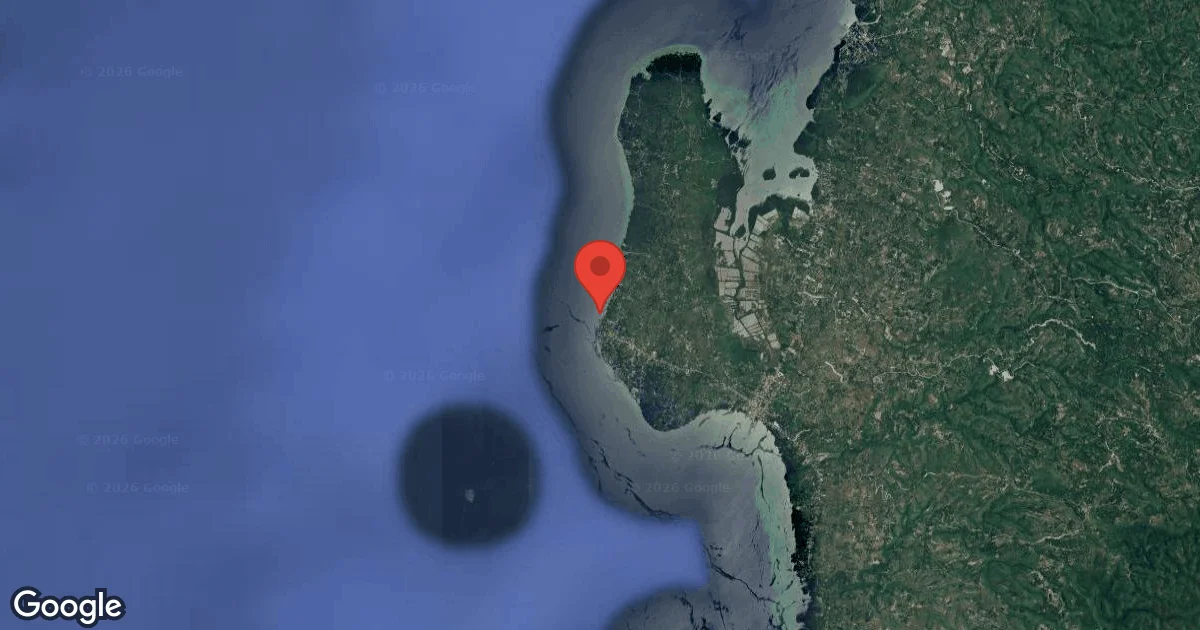
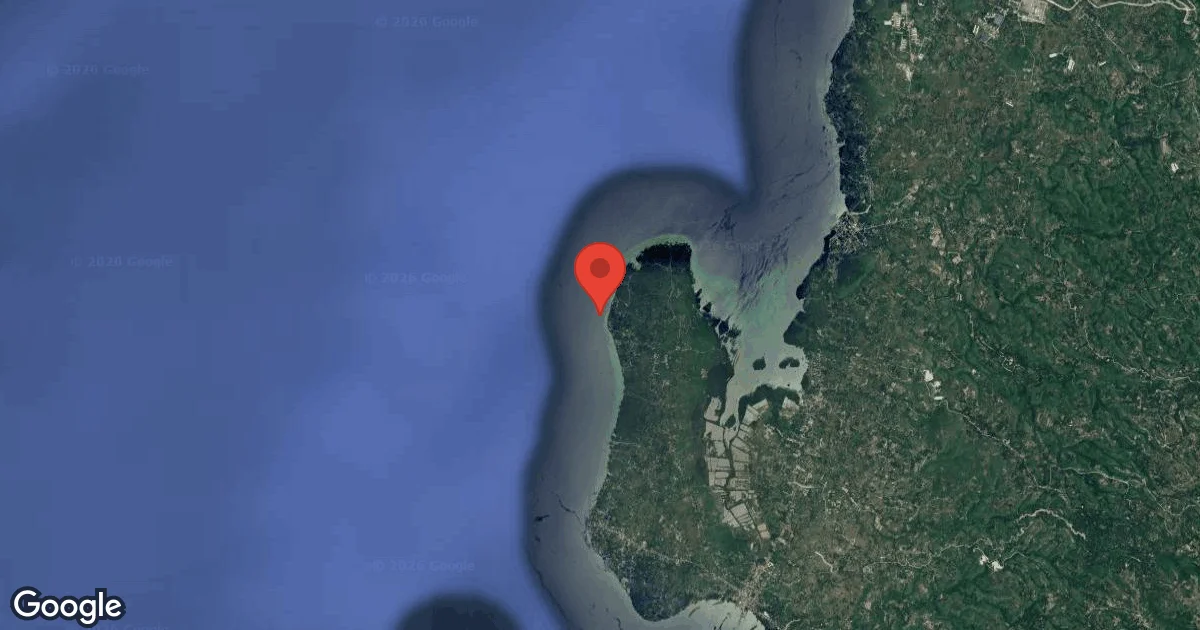
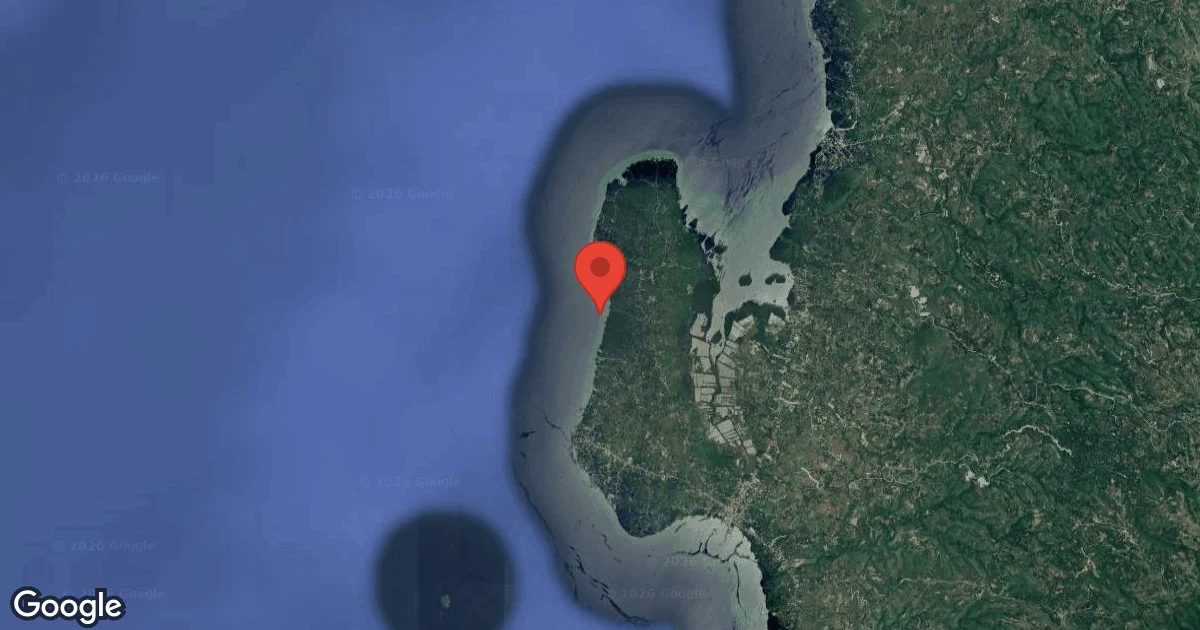
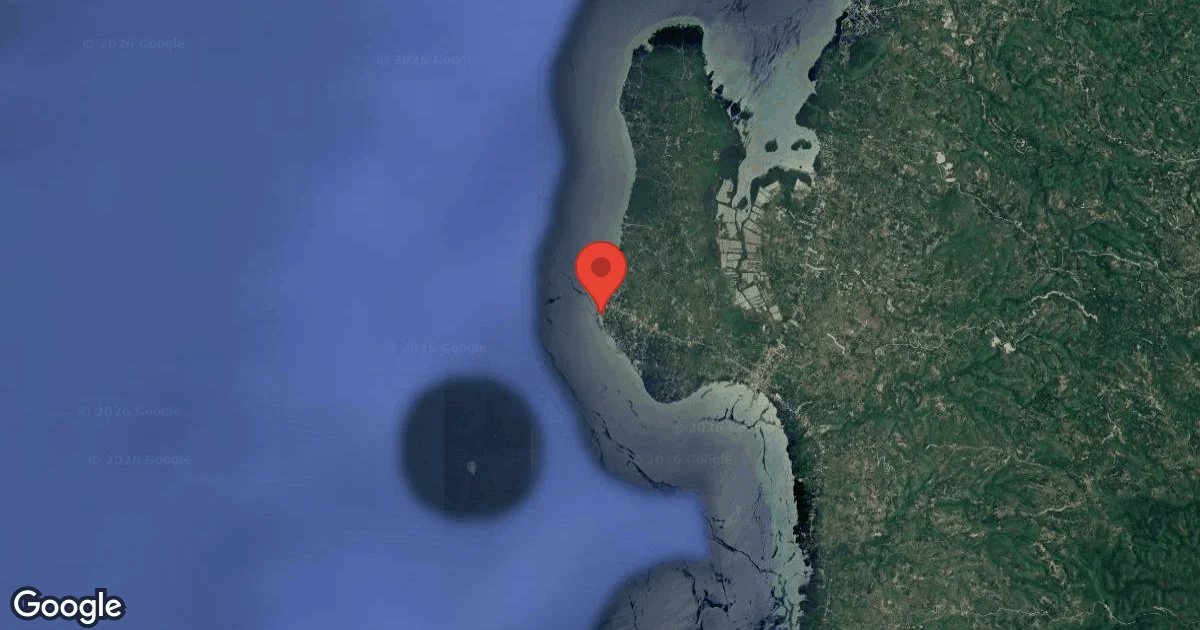
Talisay Point in Moalboal, Cebu, presents a classic Philippine dive profile starting with a shallow hard-coral plateau before transitioning into a dramatic wall. This site is located just 1 km from Panagsama Beach, accessible via a short 3-minute banca boat ride. With GPS coordinates at N.09° 56.552′ E.123° 22.064′, it's a readily reachable spot for divers looking for diverse reef structures.
Tonight's objective overview for Talisay shows an air temperature of 29.5°C. The measured surface conditions include wave heights around 0 m. This environmental data is logged for the close of the day.
Dive Site Location & Key Facts
Dive Site Overview
Talisay Point commences with a gentle slope leading away from the shore, providing a calm entry point. This initial stretch quickly transitions into an expansive hard-coral plateau, typically found around 5 m (16 ft) in depth.
Divers often spend time exploring this shallower area before the reef dramatically plunges. Beyond the plateau, a significant vertical wall unfolds, dropping sharply to a maximum recreational depth of about 30 m (100 ft). For those with advanced certifications, the wall continues its descent into much deeper sections, extending to approximately 60 meters, offering opportunities for technical exploration and making it a compelling site for advanced drift diving.
Along its extensive length, this wall features numerous small caves and intricate canyons, providing complex topographical interest for exploration and excellent hiding spots for smaller creatures. The site is frequently executed as a long drift dive, with navigation facilitated by two distinct buoys marking its east and west ends.
A vibrant and healthy coral ecosystem blankets these impressive structures, sustaining a rich and varied array of marine life.
Conditions are Excellent
07:00 - 14:00
Optimal conditions expected
Current conditions near Talisay show 30° air, 30° sea temperature, 0.0 m waves, and 15 km/h wind. Forecast data is refreshed regularly to ensure accuracy.
Best Time to Dive
Considering dive conditions, Talisay offers excellent opportunities year-round, though the high season typically runs from November to June. During these months, the average air temperature hovers between 27°C (81°F) and 29°C (84°F), providing comfortable surface conditions. Rainfall is minimal in April and May, averaging around 2.8 mm to 4.7 mm, which contributes to generally calmer seas and improved visibility. Water temperatures are consistently warm, ranging from 25-29°C (77-84°F) throughout the year, removing the need for heavy thermal protection. Wave heights are generally low, particularly from April to October, often less than 0.2 m (0.7 ft), contributing to smoother boat rides and entries.
PEAK SEASON SCORE
Scores combine air & water temps, waves, wind & rainfall for overall conditions.
BEST MONTHS TO DIVE
Monthly records compiled from satellite and marine observation nodes over the last 3 years. Data provided by Open-Meteo and MET Norway.
Dive Experience & Conditions
Starting a dive here typically involves navigating a hard-coral plateau, a shallow initial point roughly 5 meters before the main reef structure descends. From there, a pronounced wall dive unfolds, extending to a recreational maximum depth of about 30 meters for certified open water divers. Visibility at this site generally ranges from 10-25 m (33-82 ft), though it can fluctuate based on recent weather and sea conditions. Currents present a variable factor, sometimes negligible but occasionally reaching up to 3 knots. When stronger currents are observed, the dive is usually planned as a drift along the wall, requiring divers to be proficient in drift diving techniques. Divers must maintain vigilant depth awareness, especially near the drop-off points, as the wall continues into much deeper sections, extending to 60 meters for those with advanced qualifications.
Dive Difficulty & Safety Guidelines
When approaching Talisay Point, always prioritize a thorough dive briefing, especially concerning potential currents. The site is frequently planned as a drift dive along its extensive wall, so employing appropriate drift procedures and maintaining constant depth awareness on the drop-off is critical. Currents here can be significant, ranging from 0 to 3 knots, so assessing conditions before entry is essential.
Ensure your surface marker buoy (SMB) is readily accessible for deployment. Divers should also be mindful of their air consumption, particularly during drift segments, to allow for a comfortable safety stop.
Always dive within your certification limits and consider the deeper sections, which extend beyond recreational depths, require advanced training.
Recommended Equipment
- Dive Computer
- DSMB
This gear list is based on verified equipment signals for Talisay, Philippines. Always confirm final gear choices with your dive operator, guide, or liveaboard.
Recommended Dive Suit
Water temperatures at Talisay are currently estimated to be around 30°C (87°F), shaping the overall diving conditions for today. Surface air temperatures are resting at 30°C (85°F).
Many divers choose dive skin or rash guard when diving in similar conditions.
Short-term weather patterns suggest stable conditions for divers visiting the area.
Emergency & Medical Support
Essential information to help you plan your dive trip to Talisay.

Hyperbaric chambers are a critical part of dive safety infrastructure. Availability varies significantly by region, and not all dive areas have immediate access.
Before diving, it's recommended to:
- confirm nearest medical facilities
- check emergency procedures with local dive operators
- ensure dive insurance covers evacuation if required
Divers Alert Network
Diving emergency assistance available through DAN World.
+1-919-684-9111- 24/7 emergency hotline
- Diving medical assistance
- Evacuation coordination
Emergency contacts are provided for reference. Always verify local emergency services before diving.
Marine Life at Talisay
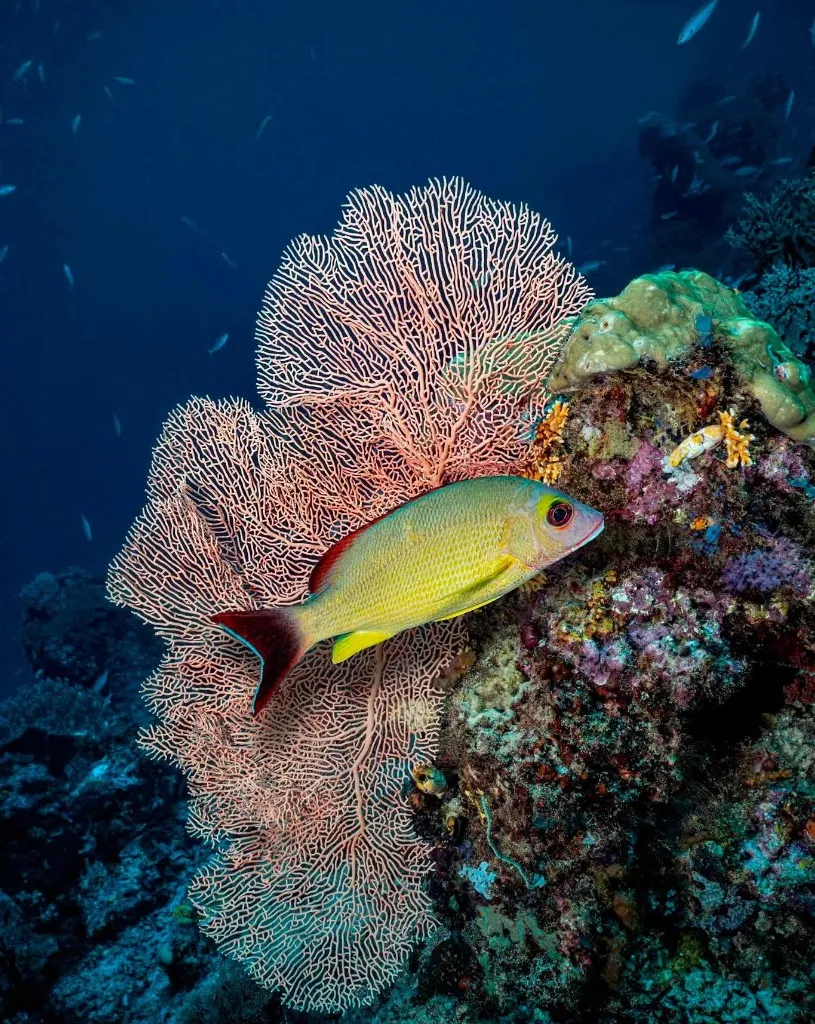
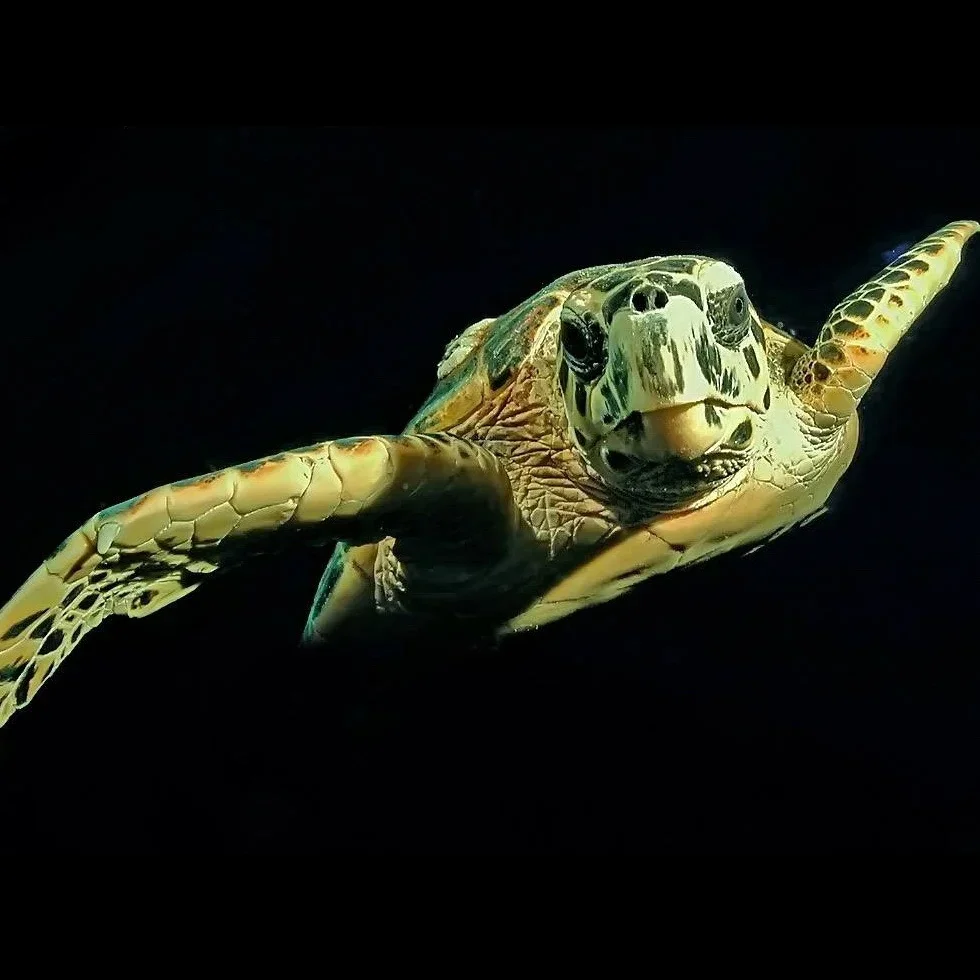
Descending into Talisay's vibrant waters, divers are frequently greeted by the sight of resting turtles, with both Green Sea turtles and Hawksbill turtles commonly observed. Along the wall, a detailed look often reveals intricate black corals, large sea fans, and sponges, providing shelter for smaller inhabitants.
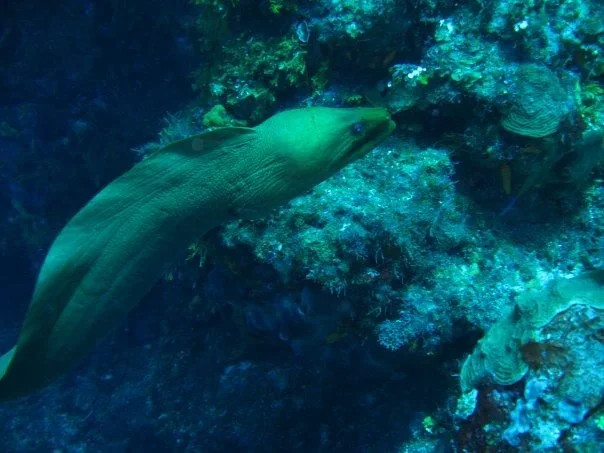
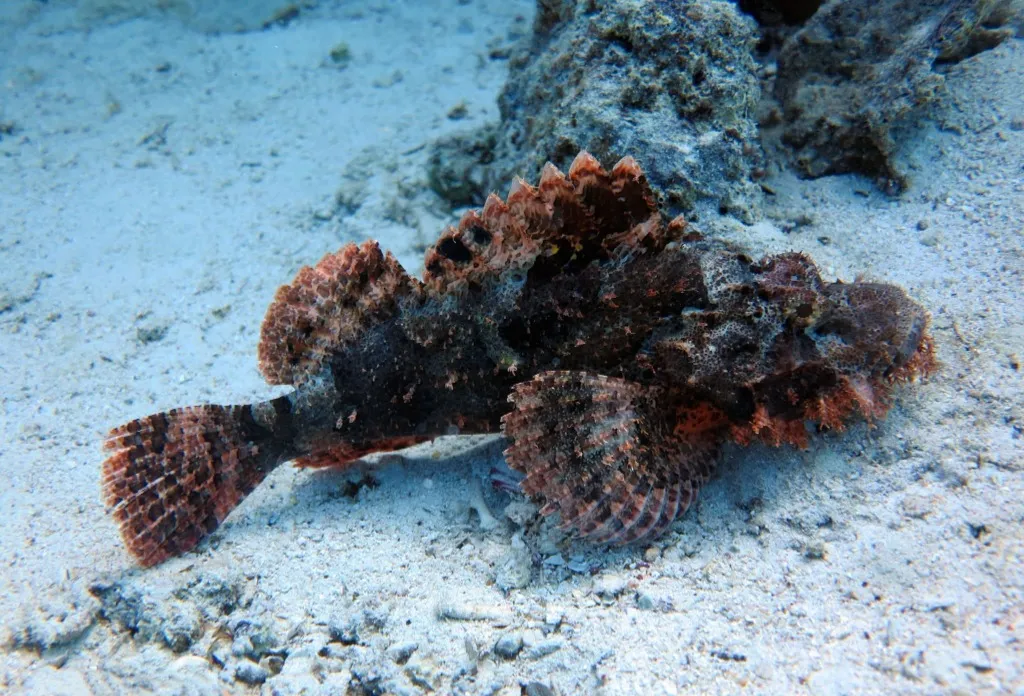
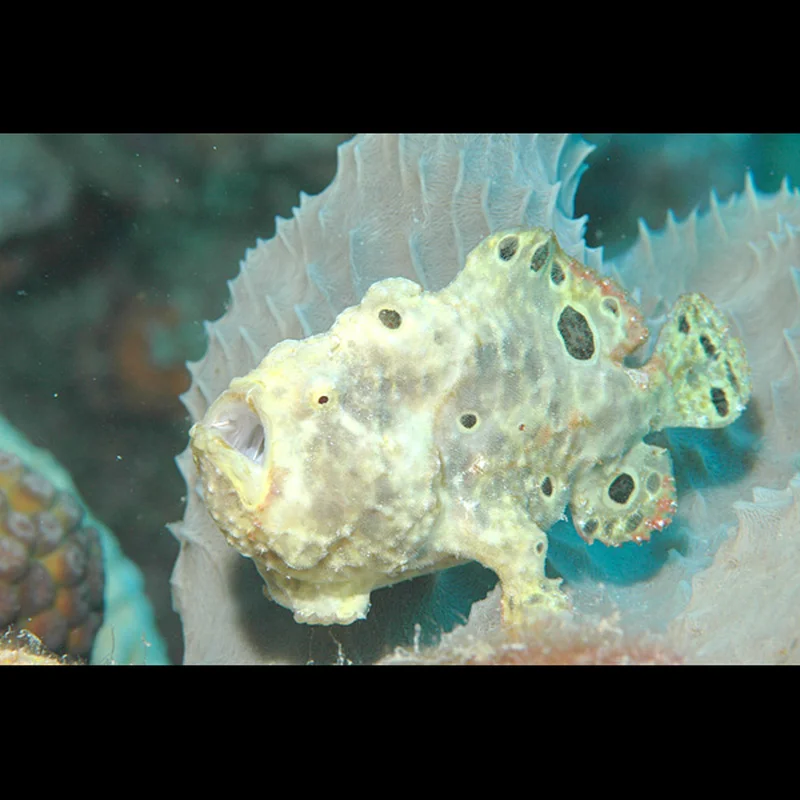
Frogfish and mandarin fish are present, often camouflaged among the corals, requiring a keen eye. Look for snappers, scorpion fish, triggers, and moray eels navigating the reef structure.
Occasionally, divers might spot a leaf fish or even a Spanish dancer, adding to the site's rich biodiversity.
Dive Sites Near Talisay
View all dive sites in PhilippinesDiscover more underwater gems in this area.
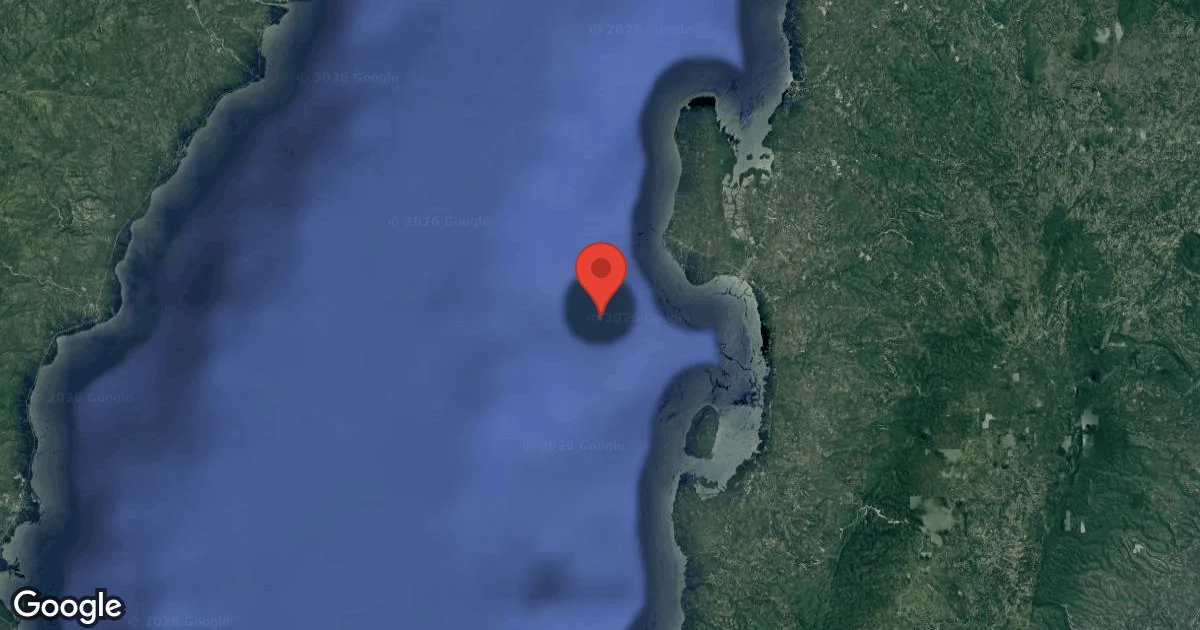
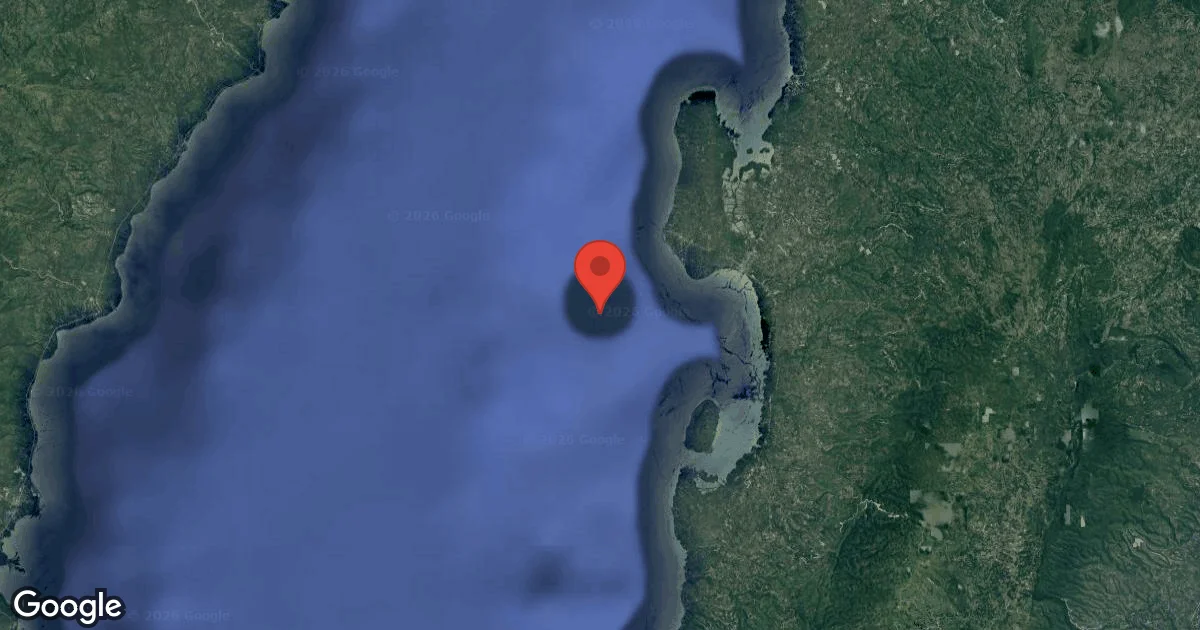
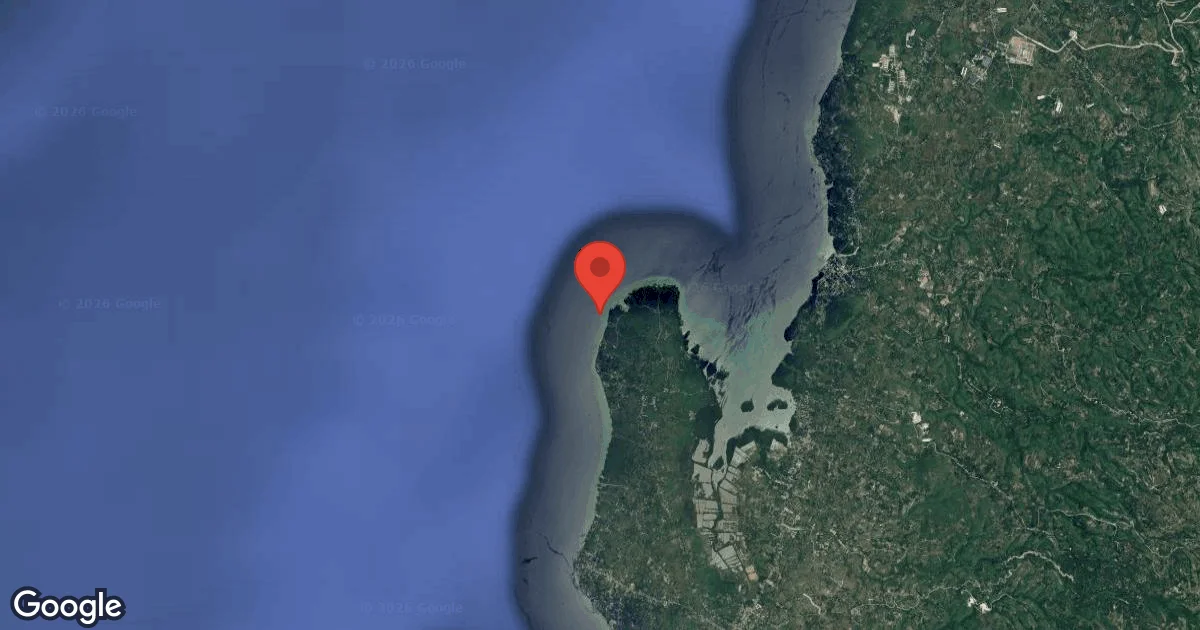
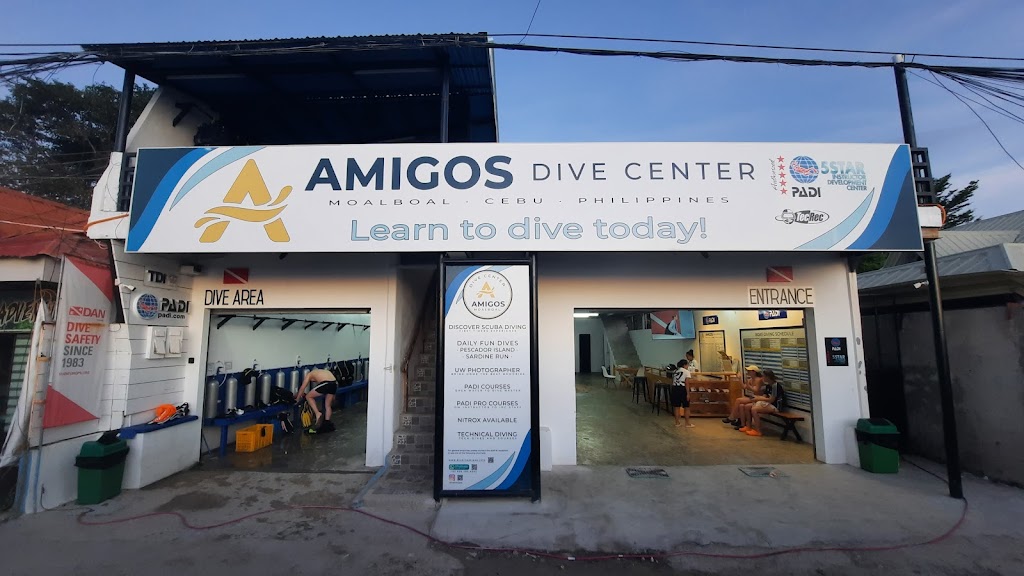
Dive Centers Near Talisay
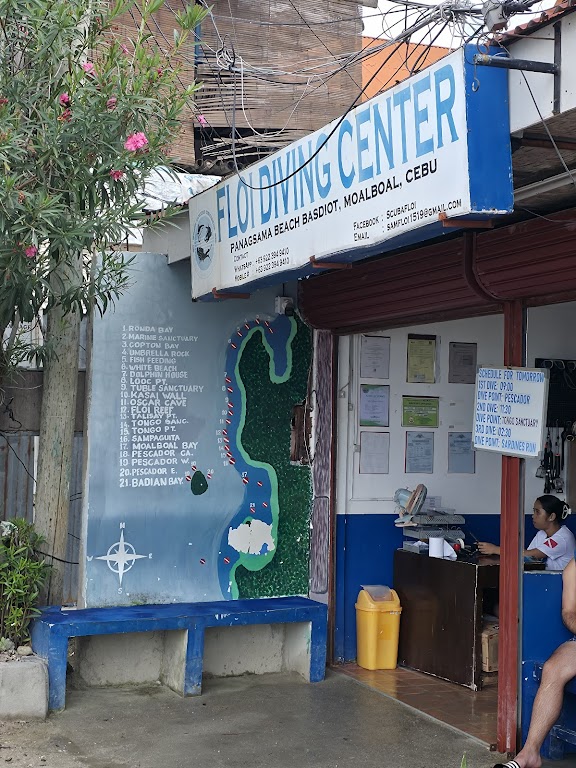
Today: 07:00 - 22:00
Nearest Airports
Nearest airports to help plan travel to this dive area.
Search Flights
Check available flights and routes on Expedia, using the nearby airports listed in this section.
Search Flights on ExpediaFrequently Asked Questions
What is the typical depth range for diving at Talisay Point?
Diving at Talisay Point starts on a shallow hard-coral plateau at roughly 5 meters. From this point, it transitions into a wall that reaches recreational depths of about 30 m (100 ft). Deeper sections of the wall continue to extend to approximately 60 meters for appropriately qualified divers.
Are there strong currents at Talisay Point?
Currents at Talisay Point vary, ranging from 0 to 3 knots. It's often planned as a drift dive, especially when currents are stronger, so divers should be prepared for this possibility.
What marine life can be seen at Talisay Point?
Talisay Point is known for its turtles, including Green Sea and Hawksbill. Divers also frequently spot batfish, mandarin fish, frogfish, snappers, scorpion fish, triggers, nudibranchs, and moray eels among the corals.
Is Talisay Point suitable for Open Water Divers?
Yes, the site is suitable for Open Water Divers, particularly the sections down to 30 meters. However, due to potential strong currents, it is beneficial for Open Water Divers to have some experience with drift diving or to dive with a local guide.
What is the visibility like at Talisay Point?
Visibility at Talisay Point typically ranges from 10 to 25 meters. Conditions can vary based on local weather and sea state, but generally offer clear viewing of the reef and marine inhabitants.
When is the best time of year to dive Talisay Point?
Diving is possible year-round, but the high season, offering optimal conditions, runs from November to June. During these months, you can expect stable weather, lower rainfall, and consistently warm water temperatures.
Planning to dive Talisay?
Send one inquiry and receive offers directly from the best verified local dive operators.
Conditions are Excellent
07:00 - 14:00
Optimal conditions expected
Current conditions near Talisay show 30° air, 30° sea temperature, 0.0 m waves, and 15 km/h wind. Forecast data is refreshed regularly to ensure accuracy.