
Diving at Aliwal Shoal (South Africa)
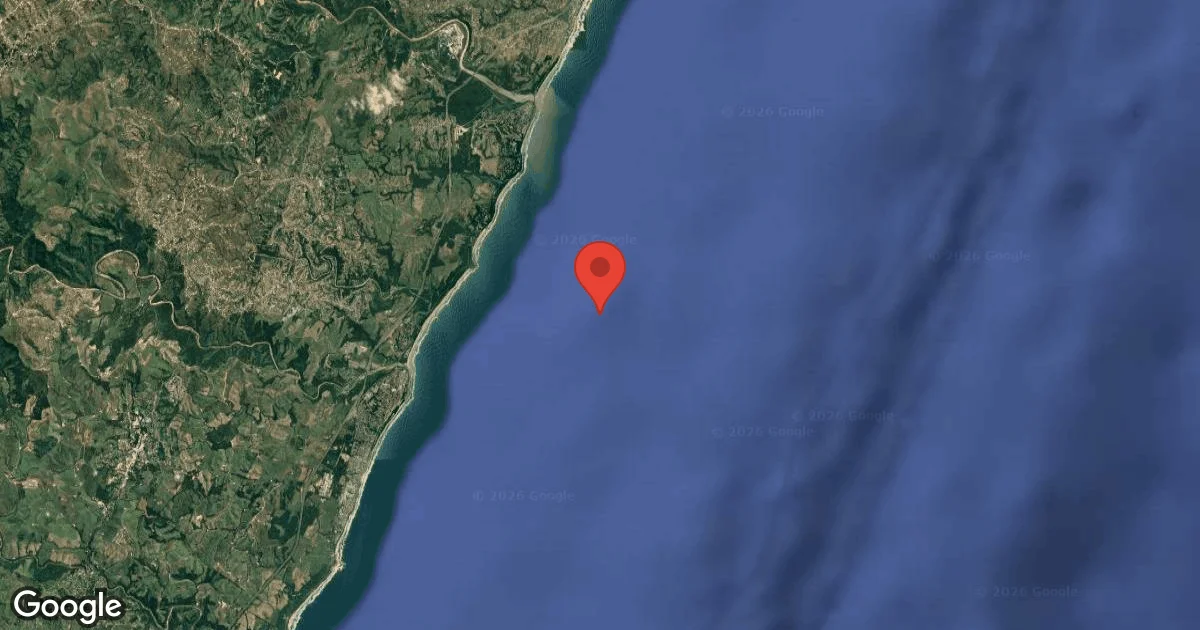
Aliwal Shoal is a fossilized sandstone reef system, originally an ancient sand dune, positioned approximately 5 kilometers / 3.1 miles off South Africa's KwaZulu-Natal coast. This extensive rocky reef spans about 4 km / 2.48 miles long and 1.5 km / 0.93 miles wide. It's home to diverse dive sites including pinnacles, caves, and two significant shipwrecks, the SS Nebo and the MV Produce. This unique geological formation supports a rich marine environment.
Tonight's objective overview for Aliwal Shoal shows an air temperature of 16.5°C. The measured surface conditions include wave heights around 2.9 m. This environmental data is logged for the close of the day.
Dive Site Location & Key Facts
Dive Site Overview
Embarking on a dive at Aliwal Shoal means preparing for a dynamic underwater adventure off Umkomaas. This isn't a typical coral garden; it's a rocky reef system, once an ancient sand dune, that has transformed into a vibrant ecosystem.
Divers explore sites ranging from shallow pinnacles, starting around 5 m / 16.4 ft, down to depths of 27 m / 88.5 ft in areas like "Cathedral." The Shoal is also a graveyard for two significant vessels, the SS Nebo at 27 m / 88.5 ft and the MV Produce resting deeper at 32 m / 105 ft. These wrecks provide complex structures for exploration and shelter for marine life. Conditions here can be challenging, often involving surf launches from the river mouth, which sets an adventurous tone from the start.
Visibility and currents vary, adding to the site's wild, untamed feel. It's a destination that attracts those seeking encounters with large pelagics, particularly various shark species, against a backdrop of unique fossilized geology. This area rewards experienced divers with thrilling and diverse underwater experiences.
Conditions are Moderate
High Swell Advisory. Not recommended.
Current conditions near Aliwal Shoal show 17° air, 21° sea temperature, 2.6 m waves, and 25 km/h wind. Forecast data is refreshed regularly to ensure accuracy.
Best Time to Dive
Planning a trip to Aliwal Shoal often centers on optimizing underwater visibility and comfort, though diving is possible year-round. For more comfortable water temperatures and generally better conditions, the warmer months from February to April are often preferred. During this time, water temperatures can range from 23-28°C / 73-82°F. Air temperatures also average highest from January to March, around 24-25°C / 75-77°F, while rainfall is moderate. Conditions during the cooler, drier winter months, especially from June to August, might see air temperatures around 16-18°C / 61-65°F and minimal rain, but water can be cooler and conditions generally more challenging. September to December tends to be noticeably quieter due to potentially more turbulent weather and colder water, which can impact visibility. Experienced divers often weigh the trade-off between conditions and the seasonal marine life migrations.
PEAK SEASON SCORE
Scores combine air & water temps, waves, wind & rainfall for overall conditions.
BEST MONTHS TO DIVE
Monthly records compiled from satellite and marine observation nodes over the last 3 years. Data provided by Open-Meteo and MET Norway.
Dive Experience & Conditions
Descending into Aliwal Shoal's waters, divers immediately encounter a dynamic environment, often preceded by a thrilling surf launch. Conditions here fluctuate, ranging from calm to exceptionally adventurous, shaped by prevailing weather patterns. The current can be significant, requiring attentive dive planning and readiness for drift diving. Water temperatures vary considerably; warmer months see averages from 23-28°C / 73-82°F, while colder periods present a different thermal challenge. Visibility is not consistently reported and depends heavily on conditions, but can offer compelling views of the reef's hard and soft corals. The rugged sandstone topography, riddled with gullies and pinnacles, forms an intricate landscape. Dives often explore these reef structures or the distinct profiles of the Nebo and Produce wrecks, each demanding a level of comfort with variable currents and depths.
Dive Difficulty & Safety Guidelines
Diving at Aliwal Shoal presents specific challenges that warrant careful preparation and respect for the ocean's power. The site is known for dynamic conditions, including variable currents and potentially significant wave heights, especially during the surf launches. Divers should possess appropriate experience and be comfortable with potentially strenuous entries and exits.
While no specific hazards are consistently reported, the presence of large pelagic species, particularly various sharks, means maintaining situational awareness and following local dive operator briefings is paramount. Always dive with a reputable charter, adhere to their safety protocols, and ensure your equipment is well-maintained for these demanding waters.
Advanced certification and experience with drift diving are highly advisable for maximizing safety and enjoyment.
Recommended Equipment
Deep dive hazard. Increased narcosis and gas consumption risk.
Overhead / entanglement risk. Wreck penetration requires proper training.
Overhead environment. Do not enter beyond training and gas planning limits.
- Dive Computer
- DSMB
- Primary & Backup Lights
- Wreck Reel
- Reel / Spool
- Cutting Tool
This gear list is based on verified equipment signals for Aliwal Shoal, South Africa. Always confirm final gear choices with your dive operator, guide, or liveaboard.
Recommended Dive Suit
A warming trend is expected over the next few days. A warming trend is expected over the next few days.
Some divers prefer slightly warmer exposure protection simply for additional comfort. Surface intervals may feel noticeably cooler once you exit the water.
3-5mm wetsuit usually works well for maintaining comfort during standard dive profiles in these conditions. A hood or vest is suggested for sensitive divers due to surface winds. A thermal robe or jacket is recommended between dives. Divers preparing to enter the water at Aliwal Shoal will likely find temperatures around 21°C (70°F) today. Surface air temperatures are resting at 17°C (62°F).
Emergency & Medical Support
Essential information to help you plan your dive trip to Aliwal Shoal.

Hyperbaric chambers are a critical part of dive safety infrastructure. Availability varies significantly by region, and not all dive areas have immediate access.
Before diving, it's recommended to:
- confirm nearest medical facilities
- check emergency procedures with local dive operators
- ensure dive insurance covers evacuation if required
Divers Alert Network
Diving emergency assistance available through DAN Southern Africa.
+27828106010- 24/7 emergency hotline
- Diving medical assistance
- Evacuation coordination
Emergency contacts are provided for reference. Always verify local emergency services before diving.
Marine Life at Aliwal Shoal
Upon entry, divers often notice the prominent presence of diverse shark species, which are a primary draw to Aliwal Shoal. Oceanic Blacktip Sharks are present year-round, while Ragged-tooth sharks are a major seasonal attraction.
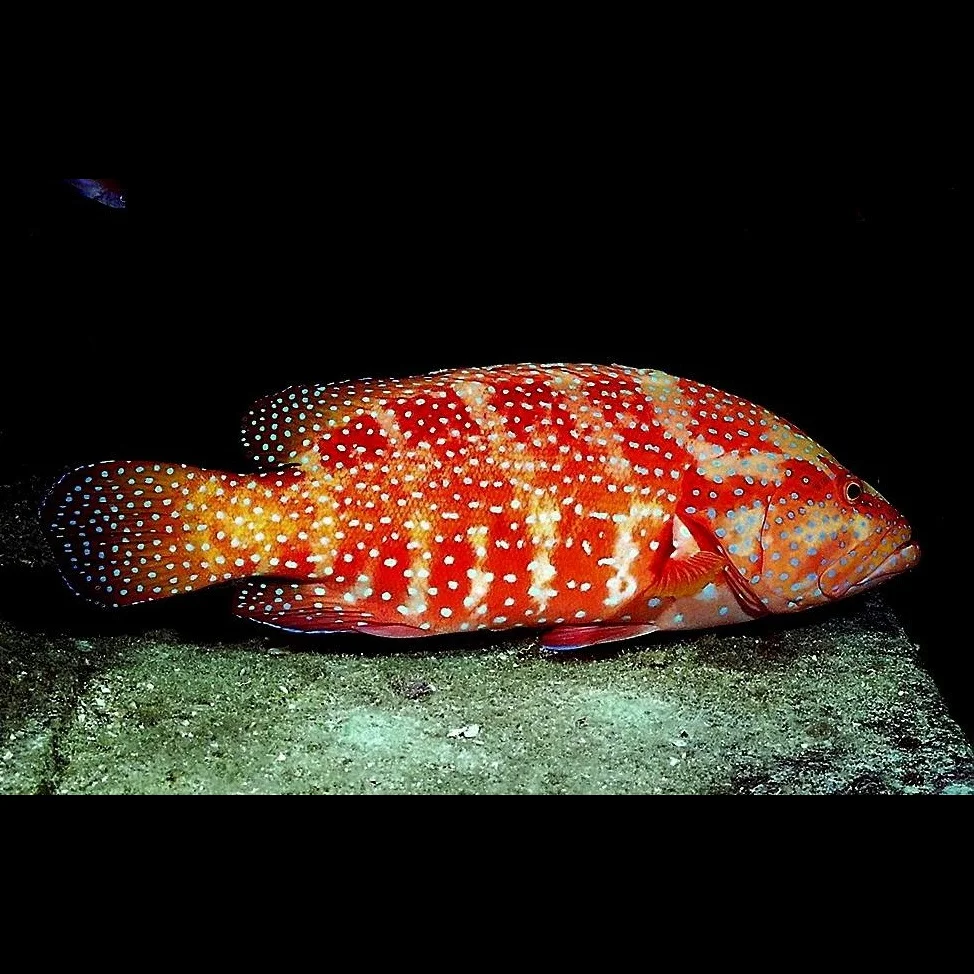
Depending on the season and conditions, encounters might also include Tiger sharks, Bull sharks, and occasionally even Great Whites. Beyond these apex predators, the reef supports a variety of tropical and subtropical fish, marble rays, and resident groupers.
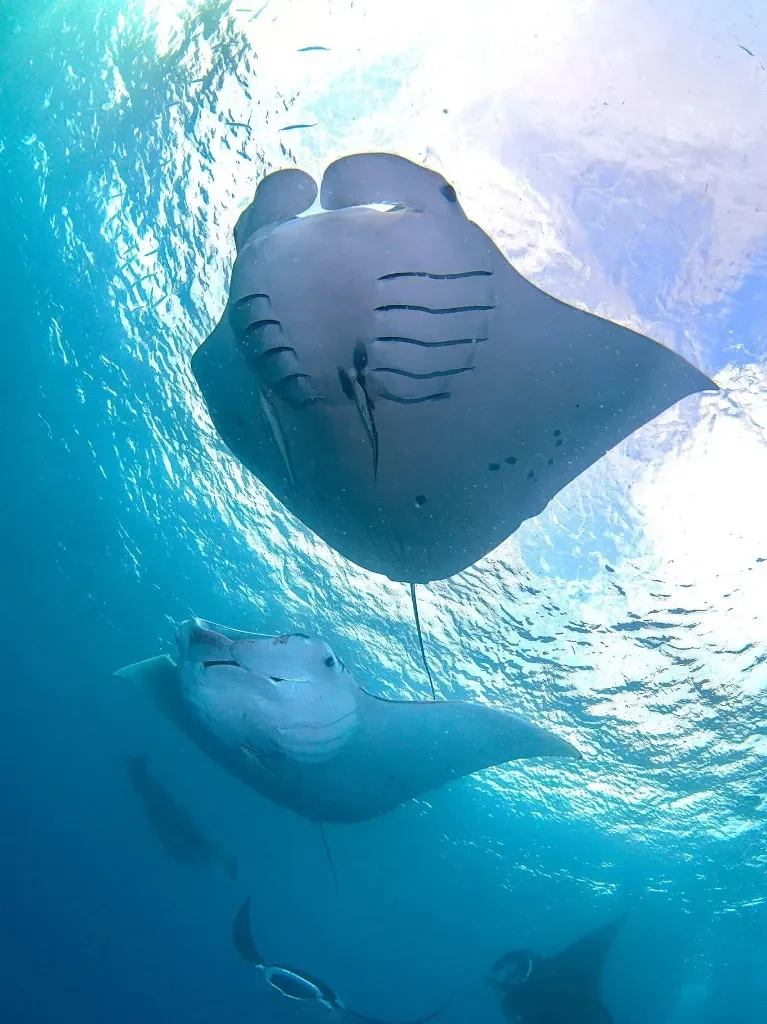
Dolphins and larger pelagics like Manta Rays, and sometimes Blue and Humpback Whales, are also visitors, particularly during winter months. The abundance of life varies, sometimes presenting multiple shark species on a single dive.

Dive Sites Near Aliwal Shoal
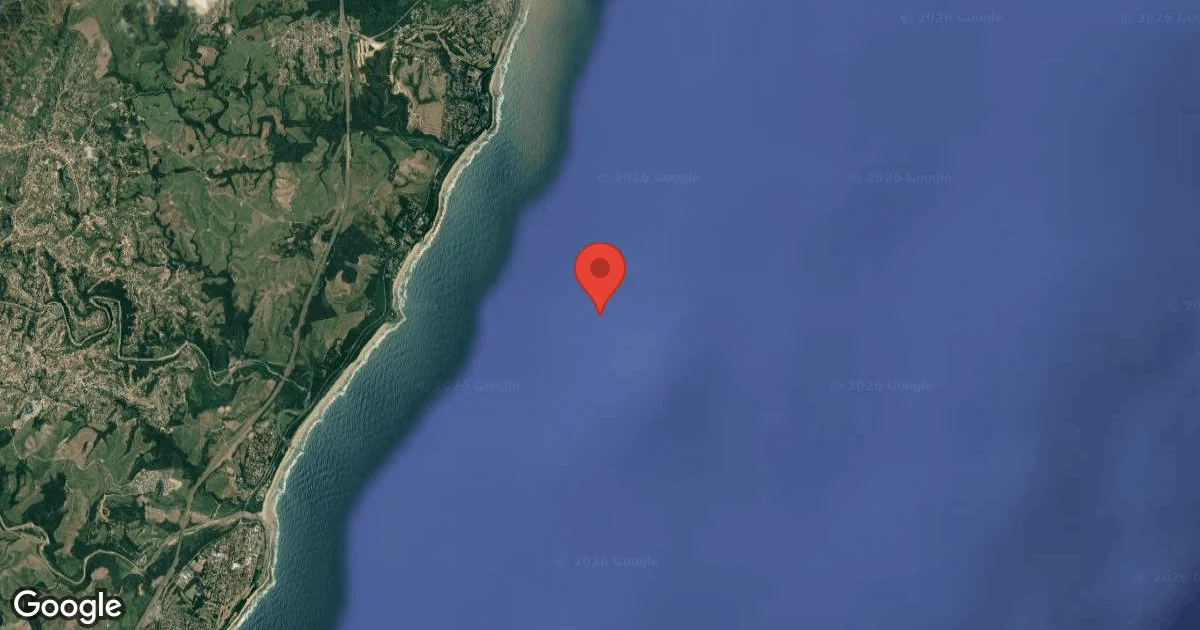
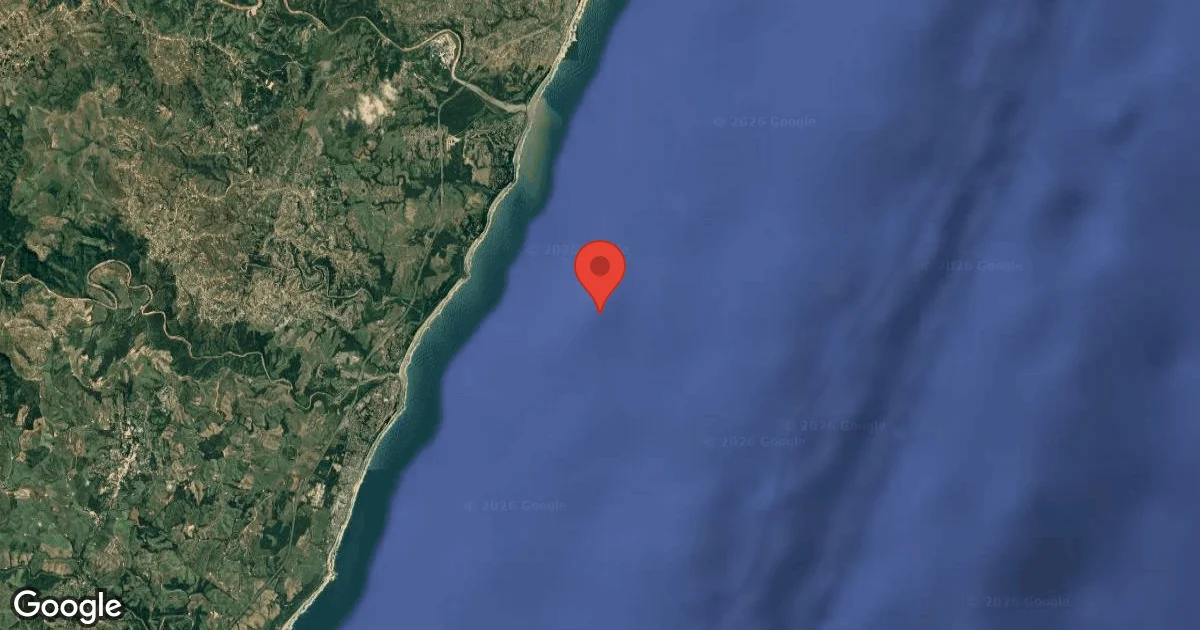
View all dive sites in South AfricaDiscover more underwater gems in this area.
Dive Centers Near Aliwal Shoal
Today: 07:00 - 12:00
Nearest Airports
Nearest airports to help plan travel to this dive area.
Search Flights
Check available flights and routes on Expedia, using the nearby airports listed in this section.
Search Flights on ExpediaFrequently Asked Questions
What type of reef is Aliwal Shoal?
Aliwal Shoal is a rocky reef, formed from an ancient fossilized sand dune, rather than a typical coral reef. It supports a variety of hard and soft corals, creating a unique underwater landscape for divers.
Are there wrecks to dive at Aliwal Shoal?
Yes, two prominent wrecks are popular dive sites: the SS Nebo, lying at 27 m / 88.5 ft, and the MV Produce, deeper at 32 m / 105 ft. Both offer complex structures for exploration and host a range of marine life.
What shark species can be seen here?
Divers frequently encounter Oceanic Blacktip Sharks year-round. Seasonal visitors include Ragged-tooth sharks, Tiger sharks, Bull sharks, and occasionally Great Whites, along with other pelagic species like dolphins.
Is Aliwal Shoal suitable for beginner divers?
Aliwal Shoal is considered challenging due to variable currents and surf launches. While some areas might be accessible, it generally requires experience and comfort with dynamic ocean conditions. It's often recommended for more advanced divers.
How do dive launches work?
Many dive operations at Aliwal Shoal utilize a unique surf launch from a river mouth. This means boats navigate through breaking waves to reach the open ocean, adding an adventurous start to the dive experience.
What are the typical water temperatures?
Water temperatures vary seasonally. Warmer months (February to April) typically see temperatures between 23-28°C / 73-82°F. Colder periods, particularly during winter, can bring noticeably lower temperatures.
How far is the shoal from shore?
Aliwal Shoal is situated approximately 5 kilometers / 3.1 miles off the coast of KwaZulu-Natal, South Africa, near the town of Umkomaas. Dive charters typically depart from this area.
Planning to dive Aliwal Shoal?
Send one inquiry and receive offers directly from the best verified local dive operators.
Conditions are Moderate
High Swell Advisory. Not recommended.
Current conditions near Aliwal Shoal show 17° air, 21° sea temperature, 2.6 m waves, and 25 km/h wind. Forecast data is refreshed regularly to ensure accuracy.