
Diving at Raggies Cave (South Africa)
Raggies Cave offers dynamic visibility, varying between 8-18m / 26-60ft, which can significantly influence the experience of observing its primary inhabitants. This site is a crucial aggregation point for ragged-tooth sharks during their mating season, drawing divers to Aliwal Shoal. The cave's structure allows for clear views of these docile creatures resting, making it a compelling destination for underwater photography. While conditions can shift, the prevailing visibility often supports excellent encounters.
Evening condition tracking at Raggies Cave features an air temperature of 16.5°C. We have recorded wave heights measuring 3.5 m during this period. These figures outline the environmental parameters currently present.
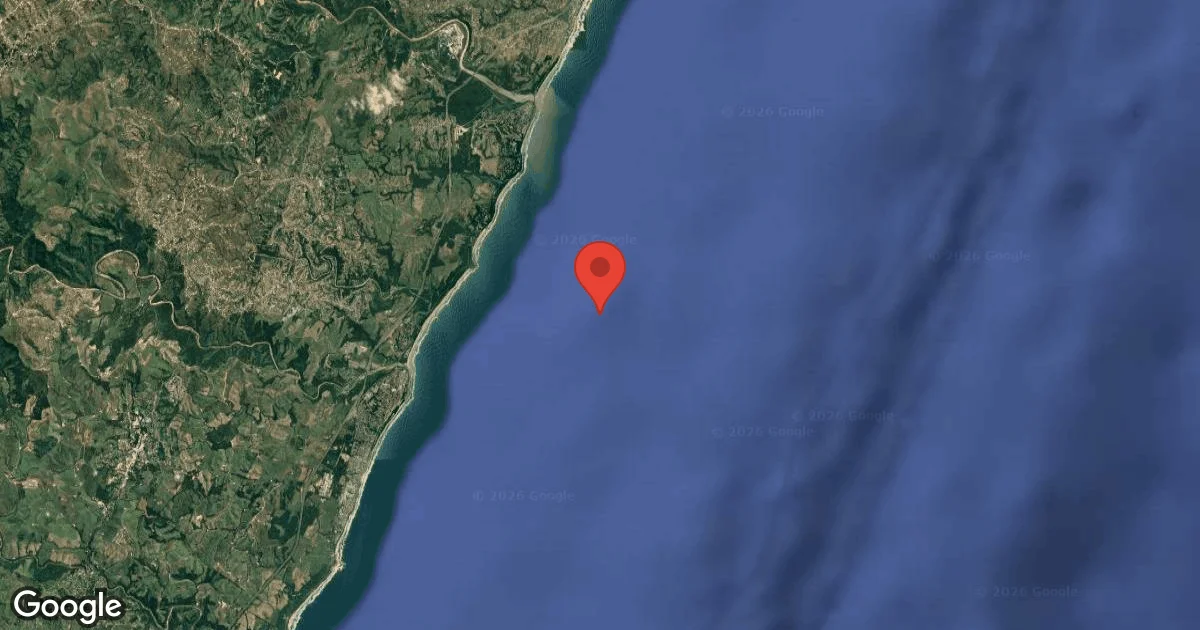
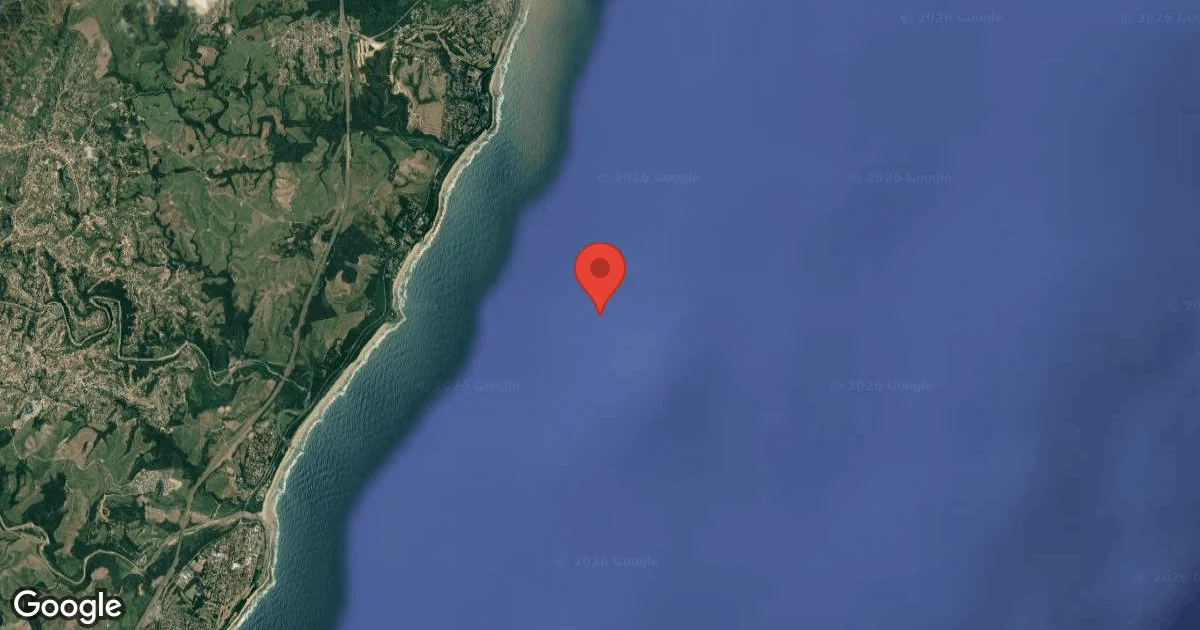
Dive Site Location & Key Facts
Dive Site Overview
Imagine descending into a large, open cavern where dozens of ragged-tooth sharks congregate, seemingly oblivious to divers. Raggies Cave, a popular site on Aliwal Shoal, provides just such an encounter, especially from late May to November during their mating season.
This isn't a high-speed chase; these sharks are known for their calm, accommodating disposition, often found resting and posing for photographers within the cave. Beyond the main attraction, the surrounding reef and sandy bottom are encrusted with coral and sponges, supporting various species of fish, nudibranchs, eels, and stonefish.
The site features a maximum depth of 18m / 59ft, making it accessible for certified divers. Entry is exclusively by boat, typically launched from nearby Umkomaas.
While referred to as a "cave," it's more accurately described as a large cavern or swim-through, designed by nature for a relatively easy dive. The experience here ranges from observing the sheer number of sharks to exploring the smaller, intricate life supported by the reef's structure.
Conditions are Poor
High Swell Advisory. Not recommended.
Current conditions near Raggies Cave show 17° air, 21° sea temperature, 2.7 m waves, and 32 km/h wind. Forecast data is refreshed regularly to ensure accuracy.
Best Time to Dive
Seasonal planning is critical for experiencing Raggies Cave at its peak. Observing ragged-tooth sharks is most active from late May through November, coinciding with their annual aggregation for mating. While air temperatures generally range from a cooler 17-20°C / 63-68°F during winter months (June-August) to warmer 22-25°C / 72-77°F in summer (December-February), shark presence dictates prime diving. October and December show poorer overall dive scores due to varying conditions, but consistent moderate scores for most other months suggest generally favorable conditions. Rain levels are typically low year-round, often less than 4mm / 0.16 inches per month, with July-August being the driest. Water temperatures typically range from 20-24°C / 68-75°F. Divers aiming for shark encounters should target the May-November window, understanding that conditions can vary, influencing visibility conditions.
PEAK SEASON SCORE
Scores combine air & water temps, waves, wind & rainfall for overall conditions.
BEST MONTHS TO DIVE
Monthly records compiled from satellite and marine observation nodes over the last 3 years. Data provided by Open-Meteo and MET Norway.
Dive Experience & Conditions
Raggies Cave presents a relatively shallow maximum depth of around 18 meters, making it suitable for various certification levels, including beginners. Divers typically find the average depth typically sits around 14 meters. A boat entry initiates this dive, leading into a large, open cavern environment. While the site is called a "cave," it functions more as an extensive swim-through, presenting an easy and comfortable exploration. Water temperatures commonly range between 20-24°C / 68-75°F, necessitating appropriate thermal protection. Visibility often varies significantly, which can affect the grandeur of the shark aggregations. Even with fluctuating visibility, the sheer number of sharks creates an unforgettable experience. Currents off the KwaZulu-Natal coast can be strong, but sharks often move into the shoal and the cave itself to escape these conditions, suggesting a more protected environment within the site.
Dive Difficulty & Safety Guidelines
Approaching Raggies Cave requires respect for marine life and awareness of prevailing oceanic conditions. While ragged-tooth sharks are generally docile, especially when aggregating for mating, maintaining a respectful distance and avoiding sudden movements is always advised. Aggressive shark behavior isn't characteristic of this site, but divers should remain composed.
Visibility can fluctuate, sometimes dropping significantly, requiring careful navigation and adherence to buddy procedures. Surface conditions, including wave height (which can average over 2m / 6.5ft), mean boat entries and exits should be managed carefully with experienced operators.
No consistently reported specific inherent hazards exist beyond typical open water diving considerations. Carrying a dive computer and a Surface Marker Buoy is recommended practice for this boat dive, ensuring proper depth and ascent management and surface visibility.
Recommended Equipment
- Dive Computer
- DSMB
This gear list is based on verified equipment signals for Raggies Cave, South Africa. Always confirm final gear choices with your dive operator, guide, or liveaboard.
Recommended Dive Suit
3-5mm wetsuit usually provides adequate warmth in water around this temperature. Consider warmer surface protection (like a boat coat) due to brisk winds. A thermal robe or jacket is recommended between dives. For divers entering the water at Raggies Cave, temperatures are currently hovering around 21°C (70°F). Surface air temperatures are resting at 17°C (62°F).
Forecasts suggest rising temperatures later this week. A warming trend is expected over the next few days.
Conditions can vary slightly across different parts of the same dive site.
Due to technical issues with our weather providers, live updates are temporarily delayed. The data above reflects the conditions at the time of the last successful fetch.
Emergency & Medical Support
Essential information to help you plan your dive trip to Raggies Cave.

Hyperbaric chambers are a critical part of dive safety infrastructure. Availability varies significantly by region, and not all dive areas have immediate access.
Before diving, it's recommended to:
- confirm nearest medical facilities
- check emergency procedures with local dive operators
- ensure dive insurance covers evacuation if required
Divers Alert Network
Diving emergency assistance available through DAN Southern Africa.
+27828106010- 24/7 emergency hotline
- Diving medical assistance
- Evacuation coordination
Emergency contacts are provided for reference. Always verify local emergency services before diving.
Marine Life at Raggies Cave
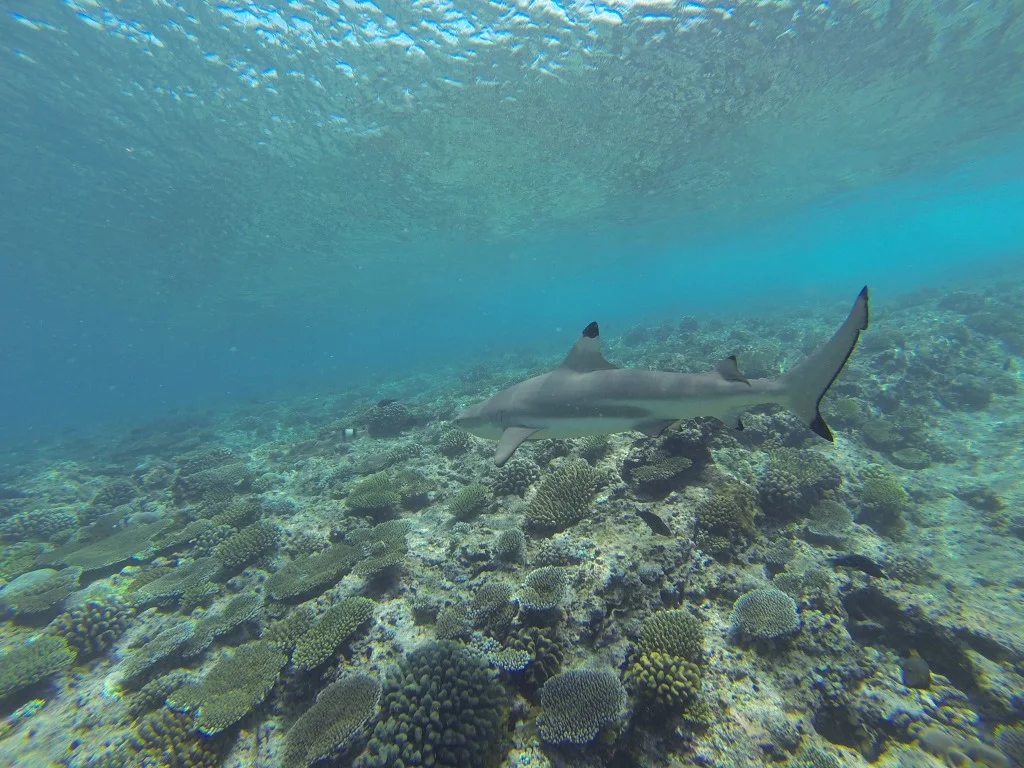
What divers notice first at Raggies Cave are the ragged-tooth sharks, appearing in significant numbers during their mating season from late May to November. These impressive, yet docile, creatures are often observed resting within the large cavern, providing exceptional photographic opportunities as they swim calmly around the space.
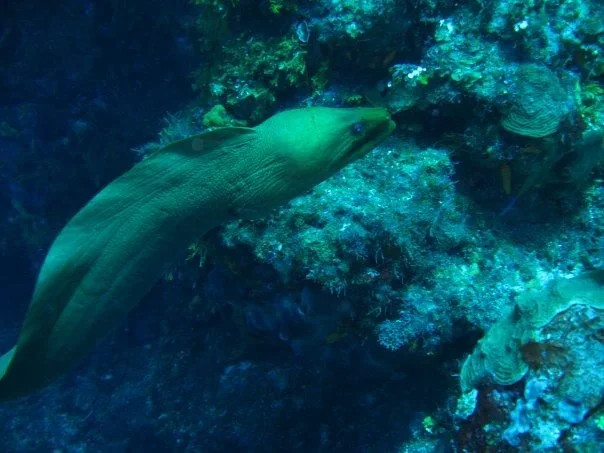
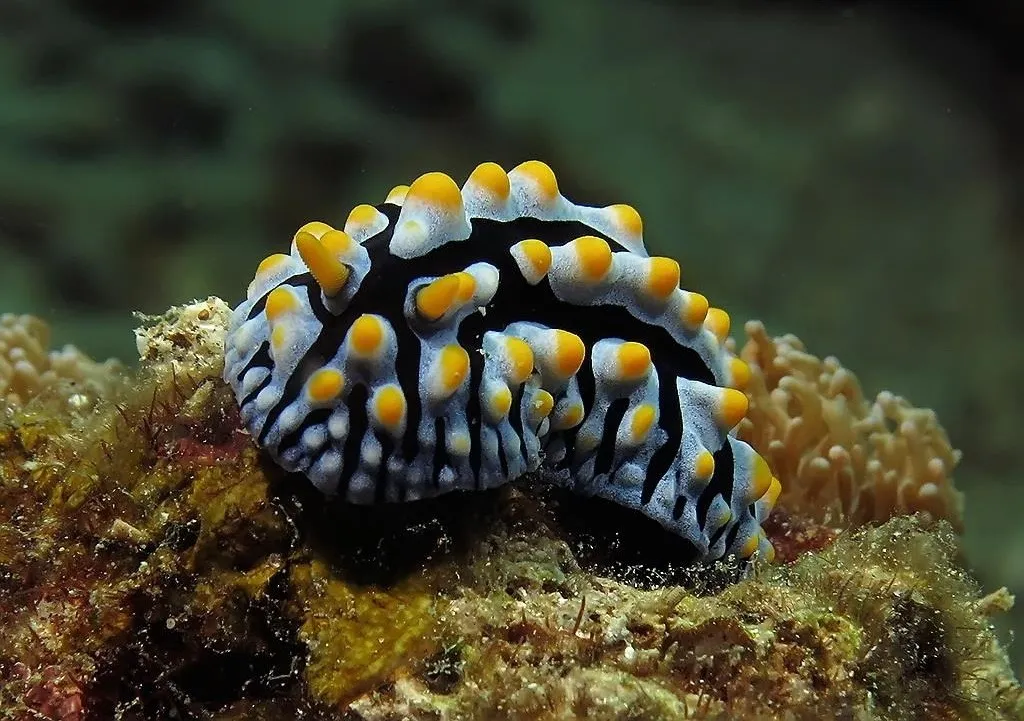
Beyond the star attraction, the reef system and sandy bottom areas are active with numerous fish species. Keep an eye out for various nudibranchs, moray eels, and stonefish inhabiting the coral and sponge-encrusted rocks.
Occasional sightings of whales, dolphins, and turtles around Aliwal Shoal also add to the broader marine experience, although these are less common within the cave itself.

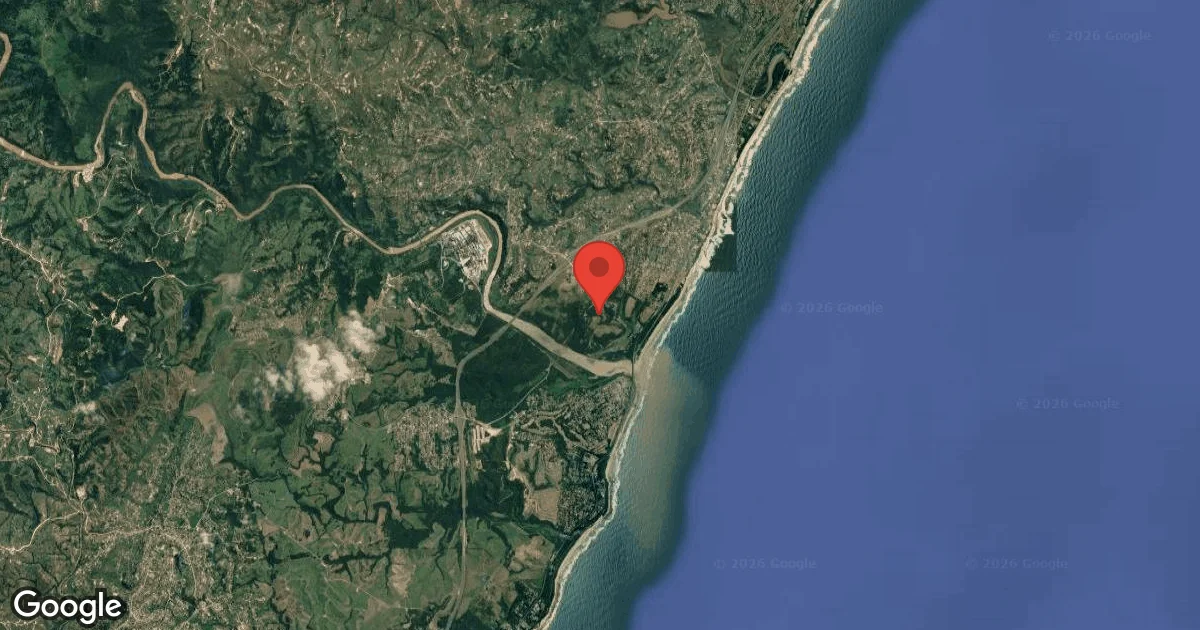
Dive Sites Near Raggies Cave
View all dive sites in South AfricaDiscover more underwater gems in this area.
Dive Centers Near Raggies Cave
Today: 07:00 - 12:00

Nearest Airports
Nearest airports to help plan travel to this dive area.
Search Flights
Check available flights and routes on Expedia, using the nearby airports listed in this section.
Search Flights on ExpediaFrequently Asked Questions
What makes Raggies Cave special?
Raggies Cave is primarily known for its seasonal aggregation of ragged-tooth sharks, especially during their mating period from late May to November. Divers can experience close encounters with dozens of these docile sharks resting within a large, open cavern.
What is the maximum depth at Raggies Cave?
A maximum depth of about 18 meters, or nearly 60 feet, is reported for Raggies Cave. Average dive depth usually sits around 14 meters, making it accessible for many certified divers.
What are the typical water temperatures?
Water temperatures at Raggies Cave usually range between 20-24°C / 68-75°F. Divers should plan their wetsuit thickness accordingly to ensure comfort during their dive.
How clear is the water at Raggies Cave?
Site visibility can vary, with conditions sometimes presenting a wide range. Local factors and currents significantly influence how clear the water will be.
Is Raggies Cave suitable for beginner divers?
Yes, Raggies Cave is often described as an easy dive, suitable for beginners. Its relatively shallow maximum depth and the docile nature of the sharks contribute to a manageable experience.
How do divers access Raggies Cave?
Access to Raggies Cave is exclusively by boat. Dive operators typically launch from nearby locations like Umkomaas, providing transport to the Aliwal Shoal dive site.
Planning to dive Raggies Cave?
Send one inquiry and receive offers directly from the best verified local dive operators.
Conditions are Poor
High Swell Advisory. Not recommended.
Current conditions near Raggies Cave show 17° air, 21° sea temperature, 2.7 m waves, and 32 km/h wind. Forecast data is refreshed regularly to ensure accuracy.