
Diving at Cathedral (South Africa)
Cathedral's distinctive structure on the Aliwal Shoal's outside edge immediately captures attention. A large pinnacle, it features an almost circular hole, approximately 15 m (50 ft) in diameter, creating an immersive internal space. Divers exploring inside are surrounded by an 8 m (26 ft) stone wall, with primary exits through a grand archway leading to the sea or directly upwards through the reef's 'roof' onto a flat plateau. Depths here range from 19 m (62 ft) at the top plateau to 27 m (89 ft) at the cavern's sandy bottom.
Tonight's objective overview for Cathedral shows an air temperature of 17°C. The measured surface conditions include wave heights around 2.6 m. This environmental data is logged for the close of the day.
Dive Site Location & Key Facts
Dive Site Overview
Conditions at Cathedral often define a dive through a dramatic geological formation, a large plateau with a significant, almost circular cavity carved into the Aliwal Shoal's outer edge. An enclosed environment is created by this distinct structure within the broader reef system.
Upon entering the main chamber, divers find themselves encircled by an 8 m (26 ft) stone wall. Primary routes for entry and exit include a prominent archway opening to the sea and a vertical ascent through the reef's top section. For those keen to explore further, a cave system exists on one side when facing seaward, complemented by a discreet swim-through on the opposite flank.
Navigating through the main archway reveals a 3 m (10 ft) ledge, guiding towards the southern reef side where scattered outcrops dot a sandy expanse. Conversely, heading north from the arch leads divers towards the "False Cathedral" area.
Average internal depths sit around 21 m (69 ft) due to substantial internal walls, with a maximum depth of 27 m (89 ft) inside. Optimal diving includes a slight current, aiding entry; experienced divers can, however, navigate stronger currents, relying on the site's internal protection once within.
Conditions are Moderate
High Swell Advisory. Not recommended.
Current conditions near Cathedral show 17° air, 22° sea temperature, 2.7 m waves, and 32 km/h wind. Forecast data is refreshed regularly to ensure accuracy.
Best Time to Dive
Optimizing a dive trip to Cathedral largely depends on the specific experience sought. For particular marine interactions, especially with ragged-tooth sharks (Raggies), the period from July to November stands out as the prime season. During these winter months, these sharks congregate for mating rituals, offering unparalleled viewing opportunities within Cathedral's protected interior. Water temperatures during this period generally range between 20-24°C (68-75°F). Air temperatures are cooler, averaging 17°C in July, but gradually increase through November. Rainfall is minimal, often less than 2.5 mm per month, ensuring generally dry conditions topside. While Raggies are the main draw for this high season, the low season from December to June still presents a compelling dive with dramatic underwater scenery and diverse fish life. Wave heights show some variability, typically between 2.1 m and 2.7 m throughout the year, with wind speeds often around 23-25 km/h. Dive scores suggest moderate conditions for most months, dipping to "Poor" in October and December, which might indicate higher winds or waves during these specific periods.
PEAK SEASON SCORE
Scores combine air & water temps, waves, wind & rainfall for overall conditions.
BEST MONTHS TO DIVE
Monthly records compiled from satellite and marine observation nodes over the last 3 years. Data provided by Open-Meteo and MET Norway.
Dive Experience & Conditions
Descending into Cathedral immerses divers in a cavernous reef environment where light filters through the overhead opening and expansive archway. Visibility at the site is reported between 18-27 m (60-90 ft), allowing for good appreciation of the internal structure. Water temperatures in the vicinity typically range from 20-24°C (68-75°F). Inside the main chamber, an 8 m (26 ft) stone wall creates a sense of enclosure. Currents can be a factor on approach, but once within Cathedral's sheltered space, divers usually find protection. Exploring various passages, including the archway and a concealed swim-through, adds to the dynamic nature of the dive. A plateau at 19 m (62 ft) gradually slopes down to a maximum depth of 27 m (89 ft) at the cavern floor. Such a variable depth range allows for extended bottom time within recreational limits, provided proper buoyancy control is maintained.
Dive Difficulty & Safety Guidelines
Responsible diving at Cathedral requires an Advanced Open Water certification due to the site's maximum depth of 27 m (89 ft) and the overhead environment. Open Water divers should consider further training to safely experience this site. While inside, the structure provides protection from currents, but managing the entry and exit in moving water demands experience, especially with a good skipper.
Be aware of the rugged terrain, which includes sharp rocks, reef oysters, and corals. Hazardous fish species such as scorpionfish and lionfish, capable of inflicting painful stings, can be present; maintain a respectful distance.
Regular monitoring of air consumption and no-decompression limits is crucial, particularly when exploring the deeper sections and spending time within the cavern.
Recommended Equipment
- Dive Computer
This gear list is based on verified equipment signals for Cathedral, South Africa. Always confirm final gear choices with your dive operator, guide, or liveaboard.
Recommended Dive Suit
For many recreational divers, 3-5mm wetsuit provides a practical level of insulation in these conditions. Consider warmer surface protection (like a boat coat) due to brisk winds. A thermal robe or jacket is recommended between dives. Divers who tend to get cold easily may prefer slightly thicker exposure protection.
Conditions at Cathedral currently place the water temperature near 22°C (71°F). Surface air temperatures are resting at 17°C (62°F).
Temperatures look set to gradually increase over the next several days. A warming trend is expected over the next few days.
Due to technical issues with our weather providers, data hasn't been fetched for over 48 hours. The data above reflects the conditions at the time of the last successful fetch.
Emergency & Medical Support
Essential information to help you plan your dive trip to Cathedral.

Hyperbaric chambers are a critical part of dive safety infrastructure. Availability varies significantly by region, and not all dive areas have immediate access.
Before diving, it's recommended to:
- confirm nearest medical facilities
- check emergency procedures with local dive operators
- ensure dive insurance covers evacuation if required
Divers Alert Network
Diving emergency assistance available through DAN Southern Africa.
+27828106010- 24/7 emergency hotline
- Diving medical assistance
- Evacuation coordination
Emergency contacts are provided for reference. Always verify local emergency services before diving.
Marine Life at Cathedral
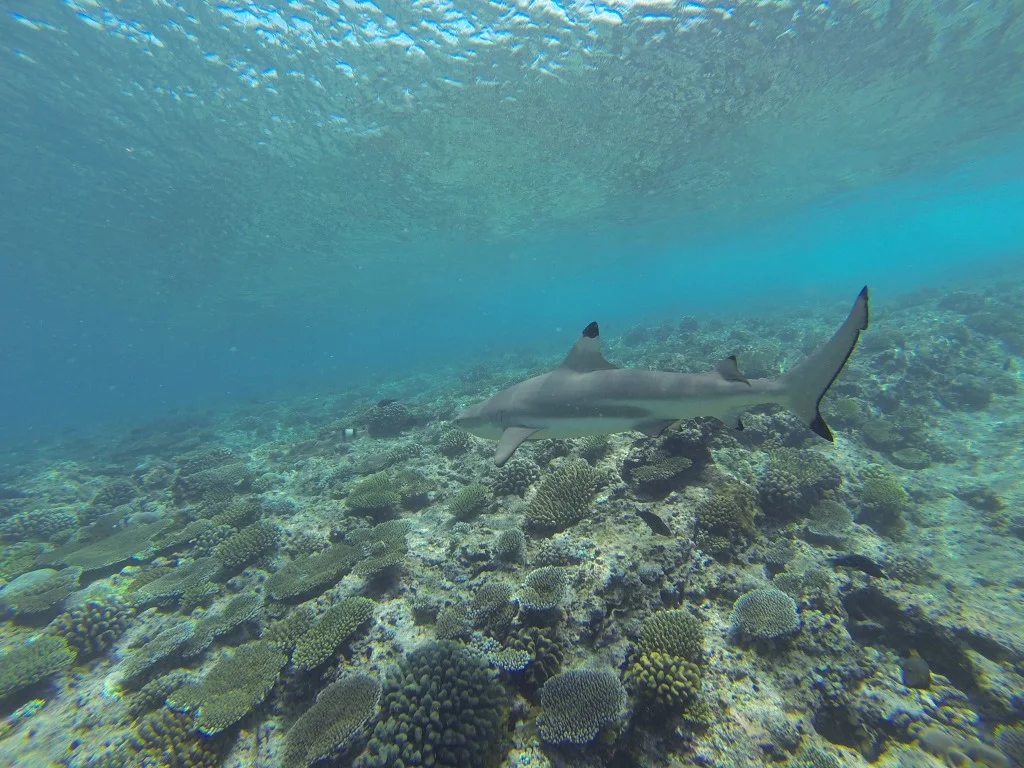
Seasonal visitors often dominate the experience at Cathedral, with ragged-tooth sharks taking center stage during their mating season from July to November. During this period, it's possible to encounter up to 30 of these sharks swimming within the main chamber, sometimes entering via a concealed swim-through.
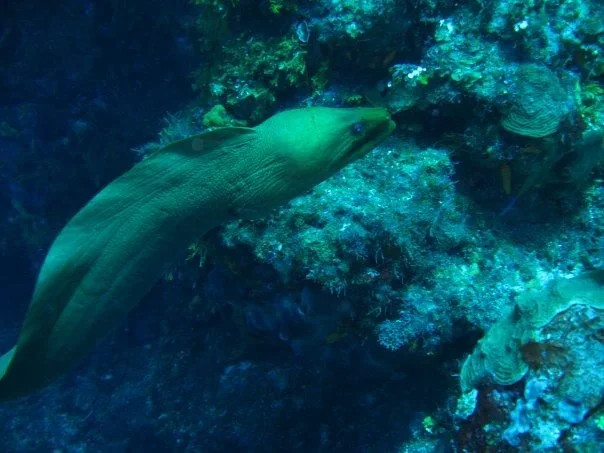
Divers can often spot shark teeth shed on the sandy bottom, particularly after the Raggie season. Beyond the larger pelagics, observant divers might find the more elusive pineapple fish and paper fish; spotting them usually requires an experienced dive master.
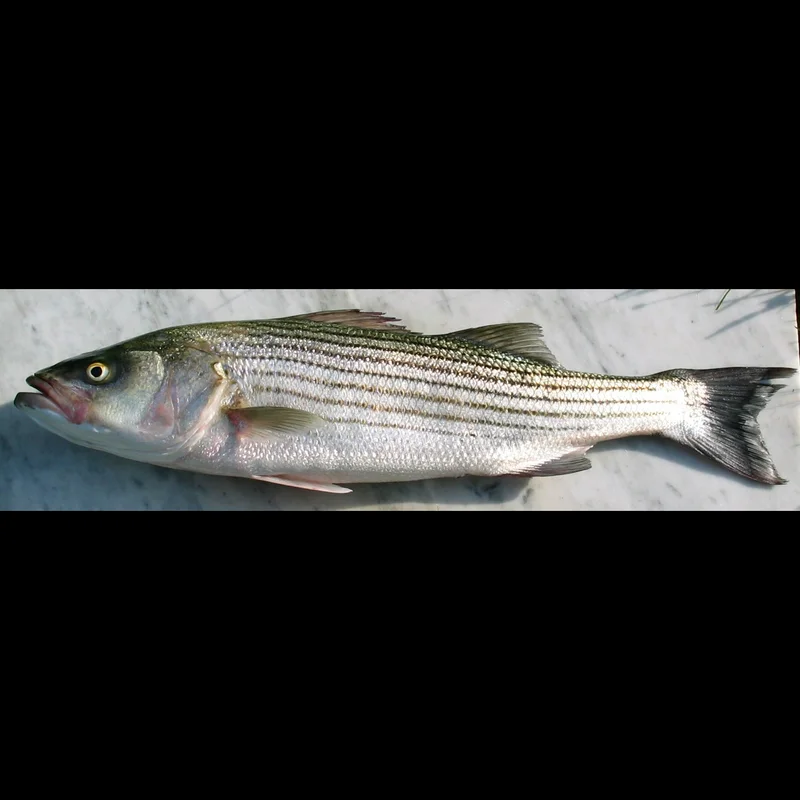
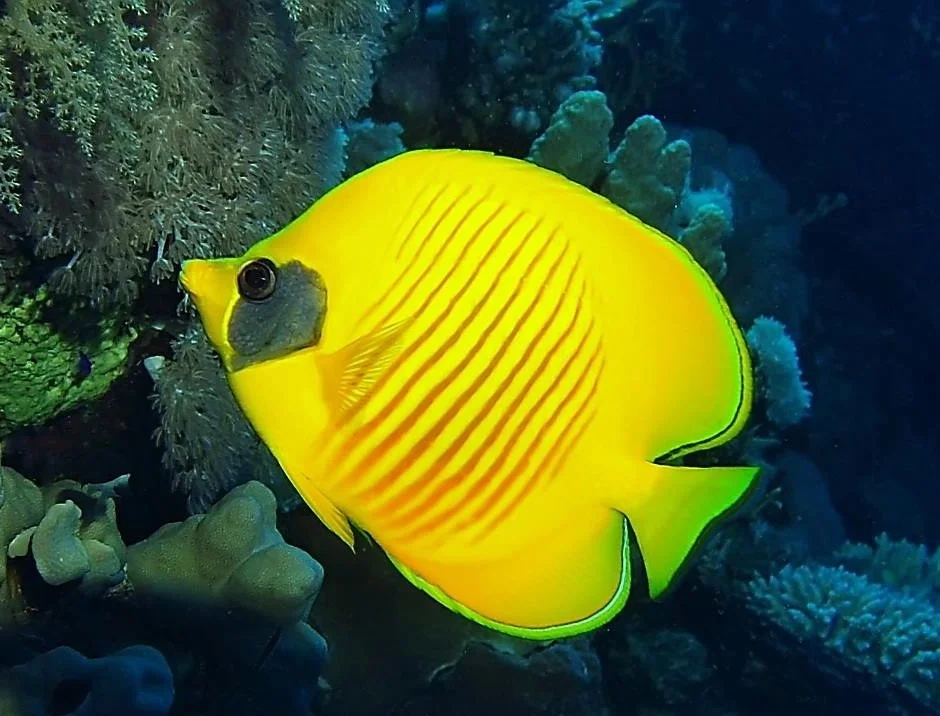
Beyond the immediate cavern, Cathedral's outer edges also provide refuge for a variety of tropical fish, including angelfish, wrasses, butterflyfish, and bass, seeking shelter from the current.
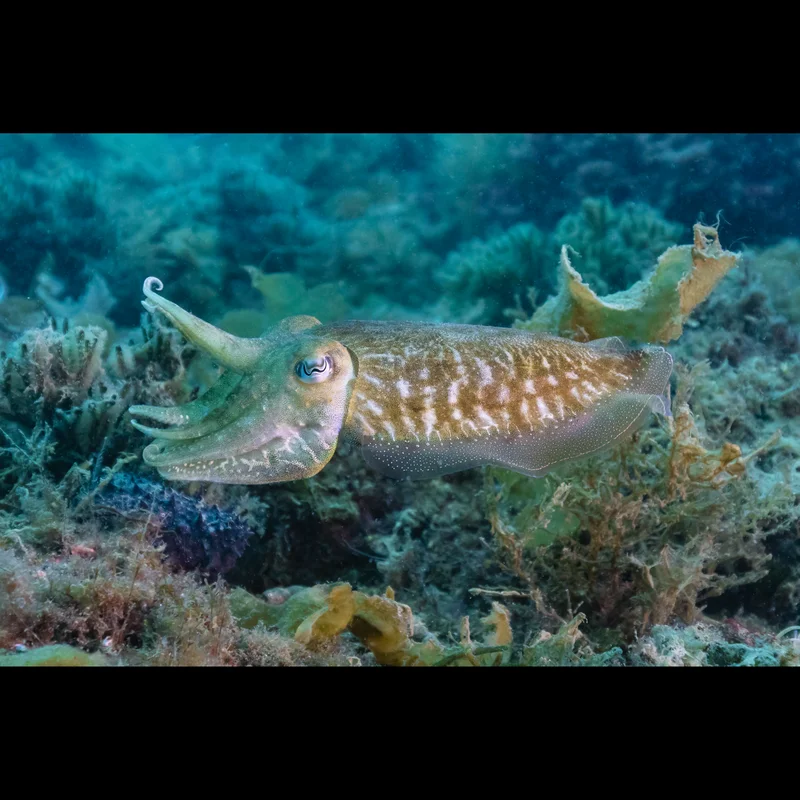
Dive Sites Near Cathedral
View all dive sites in South AfricaDiscover more underwater gems in this area.
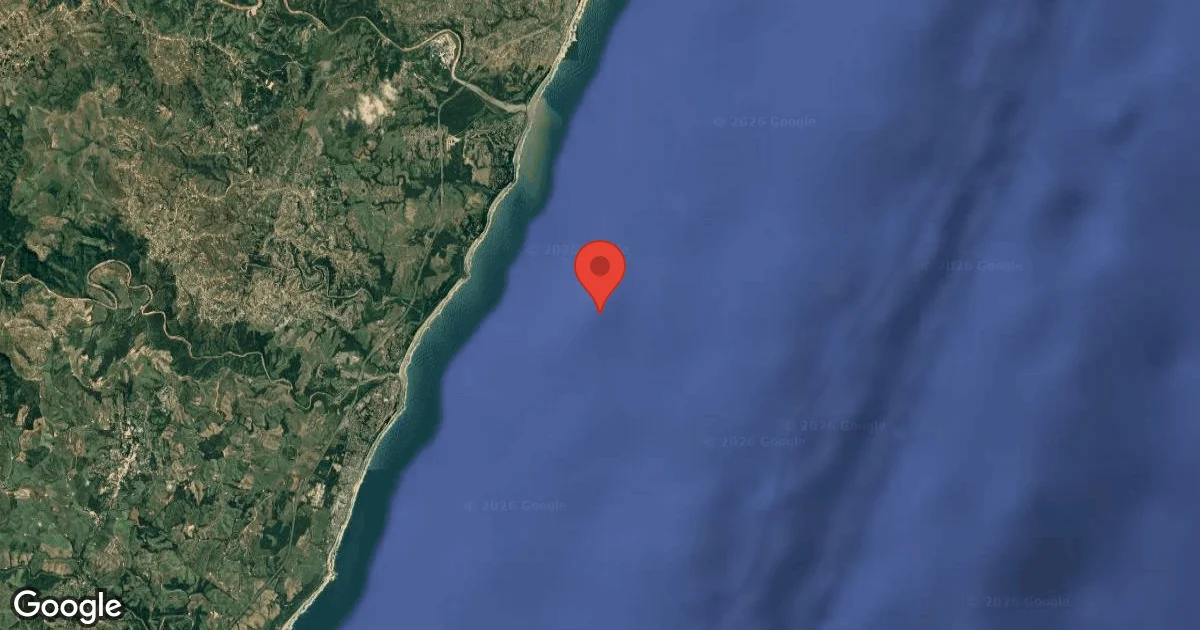
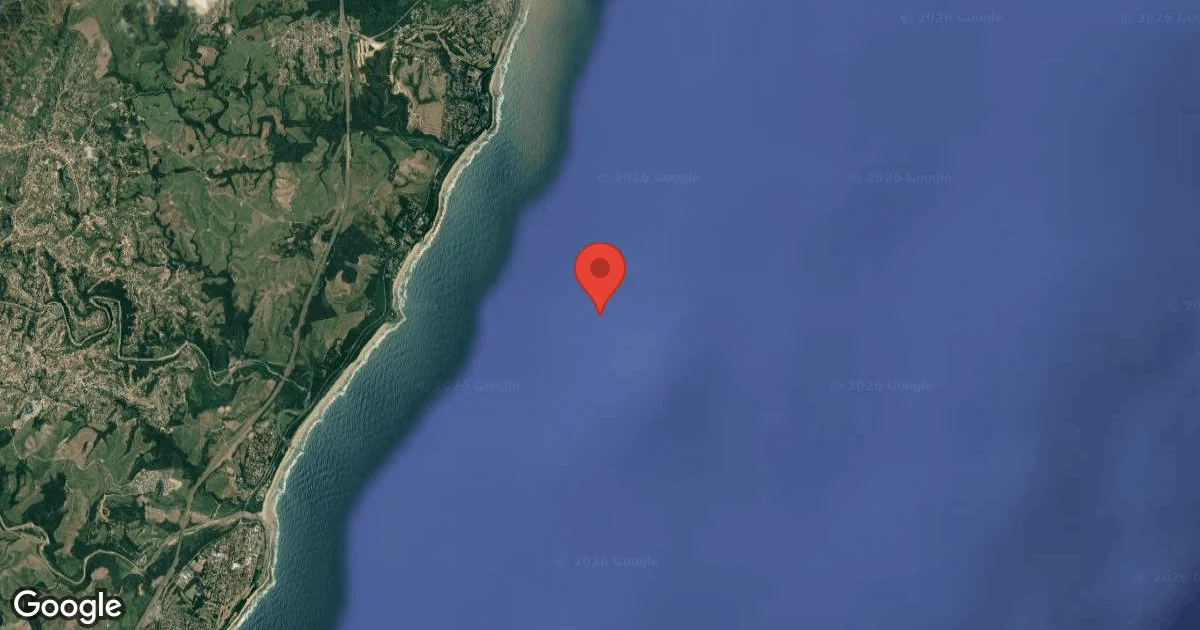
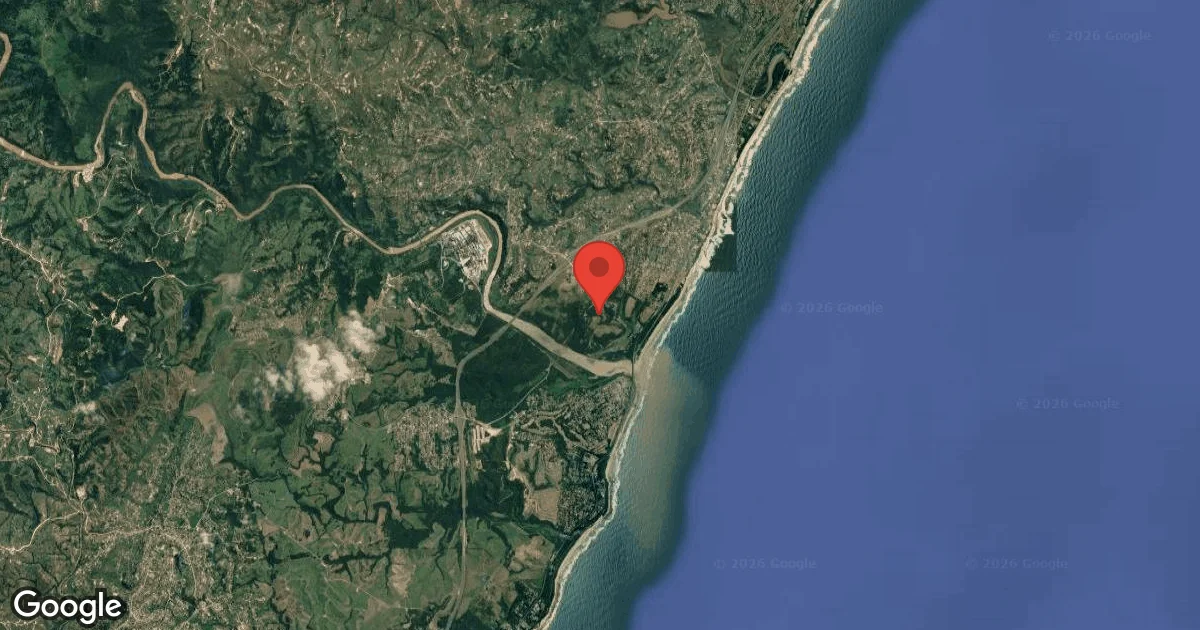
Dive Centers Near Cathedral
Today: 07:00 - 12:00

Nearest Airports
Nearest airports to help plan travel to this dive area.
Search Flights
Check available flights and routes on Expedia, using the nearby airports listed in this section.
Search Flights on ExpediaFrequently Asked Questions
What is the typical visibility at Cathedral?
Visibility at Cathedral is generally good, reported to be between 18-27 m (60-90 ft). Clear views of the site's impressive structure and marine life are readily available.
What is the water temperature like at Cathedral?
Water temperatures around Cathedral typically range from 20-24°C (72-81°F). Comfortable diving results from these warm conditions, especially during the peak ragged-tooth shark season.
Is Cathedral suitable for Open Water divers?
Cathedral is primarily recommended for Advanced Open Water divers due to its maximum depth of 27 m (89 ft) and the nature of diving within an overhead environment. Open Water certification does not cover these conditions.
What makes Cathedral a notable dive site?
Cathedral stands out for its unique geological formation, a large pinnacle with an archway and an internal chamber. During winter months, it becomes a crucial site for aggregations of ragged-tooth sharks.
Are there strong currents at Cathedral?
Currents can be present on the approach to Cathedral, which can make entry challenging. However, once divers are inside the main chamber, the site offers significant protection from these currents.
What unusual fish can be found at Cathedral?
Beyond the seasonal shark aggregations, Cathedral is known for sightings of the rarely seen pineapple fish and paper fish. Locating these smaller, camouflaged species often requires the expertise of a local dive guide.
What is the best time of year to dive Cathedral for shark encounters?
For ragged-tooth shark encounters, the winter months, from July to November, are optimal. This period coincides with their yearly mating rituals at the site.
Planning to dive Cathedral?
Send one inquiry and receive offers directly from the best verified local dive operators.
Conditions are Moderate
High Swell Advisory. Not recommended.
Current conditions near Cathedral show 17° air, 22° sea temperature, 2.7 m waves, and 32 km/h wind. Forecast data is refreshed regularly to ensure accuracy.