
Diving at Aliwal Shoal Reef (South Africa)
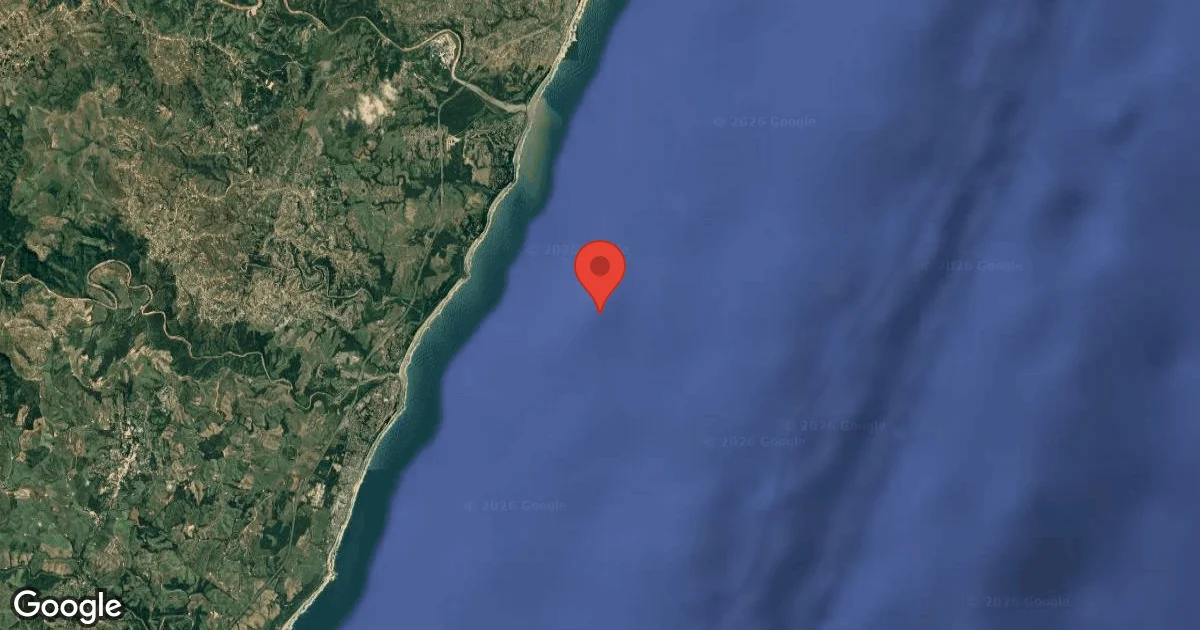
Aliwal Shoal is a rocky reef, formed from the remains of an ancient sand dune, located approximately 5 kilometers (3.1 mi) off the coast of KwaZulu-Natal, South Africa. This extensive reef stretches for about 5 kilometers, with depths ranging from 5 to 30 meters (16 to 100 ft). It provides a substantial underwater structure, offering varied topography including pinnacles and rock formations that attract diverse marine life.
Evening condition tracking at Aliwal Shoal Reef features an air temperature of 19.5°C. We have recorded wave heights measuring 2.3 m during this period. These figures outline the environmental parameters currently present.
Dive Site Location & Key Facts
Dive Site Overview
Imagine a dive site where currents sculpt the underwater landscape and dictate encounters with large pelagics; that's Aliwal Shoal. A significant diving destination, it's particularly known for its impressive shark population, drawing divers seeking close interactions.
Robust reef structures, featuring both hard and soft corals across diverse formations, along with popular recreational wrecks like the 'Nebo' and the 'MV Produce,' establish an exceptionally rich marine habitat. These submerged sites, ranging from pinnacles to ledges, provide essential shelter and ample hunting grounds for a wide array of tropical and subtropical fish species, alongside various larger predators.
Warm, nutrient-rich waters from the Agulhas current consistently feed a thriving ecosystem, supporting everything from macro life to megafauna. Every dive offers a distinct experience, often shaped by seasonal migrations and the dynamic marine environment.
Planning for potentially challenging conditions, including variable currents, ensures a safer and more rewarding exploration of these vibrant underwater realms. While demands exist, the substantial rewards for experienced divers are clear.
Conditions are Moderate
High Swell Advisory. Not recommended.
Current conditions near Aliwal Shoal Reef show 19° air, 22° sea temperature, 2.7 m waves, and 14 km/h wind. Forecast data is refreshed regularly to ensure accuracy.
Best Time to Dive
Planning your dive around optimal visibility ensures the best encounters at Aliwal Shoal, though conditions can vary. For those specifically seeking Sand Tiger Sharks, locally known as 'Raggies,' the winter months from May to October are ideal, as the shoal transforms into a breeding ground, particularly between June and September. During these months, air temperatures typically range from 17-20°C (63-68°F). Rainfall is generally lower from June to September, with averages between 0.3-2.6 mm, which can contribute to better conditions, although water temperature is not consistently reported and will vary with current strength. Conversely, the summer months, from December to March, see warmer air temperatures averaging 23.5-25°C (74-77°F), with higher rainfall around 2.4-3.9 mm, which might affect visibility. Dive scores are moderate year-round, dropping to poor in October due to higher wave activity and wind speeds.
PEAK SEASON SCORE
Scores combine air & water temps, waves, wind & rainfall for overall conditions.
BEST MONTHS TO DIVE
Monthly records compiled from satellite and marine observation nodes over the last 3 years. Data provided by Open-Meteo and MET Norway.
Dive Experience & Conditions
Persistent currents define much of the dive experience at Aliwal Shoal. The warm, strong Agulhas current significantly influences both water conditions and the types of marine life encountered, often making drift diving a common practice. Divers should be prepared for potential wave action and occasionally rough seas, which necessitates consistent alertness and some prior underwater experience for safety and enjoyment. Reef sections present depths varying from shallower areas at 5 meters (16 ft) down to a maximum recreational depth of 30 meters (100 ft), accommodating a range of certification levels from open water to advanced divers seeking deeper explorations. Underwater visibility is subject to plankton blooms and weather variability, but during favorable periods, excellent clear views of the extensive reef and its inhabitants are common, extending sometimes beyond 20 meters (65 ft). Flexibility in dive planning is key here, as conditions can shift rapidly.
Dive Difficulty & Safety Guidelines
Diving Aliwal Shoal requires preparation and respect for its inherent challenges, particularly due to the dynamic ocean conditions. Strong currents and wave action can be present, demanding good buoyancy control and situational awareness. It's important to have adequate underwater experience before tackling this site, especially given the likelihood of encountering large predators.
While the site is a popular destination for shark encounters, it is a well-managed area where sharks are relatively undisturbed by human activity. Divers should always follow guidelines provided by local dive operators, respecting marine life and maintaining a safe distance.
Adherence to responsible diving practices contributes to both diver safety and the preservation of this vibrant marine ecosystem.
Recommended Equipment
Overhead / entanglement risk. Wreck penetration requires proper training.
Current and surface separation risk. Local briefing strongly recommended.
- Dive Computer
- DSMB
- Primary & Backup Lights
- Wreck Reel
- Reel / Spool
- Cutting Tool
This gear list is based on verified equipment signals for Aliwal Shoal Reef, South Africa. Always confirm final gear choices with your dive operator, guide, or liveaboard.
Recommended Dive Suit
Exposure protection is partly a personal preference.
3-5mm wetsuit typically provides a reliable level of thermal protection for dives here. Strong winds are present; please take strong precautions against rapid cooling during surface intervals. Surface intervals may feel cooler. Environmental models indicate a modest warming trend ahead. A warming trend is expected over the next few days.
Water temperatures across the dive area at Aliwal Shoal Reef are presently estimated to be around 22°C (72°F). Surface air temperatures are resting at 19°C (67°F).
Due to technical issues with our weather providers, data hasn't been fetched for over 48 hours. The data above reflects the conditions at the time of the last successful fetch.
Emergency & Medical Support
Essential information to help you plan your dive trip to Aliwal Shoal Reef.

Hyperbaric chambers are a critical part of dive safety infrastructure. Availability varies significantly by region, and not all dive areas have immediate access.
Before diving, it's recommended to:
- confirm nearest medical facilities
- check emergency procedures with local dive operators
- ensure dive insurance covers evacuation if required
Divers Alert Network
Diving emergency assistance available through DAN Southern Africa.
+27828106010- 24/7 emergency hotline
- Diving medical assistance
- Evacuation coordination
Emergency contacts are provided for reference. Always verify local emergency services before diving.
Marine Life at Aliwal Shoal Reef
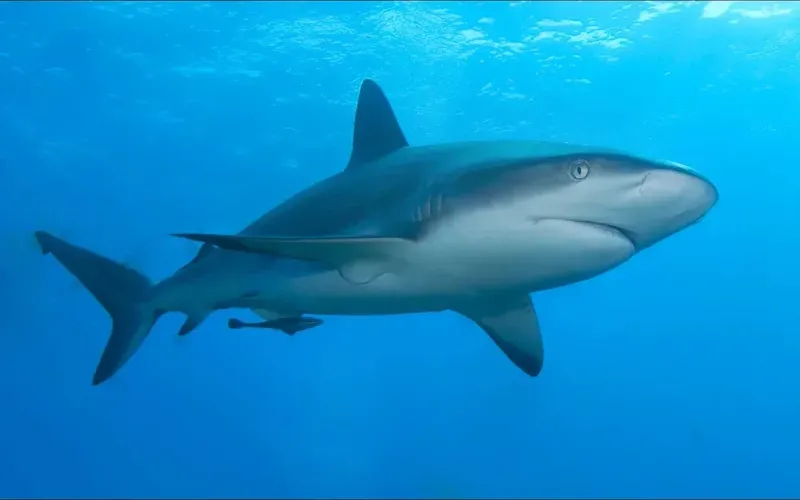
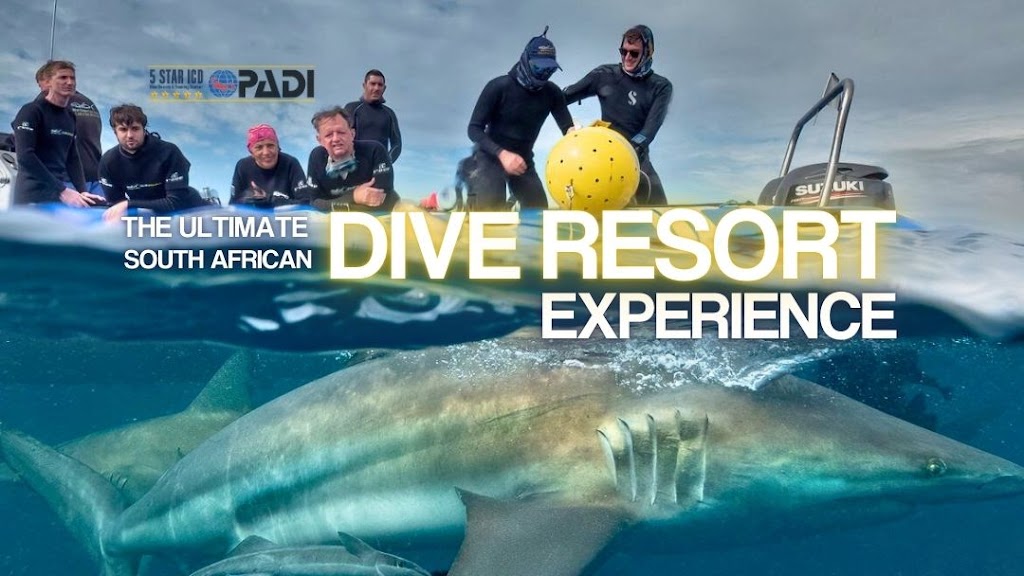
The first thing many divers notice at Aliwal Shoal is the sheer density of sharks. Encounters regularly include Sand Tiger Sharks (Raggies) during their seasonal aggregations, along with Tiger Sharks, Bull Sharks, and Oceanic Blacktip Sharks.
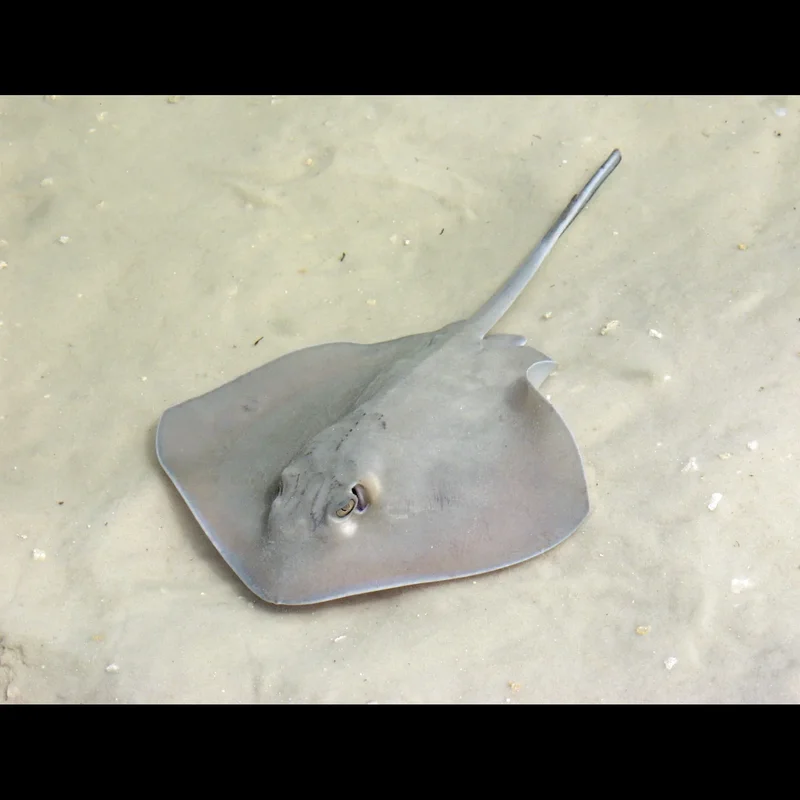
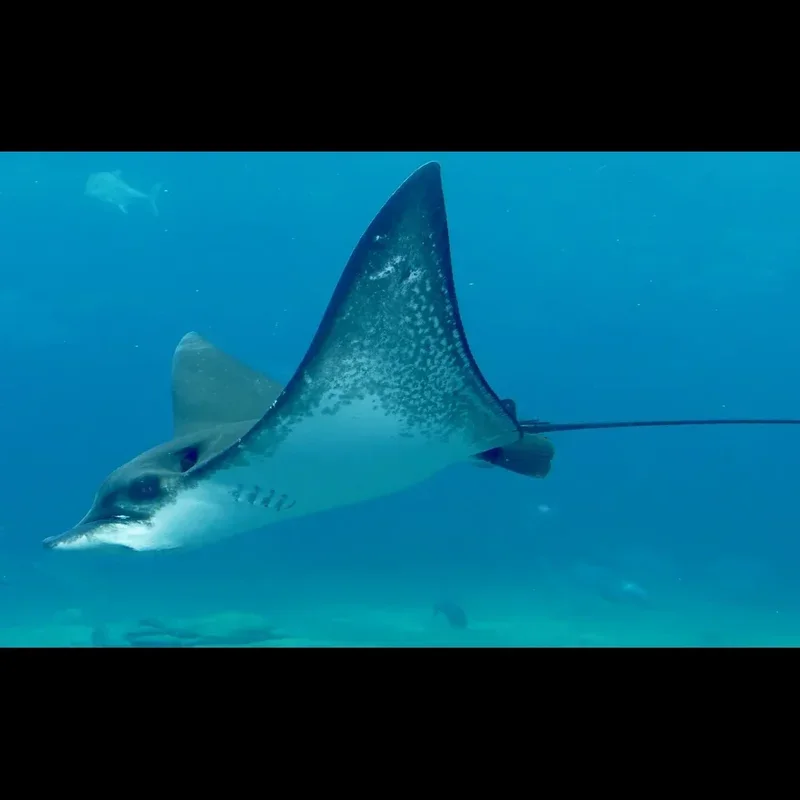
White tip reef sharks and Hammerheads are also observed, with occasional sightings of Giant Guitar sharks and Dusky sharks. The reef also hosts a diverse array of rays, such as Eagle Rays, Stingrays, Devil’s Rays, and Mantas.
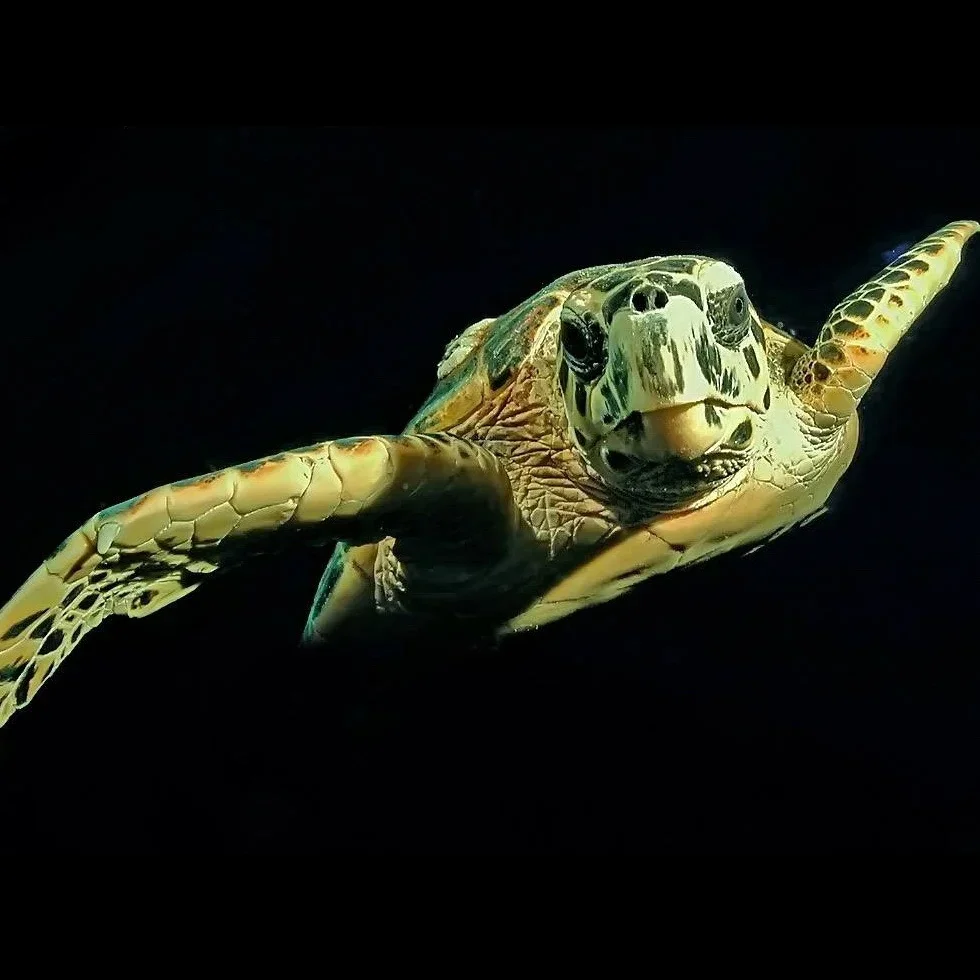
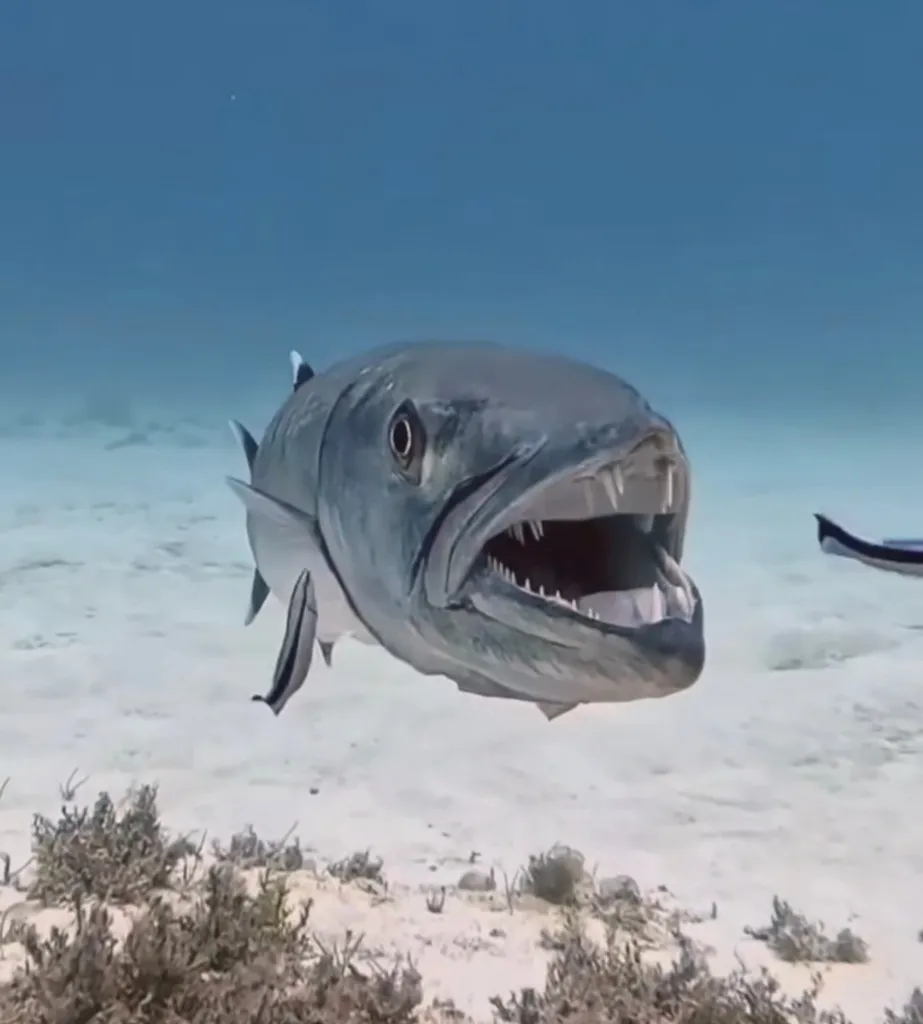
Moving through the reef, divers will spot substantial Potato and Goliath groupers, various reef fish like Anemonefish, Parrotfish, and Barracudas. Green and Hawksbill turtles are present, and dolphins are frequently seen on the surface, with humpback whales making seasonal appearances.
Dive Sites Near Aliwal Shoal Reef
View all dive sites in South AfricaDiscover more underwater gems in this area.
Dive Centers Near Aliwal Shoal Reef
Today: 07:00 - 12:00
Nearest Airports
Nearest airports to help plan travel to this dive area.
Search Flights
Check available flights and routes on Expedia, using the nearby airports listed in this section.
Search Flights on ExpediaFrequently Asked Questions
What kind of dive experience is needed for Aliwal Shoal?
Aliwal Shoal is generally recommended for certified divers with some prior underwater experience. Conditions can be challenging, involving currents and potential wave action, which require good buoyancy control and awareness.
What is the best time to see Sand Tiger Sharks (Raggies)?
The prime season for encountering Sand Tiger Sharks, or 'Raggies,' at Aliwal Shoal is during the winter months, specifically from May to October. They gather in significant numbers, with peak sightings often between June and September, as the reef serves as a breeding ground.
Are there any wrecks at Aliwal Shoal?
Yes, there are two popular recreational dive wrecks near Aliwal Shoal. These include the 'Nebo' and the 'MV Produce,' both of which offer interesting sites and serve as additional habitats for marine life.
What are the typical water depths for diving?
Diving at Aliwal Shoal typically ranges in depth from 5 meters (16 ft) in shallower reef sections to a maximum recreational depth of 30 meters (100 ft) at various points and wrecks. This allows for a variety of dive profiles.
Are specific shark encounters guaranteed?
While Aliwal Shoal is known for its diverse shark population, specific encounters are never guaranteed. Seasonal patterns and daily conditions influence marine life sightings, making each dive unique.
How does the Agulhas current affect diving?
The warm Agulhas current significantly impacts diving at Aliwal Shoal. It brings nutrients that support the marine ecosystem, but also creates strong currents that often result in drift diving conditions. Divers should be prepared for these dynamic water movements.
Planning to dive Aliwal Shoal Reef?
Send one inquiry and receive offers directly from the best verified local dive operators.
Conditions are Moderate
High Swell Advisory. Not recommended.
Current conditions near Aliwal Shoal Reef show 19° air, 22° sea temperature, 2.7 m waves, and 14 km/h wind. Forecast data is refreshed regularly to ensure accuracy.