
Diving at Coral Gardens (South Africa)
Coral Gardens derives its name from the notable presence of soft corals, sea fans, and the distinctive Noble coral (Stylaster nobilis) adorning its underwater landscape. This site, part of the Atlantic seaboard near Cape Town, has a history of high biodiversity and spectacular topography. While less frequently dived from boats due to travel distance, its reputation as a rewarding shore dive persists for those seeking adventure in the Table Mountain National Park Marine Protected Area.
As evening covers Coral Gardens, the local air temperature is measured at 22.5°C. The current wave height at the surface is recorded at 2.3 m. These late-day readings characterize the surface conditions for the night.
Dive Site Location & Key Facts
Dive Site Overview
A prominent rocky reef at south Oudekraal defines Coral Gardens, presenting a diverse underwater topography. Explore across granite boulders, steep walls, and an intriguing network of narrow gaps, overhangs, small caves.
Inshore areas feature kelp forests, particularly within gullies and closer to entry points. Divers will find average depths in popular sections around 10 m (33 ft), with the inshore maximum depth reaching up to 19 m (62 ft) north of the primary pinnacle. A 'Coral Gardens bowl' also exists, where sandy bottom patches can extend to approximately 17 m (56 ft).
For those undertaking a longer swim, deeper sandy areas can be reached, potentially extending down to 30 m (100 ft). Accessing the site often means navigating a challenging shore entry; options include a lengthy surface swim of about 250 meters or an assisted descent down a slope with gear.
While boat access is possible, it's less common due to the considerable journey from nearby harbors. Successful dives here demand good physical condition and navigation skills to fully appreciate the structural complexity.
Conditions are Poor
High Swell Advisory. Not recommended.
Current conditions near Coral Gardens show 23° air, 23° sea temperature, 3.3 m waves, and 30 km/h wind. Forecast data is refreshed regularly to ensure accuracy.
Best Time to Dive
Diving conditions at Coral Gardens tend to vary throughout the year, presenting a contrast between calmer periods and those influenced by stronger winds and higher waves. Optimal dive scores typically fall in the early summer months, particularly November and February, indicating more favorable overall conditions for exploration. During these times, average air temperatures are warmer, often reaching 23-26°C (73-79°F). Conversely, March and April show lower dive scores, suggesting these months may present less ideal conditions, potentially due to increased wave height or wind speed, which often averages between 20-27 km/h (12-17 mph) across seasons. While specific water temperature data isn't consistently reported, divers should prepare for temperate waters given the Atlantic seaboard location. Rainfall is generally low year-round, typically under 6mm (0.2 inches) monthly, so precipitation rarely impacts dive planning. Planning for days with reduced wave action, which can vary from 1.8 to 2.3 meters (6-7.5 feet) on average, will enhance visibility and overall dive comfort.
PEAK SEASON SCORE
Scores combine air & water temps, waves, wind & rainfall for overall conditions.
BEST MONTHS TO DIVE
Monthly records compiled from satellite and marine observation nodes over the last 3 years. Data provided by Open-Meteo and MET Norway.
Dive Experience & Conditions
Descending into Coral Gardens, one immediately senses the rugged, untamed nature of this Atlantic reef. Visibility here is quite variable; on clear days, divers can experience views exceeding 10 m (33 ft), allowing the true colors of the reef life to emerge with stunning clarity. When the water is particularly clear, it takes on a distinct blue hue, making the vibrant invertebrates more apparent. Navigating the site means weaving through areas dense with kelp, especially in shallower sections and gullies, which can require careful finning. Exploration of the pinnacles involves working around steep walls and through narrow passages, revealing a dynamic environment. There's even an intriguing air pocket cave inshore along the south-west side of the rocks for those who seek it out. These varied features demand attentive buoyancy control and good situational awareness, particularly when currents are present, which is indicated by the site's classification as a drift dive.
Dive Difficulty & Safety Guidelines
The challenging shore entry at Coral Gardens is a primary consideration for diver safety; it's explicitly described as not being for the faint-hearted. Divers should be prepared for either a substantial surface swim or an assisted descent down a slope with full gear. Operating within the Table Mountain National Park Marine Protected Area and the Karbonkelberg restricted zone means obtaining a permit is mandatory before diving.
It's also essential to be aware of the R20 entrance fee to the Oudekraal picnic area, which provides access to the shore entry point. While specific hazards like strong currents are not consistently reported, the site is tagged as a 'drift' dive, implying potential for varying water movement, so planning accordingly with a surface marker buoy is prudent. Divers should possess adequate experience for rocky reef navigation and variable conditions.
Recommended Equipment
Current and surface separation risk. Local briefing strongly recommended.
- Dive Computer
- DSMB
- Reel / Spool
This gear list is based on verified equipment signals for Coral Gardens, South Africa. Always confirm final gear choices with your dive operator, guide, or liveaboard.
Recommended Dive Suit
Current diving conditions indicate water temperatures around 23°C (74°F) at Coral Gardens. Surface air temperatures are resting at 23°C (73°F).
Forecasts suggest rising temperatures later this week. A warming trend is expected over the next few days.
Most divers would typically feel comfortable using 3-5mm wetsuit in these conditions. Consider warmer surface protection (like a boat coat) due to brisk winds. Surface intervals may feel cooler. Dive depth and duration can significantly affect perceived warmth. Stronger winds may also make surface intervals feel cooler than usual.
Due to technical issues with our weather providers, live updates are temporarily delayed. The data above reflects the conditions at the time of the last successful fetch.
Emergency & Medical Support
Essential information to help you plan your dive trip to Coral Gardens.

Hyperbaric chambers are a critical part of dive safety infrastructure. Availability varies significantly by region, and not all dive areas have immediate access.
Before diving, it's recommended to:
- confirm nearest medical facilities
- check emergency procedures with local dive operators
- ensure dive insurance covers evacuation if required
Divers Alert Network
Diving emergency assistance available through DAN Southern Africa.
+27828106010- 24/7 emergency hotline
- Diving medical assistance
- Evacuation coordination
Emergency contacts are provided for reference. Always verify local emergency services before diving.
Marine Life at Coral Gardens
Upon entering Coral Gardens, extensive kelp forests are the first elements to capture attention, particularly noticeable in inshore areas and gullies. They provide a dynamic backdrop to the reef structure.
The site is aptly named for its rich invertebrate life; expect a profusion of sea fans, various soft corals, and the distinct Noble coral (Stylaster nobilis). Rocky surfaces of the reef are heavily encrusted with a large variety of sponges and colonial ascidians, often found tucked away under slight overhangs or within the dimmer recesses of deeper sections.
Such an environment supports high biodiversity, offering a wealth of macro opportunities for observation.

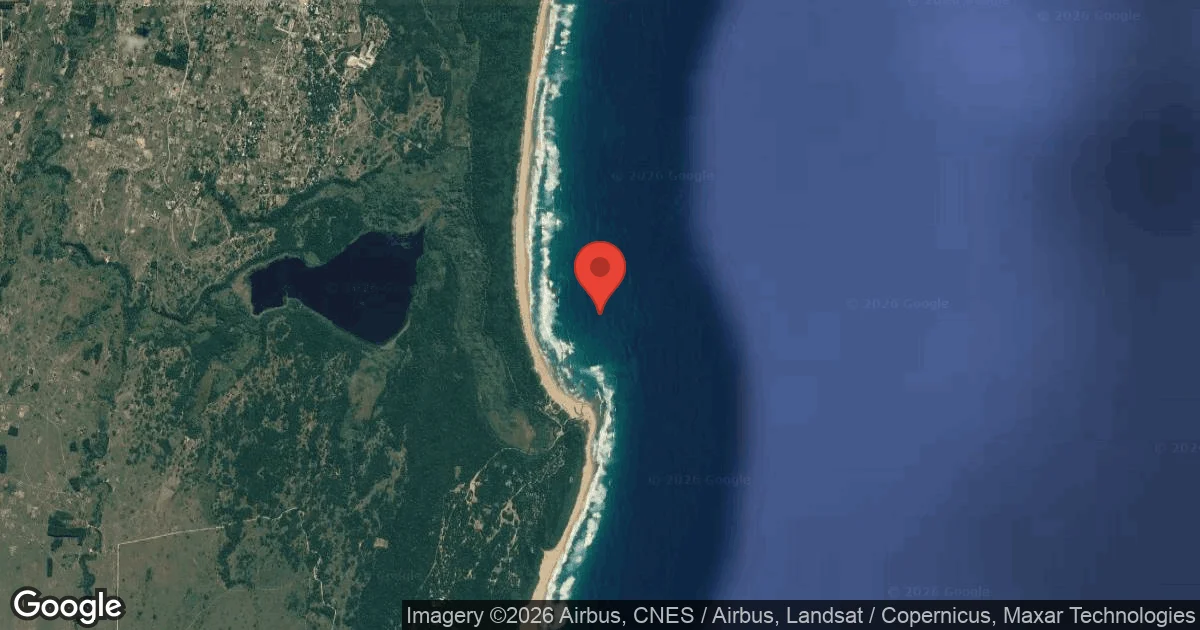
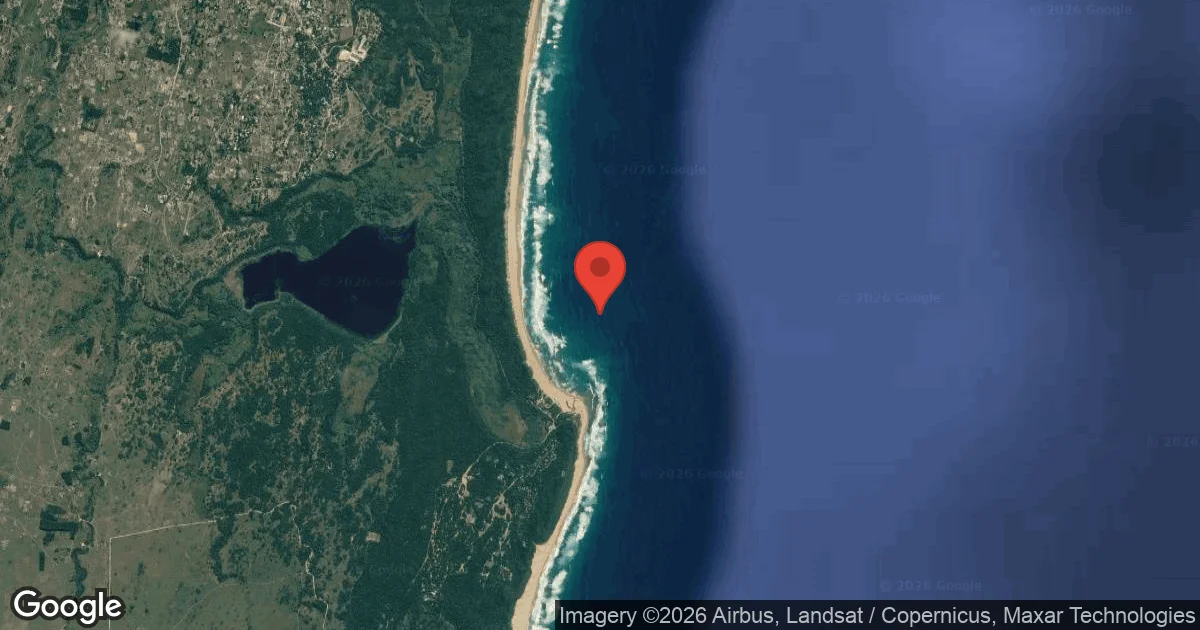
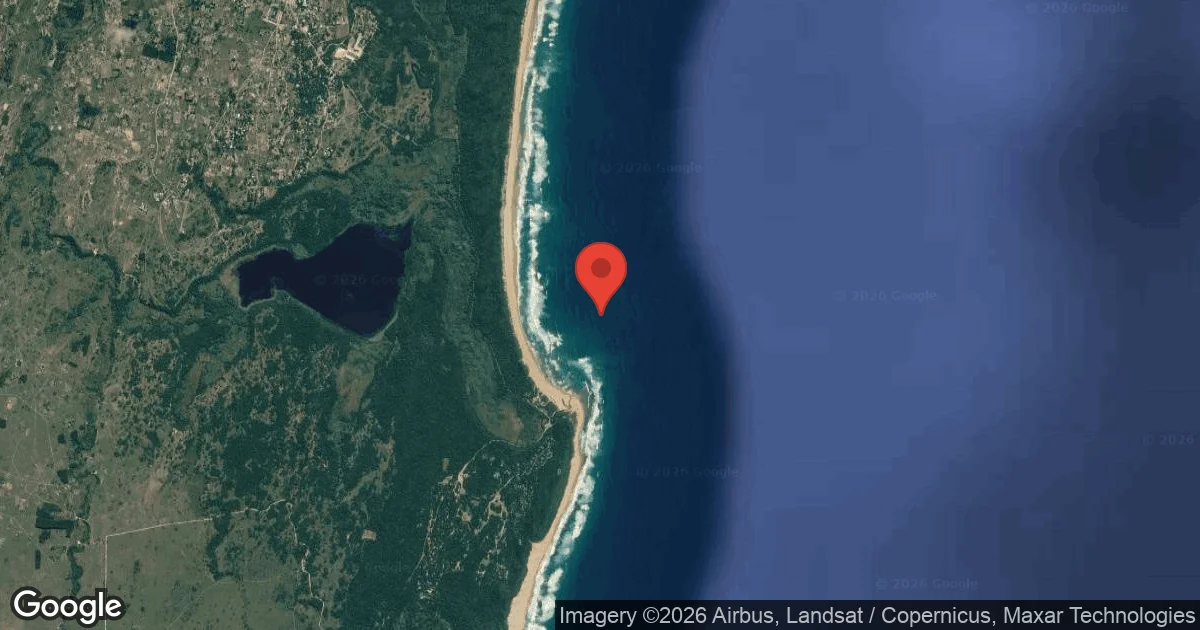
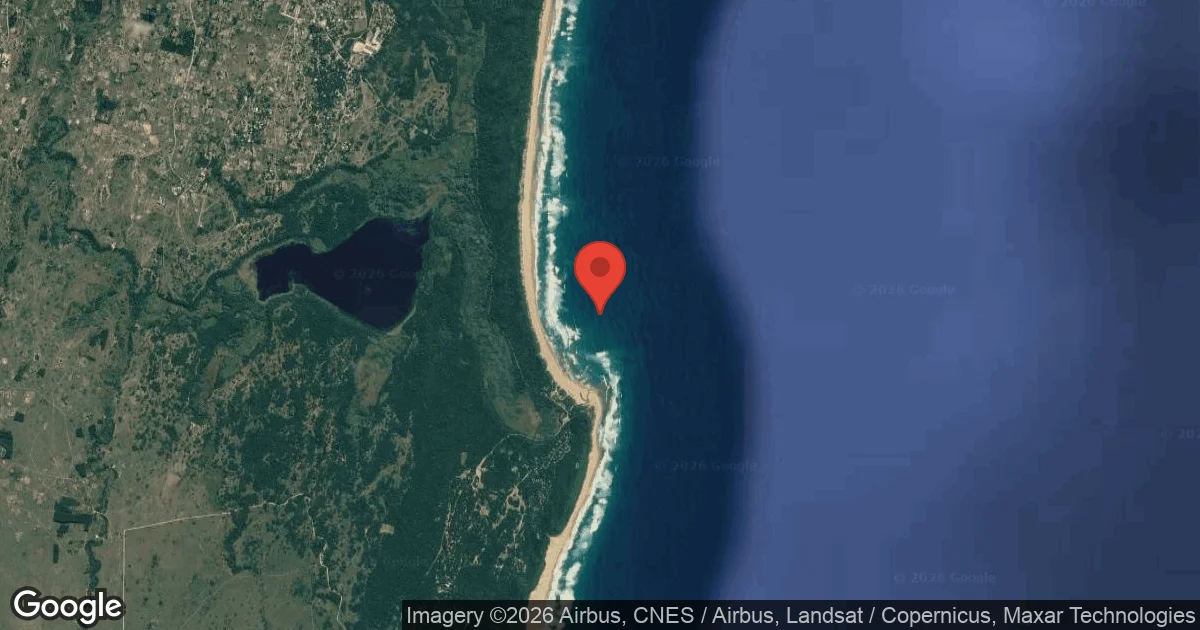
Dive Sites Near Coral Gardens
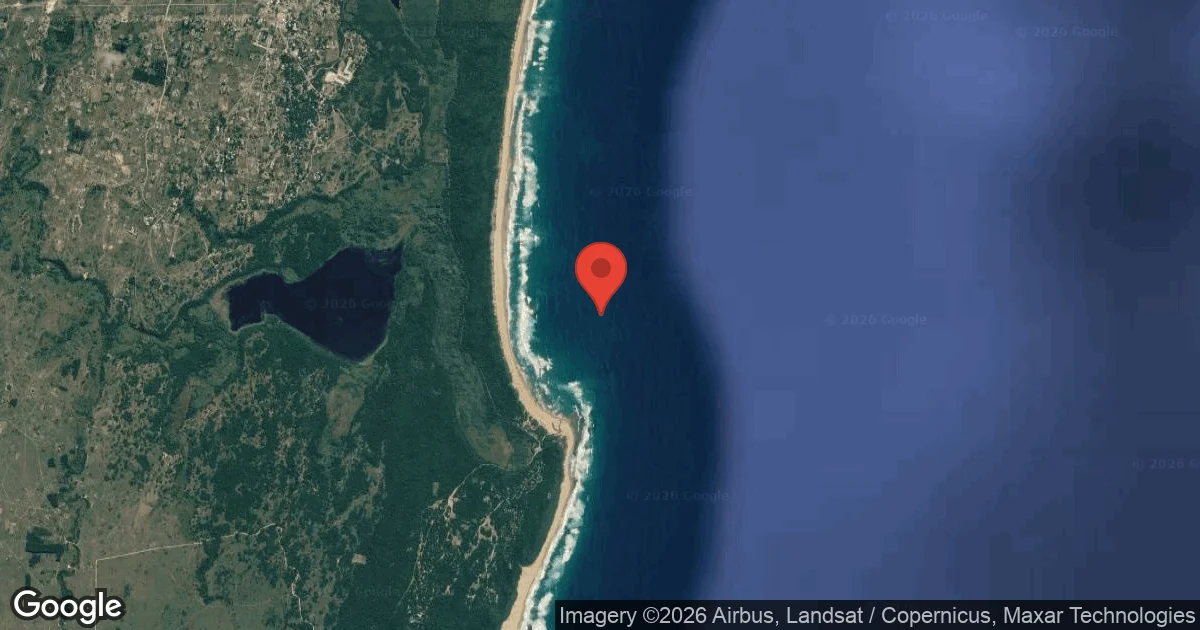
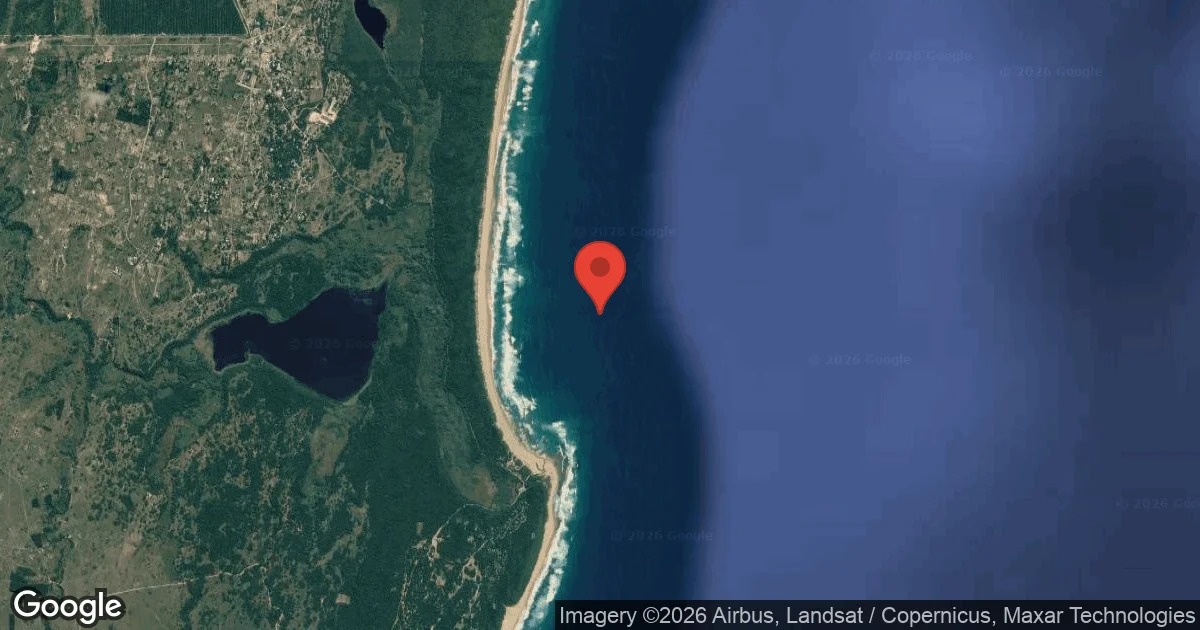
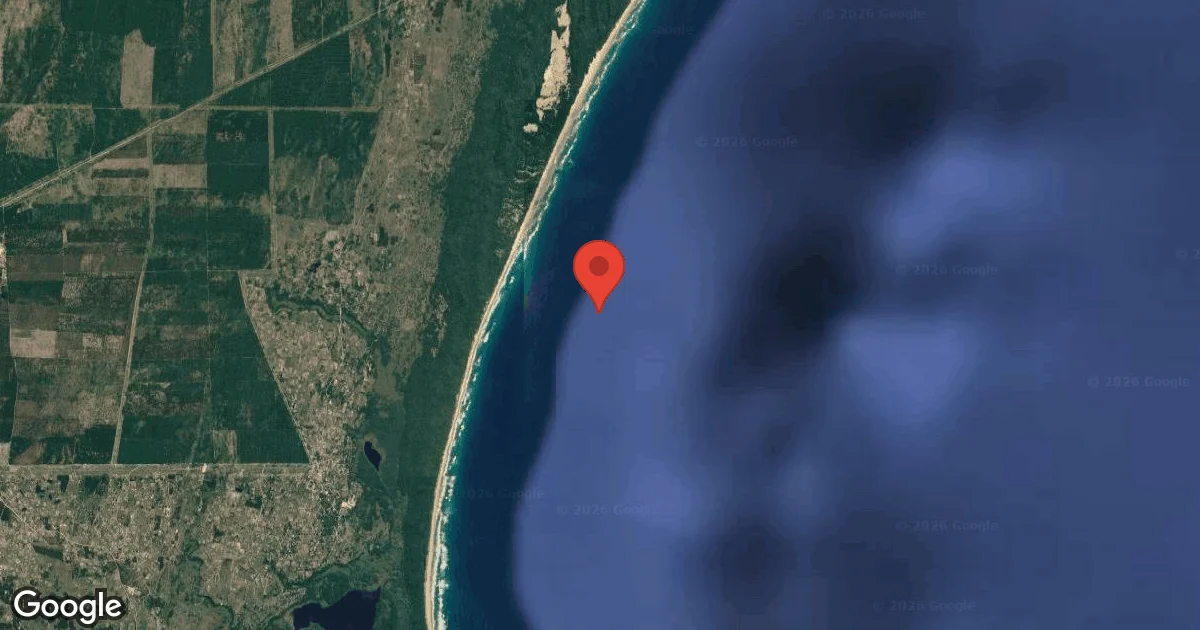
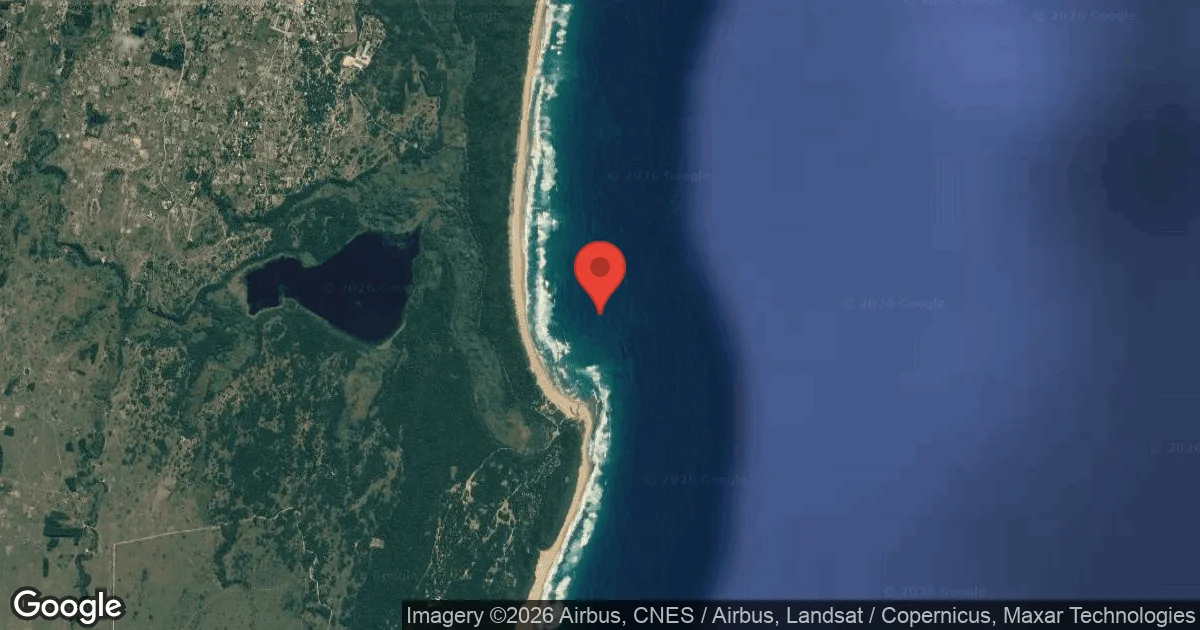
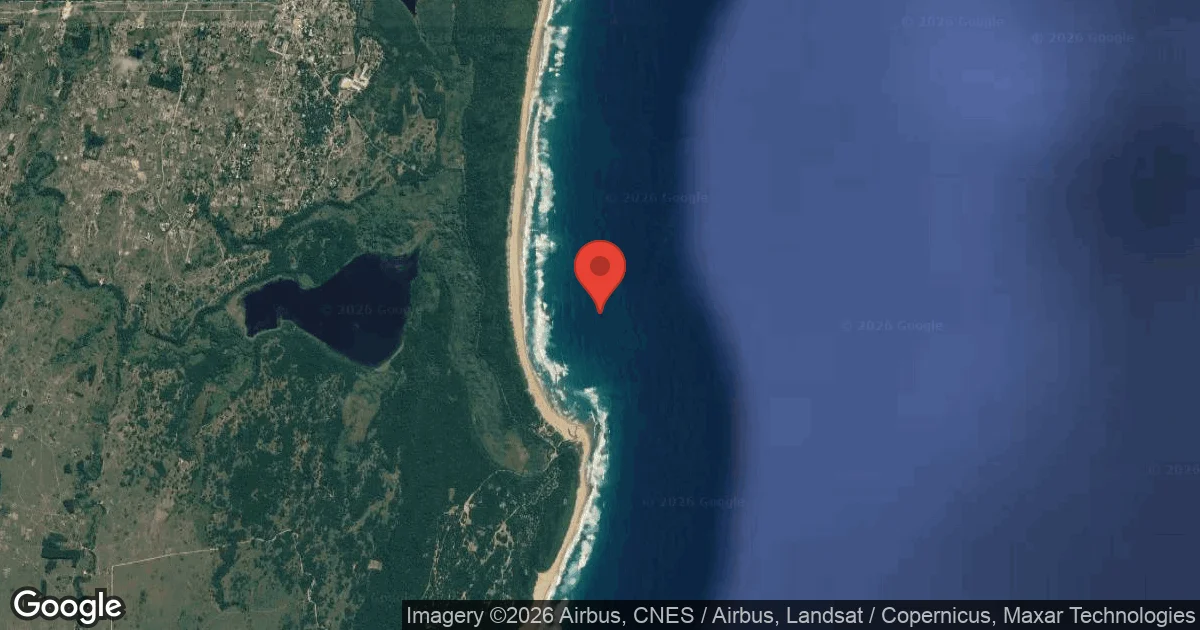
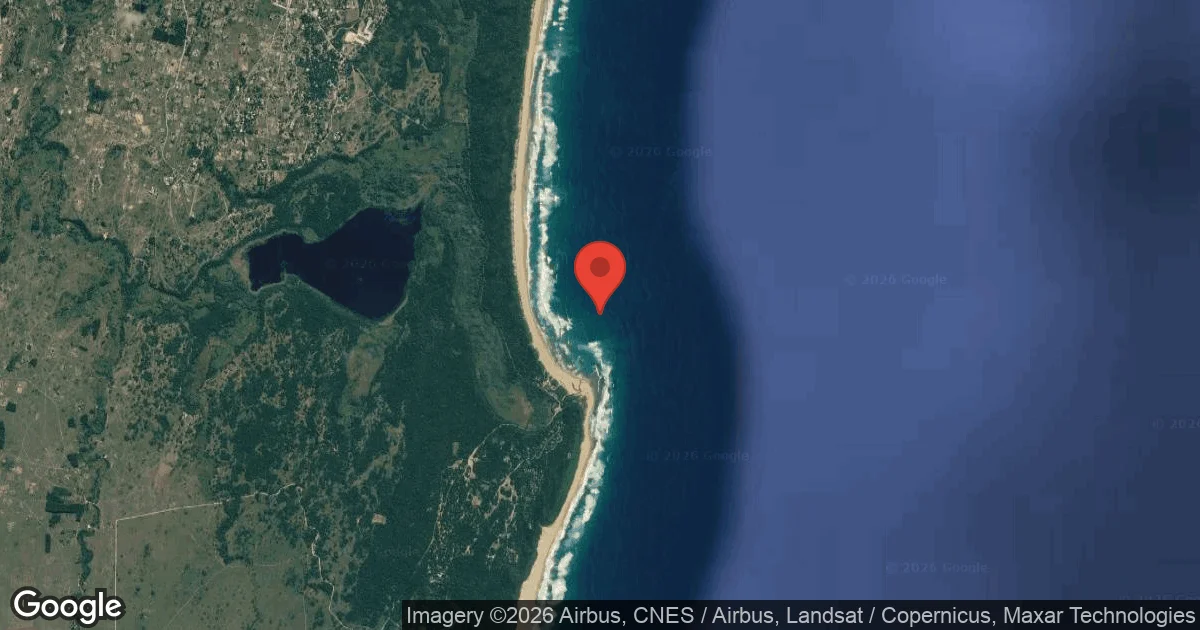
View all dive sites in South AfricaDiscover more underwater gems in this area.
Dive Centers Near Coral Gardens
Today: 07:00 - 18:00
Nearest Airports
Nearest airports to help plan travel to this dive area.
Search Flights
Check available flights and routes on Expedia, using the nearby airports listed in this section.
Search Flights on ExpediaFrequently Asked Questions
Where is Coral Gardens located?
Coral Gardens can be found on the Atlantic seaboard of the Cape Peninsula, near Cape Town in the Western Cape province of South Africa. It's specifically at south Oudekraal, within the Table Mountain National Park Marine Protected Area.
What are the typical dive depths at Coral Gardens?
Average depths in popular areas are around 10 m (33 ft), with inshore maximums reaching 19 m (62 ft). Dives over sandy patches in the 'Coral Gardens bowl' often go to 17 m (56 ft), and deeper sections can extend to 30 m (100 ft) with a long swim.
Is Coral Gardens an easy dive site to access?
No, accessing Coral Gardens as a shore dive is considered challenging and suitable for adventurous divers. It typically involves either a long surface swim of about 250 meters or an assisted abseil down a slope with your dive gear.
Do I need a permit to dive at Coral Gardens?
Yes, a permit is required as Coral Gardens falls within the Table Mountain National Park Marine Protected Area. There is also an R20 entrance fee to the Oudekraal picnic area, which provides access.
What can I expect regarding visibility?
Visibility at Coral Gardens is variable, depending on local conditions. On good days, divers can experience clear water exceeding 10 m (33 ft), which beautifully highlights the vibrant reef life and true colors.
What kind of marine life is prominent here?
The site is characterized by abundant sea fans, various soft corals, and the distinctive Noble coral (Stylaster nobilis). Divers will also encounter dense kelp forests, a wide range of sponges, and colonial ascidians encrusting the rocky reef.
What are the water temperatures like?
Specific water temperature data for Coral Gardens is not consistently reported. Given its Atlantic seaboard characteristics, divers should generally anticipate cooler, temperate water conditions that vary seasonally.
When is the best time to dive Coral Gardens?
The months of November and February generally offer the most favorable dive scores, suggesting calmer conditions for exploring the site. These periods also typically have warmer average air temperatures.
Planning to dive Coral Gardens?
Send one inquiry and receive offers directly from the best verified local dive operators.
Conditions are Poor
High Swell Advisory. Not recommended.
Current conditions near Coral Gardens show 23° air, 23° sea temperature, 3.3 m waves, and 30 km/h wind. Forecast data is refreshed regularly to ensure accuracy.