
Diving at Four Bouy (South Africa)
Four Bouy in Sodwana Bay presents a gentler dive experience, setting it apart from many South African sites demanding advanced skills. Exploration on its shallow reef, typically at depths between 9-12 m (30-40 ft), provides an accessible entry for new divers and those undergoing training. It’s calm. Such controlled conditions contrast sharply with deeper, current-intensive challenges found at locations like Protea Banks.
Tonight's objective overview for Four Bouy shows an air temperature of 19°C. The measured surface conditions include wave heights around 2.1 m. This environmental data is logged for the close of the day.
Dive Site Location & Key Facts
Dive Site Overview
Diving Four Bouy reveals a low-lying reef built on an ancient sandstone base, forming an integral part of the expansive Sodwana Bay reef system within the Greater St Lucia Wetland Park. Shallow drop-offs, intriguing swim-throughs, and numerous gullies characterize the topography, all remaining within a comfortable recreational depth range.
At an average of 9 m (30 ft) with a maximum depth of 12 m (40 ft), extended bottom times and thorough exploration are possible. Consistently good visibility benefits divers, largely due to the absence of nearby silt-bearing rivers, which enhances the vibrant colors of healthy coral gardens. These conditions create an ideal setting for those seeking a relaxed experience, allowing for buoyancy control practice amidst the reef's natural contours.
A protected marine environment offers manageable conditions without sacrificing visual interest, making it well-suited for training and new divers. Dive time often involves navigating gentle reef undulations, observing smaller inhabitants tucked within its nooks.
Sodwana Bay, a UNESCO World Heritage Site, maintains abundant fish populations and pristine coral, qualities mirrored on a more intimate scale at Four Bouy. Sections of reef shaped over 80,000 years provide glimpses into this ancient formation's diverse ecosystem.
Closer inspection reveals coral outcrops. Gentle nature encourages observation, perfect for honing skills or simply enjoying the scenery. Exploring small caves and overhangs further enriches each dive, revealing hidden life within sheltered recesses.
Conditions are Poor
High Swell Advisory. Not recommended.
Current conditions near Four Bouy show 19° air, 23° sea temperature, 3.2 m waves, and 28 km/h wind. Forecast data is refreshed regularly to ensure accuracy.
Best Time to Dive
Choosing the optimal time for a dive at Four Bouy often involves weighing warmer air temperatures against overall dive conditions. The Austral summer, from December to February, presents the warmest air temperatures, averaging around 24.5-26°C (76-79°F), though this period also sees slightly higher, albeit still low, rainfall. While many dive scores are consistently 'Moderate' throughout the year, March and April tend to be rated 'Poor', suggesting less favorable conditions. Conversely, cooler winter months, notably June through August, offer crisp air temperatures averaging 19-20°C (66-68°F) and typically the lowest rainfall, which can contribute to better surface conditions. Wind speeds and wave heights show variation, but generally, the period from May to August reflects slightly improved dive scores compared to early autumn. Planning your visit outside of March and April could increase the likelihood of more enjoyable surface and underwater experiences, irrespective of seasonal air temperature shifts.
PEAK SEASON SCORE
Scores combine air & water temps, waves, wind & rainfall for overall conditions.
BEST MONTHS TO DIVE
Monthly records compiled from satellite and marine observation nodes over the last 3 years. Data provided by Open-Meteo and MET Norway.
Dive Experience & Conditions
Divers entering Four Bouy typically encounter calm, clear water, a benefit of Sodwana Bay's lack of nearby silt-bearing rivers. A shallow depth, consistently between 9-12 m (30-40 ft), immediately establishes a relaxed pace, ideal for those new to scuba or undergoing certification. Expect gentle to moderate water movement. While Four Bouy doesn't have specific current reports, nearby 2 Mile Reef sites often experience moderate currents, so conditions can vary. Thorough exploration of its small caves and swim-throughs is encouraged, as these areas house various marine inhabitants. Visibility remains generally good, allowing clear views of the reef's intricate details and the schooling fish that frequent the area. Ambient water temperature, though not consistently reported for this exact site, aligns with the subtropical coastal climate. Divers can anticipate comfortable conditions for extended bottom times, focusing on buoyancy and observation within accessible confines.
Dive Difficulty & Safety Guidelines
A primary hazard at Four Bouy stems from its overhead environments, specifically the presence of swim-throughs and small caves. Divers planning to enter these areas must possess appropriate training for overhead diving and maintain excellent buoyancy control. Awareness of your surroundings is crucial to prevent contact with the reef structure or marine life.
While no specific current warnings are provided for Four Bouy, understanding that nearby sites in South Africa can experience strong currents suggests divers should prepare for varying conditions and always consult local dive operators for the most current information. Always carry a surface marker buoy (SMB) and know how to deploy it, especially in areas where currents could unexpectedly pick up. Adhering to responsible diving practices helps preserve the delicate reef ecosystem.
Recommended Equipment
- Dive Computer
- DSMB
This gear list is based on verified equipment signals for Four Bouy, South Africa. Always confirm final gear choices with your dive operator, guide, or liveaboard.
Recommended Dive Suit
Temperatures look set to gradually increase over the next several days. A warming trend is expected over the next few days.
Divers who prefer a balanced level of warmth often select 3-5mm wetsuit in water temperatures like this. Consider warmer surface protection (like a boat coat) due to brisk winds. Surface intervals may feel cooler.
Current dive conditions indicate that water temperatures around Four Bouy are sitting at roughly 23°C (73°F). Surface air temperatures are resting at 19°C (67°F).
Emergency & Medical Support
Essential information to help you plan your dive trip to Four Bouy.

Hyperbaric chambers are a critical part of dive safety infrastructure. Availability varies significantly by region, and not all dive areas have immediate access.
Before diving, it's recommended to:
- confirm nearest medical facilities
- check emergency procedures with local dive operators
- ensure dive insurance covers evacuation if required
Divers Alert Network
Diving emergency assistance available through DAN Southern Africa.
+27828106010- 24/7 emergency hotline
- Diving medical assistance
- Evacuation coordination
Emergency contacts are provided for reference. Always verify local emergency services before diving.
Marine Life at Four Bouy
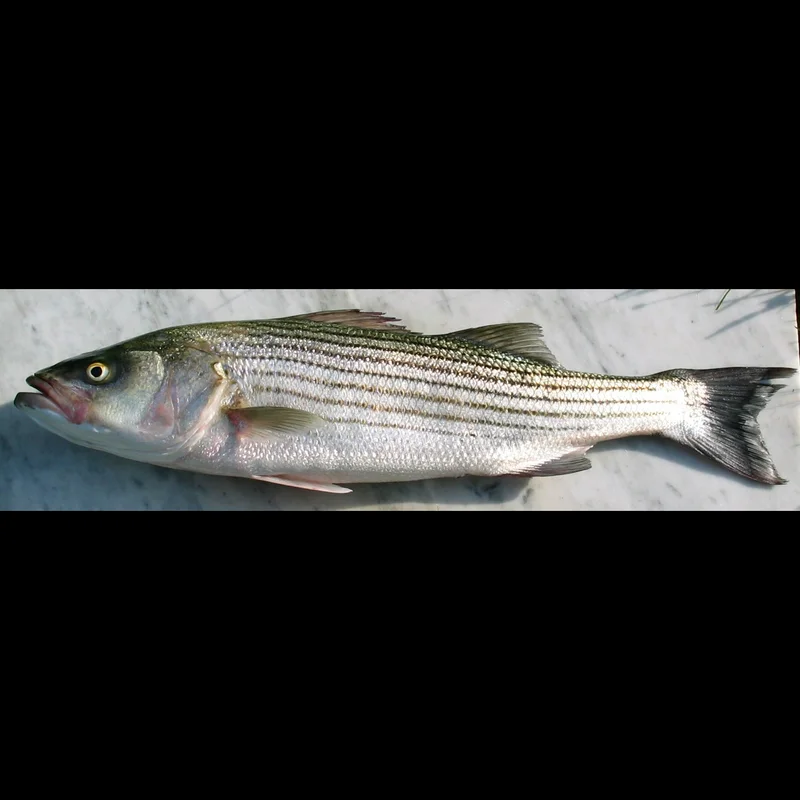
Four Bouy captivates divers with a diverse array of marine life, characteristic of Sodwana Bay's protected status. Shoals of sweepers are a common sight, often sheltering under reef outcrops, creating shimmering clouds of silver.
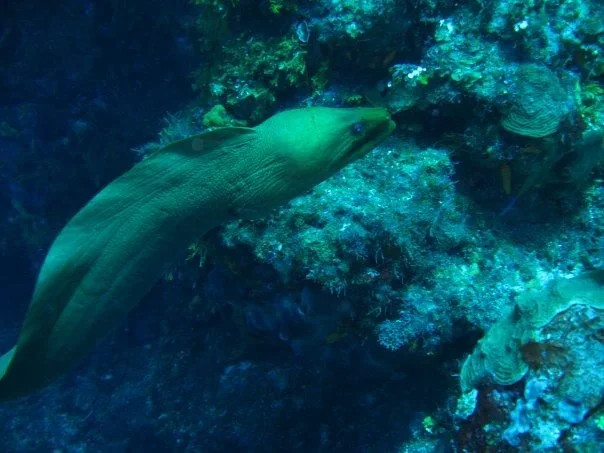
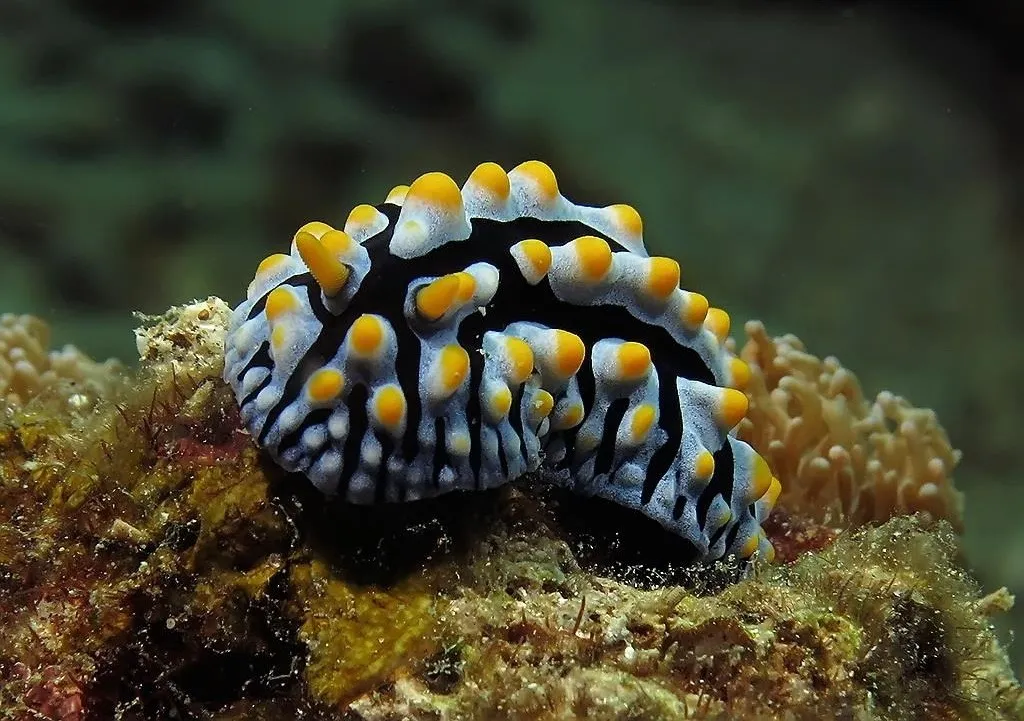
Explorers frequently encounter rays gliding gracefully over sandy patches, alongside various nudibranchs adding splashes of color to the reef. Moray eels peer from crevices.
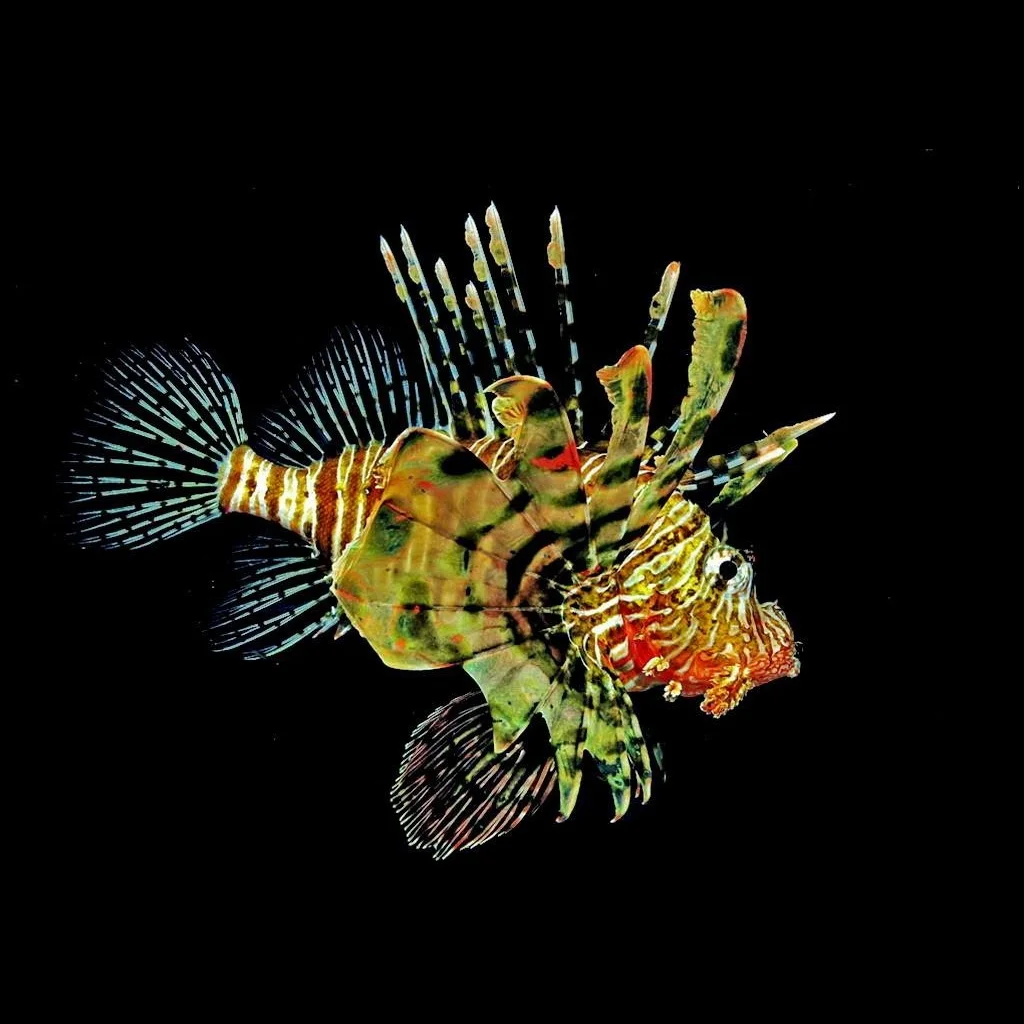
Distinct patterns of lionfish are observable among the corals. Turtles are also attracted to the area, known to frequent Sodwana Bay. An ancient reef, part of a UNESCO World Heritage Site, supports abundant fish populations and contributes to a rich underwater tapestry.
Dive Sites Near Four Bouy
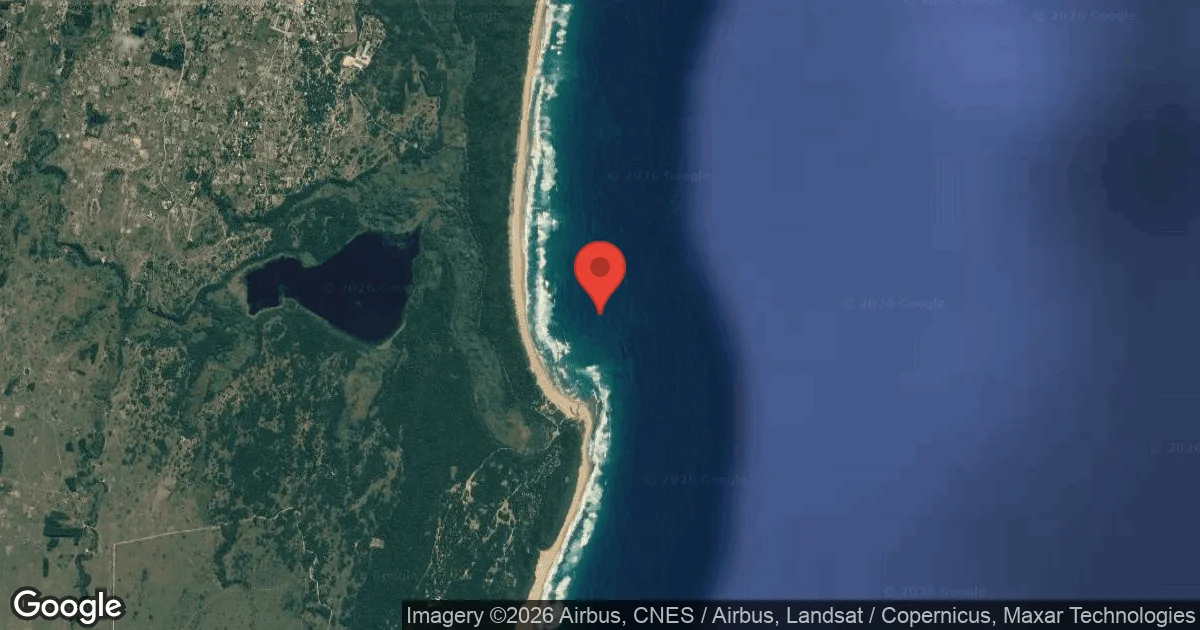
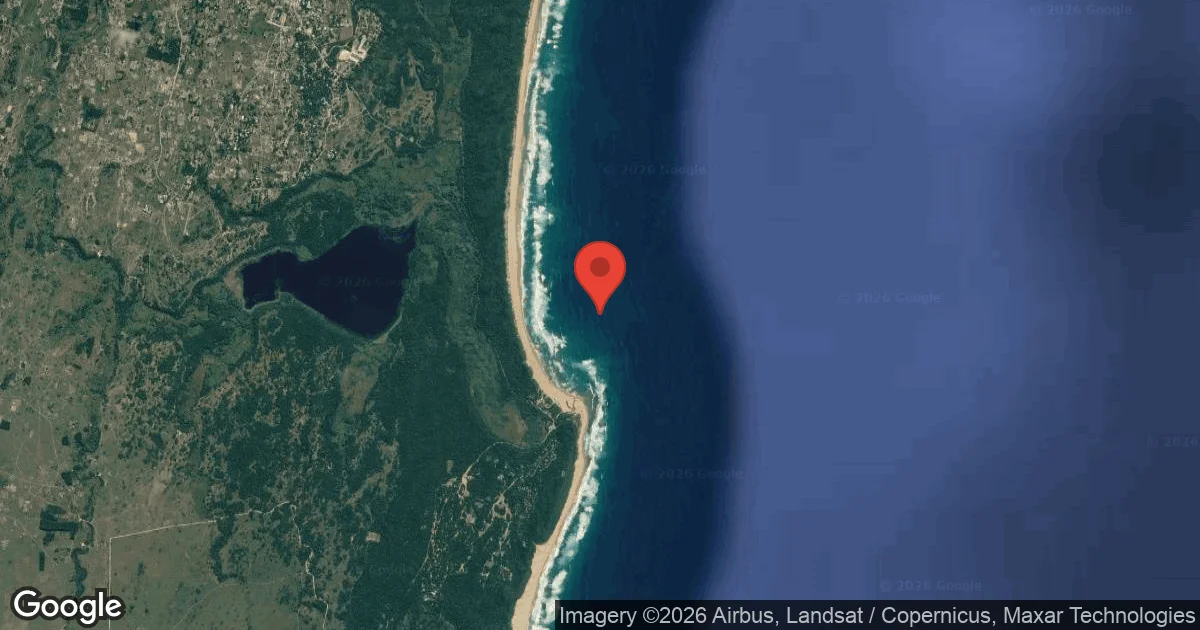
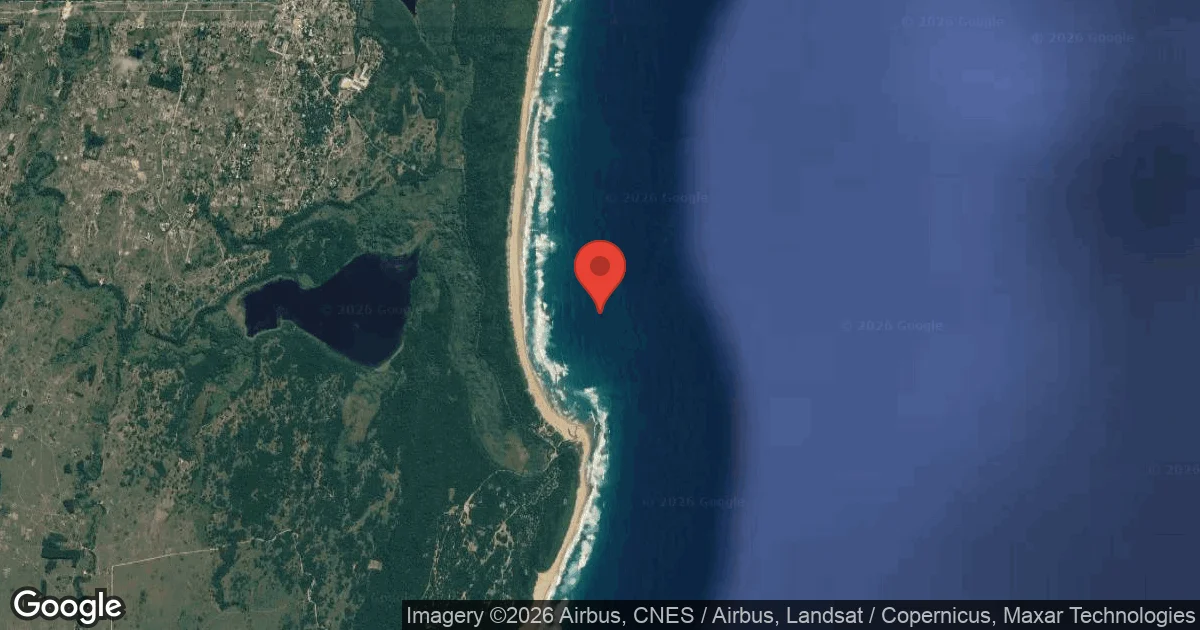
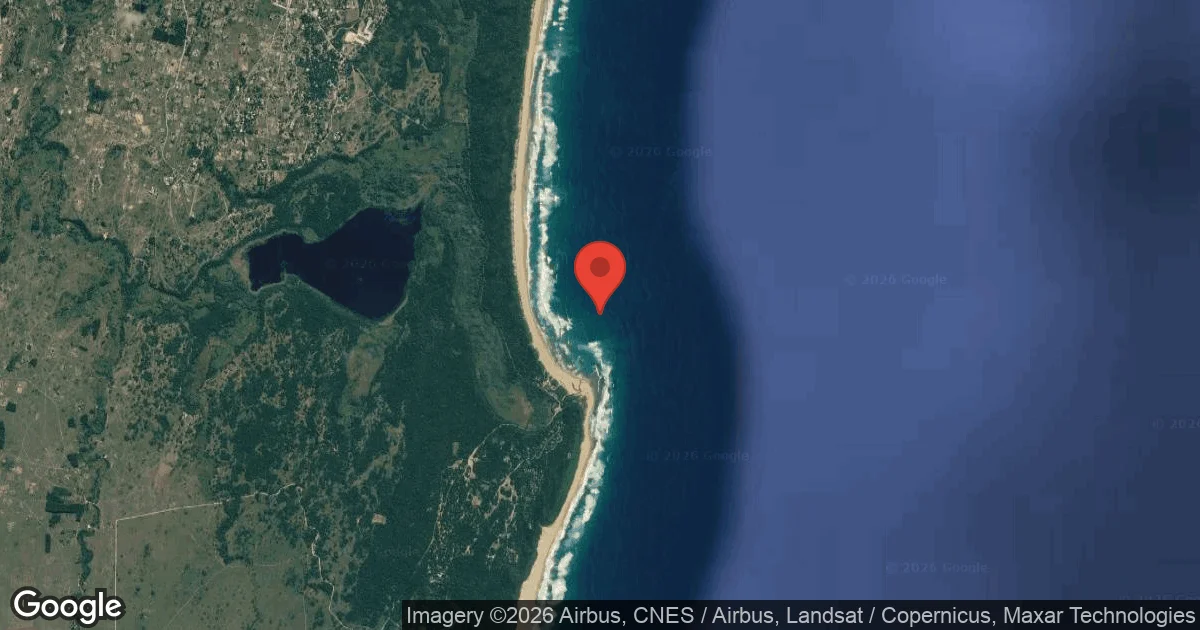
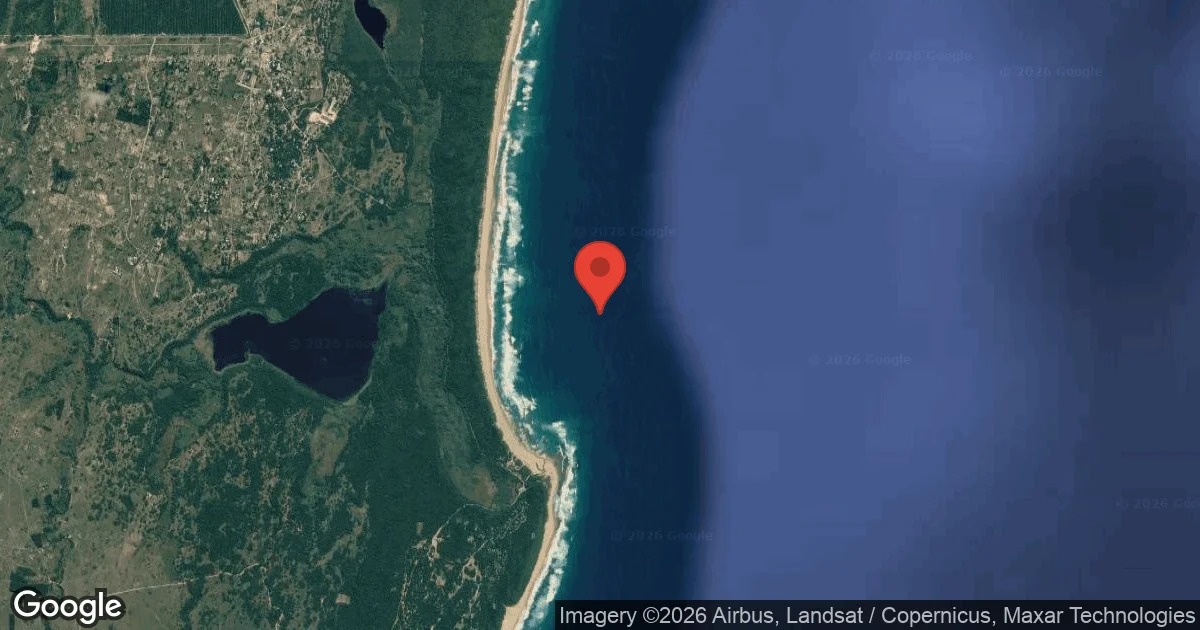
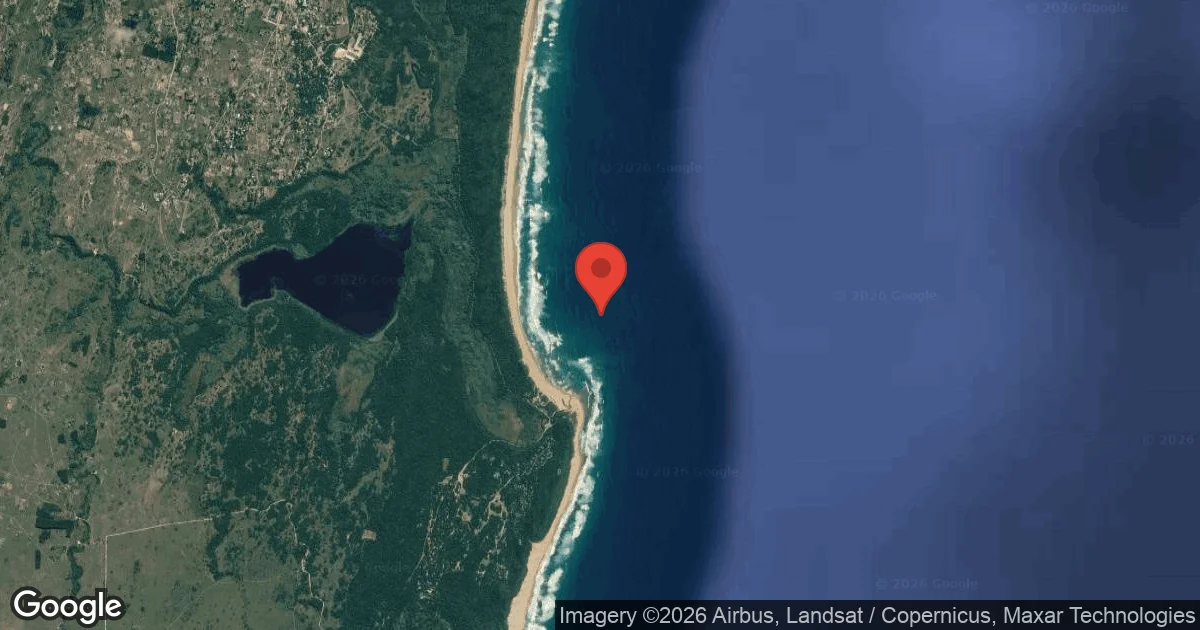
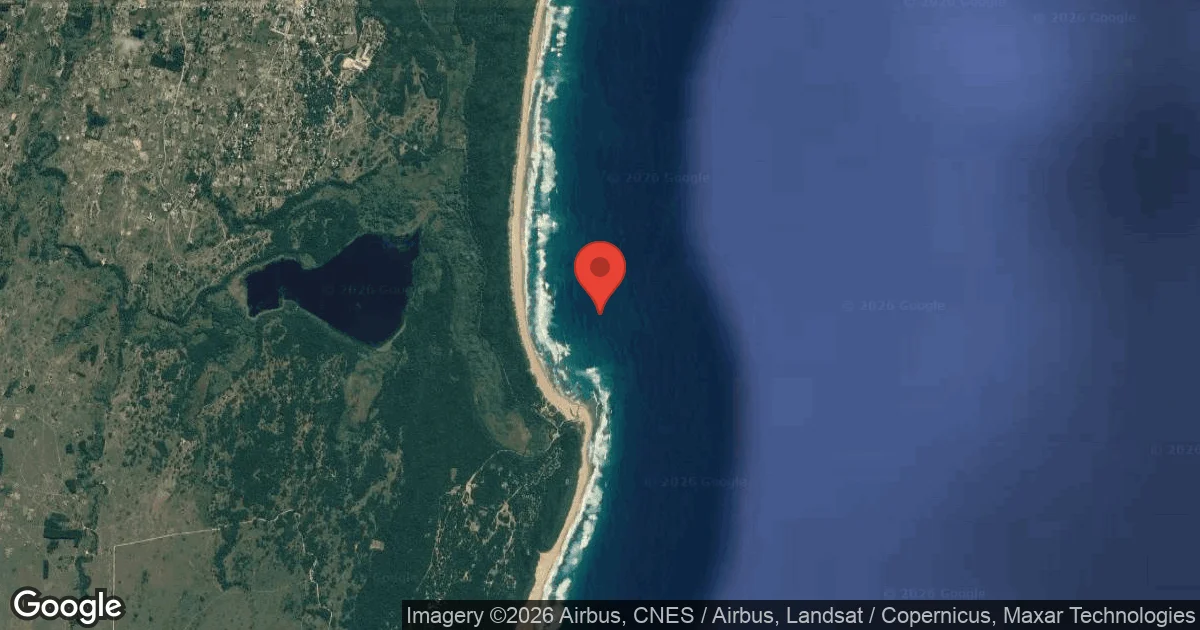
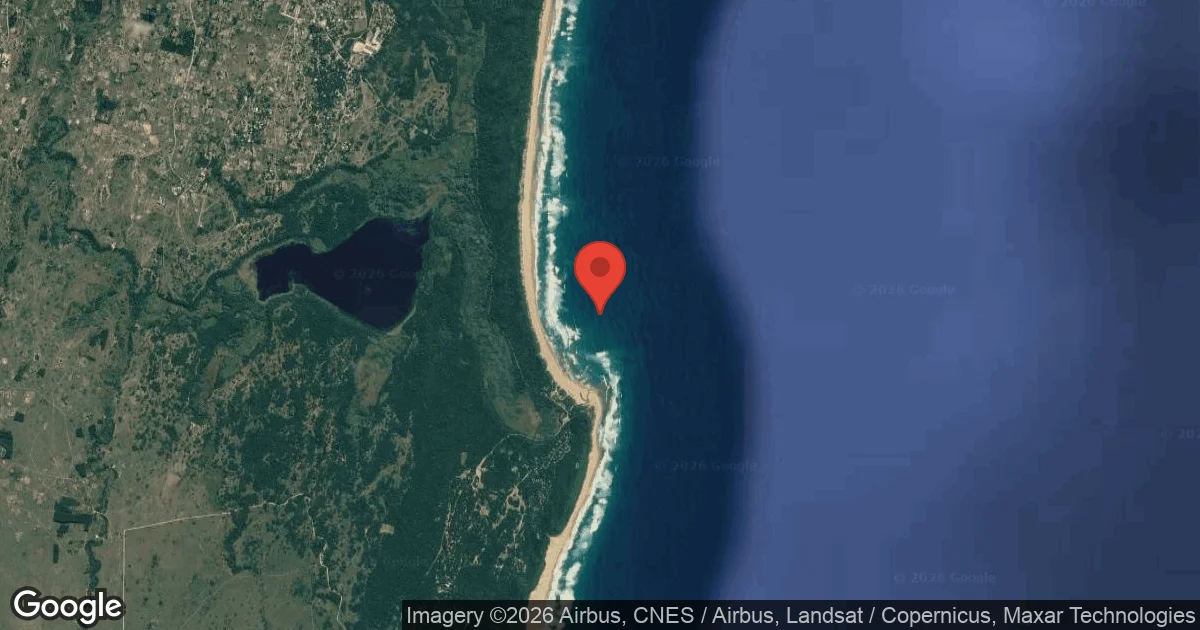
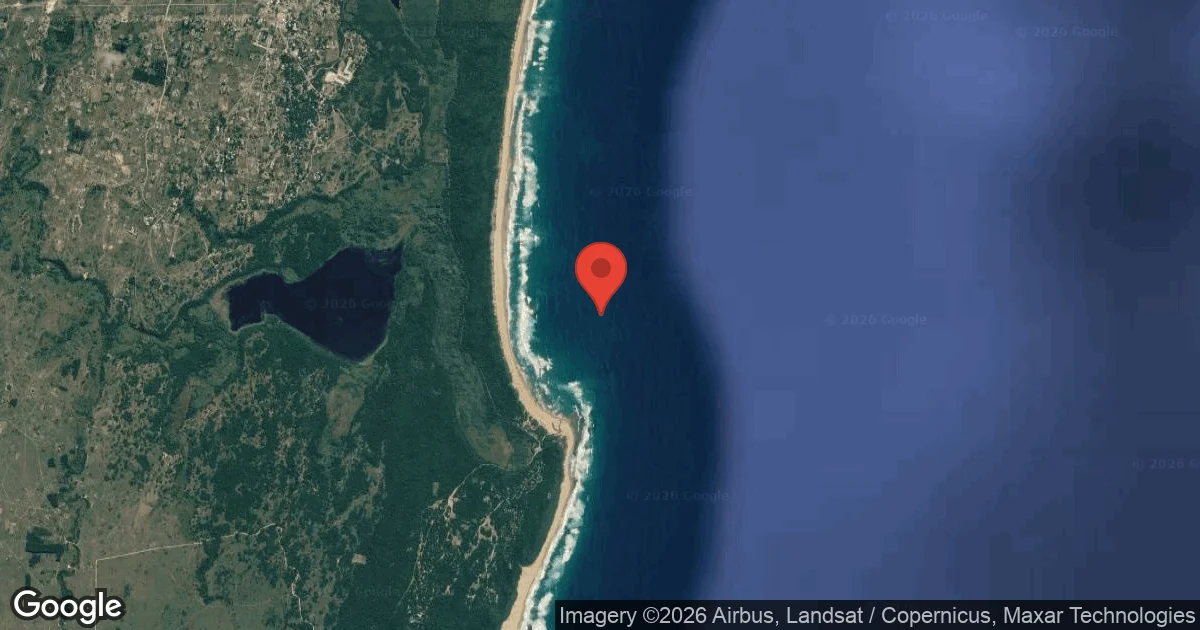
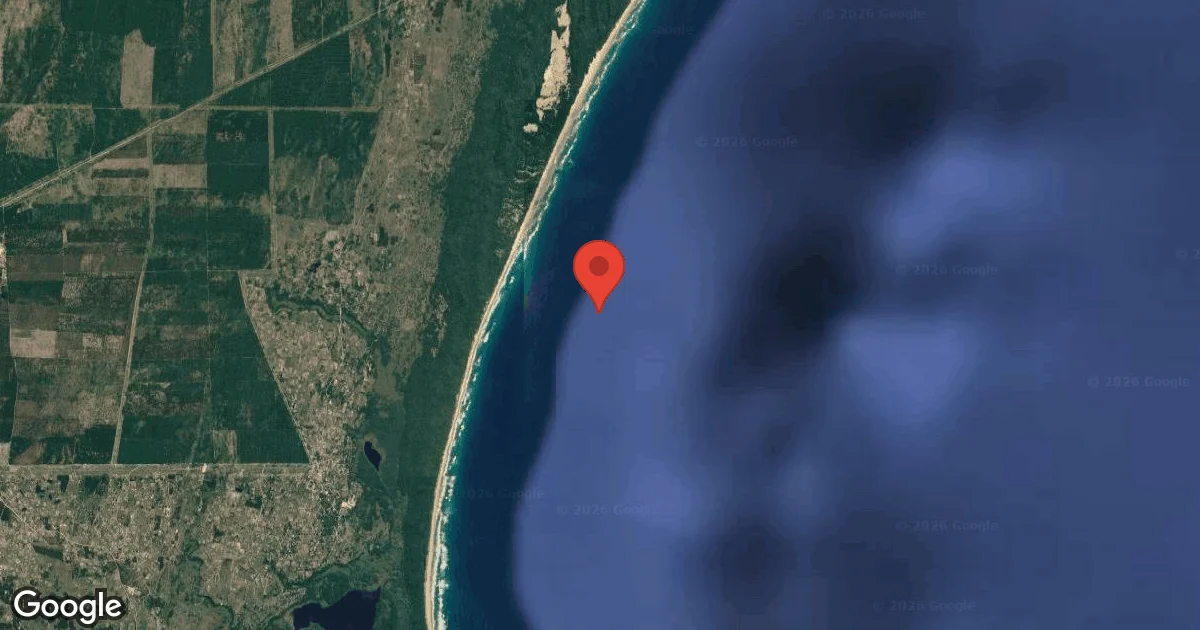
View all dive sites in South AfricaDiscover more underwater gems in this area.
Dive Centers Near Four Bouy
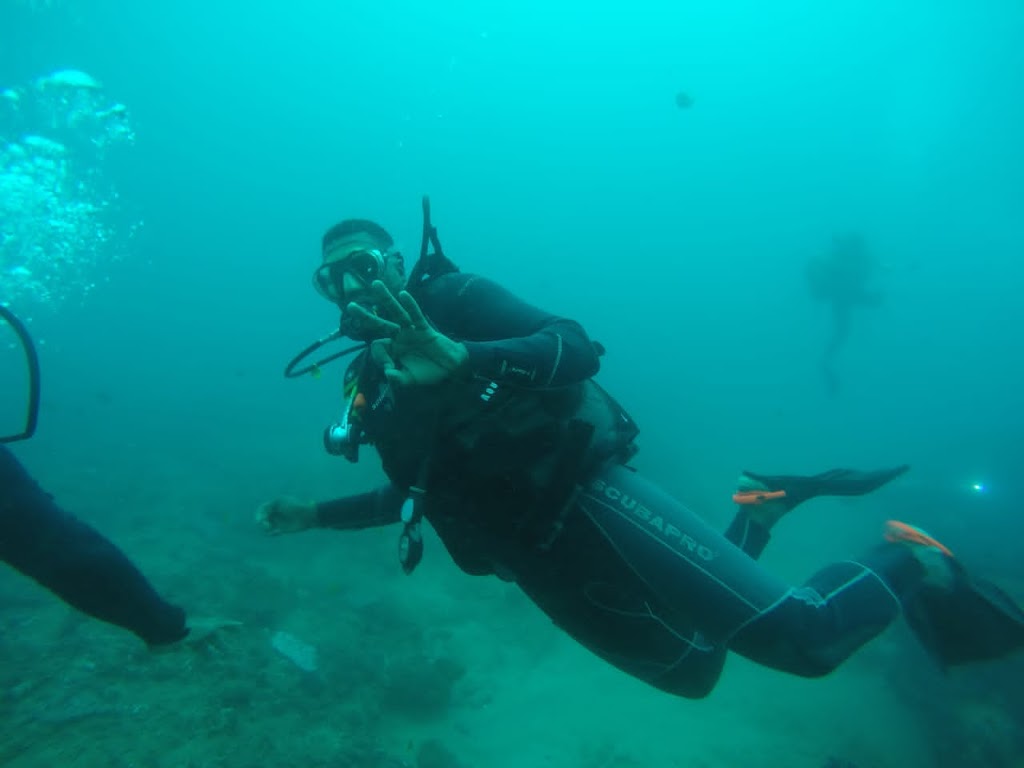
Today: 07:00 - 18:00
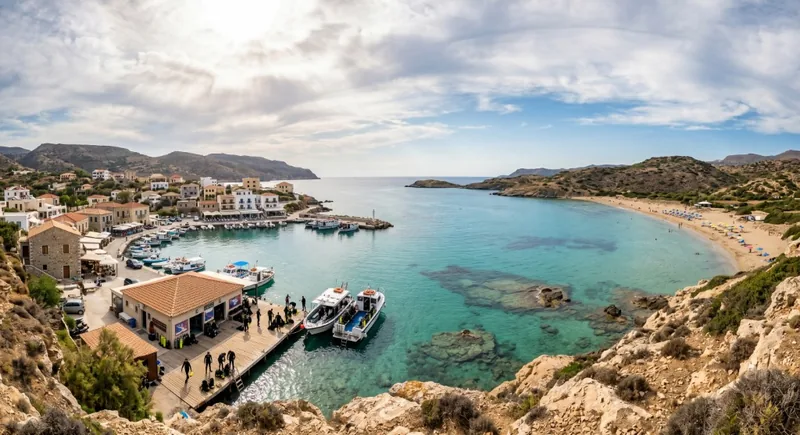
Nearest Airports
Nearest airports to help plan travel to this dive area.
Search Flights
Check available flights and routes on Expedia, using the nearby airports listed in this section.
Search Flights on ExpediaFrequently Asked Questions
What is the typical depth at Four Bouy?
Four Bouy typically averages 9 m (30 ft), with a maximum depth of 12 m (40 ft). A shallow profile like this makes it an ideal spot for extended dives within recreational limits.
Is Four Bouy suitable for beginner divers?
Yes, it is. Four Bouy's shallow depth and manageable conditions make it well-suited for training dives and beginner scuba divers. It provides a calm environment to practice skills.
What marine life can I expect to see at Four Bouy?
Divers frequently encounter shoals of sweepers, rays, various nudibranchs, and moray eels. Lionfish and turtles are also commonly sighted inhabitants of this reef.
Are there any specific hazards at Four Bouy?
Its overhead environments, including swim-throughs and small caves, present the main hazard. Divers should have appropriate training and maintain excellent buoyancy control when entering these areas.
What makes the Sodwana Bay reefs unique?
Sodwana Bay's reefs are built on an ancient, 80,000-year-old sandstone base, forming a unique flat profile with low pinnacles. Its protected status as a UNESCO World Heritage Site and absence of silt-bearing rivers contribute to pristine coral health and good visibility.
When is the best time to visit Four Bouy for diving?
While conditions can vary, months outside of March and April generally offer more favorable dive scores. Warmer air temperatures occur during the Austral summer (December-February), while cooler, drier conditions are often found from May to August.
Planning to dive Four Bouy?
Send one inquiry and receive offers directly from the best verified local dive operators.
Conditions are Poor
High Swell Advisory. Not recommended.
Current conditions near Four Bouy show 19° air, 23° sea temperature, 3.2 m waves, and 28 km/h wind. Forecast data is refreshed regularly to ensure accuracy.