
Diving at Caves and Overhangs (South Africa)
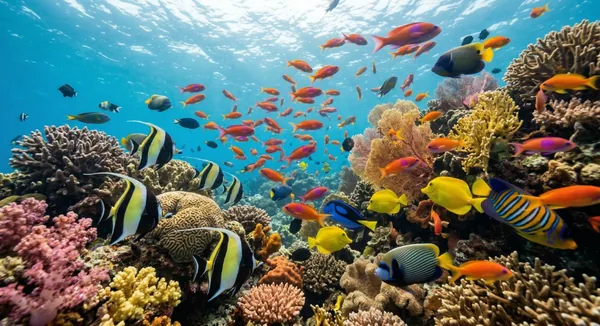
A vibrant underwater landscape unfolds at Caves and Overhangs, characterized by substantial, blocky boulders draped in a rich tapestry of coral. Interspersed with coral-encrusted formations, inviting sandy patches appear. Excellent light penetration permeates shallow depths, illuminating a visually appealing garden beneath the surface. Intriguing pinnacles and deep swim-throughs define this dynamic environment for exploration.
Evening condition tracking at Caves and Overhangs features an air temperature of 22.5°C. We have recorded wave heights measuring 2.3 m during this period. These figures outline the environmental parameters currently present.
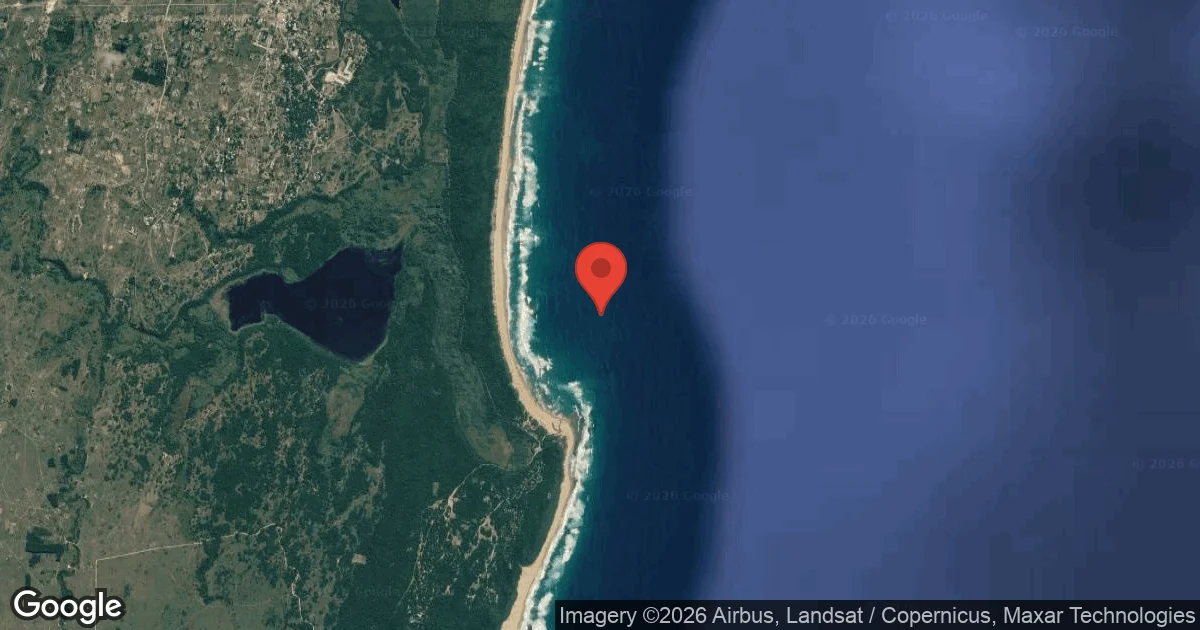
Dive Site Location & Key Facts
Dive Site Overview
Exploring Caves and Overhangs reveals a fascinating reef structure, making for a compelling dive narrative. Large, blocky boulders, generously covered in diverse coral species, form the primary composition of this popular site.
Clear sandy stretches wind between these formations. Depths average 10 m (33 ft) and reach a maximum of 16 m (52 ft), catering to divers seeking intriguing topography without demanding extreme depths. Accessible via a short boat ride, divers arrive directly into the heart of its structural wonders.
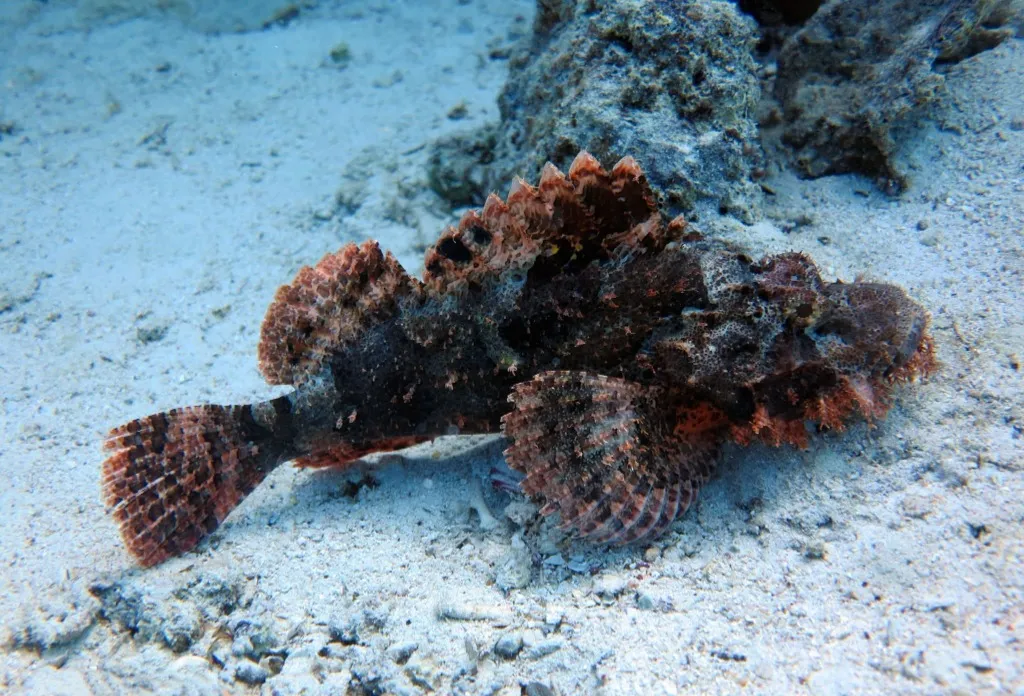
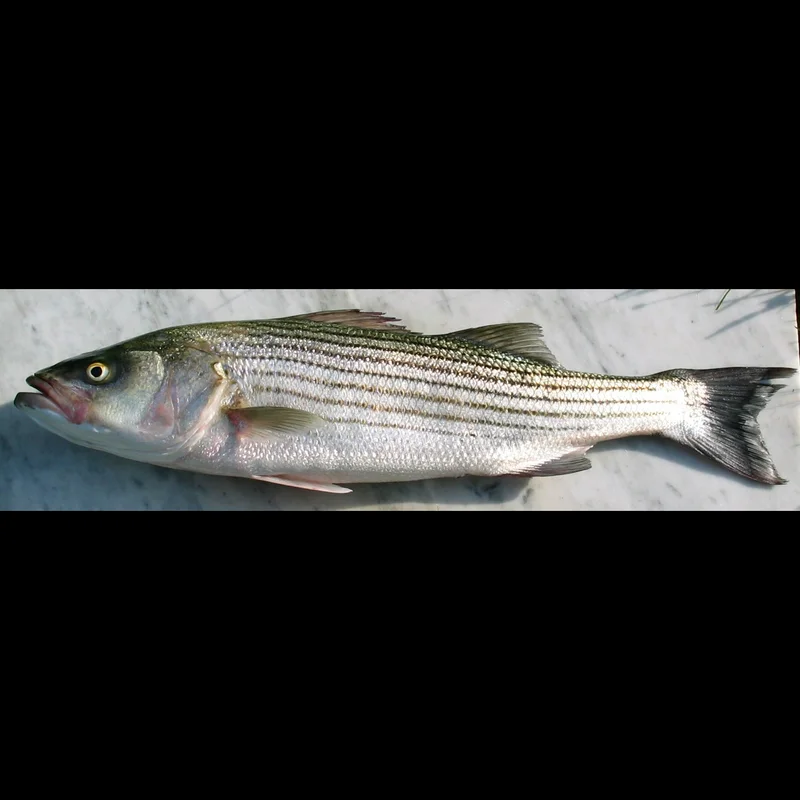
Overhead environments like deep swim-throughs and overhang-style terrain define the experience, inviting careful navigation. Marine life sightings often include potato bass, various scorpionfish, and a variety of shrimps.
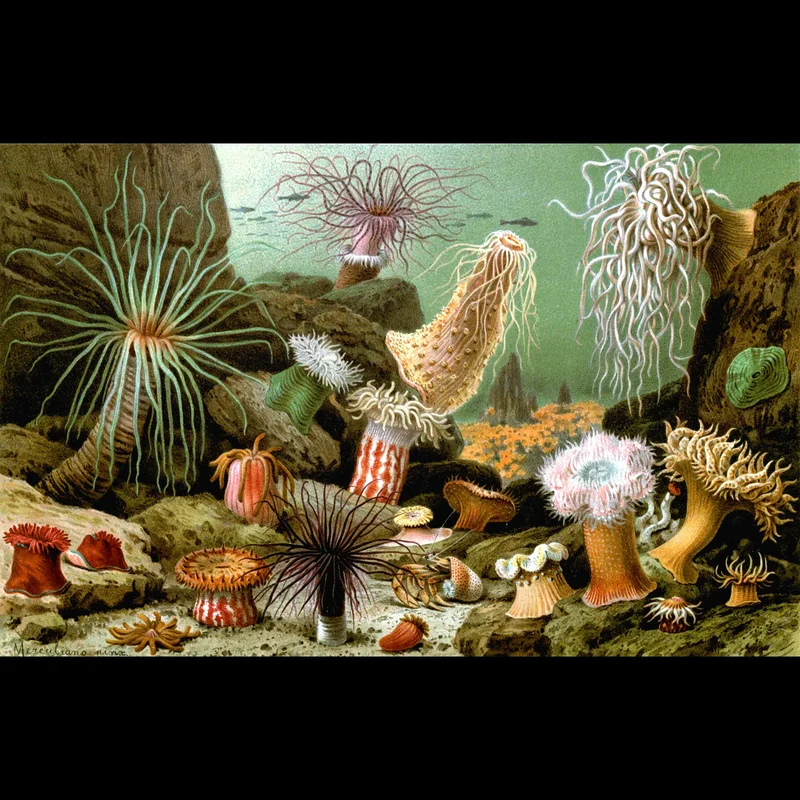
Eels and rays frequently glide along sandy bottoms, while short-spine pufferfish and flounders add to the benthic diversity. A magnificent range of coral and invertebrate life thrives, including hard and soft corals, sponges, and anemones; occasional tiger cowrie shells add splashes of color.
Conditions are Poor
High Swell Advisory. Not recommended.
Current conditions near Caves and Overhangs show 23° air, 23° sea temperature, 3.3 m waves, and 30 km/h wind. Forecast data is refreshed regularly to ensure accuracy.
Best Time to Dive
Planning a dive at Caves and Overhangs often involves weighing seasonal air temperatures against sea conditions. Warmest air temperatures typically occur from December to February, averaging around 25-26°C (77-79°F). These months coincide with slightly higher, though still moderate, rainfall of approximately 2-5 mm per month. Conversely, cooler winter months, particularly July and August, see average air temperatures drop to around 19-20°C (66-68°F); these periods also report the lowest rainfall, often less than 1 mm. Wave heights generally range from 1.8 to 2.2 meters year-round, with slightly higher tendencies in March, September, and October. Wind speeds peak around 27 km/h (17 mph) in September. Water temperature data isn't consistently reported for this specific site, but overall dive scores suggest moderate conditions for much of the year. March and April are sometimes categorized as poorer due to variable sea states. For potentially calmer surface conditions, periods with lower wind speeds and moderate waves, outside of peak rain months, might be preferable.
PEAK SEASON SCORE
Scores combine air & water temps, waves, wind & rainfall for overall conditions.
BEST MONTHS TO DIVE
Monthly records compiled from satellite and marine observation nodes over the last 3 years. Data provided by Open-Meteo and MET Norway.
Dive Experience & Conditions
A shallow profile here creates an engaging diving experience, with an average depth of 10 m (33 ft) and a maximum depth of 16 m (52 ft). Such depths ensure excellent light penetration throughout, enhancing visibility of vibrant coral gardens. Divers can expect to navigate among numerous pinnacles and explore a network of deep swim-throughs and overhang-style terrain. Site topography is varied, featuring extensive blocky boulders covered in a diverse array of corals, interspersed with patches of sand. Specific current and surge data for this exact site is not consistently available; however, nearby reefs often experience light current and surge, suggesting a generally manageable environment for exploration. Visibility here frequently extends to around 15 m (50 ft), allowing clear views of the intricate reef structure and its inhabitants.
Dive Difficulty & Safety Guidelines
Approaching Caves and Overhangs requires a mindful appreciation for its structural complexity, particularly given the prevalence of overhead environments. Divers should possess appropriate training and experience for navigating deep swim-throughs and overhang-style terrain. Maintaining excellent buoyancy control is paramount to prevent accidental contact with delicate coral formations and to ensure safe passage through constricted areas.
Proper spacing between dive buddies is also crucial within these overhead spaces to avoid stirring up sediment or causing collisions. Since boat access is the only option, divers should be prepared for standard boat entry and exit procedures.
Adherence to responsible diving practices helps preserve this intricate reef ecosystem for future enjoyment.
Recommended Equipment
- Dive Computer
- DSMB
This gear list is based on verified equipment signals for Caves and Overhangs, South Africa. Always confirm final gear choices with your dive operator, guide, or liveaboard.
Recommended Dive Suit
Thermal protection such as 3-5mm wetsuit is commonly used for water temperatures in this range. Consider warmer surface protection (like a boat coat) due to brisk winds. Surface intervals may feel cooler.
Divers planning a dive at Caves and Overhangs today will likely encounter water temperatures close to 23°C (74°F). Surface air temperatures are resting at 23°C (73°F).
Environmental models indicate a modest warming trend ahead. A warming trend is expected over the next few days.
Due to technical issues with our weather providers, live updates are temporarily delayed. The data above reflects the conditions at the time of the last successful fetch.
Emergency & Medical Support
Essential information to help you plan your dive trip to Caves and Overhangs.

Hyperbaric chambers are a critical part of dive safety infrastructure. Availability varies significantly by region, and not all dive areas have immediate access.
Before diving, it's recommended to:
- confirm nearest medical facilities
- check emergency procedures with local dive operators
- ensure dive insurance covers evacuation if required
Divers Alert Network
Diving emergency assistance available through DAN Southern Africa.
+27828106010- 24/7 emergency hotline
- Diving medical assistance
- Evacuation coordination
Emergency contacts are provided for reference. Always verify local emergency services before diving.
Marine Life at Caves and Overhangs
Entering the water, initial impressions often highlight the sheer diversity of coral and invertebrate life covering massive boulders. A magnificent range of hard and soft corals thrive here, alongside sponges and anemones that sway gently with any subtle water movement.
Closer inspection frequently reveals potato bass lurking in crevices and scorpionfish camouflaged against the reef. Divers will also notice various shrimps darting about and the occasional eel peeking from its hideaway.
Rays are commonly sighted gliding over sandy patches, while short-spine pufferfish and flounders provide interesting benthic observations. Keep an eye out for tiger cowries and other shells, adding small, intricate details to this vibrant underwater garden.
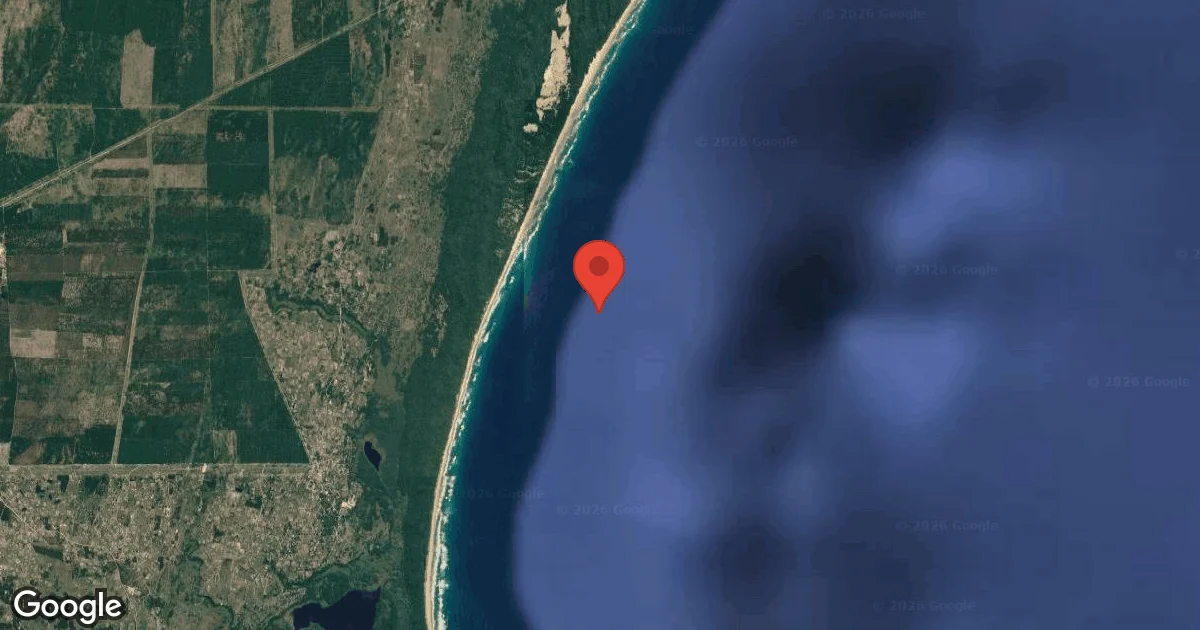
Dive Sites Near Caves and Overhangs
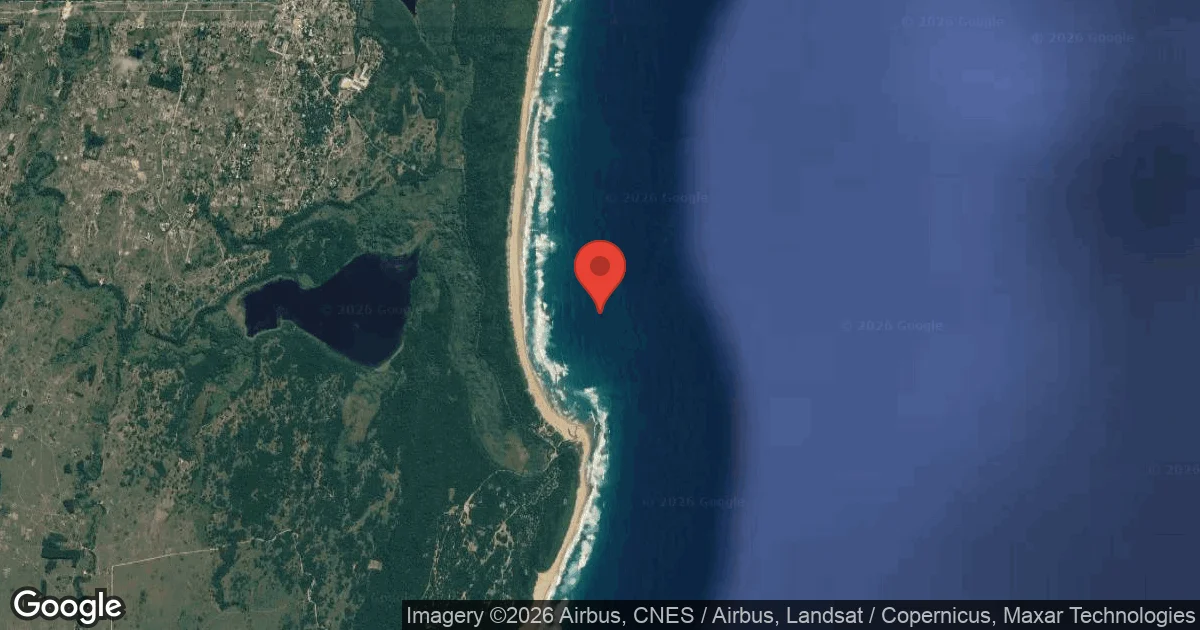
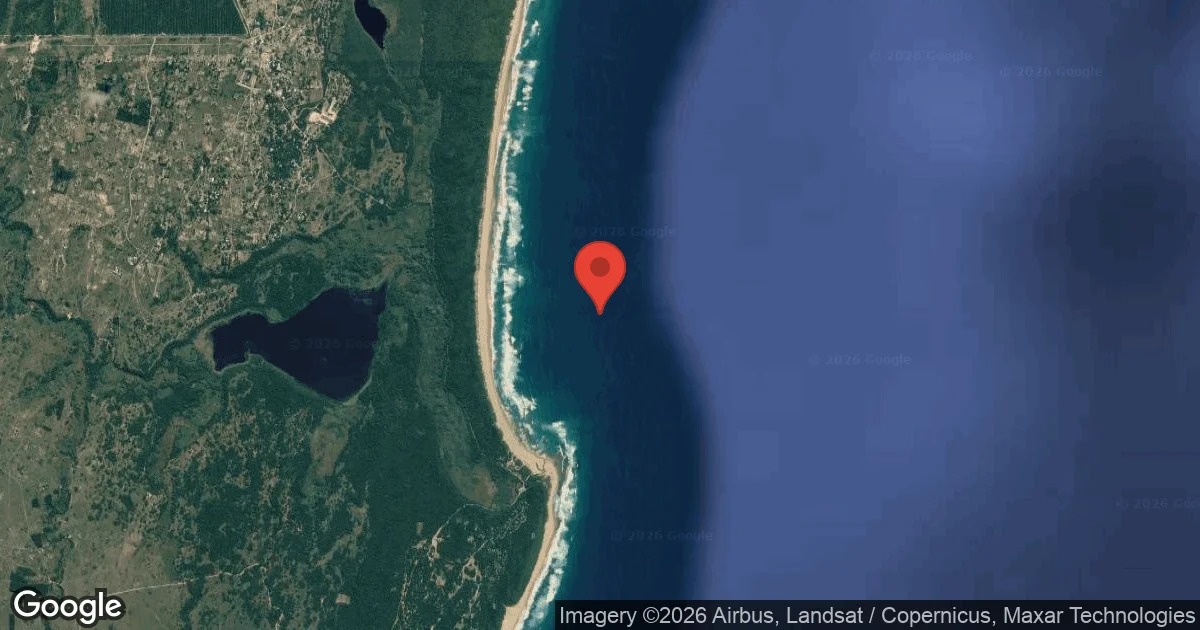
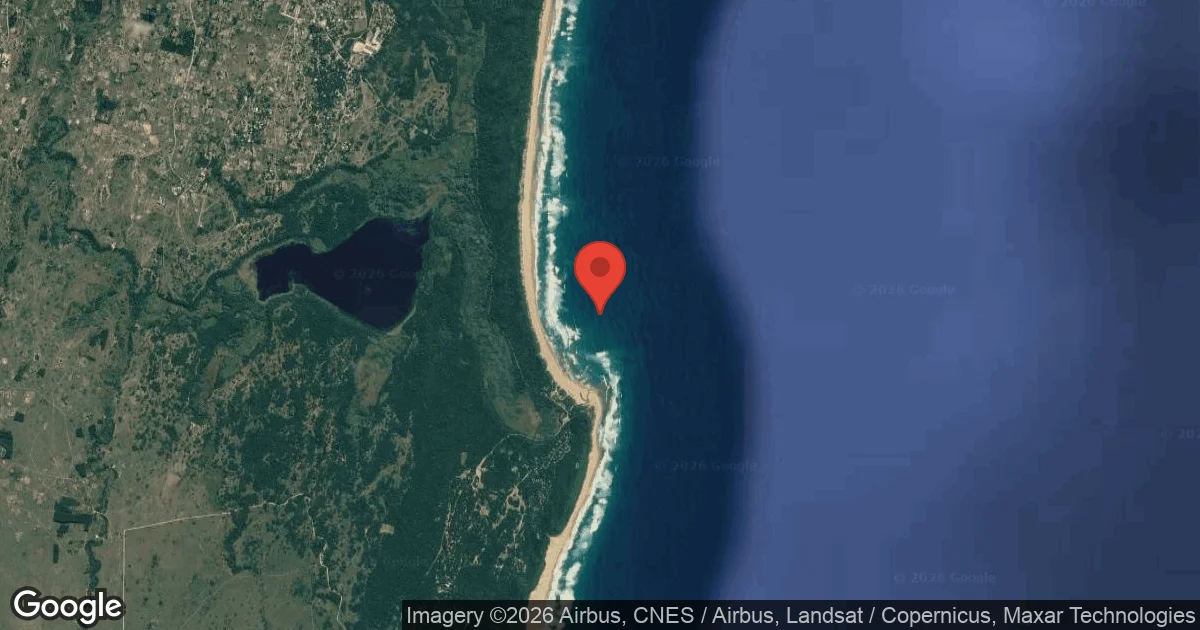
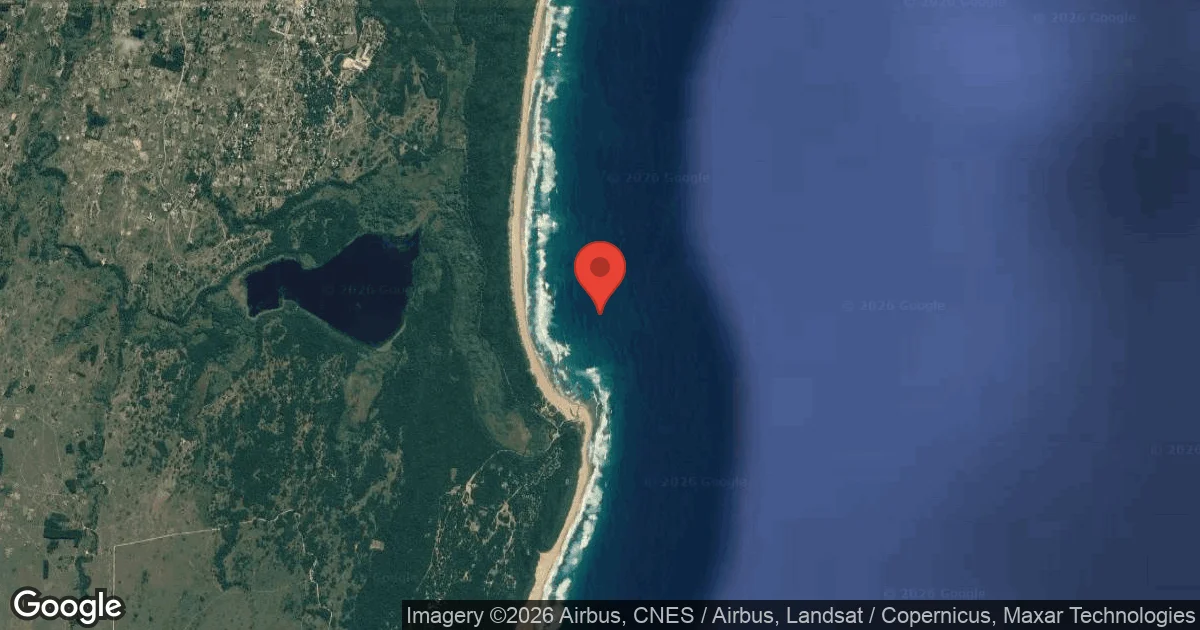
View all dive sites in South AfricaDiscover more underwater gems in this area.
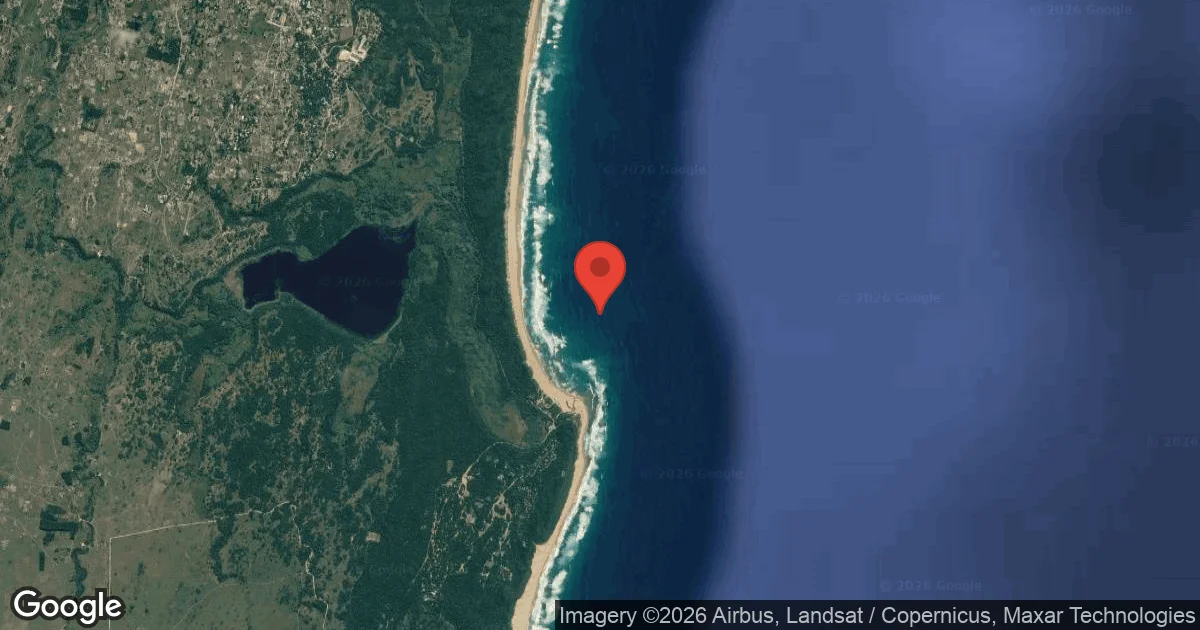
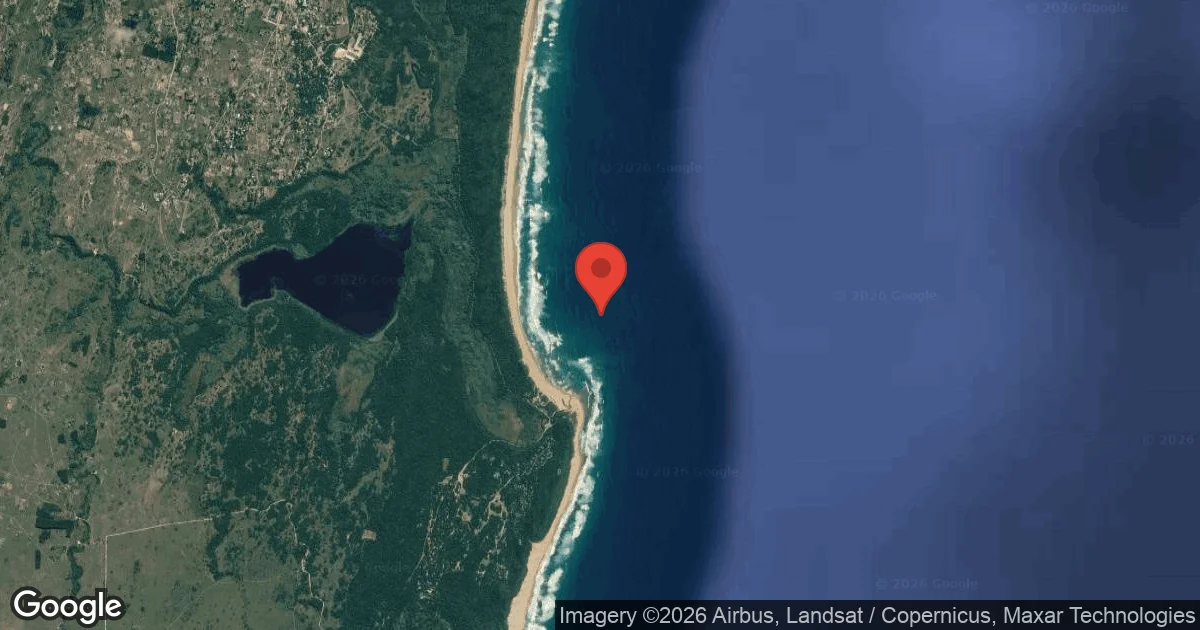
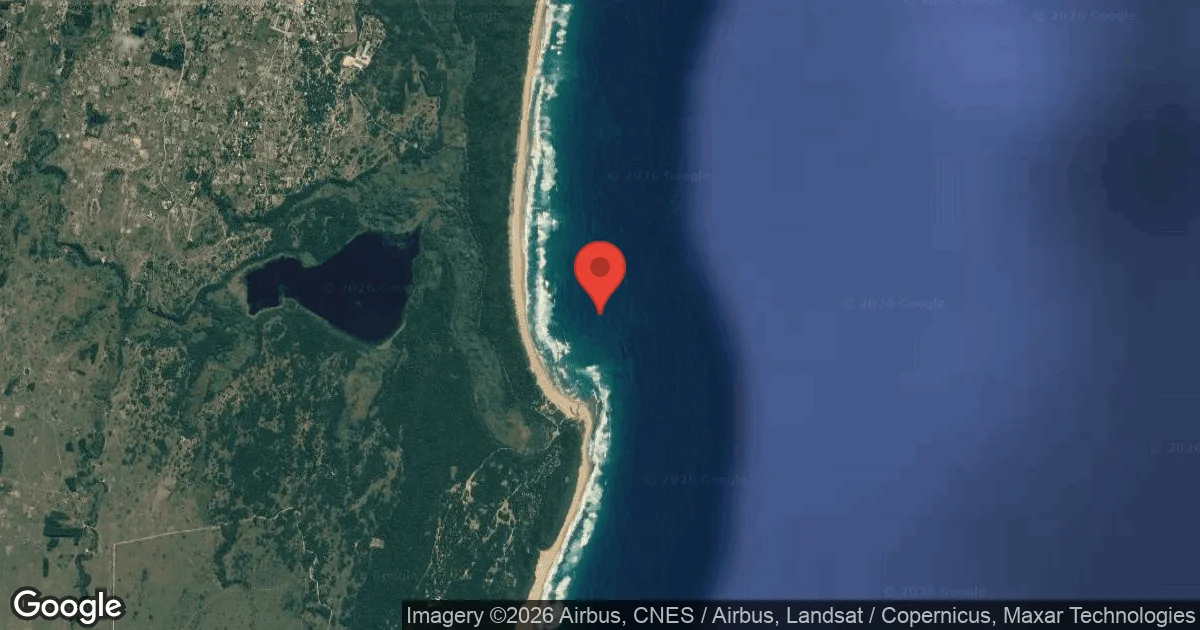
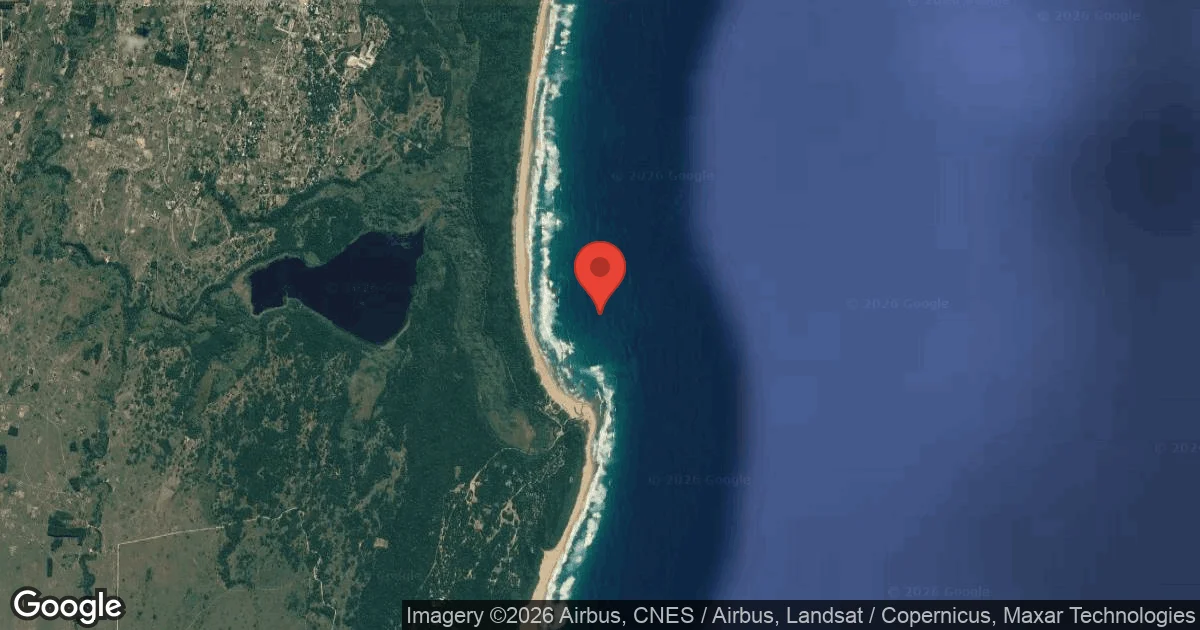
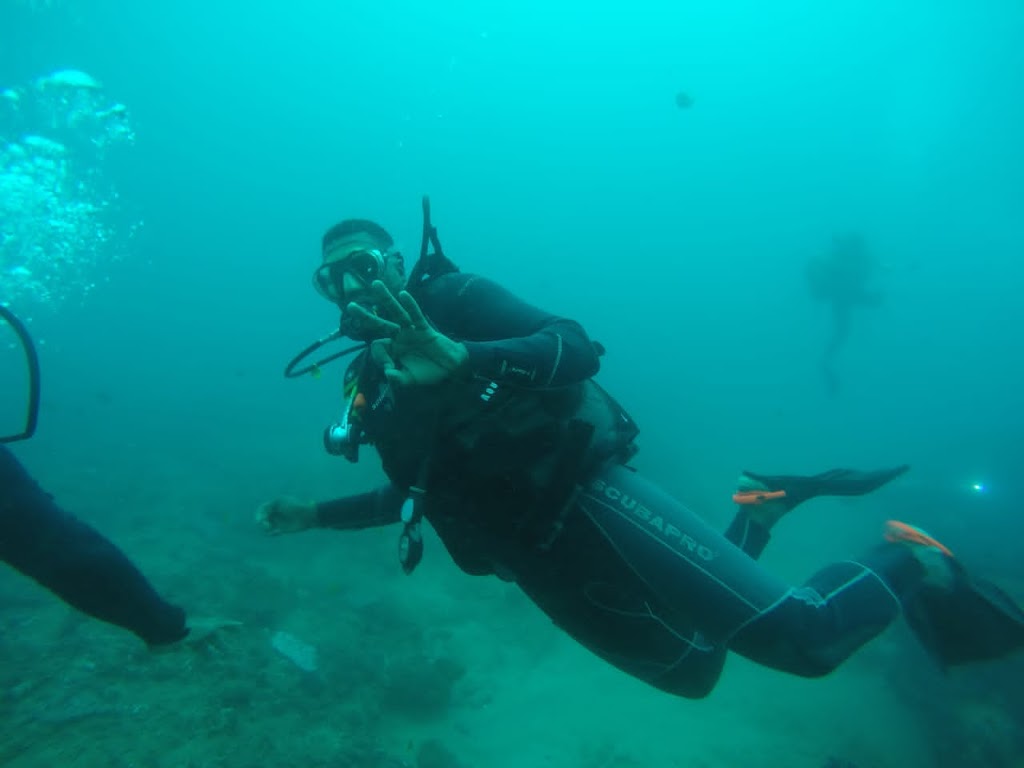
Dive Centers Near Caves and Overhangs
Today: 07:00 - 18:00
Nearest Airports
Nearest airports to help plan travel to this dive area.
Search Flights
Check available flights and routes on Expedia, using the nearby airports listed in this section.
Search Flights on ExpediaFrequently Asked Questions
What is the typical depth range for diving at Caves and Overhangs?
A relatively shallow profile defines the site, with an average depth around 10 m (33 ft) and reaching a maximum depth of 16 m (52 ft). It's suitable for divers who prefer not to go extremely deep while still exploring interesting topography.
How do I access the Caves and Overhangs dive site?
Caves and Overhangs is exclusively accessible by boat. Typically, it requires only a short boat ride from the shore to reach the dive location.
What kind of underwater structures can I expect to see?
Large, blocky boulders covered in coral characterize the site, interspersed with sandy areas. You'll encounter intriguing pinnacles, deep swim-throughs, and various overhang-style formations, creating a dynamic underwater landscape.
What type of marine life is commonly found here?
Divers often spot potato bass, scorpionfish, shrimps, eels, and rays. Short-spine pufferfish and flounders are also frequently seen. A rich array of hard and soft corals, sponges, anemones, and colorful tiger cowries defines the reef itself.
Are there any specific safety considerations for this dive site?
Due to the presence of deep swim-throughs and overhangs, divers should be comfortable and trained for overhead environments. Maintaining excellent buoyancy and proper spacing from other divers is recommended for safety and to protect the delicate corals.
What are the best months to dive at Caves and Overhangs?
While dive conditions are moderate for much of the year, months with lower rainfall and moderate winds tend to be favorable. Cooler winter months (July-August) often have the least rain, though air temperatures are lower. Summer months (December-February) offer warmer air temperatures but slightly higher rainfall.
Planning to dive Caves and Overhangs?
Send one inquiry and receive offers directly from the best verified local dive operators.
Conditions are Poor
High Swell Advisory. Not recommended.
Current conditions near Caves and Overhangs show 23° air, 23° sea temperature, 3.3 m waves, and 30 km/h wind. Forecast data is refreshed regularly to ensure accuracy.