
Diving at Chain Reef (South Africa)
Chain Reef draws divers to its relatively untouched environment, where the underwater world feels distinctly separate from everyday experience. Here, the reef provides refuge for species not commonly encountered elsewhere in Sodwana Bay. It's a place for exploration, promising glimpses of less-frequented marine life amidst its varied topography. It rewards those who seek out the quieter, more intimate side of reef diving.
Current morning readings from Chain Reef indicate an air temperature of 19°C. Surface wave heights are averaging around 2.1 m at this time. These local measurements provide a baseline for your daily dive planning.
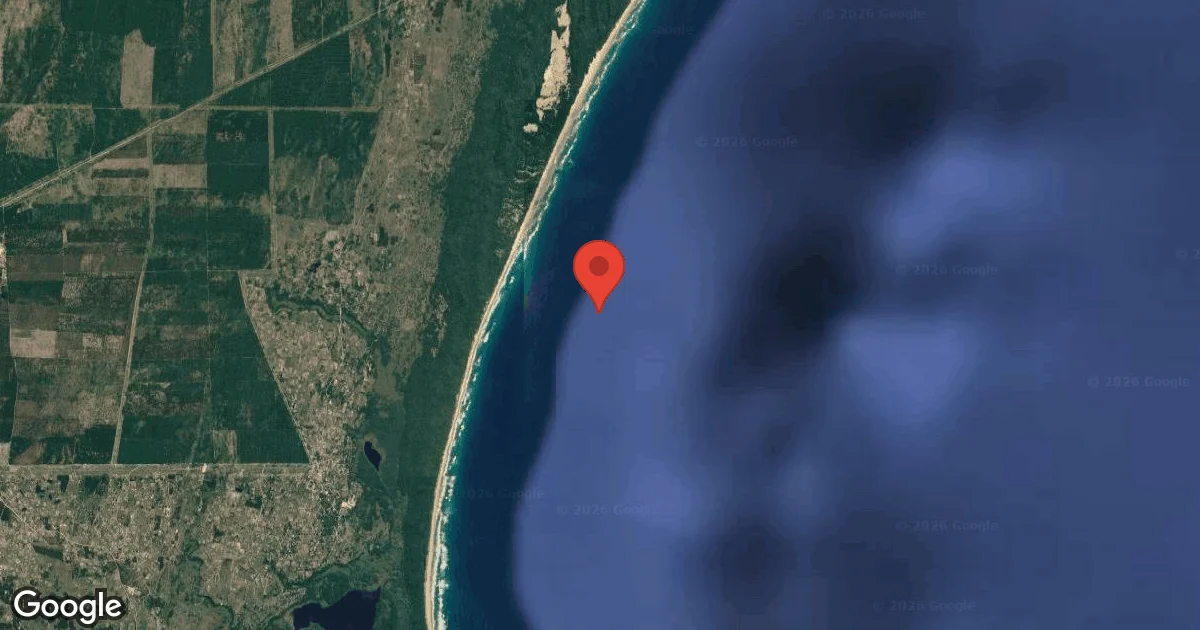
Dive Site Location & Key Facts
Dive Site Overview
Underwater topography of Chain Reef presents a fascinating, relatively flat expanse punctuated by intriguing caves and overhangs. Despite its overall gentle slope, these features create numerous pockets for discovery.
Maximum depth here reaches around 16 m / 52 ft, making it accessible for Open Water divers. A diverse range of sand patches are interspersed among coral formations, where various bottom dwellers find habitat. Exploring the site reveals subtle undulations and small ledges, sometimes varying from 1-4 m in height, which add complexity to the otherwise smooth terrain.
Swim-throughs are another engaging element, inviting divers to navigate through natural archways and crevices. This environment supports a rich assembly of smaller reef inhabitants alongside larger, transient species.
Boat entry is the standard approach for accessing this salt water site, allowing for efficient positioning and a relaxed descent onto the reef. Divers can spend their bottom time investigating coral health and identifying species tucked away in the reef’s nooks.
Conditions are Poor
High Swell Advisory. Not recommended.
Current conditions near Chain Reef show 19° air, 23° sea temperature, 3.2 m waves, and 28 km/h wind. Forecast data is refreshed regularly to ensure accuracy.
Best Time to Dive
Optimizing a dive trip to Chain Reef often hinges on maximizing underwater visibility, which generally benefits from calmer sea conditions. Warmer air temperatures, averaging 25-26°C / 77-79°F, typically occur in January and February. Cooler air, around 19°C / 66°F, is observed in winter months from June to August. Rainfall tends to be lower from May to August, with average rain measuring under 2 mm / 0.08 inches, potentially leading to better visibility due to less runoff. March and January also experience higher average rainfall, around 5-6 mm / 0.2-0.24 inches, potentially impacting clarity. Dive scores indicate moderate conditions for much of the year, with February and November generally having slightly better scores, suggesting favorable periods for clearer water. During periods of lower wind and wave activity, typically from May through August, conditions generally improve for an enjoyable dive, especially given the site's relatively shallow profile.
PEAK SEASON SCORE
Scores combine air & water temps, waves, wind & rainfall for overall conditions.
BEST MONTHS TO DIVE
Monthly records compiled from satellite and marine observation nodes over the last 3 years. Data provided by Open-Meteo and MET Norway.
Dive Experience & Conditions
Descending onto Chain Reef feels like entering a calm, expansive gallery where observation is key. The relatively flat terrain encourages a leisurely pace, allowing divers to absorb the intricate details of the reef’s inhabitants. With a maximum depth of 16 m / 52 ft, bottom times can be generous, fostering a relaxed exploration. Visibility varies but is often good enough to appreciate the scattered caves and overhangs, which create inviting shadows and hideaways. Current conditions are not consistently reported, but being a reef dive, awareness of potential mild currents is prudent. A PADI Open Water Diver certification is required for the site. The overall impression is one of gentle discovery, well-suited for Open Water divers to hone their observational skills and enjoy prolonged interactions with marine life. There's a tangible sense of undisturbed nature here, making each turn around a coral head or glance into a crevice feel like a personal encounter.
Dive Difficulty & Safety Guidelines
Divers should always prioritize standard dive safety practices at Chain Reef, as no specific hazards are frequently reported. Maintaining good buoyancy control is crucial, especially when navigating around the coral formations and into or near small caves and overhangs to avoid accidental contact. PADI Open Water Diver certification is required for this site, underscoring its general accessibility but also the need for fundamental skills.
Always dive within your training limits and plan your dive carefully, considering current conditions if present. Boat entry and exit procedures should be followed diligently, as this is the standard access method.
Staying aware of your dive buddy and adhering to depth and no-decompression limits is paramount, even on shallower dives. Briefings from local operators will provide the most current information regarding any site-specific considerations.
Recommended Equipment
- Dive Computer
- DSMB
This gear list is based on verified equipment signals for Chain Reef, South Africa. Always confirm final gear choices with your dive operator, guide, or liveaboard.
Recommended Dive Suit
Subtle variations in currents or depth can sometimes influence perceived water temperature.
3-5mm wetsuit tends to perform well in water temperatures like those currently observed here. Consider warmer surface protection (like a boat coat) due to brisk winds. Surface intervals may feel cooler. Environmental models indicate a modest warming trend ahead. A warming trend is expected over the next few days.
Divers heading to Chain Reef today should expect water temperatures around 23°C (73°F). Surface air temperatures are resting at 19°C (67°F).
Emergency & Medical Support
Essential information to help you plan your dive trip to Chain Reef.

Hyperbaric chambers are a critical part of dive safety infrastructure. Availability varies significantly by region, and not all dive areas have immediate access.
Before diving, it's recommended to:
- confirm nearest medical facilities
- check emergency procedures with local dive operators
- ensure dive insurance covers evacuation if required
Divers Alert Network
Diving emergency assistance available through DAN Southern Africa.
+27828106010- 24/7 emergency hotline
- Diving medical assistance
- Evacuation coordination
Emergency contacts are provided for reference. Always verify local emergency services before diving.
Marine Life at Chain Reef
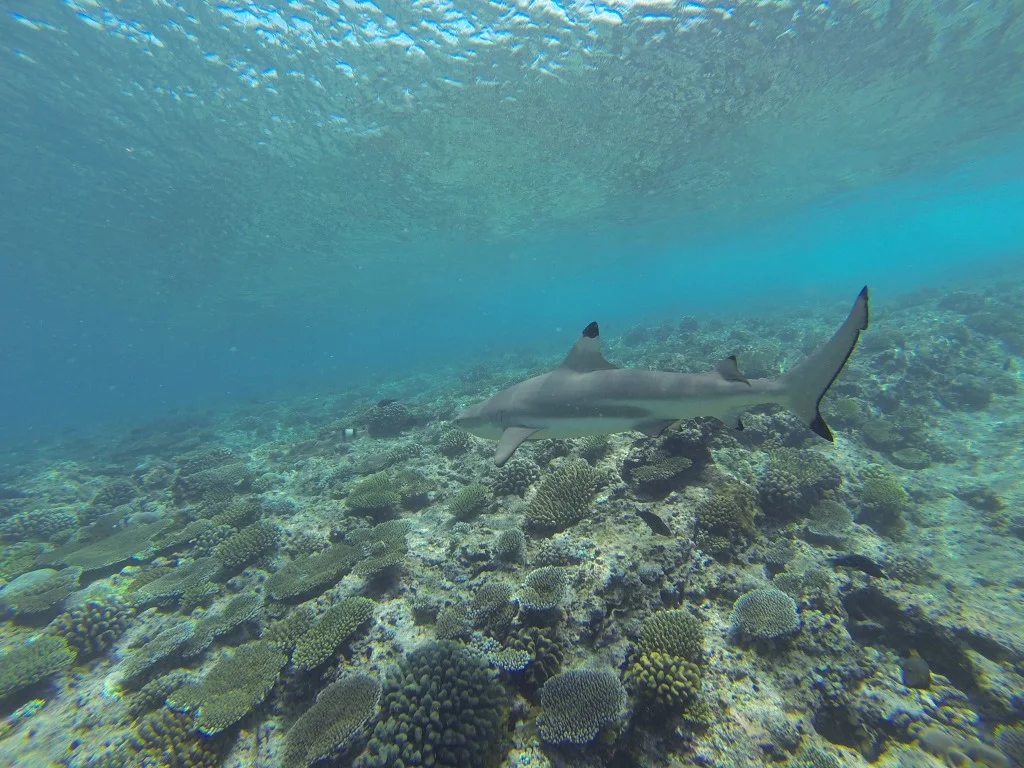
Underwater landscape of Chain Reef acts as a thriving habitat for an array of distinctive creatures. Within its relatively flat stretches and sand patches, divers commonly encounter guitar sharks, a compelling sight.
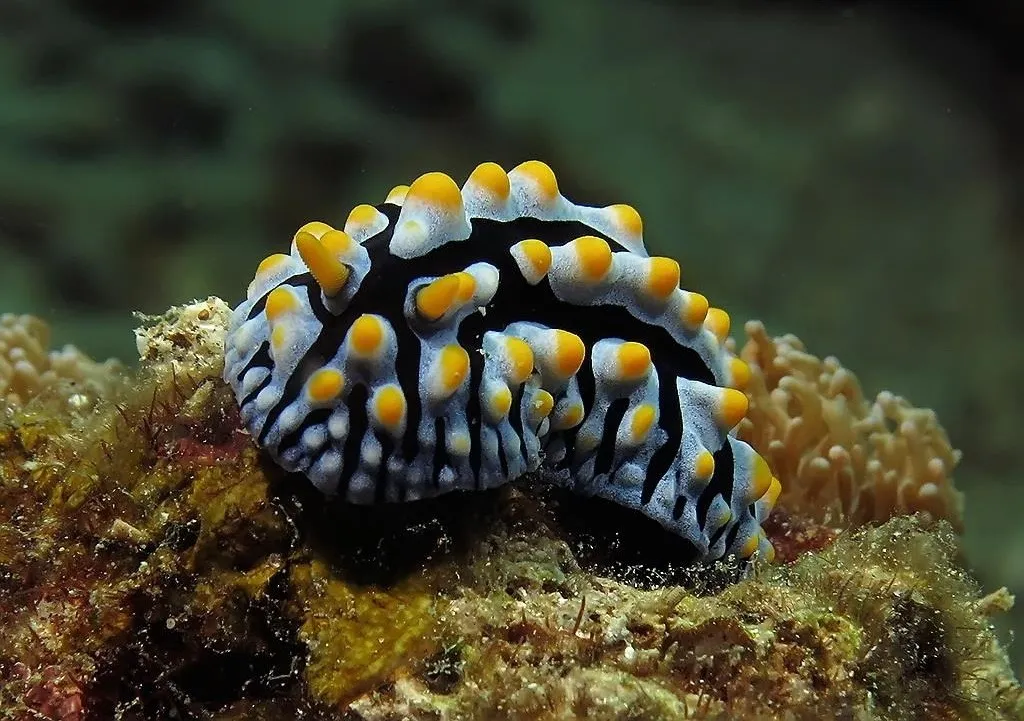
Tropical reef fish color the coral formations, while round ribbontail rays glide across the sandy areas, often alongside tropical flounders. Small caves and overhangs provide shelter for an assortment of nudibranchs, displaying their vibrant hues, and offer glimpses of the elusive peacock mantis shrimp.
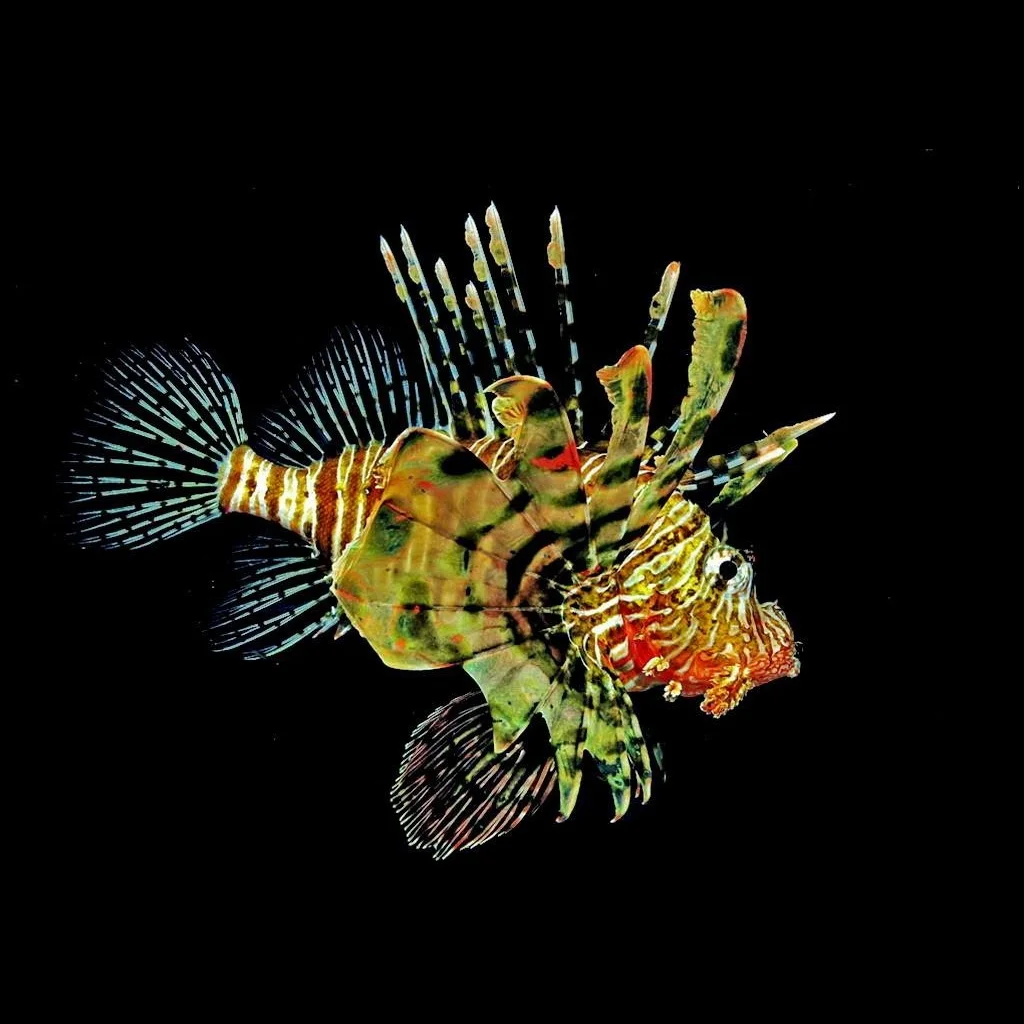
Lionfish also frequent these reef sections. Untouched nature of the reef often reveals marine life less commonly observed elsewhere.

Dive Sites Near Chain Reef
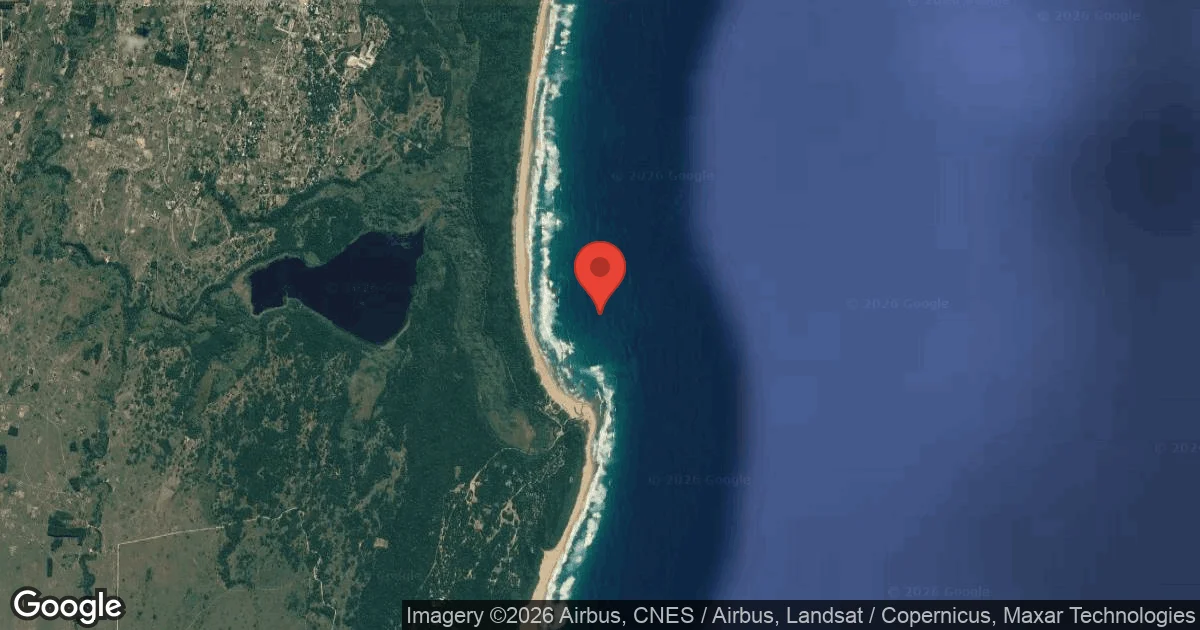
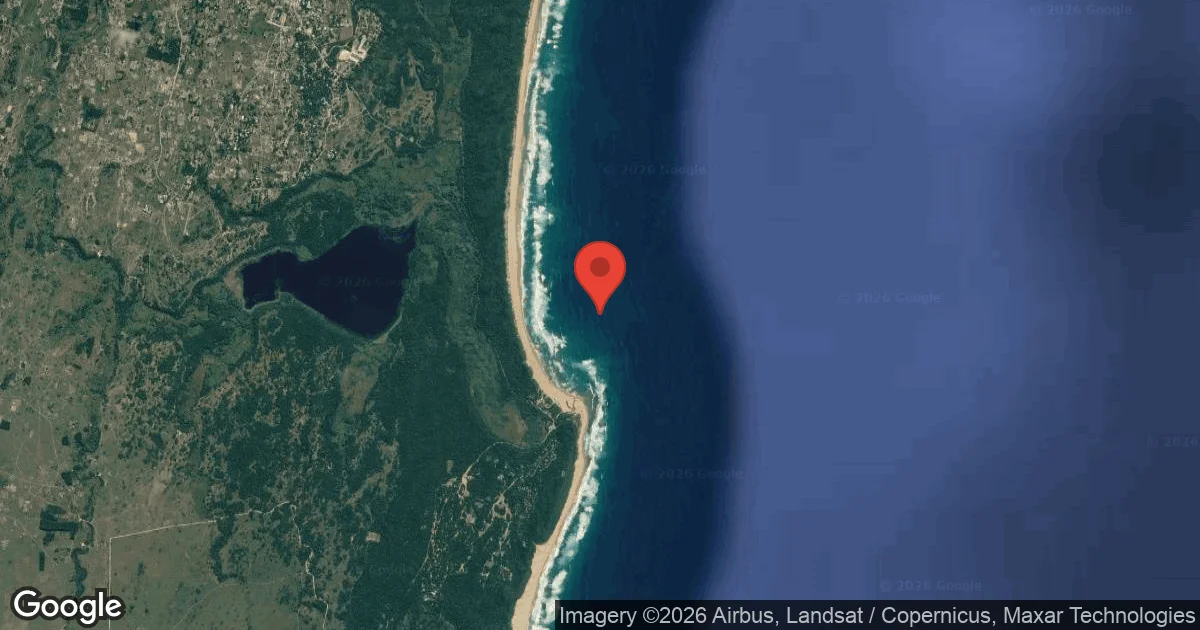
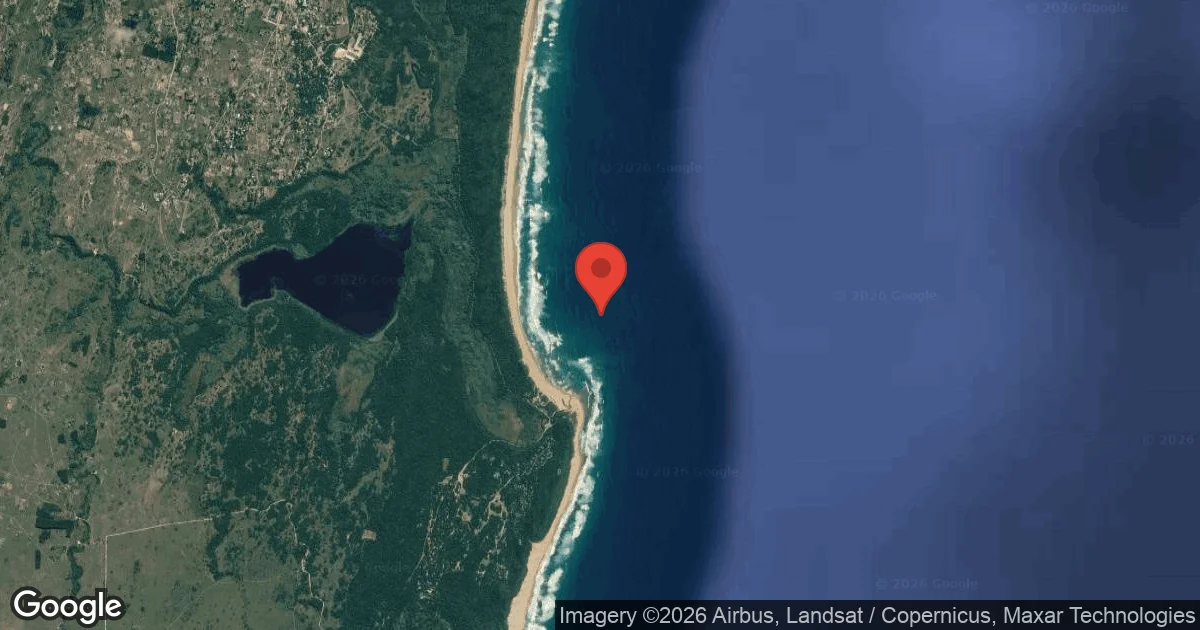
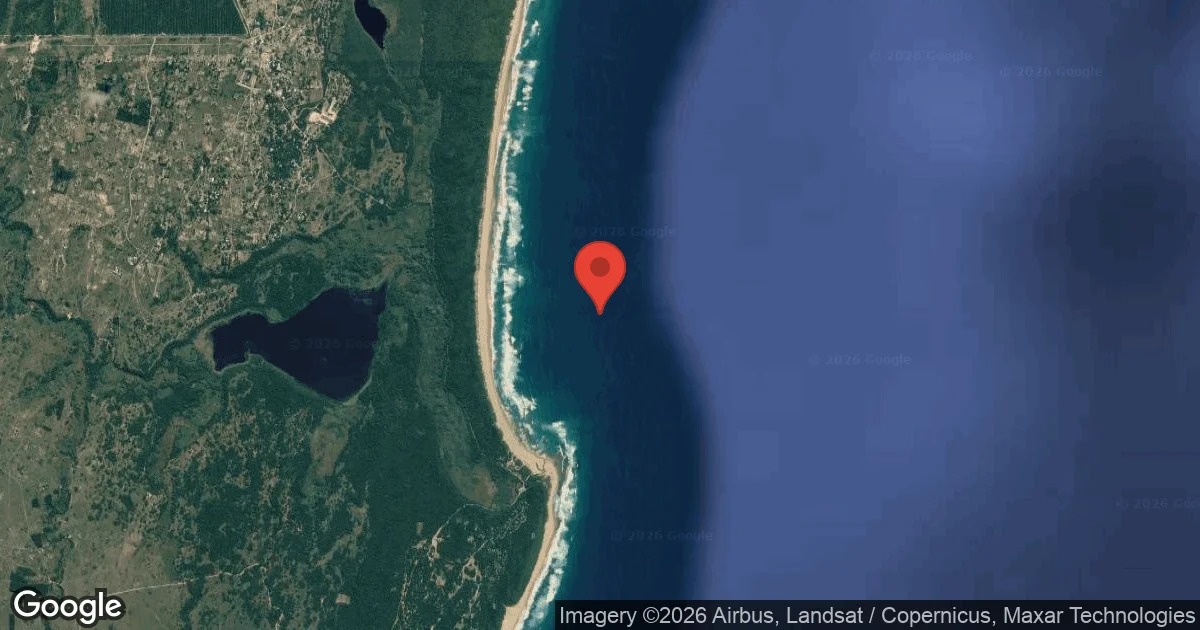
View all dive sites in South AfricaDiscover more underwater gems in this area.
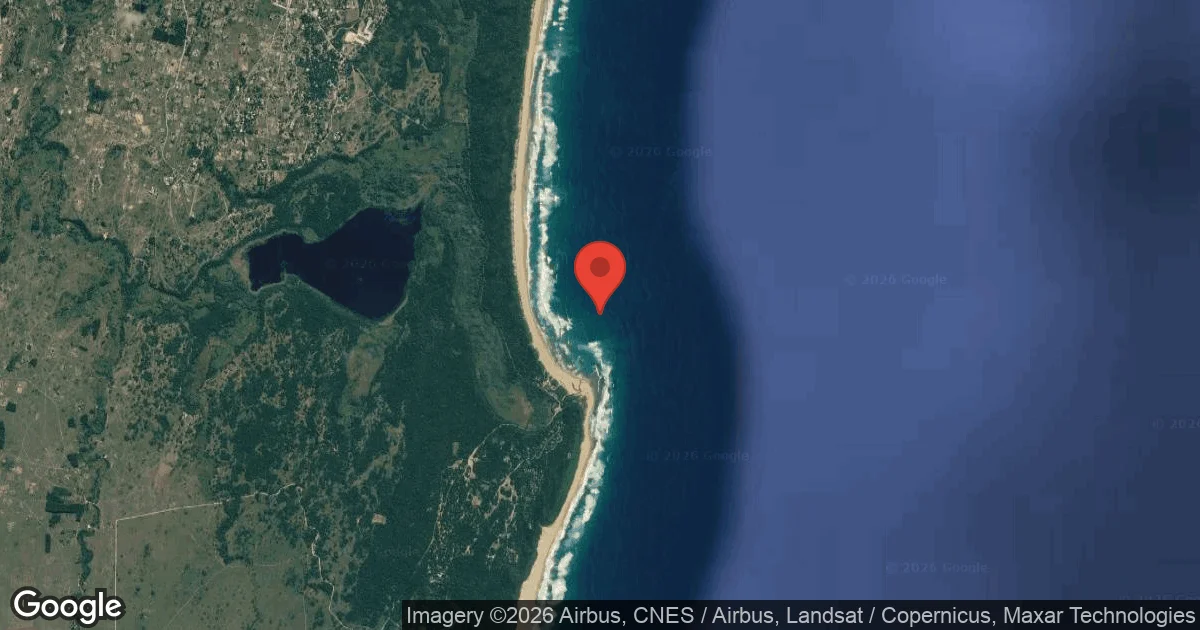
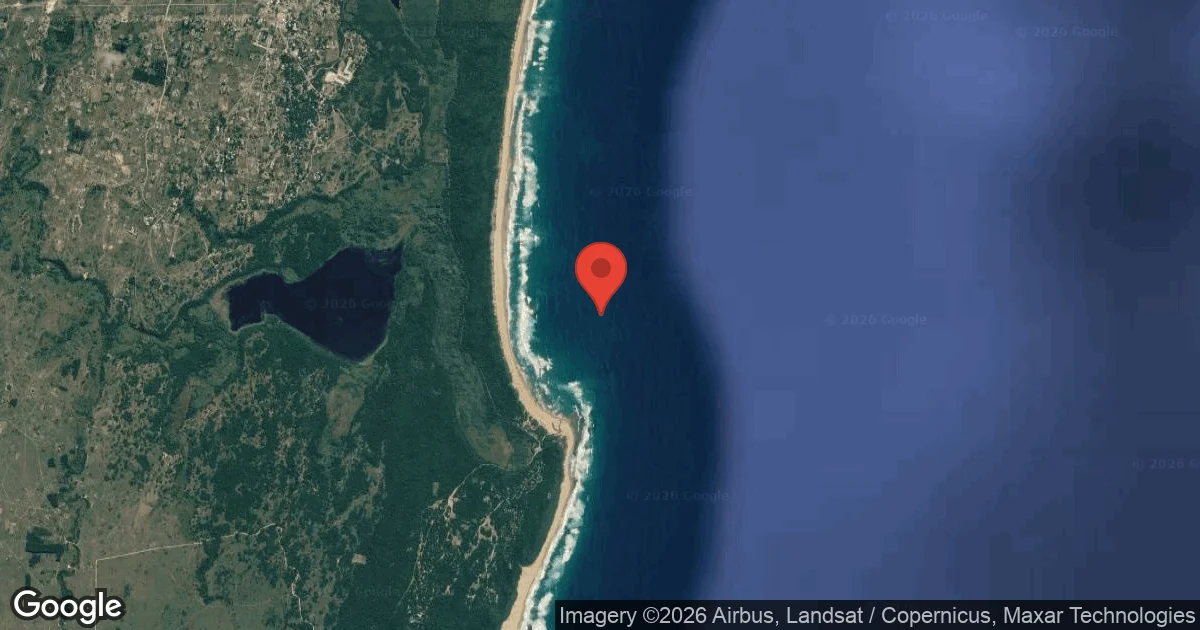
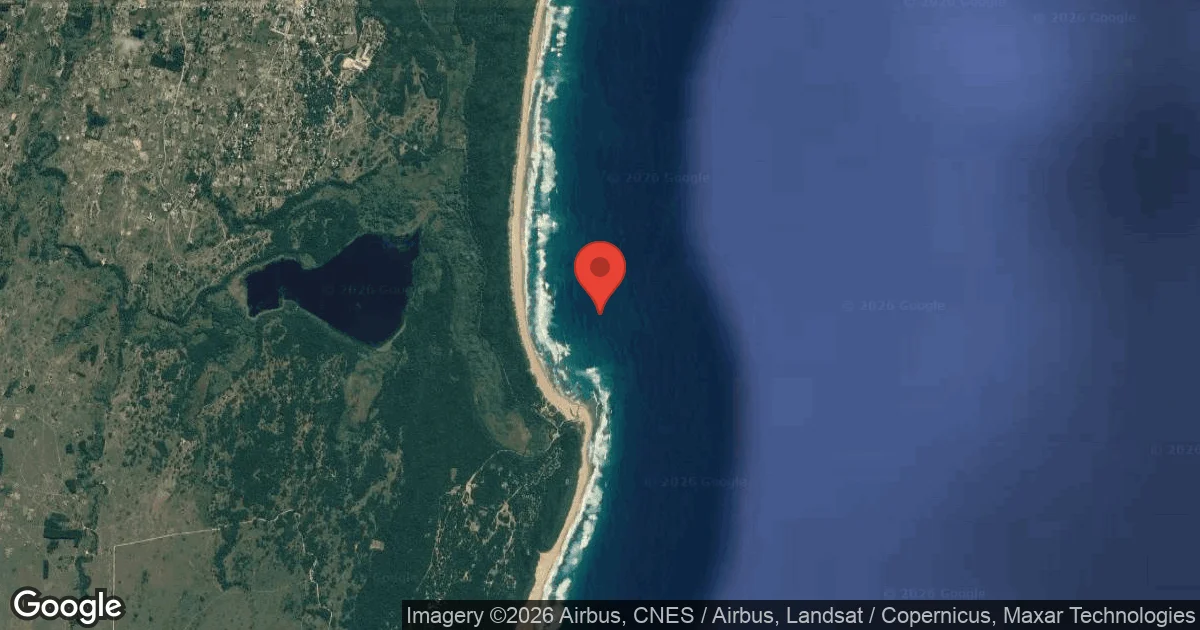
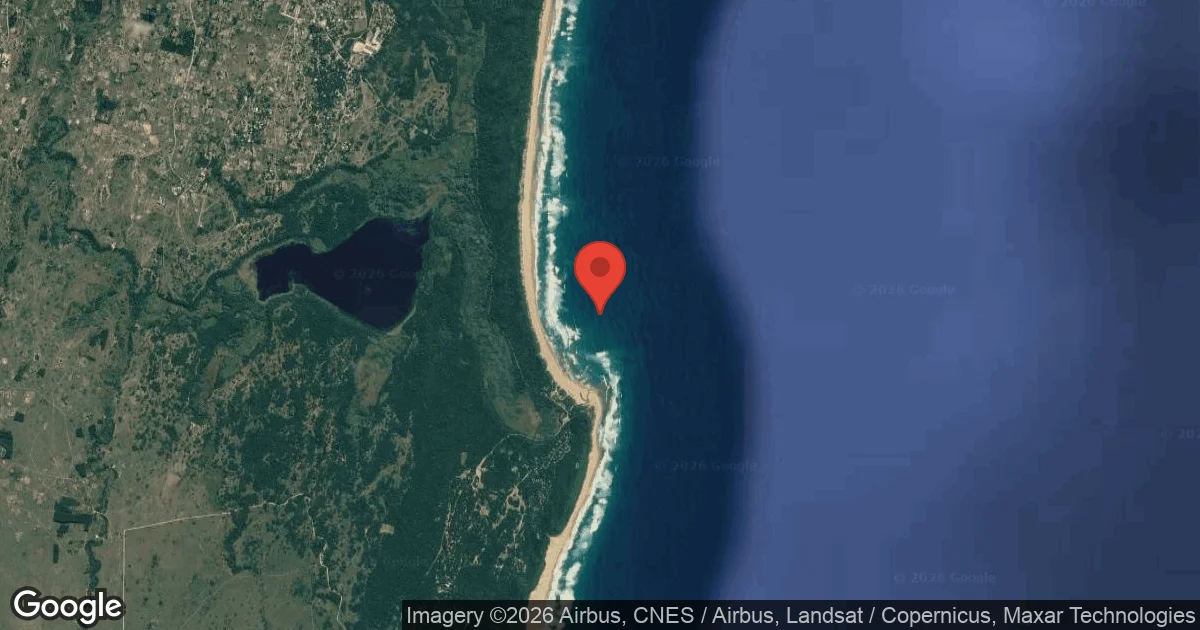
Dive Centers Near Chain Reef
Today: 07:00 - 18:00

Nearest Airports
Nearest airports to help plan travel to this dive area.
Search Flights
Check available flights and routes on Expedia, using the nearby airports listed in this section.
Search Flights on ExpediaFrequently Asked Questions
What is the maximum depth at Chain Reef?
The maximum depth at Chain Reef is 16 meters / 52 feet. This depth makes the site accessible to Open Water certified divers.
What type of dive site is Chain Reef?
Chain Reef is primarily a reef dive. It features a relatively flat topography with some interesting caves, overhangs, and sand patches.
What marine life can I expect to see?
Divers often spot guitar sharks, round ribbontail rays, and tropical flounders on the sand. The reef itself hosts tropical reef fish, nudibranchs, and peacock mantis shrimps. Lionfish are also common.
What dive certification is required for Chain Reef?
A PADI Open Water Diver certification is required for diving at Chain Reef. This site is considered suitable for divers with basic certification.
How do divers access Chain Reef?
Access to Chain Reef is typically via boat. Dive operators in Sodwana Bay organize boat trips to this site.
Are there any swim-throughs at Chain Reef?
Yes, the reef's topography includes swim-throughs. These features add an element of discovery and offer opportunities for unique underwater photography.
Planning to dive Chain Reef?
Send one inquiry and receive offers directly from the best verified local dive operators.
Conditions are Poor
High Swell Advisory. Not recommended.
Current conditions near Chain Reef show 19° air, 23° sea temperature, 3.2 m waves, and 28 km/h wind. Forecast data is refreshed regularly to ensure accuracy.