
Diving at Stringer (South Africa)
Divers approaching Stringer should be prepared for moderate current and surge, typical of this Sodwana Bay site. It's an intermediate dive, reaching depths of 14 m / 46 ft, popular for its vibrant reef structures. Planning your entry via boat charter from Jesser Point is essential, as permits are required for all dives. This preparation ensures a smoother experience at a site known for its dynamic conditions.
As evening covers Stringer, the local air temperature is measured at 22°C. The current wave height at the surface is recorded at 3 m. These late-day readings characterize the surface conditions for the night.
Dive Site Location & Key Facts
Dive Site Overview
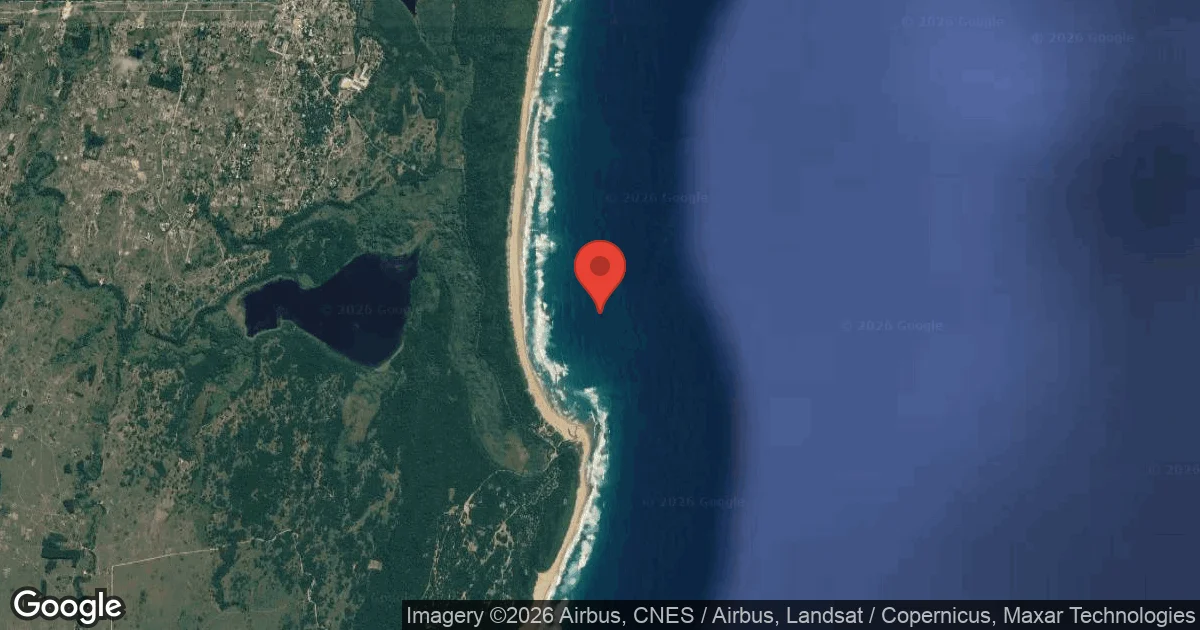
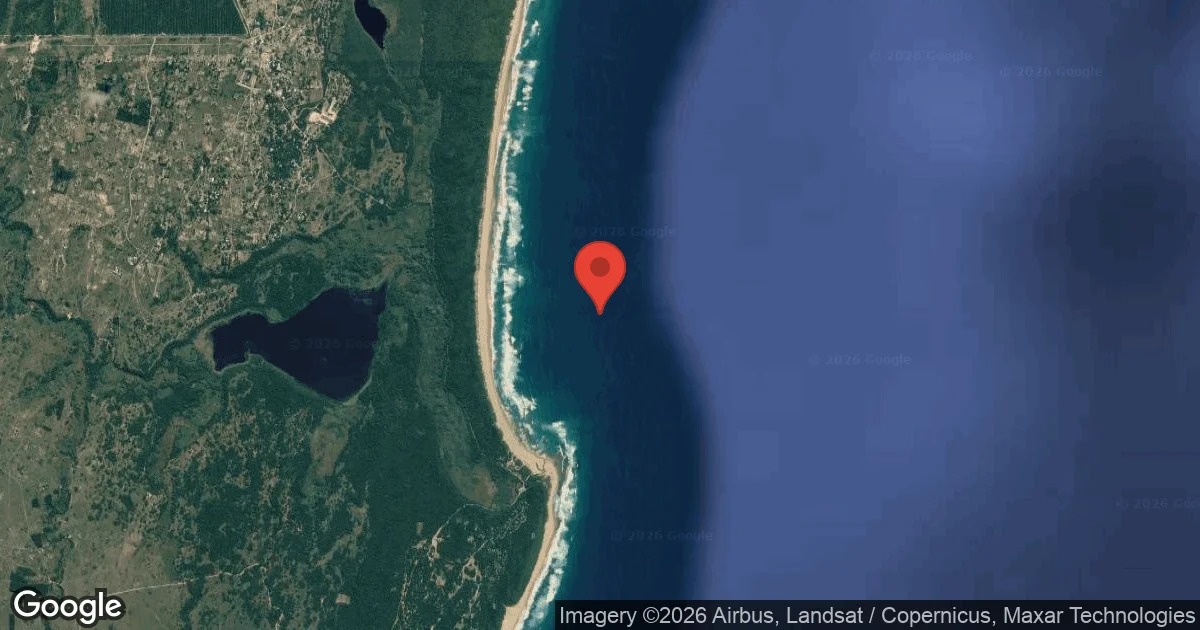
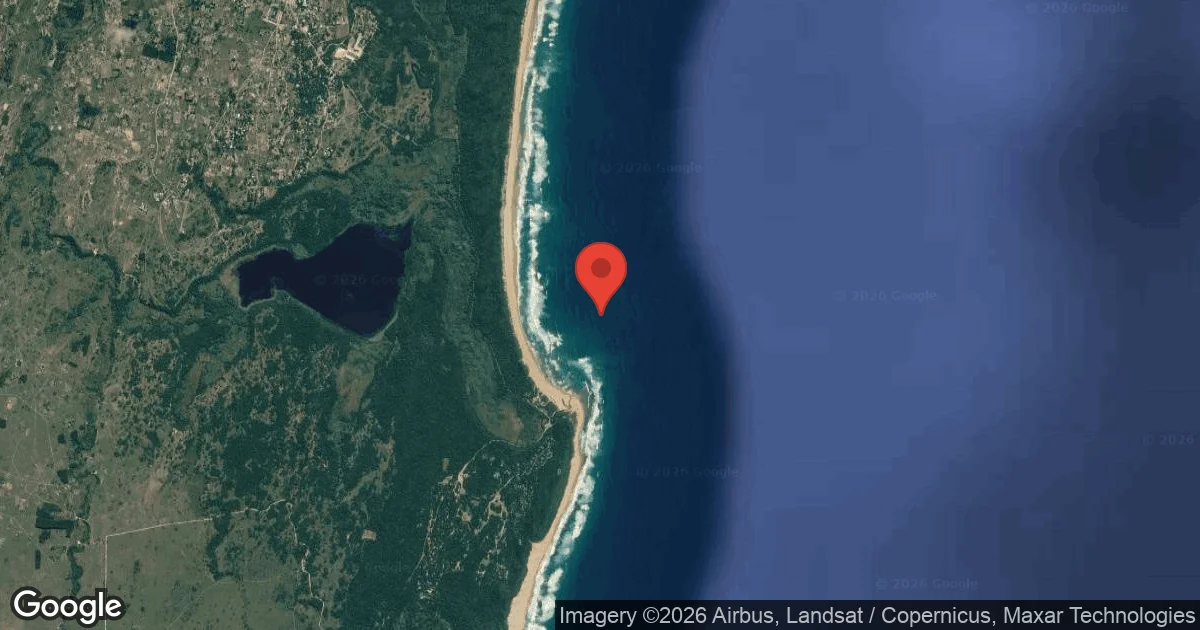
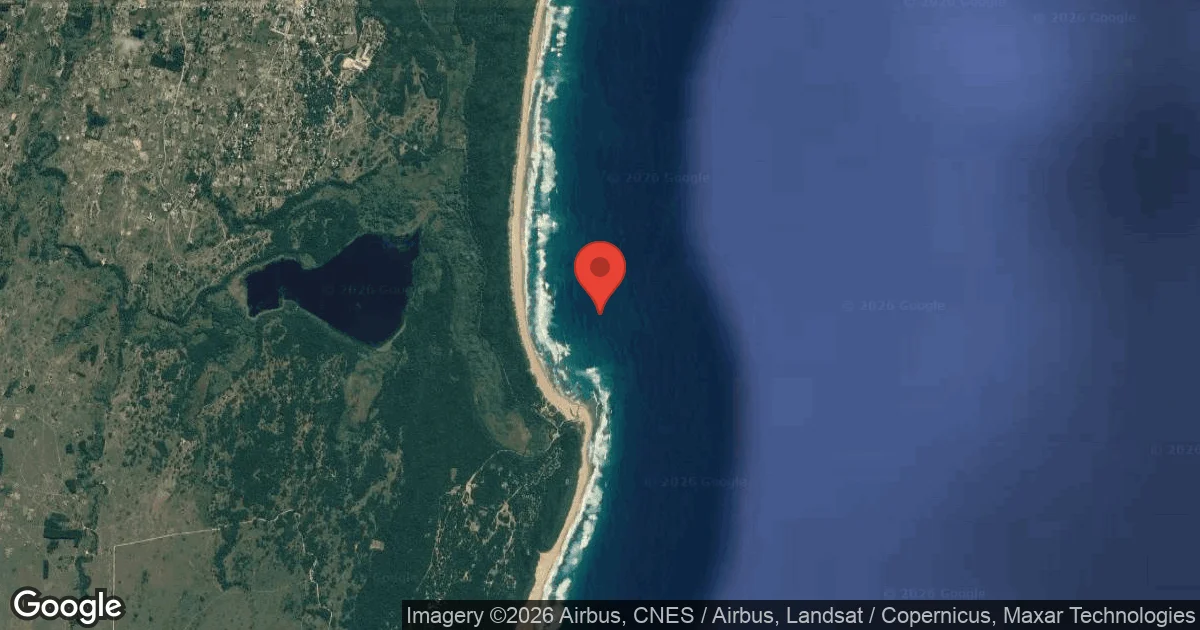
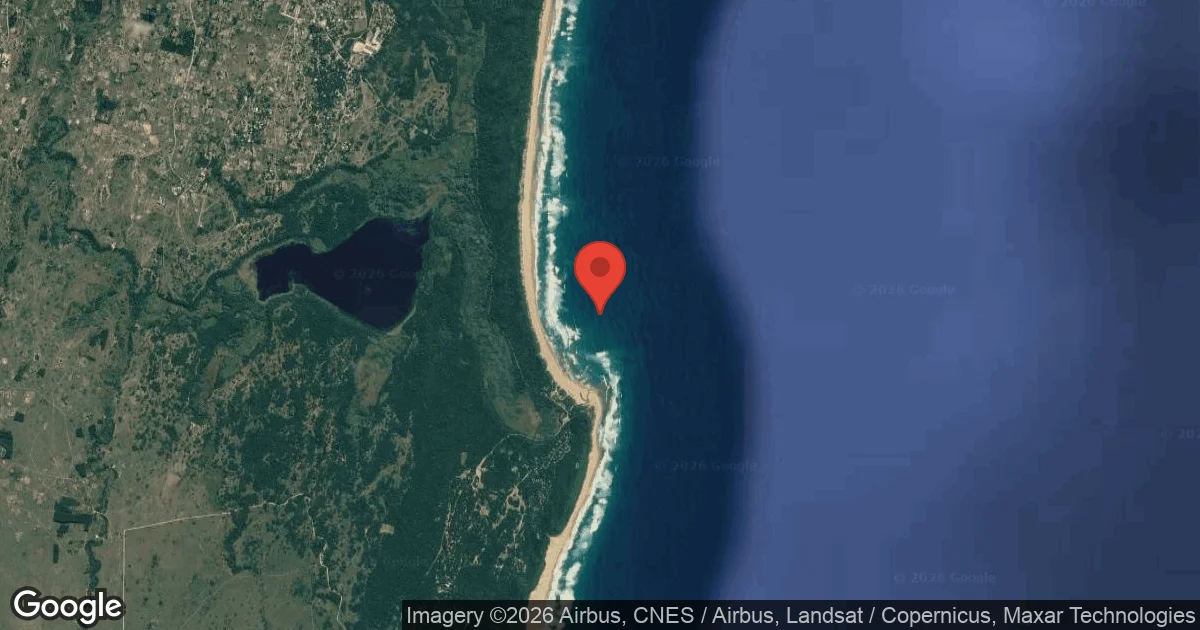
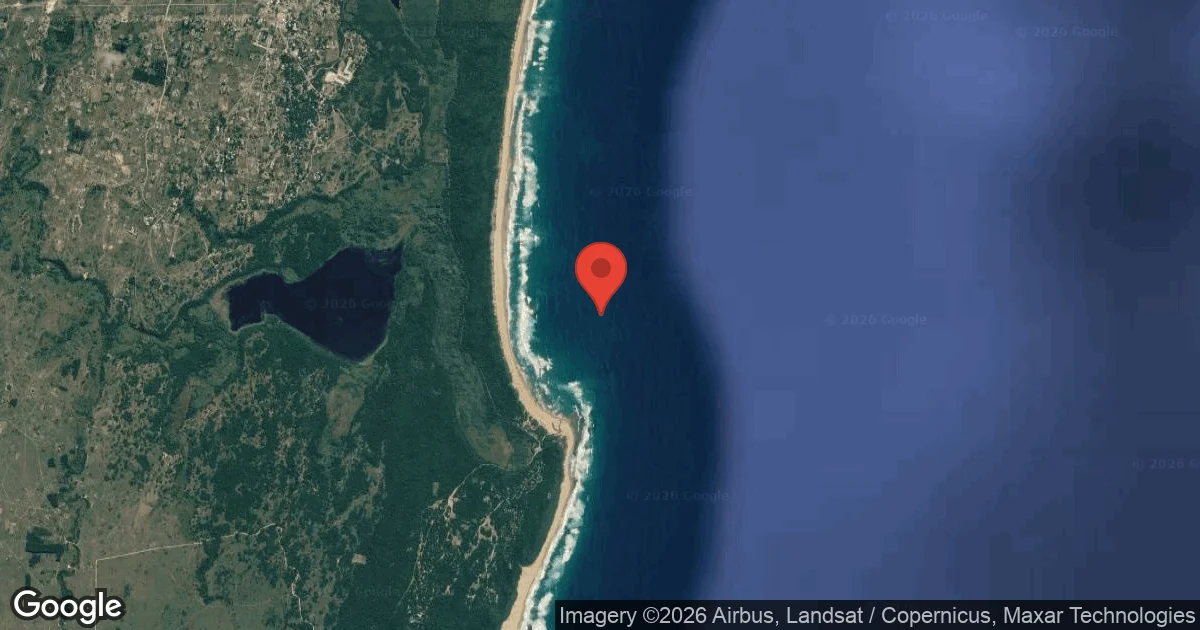
Stringer within Sodwana Bay, KwaZulu-Natal, reveals a distinctive reef topography. It is markedly divided into two primary sections by a wide sandy expanse, a feature that visually separates the dive.
This separation creates unique underwater environments for exploration. One segment consists of a large, rounded reef characterized by scattered rock formations, providing foundational habitat for marine life. The other is a smaller, rounded reef featuring steep drop-offs on one side and an array of ledges and caves, offering intricate hideaways for divers to explore.
These structures support an environment rich in predominantly hard coral, along with some soft coral species. Divers can anticipate visibility that is mild, frequently falling between 10 to 30 meters, often averaging 20 meters.
An average dive duration of 45 minutes allows for thorough exploration of its varied depths, from around 10 meters down to its maximum of 14 meters. Its accessibility is limited to boat entry via local charters departing from Jesser Point.
Conditions are Poor
High Swell Advisory. Not recommended.
Current conditions near Stringer show 22° air, 23° sea temperature, 3.4 m waves, and 34 km/h wind. Forecast data is refreshed regularly to ensure accuracy.
Best Time to Dive
Optimal diving conditions at Stringer typically align with the months from April to September, a period generally characterized by more stable ocean dynamics. Throughout these months, the dive scores from our system data reflect moderate conditions. Water temperatures during this cooler 'winter' season usually range from 20-24°C / 68-75°F, though summer months can see warmer waters between 24-28°C / 75-82°F. Air temperatures remain pleasant, averaging 19.5°C / 67°F in June and gradually increasing to 21°C / 70°F by September. Furthermore, this period often experiences lower rainfall, with averages typically below 2.3 mm per month, which contributes to more consistent surface conditions. Average wave heights during the preferred window are reported between 1.9 to 2.2 m.
PEAK SEASON SCORE
Scores combine air & water temps, waves, wind & rainfall for overall conditions.
BEST MONTHS TO DIVE
Monthly records compiled from satellite and marine observation nodes over the last 3 years. Data provided by Open-Meteo and MET Norway.
Dive Experience & Conditions
Upon descent at Stringer, divers encounter conditions marked by mild currents and moderate surge, which guide movement along the reef. Visibility here is generally good, often averaging 20 m, but can fluctuate, varying between 10 and 30 meters depending on recent weather and oceanic factors. The site's intermediate difficulty rating means it's best suited for certified divers accustomed to managing some current and navigating varied reef structures. Expect to explore a diverse underwater topography, including drop-offs and ledges, across its varied depths. The reef's unique division by a large sandy patch serves as a notable underwater landmark, influencing dive planning and the path of exploration.
Dive Difficulty & Safety Guidelines
Given Stringer's intermediate difficulty rating and the presence of moderate currents and surge, divers should possess robust buoyancy control and experience navigating dynamic underwater conditions. Prior to diving, obtaining a valid permit is required, which can be secured directly at the launch site. All access to the reef is exclusively via boat, necessitating pre-arranged charters that typically depart from Jesser Point.
Due to its popularity as a training site, Stringer can occasionally be crowded, which is a factor to consider for dive planning and safety protocols. Staying with your group and maintaining situational awareness are always key.
Recommended Equipment
- Dive Computer
- DSMB
This gear list is based on verified equipment signals for Stringer, South Africa. Always confirm final gear choices with your dive operator, guide, or liveaboard.
Recommended Dive Suit
Individual comfort in the water can vary significantly from diver to diver, even under the same conditions.
For most recreational dives, 3-5mm wetsuit should provide comfortable protection. Strong winds are present; please take strong precautions against rapid cooling during surface intervals. Surface intervals may feel cooler. Environmental models indicate a modest warming trend ahead. A warming trend is expected over the next few days.
Divers heading to Stringer today should expect water temperatures around 23°C (73°F). Surface air temperatures are resting at 22°C (72°F).
Emergency & Medical Support
Essential information to help you plan your dive trip to Stringer.

Hyperbaric chambers are a critical part of dive safety infrastructure. Availability varies significantly by region, and not all dive areas have immediate access.
Before diving, it's recommended to:
- confirm nearest medical facilities
- check emergency procedures with local dive operators
- ensure dive insurance covers evacuation if required
Divers Alert Network
Diving emergency assistance available through DAN Southern Africa.
+27828106010- 24/7 emergency hotline
- Diving medical assistance
- Evacuation coordination
Emergency contacts are provided for reference. Always verify local emergency services before diving.
Marine Life at Stringer
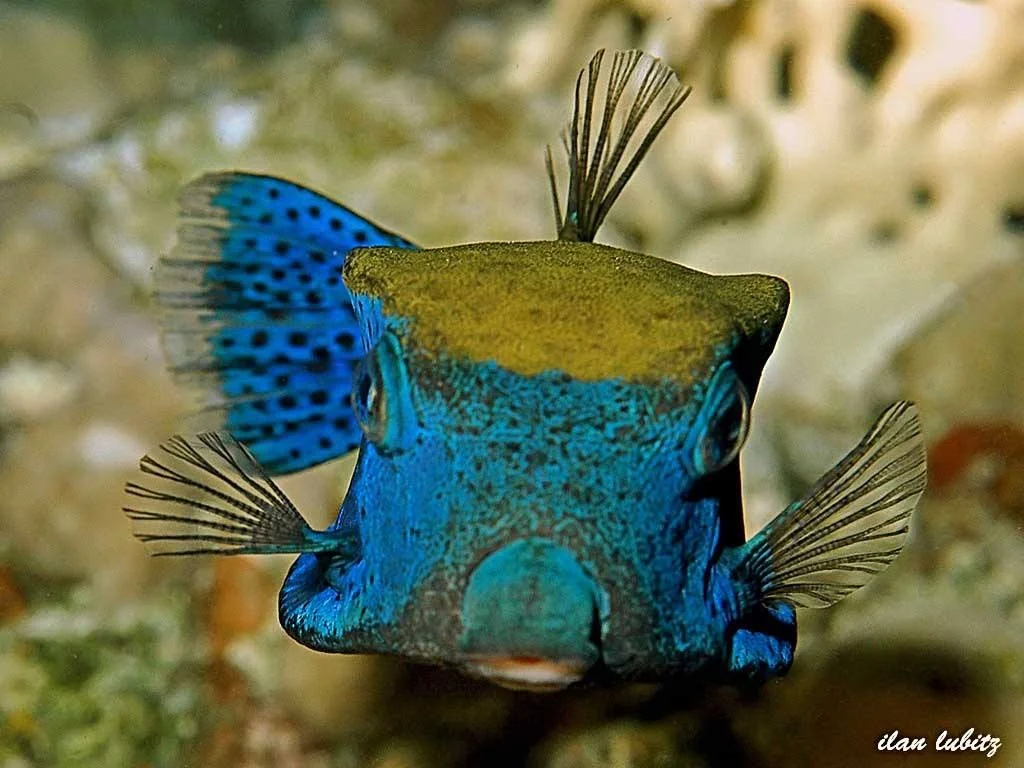
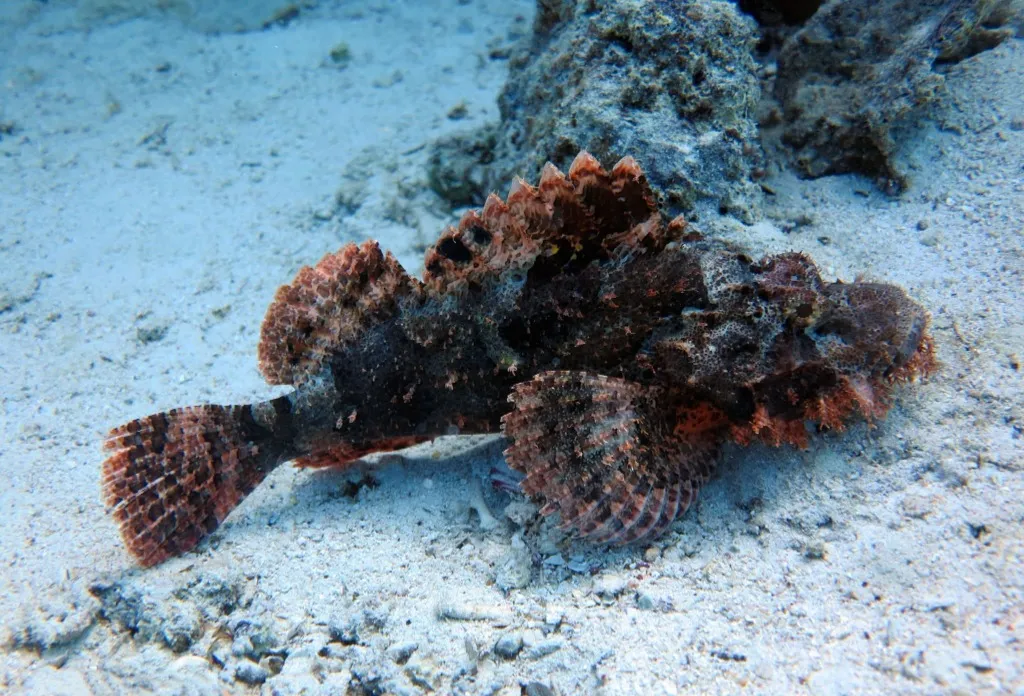
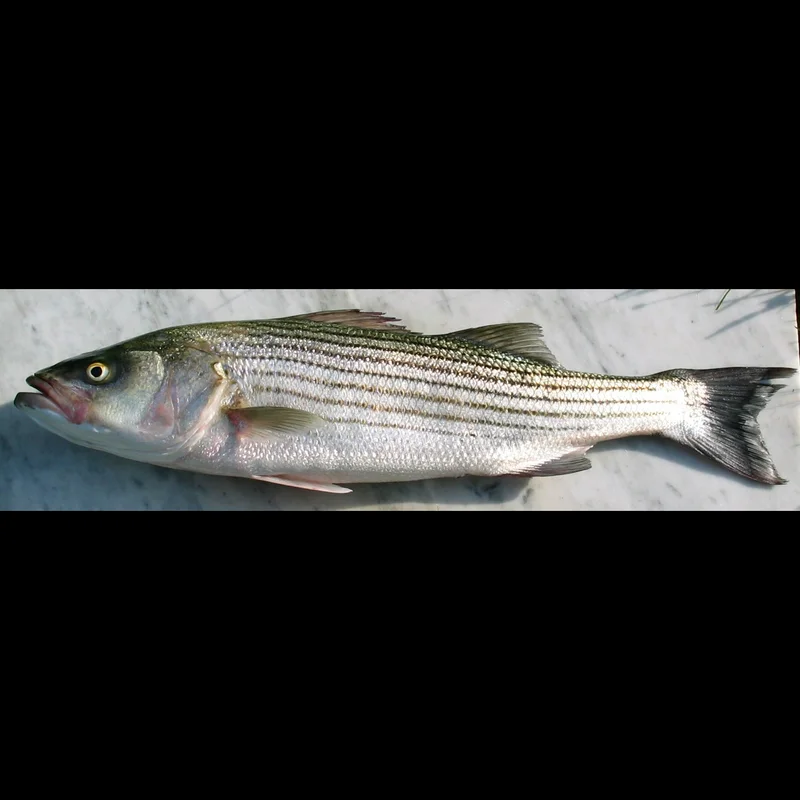
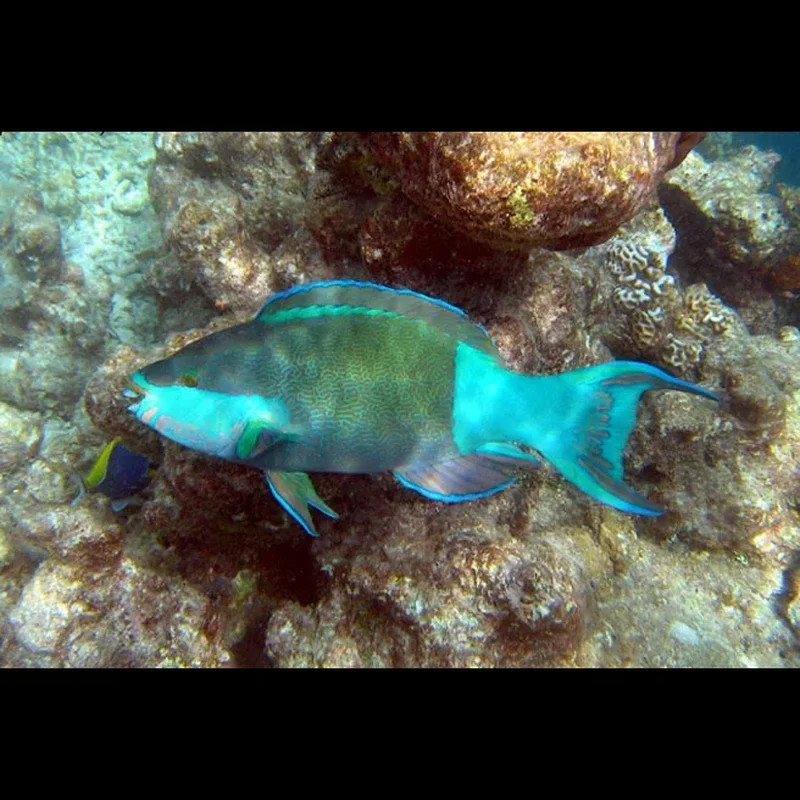
Upon entering Stringer's waters, divers often first observe the active cleaning stations where various reef inhabitants, from smaller reef fish to larger species, patiently await their turn. The diverse reef environment is home to distinct bottom dwellers like bearded scorpionfish, potato bass, and boxfish.
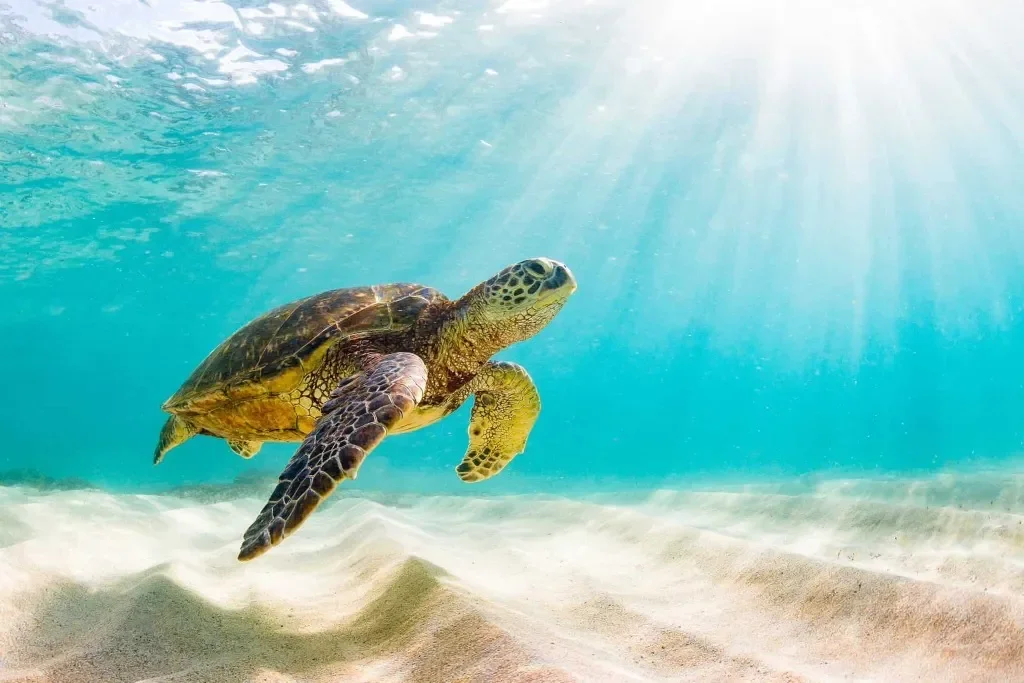
Encounters with green turtles and electric rays are also possible. Furthermore, the hard coral structures are heavily populated by a variety of reef fish, including parrotfish, damsels, and coachmen, contributing significantly to the site's vibrant underwater ecosystem.
Dive Sites Near Stringer
View all dive sites in South AfricaDiscover more underwater gems in this area.
Dive Centers Near Stringer
Today: 07:00 - 18:00
Nearest Airports
Nearest airports to help plan travel to this dive area.
Search Flights
Check available flights and routes on Expedia, using the nearby airports listed in this section.
Search Flights on ExpediaFrequently Asked Questions
What is the typical dive depth at Stringer?
Stringer offers dives to a maximum depth of 14 meters. Divers typically explore its varied topography, with features starting around 10 meters and extending to the site's deepest points.
What marine life can I expect to see at Stringer?
Divers commonly encounter green turtles, electric rays, and bottom dwellers like bearded scorpionfish, potato bass, and boxfish. Various reef fish, including parrotfish, damsels, and coachmen, are also present, especially around the active cleaning stations.
Is Stringer suitable for beginner divers?
Stringer is rated as an intermediate dive site due to the presence of moderate currents and surge. It is best suited for certified divers who are comfortable with these conditions and have experience navigating dynamic environments.
How do I access the Stringer dive site?
Access to Stringer is exclusively by boat. You will need to arrange a charter through local operators, with departures typically taking place from Jesser Point in Sodwana Bay.
Are permits required for diving at Stringer?
Yes, diving permits are required for all dives at Stringer. These permits can usually be obtained directly at the boat launch site prior to your scheduled dive.
What are the water temperatures like at Stringer?
Water temperatures at Stringer vary seasonally. During summer, they typically range from 24-28°C / 75-82°F, while winter months see cooler temperatures between 20-24°C / 68-75°F.
Planning to dive Stringer?
Send one inquiry and receive offers directly from the best verified local dive operators.
Conditions are Poor
High Swell Advisory. Not recommended.
Current conditions near Stringer show 22° air, 23° sea temperature, 3.4 m waves, and 34 km/h wind. Forecast data is refreshed regularly to ensure accuracy.