
Diving at 5 Mile Reef (South Africa)
For divers seeking a pristine exploration away from the crowds, 5 Mile Reef in Sodwana Bay presents a compelling opportunity. This extensive reef system, situated north of the more frequented 2 Mile Reef, offers diverse dive sites that cater to various interests. It's a prime location for those prioritizing rich biodiversity and untouched coral formations.
As evening covers 5 Mile Reef, the local air temperature is measured at 20°C. The current wave height at the surface is recorded at 2 m. These late-day readings characterize the surface conditions for the night.
Dive Site Location & Key Facts
Dive Site Overview
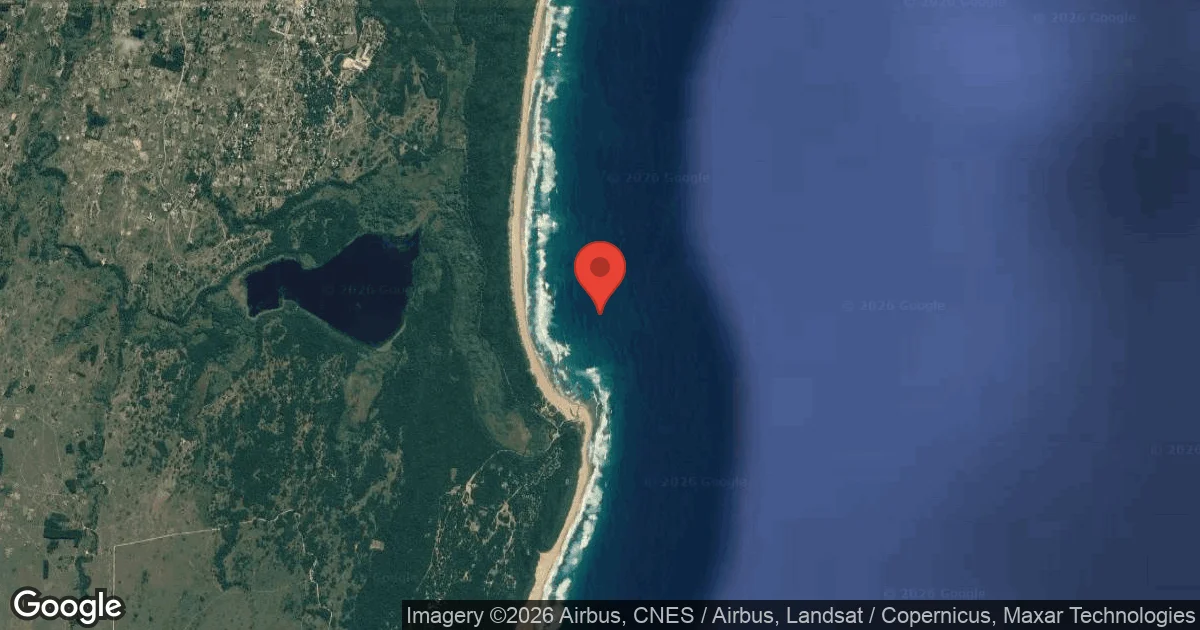
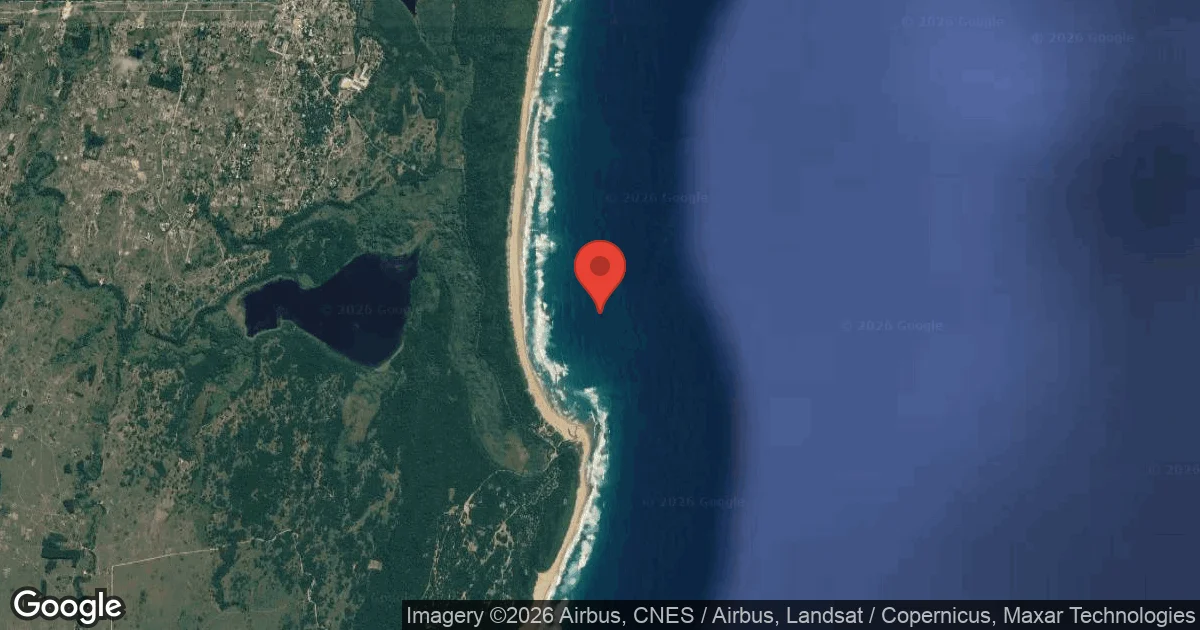
The expansive 5 Mile Reef system represents a significant underwater exploration opportunity, positioned just north of Sodwana Bay's more heavily dived 2 Mile Reef. This captivating landscape descends to a maximum depth of 35 meters (114 ft), though much of its structure is found in shallower averages, typically 14-18 meters, making many sections accessible for Open Water divers building experience.
The reef is characterized by its intricate topography, featuring extensive ledges, dramatic overhangs, and numerous scattered coral heads, with stretches of sandy bottom separating distinct bommies. Divers can enjoy a dynamic drift dive, generally flowing from north to south, which offers a continuous journey across several named sites. These include Ribbon, known for its elusive ribbon eels; Pothole, a unique geological feature; Fusiliers, often teeming with schooling fish; Lettuce, home to an impressive Pachyseris coral formation; Gotham, with its shadowy recesses; and Seamore Ledge, offering varied reef structures.
The less frequented nature of 5 Mile Reef means it generally feels more pristine, presenting excellent opportunities for both macro and wide-angle photography amidst its untouched formations.
Conditions are Moderate
High Swell Advisory. Not recommended.
Current conditions near 5 Mile Reef show 20° air, 23° sea temperature, 2.7 m waves, and 18 km/h wind. Forecast data is refreshed regularly to ensure accuracy.
Best Time to Dive
While Sodwana Bay offers diving throughout the year, distinct seasonal patterns influence the 5 Mile Reef experience. The period from November to March generally brings the warmest water and the best opportunities for spotting larger migratory species such as Manta rays. During these months, average air temperatures range higher, peaking around 25-26°C (77-79°F) in January and February, with slightly increased rainfall, typically around 2-5 mm per month. Conversely, the cooler, drier winter months, particularly July and August, see air temperatures drop to around 19-20°C (66-68°F), with minimal rainfall, often less than 1 mm. Dive scores are consistently moderate across most of the year, although March and April can experience slightly poorer conditions, likely due to increased wave action.
PEAK SEASON SCORE
Scores combine air & water temps, waves, wind & rainfall for overall conditions.
BEST MONTHS TO DIVE
Monthly records compiled from satellite and marine observation nodes over the last 3 years. Data provided by Open-Meteo and MET Norway.
Dive Experience & Conditions
Diving at 5 Mile Reef offers an immersive exploration, often with excellent visibility that typically ranges from 15 to 30 meters (50 to 100 ft) on favorable days. Currents are generally mild, creating ideal conditions for comfortable drift dives, allowing divers to cover significant ground with minimal effort. However, current strength isn't consistently reported and can vary depending on prevailing ocean conditions, requiring diver adaptability. Water temperatures usually remain pleasant, often between 22 and 27°C (72 and 81°F) year-round, which contributes to overall dive comfort. The diverse reef topography—marked by complex structures, ledges, and overhangs—provides ample opportunities for investigation and discovery. Additionally, the interspersed sandy bottom sections between the coral bommies are perfect for spotting various macro life and observing bottom dwellers like rays, enhancing the exploratory nature of each dive.
Dive Difficulty & Safety Guidelines
Navigating 5 Mile Reef requires an awareness of its unique characteristics to ensure a safe and enjoyable dive. Due to the potential for varying currents, particularly during drift dives, proficiency in drift diving techniques and excellent buoyancy control are advisable. While many sections are accessible to Open Water divers, some deeper areas of the reef system might necessitate an Advanced Open Water certification or higher.
Always dive with a reputable local operator familiar with the site's specific entry and exit points. Maintaining situational awareness and staying with your dive group are crucial, especially given the site's less frequented nature. Always carry a surface marker buoy (SMB) for safety.
Recommended Equipment
Deep dive hazard. Increased narcosis and gas consumption risk.
Current and surface separation risk. Local briefing strongly recommended.
- Dive Computer
- DSMB
- Primary & Backup Lights
- Reel / Spool
This gear list is based on verified equipment signals for 5 Mile Reef, South Africa. Always confirm final gear choices with your dive operator, guide, or liveaboard.
Recommended Dive Suit
In these water temperatures, 3-5mm wetsuit is a common choice for recreational diving. A hood or vest is suggested for sensitive divers due to surface winds. Surface intervals may feel cooler. Longer dive profiles can make thermal protection more important than short exploratory dives.
The waters surrounding 5 Mile Reef are currently maintaining temperatures close to 23°C (74°F). Surface air temperatures are resting at 20°C (68°F).
Temperatures look set to gradually increase over the next several days. A warming trend is expected over the next few days.
Due to technical issues with our weather providers, data hasn't been fetched for over 48 hours. The data above reflects the conditions at the time of the last successful fetch.
Emergency & Medical Support
Essential information to help you plan your dive trip to 5 Mile Reef.

Hyperbaric chambers are a critical part of dive safety infrastructure. Availability varies significantly by region, and not all dive areas have immediate access.
Before diving, it's recommended to:
- confirm nearest medical facilities
- check emergency procedures with local dive operators
- ensure dive insurance covers evacuation if required
Divers Alert Network
Diving emergency assistance available through DAN Southern Africa.
+27828106010- 24/7 emergency hotline
- Diving medical assistance
- Evacuation coordination
Emergency contacts are provided for reference. Always verify local emergency services before diving.
Marine Life at 5 Mile Reef
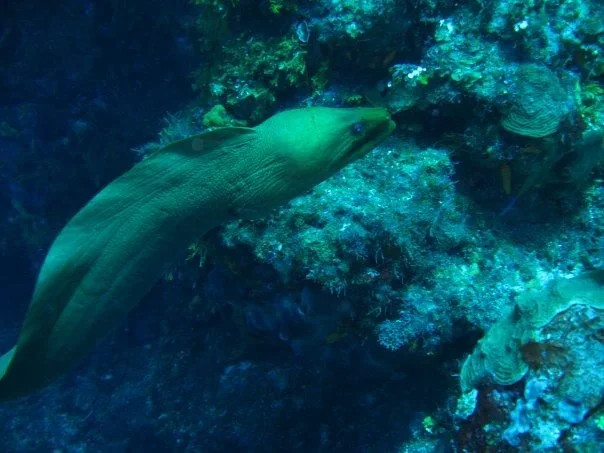
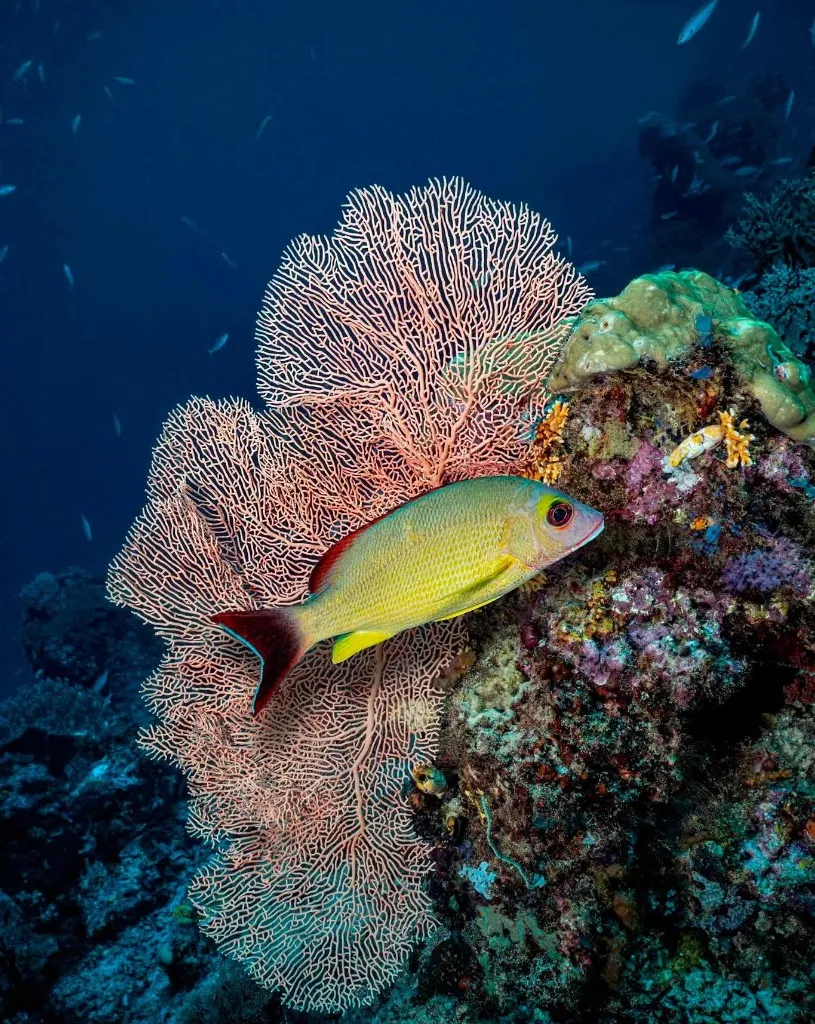
Upon entering the water, divers are often immediately struck by the reef's vibrant coral gardens, hosting a variety of moray eels and lionfish. Schools of fusiliers, butterflyfish, and snapper frequently hover above the coral formations, creating dynamic scenes.
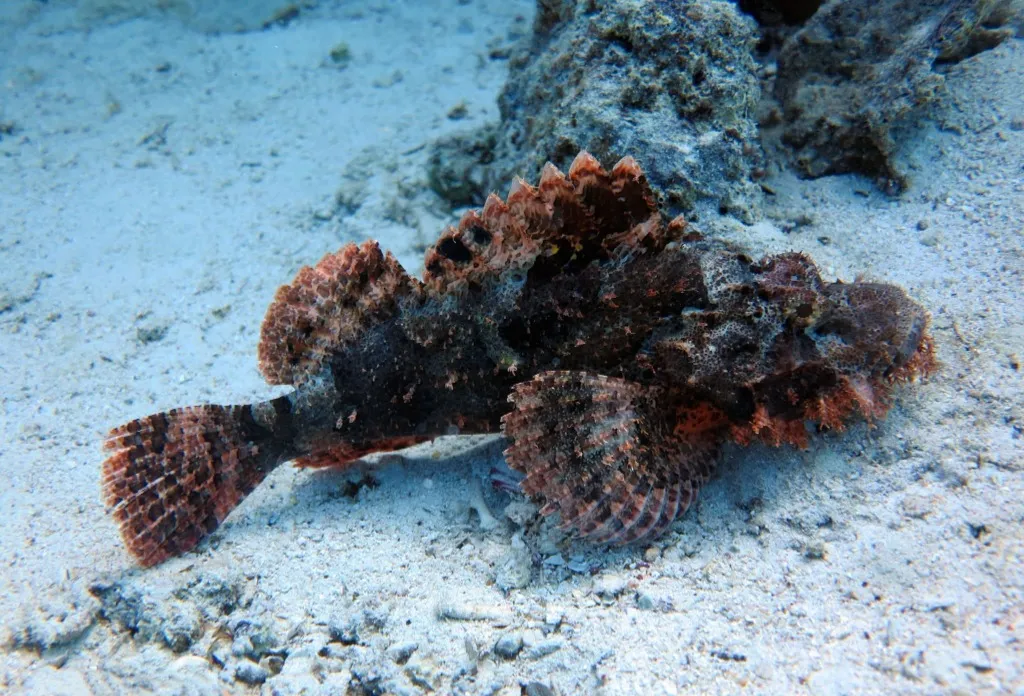
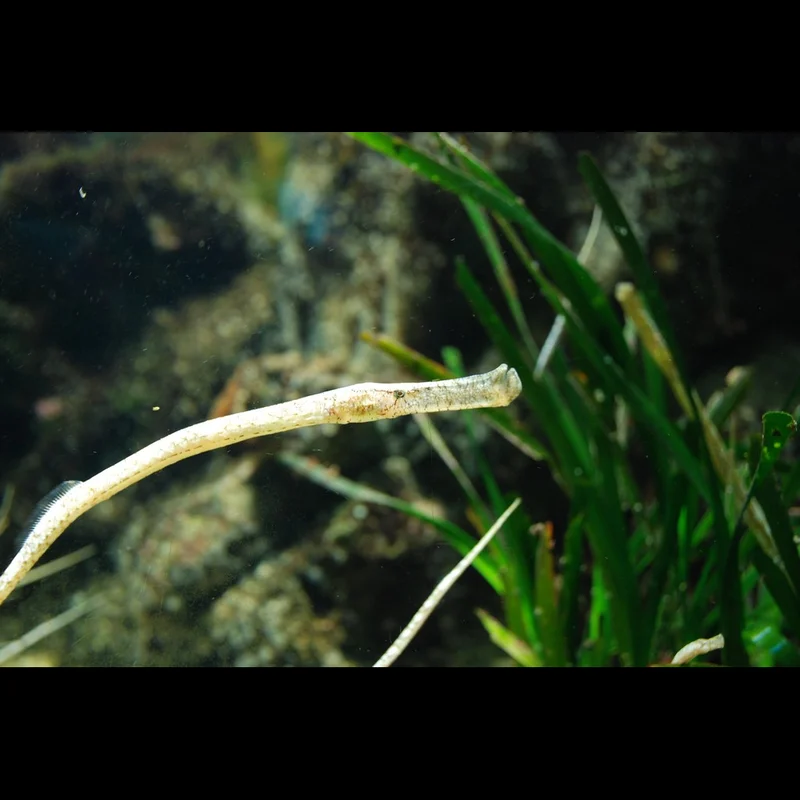
Keep an eye out for nudibranchs, pipefish, and the occasional weedy scorpionfish in the more intricate reef sections. Larger marine creatures, including potato bass and emperor angelfish, are frequent sights.
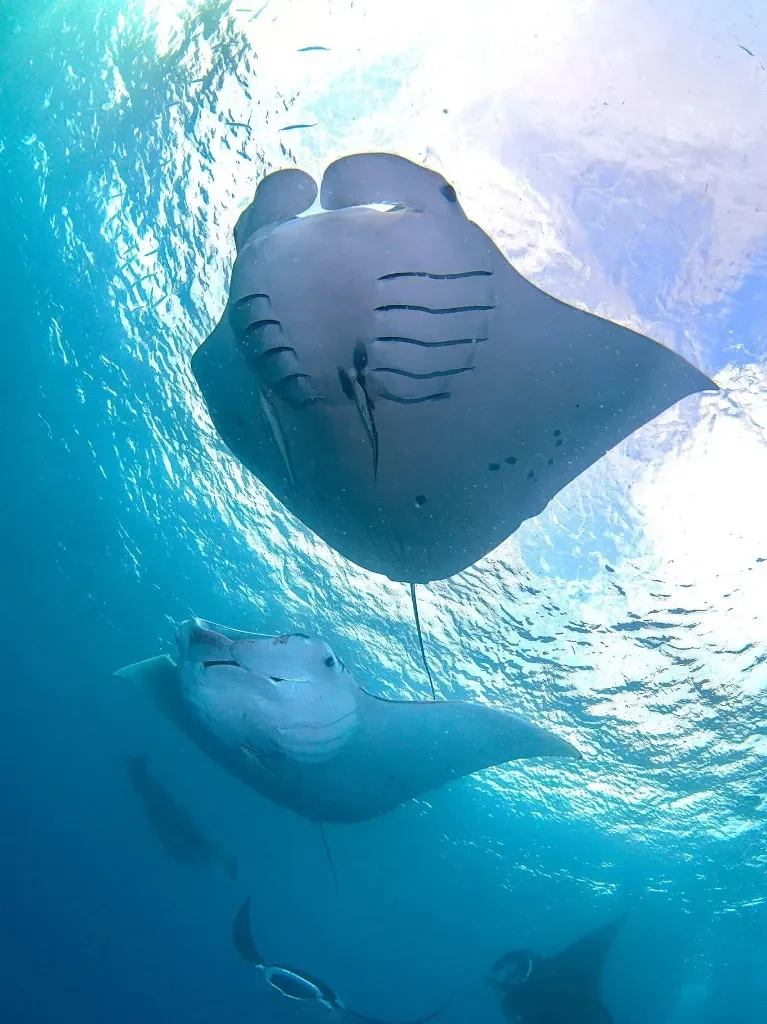
Turtles, such as loggerhead and green species, are common visitors, gracefully gliding through the water. During the warmer months from November to March, divers also have increased chances of encountering seasonal visitors like manta rays and various shark species, including bulls and oceanic blacktips.
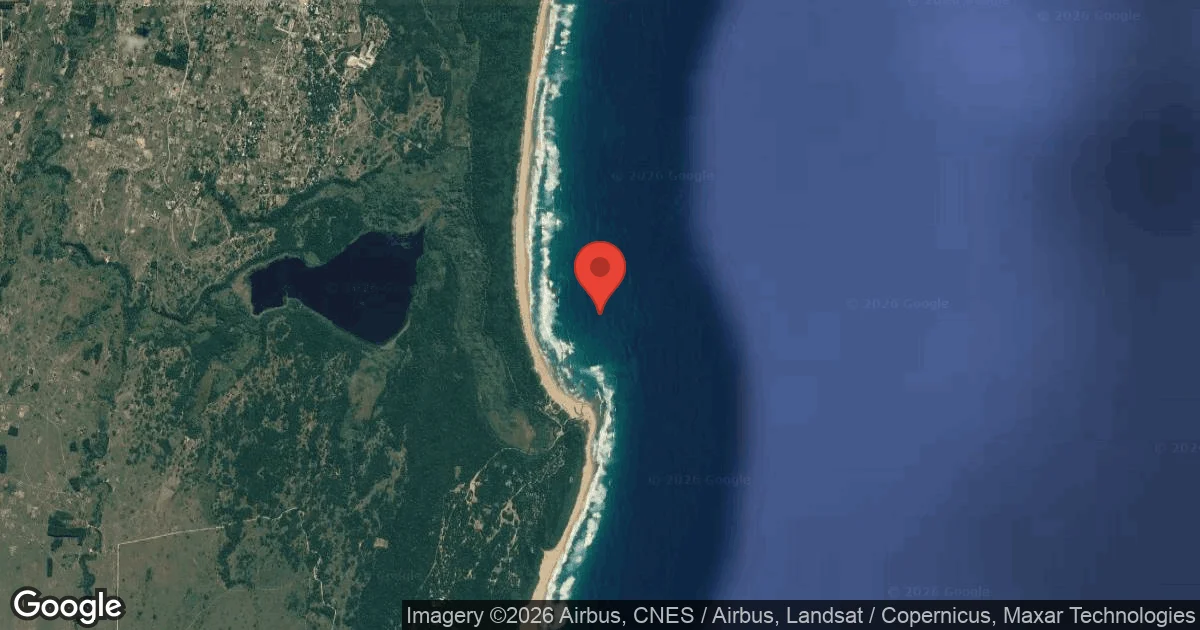
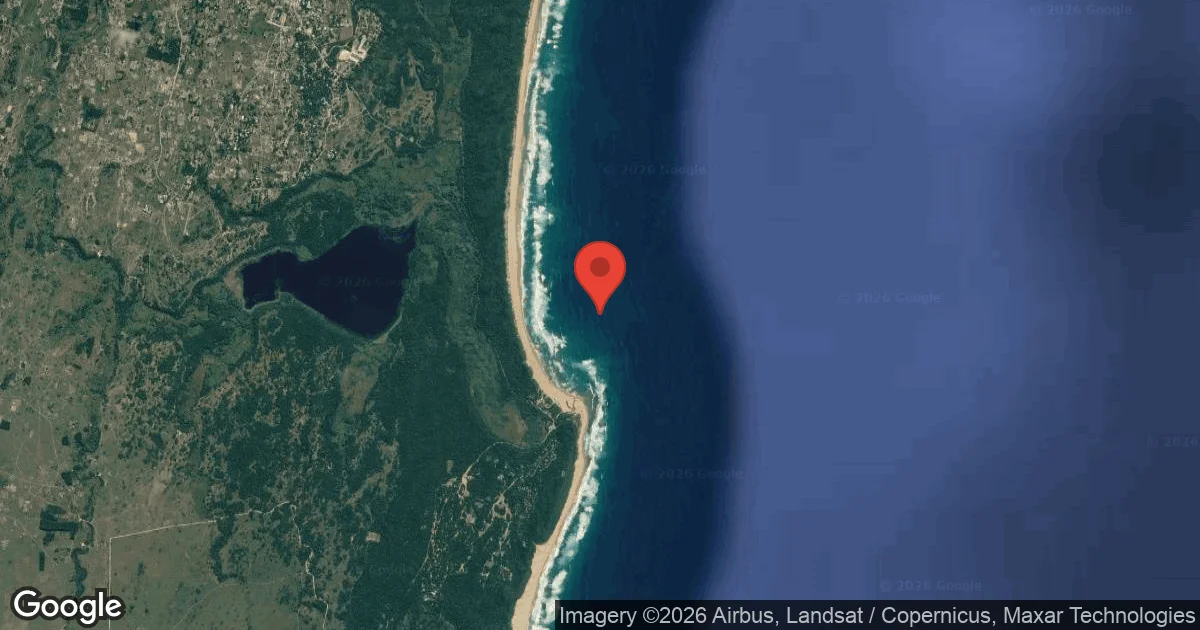
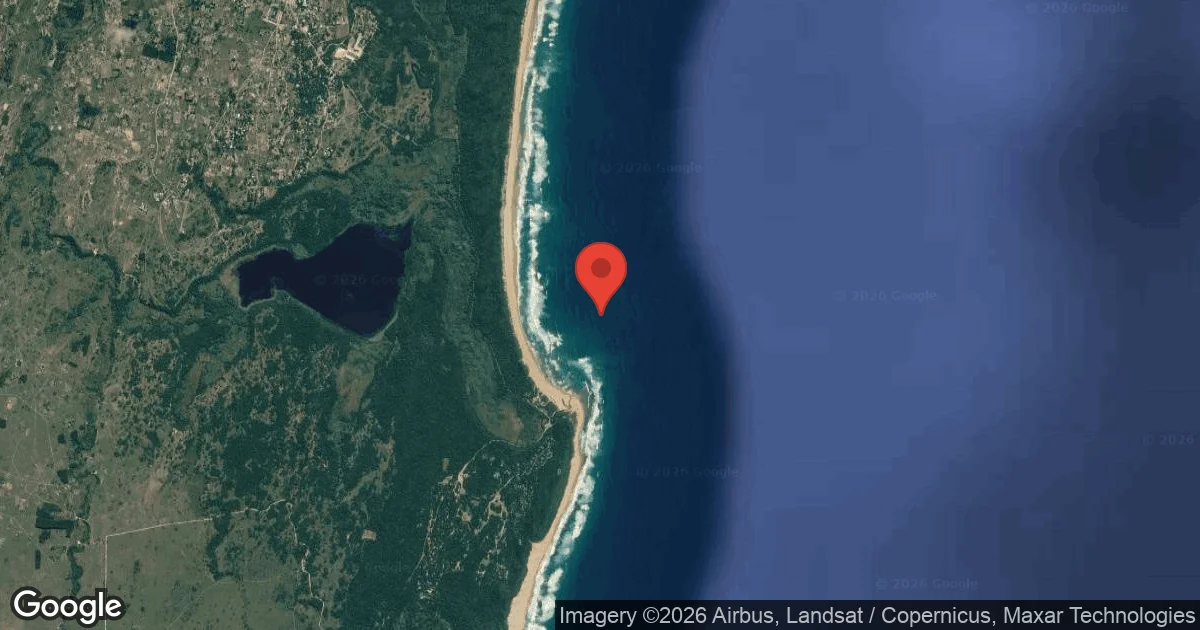
Dive Sites Near 5 Mile Reef
View all dive sites in South AfricaDiscover more underwater gems in this area.
Dive Centers Near 5 Mile Reef
Today: 07:00 - 18:00
Nearest Airports
Nearest airports to help plan travel to this dive area.
Search Flights
Check available flights and routes on Expedia, using the nearby airports listed in this section.
Search Flights on ExpediaFrequently Asked Questions
What skill level is required for 5 Mile Reef?
Many sections of 5 Mile Reef, with average depths of 14-18 meters, are suitable for Open Water divers. However, some deeper areas may require an Advanced Open Water certification for full exploration.
Are there strong currents at 5 Mile Reef?
Currents at 5 Mile Reef are typically mild, making for enjoyable drift dives. However, like any ocean dive, conditions can vary, so being prepared for potential changes is advisable.
What is the water temperature like?
Water temperatures at 5 Mile Reef generally range between 22-27°C (72-81°F) throughout the year. This makes for comfortable diving, though a wetsuit is still recommended.
Can I see large marine animals at this site?
Yes, 5 Mile Reef offers opportunities to spot larger marine life. Besides resident potato bass and various rays, seasonal visitors like Manta rays (November-March), reef sharks, and occasionally even hammerheads can be seen.
What makes 5 Mile Reef different from other Sodwana Bay sites?
5 Mile Reef is less frequently dived compared to the more popular 2 Mile Reef, giving it a more pristine feel. It's known for its extensive, complex reef structures and a broader chance of encountering more elusive species.
Is 5 Mile Reef suitable for underwater photography?
Absolutely. With its vibrant coral gardens, diverse macro life like nudibranchs and pipefish, and opportunities for wide-angle shots of schooling fish and large pelagics, it's considered excellent for both macro and wide-angle photography.
Planning to dive 5 Mile Reef?
Send one inquiry and receive offers directly from the best verified local dive operators.
Conditions are Moderate
High Swell Advisory. Not recommended.
Current conditions near 5 Mile Reef show 20° air, 23° sea temperature, 2.7 m waves, and 18 km/h wind. Forecast data is refreshed regularly to ensure accuracy.