
Diving at York Shoal (South Africa)
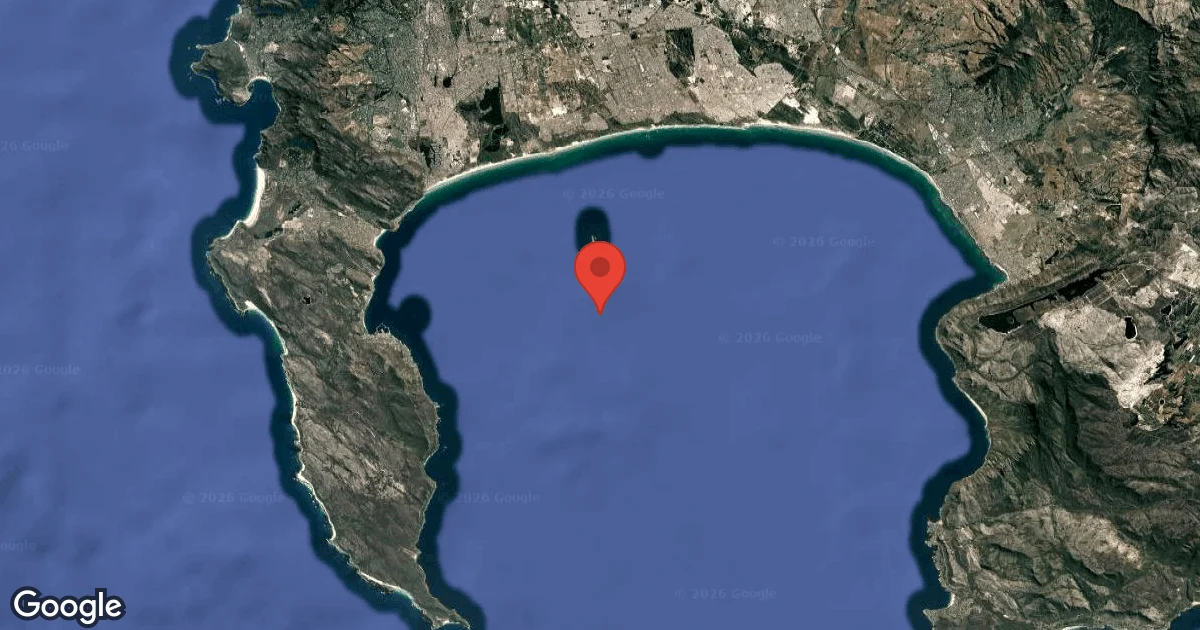
Few dive sites in False Bay are as infrequently visited by recreational divers as York Shoal. This offshore rocky reef, marked on nautical charts, presents a distinctive challenge for those venturing into its waters. Its position deep within False Bay, combined with proximity to a known great white shark feeding area, contributes to its elusive nature. Divers often visit this site out of scientific curiosity or a desire to explore less-traveled underwater landscapes.
Evening condition tracking at York Shoal features an air temperature of 17°C. We have recorded wave heights measuring 1.7 m during this period. These figures outline the environmental parameters currently present.
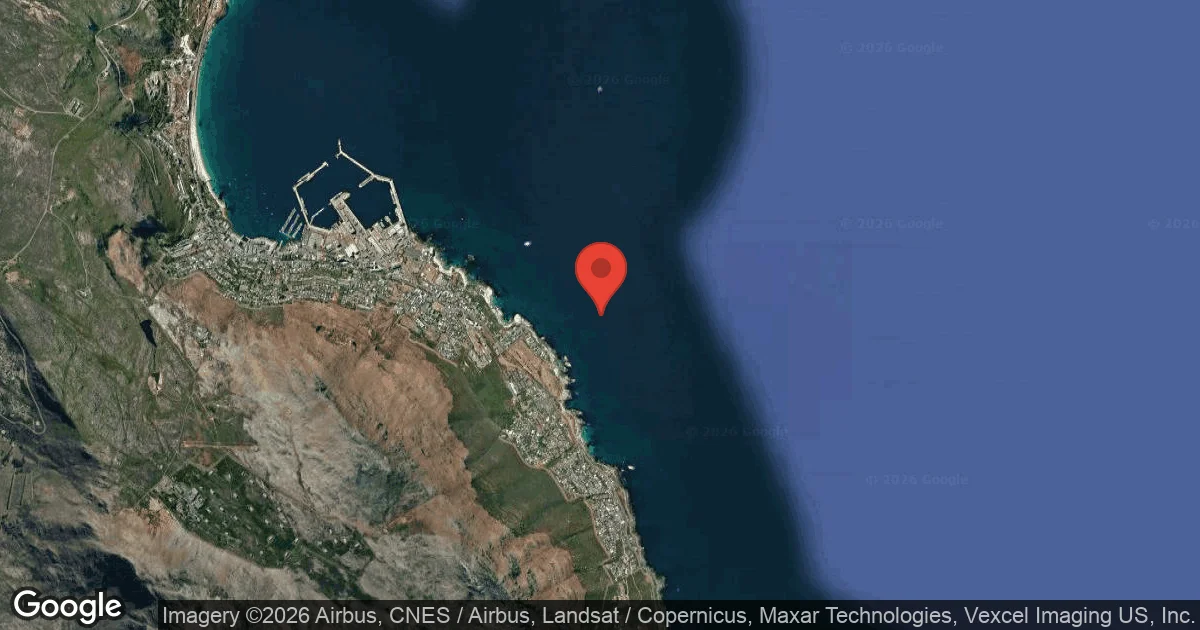
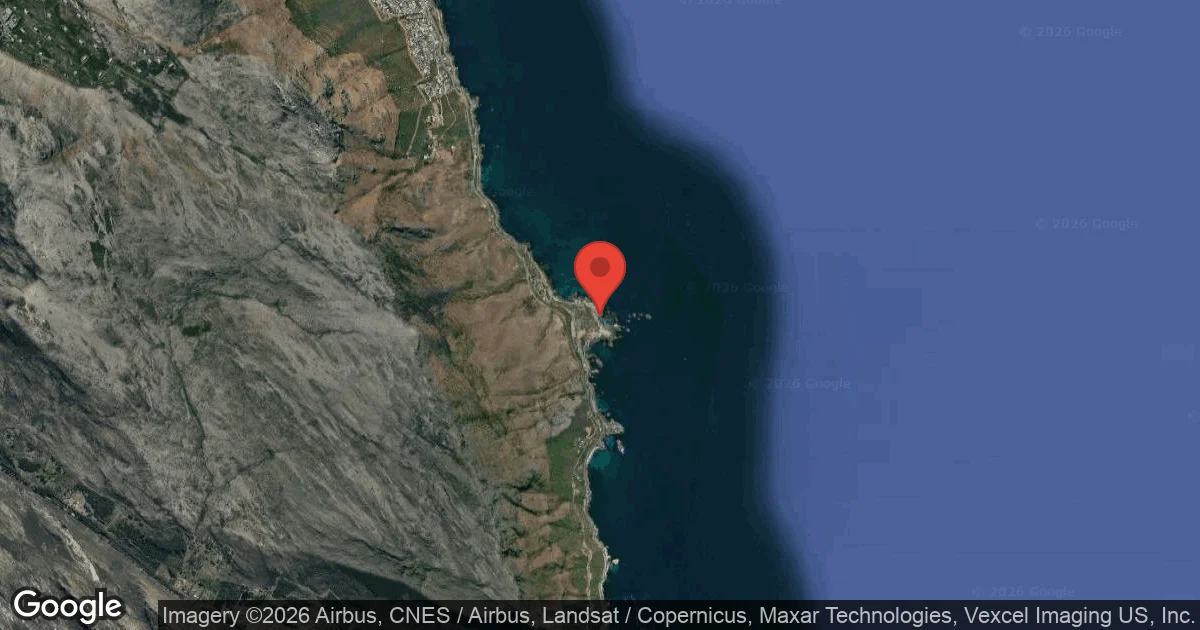
Dive Site Location & Key Facts
Dive Site Overview
York Shoal, an offshore rocky reef in the central expanse of False Bay, exhibits a distinctive underwater topography. Its crown reaches a shallowest point of approximately 4 m (13 ft), making it accessible for cautious ascents.
From this peak, the structure slopes down significantly, culminating at a maximum depth of around 28 m (92 ft) where it transitions into a distinctive shingle bottom of loose, rounded rocks. This unique geological formation adds another layer of exploration for divers. Recreational dives typically explore the reef's contours within the 18 to 20 m (59 to 66 ft) range, carefully tracing its edges and deeper sections.
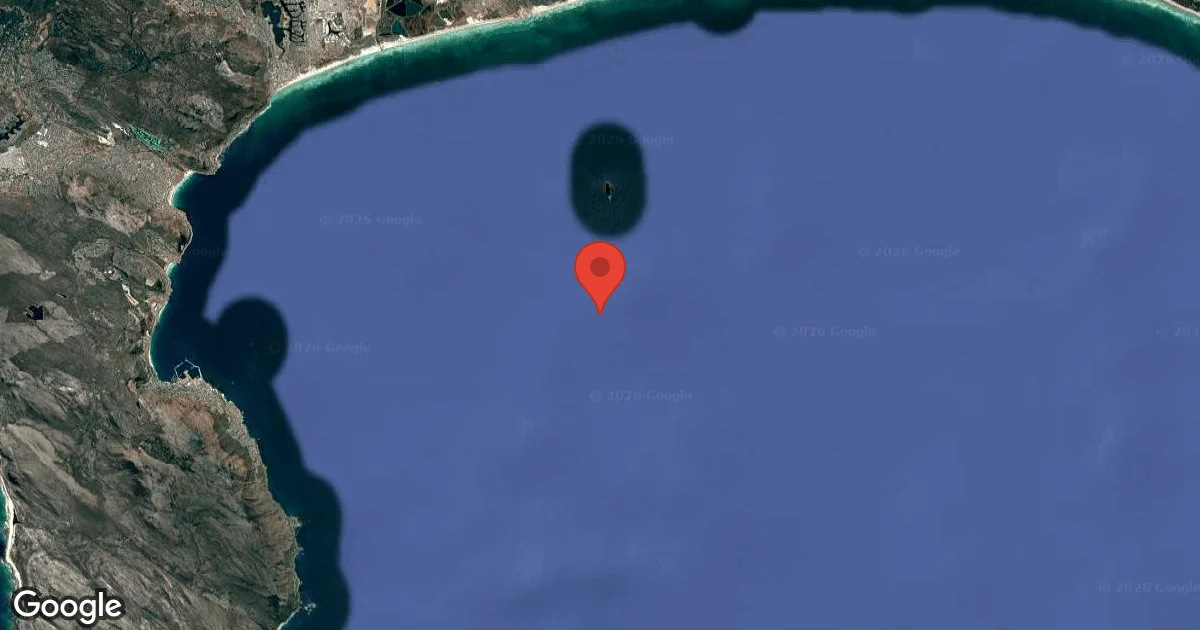
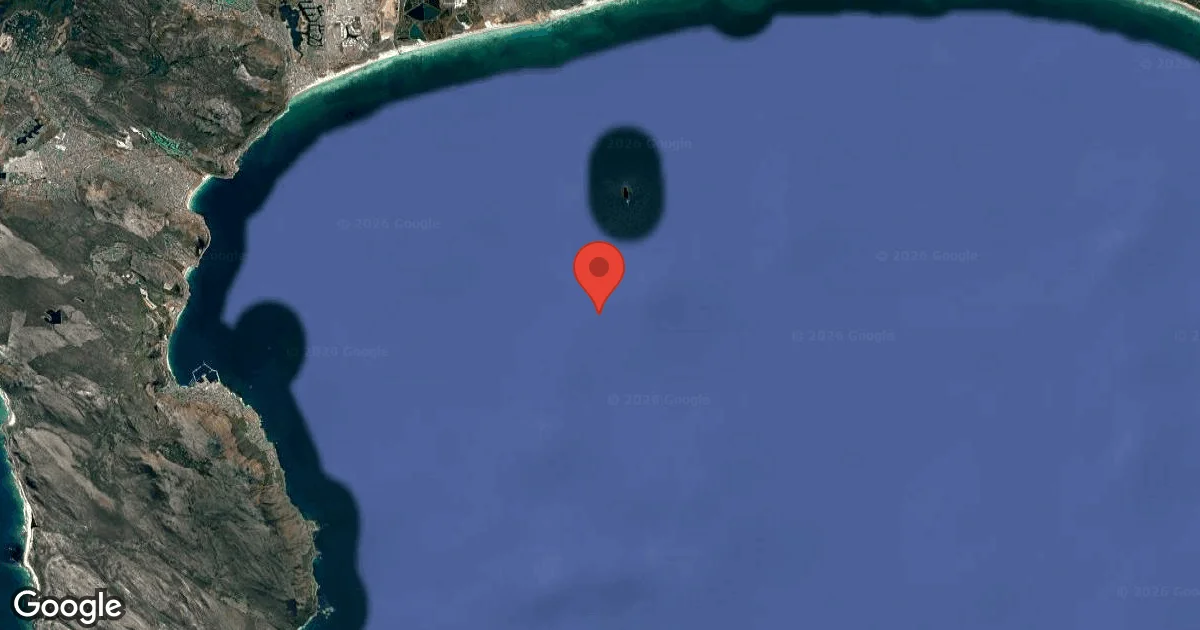
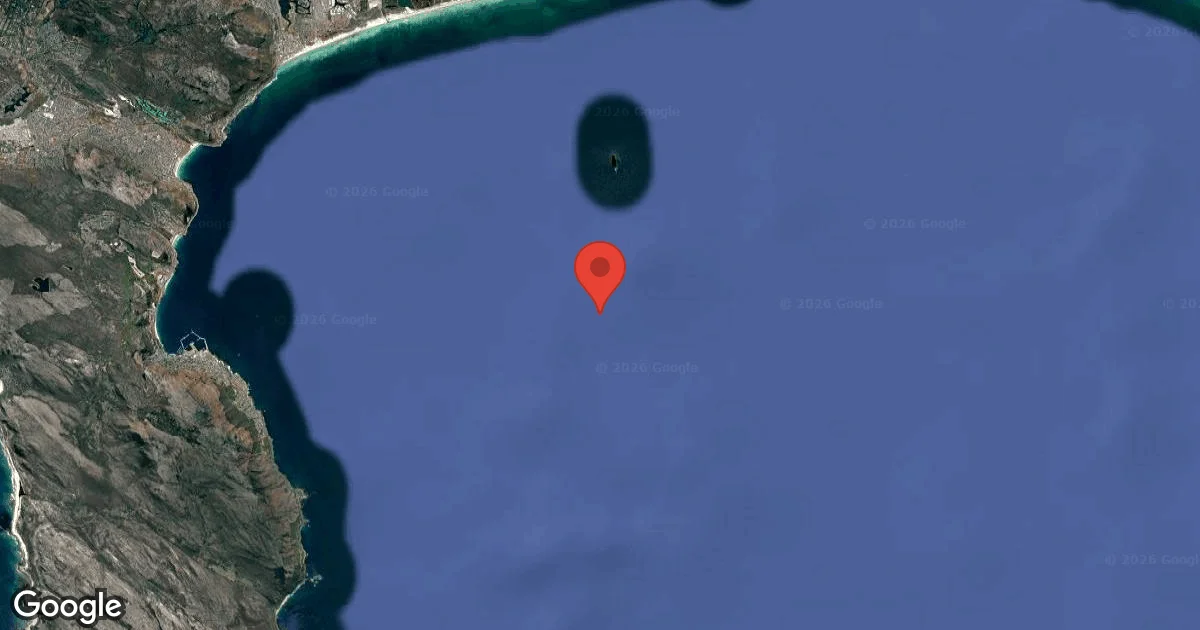
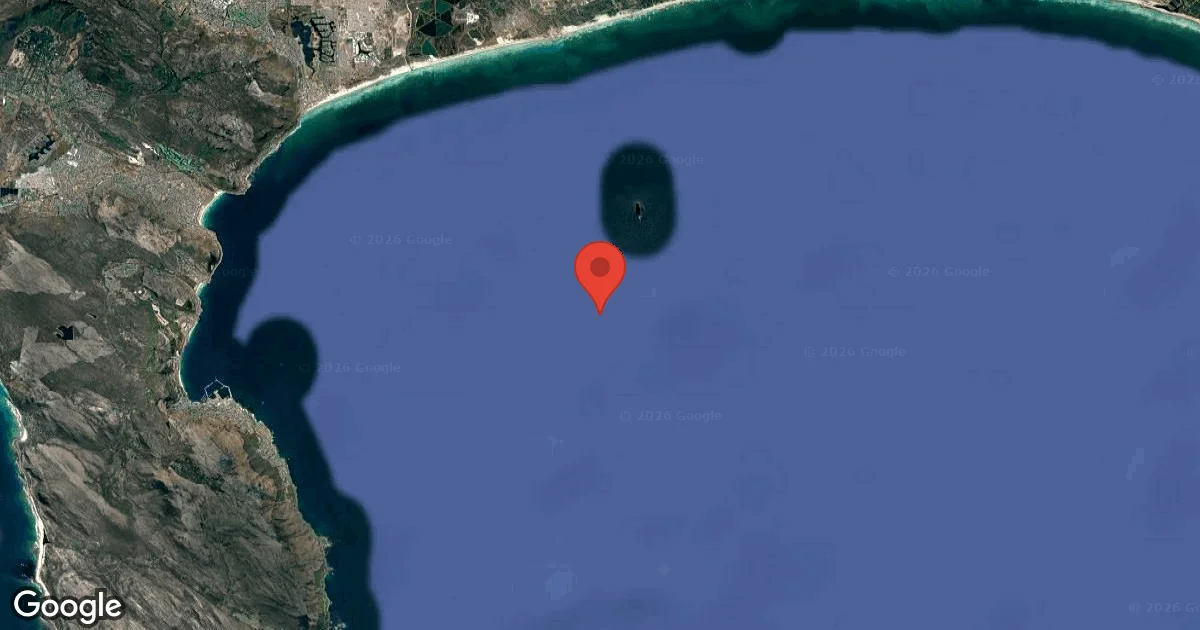
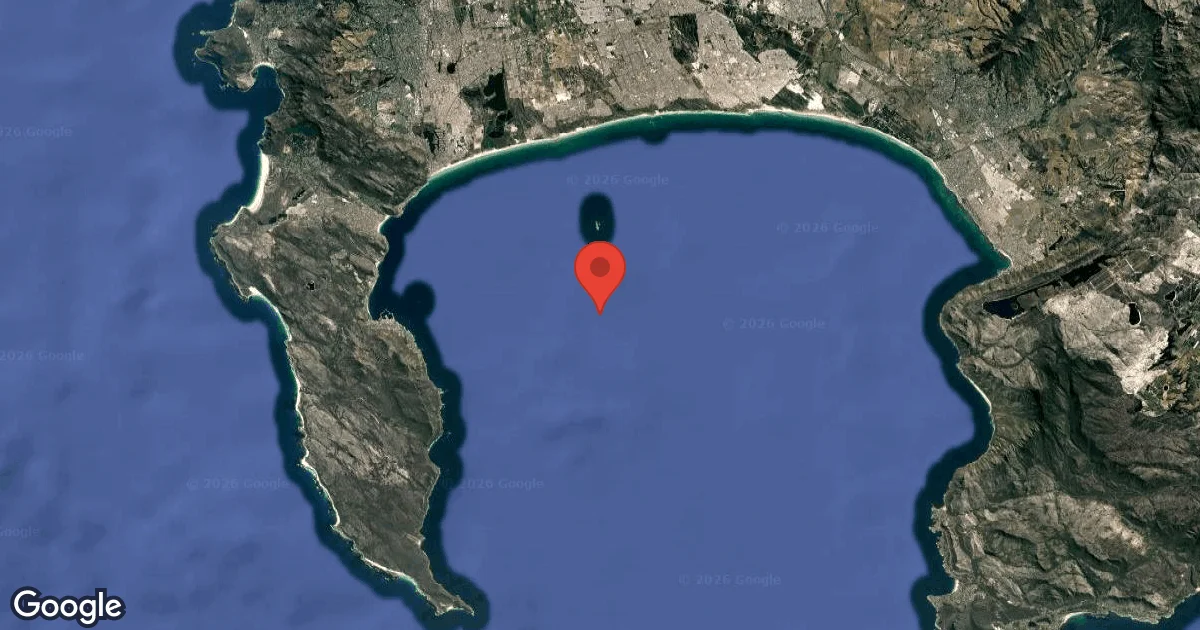
Positioned roughly 13.7 km (7.4 nautical miles) on a bearing of 077° magnetic from Miller's Point, the site lies outside any designated Marine Protected Area. No specific permit is therefore required for exploration, simplifying logistics.
Its exposed nature fosters a robust ecosystem, adapted to dynamic offshore currents and occasional upwellings. Divers here experience true remoteness, a departure from typical shore-based activities, offering a sense of pioneering exploration.
Interplay of depth changes and varied substrata create diverse microhabitats, supporting a unique blend of marine life. A diver needs to be prepared for the isolated nature of this particular False Bay dive.
Conditions are Moderate
High Wind Advisory (50km/h). Unsafe surface.
Current conditions near York Shoal show 17° air, 13° sea temperature, 1.7 m waves, and 50 km/h wind. Forecast data is refreshed regularly to ensure accuracy.
Best Time to Dive
Assessing optimal diving conditions at York Shoal necessitates considering the prevailing weather patterns, which significantly influence visibility. Based on historical climate averages, the months between October and May generally offer more moderate dive scores, suggesting potentially better conditions for exploration. Air temperatures during this period range from approximately 16°C (61°F) in October to 19.5°C (67°F) in February, providing more comfortable surface conditions. Conversely, June through September typically record poorer dive scores, with increased wave heights and air temperatures dipping to around 14°C (57°F) in July. While water temperature data is not consistently reported, divers should anticipate cooler conditions inherent to False Bay's dynamic environment, regardless of the season.
PEAK SEASON SCORE
Scores combine air & water temps, waves, wind & rainfall for overall conditions.
BEST MONTHS TO DIVE
Monthly records compiled from satellite and marine observation nodes over the last 3 years. Data provided by Open-Meteo and MET Norway.
Dive Experience & Conditions
Encountering the dynamic currents and often changeable visibility characterizes a dive at York Shoal. As an offshore site, it's exposed to various water movements that can shift rapidly. The lack of consistent water temperature data implies a need for preparedness, as False Bay can experience significant upwellings. Surface conditions can also be challenging, with average wave heights ranging from 1.7 m (5.6 ft) to over 2.1 m (6.9 ft), and wind speeds frequently exceeding 30 km/h (18 mph), peaking at over 40 km/h (25 mph) in months like October and November. This environment is largely undived by recreational divers, often reserved for those with scientific interests or advanced experience seeking solitude.
Dive Difficulty & Safety Guidelines
Primary safety considerations at York Shoal revolve around its remote offshore nature and the presence of great white sharks. The site is near a known feeding area for these predators, necessitating heightened situational awareness and adherence to strict dive protocols. Its distance from launch sites means emergency response times could be extended.
Divers should possess advanced skills and rely on highly experienced boat skippers familiar with False Bay's conditions. Always respect the natural environment, its fauna, and flora.
While no permit is required, responsible diving practices, including respecting catch limits, remain paramount.
Recommended Equipment
- Dive Computer
This gear list is based on verified equipment signals for York Shoal, South Africa. Always confirm final gear choices with your dive operator, guide, or liveaboard.
Recommended Dive Suit
Recent conditions suggest the water at York Shoal remains near 13°C (56°F), offering typical conditions for the area. Surface air temperatures are resting at 17°C (62°F).
Conditions are expected to stay fairly consistent in the days ahead.
Most divers would typically feel comfortable using 7mm wetsuit or semidry in these conditions. Strong winds are present; please take strong precautions against rapid cooling during surface intervals. A thermal robe or jacket is recommended between dives. Dive depth and duration can significantly affect perceived warmth. Stronger winds may also make surface intervals feel cooler than usual. Surface intervals may feel noticeably cooler once you exit the water.
Emergency & Medical Support
Essential information to help you plan your dive trip to York Shoal.

Hyperbaric chambers are a critical part of dive safety infrastructure. Availability varies significantly by region, and not all dive areas have immediate access.
Before diving, it's recommended to:
- confirm nearest medical facilities
- check emergency procedures with local dive operators
- ensure dive insurance covers evacuation if required
Divers Alert Network
Diving emergency assistance available through DAN Southern Africa.
+27828106010- 24/7 emergency hotline
- Diving medical assistance
- Evacuation coordination
Emergency contacts are provided for reference. Always verify local emergency services before diving.
Marine Life at York Shoal
An observable feature of York Shoal's ecosystem is the pronounced growth of red-bait ascidians dominating the shallower parts of the reef. Interspersed among these are patches of black mussel, which are quite likely the invasive Mediterranean mussel species.
While the site lies adjacent to a great white shark feeding area, direct shark sightings are not a primary highlight of the reef itself. Instead, the focus remains on the hardy invertebrate communities adapted to this dynamic offshore environment.

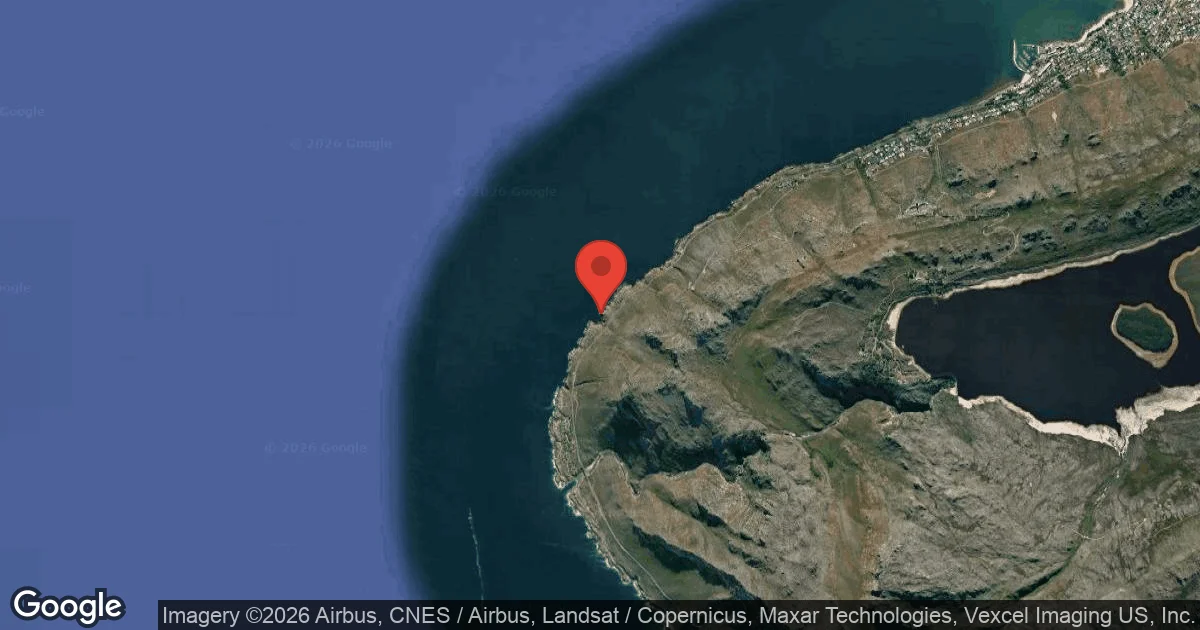
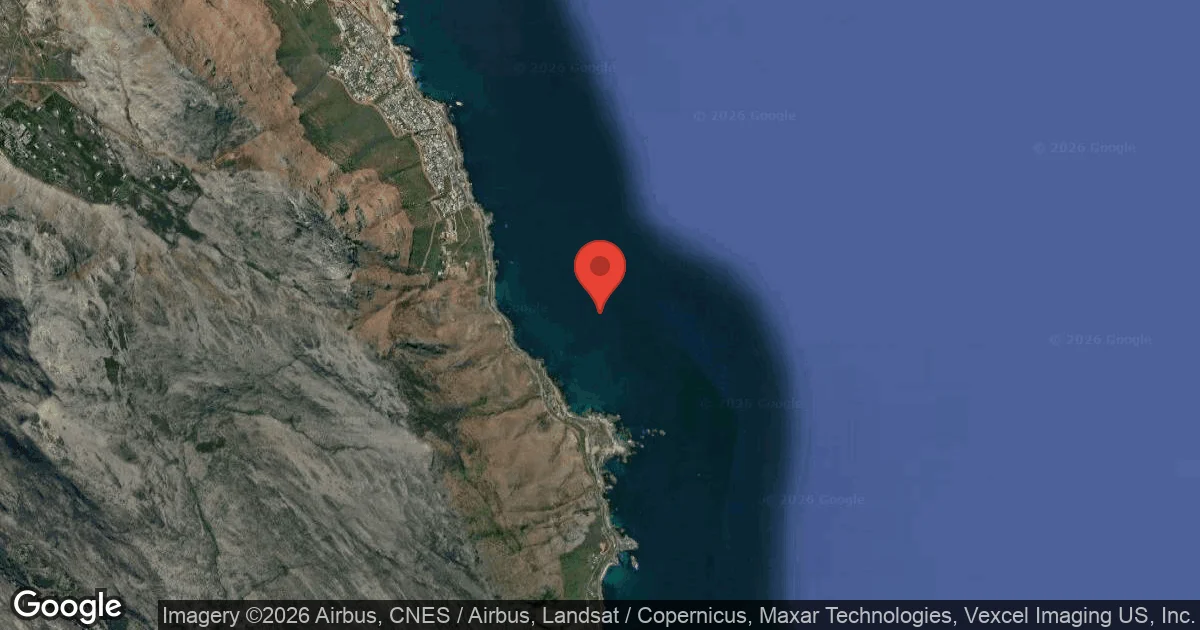
Dive Sites Near York Shoal
View all dive sites in South AfricaDiscover more underwater gems in this area.
Dive Centers Near York Shoal
Today: 08:00 - 16:30



Nearest Airports
Nearest airports to help plan travel to this dive area.
Search Flights
Check available flights and routes on Expedia, using the nearby airports listed in this section.
Search Flights on ExpediaFrequently Asked Questions
Why is York Shoal seldom dived by recreational divers?
York Shoal is infrequently dived by recreational enthusiasts due to its considerable distance from launch sites in False Bay. Moreover, its proximity to a known great white shark feeding area adds an element of perceived risk. The site therefore remains largely unexplored by the general diving public.
What are the typical depths found at York Shoal?
The reef's top section is found at a shallower depth of about 4 m (13 ft). It descends to a maximum depth of approximately 28 m (92 ft) where it transitions into a shingle bottom. For most dives, an average depth between 18 to 20 m (59 to 66 ft) is common.
Are there any permits or special permissions required to dive here?
No, York Shoal is not located within a Marine Protected Area. Consequently, divers do not need a specific permit to access or dive at this site. Standard local diving regulations and safety practices still apply.
What kind of marine life can be observed at York Shoal?
The shallower reef sections are notably characterized by a heavy growth of red-bait ascidians. Divers will also find patches of black mussels, which are likely the Mediterranean mussel. While it's near a great white shark feeding area, the reef itself is known for these specific invertebrate communities.
What are the general environmental conditions like at the site?
Conditions at York Shoal can be dynamic, with varying currents and visibility. Surface conditions frequently involve significant wave heights and moderate to high wind speeds. These factors, combined with its offshore exposure, make it a site best suited for experienced divers.
When is the best time of year to dive York Shoal?
Based on climate data, the period from October through May typically presents more moderate dive scores, indicating potentially better conditions. During these months, air temperatures are milder, and while water temperatures are variable, surface conditions might be more favorable for boat travel.
Planning to dive York Shoal?
Send one inquiry and receive offers directly from the best verified local dive operators.
Conditions are Moderate
High Wind Advisory (50km/h). Unsafe surface.
Current conditions near York Shoal show 17° air, 13° sea temperature, 1.7 m waves, and 50 km/h wind. Forecast data is refreshed regularly to ensure accuracy.