
Diving at Bikini Beach (South Africa)
Conditions at Bikini Beach dictate the nature of its underwater exploration. This site, adjacent to Gordon's Bay harbour, is primarily a shallow, sandy environment influenced by coastal dynamics. While generally sheltered from south-westerly swells, strong offshore winds can rapidly change the scene. Divers will find a gently sloping sand bottom transitioning to scattered low boulders, making it a sensitive area where visibility is frequently affected by surf activity. The calmest periods are crucial for appreciating the subtle marine life present.
Tonight's objective overview for Bikini Beach shows an air temperature of 10.5°C. The measured surface conditions include wave heights around 1.6 m. This environmental data is logged for the close of the day.
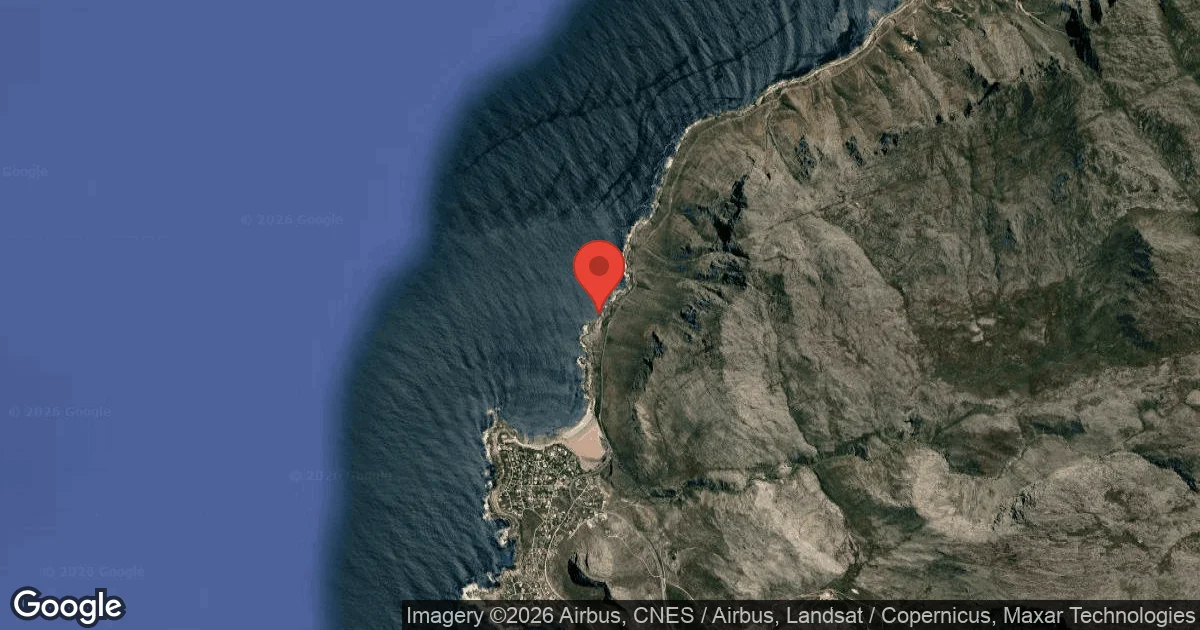
Dive Site Location & Key Facts
Dive Site Overview
Bikini Beach doesn't promise dramatic drop-offs or expansive coral gardens; instead, its appeal lies in its accessibility and suitability for foundational dive experiences, particularly in a region where many sites demand advanced skills. This shallow site, reaching a maximum depth of about 3 m / 10 ft, presents a unique opportunity for training exercises, including night dives, without requiring specialized certifications.
The underwater topography primarily features a gently sloping sandy beach, transitioning into a flat sand bottom. This expanse is dotted with small, scattered rounded boulders, typically around 300 mm / 1 ft high, providing the main points of interest for marine life.
To the south, a rocky shore extends, while the concrete blocks of the Gordon's Bay harbour breakwater define the northern limit. Geology here is characterized by Pre-Cambrian sedimentary rock and rounded sandstone boulders, contributing to a mostly fine quartz sand bottom.
Visibility at this site is inherently variable, often affected by surf activity which lifts fine sand into suspension, shaping the immediate dive experience. It’s an easy shore dive, making it convenient for divers of all levels to enter from the beach or via the harbour wall.
Conditions are Moderate
Optimal conditions expected
Current conditions near Bikini Beach show 11° air, 14° sea temperature, 1.5 m waves, and 37 km/h wind. Forecast data is refreshed regularly to ensure accuracy.
Best Time to Dive
Favorable conditions for diving at Bikini Beach typically align with periods of south-easterly winds, which offer reasonable shelter from south-westerly swells. Reviewing historical climate data, the summer and shoulder months generally present more moderate conditions. Air temperatures average around 21°C / 70°F in January and February, gradually decreasing to about 17°C / 63°F in April and October, before reaching cooler averages of 13-15°C / 55-59°F during the winter months from June to September. Rainfall is consistently low throughout the year, with averages typically below 1.5 mm from January to April and again from October to December. Higher rainfall, though still minimal, can be observed from May through September, peaking around 6.7 mm in July. Wave heights also tend to be lower during the moderate dive score months, averaging around 1.8-1.9 m / 6 ft, compared to the higher averages of 2.3-2.7 m / 7.5-9 ft during winter. Diving from October to April is generally more conducive, avoiding the slightly rougher winter months which register lower dive scores.
PEAK SEASON SCORE
Scores combine air & water temps, waves, wind & rainfall for overall conditions.
BEST MONTHS TO DIVE
Monthly records compiled from satellite and marine observation nodes over the last 3 years. Data provided by Open-Meteo and MET Norway.
Dive Experience & Conditions
Your in-water experience at Bikini Beach is largely shaped by the surf and wind conditions. Surge and breaking waves along the harbour wall can be present, and visibility, while generally decent in calm False Bay conditions, is often reduced here by suspended fine sand. Water temperature in False Bay typically ranges down to 14°C / 57°F, so appropriate thermal protection is necessary. Divers should expect a maximum depth of around 3 m / 10 ft, making this an ideal site for extended bottom times and skill practice. It's an easy site for entry, with divers typically wading in from the beach or accessing via the wall near the yacht club at Gordon's Bay harbour. Strong offshore winds can develop quickly, so it's wise to monitor forecasts closely. Although no specific equipment beyond standard gear is required, a bit of extra weight might be useful to fine-tune buoyancy in the shallow, often active water.
Dive Difficulty & Safety Guidelines
While Bikini Beach welcomes divers of various skill levels and is suitable for training, awareness of local conditions is key to a safe dive. Potential hazards include strong offshore winds that can develop suddenly, creating challenging surface conditions. Divers should also be cautious of surge and breaking waves, particularly near the harbour wall, and maintain vigilance for boat traffic, especially when surfacing.
It's a shore dive, so assessing entry and exit points for wave action is crucial. No special skills are explicitly needed for this site, though maintaining good buoyancy control in shallow, sandy environments is always beneficial.
Consider adding a small amount of extra weight if you typically run a very lean setup, as this can aid stability.
Recommended Equipment
- Dive Computer
This gear list is based on verified equipment signals for Bikini Beach, South Africa. Always confirm final gear choices with your dive operator, guide, or liveaboard.
Recommended Dive Suit
According to recent observations, water temperatures near Bikini Beach are approximately 14°C (57°F). Surface air temperatures are resting at 11°C (51°F).
Forecasts suggest rising temperatures later this week. A warming trend is expected over the next few days.
Most divers exploring waters at this temperature rely on 7mm wetsuit or semidry for effective insulation. Consider warmer surface protection (like a boat coat) due to brisk winds. Strong cold advisory: dress warmly immediately after exiting the water. Water temperature is only one factor influencing overall comfort during a dive. Stronger winds may also make surface intervals feel cooler than usual. Surface intervals may feel noticeably cooler once you exit the water.
Emergency & Medical Support
Essential information to help you plan your dive trip to Bikini Beach.

Hyperbaric chambers are a critical part of dive safety infrastructure. Availability varies significantly by region, and not all dive areas have immediate access.
Before diving, it's recommended to:
- confirm nearest medical facilities
- check emergency procedures with local dive operators
- ensure dive insurance covers evacuation if required
Divers Alert Network
Diving emergency assistance available through DAN Southern Africa.
+27828106010- 24/7 emergency hotline
- Diving medical assistance
- Evacuation coordination
Emergency contacts are provided for reference. Always verify local emergency services before diving.
Marine Life at Bikini Beach
The initial impression of marine life here reveals a community adapted to the sand and scattered rock environment. Divers will often notice black mussels and chitons clinging to the small boulders, alongside occasional octopus sightings.
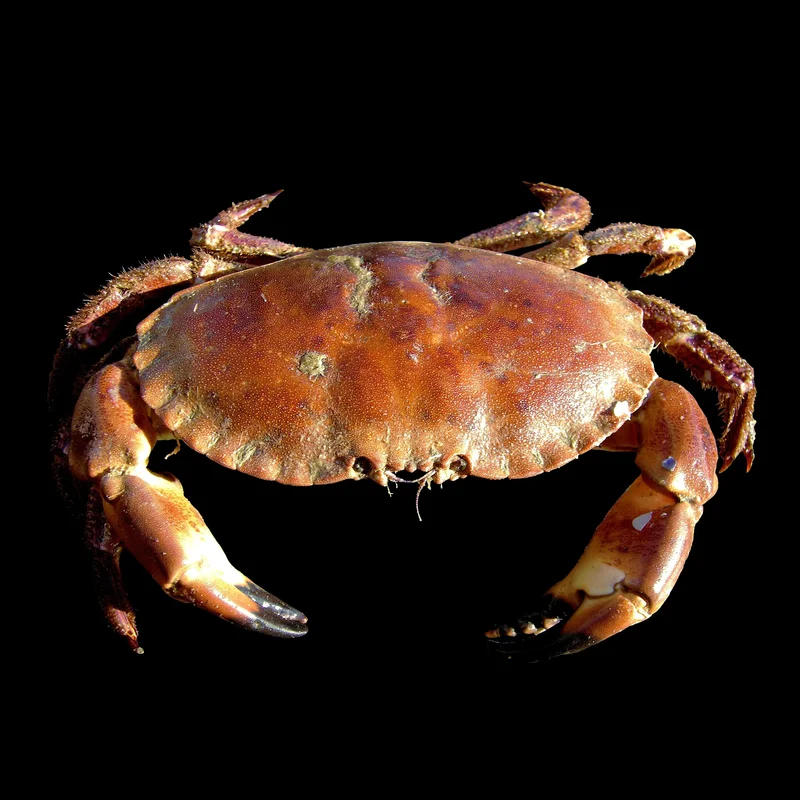
Small sole can be observed camouflaged on the sand, while various klipfish and small crabs navigate the low reef structures. For those diving at night, there's a possibility of encountering otters playing in the waves and among the southern rocks, a distinct local highlight.
Whelks are also present, moving slowly across the sandy bottom. Macro photography is more likely to yield compelling results, given the modest size and distribution of creatures.

Dive Sites Near Bikini Beach
View all dive sites in South AfricaDiscover more underwater gems in this area.
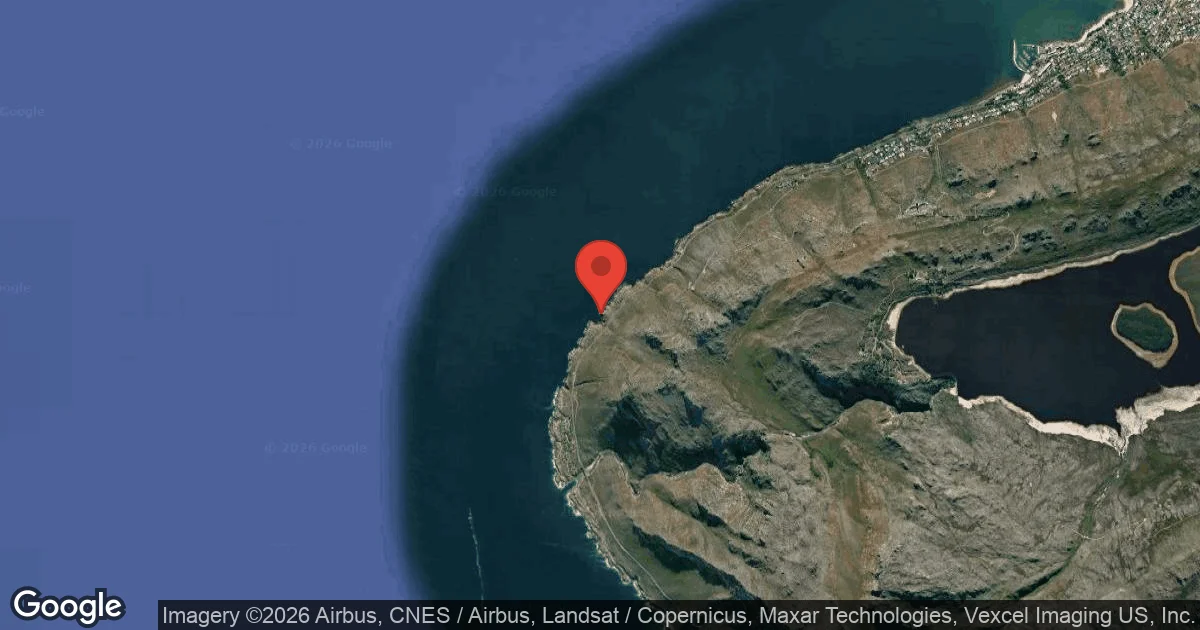
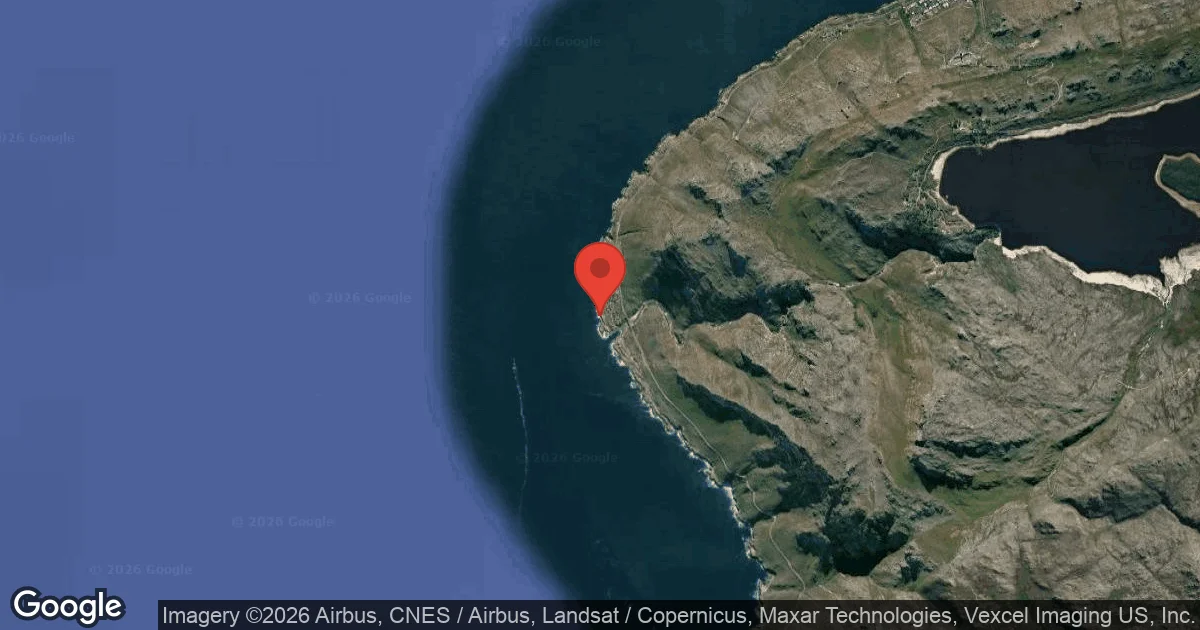
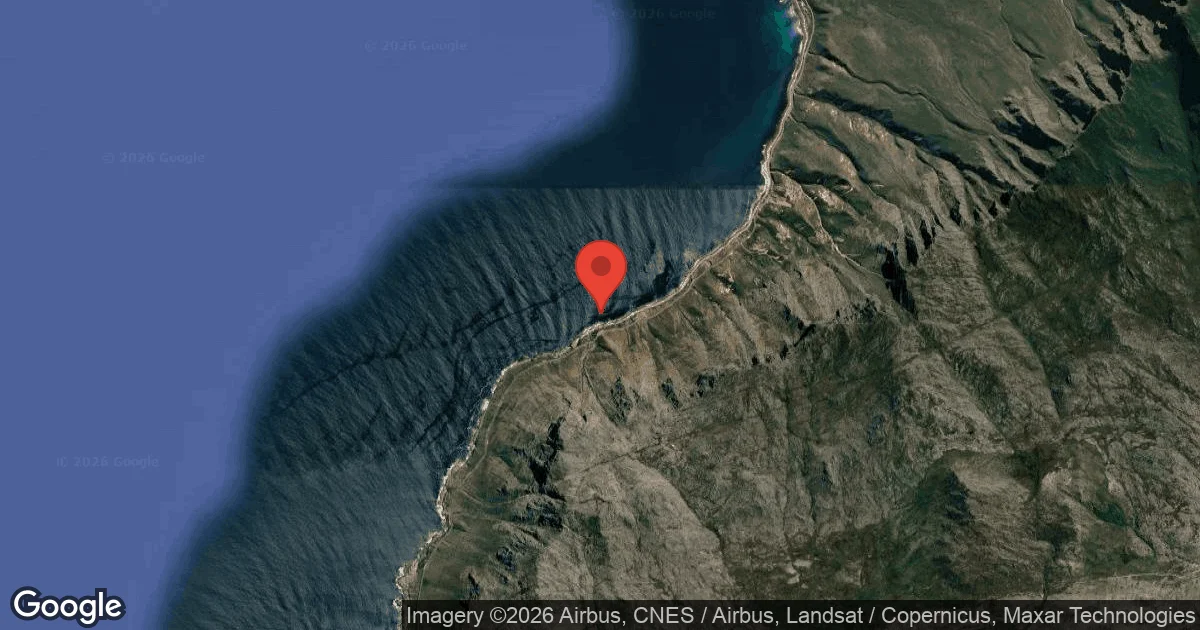
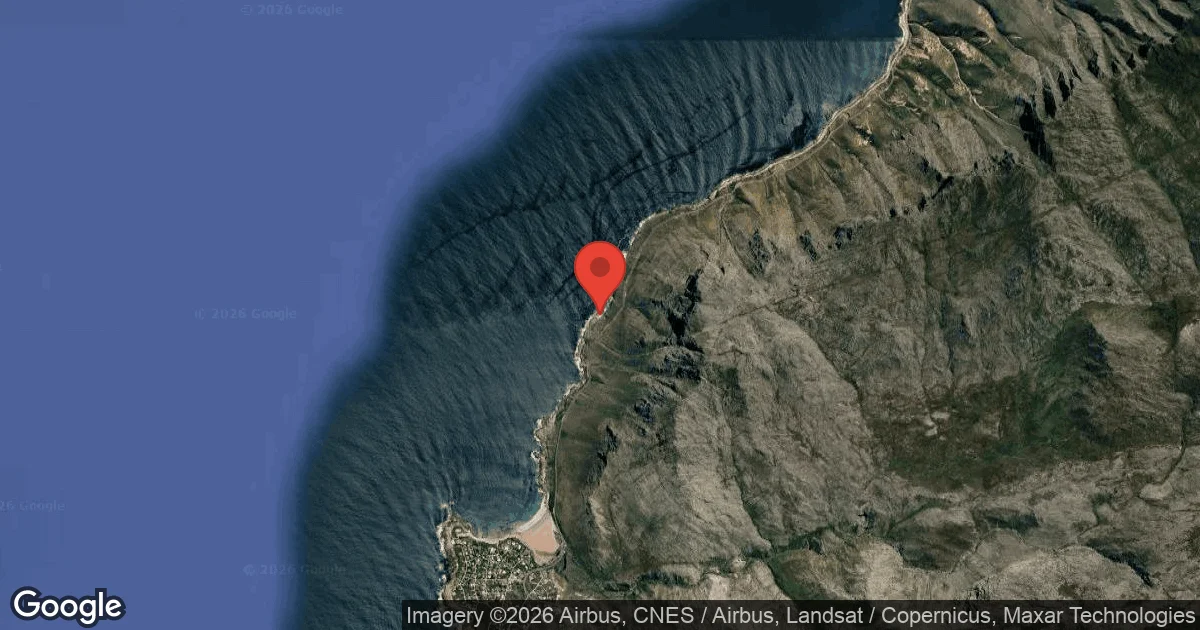
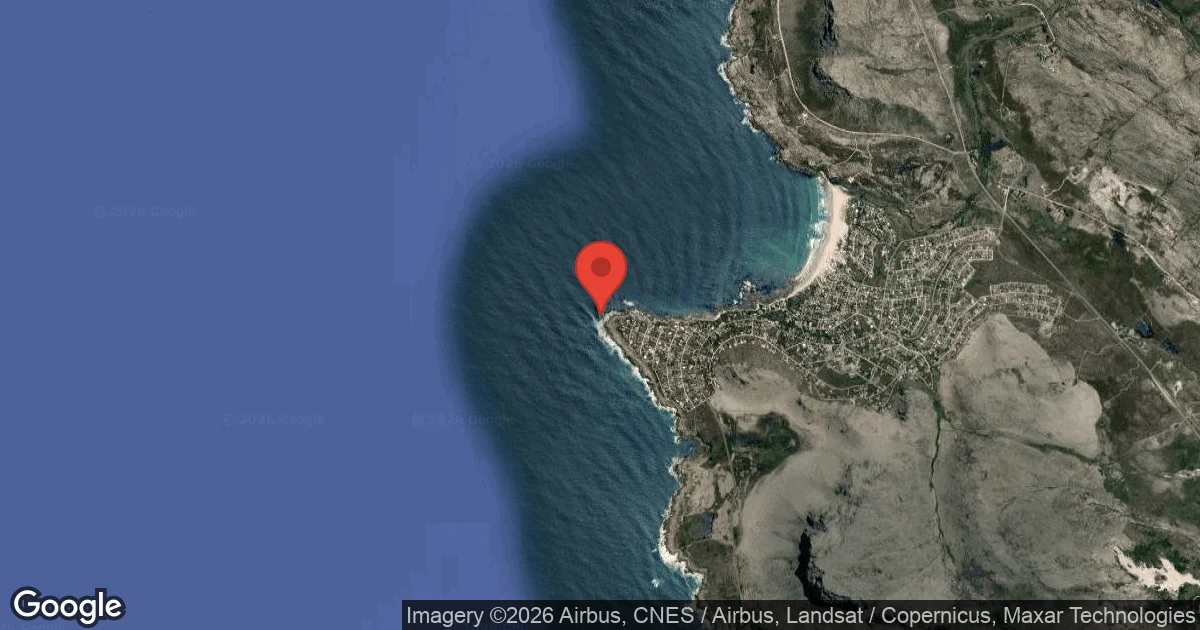
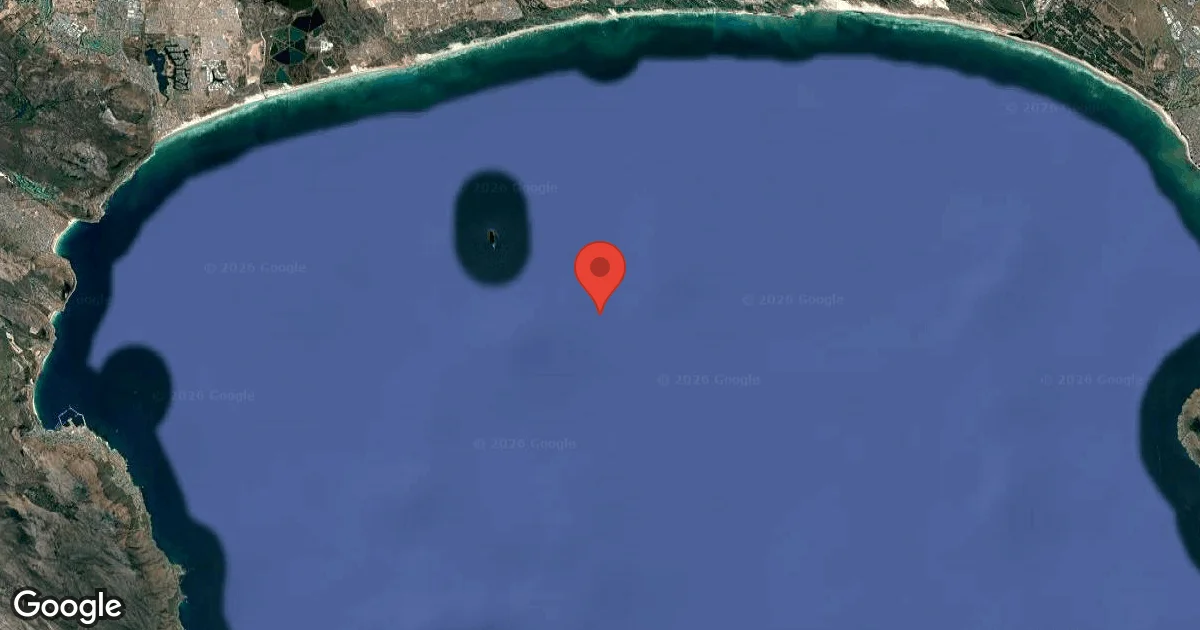
Dive Centers Near Bikini Beach
Today: 08:00 - 16:30

Nearest Airports
Nearest airports to help plan travel to this dive area.
Search Flights
Check available flights and routes on Expedia, using the nearby airports listed in this section.
Search Flights on ExpediaFrequently Asked Questions
What is the maximum depth at Bikini Beach?
The maximum depth at Bikini Beach is approximately 3 meters or 10 feet, making it a very shallow dive suitable for various skill levels and training.
What are the typical water temperatures?
False Bay water temperatures, which impact Bikini Beach diving, can range down to around 14°C / 57°F. Appropriate thermal protection is recommended for these conditions.
Is Bikini Beach suitable for beginner divers?
Yes, Bikini Beach is considered suitable for training exercises and beginner divers due to its shallow depth and relatively easy shore entry.
What kind of marine life can I expect to see?
Divers may observe black mussels, chitons, octopus, small sole, klipfish, and small crabs, mostly concentrated around the scattered boulders. Otters have also been seen at night.
Are there any specific hazards at Bikini Beach?
Divers should be aware of potential strong offshore winds, surge and breaking waves near the harbour wall, and boat traffic. Monitoring conditions is advised.
How is the visibility typically at this site?
Visibility is variable and can be affected by surf activity, which stirs up fine sand. It's best during calmer conditions or after periods of south-easterly winds.
Is special equipment required for diving here?
No special equipment is generally required beyond standard dive gear. However, some divers might find a bit of extra weight helpful for buoyancy in the shallow, active water.
Planning to dive Bikini Beach?
Send one inquiry and receive offers directly from the best verified local dive operators.
Conditions are Moderate
Optimal conditions expected
Current conditions near Bikini Beach show 11° air, 14° sea temperature, 1.5 m waves, and 37 km/h wind. Forecast data is refreshed regularly to ensure accuracy.