
Diving at Bajos Gaudel Chiribito (Spain)
Approaching Bajos Gaudel Chiribito reveals the remains of a deliberately sunken wreck, providing a distinct starting point for exploration. The dive route then extends to unique slab formations, an orography differing significantly from typical surrounding seafloors. With a maximum depth of 25 m (82 ft), this site near Villaricos offers a compelling underwater journey for advanced divers.
Evening condition tracking at Bajos Gaudel Chiribito features an air temperature of 20°C. We have recorded wave heights measuring 0.6 m during this period. These figures outline the environmental parameters currently present.
Dive Site Location & Key Facts
Dive Site Overview
Bajos Gaudel Chiribito presents a dive centered around the structural integrity of a sunken vessel, carefully placed to enhance the underwater landscape. Marrying the intrigue of wreck diving with distinct natural geological slab formations, the site's unique orography contrasts sharply with the general seabed.
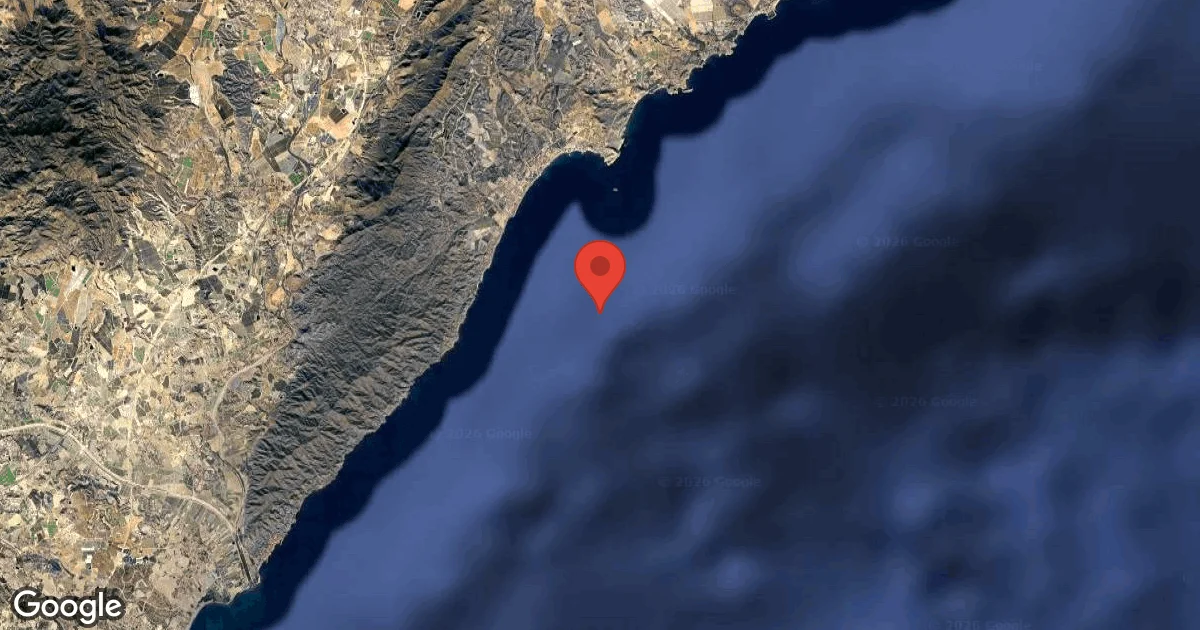
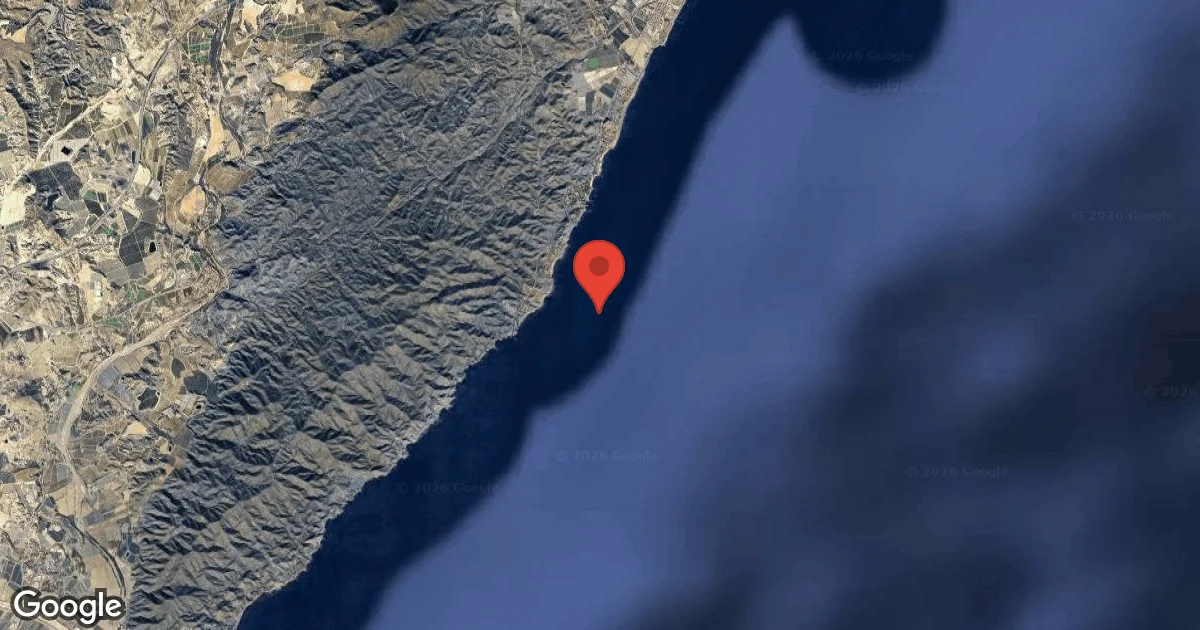
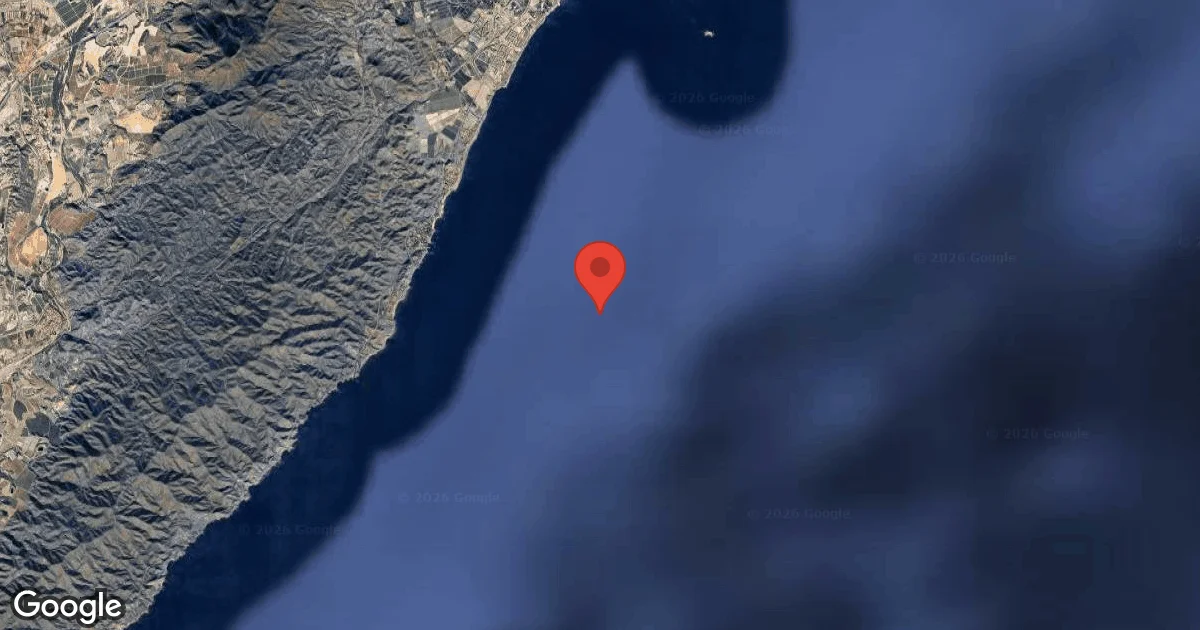
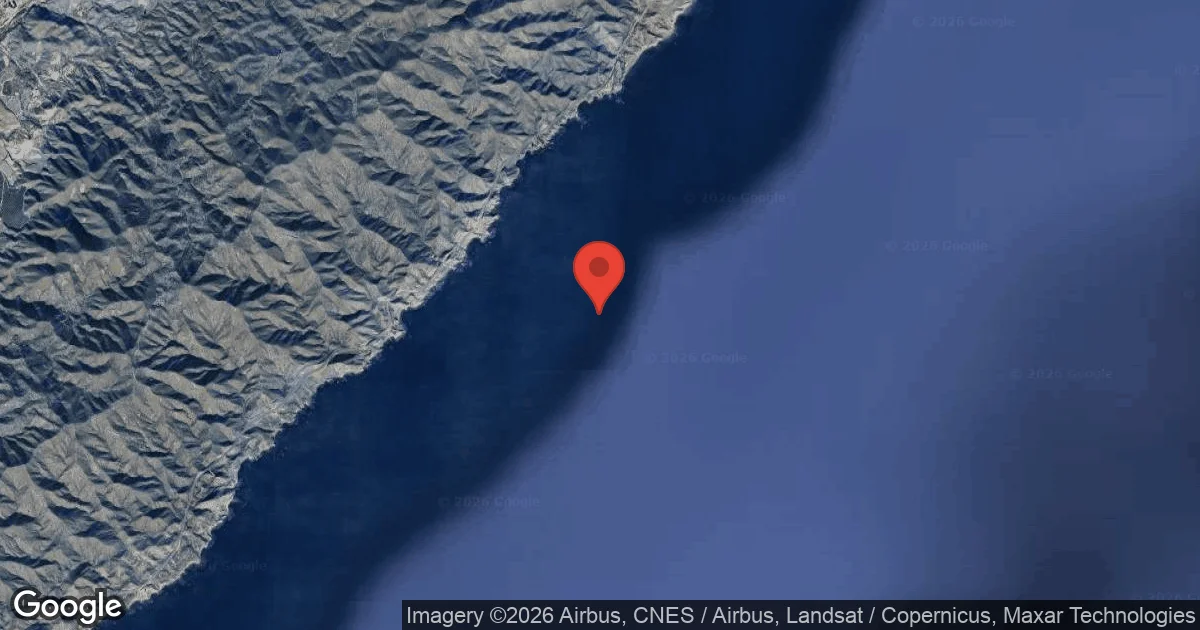
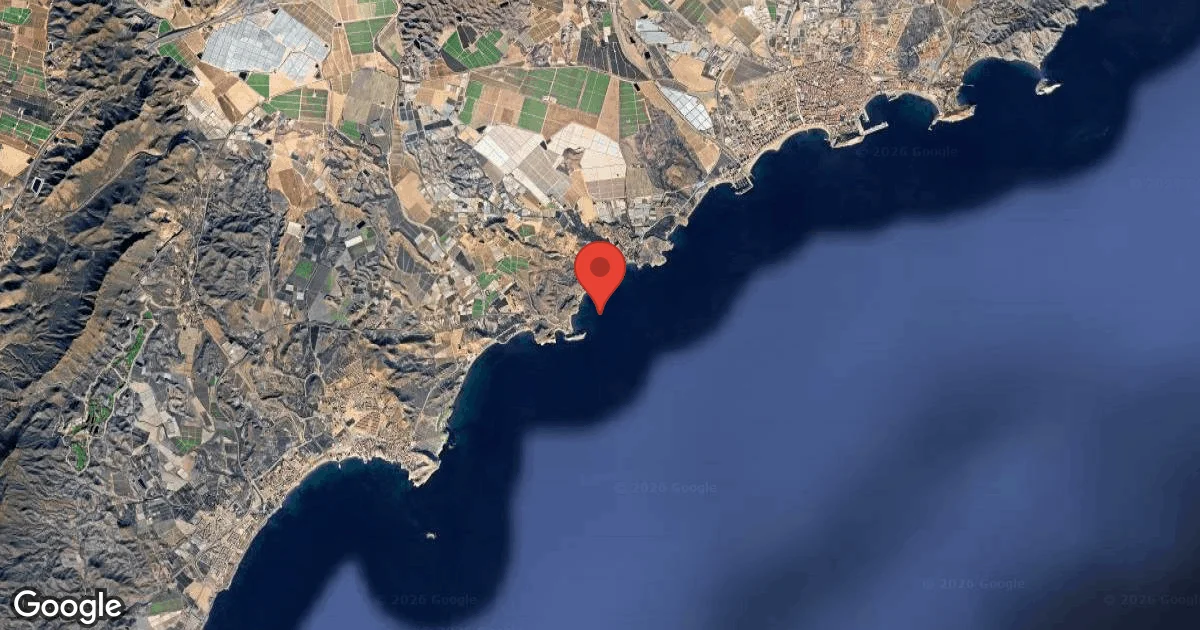
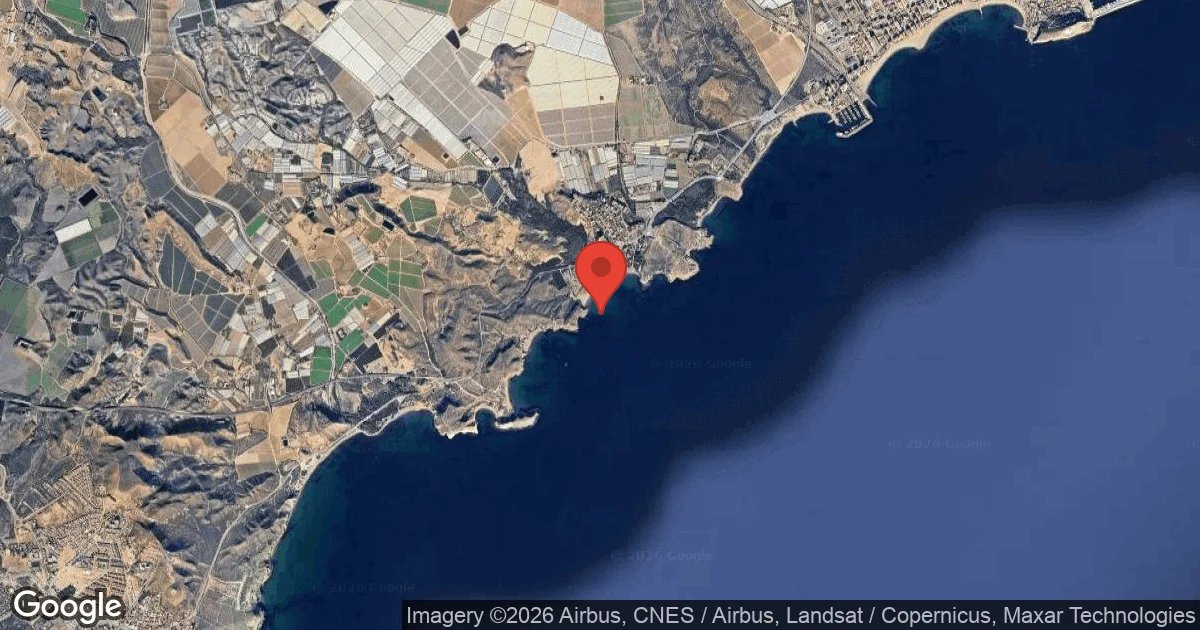
Divers typically arrive by boat, descending into saltwater to discover these diverse features and the intricate relationship between artificial and natural structures. The site is classified as both a wreck and pinnacle dive, suggesting varied underwater topography where the vessel isn't the sole point of interest; exploration here feels like a journey through different geological ages. Found off the coast of Villaricos in the Costa Del Sol region, the maximum depth is 25 m (82 ft), making it suitable for experienced recreational divers.
This depth provides ample bottom time for exploring both the vessel's exterior and the surrounding formations, perhaps even allowing for careful penetration for those with appropriate training and equipment. Deliberate placement of the wreck implies potential for creating stable habitats and interesting navigation paths, drawing diverse marine life to its sheltering structure.
Observing the interplay of light and shadow across the slabs and within the wreck adds another dimension to the dive experience. A combination of structured elements and natural terrain makes for a continuously engaging underwater environment.
Conditions are Moderate
Optimal conditions expected
Current conditions near Bajos Gaudel Chiribito show 20° air, 26° sea temperature, 1.2 m waves, and 35 km/h wind. Forecast data is refreshed regularly to ensure accuracy.
Best Time to Dive
For a comfortable and rewarding dive experience at Bajos Gaudel Chiribito, planning your visit during the warmer months, particularly July and August, is often preferred. During these periods, air temperatures average around 27°C (81°F), creating pleasant surface conditions before and after your dive. Wave heights tend to be lower, generally around 0.6 meters, contributing to smoother boat entries and exits. Rainfall is minimal from summer through autumn, with August experiencing the lowest levels. Dive scores remain consistently good throughout the year, even excellent in December, indicating favorable conditions can be found across seasons. While specific water temperatures are not consistently reported, the generally mild climate suggests reasonable diving conditions year-round, with peak comfort in late summer and early autumn.
PEAK SEASON SCORE
Scores combine air & water temps, waves, wind & rainfall for overall conditions.
BEST MONTHS TO DIVE
Monthly records compiled from satellite and marine observation nodes over the last 3 years. Data provided by Open-Meteo and MET Norway.
Dive Experience & Conditions
Descending into Bajos Gaudel Chiribito, divers immediately notice the unique interplay between the sunken wreck and the surrounding geological slabs. This distinct orography provides a sensory contrast to other dive sites, feeling like a journey through both history and natural architecture. The maximum depth of 25 m (82 ft) allows for exploration of both shallower sections of the wreck and the deeper slab formations. As a boat entry site, surface conditions typically dictate ease of access, but underwater currents are not consistently reported and may vary. Navigating the wreck requires attentiveness to its structure, while the slabs offer fascinating contours and potential crevices. Expect saltwater conditions, typical for the Mediterranean Sea, where visibility can often provide clear views of the site's varied terrain.
Dive Difficulty & Safety Guidelines
Diving at Bajos Gaudel Chiribito necessitates a PADI Advanced Open Water Diver certification due to its maximum depth of 25 m (82 ft) and the complexities inherent in wreck and pinnacle diving. Adhering to boat entry protocols is crucial, ensuring a safe and organized start and finish to each dive. Given the nature of a sunken wreck, maintaining proper buoyancy control is paramount to prevent accidental contact with the structure and avoid stirring up sediment.
Divers should always be aware of their surroundings, particularly when exploring enclosed or intricate sections of the wreck. Although specific hazards are not consistently reported, standard safety practices for wreck diving, such as conservative bottom times and monitoring air consumption, are highly recommended.
Recommended Equipment
Overhead / entanglement risk. Wreck penetration requires proper training.
- Dive Computer
- DSMB
- Primary & Backup Lights
- Wreck Reel
- Cutting Tool
This gear list is based on verified equipment signals for Bajos Gaudel Chiribito, Spain. Always confirm final gear choices with your dive operator, guide, or liveaboard.
Recommended Dive Suit
A warming trend is expected over the next few days. A warming trend is expected over the next few days.
Two divers in the same water temperature may experience very different comfort levels.
Many divers find that 2-3mm shorty or light wetsuit offers the right level of insulation for conditions like these. Surface intervals may feel cooler. The latest environmental readings for Bajos Gaudel Chiribito suggest water temperatures around 26°C (79°F). Surface air temperatures are resting at 20°C (68°F).
Emergency & Medical Support
Essential information to help you plan your dive trip to Bajos Gaudel Chiribito.

Hyperbaric chambers are a critical part of dive safety infrastructure. Availability varies significantly by region, and not all dive areas have immediate access.
Before diving, it's recommended to:
- confirm nearest medical facilities
- check emergency procedures with local dive operators
- ensure dive insurance covers evacuation if required
Divers Alert Network
Diving emergency assistance available through DAN Europe.
+39 0642115685- 24/7 emergency hotline
- Diving medical assistance
- Evacuation coordination
Emergency contacts are provided for reference. Always verify local emergency services before diving.
Marine Life at Bajos Gaudel Chiribito
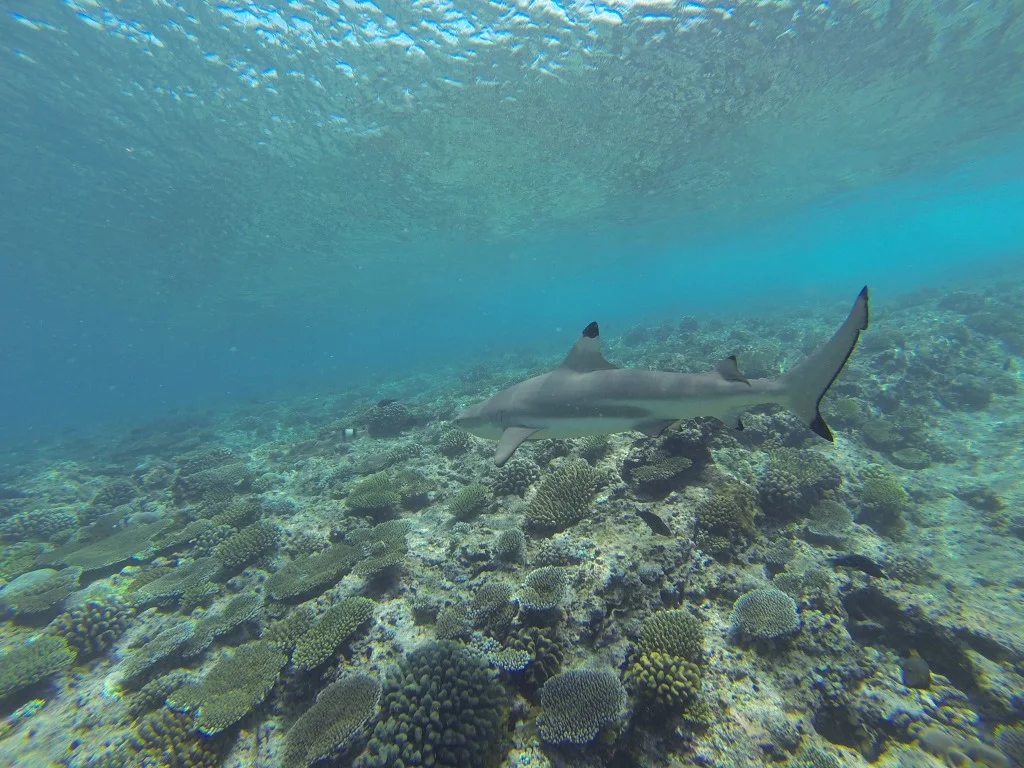
While navigating Bajos Gaudel Chiribito, the deliberately sunken wreck and varied slab formations create an attractive habitat for diverse marine life. The structural elements of the wreck itself often act as shelter for smaller species, drawing in larger predators.
Divers might observe various fish species taking refuge in the wreck's crevices or along the rugged edges of the unique slabs. Regionally, there are general reports of sightings including sharks, whales, dolphins, and turtles, though their presence on this specific site can be sporadic.
Pay close attention to the nooks and crannies of the unique orography; these areas often harbor smaller, less conspicuous organisms that add to the site's biodiversity.
Dive Sites Near Bajos Gaudel Chiribito
View all dive sites in SpainDiscover more underwater gems in this area.
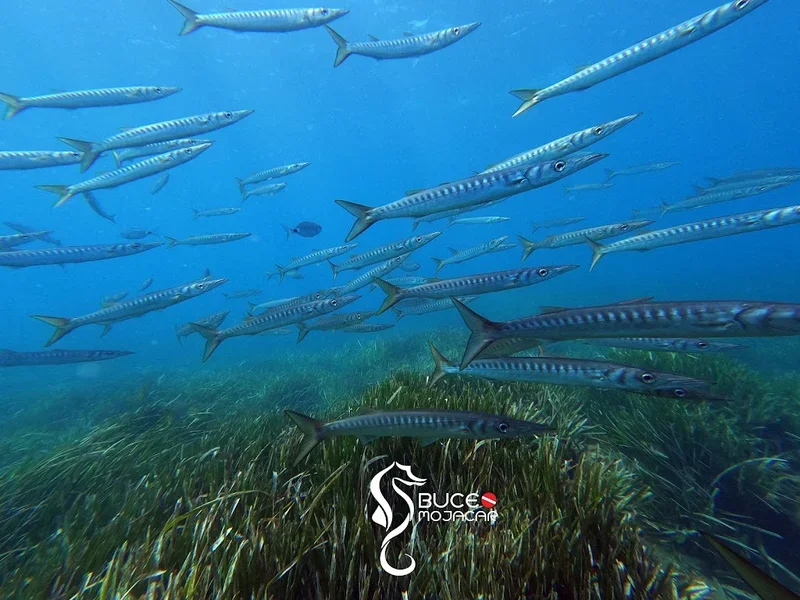
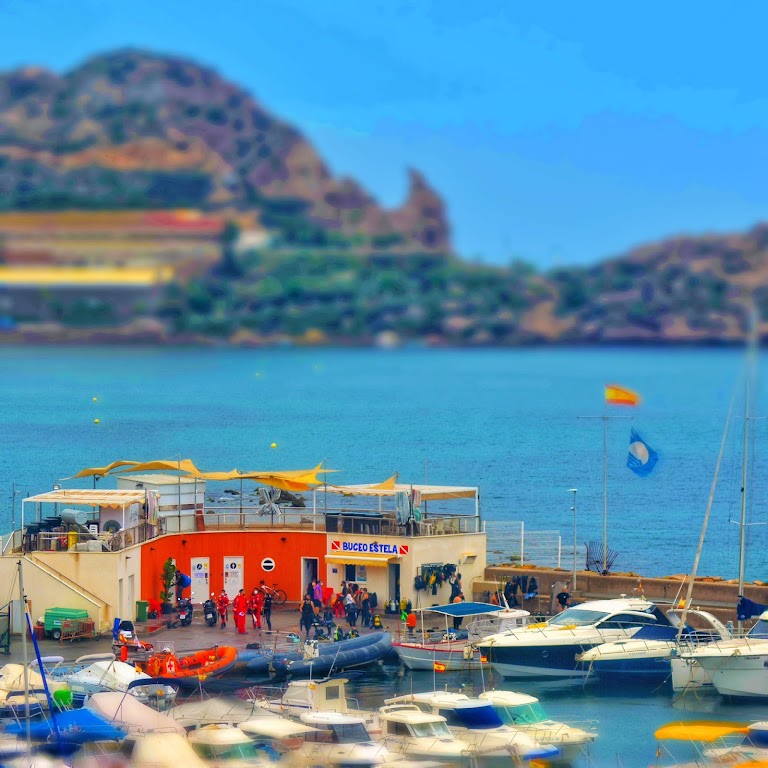
Dive Centers Near Bajos Gaudel Chiribito
Nearest Airports
Nearest airports to help plan travel to this dive area.
Search Flights
Check available flights and routes on Expedia, using the nearby airports listed in this section.
Search Flights on ExpediaFrequently Asked Questions
What dive certification is required for Bajos Gaudel Chiribito?
A PADI Advanced Open Water Diver certification is recommended. The site's maximum depth and the nature of wreck and pinnacle diving require advanced skills and experience.
What kind of dive site is Bajos Gaudel Chiribito?
This site is classified as both a wreck and a pinnacle dive. It features the remains of a deliberately sunken vessel surrounded by unique geological slab formations, offering a varied underwater experience.
What is the maximum depth at Bajos Gaudel Chiribito?
The site's maximum depth falls within a typical recreational range, allowing for thorough exploration of both the wreck and its surrounding structures.
How do divers access Bajos Gaudel Chiribito?
Divers typically access Bajos Gaudel Chiribito by boat. There is no shore or beach entry reported for this site.
What equipment is recommended for diving here?
A Surface Marker Buoy (SMB) is recommended for surface signaling. A torch is also highly suggested for exploring the darker areas of the wreck and crevices within the slab formations.
What marine life can I expect to see at Bajos Gaudel Chiribito?
The wreck and its surrounding unique slab formations attract various marine life seeking shelter and food. While regional sightings include sharks, whales, dolphins, and turtles, divers will likely observe various fish species and smaller organisms inhabiting the structures. Bajos Gaudel Chiribito is found near Villaricos, within the broader Costa Del Sol region of Spain, and is accessible via boat from local dive operators.
Where is Bajos Gaudel Chiribito located?
Bajos Gaudel Chiribito is found near Villaricos, within the broader Costa Del Sol region of Spain. It's a boat dive accessible from local dive operators.
Planning to dive Bajos Gaudel Chiribito?
Send one inquiry and receive offers directly from the best verified local dive operators.
Conditions are Moderate
Optimal conditions expected
Current conditions near Bajos Gaudel Chiribito show 20° air, 26° sea temperature, 1.2 m waves, and 35 km/h wind. Forecast data is refreshed regularly to ensure accuracy.