
Diving at Bateas (Spain)
Diving at BATEAS provides a unique entry into Galicia’s underwater environment, where the human element intertwines with marine ecosystems. It's an opportunity to observe mussel farm structures from beneath, revealing a world often overlooked by surface observers. Divers here experience a fascinating interplay of light and life, characteristic of the region’s coastal waters.
Tonight's objective overview for Bateas shows an air temperature of 15°C. The measured surface conditions include wave heights around 0.9 m. This environmental data is logged for the close of the day.
Dive Site Location & Key Facts
Dive Site Overview
Exploring beneath active mussel farm structures defines the BATEAS dive. These floating installations, vital to local aquaculture, send numerous ropes downwards, transforming into both cultivation sites and dynamic underwater habitats.
Observing this from the seafloor creates a distinctive visual spectacle; striking backlighting illuminates the diverse marine life colonizing these lines. Located in Galicia, diving here often takes the form of a drift, allowing currents to guide divers through an environment blending industrial elements with natural processes. The structures themselves function as extensive artificial reefs, attracting a wide array of species and providing essential shelter.
Each descent becomes a journey through a living, evolving ecosystem, where the lines teem with growth. Divers typically encounter a sandy bottom transitioning to areas with rock beds, adding to the varied terrain. Expect an immersive perspective on coastal aquaculture, a departure from typical reef explorations.
Conditions are Good
07:00 - 14:00
Optimal conditions expected
Current conditions near Bateas show 15° air, 14° sea temperature, 1.0 m waves, and 22 km/h wind. Forecast data is refreshed regularly to ensure accuracy.
Best Time to Dive
Planning a dive to BATEAS is best during the summer months, from June through August, when dive conditions typically register as 'Good'. Air temperatures during this period range comfortably from 19.5-21°C (67-70°F). Rain is minimal, often less than 2 mm (0.08 inches), contributing to more predictable surface conditions. Wave heights are also at their lowest, averaging between 0.8 and 1.0 meters (2.6-3.3 ft), making boat entries and exits smoother. While water temperatures aren't consistently reported, the warmer air and calmer seas of summer generally indicate more favorable underwater comfort. The 'Moderate' periods extend into spring and early autumn, specifically April, May, September, October, November, and December, though with slightly higher chances of rain and choppier seas.
PEAK SEASON SCORE
Scores combine air & water temps, waves, wind & rainfall for overall conditions.
BEST MONTHS TO DIVE
Monthly records compiled from satellite and marine observation nodes over the last 3 years. Data provided by Open-Meteo and MET Norway.
Dive Experience & Conditions
Typically, dives around the BATEAS structures involve a drift profile, allowing currents to guide exploration along the ropes and suspended farms. This method offers a dynamic view of the underwater landscape, as divers move past the cultivation lines and the marine growth covering them. While no specific maximum depth is consistently reported for BATEAS itself, similar local batea dives are within recreational depth limits, often reaching shallower sections down to around 16 meters (52 feet). The underwater environment often features a sandy bottom transitioning to areas with rock beds nearby, providing varied terrain for marine inhabitants. Visibility can vary depending on local weather and currents, but conditions generally permit clear observation of the structures and their associated life.
Dive Difficulty & Safety Guidelines
Diving BATEAS, particularly as a drift dive, implies certain considerations for diver safety and skill. An Open Water Diver certification is generally suitable for exploring sites like these in the region. Divers should be comfortable with drift diving techniques, including buoyancy control in currents and maintaining group cohesion.
Local dive operators will provide comprehensive briefings on current patterns and entry/exit procedures. While there are no specific hazards consistently reported for this site beyond general drift diving precautions, always follow the dive leader's instructions and stay aware of your surroundings near the large, tethered structures. It’s always prudent to dive with a local guide familiar with the specific conditions.
Recommended Equipment
Current and surface separation risk. Local briefing strongly recommended.
- Dive Computer
- DSMB
- Reel / Spool
This gear list is based on verified equipment signals for Bateas, Spain. Always confirm final gear choices with your dive operator, guide, or liveaboard.
Recommended Dive Suit
With water temperatures around 14°C (57°F), many divers find a 7mm wetsuit or semidry provides comfortable protection.
Being prepared with flexible exposure options is a common approach among experienced divers.
Surface conditions are expected to warm up slightly in the coming days. A warming trend is expected over the next few days.
Emergency & Medical Support
Essential information to help you plan your dive trip to BATEAS.

Hyperbaric chambers are a critical part of dive safety infrastructure. Availability varies significantly by region, and not all dive areas have immediate access.
Before diving, it's recommended to:
- confirm nearest medical facilities
- check emergency procedures with local dive operators
- ensure dive insurance covers evacuation if required
Divers Alert Network
Diving emergency assistance available through DAN Europe.
+39 0642115685- 24/7 emergency hotline
- Diving medical assistance
- Evacuation coordination
Emergency contacts are provided for reference. Always verify local emergency services before diving.
Marine Life at Bateas
BATEAS structures function as an artificial reef, drawing in and protecting diverse marine life. Closely examining the ropes and suspended surfaces unveils various sessile organisms and smaller fish seeking refuge.
Light filtering through the floating farms creates intriguing silhouettes and potential hiding spots. Detailed species lists for BATEAS are not consistently reported, yet Galician waters generally host a diversity of species, including various fish, crustaceans, and occasionally larger pelagic visitors.
Exploring the sandy bottom and rocky beds adjacent to the farms can also uncover different benthic creatures, offering a contrast to life directly on the cultivation lines.
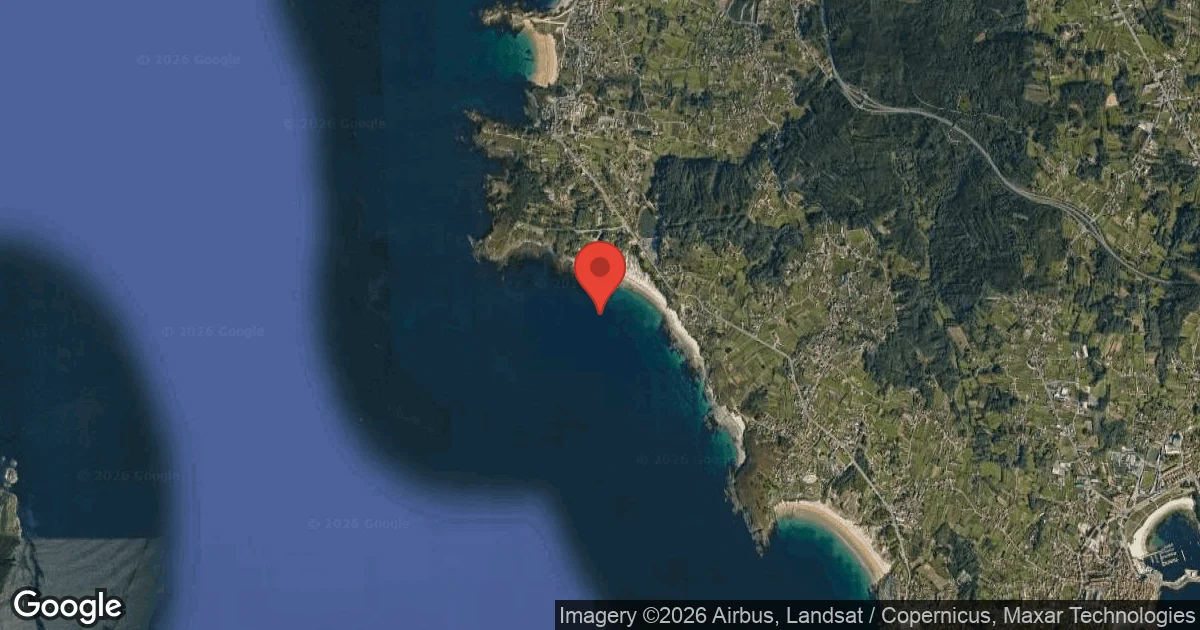
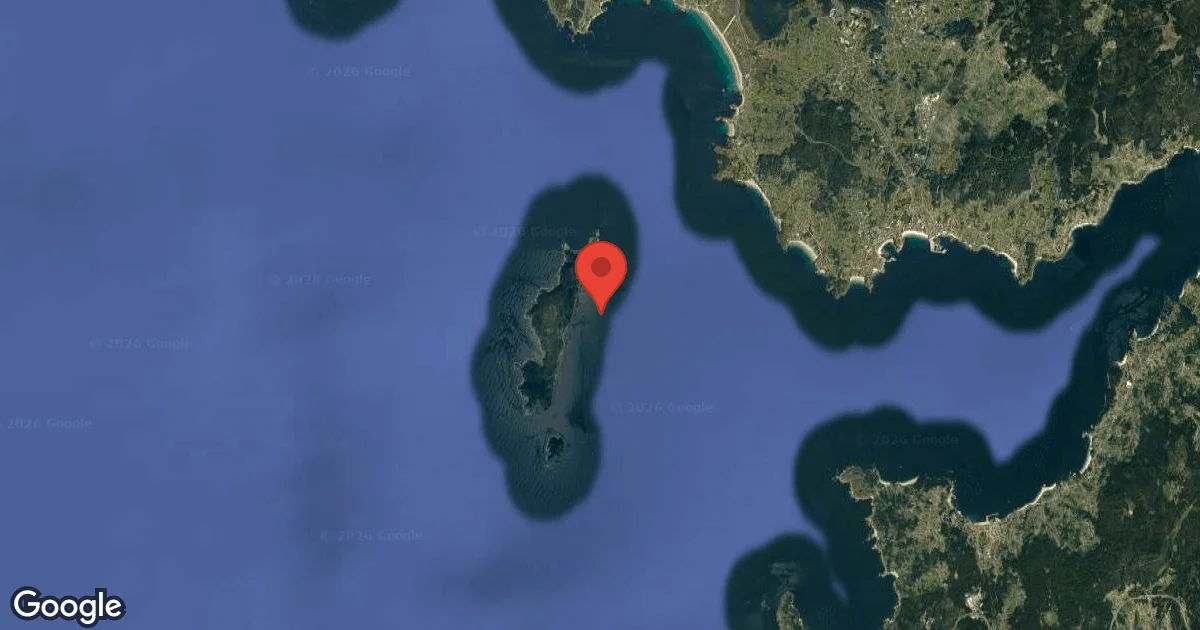
Dive Sites Near Bateas
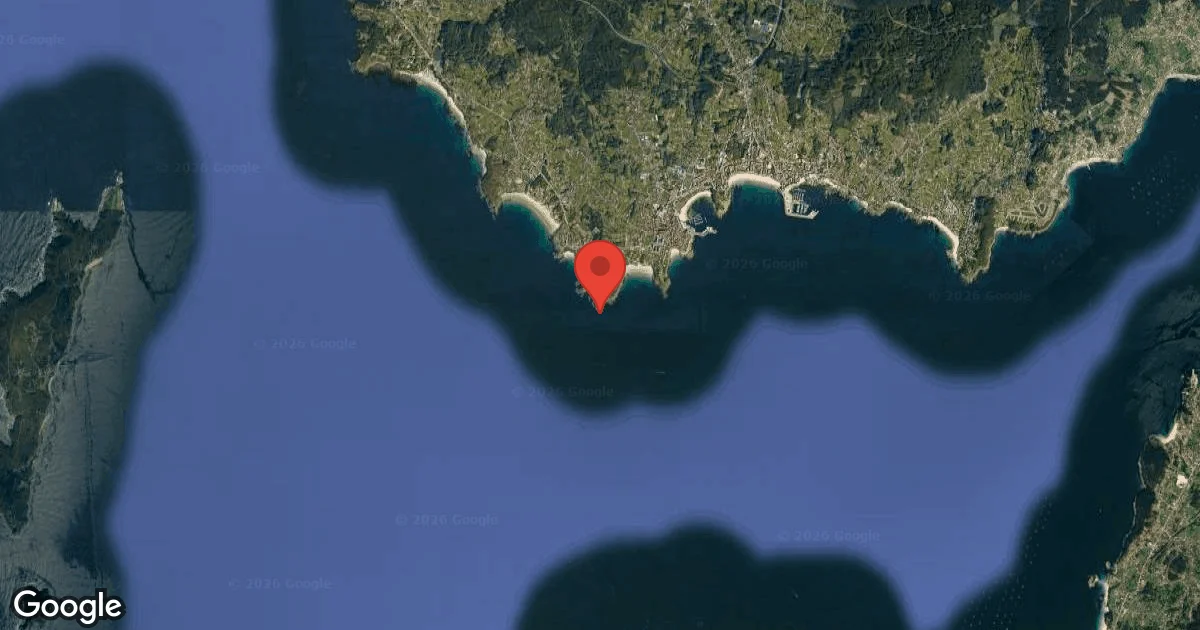
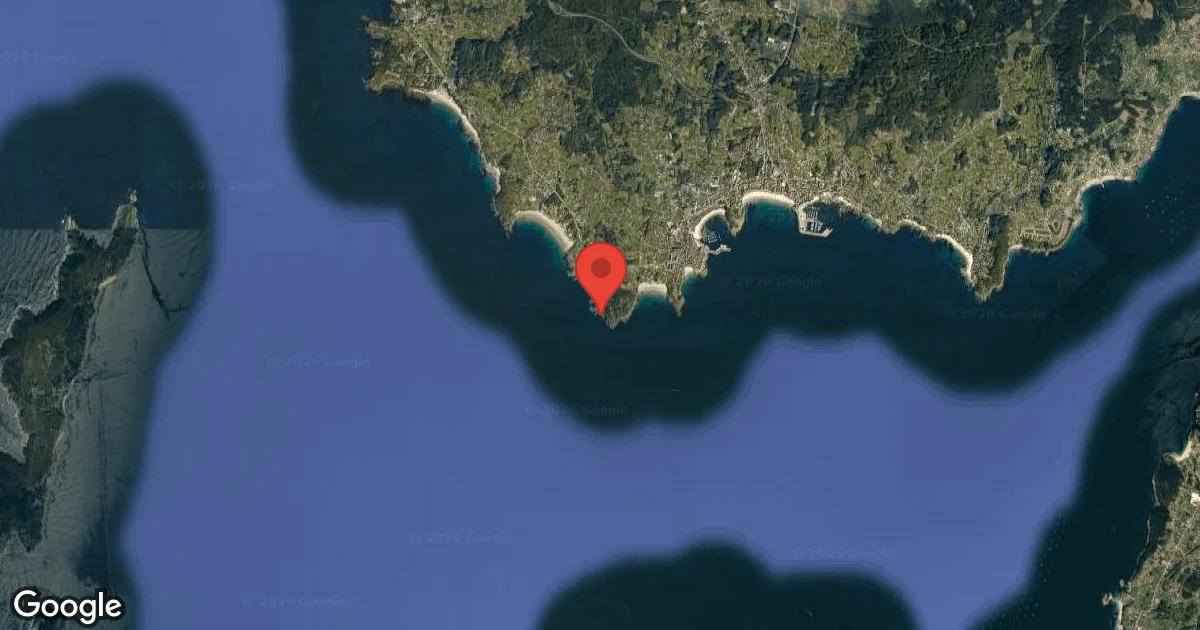
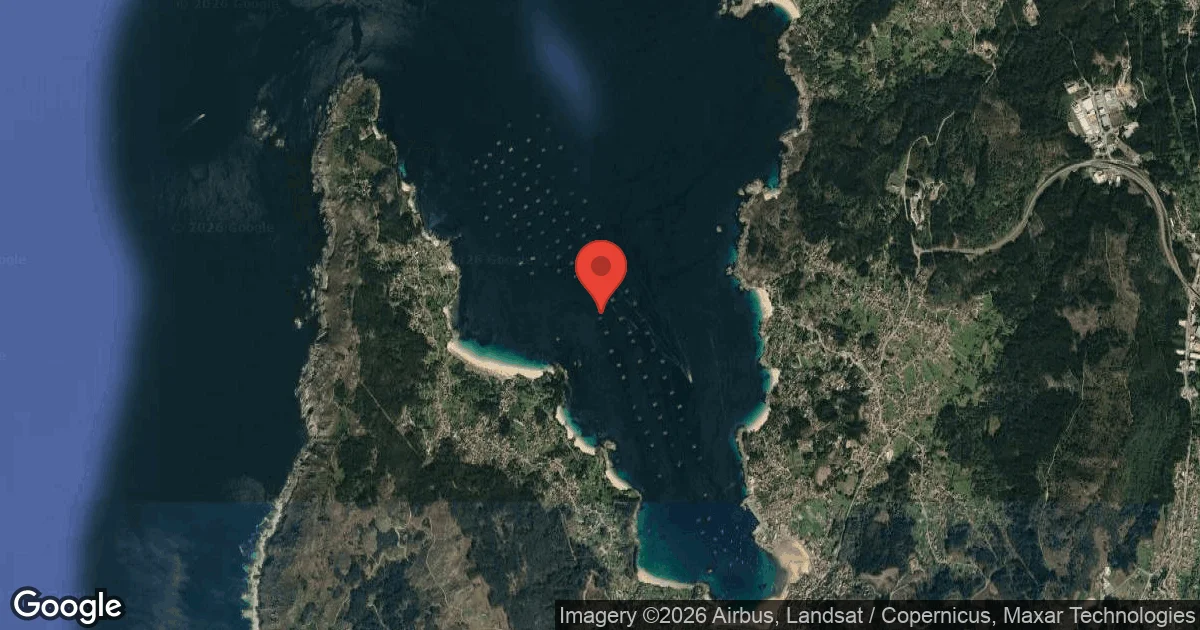
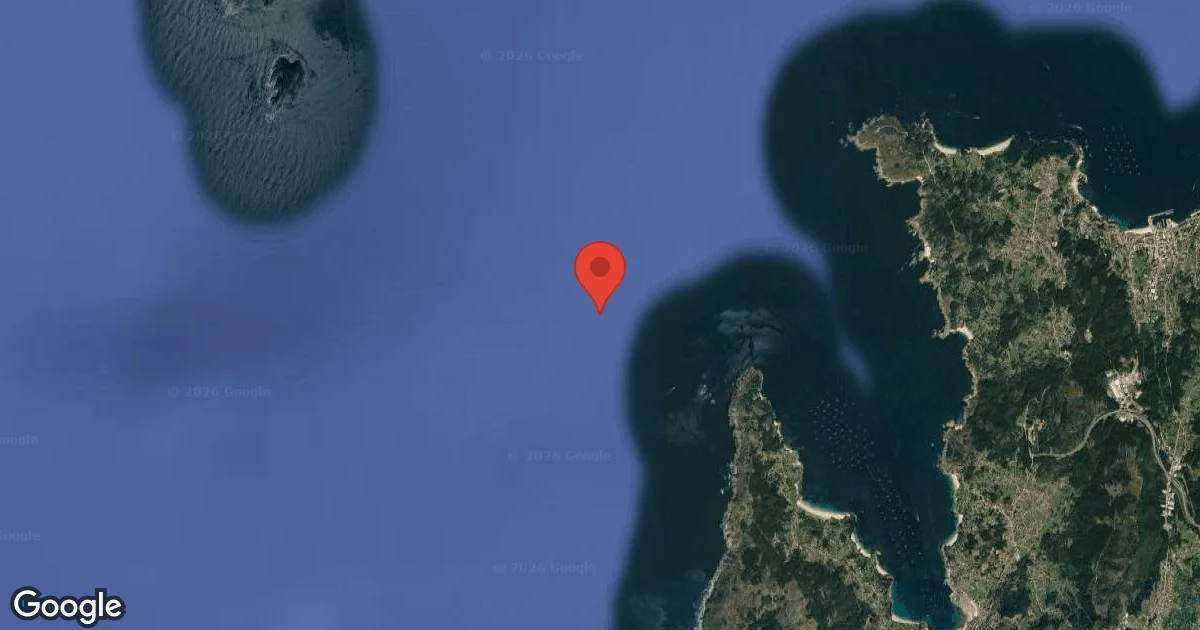
View all dive sites in SpainDiscover more underwater gems in this area.
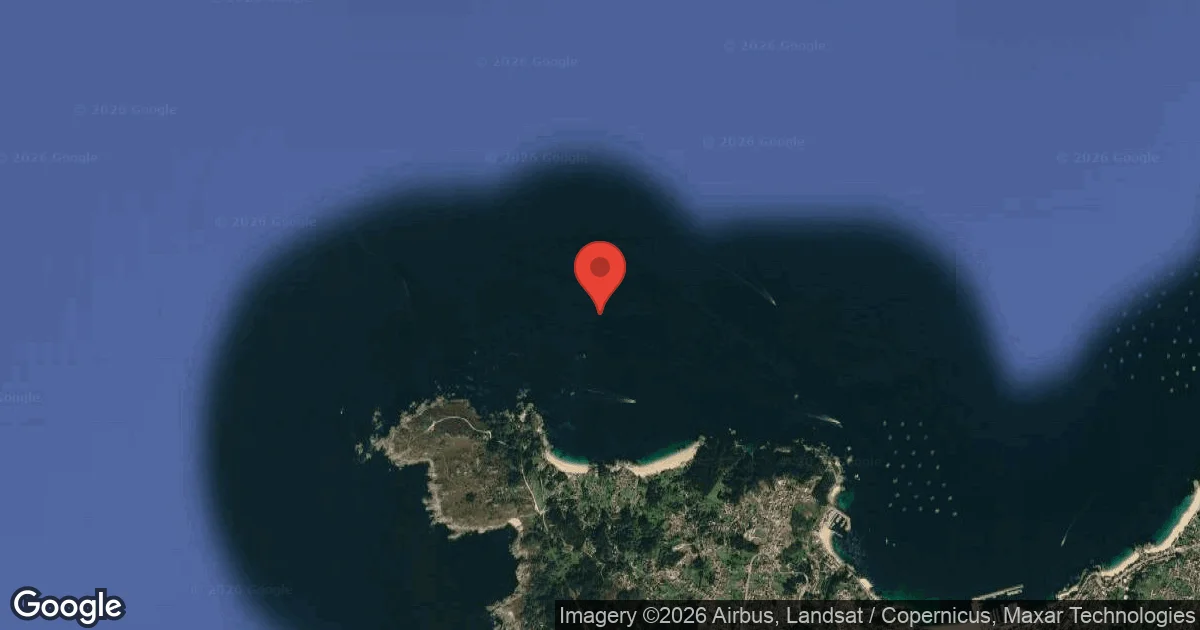
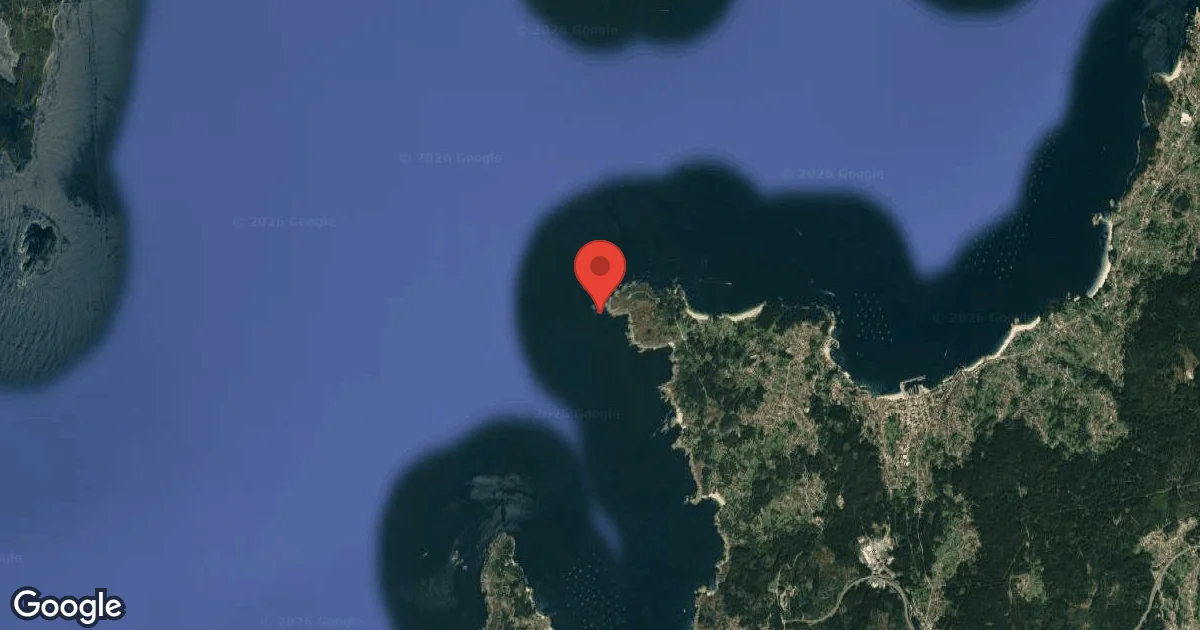
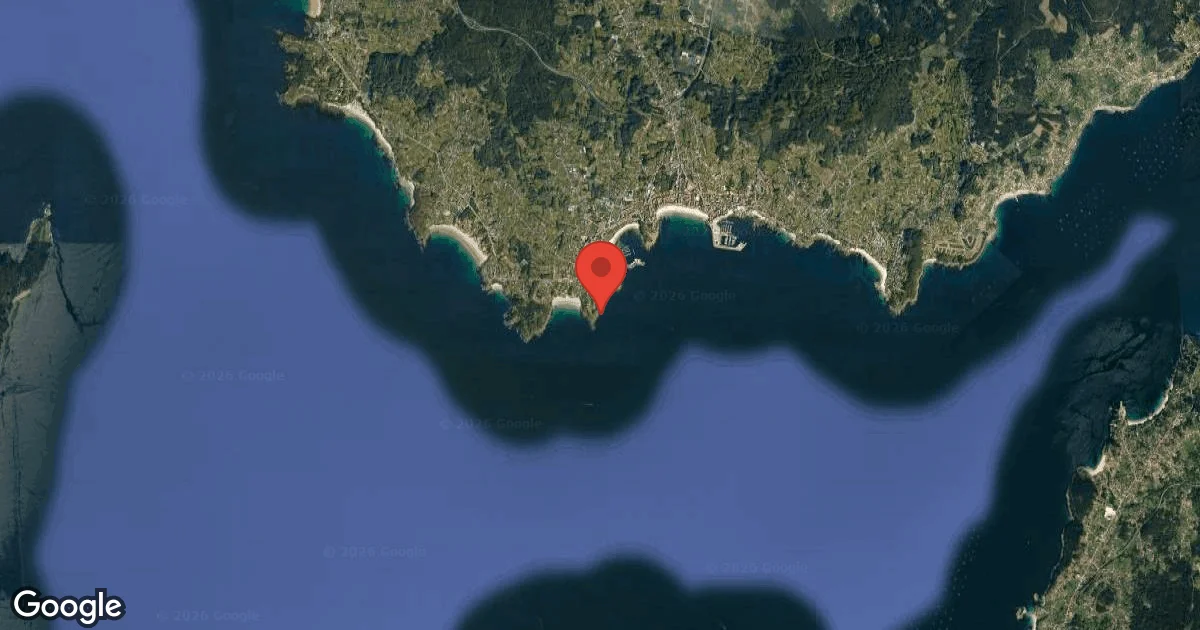
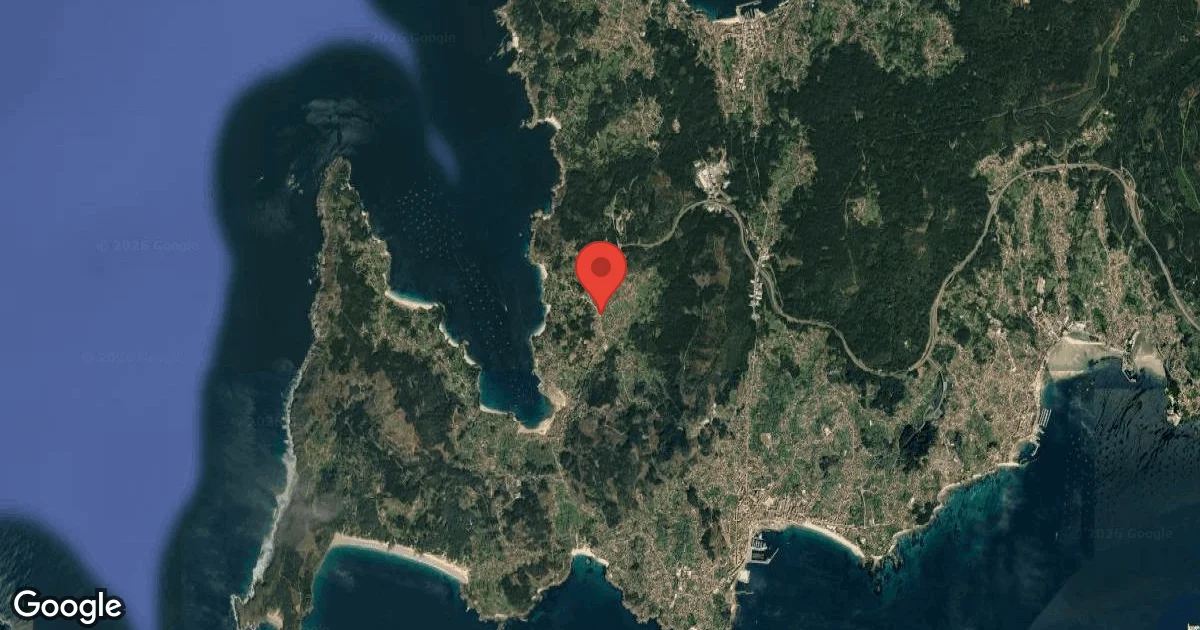
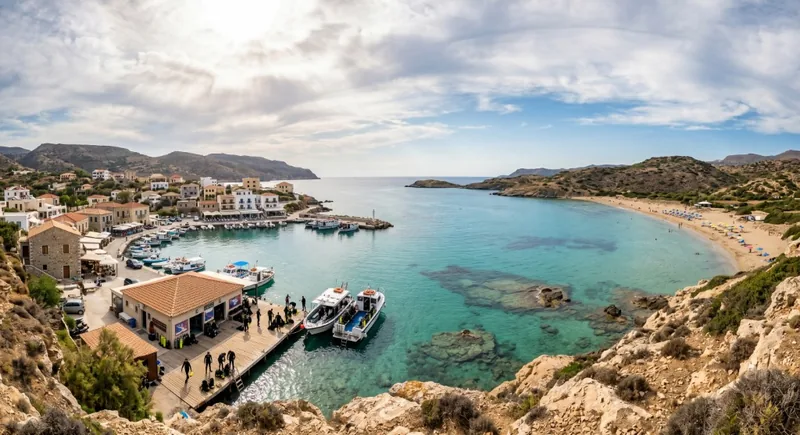
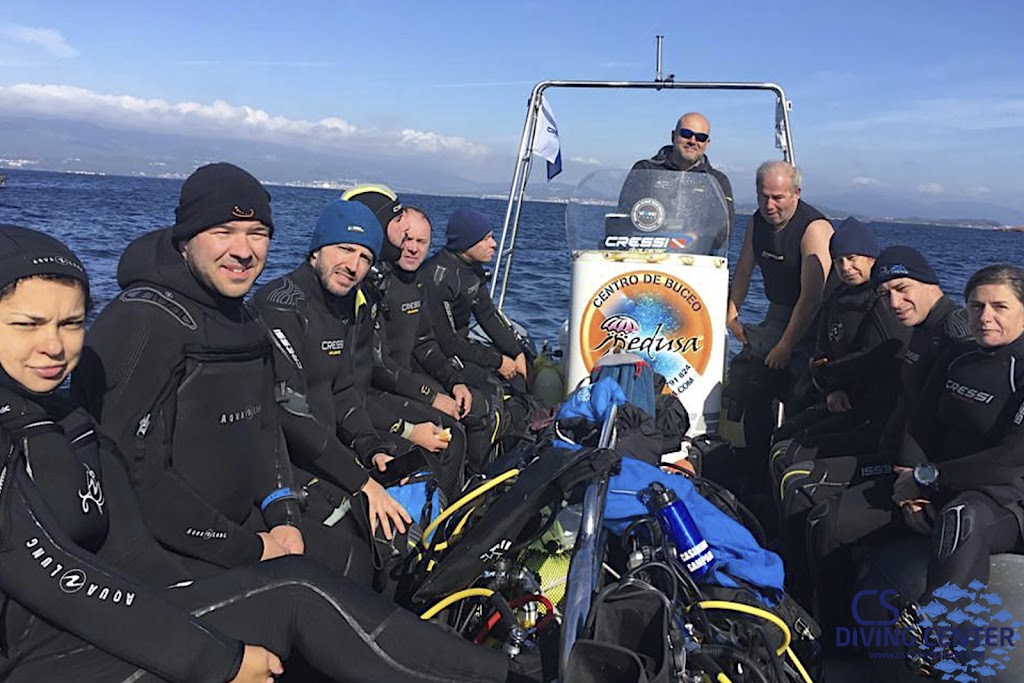
Dive Centers Near Bateas
Nearest Airports
Nearest airports to help plan travel to this dive area.
Search Flights
Check available flights and routes on Expedia, using the nearby airports listed in this section.
Search Flights on ExpediaFrequently Asked Questions
What kind of dive is typically done at BATEAS?
Diving at BATEAS is primarily a drift dive. Divers typically use prevailing currents to glide along, observing the mussel farm structures and their marine inhabitants.
What are 'bateas' in the context of diving?
Bateas are floating wooden structures used for mussel cultivation. Underwater, they consist of ropes that hang down, acting as artificial reefs and providing a unique visual experience due to backlighting from the surface.
What are the best months for diving at BATEAS?
Summer months, from June to August, are typically best for diving BATEAS. Air temperatures are warmer during this period, rainfall is minimal, and wave heights are generally lower, leading to more favorable conditions.
Is specific training required for BATEAS?
While an Open Water Diver certification is generally sufficient for many regional sites, being comfortable with drift diving techniques is beneficial for BATEAS. Always check with your local dive center for specific recommendations based on current conditions.
What is the typical depth range for diving at BATEAS?
Depths around BATEAS generally fall within recreational dive limits. While no specific maximum depth is reported for this exact site, similar local batea dives often explore shallower sections, possibly down to around 16 meters (52 feet).
What marine life can I expect to see?
Mussel farm structures attract various marine life, serving as an artificial reef. Expect to see different fish and crustaceans sheltering among the ropes and their growth. Galician waters also support a diverse ecosystem.
Planning to dive Bateas?
Send one inquiry and receive offers directly from the best verified local dive operators.
Conditions are Good
07:00 - 14:00
Optimal conditions expected
Current conditions near Bateas show 15° air, 14° sea temperature, 1.0 m waves, and 22 km/h wind. Forecast data is refreshed regularly to ensure accuracy.