
Diving at Pecio Cordero Gonzalez (Spain)
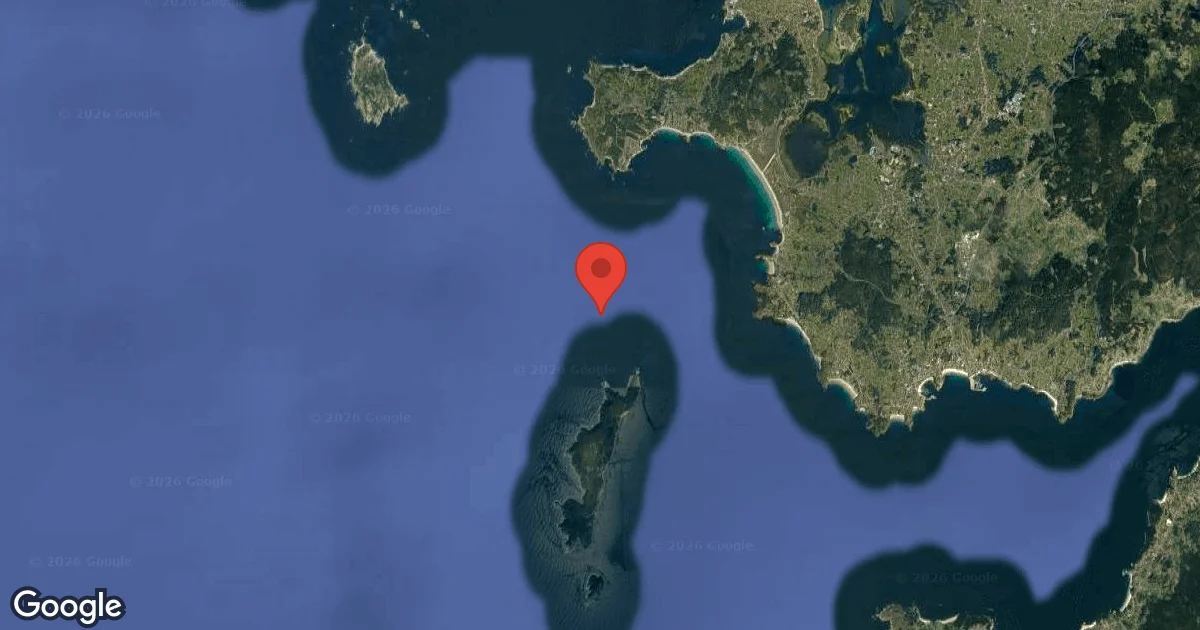
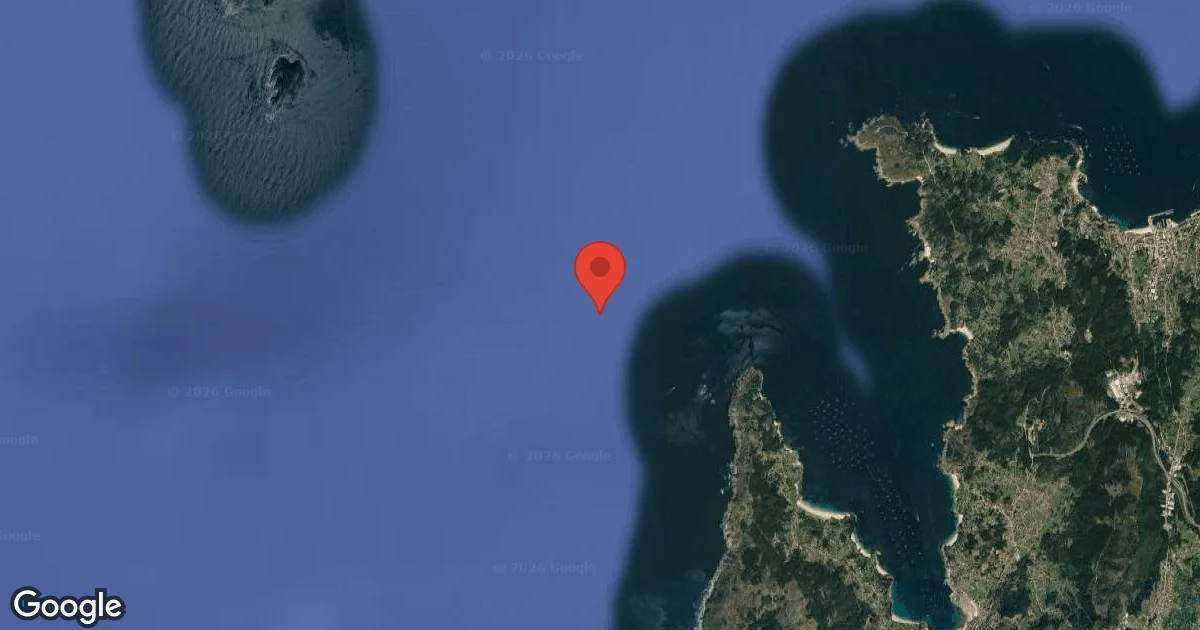
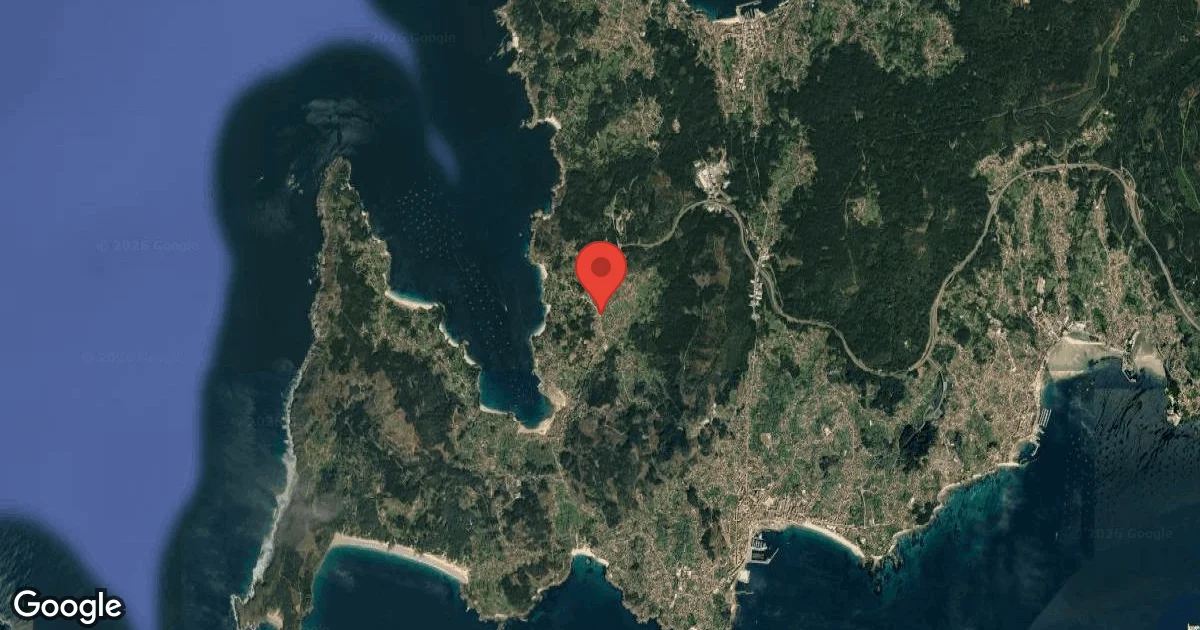
Near the eastern face of Isla de Ons, off the coast of Pontevedra, Spain, lies the Pecio Cordero Gonzalez. A metal shipwreck, it rests at a maximum depth of 27 m (89 ft). Sinking on August 31, 1975, after a collision, its remains now form a compelling artificial reef. Found on a bed of very fine sand, it serves as a significant landmark for advanced divers exploring the waters of Galicia.
Evening condition tracking at Pecio Cordero Gonzalez features an air temperature of 24.5°C. We have recorded wave heights measuring 1.6 m during this period. These figures outline the environmental parameters currently present.
Dive Site Location & Key Facts
Dive Site Overview
Descending upon the Pecio Cordero Gonzalez offers a compelling journey back to 1975, the year this vessel met its fate through collision. Approximately 28 meters (92 ft) long, the substantial metal wreck now rests upright on a bed of very fine sand near Isla de Ons' eastern face.
Divers encounter a largely intact main hull, yet numerous openings and access points invite close inspection. Structural breaks create natural swim-throughs and sheltered nooks, providing engaging points of interest throughout a dive. Beyond being a static piece of history, the Cordero Gonzalez is an evolving habitat, with resilient surfaces colonized by vibrant marine growth.
Exploring its entirety is manageable; the area is compact enough for thorough investigation during a single dive. Composed of very fine sand, the surrounding seafloor requires precise buoyancy control to avoid disturbing visibility.
At a maximum depth of 27 m (89 ft), the site positions itself as an advanced dive, demanding experience in managing depth and potential thermal considerations in Galicia's often cooler waters. Its detailed structure promises an engaging experience for those prepared.
Conditions are Good
Optimal conditions expected
Current conditions near Pecio Cordero Gonzalez show 25° air, 16° sea temperature, 1.7 m waves, and 26 km/h wind. Forecast data is refreshed regularly to ensure accuracy.
Best Time to Dive
Optimal diving conditions at Pecio Cordero Gonzalez often align with periods of calmer seas and reduced rainfall, which typically enhance underwater visibility. While water temperature isn't consistently reported across the year, specific autumn reports indicate around 13°C (55°F). Air temperatures are most favorable from June to September, ranging from 18-21°C (64-70°F), correlating with lower wave heights, averaging 1.3-1.9 m (4.3-6.2 ft), and minimal rainfall, around 0.6-4.4 mm. Conversely, winter months present significantly less favorable conditions with higher wave heights, up to 3.8 m (12.5 ft), increased wind speeds, and substantial rainfall, making dive scores 'Unsafe' or 'Poor'. Spring and late autumn see moderate conditions; however, historical reports have noted visibility as low as 5 m (16 ft) in October. Therefore, planning dives between June and September is generally recommended for the best chance of clear sightlines and more comfortable topside weather, although local conditions can always vary.
PEAK SEASON SCORE
Scores combine air & water temps, waves, wind & rainfall for overall conditions.
BEST MONTHS TO DIVE
Monthly records compiled from satellite and marine observation nodes over the last 3 years. Data provided by Open-Meteo and MET Norway.
Dive Experience & Conditions
Reaching 27 m (89 ft), the Pecio Cordero Gonzalez's depth profile is a primary factor classifying it as an advanced dive. Such depths necessitate careful bottom time management and appropriate air consumption planning. Lying on a bed of extremely fine sand, the wreck demands excellent buoyancy control; disturbance can rapidly reduce visibility. While specific current reports vary, one October dive noted no significant currents. Conditions aren't consistently challenging, though divers should always be prepared for potential changes, especially given its coastal location. Numerous points of interest arise from the metal wreck's structural integrity, including many hiding spots for marine life. However, exploring internal spaces demands advanced wreck diving skills and specialized training.
Dive Difficulty & Safety Guidelines
Approaching the Pecio Cordero Gonzalez demands a solid understanding of advanced diving protocols. This site's inherent depth requires divers to be properly certified and experienced in deep diving. Buoyancy control is paramount due to the fine, silty sand surrounding the wreck; accidental contact can drastically reduce visibility for everyone.
While currents were not reported during one dive, conditions can change, so it's advisable to assess local currents before entry. Penetration of the wreck is not generally recommended without specific wreck diving training and appropriate equipment, as the structural integrity and internal layout can pose entanglement and disorientation risks.
Always dive with a reliable buddy and carry appropriate safety gear, including a dive computer and surface marker buoy. A thorough pre-dive briefing from a local guide is crucial to understand site-specific hazards and current conditions.
Recommended Equipment
Overhead / entanglement risk. Wreck penetration requires proper training.
- Dive Computer
- Primary & Backup Lights
- Wreck Reel
- Cutting Tool
This gear list is based on verified equipment signals for Pecio Cordero Gonzalez, Spain. Always confirm final gear choices with your dive operator, guide, or liveaboard.
Recommended Dive Suit
Experienced divers often bring flexible gear options.
Environmental readings suggest that the waters surrounding Pecio Cordero Gonzalez are about 16°C (60°F) at the moment. Surface air temperatures are resting at 25°C (76°F). Divers who spend longer periods underwater often choose 5-7mm wetsuit. Consider warmer surface protection (like a boat coat) due to brisk winds.
A warming trend is expected over the next few days. A warming trend is expected over the next few days.
Emergency & Medical Support
Essential information to help you plan your dive trip to Pecio Cordero Gonzalez.

Hyperbaric chambers are a critical part of dive safety infrastructure. Availability varies significantly by region, and not all dive areas have immediate access.
Before diving, it's recommended to:
- confirm nearest medical facilities
- check emergency procedures with local dive operators
- ensure dive insurance covers evacuation if required
Divers Alert Network
Diving emergency assistance available through DAN Europe.
+39 0642115685- 24/7 emergency hotline
- Diving medical assistance
- Evacuation coordination
Emergency contacts are provided for reference. Always verify local emergency services before diving.
Marine Life at Pecio Cordero Gonzalez
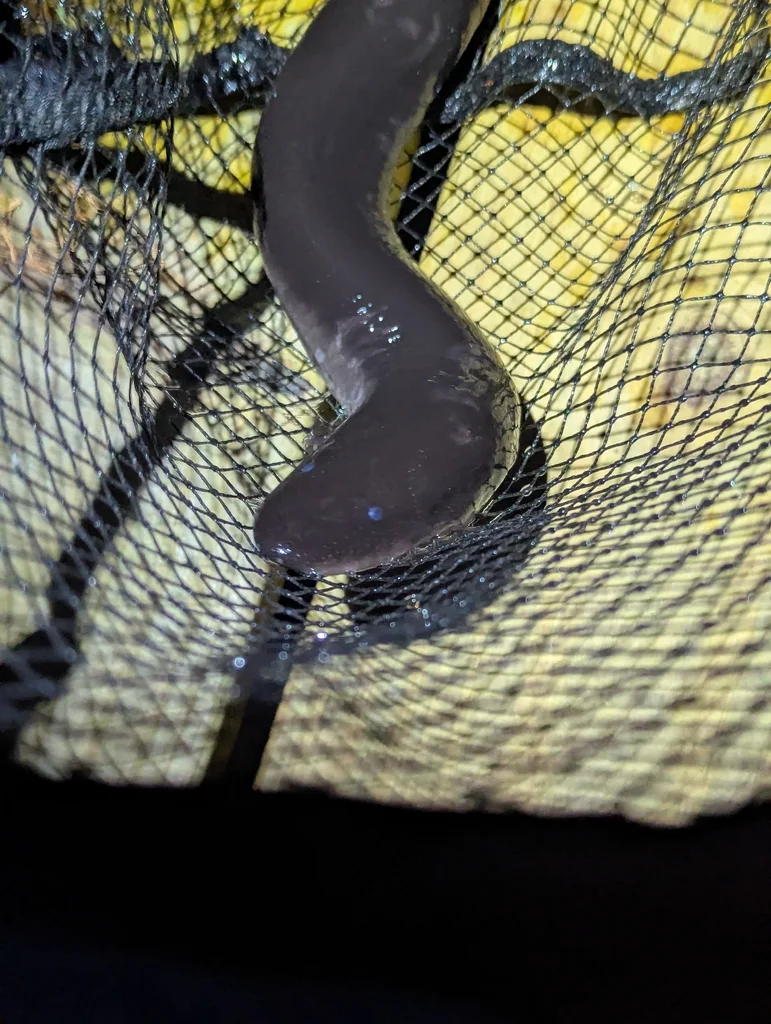
Serving as a vital refuge, the Pecio Cordero Gonzalez's metal wreck is blanketed with life, supporting a diverse range of marine species. Its many nooks and openings are particularly favored by large conger eels, frequently observed by divers.
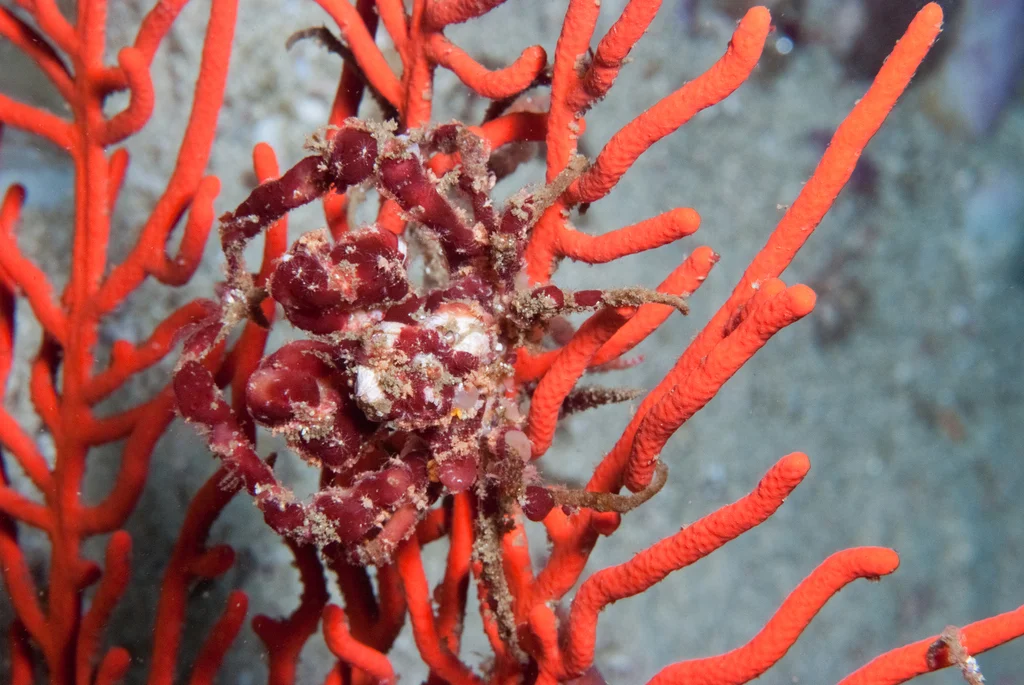
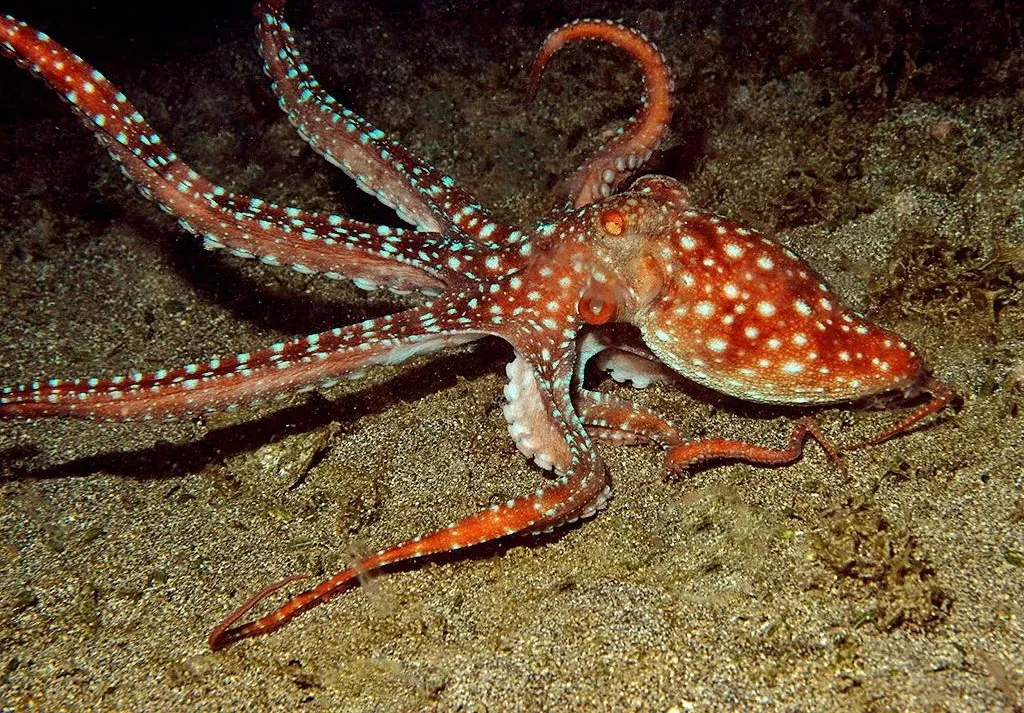
Beyond these impressive residents, significant schools of fanecas, galanos, and occasionally the distinctive St. Peter's fish inhabit the wreck and surrounding sandy bottom. Spider crabs (centollas) and octopuses can be found navigating the structure.
Vibrant gorgonians often cover the wreck, adding color to the metal, while sea carrots (Veretillum cynomoriym) frequently carpet the fine sandy seafloor, contributing to the site's unique ecosystem.

Dive Sites Near Pecio Cordero Gonzalez
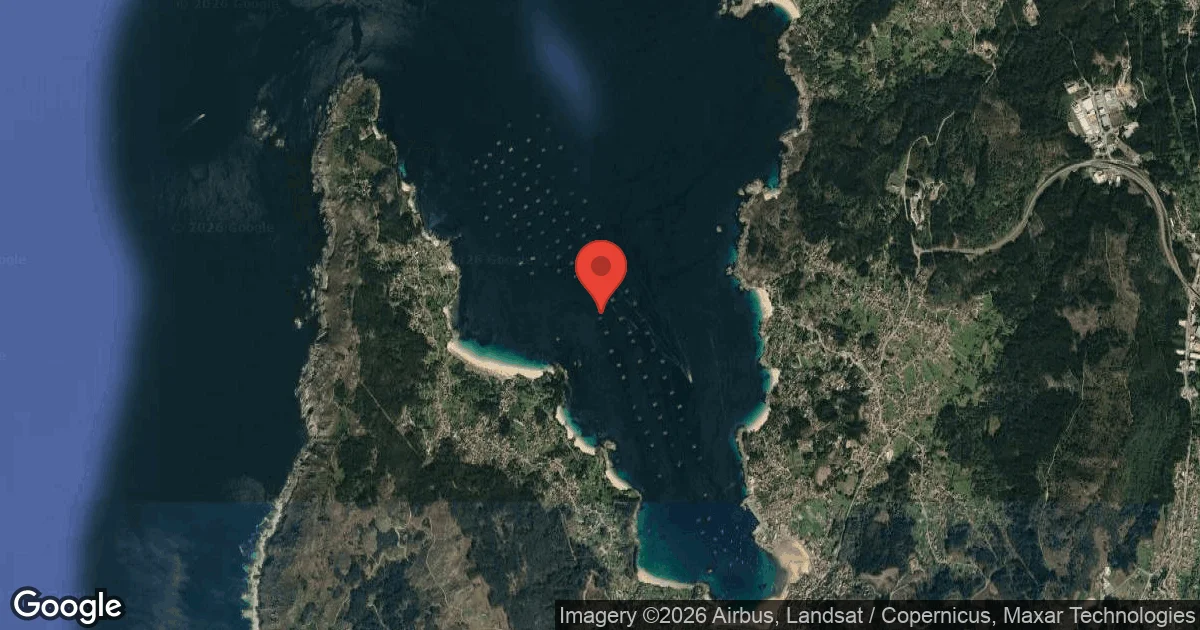
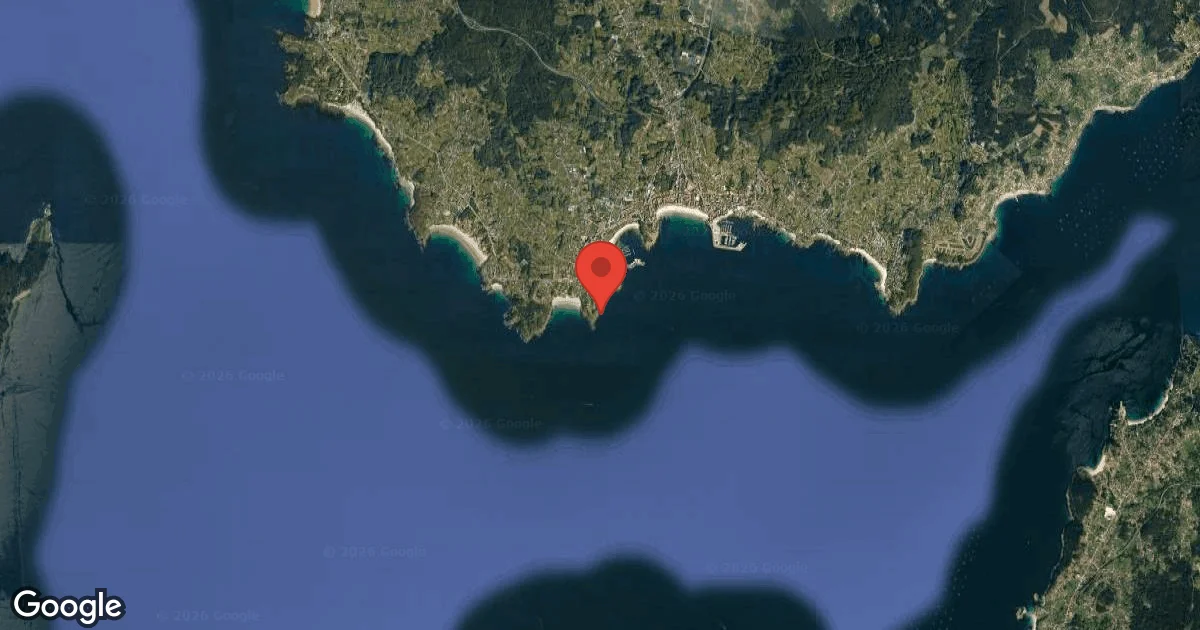
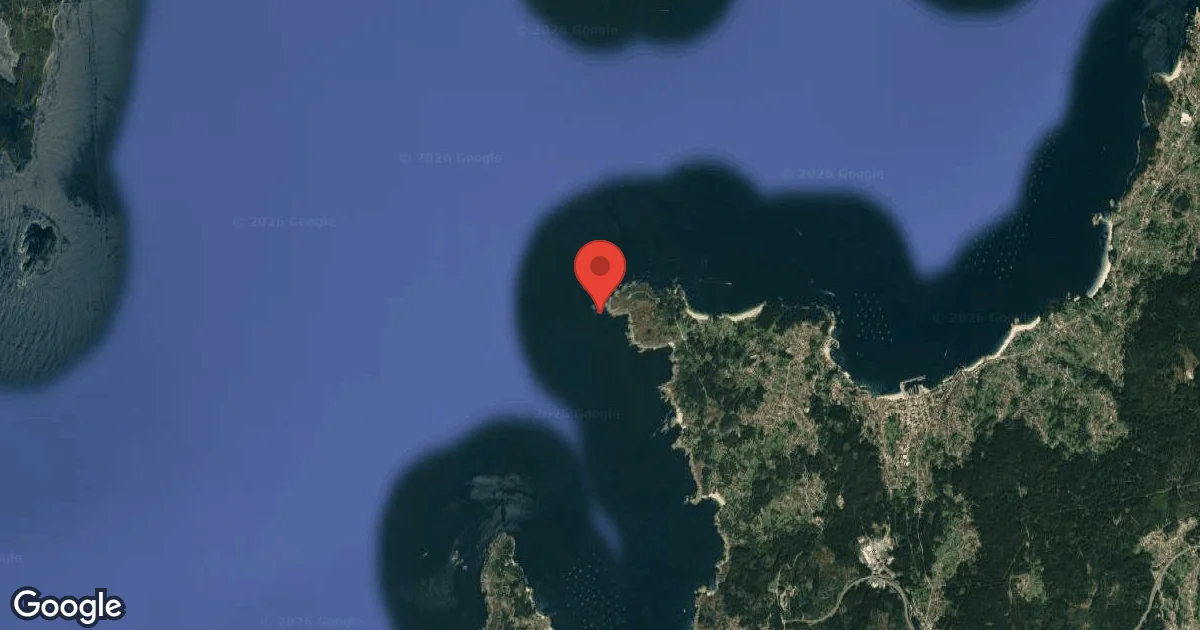
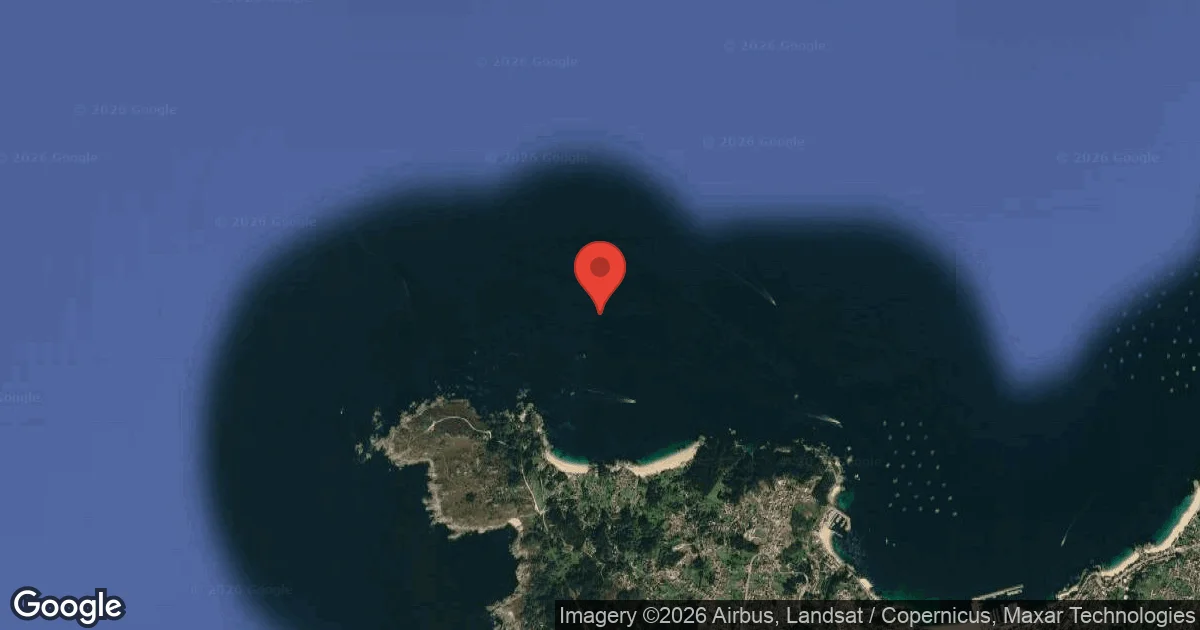
View all dive sites in SpainDiscover more underwater gems in this area.
Dive Centers Near Pecio Cordero Gonzalez
Nearest Airports
Nearest airports to help plan travel to this dive area.
Search Flights
Check available flights and routes on Expedia, using the nearby airports listed in this section.
Search Flights on ExpediaFrequently Asked Questions
Is Pecio Cordero Gonzalez suitable for beginner divers?
No, this dive site is explicitly for advanced divers due to its maximum depth of 27 m (89 ft). The requirement for precise buoyancy control on the fine sandy bottom also adds to the challenge.
What is the maximum depth of the wreck?
The Pecio Cordero Gonzalez rests at a maximum depth of 27 m (89 ft). This depth places it within the advanced diving category.
When is the best time of year to dive this wreck?
The period from June to September generally offers the best conditions for diving, with calmer seas, higher air temperatures, and less rainfall. Visibility tends to be better during these months.
What kind of marine life can be expected at the wreck?
Divers can expect to see conger eels, schools of fanecas and galanos, octopuses, and spider crabs. The wreck is also adorned with gorgonians and the surrounding sand is home to sea carrots.
Is wreck penetration allowed or recommended?
Penetration of the Pecio Cordero Gonzalez is not generally recommended without specialized wreck diving training. The internal layout can pose risks of entanglement and disorientation.
What are the primary challenges at this dive site?
The main challenges include the advanced depth, the need for perfect buoyancy control to manage the fine sandy bottom, and potentially variable visibility. Divers should also be prepared for cooler water temperatures.
What is the structure of the Pecio Cordero Gonzalez?
It is a metal wreck, approximately 28 meters (92 ft) long, that sank in 1975 after a collision. It features numerous openings and is largely intact, serving as a complex artificial reef structure.
Planning to dive Pecio Cordero Gonzalez?
Send one inquiry and receive offers directly from the best verified local dive operators.
Conditions are Good
Optimal conditions expected
Current conditions near Pecio Cordero Gonzalez show 25° air, 16° sea temperature, 1.7 m waves, and 26 km/h wind. Forecast data is refreshed regularly to ensure accuracy.