
Diving at Batea Cabezos (Spain)
Anticipate the unique interplay of structure and light on a descent at Batea Cabezos. A distinct underwater landscape awaits, where natural sandy bottom and rocky formations converge with captivating shadows from mussel-cultivating platforms. This experience offers varied topography, a chance to observe how marine life adapts to both natural and artificial reef environments. Prepare for a dive revealing diverse perspectives.
As evening covers Batea Cabezos, the local air temperature is measured at 15°C. The current wave height at the surface is recorded at 1.2 m. These late-day readings characterize the surface conditions for the night.
Dive Site Location & Key Facts
Dive Site Overview
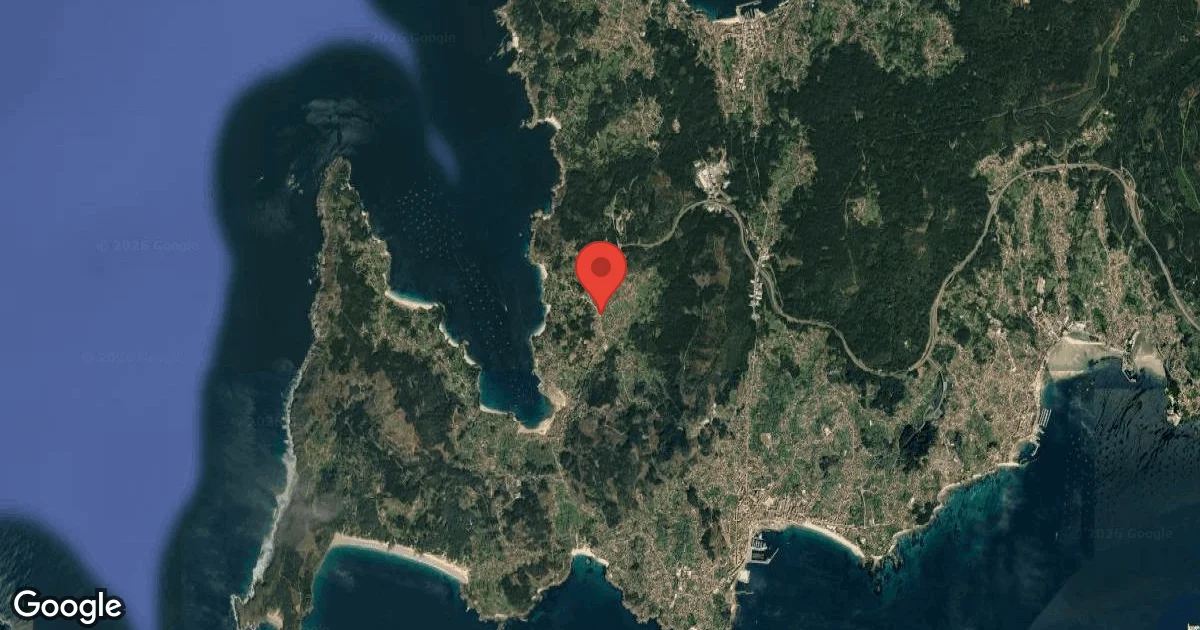
Batea Cabezos presents a mixed topographical dive, characterized by both expansive sandy bottoms and intriguing wall formations. Located in Ria de Vigo, Galicia, access is primarily via boat.
Divers will descend onto a sandy seabed, discovering rocky structures situated just a few meters from the bottom, providing habitat for a greater concentration of marine organisms.
Additionally, the site incorporates the unique element of 'bateas'—floating platforms used for mussel cultivation. Ropes extend from these structures into the water column, creating a fascinating visual effect with light and shadow, attracting a variety of life.
A typical dive profile begins over sand and rock, leading towards wall sections. While an explicit maximum depth isn't consistently reported, the site accommodates divers certified to Open Water Diver standards, implying explorations generally within 18 m (60 ft) for sandy areas, with wall sections potentially extending deeper and requiring appropriate experience. Drift diving may be a possibility depending on local currents.
Conditions are Good
Optimal conditions expected
Current conditions near Batea Cabezos show 15° air, 15° sea temperature, 1.6 m waves, and 25 km/h wind. Forecast data is refreshed regularly to ensure accuracy.
Best Time to Dive
Planning a dive at Batea Cabezos means considering conditions that favor clearer visibility and calmer seas. June, July, and August generally offer optimal diving opportunities, consistently rated 'Good' in terms of overall conditions. During this summer period, air temperatures are warmer, averaging around 19°C (66°F) to 20.5°C (69°F), with significantly lower rainfall, typically less than 2.1 mm (0.08 in) in June and July. Wave heights also reach their lowest, averaging around 1.2 to 1.4 m (3.9-4.6 ft), which contributes to improved visibility. Conversely, winter months from December to March experience higher average wave heights, increased wind speeds, and greater rainfall, rendering conditions less favorable for diving.
PEAK SEASON SCORE
Scores combine air & water temps, waves, wind & rainfall for overall conditions.
BEST MONTHS TO DIVE
Monthly records compiled from satellite and marine observation nodes over the last 3 years. Data provided by Open-Meteo and MET Norway.
Dive Experience & Conditions
Accessing Batea Cabezos typically involves a boat entry, allowing divers effective positioning over chosen site sections. Once submerged, water temperature isn't consistently reported but varies seasonally. Visibility can fluctuate, with reports indicating a medium range of around 10 m (33 ft) under certain conditions. Expect a saltwater environment. Dives progress from a sandy bottom where rocky outcrops emerge, providing focal points for exploration. For divers exploring wall sections, an opportunity exists to observe different ecosystems compared to the open sand. While not always present, currents can occur, particularly if drift diving is planned, so always check local reports.
Dive Difficulty & Safety Guidelines
Ensuring a safe dive at Batea Cabezos necessitates awareness of local conditions, especially regarding currents which can vary. While no specific hazards are reported in our database, it's always prudent for divers to consult with local dive professionals familiar with the site and its present state before entering the water. Adherence to standard safe diving practices is paramount.
Considering the potential for deeper sections along the wall, divers should be comfortable with their buoyancy control and depth limits, especially if venturing beyond the 18 m (60 ft) common for sandy areas. PADI Open Water Diver training is considered useful for this site, suggesting a recreational dive profile.
Recommended Equipment
- Dive Computer
- DSMB
This gear list is based on verified equipment signals for Batea Cabezos, Spain. Always confirm final gear choices with your dive operator, guide, or liveaboard.
Recommended Dive Suit
5-7mm wetsuit is often considered an appropriate level of exposure protection for conditions like these. A hood or vest is suggested for sensitive divers due to surface winds. A thermal robe or jacket is recommended between dives.
Divers entering the water at Batea Cabezos today can expect temperatures near 15°C (59°F) beneath the surface. Surface air temperatures are resting at 15°C (59°F).
Environmental models indicate a modest warming trend ahead. A warming trend is expected over the next few days.
Emergency & Medical Support
Essential information to help you plan your dive trip to Batea Cabezos.

Hyperbaric chambers are a critical part of dive safety infrastructure. Availability varies significantly by region, and not all dive areas have immediate access.
Before diving, it's recommended to:
- confirm nearest medical facilities
- check emergency procedures with local dive operators
- ensure dive insurance covers evacuation if required
Divers Alert Network
Diving emergency assistance available through DAN Europe.
+39 0642115685- 24/7 emergency hotline
- Diving medical assistance
- Evacuation coordination
Emergency contacts are provided for reference. Always verify local emergency services before diving.
Marine Life at Batea Cabezos
Descending into Batea Cabezos, divers might first notice the interplay of light and shadow created by the mussel bateas, which in turn attracts specific marine life. Rocky areas within the sandy bottom often serve as local hubs for smaller creatures.
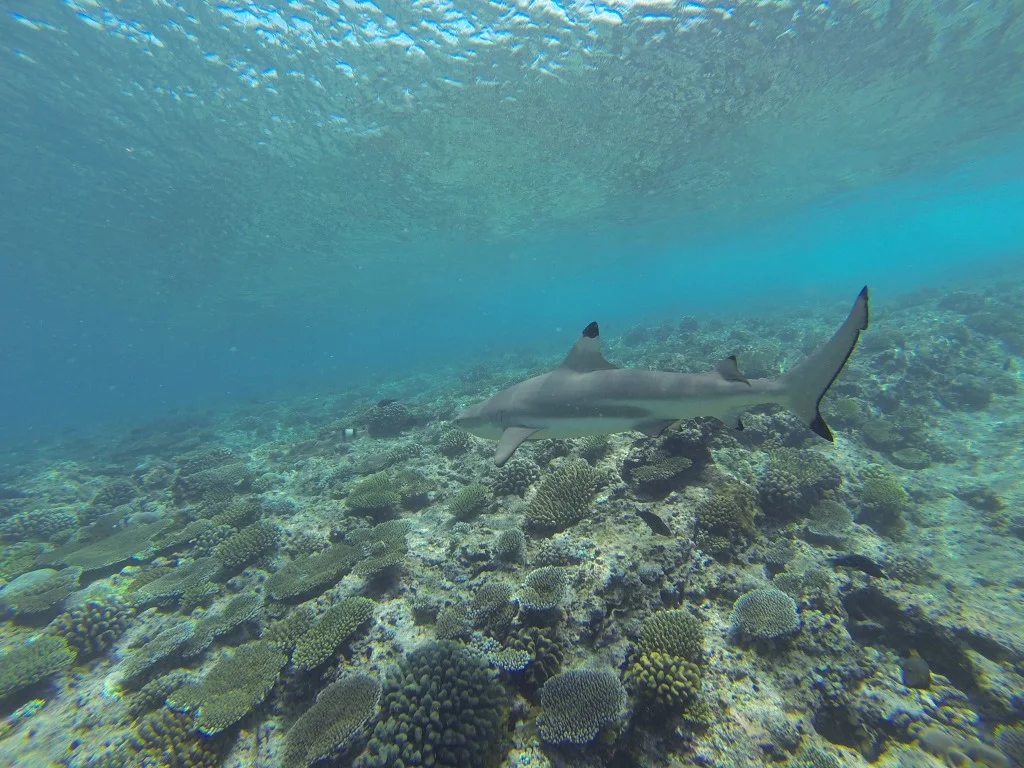
While broader marine life observations suggest potential encounters with sharks, whales, dolphins, and turtles, these are not guaranteed sightings. Unique 'bateas' themselves, with their hanging ropes, often host various invertebrates and fish species, making them points of interest.

Dive Sites Near Batea Cabezos
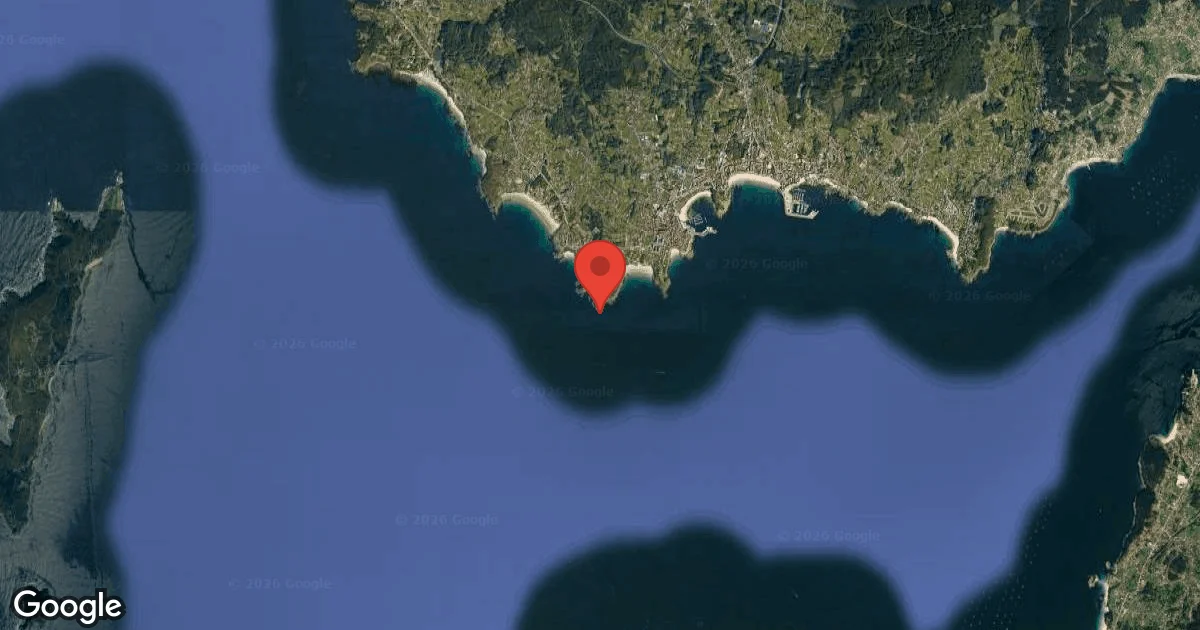
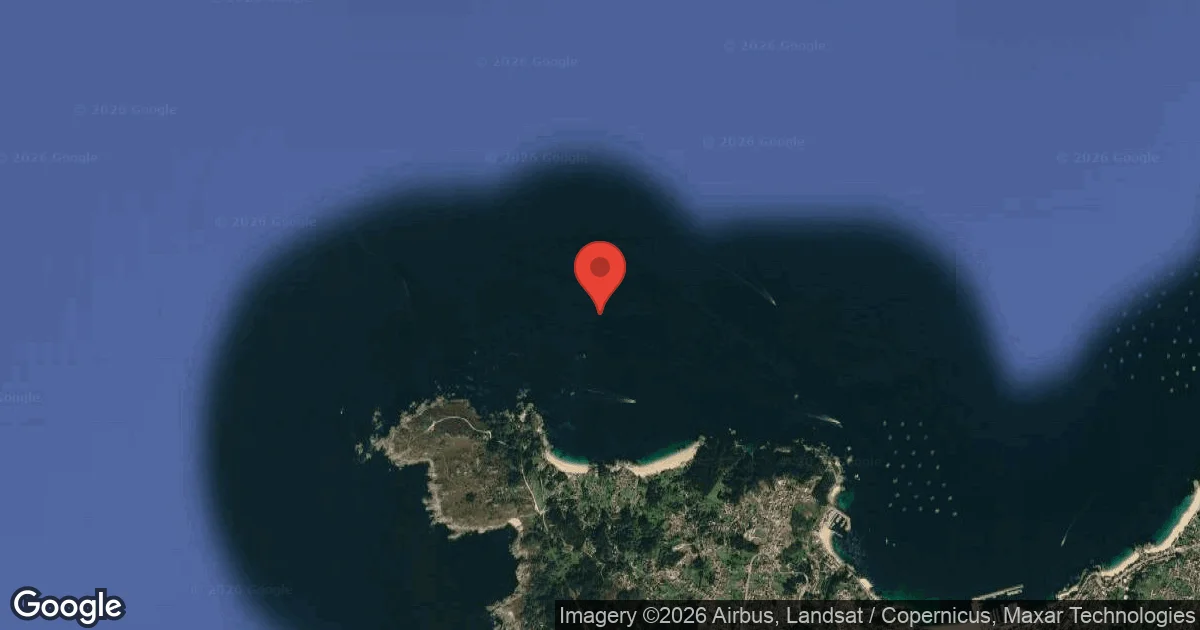
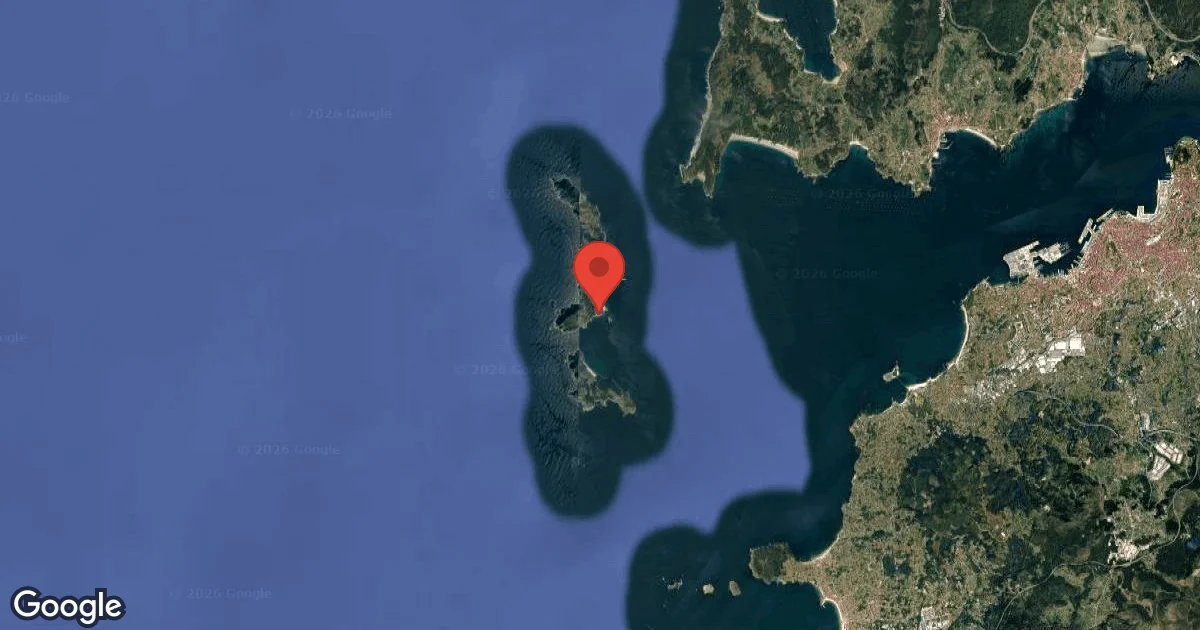
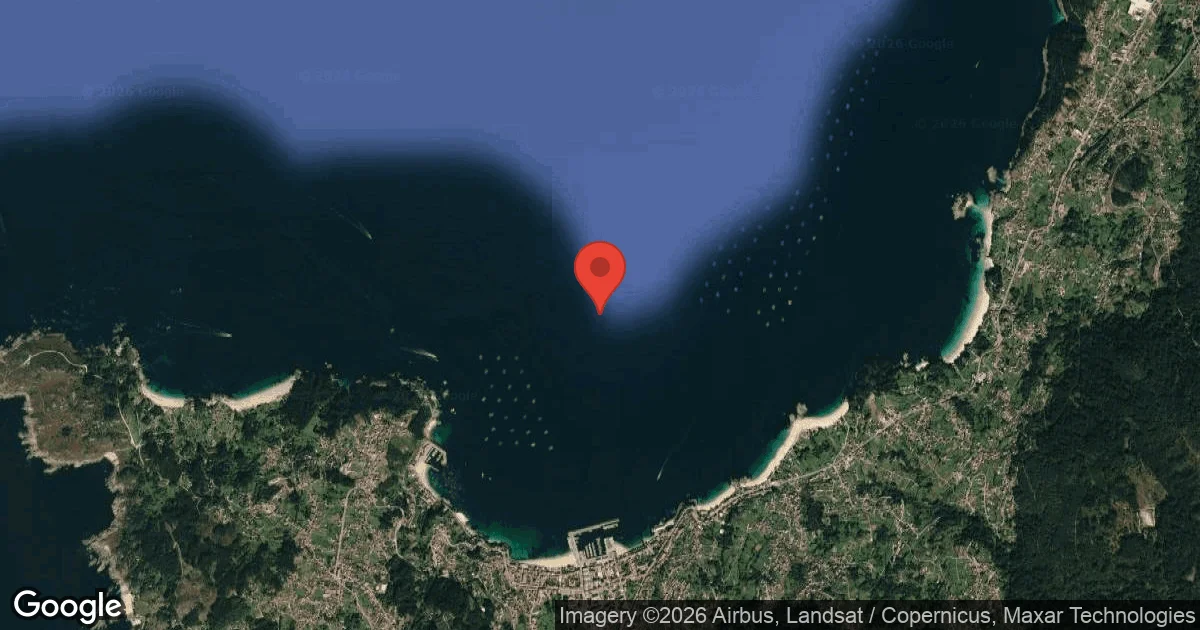
View all dive sites in SpainDiscover more underwater gems in this area.
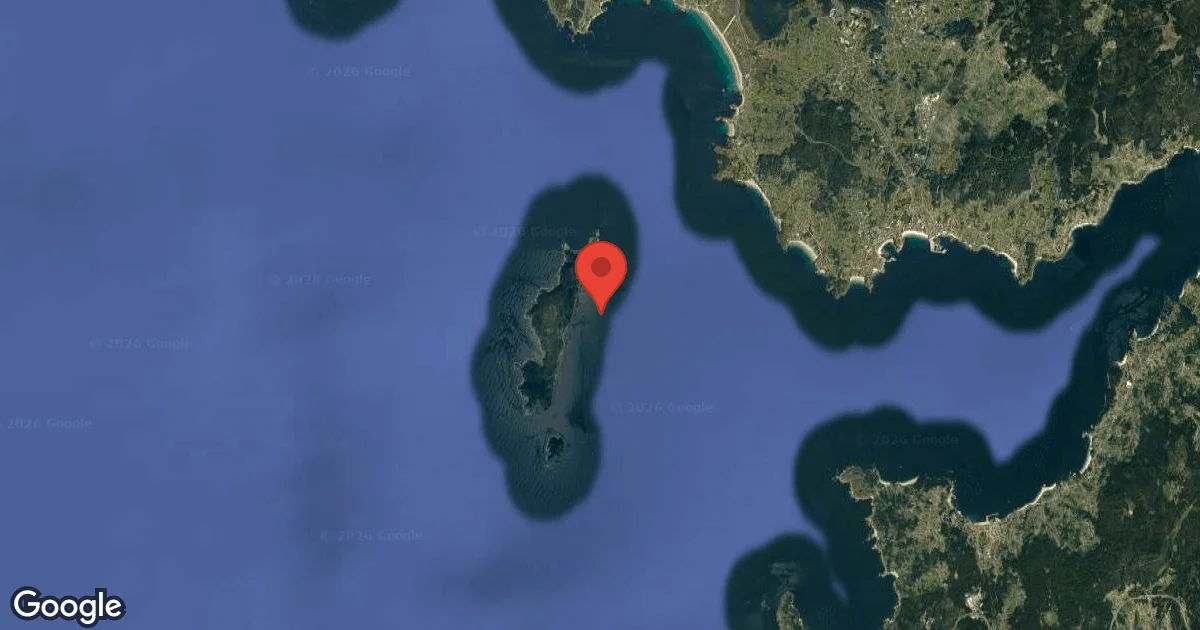
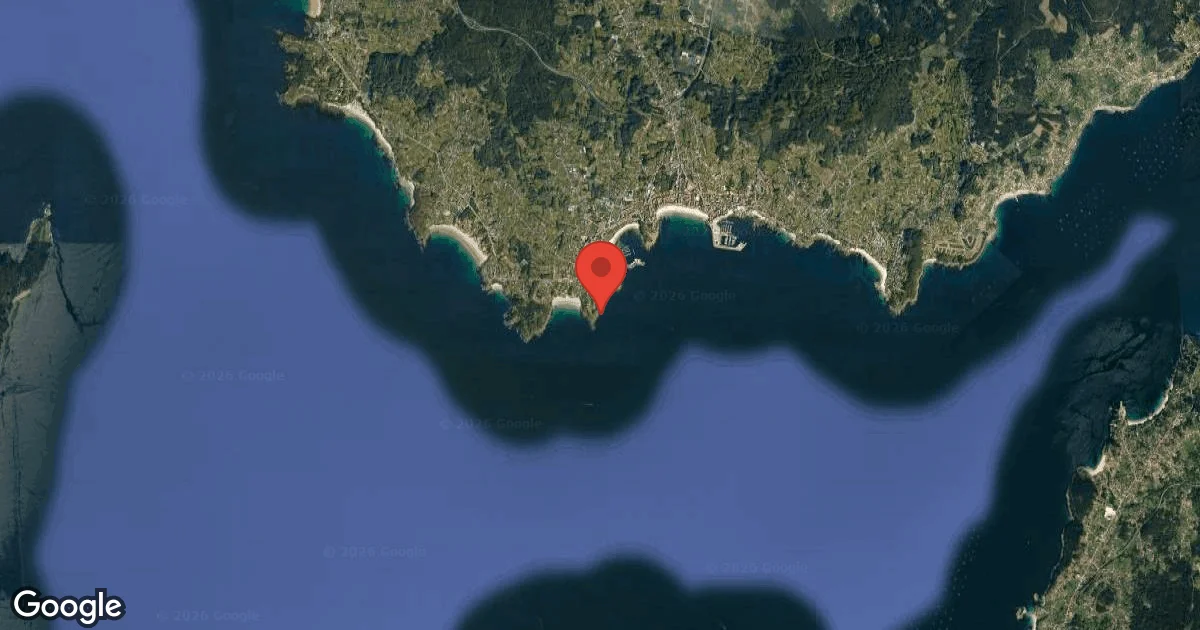
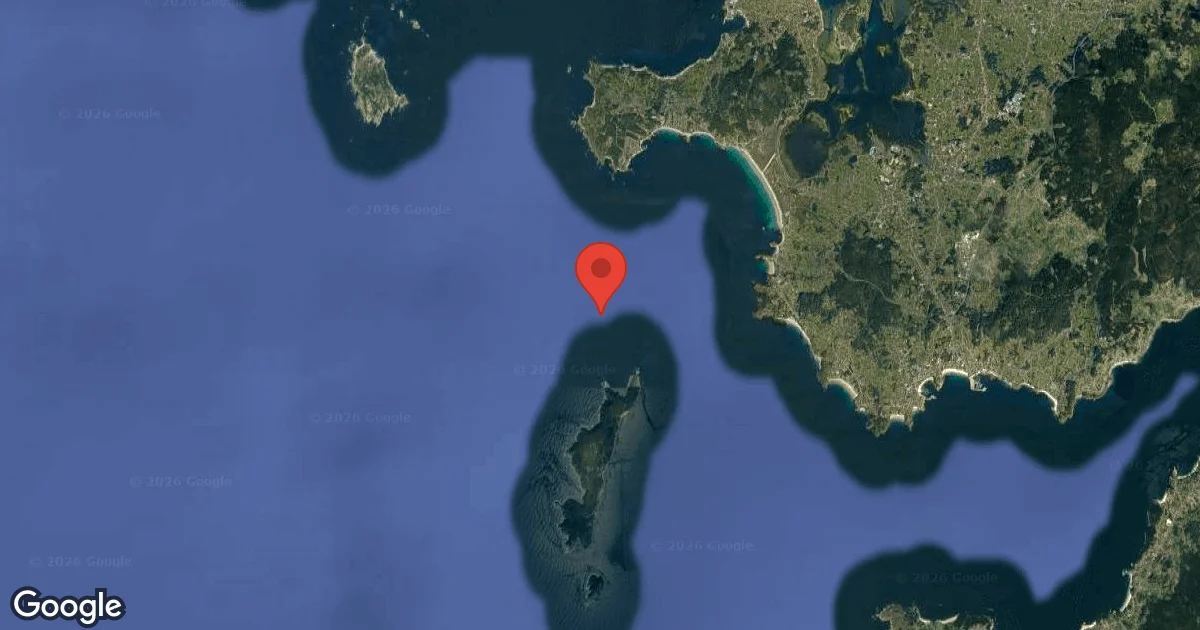
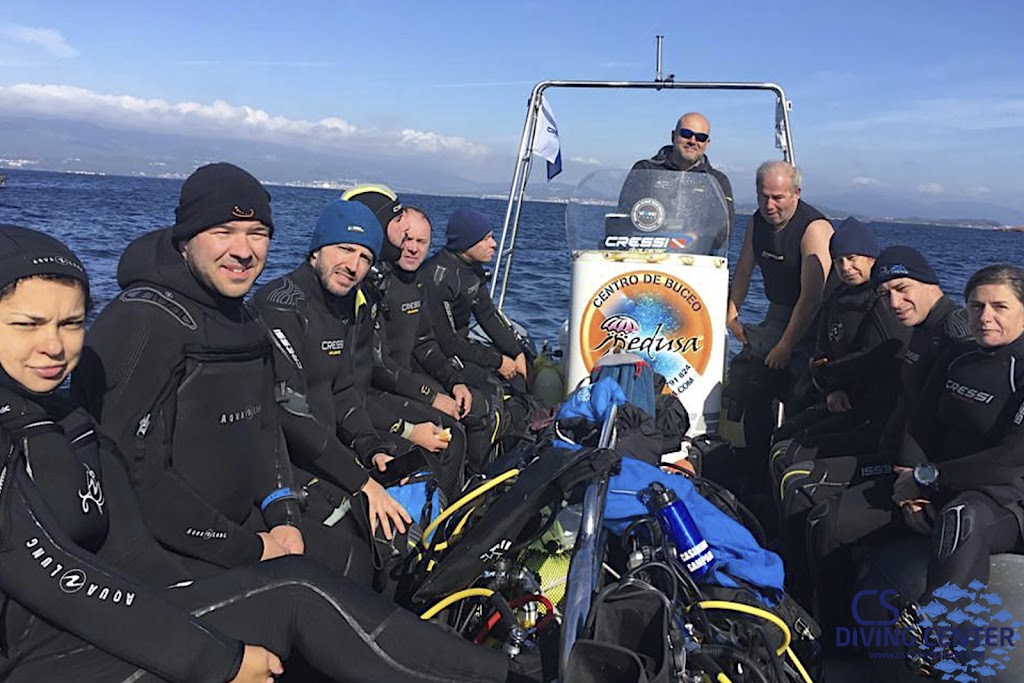
Dive Centers Near Batea Cabezos
Nearest Airports
Nearest airports to help plan travel to this dive area.
Search Flights
Check available flights and routes on Expedia, using the nearby airports listed in this section.
Search Flights on ExpediaFrequently Asked Questions
What kind of dive site is Batea Cabezos?
Batea Cabezos is a topographical dive site featuring both sandy bottoms and wall sections. It's unique for the presence of mussel-cultivating platforms (bateas) that create interesting underwater structures.
How do divers typically access the site?
The primary method for accessing Batea Cabezos is by boat. This allows for optimal positioning to explore the distinct sandy and wall features of the site.
What is the recommended certification level for diving here?
PADI Open Water Diver certification is considered useful for this dive site, indicating it's suitable for certified recreational divers operating within typical recreational depth limits.
When is the best time to dive Batea Cabezos?
The best time to dive at Batea Cabezos is typically during the summer months, from June to August. These months offer the most favorable conditions with warmer air temperatures, less rain, and calmer seas, which generally improve underwater visibility.
Are there any specific marine animals I can expect to see?
Common sightings can include various species around the rocky formations and bateas. While general observations for the region suggest potential encounters with sharks, whales, dolphins, and turtles, these are not guaranteed for every dive.
What are the typical depths at Batea Cabezos?
The site features sandy areas with rocks a few meters from the bottom, suitable for Open Water divers. There are also wall sections that can extend deeper, offering varied dive profiles.
Planning to dive Batea Cabezos?
Send one inquiry and receive offers directly from the best verified local dive operators.
Conditions are Good
Optimal conditions expected
Current conditions near Batea Cabezos show 15° air, 15° sea temperature, 1.6 m waves, and 25 km/h wind. Forecast data is refreshed regularly to ensure accuracy.