
Diving at Faro Mourisca (Spain)
Beneath the historic Faro Mourisca, divers encounter an ecosystem rich with a variety of marine life, making this site particularly appealing for underwater photography and observational diving. Dive site, characterized by its rocky seafloor and remnants of an old lighthouse, provides ample habitat for octopuses, rays, and numerous crustaceans. Exploring the vibrant underwater structures offers consistent opportunities to observe local species interactions.
As evening covers Faro Mourisca, the local air temperature is measured at 15°C. The current wave height at the surface is recorded at 0.9 m. These late-day readings characterize the surface conditions for the night.
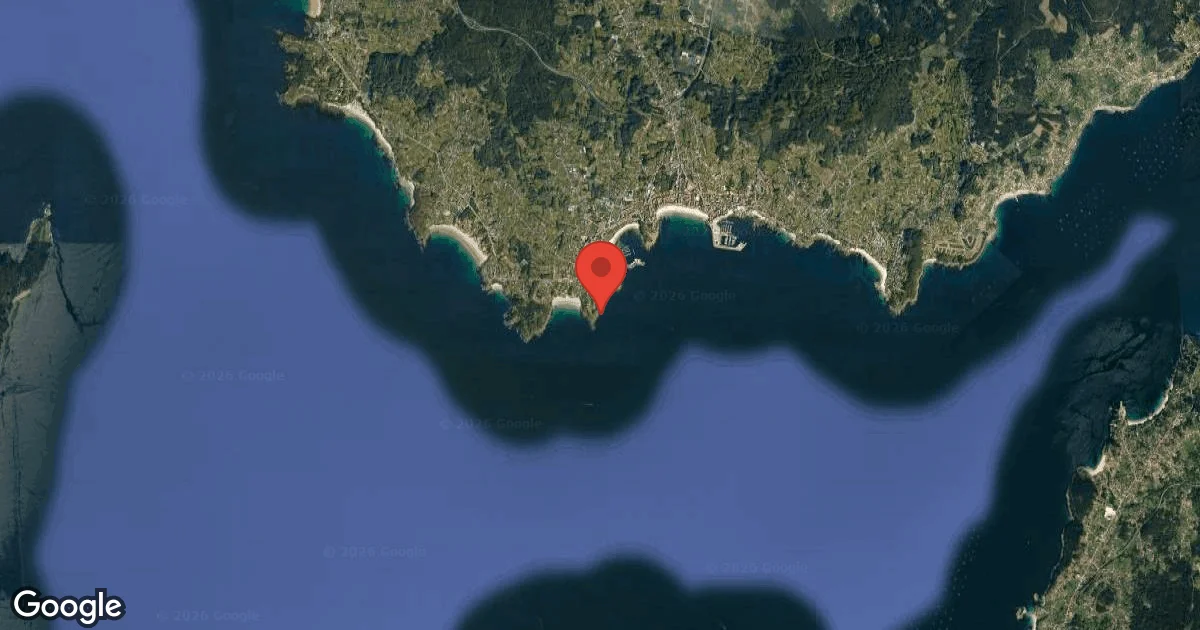
Dive Site Location & Key Facts
Dive Site Overview
Exploring Faro Mourisca reveals a diverse underwater landscape, uniquely shaped by both nature and historical events. Divers typically commence their descent alongside the active lighthouse's base, gradually reaching a broad sandy bottom.
Initial exploration unveils remnants of an older, historic lighthouse, a structure that eventually succumbed to the ocean's persistent power. Moving beyond this point, the dive progresses with a gradual ascent through vibrant gorgonian and laminaria forests. These extensive botanical formations create a rich, living backdrop, often swaying gently with subtle water movements.
Terrain below frequently transitions between varied sections of sand and stone, offering changing scenery. Extensive rocky areas extend throughout the recreational depth range, providing abundant hiding spots and varied surface textures that attract a multitude of smaller creatures.
Some accounts also highlight an impressive vertical wall situated on the open sea side, adding a dramatic topographical element for those who explore deeper segments. Investigating the ancient, ruined lighthouse structure presents a compelling blend of human heritage and thriving marine habitat.
Such a dynamic environment ensures an engaging underwater journey, suitable for Open Water certified divers within its shallower and deeper sections.
Conditions are Good
07:00 - 14:00
Optimal conditions expected
Current conditions near Faro Mourisca show 15° air, 14° sea temperature, 1.0 m waves, and 20 km/h wind. Forecast data is refreshed regularly to ensure accuracy.
Best Time to Dive
Planning a dive at Faro Mourisca is best approached by considering seasonal climate patterns for optimal conditions. Months of June, July, and August typically offer the most favorable diving experiences, with 'Good' dive scores attributed to lower average wave heights, around 0.8 to 1.0 m (2.6 to 3.3 ft), and minimal rainfall, generally less than 2.07 mm. Air temperatures during this period are pleasantly warm, ranging from approximately 19.5°C to 21°C (66.7°F to 70.2°F). Conversely, the winter months, from January through March, tend to present 'Poor' diving conditions, marked by increased rainfall and significantly higher wave activity, often exceeding 2.0 m. Other months like April, May, September, October, November, and December generally fall into the 'Moderate' category, indicating potentially variable but manageable conditions.
PEAK SEASON SCORE
Scores combine air & water temps, waves, wind & rainfall for overall conditions.
BEST MONTHS TO DIVE
Monthly records compiled from satellite and marine observation nodes over the last 3 years. Data provided by Open-Meteo and MET Norway.
Dive Experience & Conditions
Underwater conditions at Faro Mourisca are generally calm, with reports indicating an absence of strong currents, which contributes to a more relaxed diving experience. Typical dive depths range from a starting point around 7 m (23 ft) and extend down to a maximum of 18 m, making it suitable for Open Water certified divers. While specific average water temperature data isn't consistently available, a recorded dive in April noted 13°C (55°F) water, suggesting the need for appropriate thermal protection. Visibility is often described as medium, with reports indicating around 20 m (66 ft), allowing for good appreciation of diverse underwater structures. The site's varied terrain includes sandy expanses, rocky sections, and distinctive forests of gorgonians and laminaria, creating a dynamic environment to navigate.
Dive Difficulty & Safety Guidelines
Diving at Faro Mourisca is generally considered to be of medium difficulty, appropriate for Open Water certified divers. Given that the site features depths up to its maximum recreational limit and involves exploring around the remains of an old lighthouse, maintaining good buoyancy control is crucial. While currents aren't typically reported as an issue, divers should always monitor local conditions and listen to dive guide briefings.
It's a boat-entry dive, so standard boat diving protocols should be observed. As with any dive, planning your dive and diving your plan remains paramount, ensuring a safe and enjoyable exploration of this unique Spanish site.
Recommended Equipment
- Dive Computer
This gear list is based on verified equipment signals for Faro Mourisca, Spain. Always confirm final gear choices with your dive operator, guide, or liveaboard.
Recommended Dive Suit
Comfort levels can also depend on how active a diver is during the dive.
Divers exploring Faro Mourisca today will likely encounter water temperatures close to 14°C (57°F). Surface air temperatures are resting at 15°C (59°F). When water temperatures fall within this range, many divers dive comfortably with 7mm wetsuit or semidry. A hood or vest is suggested for sensitive divers due to surface winds. A thermal robe or jacket is recommended between dives.
A warming trend is expected over the next few days. A warming trend is expected over the next few days.
Emergency & Medical Support
Essential information to help you plan your dive trip to Faro Mourisca.

Hyperbaric chambers are a critical part of dive safety infrastructure. Availability varies significantly by region, and not all dive areas have immediate access.
Before diving, it's recommended to:
- confirm nearest medical facilities
- check emergency procedures with local dive operators
- ensure dive insurance covers evacuation if required
Divers Alert Network
Diving emergency assistance available through DAN Europe.
+39 0642115685- 24/7 emergency hotline
- Diving medical assistance
- Evacuation coordination
Emergency contacts are provided for reference. Always verify local emergency services before diving.
Marine Life at Faro Mourisca
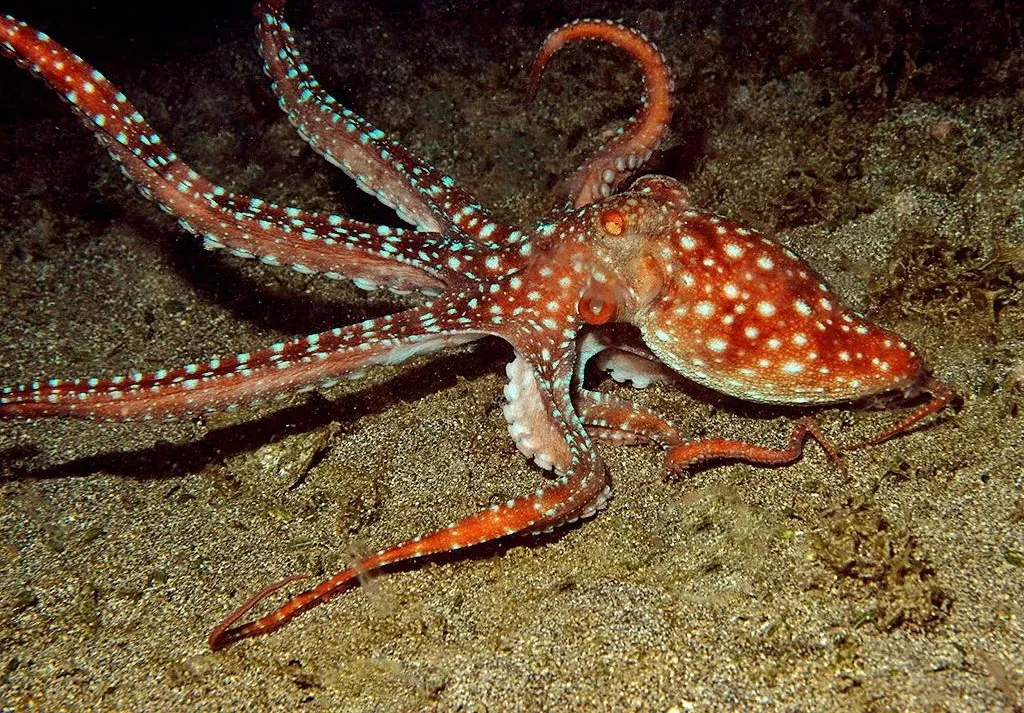
Faro Mourisca hosts a diverse range of marine inhabitants, thriving amidst its rocky terrain and the structure of the old lighthouse. Divers often spot octopuses expertly camouflaged within the crevices of the rocks and observe various rays gracefully gliding across sandy patches.
The site supports an array of fish, including sargo, pintó, maragotas, abadejos, and bogas; these are frequently seen congregating near the spiral base of the lighthouse and adjacent rock formations. Vibrant yellow starfish punctuate the bottom with color.
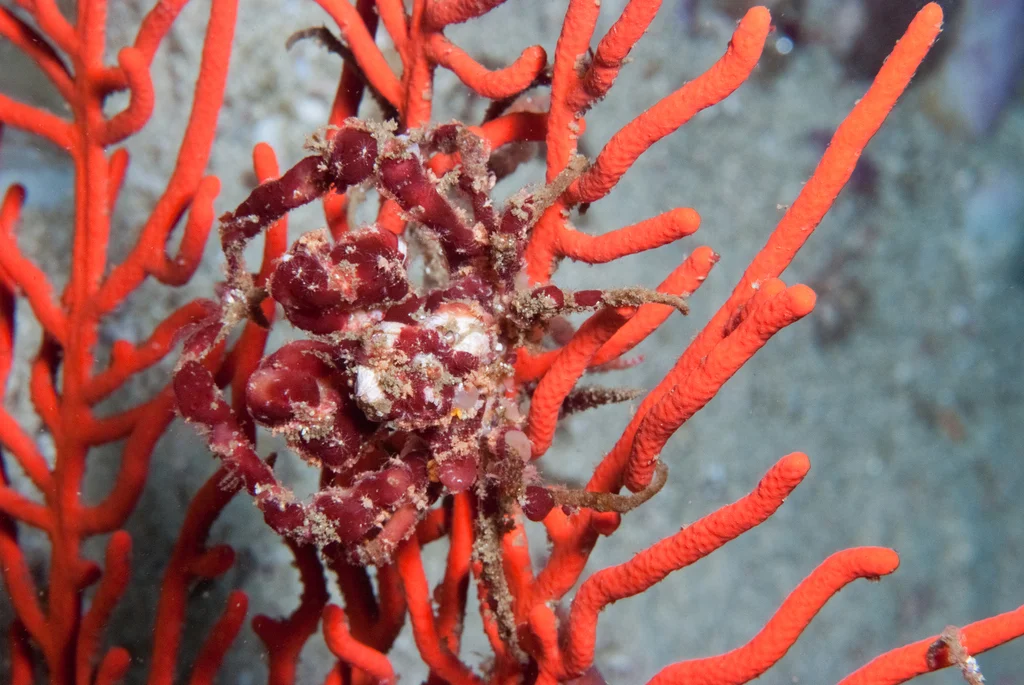
Crustacean species, such as spider crabs and other crab varieties, are commonly spotted throughout. Healthy flora, including extensive gorgonian and laminaria forests, further enriches this varied underwater ecosystem, providing essential habitat.

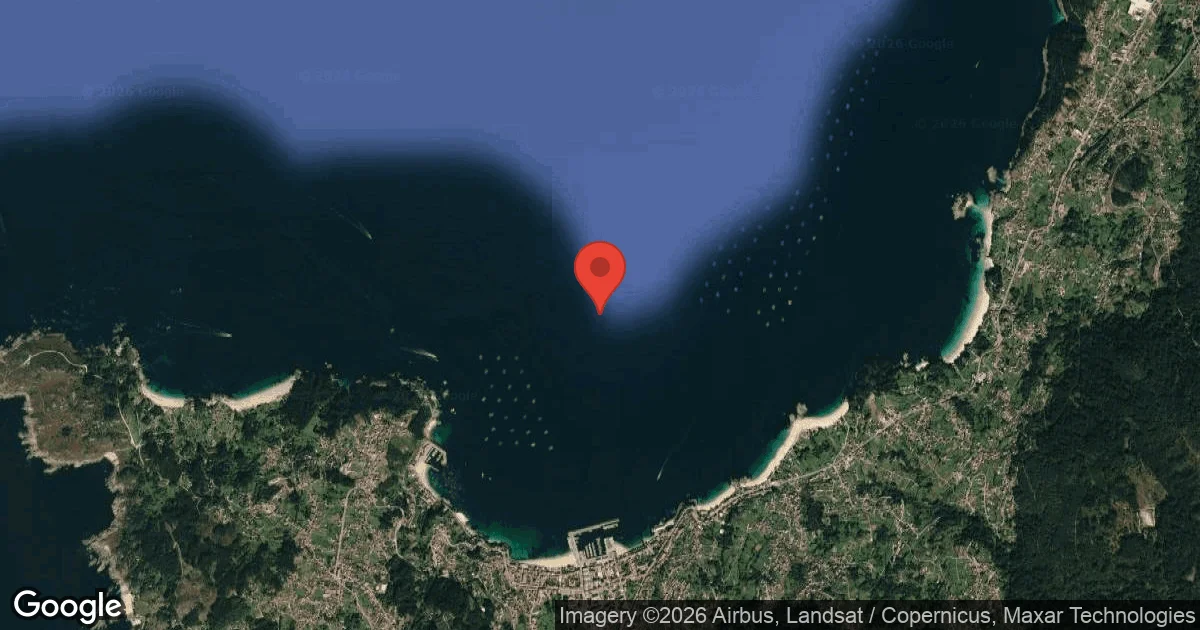
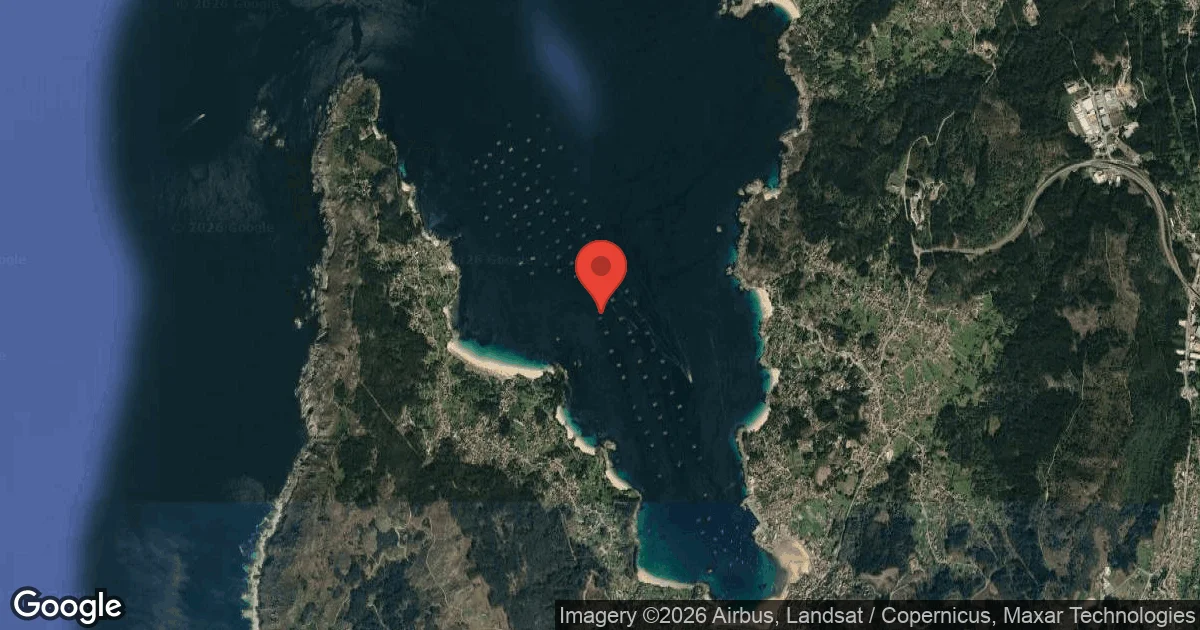
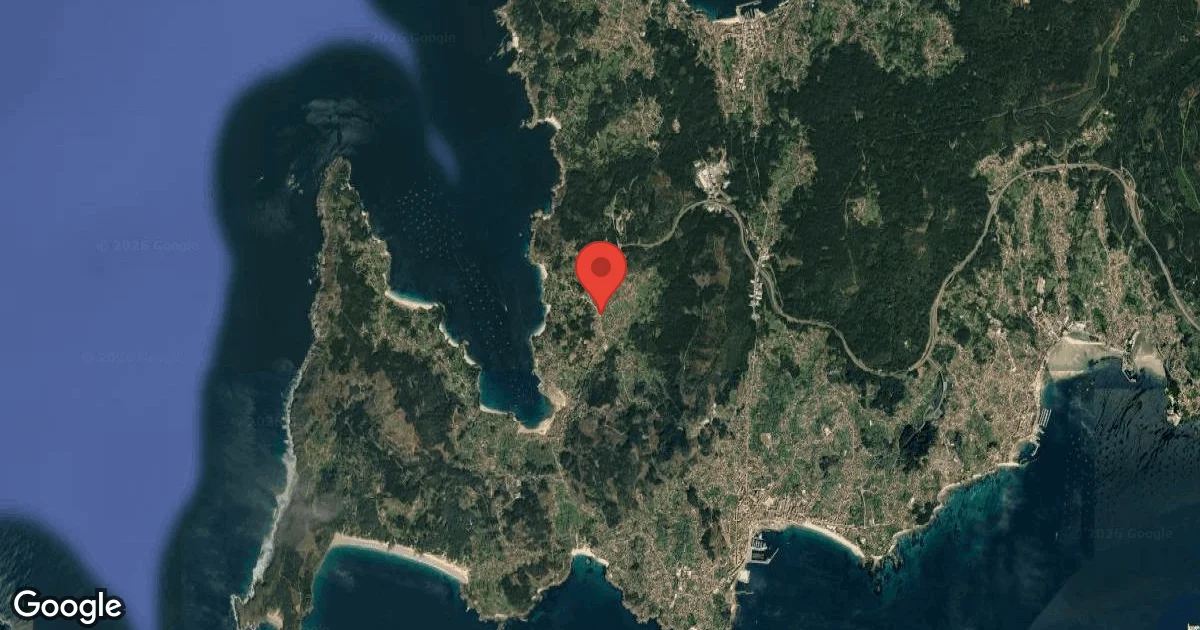
Dive Sites Near Faro Mourisca
View all dive sites in SpainDiscover more underwater gems in this area.
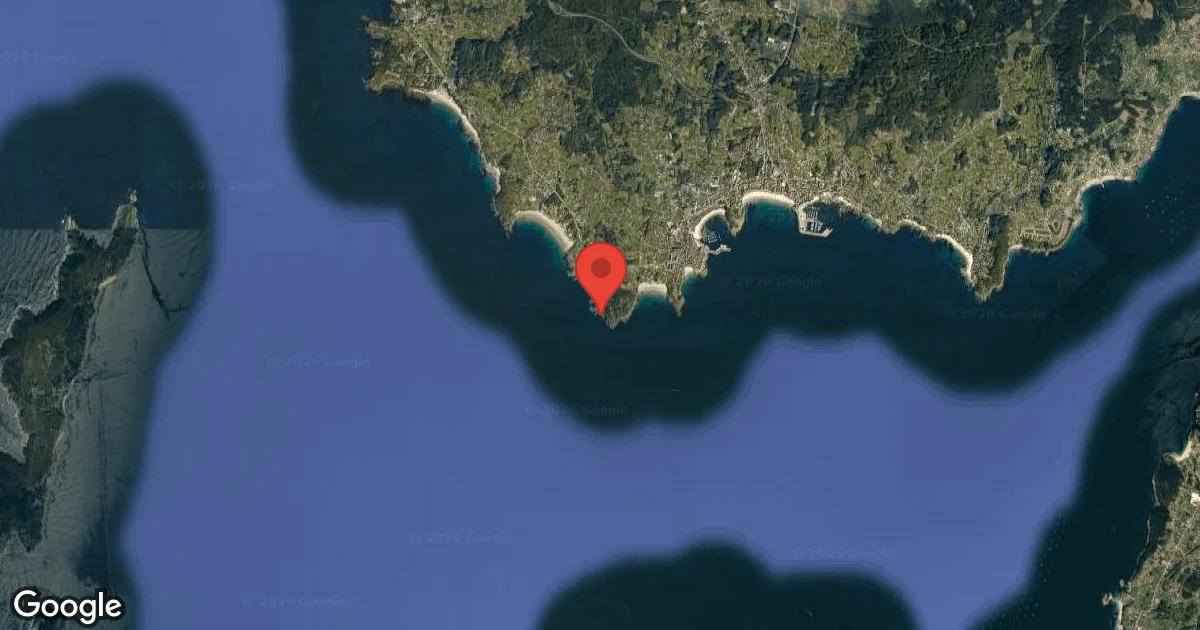
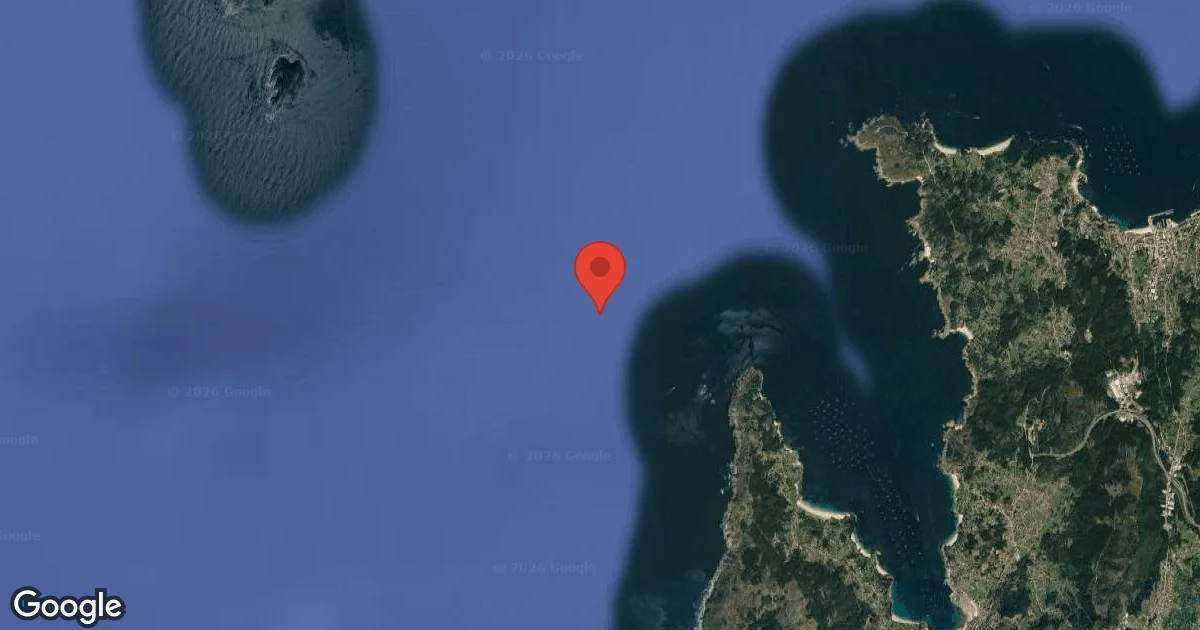
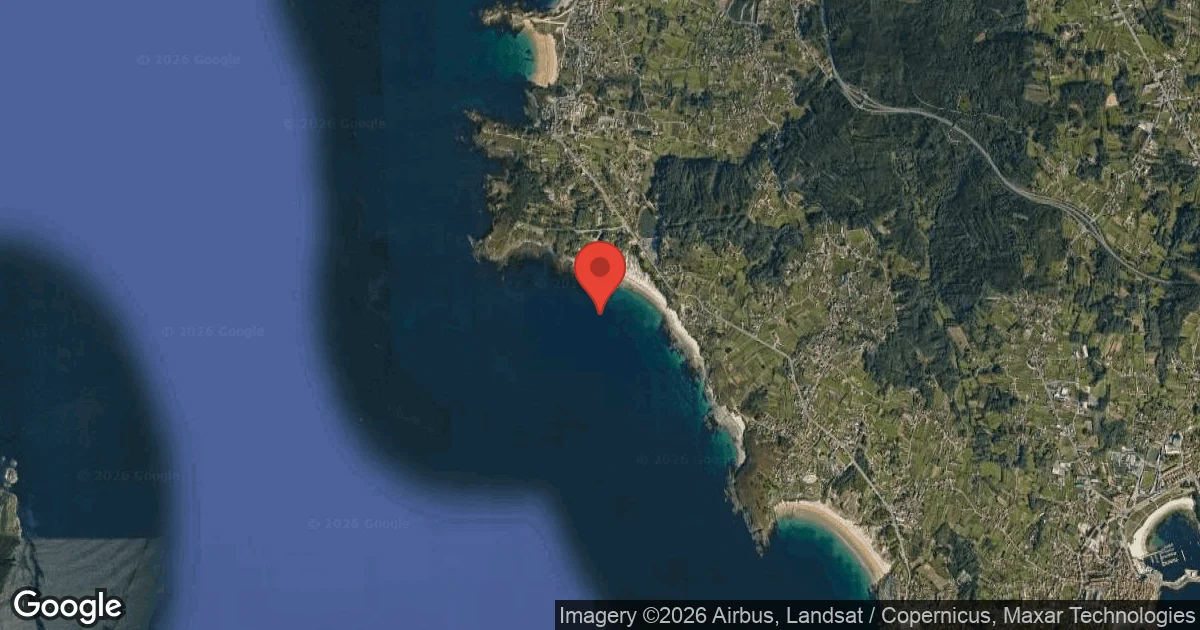
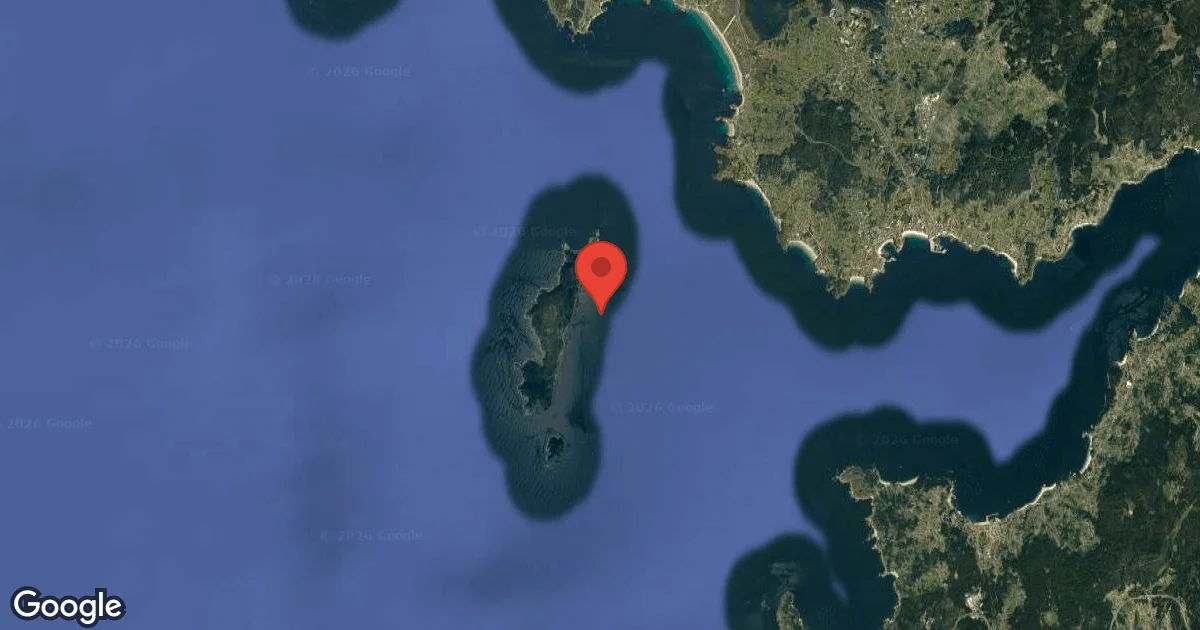
Dive Centers Near Faro Mourisca
Nearest Airports
Nearest airports to help plan travel to this dive area.
Search Flights
Check available flights and routes on Expedia, using the nearby airports listed in this section.
Search Flights on ExpediaFrequently Asked Questions
What is the maximum depth for diving at Faro Mourisca?
Dive profiles at Faro Mourisca commonly reach a maximum depth of 18 meters. Initial descents often explore shallower sections, typically starting around 7 meters.
Are there strong currents at Faro Mourisca?
Reports indicate that strong currents are generally not present at Faro Mourisca, making it a relatively calm dive site. However, local conditions can vary, so always check with your dive operator.
What kind of marine life can I expect to see?
You can expect to encounter a variety of marine life, including octopuses, rays, and numerous fish like sargo and maragotas. Crustaceans such as spider crabs and various types of crabs, along with yellow starfish, are also commonly observed. The site also features vibrant gorgonian and laminaria forests.
What is the visibility like at this dive site?
Visibility at Faro Mourisca is generally medium, with some accounts reporting ranges up to 20 meters. Conditions can fluctuate, so real-time reports from local dive centers are always beneficial.
Is Faro Mourisca suitable for Open Water divers?
Yes, with its maximum depth suitable for recreational diving and generally calm conditions, Faro Mourisca is considered appropriate for Open Water certified divers. It is rated as a medium difficulty dive.
What are the best months to dive at Faro Mourisca?
Best months for diving at Faro Mourisca are typically June, July, and August. During these months, conditions are generally more favorable with lower wave heights and minimal rainfall, contributing to a better dive experience.
Planning to dive Faro Mourisca?
Send one inquiry and receive offers directly from the best verified local dive operators.
Conditions are Good
07:00 - 14:00
Optimal conditions expected
Current conditions near Faro Mourisca show 15° air, 14° sea temperature, 1.0 m waves, and 20 km/h wind. Forecast data is refreshed regularly to ensure accuracy.