
Diving at Cabo Udra (Spain)
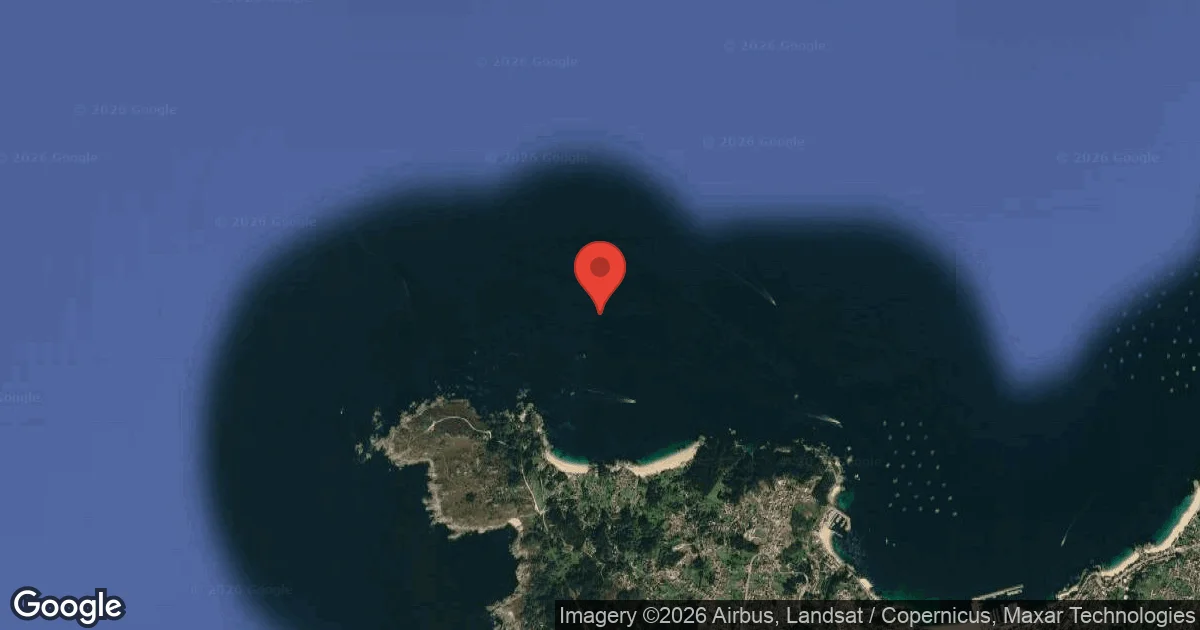
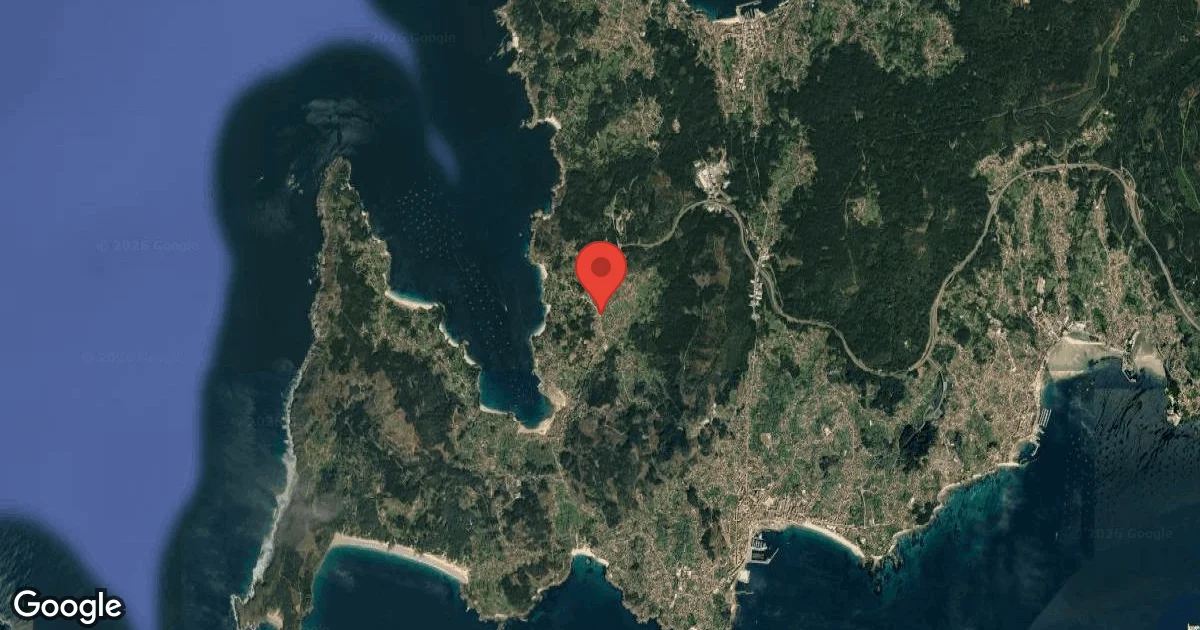
Cabo Udra presents a rewarding challenge for divers who appreciate dramatic underwater topography. This site, positioned at the confluence of the Ría de Pontevedra and Ría de Aldán, offers a complex environment of massive rock formations and considerable elevation changes. Navigating these varied depths demands proficient buoyancy control and attentive dive planning. It’s an immersion into Galicia's rugged coastal character, extending beneath the surface.
Tonight's objective overview for Cabo Udra shows an air temperature of 15.5°C. The measured surface conditions include wave heights around 1.3 m. This environmental data is logged for the close of the day.
Dive Site Location & Key Facts
Dive Site Overview
Diving at Cabo Udra plunges you into a rugged subaquatic landscape, defined by substantial rounded rock formations that create dramatic drop-offs and significant uneven terrain. A 'bajo' or shallow reef structures the initial environment, later transitioning into a sandy bottom beyond its rock walls.
This topographical shift offers distinct habitats for various marine species, inviting exploration of both the rocky crevices and the flatter, sandy expanses. As a natural space within the Natura 2000 network and designated a Special Area of Conservation, its protected qualities are evident throughout the dive. While specific maximum depths are not consistently reported, the 'grandes caídas' (large drops) suggest opportunities for dives within typical recreational limits, appealing to divers comfortable with varying depths and complex underwater structures.
Local conditions may be influenced by the interplay between the Ría de Pontevedra and Ría de Aldán, adding a layer of dynamic interest to each visit.
Weather Error: fetch failed
Best Time to Dive
Planning a dive at Cabo Udra with visibility in mind points towards the summer months as ideal. June, July, and August consistently offer the best dive scores, peaking with 'Good' ratings. During this period, wave heights are typically lower, averaging around 1.1 to 1.3 meters (3.6 to 4.3 ft), contributing to calmer surface conditions and potentially improved underwater clarity. Rainfall is also minimal from June to August, further reducing runoff that could affect visibility. Air temperatures are most pleasant then, ranging from approximately 19°C (66°F) in June to over 21°C (70°F) in August. While specific water temperature data is not consistently reported, these months generally provide the most favorable overall conditions for exploring the site's intricate topography. Moderate conditions are often found in April, May, and September, but expect increased wave activity and rainfall during other times of the year.
PEAK SEASON SCORE
Scores combine air & water temps, waves, wind & rainfall for overall conditions.
BEST MONTHS TO DIVE
Monthly records compiled from satellite and marine observation nodes over the last 3 years. Data provided by Open-Meteo and MET Norway.
Dive Experience & Conditions
Entering the waters around Cabo Udra brings you directly into an environment shaped by enormous, rounded rock structures with extensive drops and numerous unevennesses. This natural topography creates a dynamic experience, demanding careful navigation around and through the large rock formations. The site is fundamentally a wall dive, where one can follow the contours of these geological features. Beyond the immediate rocky wall, the seabed transitions to sand, inviting exploration of an entirely different habitat. Visibility varies depending on conditions, often benefiting from the calmer seas of summer months. Specific water temperature figures aren't consistently reported, though divers should anticipate temperatures typical for the Galician coast. Local currents can be a factor given the site's position between two rías, warranting local advice for a smooth entry and dive.
Dive Difficulty & Safety Guidelines
Diving Cabo Udra's rugged terrain necessitates thorough preparation and adherence to safe diving practices. The site's pronounced drops and numerous uneven surfaces require divers to maintain excellent buoyancy control to prevent unintended ascents or descents. Given the complex topography, careful ascent planning, including safety stops, is crucial after exploring deeper sections.
There are no site-specific hazards reported beyond what is typical for a wall dive with substantial geological features. However, it's always advisable to consult with a local dive professional familiar with Cabo Udra's current conditions before your dive.
Their insights on visibility, potential currents, and optimal entry/exit points are invaluable for a safe and enjoyable experience.
Recommended Equipment
- Dive Computer
This gear list is based on verified equipment signals for Cabo Udra, Spain. Always confirm final gear choices with your dive operator, guide, or liveaboard.
Recommended Dive Suit
Temperatures look set to gradually increase over the next several days. A warming trend is expected over the next few days.
Thermal protection such as 5-7mm wetsuit is commonly used in similar temperatures. Consider warmer surface protection (like a boat coat) due to brisk winds. A thermal robe or jacket is recommended between dives.
Current dive conditions indicate that water temperatures around Cabo Udra are sitting at roughly 16°C (61°F). Surface air temperatures are resting at 15°C (60°F).
Due to technical issues with our weather providers, live updates are temporarily delayed. The data above reflects the conditions at the time of the last successful fetch.
Emergency & Medical Support
Essential information to help you plan your dive trip to Cabo Udra.

Hyperbaric chambers are a critical part of dive safety infrastructure. Availability varies significantly by region, and not all dive areas have immediate access.
Before diving, it's recommended to:
- confirm nearest medical facilities
- check emergency procedures with local dive operators
- ensure dive insurance covers evacuation if required
Divers Alert Network
Diving emergency assistance available through DAN Europe.
+39 0642115685- 24/7 emergency hotline
- Diving medical assistance
- Evacuation coordination
Emergency contacts are provided for reference. Always verify local emergency services before diving.
Marine Life at Cabo Udra
Cabo Udra's diverse underwater landscape provides distinct environments for a range of marine species. Along the sandy bottom areas beyond the main rock wall, divers commonly encounter rays and catsharks, often camouflaged against the sediment.
Large, rounded rock formations and their many crevices are prime habitats for various species of wrasse. Keep an eye out for larger seabass and pollack that frequent these rocky zones, often patrolling the edges of the drops or seeking shelter within the natural nooks and crannies of the rugged terrain. Such interplay between rocky and sandy habitats contributes to a varied and interesting dive.

Dive Sites Near Cabo Udra
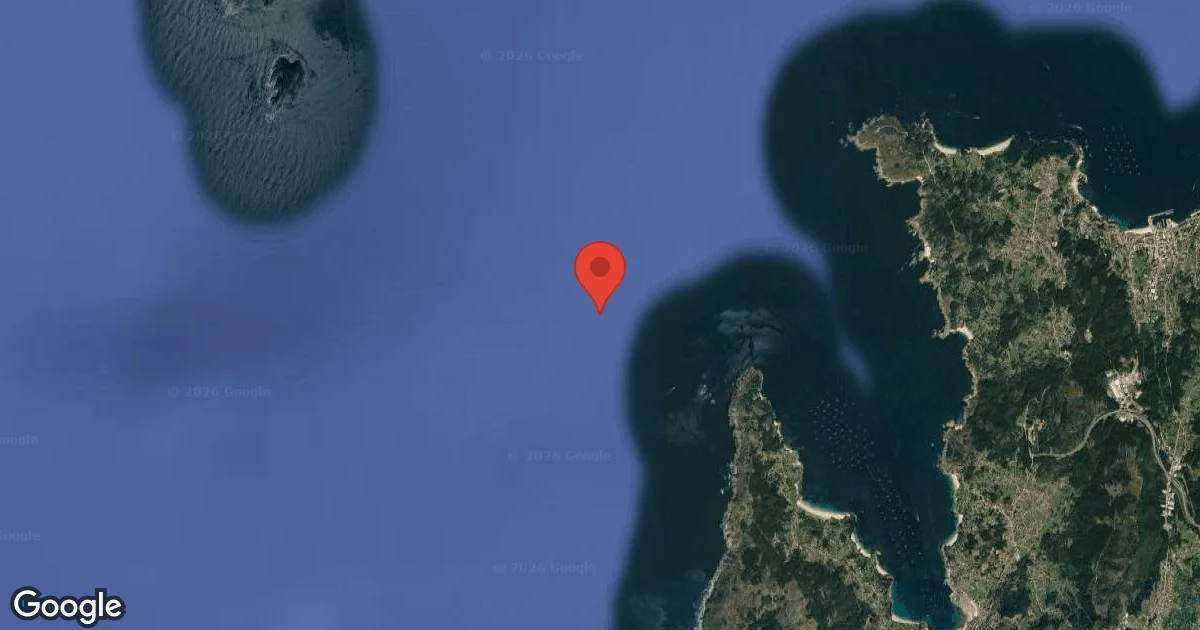
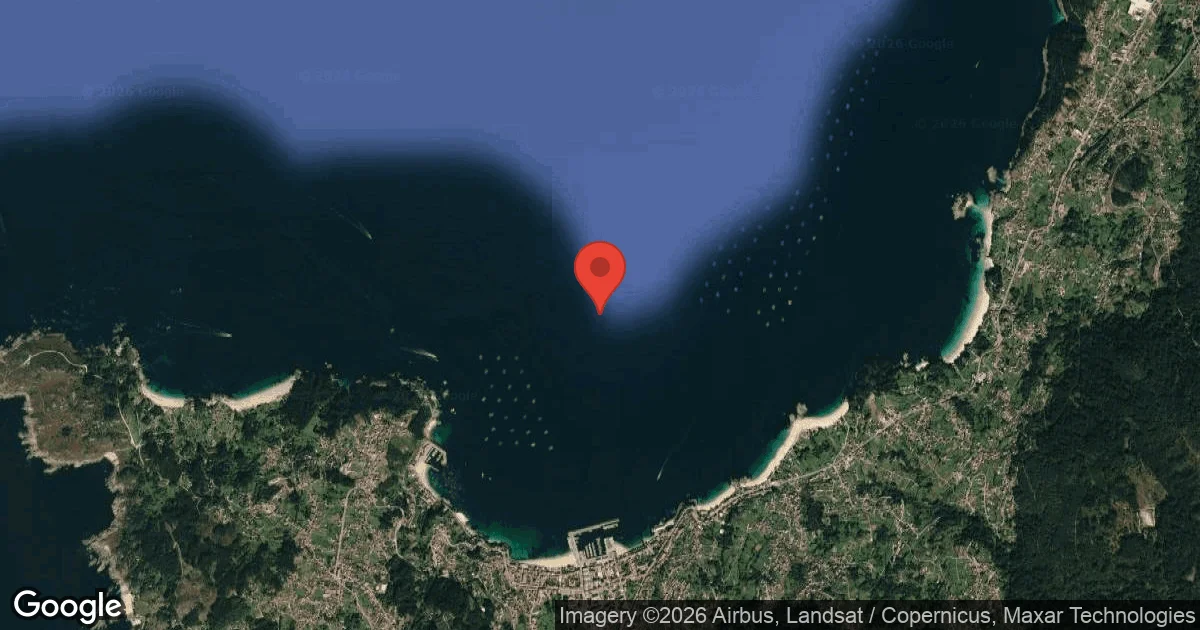
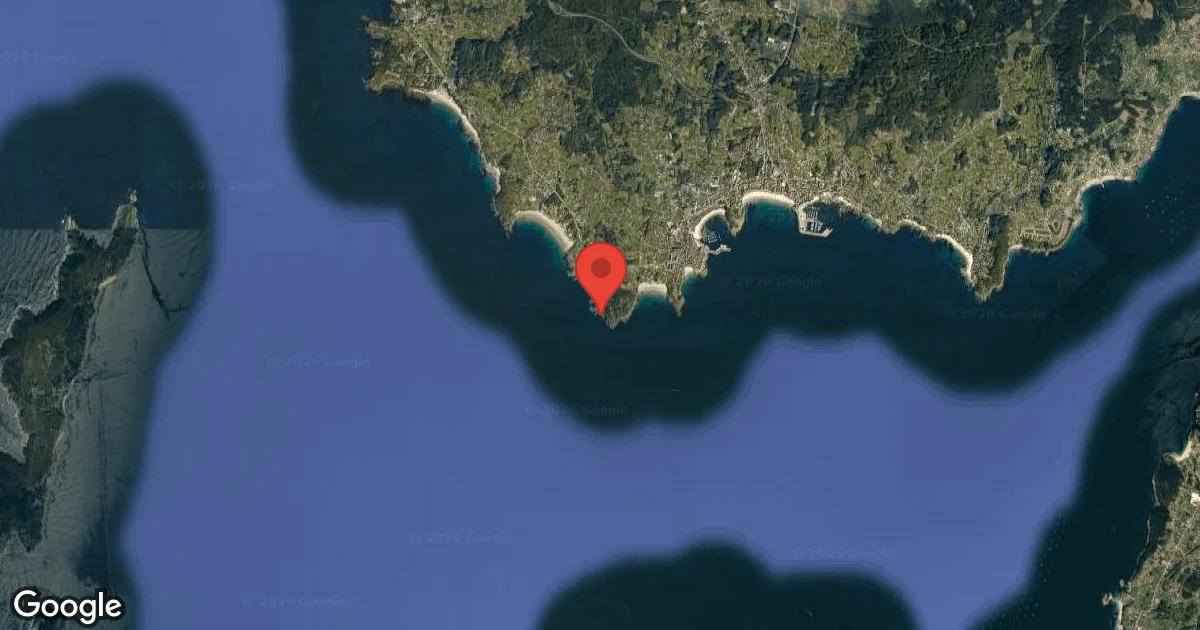
View all dive sites in SpainDiscover more underwater gems in this area.
Dive Centers Near Cabo Udra
Nearest Airports
Nearest airports to help plan travel to this dive area.
Search Flights
Check available flights and routes on Expedia, using the nearby airports listed in this section.
Search Flights on ExpediaFrequently Asked Questions
What kind of dive site is Cabo Udra?
Cabo Udra is primarily a wall dive, characterized by enormous rounded rock formations with significant drops and uneven terrain. Beyond the rocky areas, the site transitions into a sandy bottom.
When is the best time to dive at Cabo Udra?
The best time to dive is during the summer months of June, July, and August. These months typically offer the calmest seas, least rainfall, and most pleasant air temperatures, leading to better dive conditions.
What marine life can I expect to see?
Divers can expect to see rays and catsharks on the sandy bottoms. The rocky structures are home to various wrasse species, along with larger seabass and pollack.
Are there any specific hazards to be aware of?
While no unique hazards are reported, the site's dramatic drops and uneven topography necessitate excellent buoyancy control. Always consult local dive professionals for current conditions and safety advice.
Where is Cabo Udra located?
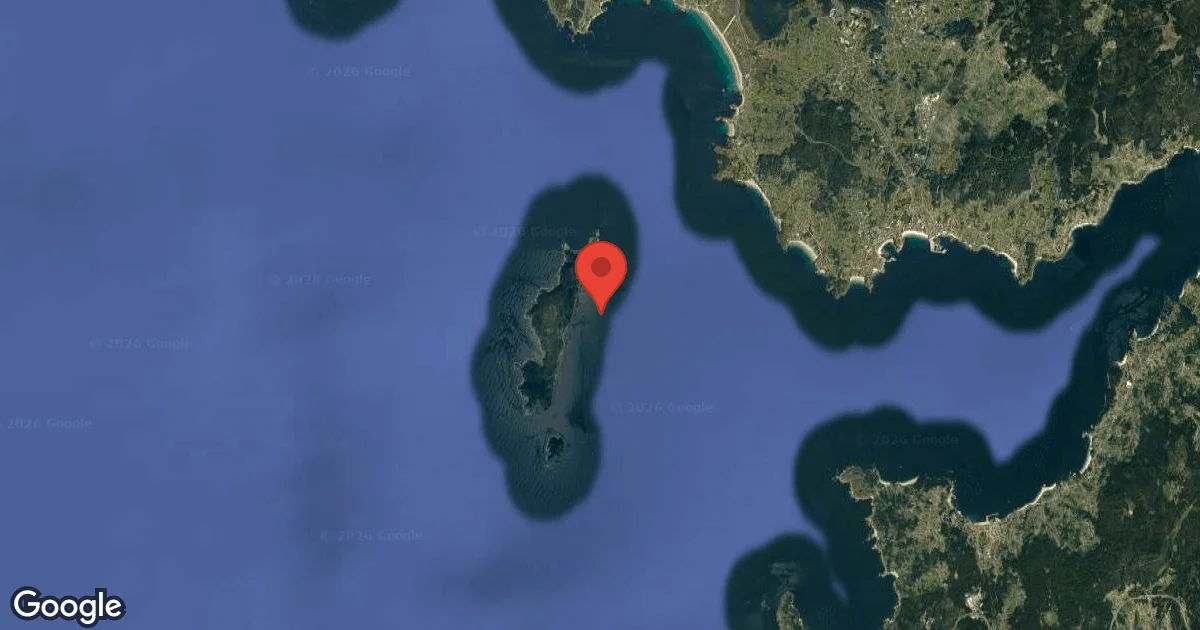
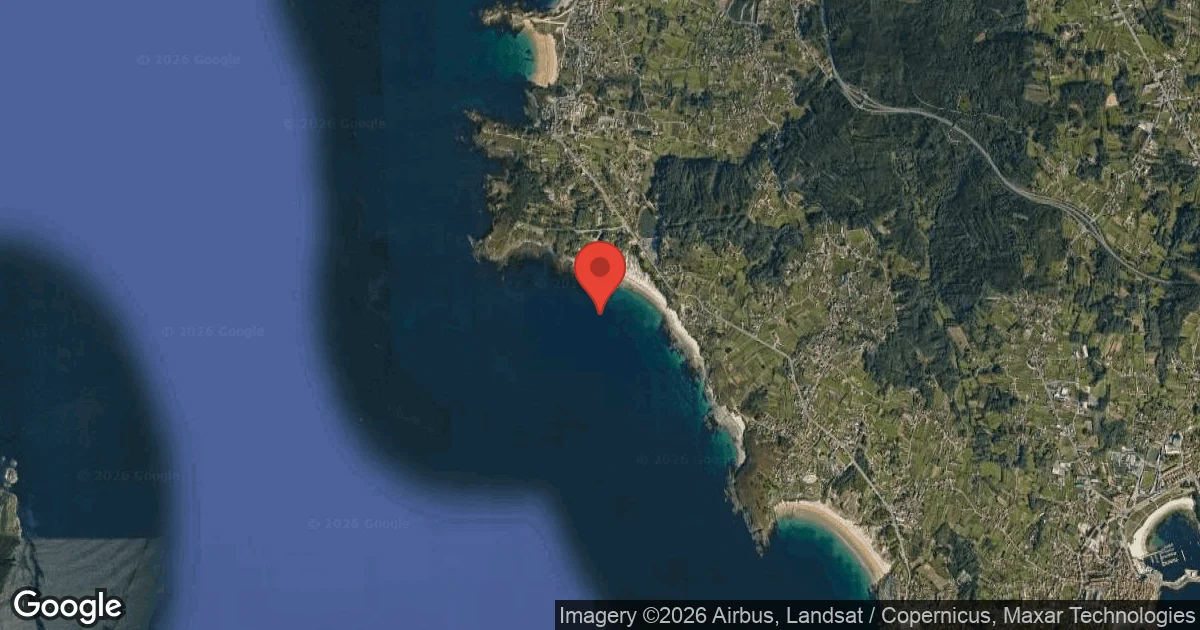
Cabo Udra lies in Spain, marking the boundary between the Ría de Pontevedra and the Ría de Aldán. This natural space is designated a Special Area of Conservation within the Natura 2000 network.
Is water temperature data available for Cabo Udra?
Consistent water temperature data for Cabo Udra is not widely reported. Divers should plan for temperatures typical of the Galician coast and ensure adequate thermal protection.