
Diving at Pecio Isurus (Spain)
Pecio Isurus offers a significant challenge for even experienced divers, lying at considerable depths. Exploring this well-preserved fishing boat wreck demands advanced training and meticulous planning. Divers seeking to navigate its structure will find the effort rewarded, provided they are adequately prepared for the demanding conditions of this Galician dive site.
Tonight's objective overview for Pecio Isurus shows an air temperature of 15.5°C. The measured surface conditions include wave heights around 1.5 m. This environmental data is logged for the close of the day.
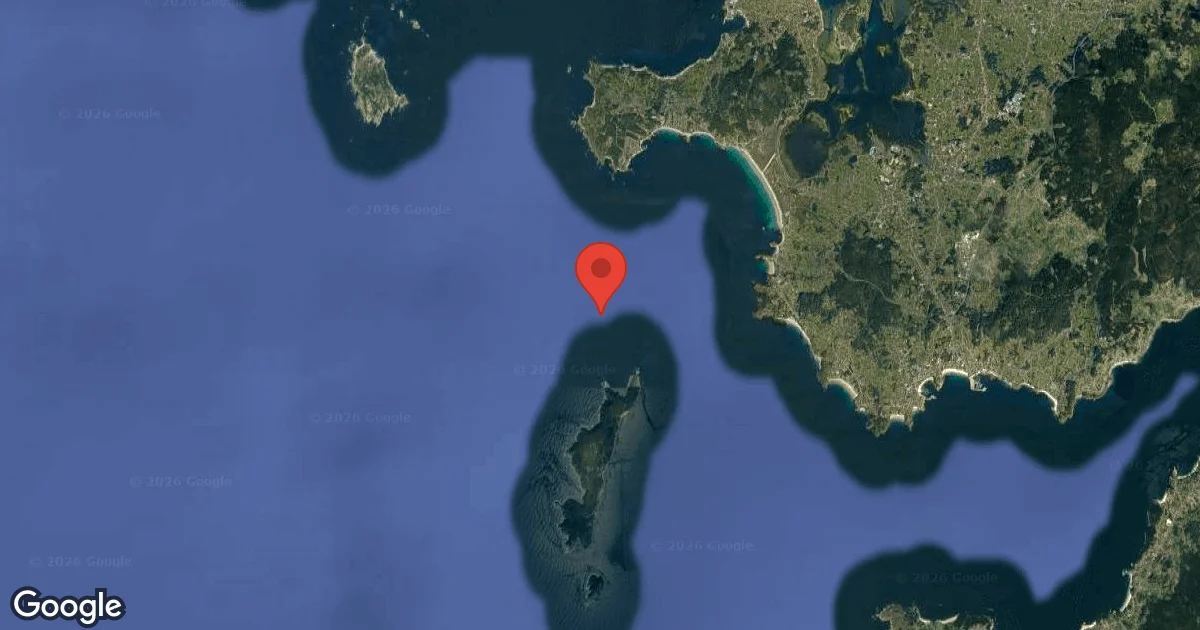
Dive Site Location & Key Facts
Dive Site Overview
Exploring Pecio Isurus reveals its history, dating back to January 18, 2003, when this fishing boat sank. Today, its structure lies leaning on a sandbed at an average depth of 40 meters (130 ft), making it a significant deep dive.
A remarkable state of preservation marks the wreck, which measures 22 meters (72 ft) in length with a 6-meter (20 ft) beam. Many of the original fittings and features remain identifiable, providing a tangible connection to its past life as a working vessel. Observing details like the propeller, visibly bent from impact with seafloor rocks, offers a testament to the vessel's final moments.
Divers navigating this maximum depth of 40 m (130 ft) will find a compelling underwater tableau, inviting thorough exploration of its exterior and accessible interior sections. Penetration into the wreck requires specialized training and appropriate safety protocols.
Given the significant depth, advanced gas mixtures like Nitrox or Trimix, or Rebreather systems, are recommended for managing gas consumption and decompression obligations effectively. Water temperatures typically range between 12-18°C (54-64°F) depending on the season, further emphasizing the need for suitable thermal protection.
Visibility around the wreck often provides clear views, but can vary with local currents and plankton activity.
Conditions are Good
Optimal conditions expected
Current conditions near Pecio Isurus show 16° air, 15° sea temperature, 1.6 m waves, and 27 km/h wind. Forecast data is refreshed regularly to ensure accuracy.
Best Time to Dive
Year-round diving at Pecio Isurus is an option, however, summer months generally offer more favorable conditions compared to cooler seasons. June, July, and August typically present the most agreeable periods, indicated by 'Good' dive scores. Average air temperatures during these months range from 19.5°C (67°F) to 21°C (70°F), coupled with significantly reduced rainfall, often below 2.1 mm (0.08 in) monthly. Wave heights generally reach their lowest, averaging around 1.2 to 1.4 meters (3.9 to 4.6 ft), contributing to calmer surface conditions. Conversely, winter and early spring, from December to April, bring higher wave activity, increased wind speeds, and greater precipitation. Air temperatures can drop to around 11°C (52°F) in these cooler periods. Optimal planning for warmer, drier months enhances the overall dive experience at this deep wreck site.
PEAK SEASON SCORE
Scores combine air & water temps, waves, wind & rainfall for overall conditions.
BEST MONTHS TO DIVE
Monthly records compiled from satellite and marine observation nodes over the last 3 years. Data provided by Open-Meteo and MET Norway.
Dive Experience & Conditions
Diving Pecio Isurus at an average depth of 40 meters (130 ft) immerses one in a somber, silent world where the wreck dominates the underwater landscape. An intact structure of a fishing boat provides a tangible sense of its former life. You can visually trace the path of impact that twisted its propeller against the rocky seabed. Visibility varies depending on oceanic currents and seasonal plankton blooms, though clear conditions can offer impressive views of the entire vessel. Water temperatures, not consistently reported for this specific site, typically reflect cooler Atlantic conditions off the Galician coast, varying seasonally. Reduced light penetration characterizes deep environments, lending an atmospheric quality to the exploration of the wreck's exterior. Prepare for cooler temperatures and potentially strong currents.
Dive Difficulty & Safety Guidelines
Navigating Pecio Isurus safely requires careful planning and appropriate certifications due to its maximum depth of 40 meters (130 ft). It's crucial that divers possess extensive experience in deep diving and are proficient with technical diving protocols. Using Nitrox, Trimix, or a Rebreather is highly recommended to manage gas consumption and decompression stops effectively, minimizing risks associated with nitrogen narcosis and oxygen toxicity at such depths.
Always dive with a reliable buddy and ensure all equipment is in excellent working order. Proper ascent rates and safety stops are non-negotiable for a safe return to the surface from this demanding wreck site.
Recommended Equipment
Overhead / entanglement risk. Wreck penetration requires proper training.
- Dive Computer
- Primary & Backup Lights
- Wreck Reel
- Cutting Tool
This gear list is based on verified equipment signals for Pecio Isurus, Spain. Always confirm final gear choices with your dive operator, guide, or liveaboard.
Recommended Dive Suit
Comfort levels can also depend on how active a diver is during the dive.
The water around Pecio Isurus is currently holding at approximately 15°C (59°F), setting the tone for today's dives. Surface air temperatures are resting at 16°C (60°F). When water temperatures fall within this range, many divers dive comfortably with 7mm wetsuit or semidry. Consider warmer surface protection (like a boat coat) due to brisk winds. A thermal robe or jacket is recommended between dives.
A warming trend is expected over the next few days. A warming trend is expected over the next few days.
Emergency & Medical Support
Essential information to help you plan your dive trip to Pecio Isurus.

Hyperbaric chambers are a critical part of dive safety infrastructure. Availability varies significantly by region, and not all dive areas have immediate access.
Before diving, it's recommended to:
- confirm nearest medical facilities
- check emergency procedures with local dive operators
- ensure dive insurance covers evacuation if required
Divers Alert Network
Diving emergency assistance available through DAN Europe.
+39 0642115685- 24/7 emergency hotline
- Diving medical assistance
- Evacuation coordination
Emergency contacts are provided for reference. Always verify local emergency services before diving.
Marine Life at Pecio Isurus
Pecio Isurus's hull and surrounding sandbed support a distinct local marine community. As divers explore the wreck, expect to observe numerous pouts, which often congregate around the structure.
Keep an eye out for pintos and maragotas navigating the recesses of the vessel. Eels are also present, often seeking shelter within the wreck's crevices.
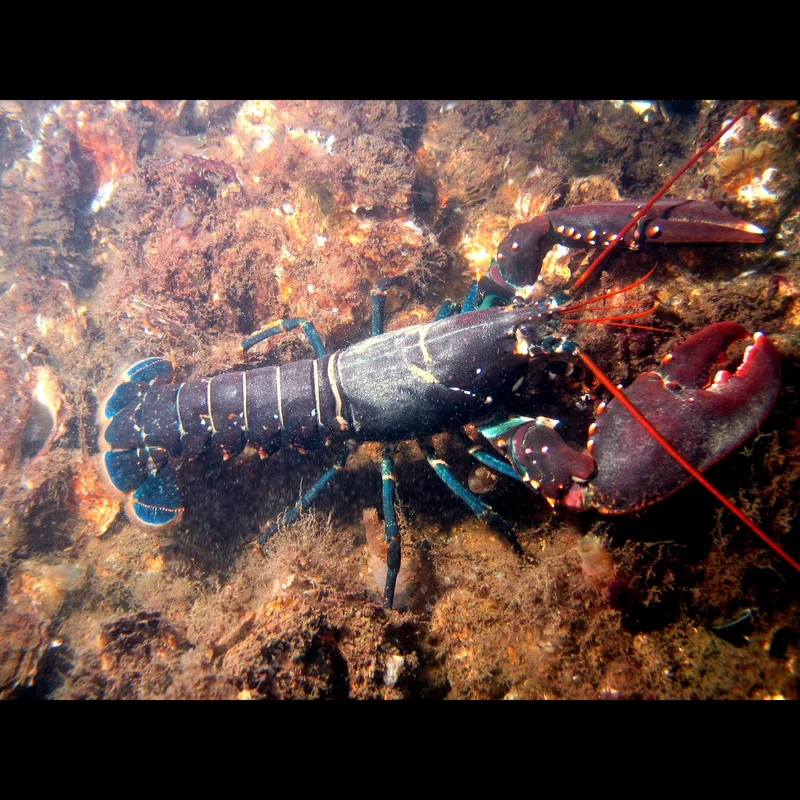
Spotting a lobster sheltering within the interior sections of the boat stands as a highlight for some divers, a testament to the wreck's role as an artificial reef.
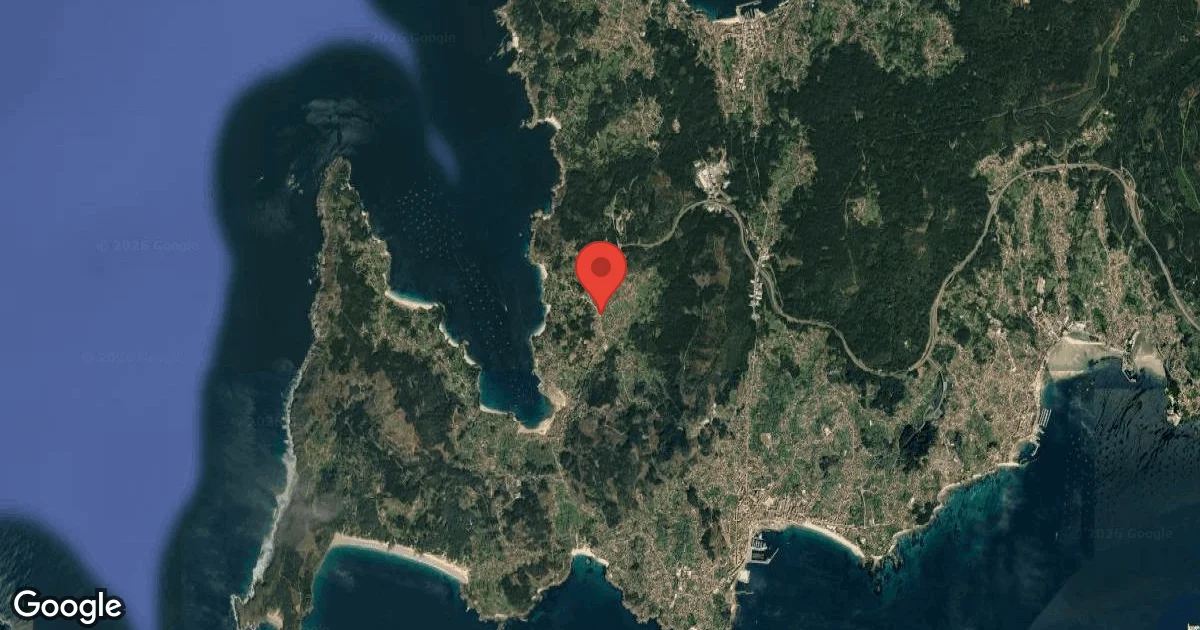
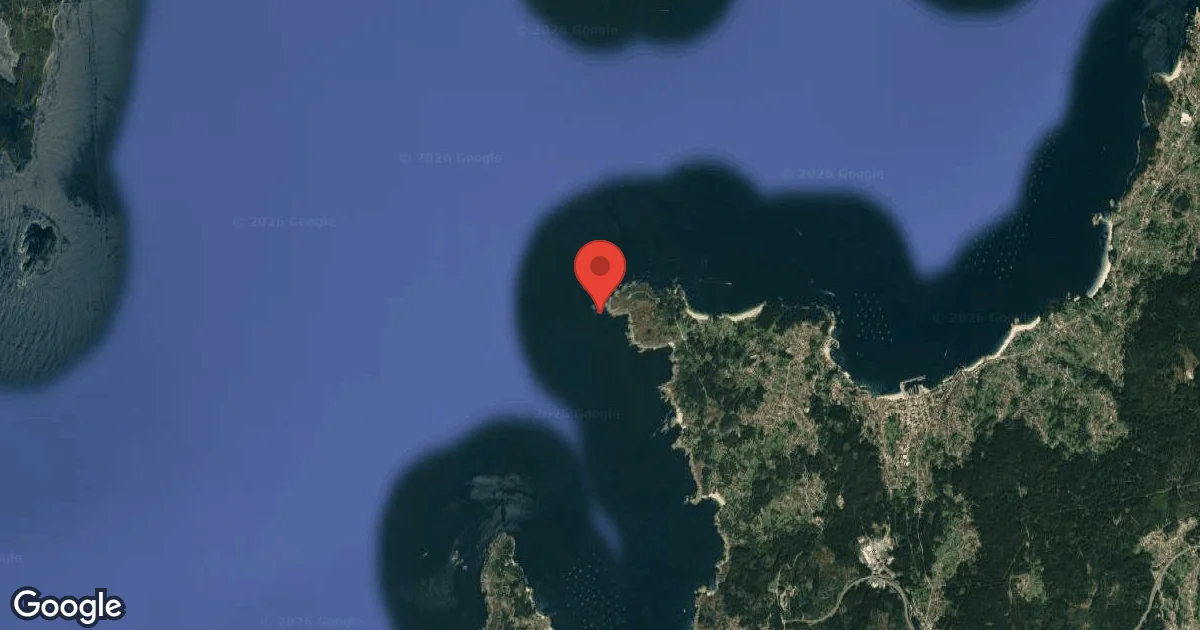
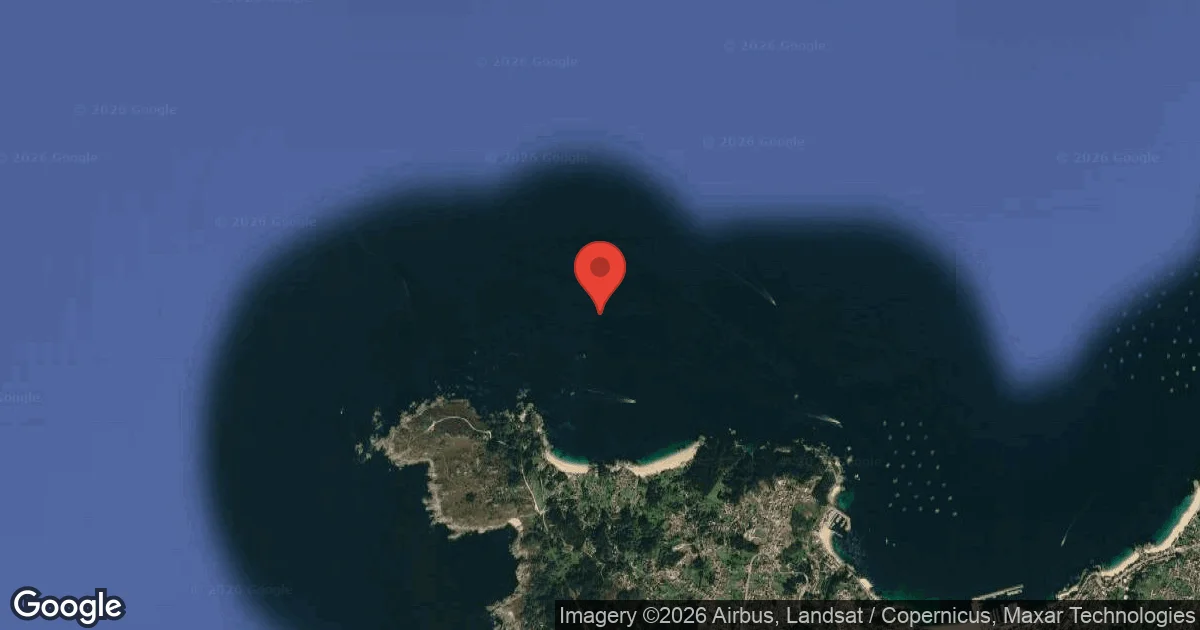
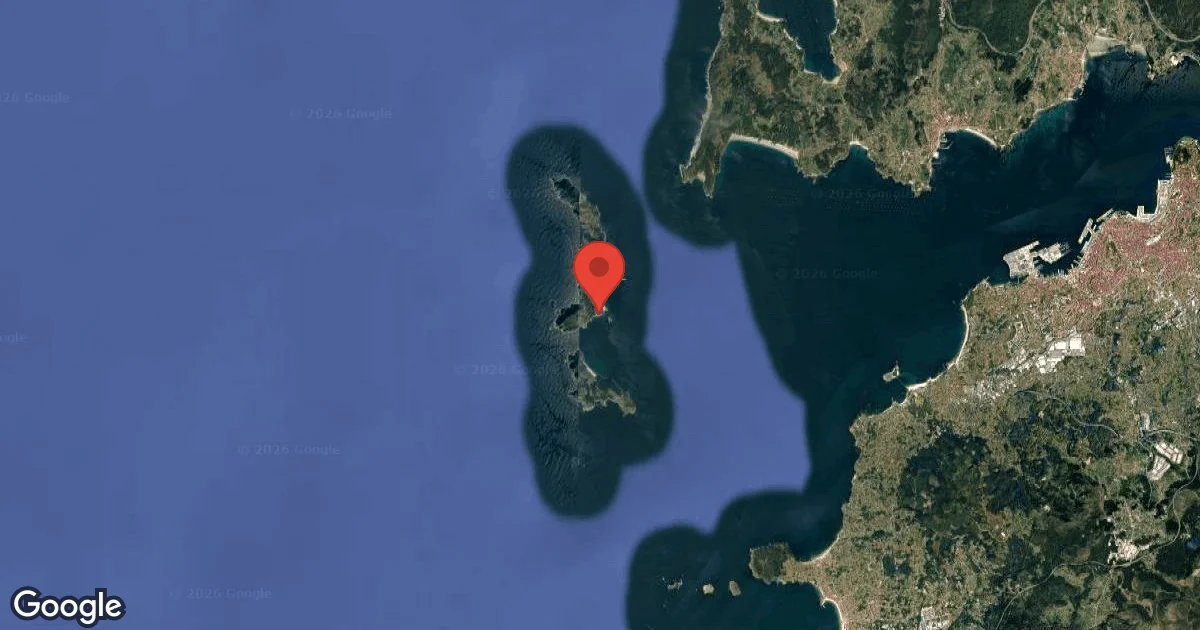
Dive Sites Near Pecio Isurus
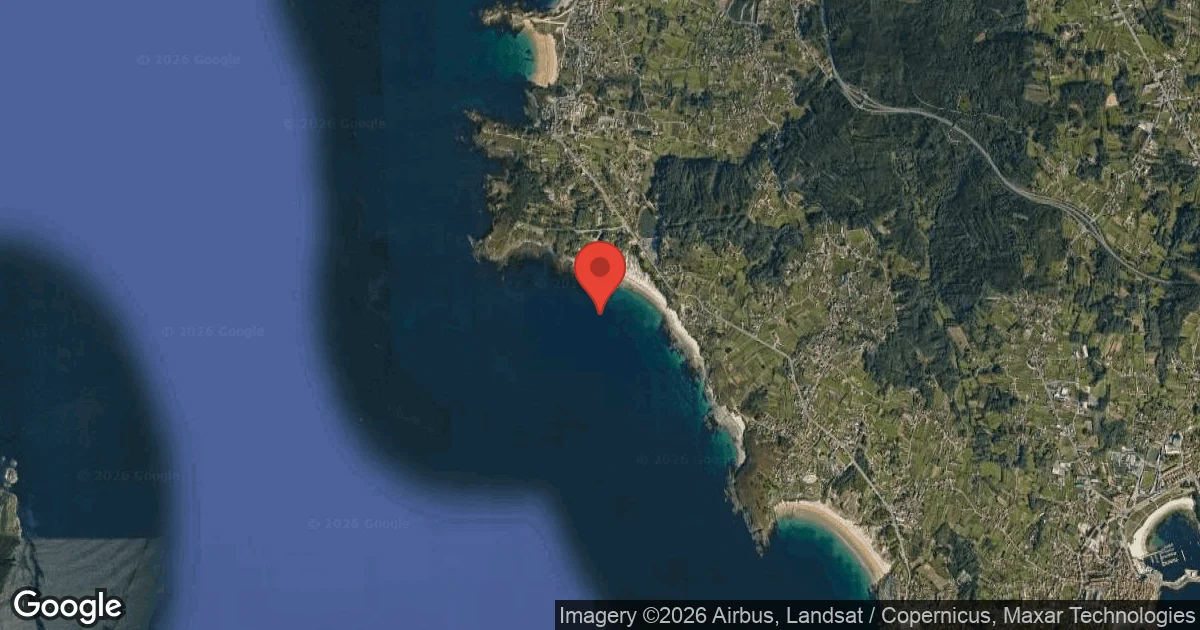
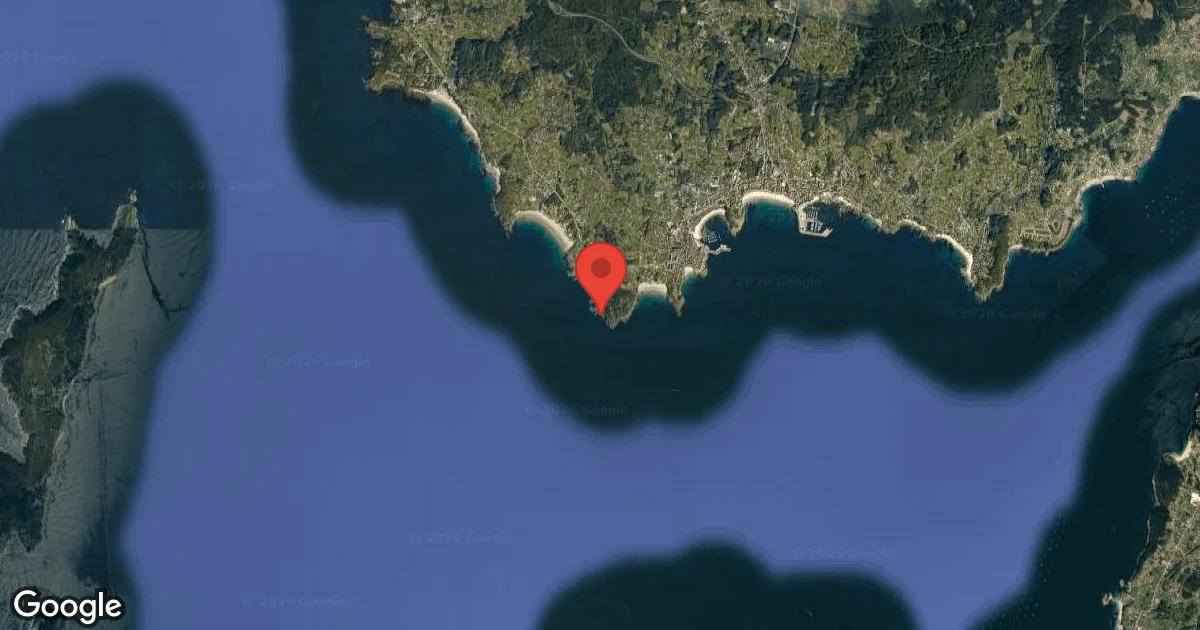
View all dive sites in SpainDiscover more underwater gems in this area.
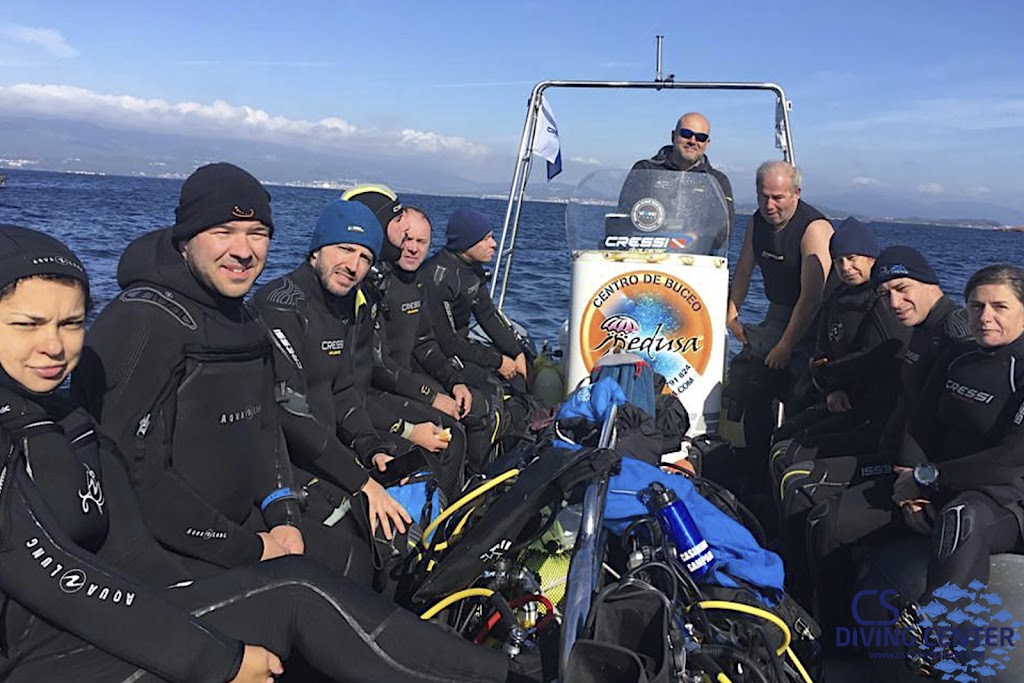
Dive Centers Near Pecio Isurus
Nearest Airports
Nearest airports to help plan travel to this dive area.
Search Flights
Check available flights and routes on Expedia, using the nearby airports listed in this section.
Search Flights on ExpediaFrequently Asked Questions
What type of dive site is Pecio Isurus?
Pecio Isurus is a deep wreck dive. It features a well-preserved fishing boat that sank in 2003, resting on a sandy bottom.
What is the average depth of the Pecio Isurus wreck?
The wreck of Pecio Isurus lies at an average depth of 40 meters (130 ft). This makes it suitable for advanced and technical divers.
What marine life can be seen at Pecio Isurus?
Divers often observe pouts, pintos, maragotas, and eels around the wreck. A lobster has also been noted sheltering inside the boat's structure.
What specific certifications or experience are recommended for this dive?
Due to its depth, diving Pecio Isurus requires significant deep diving experience. It's recommended for divers certified in Nitrox, Trimix, or those using Rebreather systems.
What are the dimensions of the Pecio Isurus wreck?
The Isurus is a fishing boat measuring 22 meters (72 ft) in length and 6 meters (20 ft) in beam. Its structure is largely intact despite the sinking.
When is the best time of year to dive Pecio Isurus?
The most favorable conditions for diving Pecio Isurus are typically during the summer months, from June to August. These months offer warmer air temperatures and calmer sea states.
Planning to dive Pecio Isurus?
Send one inquiry and receive offers directly from the best verified local dive operators.
Conditions are Good
Optimal conditions expected
Current conditions near Pecio Isurus show 16° air, 15° sea temperature, 1.6 m waves, and 27 km/h wind. Forecast data is refreshed regularly to ensure accuracy.