
Diving at Cuevas, CT 12, CT 17, CT 11 (Spain)
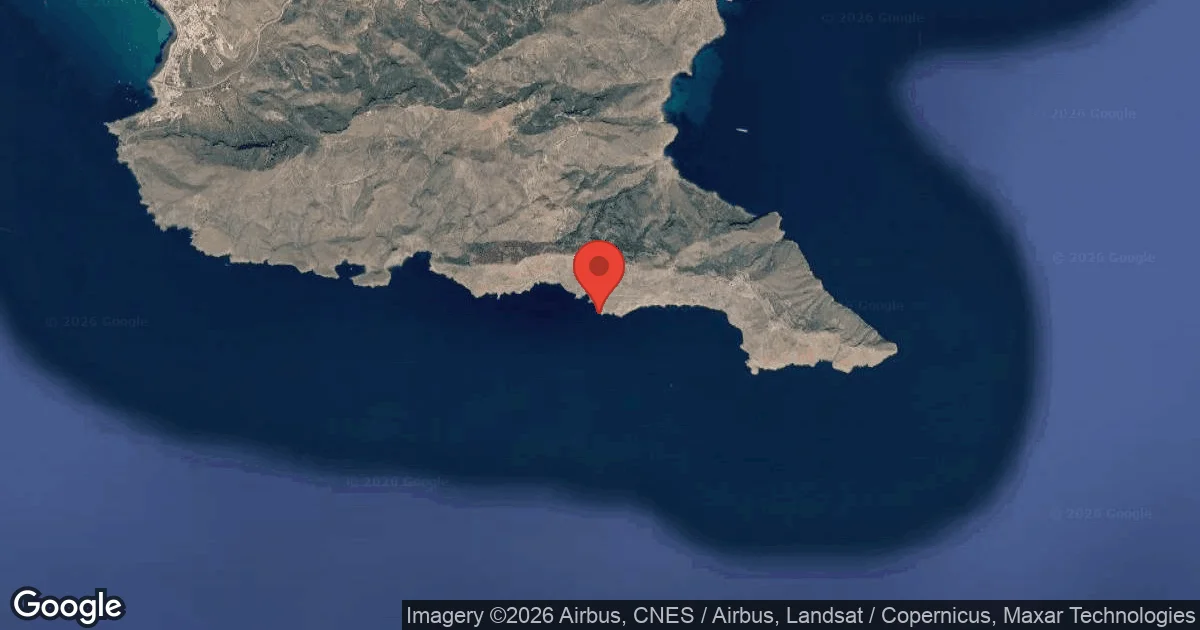
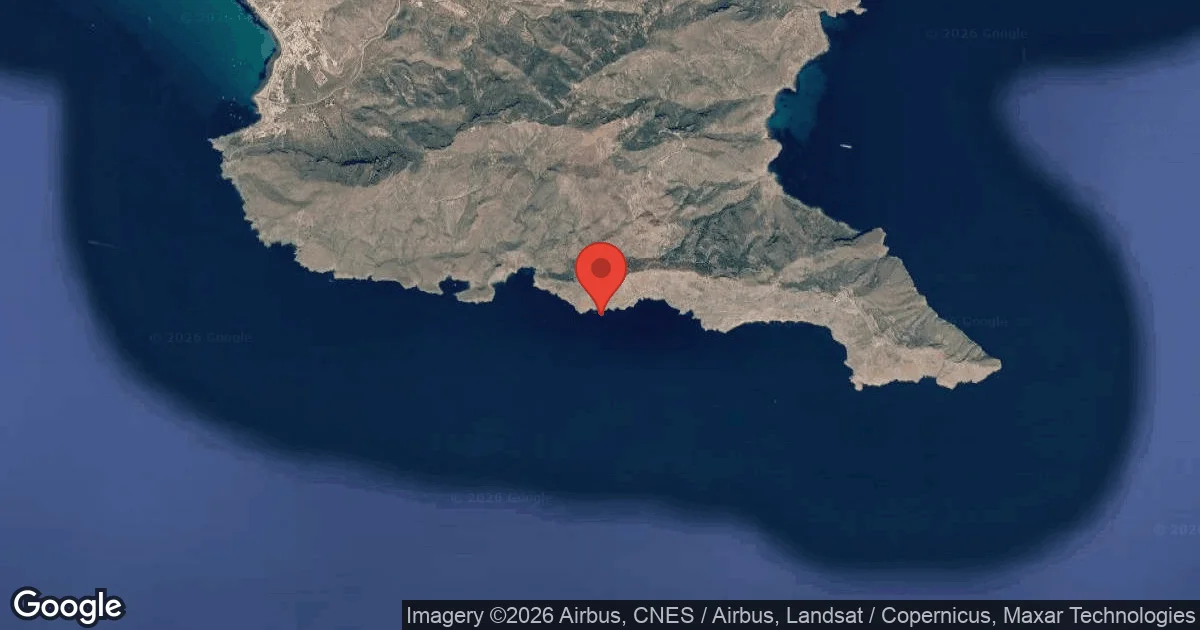
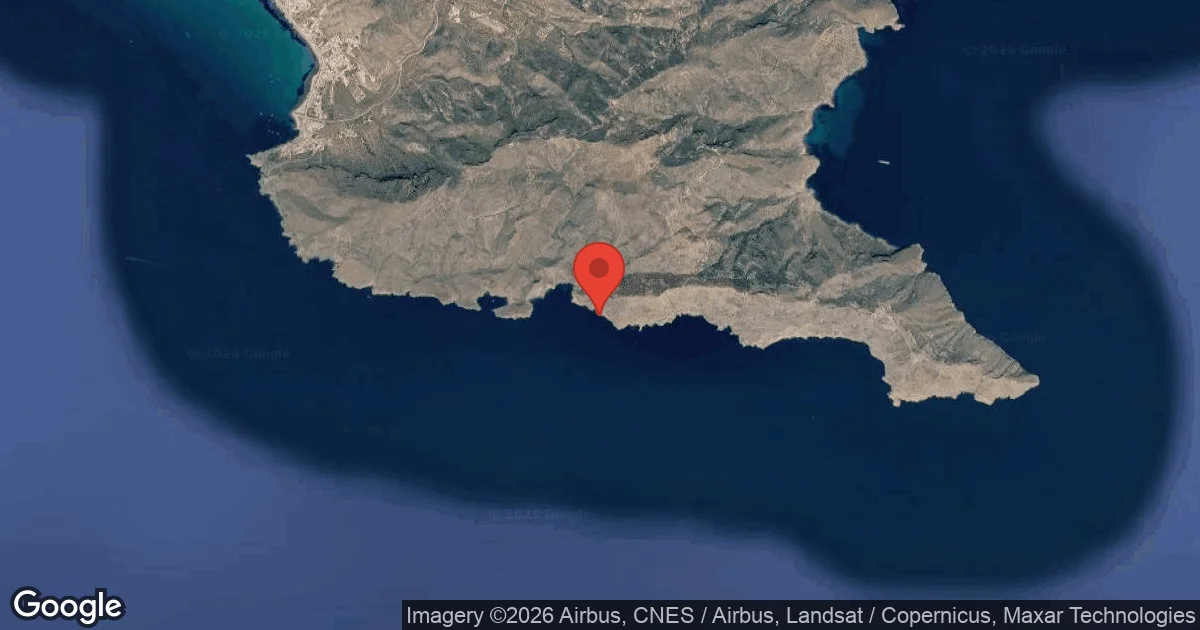
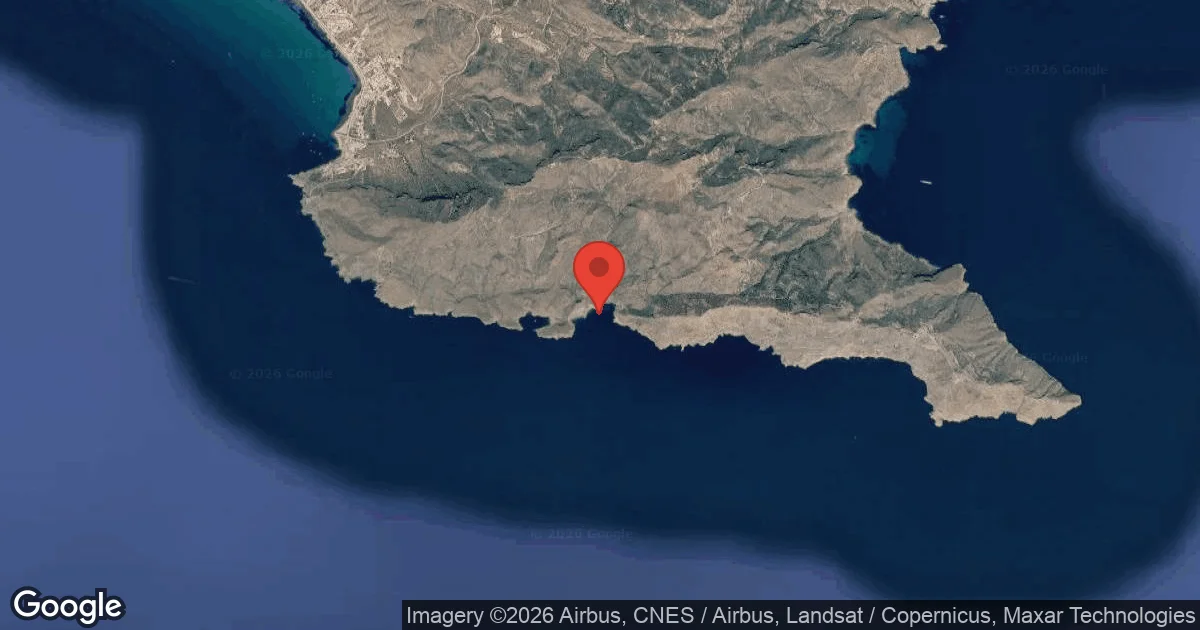
CUEVAS, CT 12, CT 17, and CT 11 form a cluster of dive sites, showcasing complex geological formations. Along Cabo Tiñoso's rugged, nearly vertical cliff face, divers find these sites composed of Triassic phyllites, characteristic of the Betic Mountain Ranges' southwestern sector. An intricate network of sea caves and grottos appeals to various diving proficiencies. Designation as a Marine Reserve highlights the ecological significance and controlled access, especially for delicate cave environments.
Current morning readings from Cuevas, CT 12, CT 17, CT 11 indicate an air temperature of 21.5°C. Surface wave heights are averaging around 0.7 m at this time. These local measurements provide a baseline for your daily dive planning.
Dive Site Location & Key Facts
Dive Site Overview
The Azohia's distinct coastal configuration, cradled by encompassing mountains, forms a truly privileged diving enclave. For many years, divers have explored this varied underwater landscape, which features an impressive multitude of caves, caverns, and grottos.
These underwater structures differ significantly in size and configuration, ensuring experiences cater to all certification levels. The CT12 cave, for example, is a well-known, prominent feature often requiring specific, pre-allocated dive slots, given its location within a designated marine reserve.
This structured access helps preserve the site's ecological integrity, allowing for sustainable and controlled exploration over time. Clear blue Mediterranean waters consistently draw enthusiasts, especially those keen on challenging cavern and deeper cave environments.
Many dives in this region present characteristic wall profiles, defined by dramatic vertical drop-offs that extend well beyond recreational depths, often reaching 30 m (100 ft) or more into the darkness. Diverse geological formations across these sites ensure multiple immersive experiences, accommodating a broad spectrum of certifications and interests.
Opportunities here range from introductory cavern exploration suitable for advanced recreational divers to complex, advanced technical cave penetration for experienced overhead environment specialists. Continuous, responsible exploration remains a defining characteristic of dive sites within this protected region, always emphasizing minimal impact and deep respect for its natural beauty.
Conditions are Moderate
Optimal conditions expected
Current conditions near Cuevas, CT 12, CT 17, CT 11 show 22° air, 27° sea temperature, 1.1 m waves, and 37 km/h wind. Forecast data is refreshed regularly to ensure accuracy.
Best Time to Dive
Optimal diving conditions generally last from spring through autumn, with "Good" dive scores common for much of the year. During summer, July and August, air temperatures are warmest, averaging 27.5-28°C (82°F), making surface intervals pleasant. Rainfall remains minimal in these peak months, often less than 0.3 mm (0.01 inches). Shoulder seasons, including April to June and September to November, also offer excellent opportunities. Air temperatures vary from 17.5°C (64°F) in April to 24.5°C (76°F) in September, typically with low rainfall. Specific water temperature data isn't consistently reported; however, the regional climate suggests warm underwater conditions during these times. Cooler winter months, with air temperatures around 12-15°C (53.6-59°F), still maintain "Good" dive scores, indicating year-round potential for experienced divers prepared for colder water.
PEAK SEASON SCORE
Scores combine air & water temps, waves, wind & rainfall for overall conditions.
BEST MONTHS TO DIVE
Monthly records compiled from satellite and marine observation nodes over the last 3 years. Data provided by Open-Meteo and MET Norway.
Dive Experience & Conditions
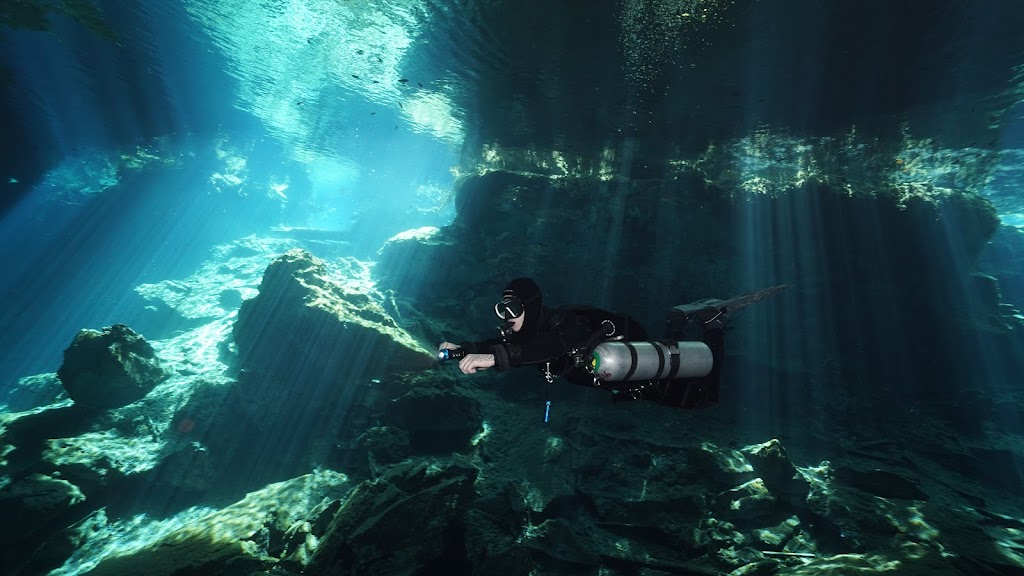
Exploring these sites immerses divers in rugged, vertical walls and intricate cave systems. CT12 cave, a prime example, presents two distinct entrances converging into a main cavern. One entrance sits noticeably deeper than another, offering a multi-level approach to its system. Beyond the initial cavern, passages progressively narrow. Within tighter sections, two parallel channels exist; one is considerably restricted, generally suitable for side-mounted cave divers only. Exceptional visibility is common, highlighting clear blue Mediterranean waters. Varying depths and configurations across these sites accommodate diverse diving skills, from recreational dives along walls to advanced technical cave penetrations.
Dive Difficulty & Safety Guidelines
Diving in the CUEVAS, CT 12, CT 17, and CT 11 areas, especially within the CT12 cave, requires adherence to specific guidelines as it's part of a marine reserve. Dive centers often have pre-allocated slots for entry into these sensitive areas, meaning advance booking is essential. For cave dives, particularly in tighter sections only suitable for side-mounted configurations, specialized training and appropriate experience are paramount.
Recreational divers should stick to designated open water or cavern zones. Always dive with a qualified guide familiar with the site's unique characteristics and local regulations. Respecting marine reserve rules helps preserve the delicate ecosystem for future exploration.
Recommended Equipment
- Dive Computer
This gear list is based on verified equipment signals for Cuevas, CT 12, CT 17, CT 11, Spain. Always confirm final gear choices with your dive operator, guide, or liveaboard.
Recommended Dive Suit
A warming trend is expected over the next few days. A warming trend is expected over the next few days.
Some divers prefer slightly warmer exposure protection simply for additional comfort.
2-3mm shorty or light wetsuit usually works well for maintaining comfort during standard dive profiles in these conditions. A hood or vest is suggested for sensitive divers due to surface winds. Surface intervals may feel cooler. The surrounding waters at Cuevas, CT 12, CT 17, CT 11 are currently registering temperatures of roughly 27°C (80°F). Surface air temperatures are resting at 22°C (71°F).
Due to technical issues with our weather providers, live updates are temporarily delayed. The data above reflects the conditions at the time of the last successful fetch.
Emergency & Medical Support
Essential information to help you plan your dive trip to CUEVAS, CT 12, CT 17, CT 11.

Hyperbaric chambers are a critical part of dive safety infrastructure. Availability varies significantly by region, and not all dive areas have immediate access.
Before diving, it's recommended to:
- confirm nearest medical facilities
- check emergency procedures with local dive operators
- ensure dive insurance covers evacuation if required
Divers Alert Network
Diving emergency assistance available through DAN Europe.
+39 0642115685- 24/7 emergency hotline
- Diving medical assistance
- Evacuation coordination
Emergency contacts are provided for reference. Always verify local emergency services before diving.
Marine Life at Cuevas, CT 12, CT 17, CT 11
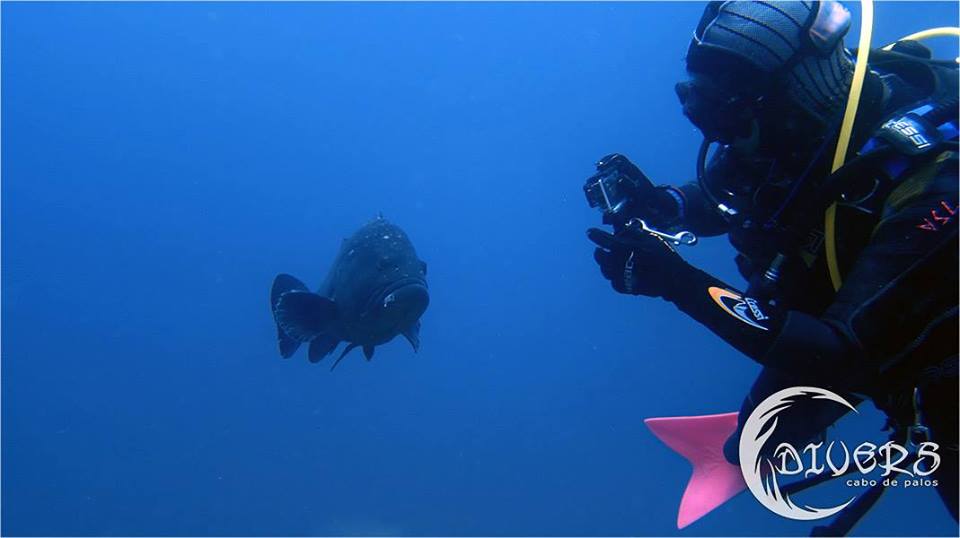
Dramatic underwater landscapes, featuring extensive walls, numerous caves, and varied grottos, create rich habitats for diverse aquatic species. These geological formations provide shelter and foraging grounds for a range of Mediterranean marine life.
Exploring rock faces' nooks and crannies often reveals smaller, cryptic species. Open water surrounding walls occasionally presents opportunities for encounters with larger pelagic organisms.
Clear waters enhance observations of a vibrant ecosystem thriving within these unique underwater structures, ensuring each dive explores a dynamic, visually appealing environment.
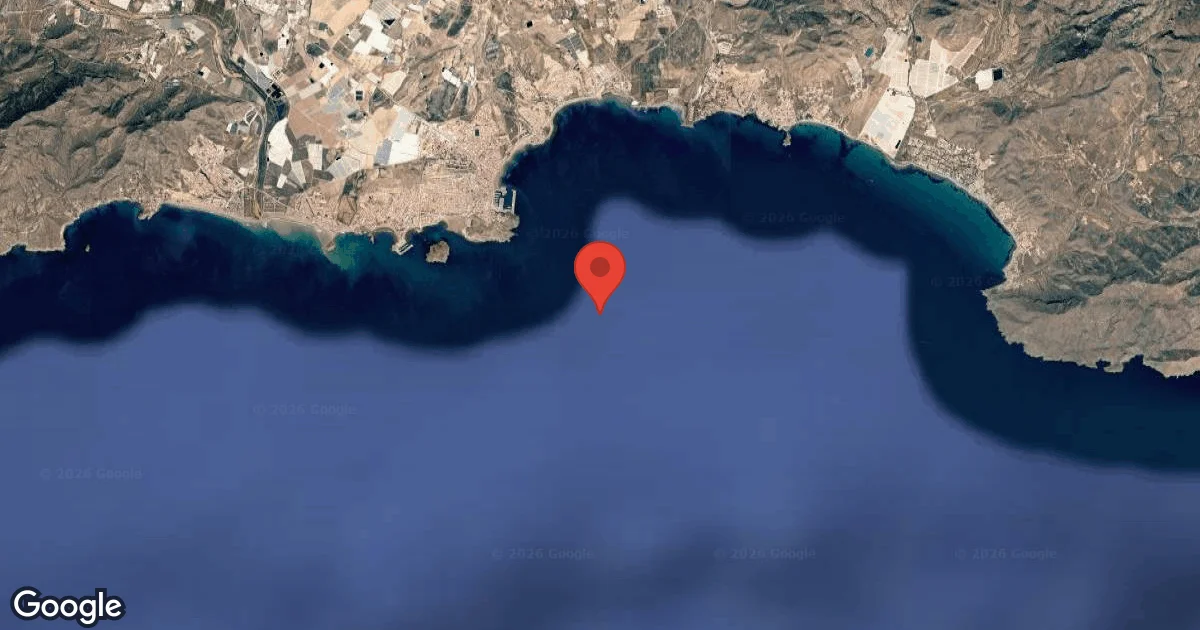
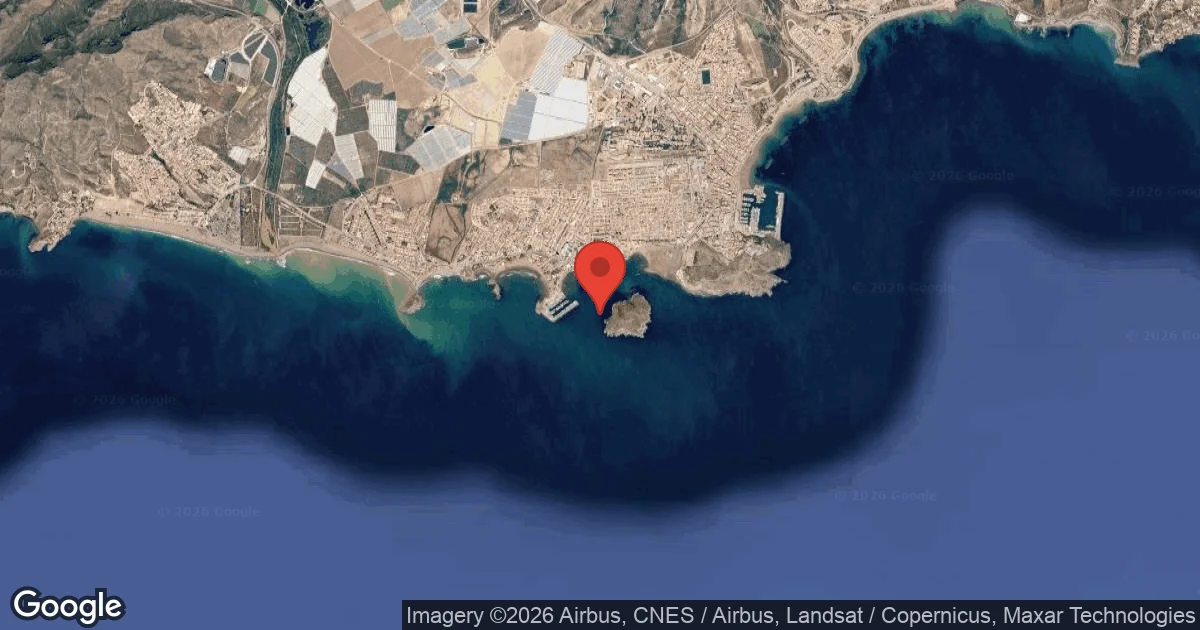
Dive Sites Near Cuevas, CT 12, CT 17, CT 11
View all dive sites in SpainDiscover more underwater gems in this area.
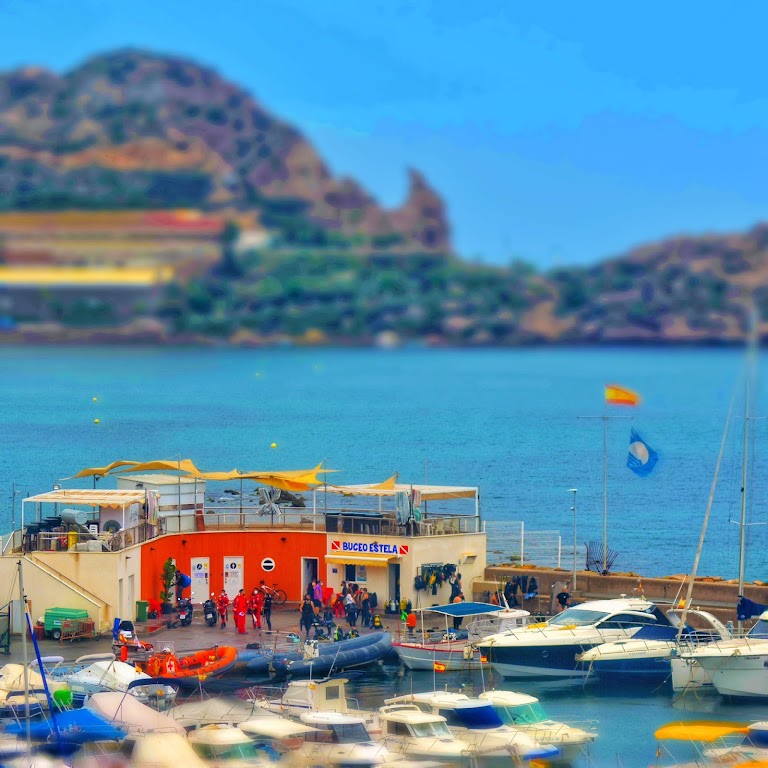
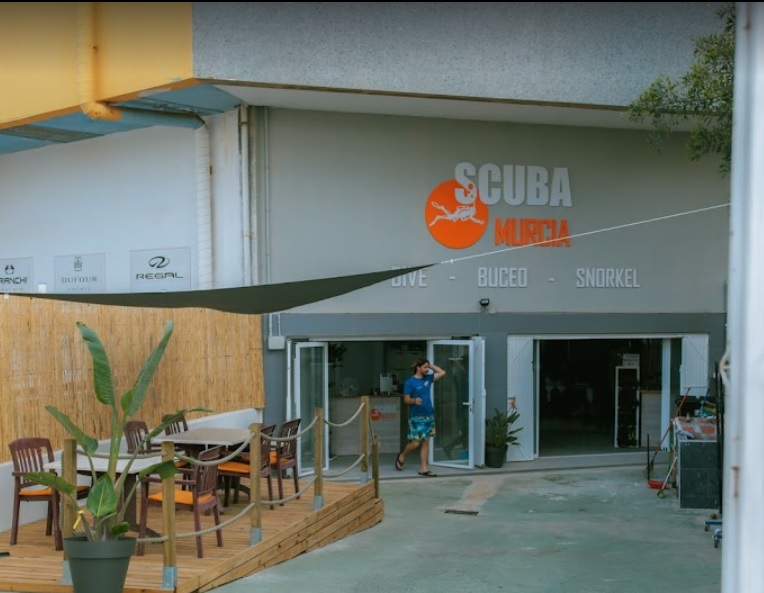
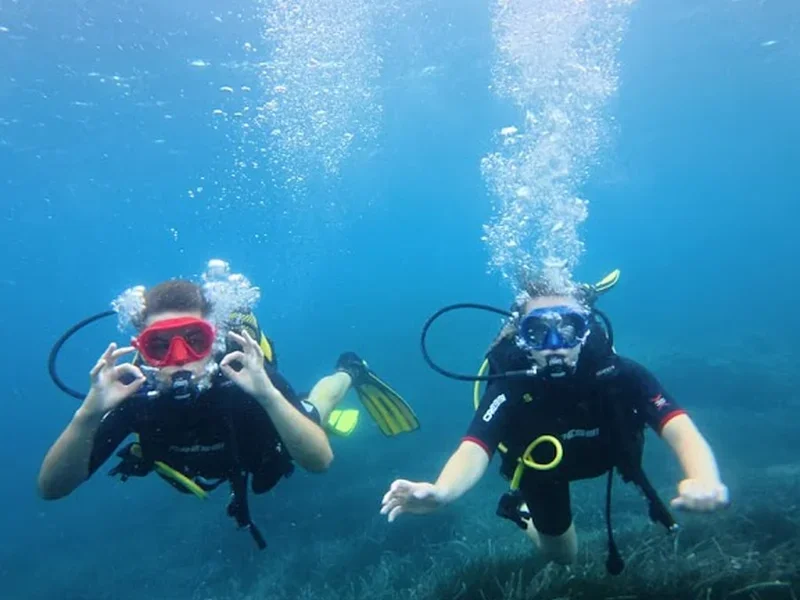
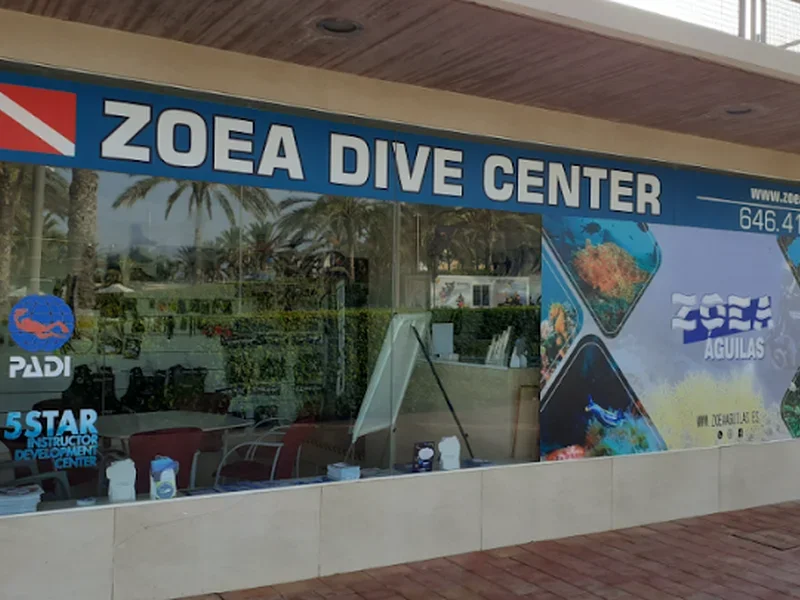
Dive Centers Near Cuevas, CT 12, CT 17, CT 11
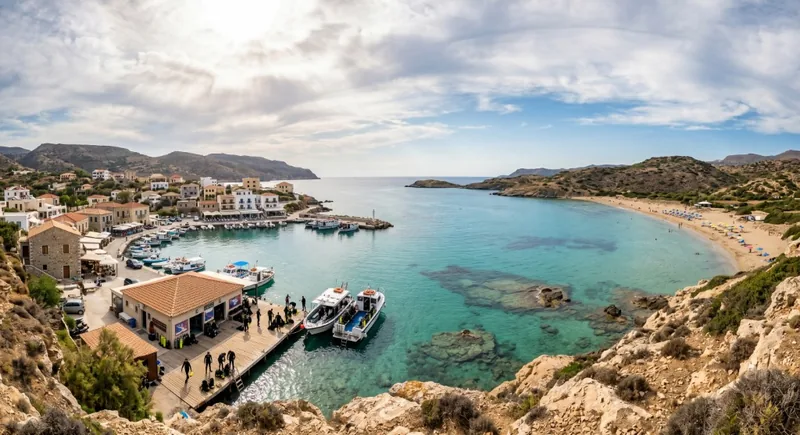
Today: 09:30 - 20:00
Nearest Airports
Nearest airports to help plan travel to this dive area.
Search Flights
Check available flights and routes on Expedia, using the nearby airports listed in this section.
Search Flights on ExpediaFrequently Asked Questions
What types of diving are available at CUEVAS, CT 12, CT 17, CT 11?
Primarily, sites offer wall dives alongside extensive opportunities for cavern and full cave diving. Complex networks of grottos and passages cater to divers seeking both recreational and technical overhead environment experiences.
Is prior experience required for these dive sites?
Sites present varied levels of difficulty. While some wall dives or cavern entries suit recreational divers, full cave penetration requires specialized training and certification, often including side-mount proficiency.
How is access to the CT12 cave managed?
CT12 cave resides within a protected marine reserve. Access is controlled, and local dive centers often have allocated slots for entry, so advance booking through an operator is advisable.
What is the typical visibility like at these sites?
Divers generally report crystal clear blue Mediterranean waters around these sites. Excellent visibility enhances exploring intricate walls and cave systems.
What kind of marine life can I expect to see?
Diverse habitats, including walls, caves, and grottos, support a variety of Mediterranean marine species. Expect to observe a range of reef fish, invertebrates, and potentially larger pelagic species in open water.
When is the best time of year to dive CUEVAS, CT 12, CT 17, CT 11?
Optimal periods extend from spring through autumn, typically April to November, when air temperatures are warmer and rainfall is minimal. However, with good dive scores year-round, winter diving is also possible for those equipped for cooler conditions.
What kind of underwater formations can be expected?
Sites feature dramatic, almost vertical cliff walls and a labyrinth of caves and grottos. These formations are geologically significant, composed of Triassic phyllites, offering unique exploration opportunities.
Planning to dive Cuevas, CT 12, CT 17, CT 11?
Send one inquiry and receive offers directly from the best verified local dive operators.
Conditions are Moderate
Optimal conditions expected
Current conditions near Cuevas, CT 12, CT 17, CT 11 show 22° air, 27° sea temperature, 1.1 m waves, and 37 km/h wind. Forecast data is refreshed regularly to ensure accuracy.