
Diving at Cuevas de Ses Caletes (Spain)
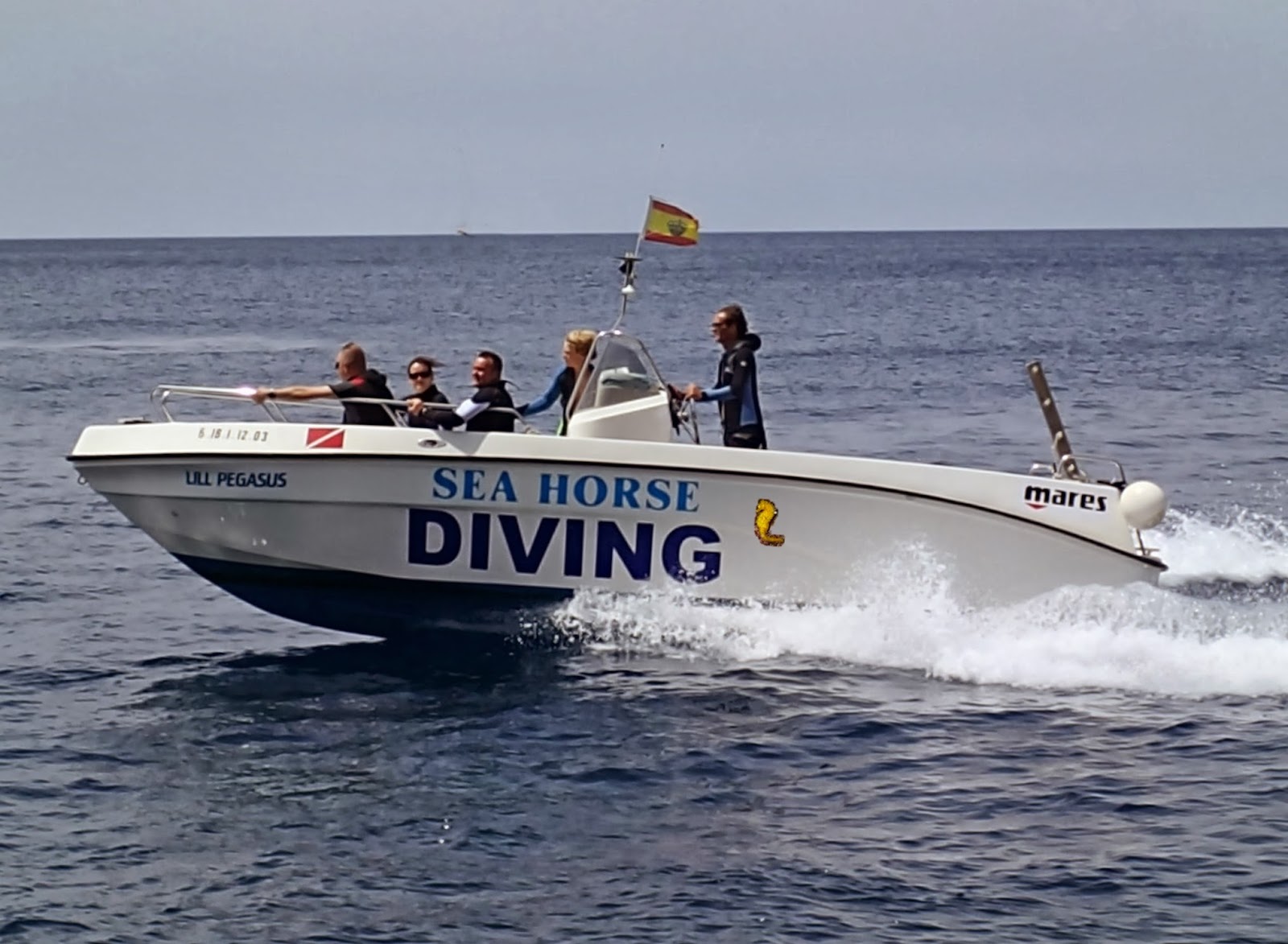
A boat approach to Cuevas de Ses Caletes sets the tone for a distinctive dive, providing a secluded feel away from busier areas. This journey fosters discovery as divers prepare to explore a site known for unique geological features. Being a boat dive, preparation happens en route, leading to a focused entry into the calm, unspoiled cove near Sant Vicent de la Cala.
Tonight's objective overview for Cuevas de Ses Caletes shows an air temperature of 22°C. The measured surface conditions include wave heights around 0.6 m. This environmental data is logged for the close of the day.
Dive Site Location & Key Facts
Dive Site Overview
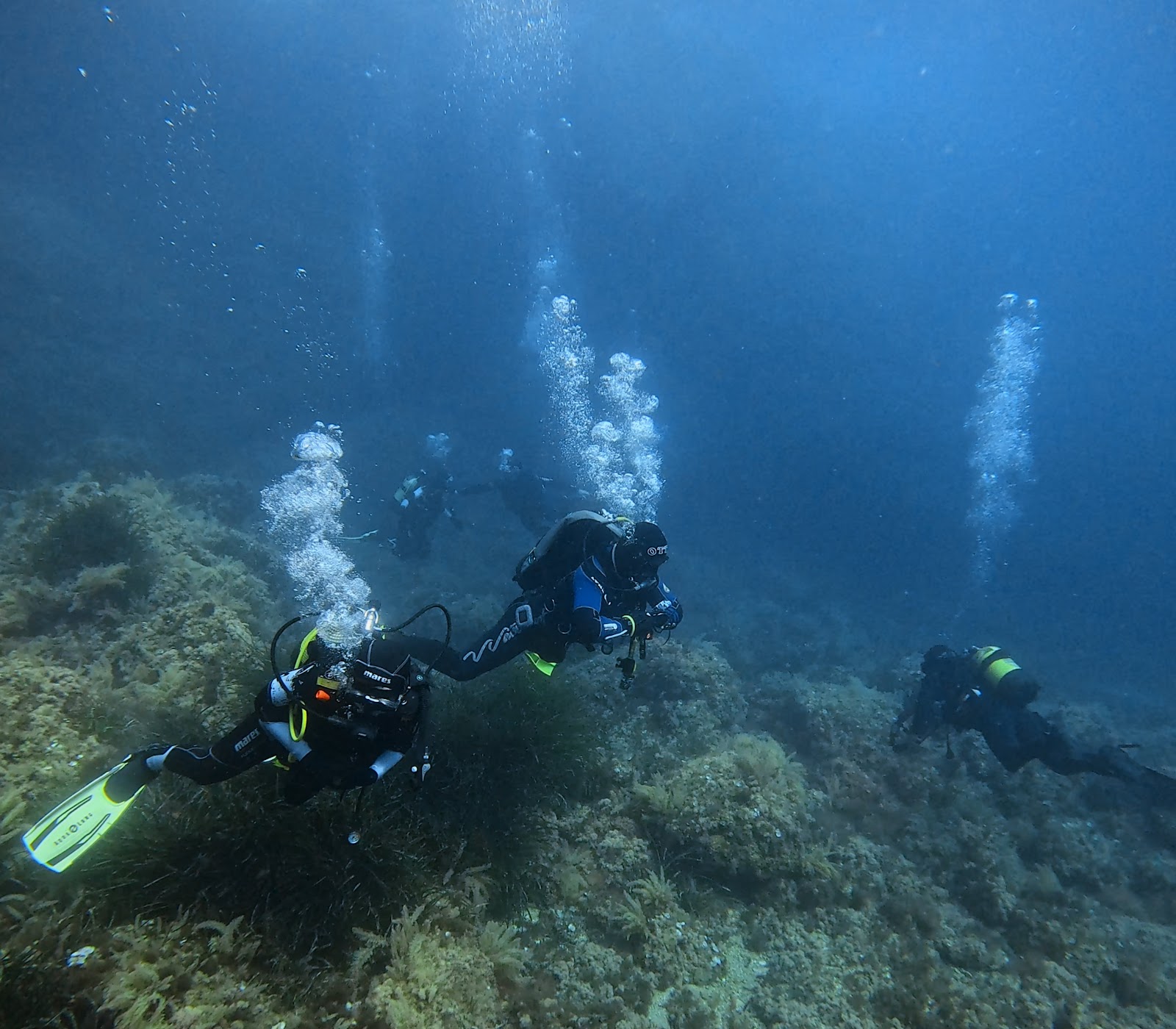
Geological history at Cuevas de Ses Caletes has sculpted a captivating underwater landscape, comprising large rock formations, intricate caves, and natural caverns. Divers navigate a complex of features, starting in the shallows before progressing into more profound areas.
A highlight includes a spectacular cave, accessed through a shallow entrance that transitions into a short tunnel, opening into a cavern about 20 meters (66 ft) deep. After exiting this initial cavern, the route reveals two striking rock arches, positioned at 14 meters (46 ft) and 23 meters (75 ft), respectively.
These formations, combined with the site's overall max depth of 29 m (95 ft), create varied exploration opportunities. Access to this area, close to the Port de Ses Caletes near Sant Vicent de la Cala, is primarily by boat, defining the logistical approach for visitors.
Conditions are Good
Optimal conditions expected
Current conditions near Cuevas de Ses Caletes show 22° air, 27° sea temperature, 0.8 m waves, and 29 km/h wind. Forecast data is refreshed regularly to ensure accuracy.
Best Time to Dive
Analyzing conditions for Cuevas de Ses Caletes, the period from June through September generally presents the most favorable diving conditions. Air temperatures during these months are at their highest, ranging from 24°C (75°F) in June to 27°C (81°F) in July and August. While specific water temperature data isn't consistently reported, regional patterns suggest warmer water during these peak summer months. Average wave heights are notably lower, typically around 0.6 to 0.7 meters (2 to 2.3 ft), contributing to calmer surface conditions. Wind speeds also tend to be lighter, averaging 17.5 to 18.6 km/h (10.9 to 11.6 mph), and rainfall is minimal, often less than 1 mm, ensuring clearer skies and more stable weather for boat access and diving activities. All months currently show a 'Good' dive score, indicating year-round potential under varying conditions.
PEAK SEASON SCORE
Scores combine air & water temps, waves, wind & rainfall for overall conditions.
BEST MONTHS TO DIVE
Monthly records compiled from satellite and marine observation nodes over the last 3 years. Data provided by Open-Meteo and MET Norway.
Dive Experience & Conditions
Exploring Cuevas de Ses Caletes typically begins in shallower sections, gradually descending into an area rich with geological formations. Divers can expect a series of natural arches and caves within recreational limits. A significant cavern extends to approximately 20 meters, providing a confined overhead environment for certified cave divers. Beyond these overhead zones, the site continues to deeper sections, approaching its maximum recreational depth. Visibility generally remains robust, averaging around 25 meters but potentially extending from 20 to 30 meters depending on prevailing conditions. Currents are typically limited, making for calm navigation, though localized conditions can always vary. Specific water temperature logs are not consistently reported; however, seasonal variations mean warmer conditions are expected in summer.
Dive Difficulty & Safety Guidelines
Divers planning a trip to Cuevas de Ses Caletes should prioritize careful preparation due to the specific nature of this site. While overall current is often limited, always be aware of potential localized variations. One critical consideration is the presence of pleasure boats in the vicinity, particularly when surfacing or navigating near entrance and exit points.
Deploying a surface marker buoy (SMB) upon ascent enhances visibility for boat traffic. Given the site features significant caves and caverns, appropriate certification for overhead environments is essential for exploring beyond the light zone.
Maintaining good buoyancy control is also crucial to protect delicate formations and avoid stirring up sediment within the caves. Always dive with a buddy and ensure all equipment is in excellent working order for these types of dives.
Recommended Equipment
Overhead environment. Do not enter beyond training and gas planning limits.
- Dive Computer
- Primary & Backup Lights
- Reel / Spool
- Cutting Tool
This gear list is based on verified equipment signals for Cuevas de Ses Caletes, Spain. Always confirm final gear choices with your dive operator, guide, or liveaboard.
Recommended Dive Suit
A warming trend is expected over the next few days. A warming trend is expected over the next few days.
Two divers in the same water temperature may experience very different comfort levels.
Many divers find that 2-3mm shorty or light wetsuit offers the right level of insulation for conditions like these. Surface intervals may feel cooler. Divers preparing to enter the water at Cuevas de Ses Caletes will likely find temperatures around 27°C (80°F) today. Surface air temperatures are resting at 22°C (72°F).
Due to technical issues with our weather providers, live updates are temporarily delayed. The data above reflects the conditions at the time of the last successful fetch.
Emergency & Medical Support
Essential information to help you plan your dive trip to Cuevas de Ses Caletes.

Hyperbaric chambers are a critical part of dive safety infrastructure. Availability varies significantly by region, and not all dive areas have immediate access.
Before diving, it's recommended to:
- confirm nearest medical facilities
- check emergency procedures with local dive operators
- ensure dive insurance covers evacuation if required
Divers Alert Network
Diving emergency assistance available through DAN Europe.
+39 0642115685- 24/7 emergency hotline
- Diving medical assistance
- Evacuation coordination
Emergency contacts are provided for reference. Always verify local emergency services before diving.
Closest Listed Hyperbaric Chambers
Showing listed hyperbaric chamber facilities within 200 km of this dive site.
Distances are approximate straight-line distances and may not reflect emergency travel time.
Underwater and Hyperbaric Medicine
Palma de Mallorca, Spain•Approx. 106 km straight-line
Underwater and Hyperbaric Medicine
Information is provided for reference and planning purposes only. Dive Navigator does not verify operational status, staffing, availability, or quality of care at listed facilities. In an emergency, contact local emergency services, DAN, your dive operator, or the chamber directly. Do not travel to a facility without calling ahead.
Unidad Hiperbarica Hospital de Castellon UTH-HGUCS
24/7 ListedICU CapableCastellon, Spain•Approx. 171 km straight-line
Unidad Hiperbarica Hospital de Castellon UTH-HGUCS
24/7 ListedICU CapableInformation is provided for reference and planning purposes only. Dive Navigator does not verify operational status, staffing, availability, or quality of care at listed facilities. In an emergency, contact local emergency services, DAN, your dive operator, or the chamber directly. Do not travel to a facility without calling ahead.
Marine Life at Cuevas de Ses Caletes
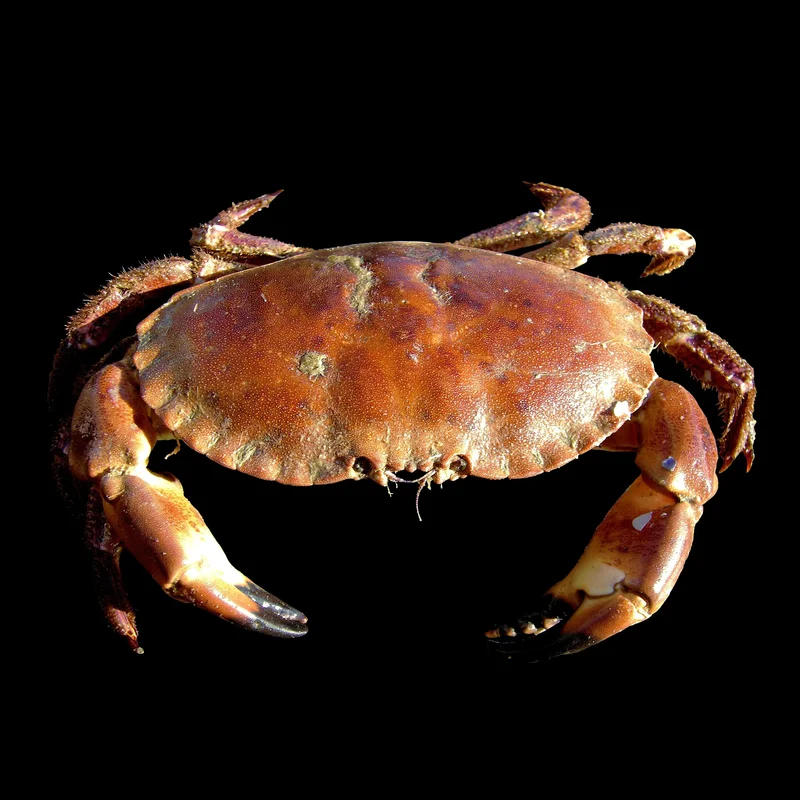
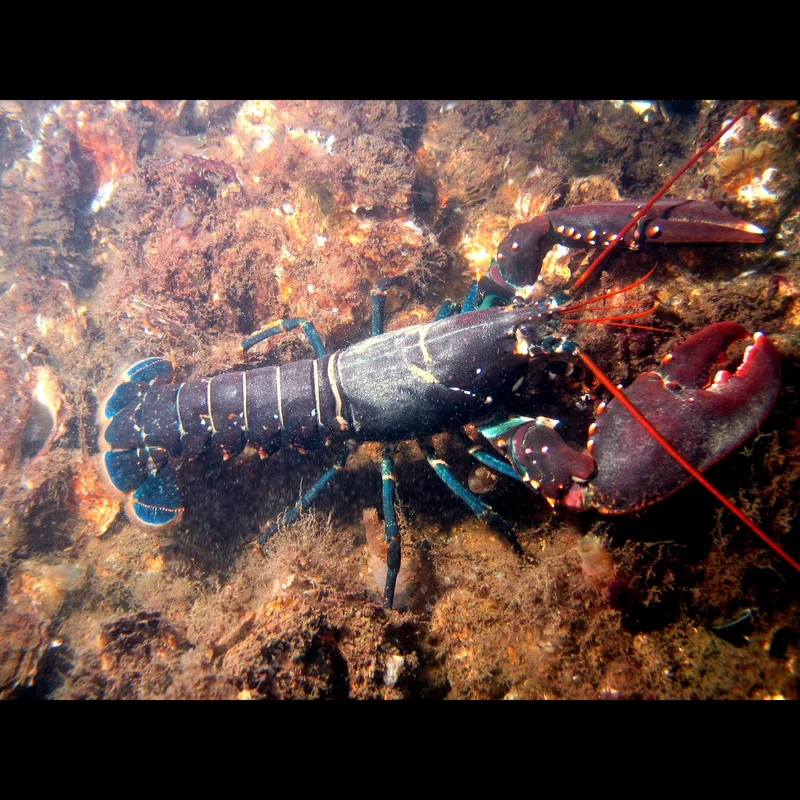
Cuevas de Ses Caletes' dramatic underwater landscape provides diverse habitats, attracting a variety of marine life. Inside protected caverns, divers frequently observe crabs and lobsters, often sheltering amongst rocks.
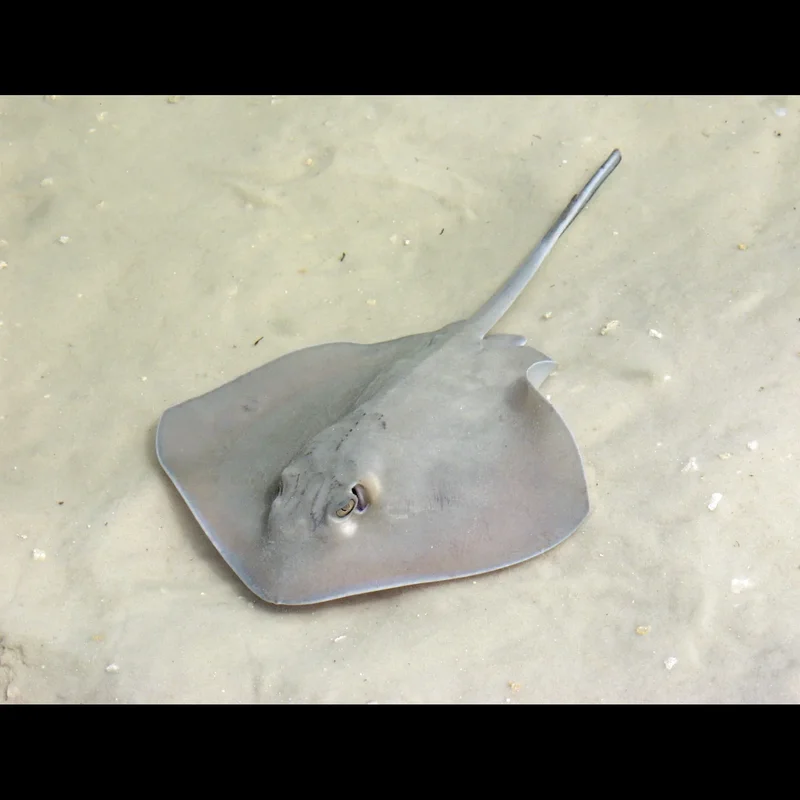
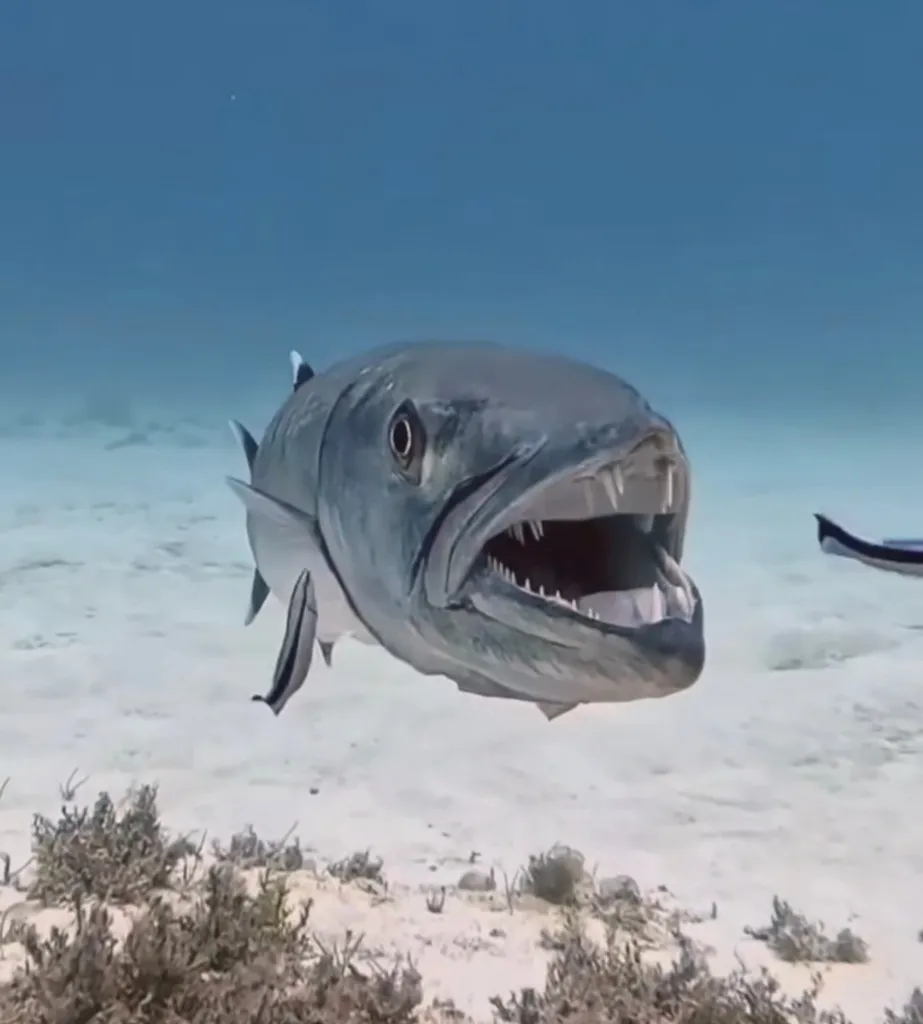
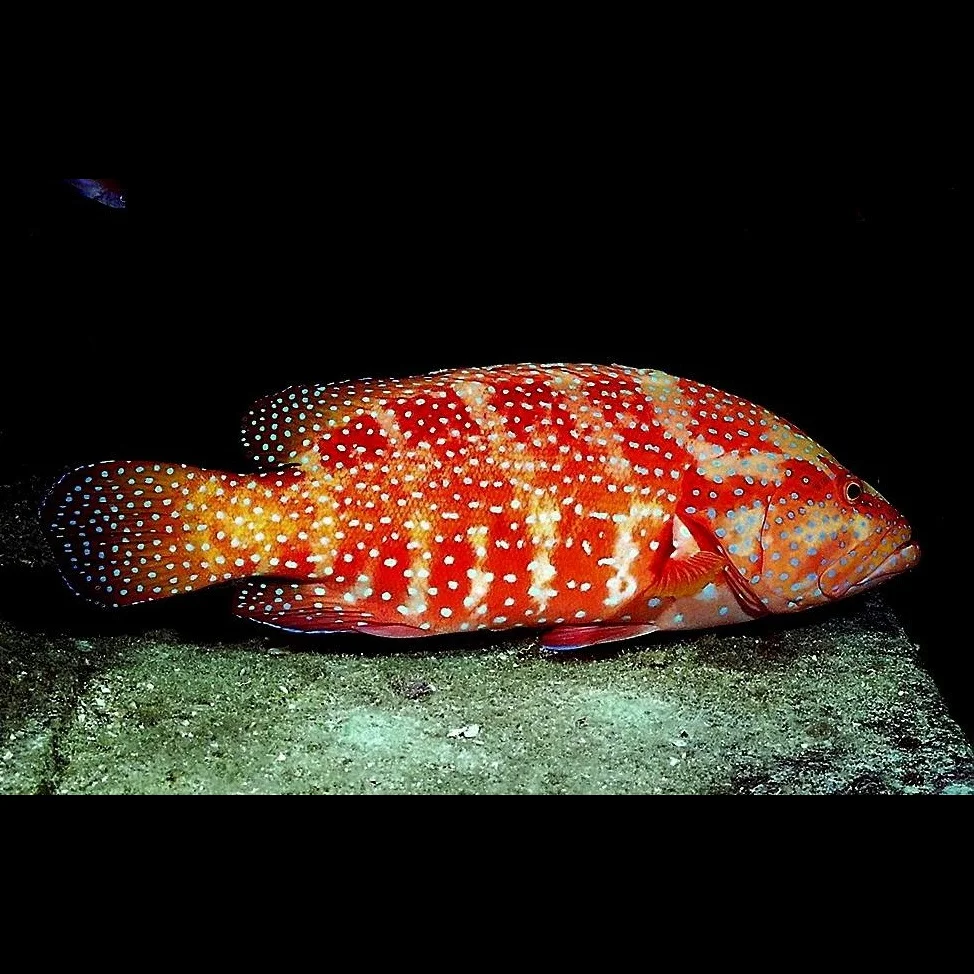
In the open blue, groups of barracudas often cruise past, and solitary groupers can be seen patrolling territories. Sandy bottom areas offer opportunities to spot stingrays, which are relatively easy to locate over sand flats.
While not described as an intensely biodiverse reef, specific inhabitants complement unique geological features, creating a distinct experience for divers.
Dive Sites Near Cuevas de Ses Caletes
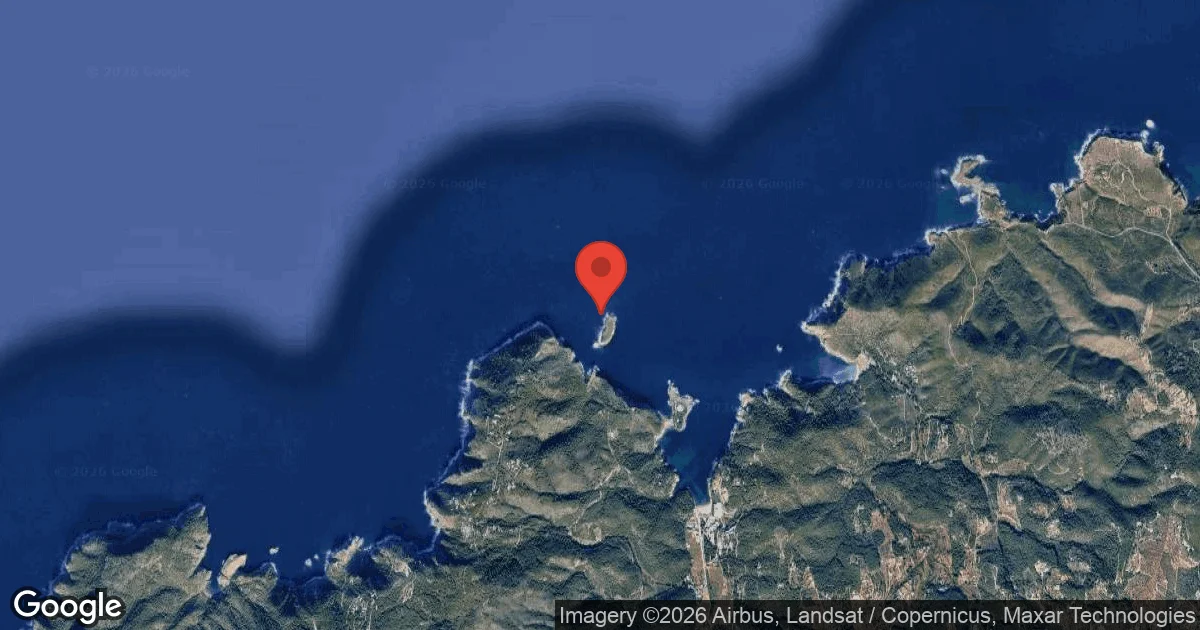
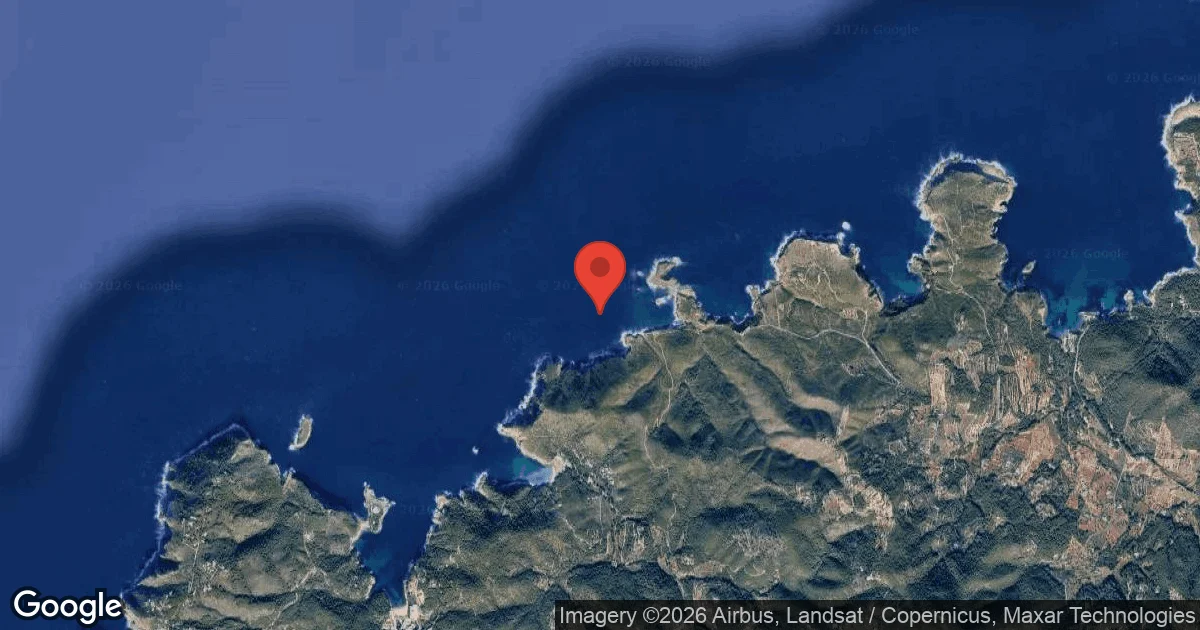
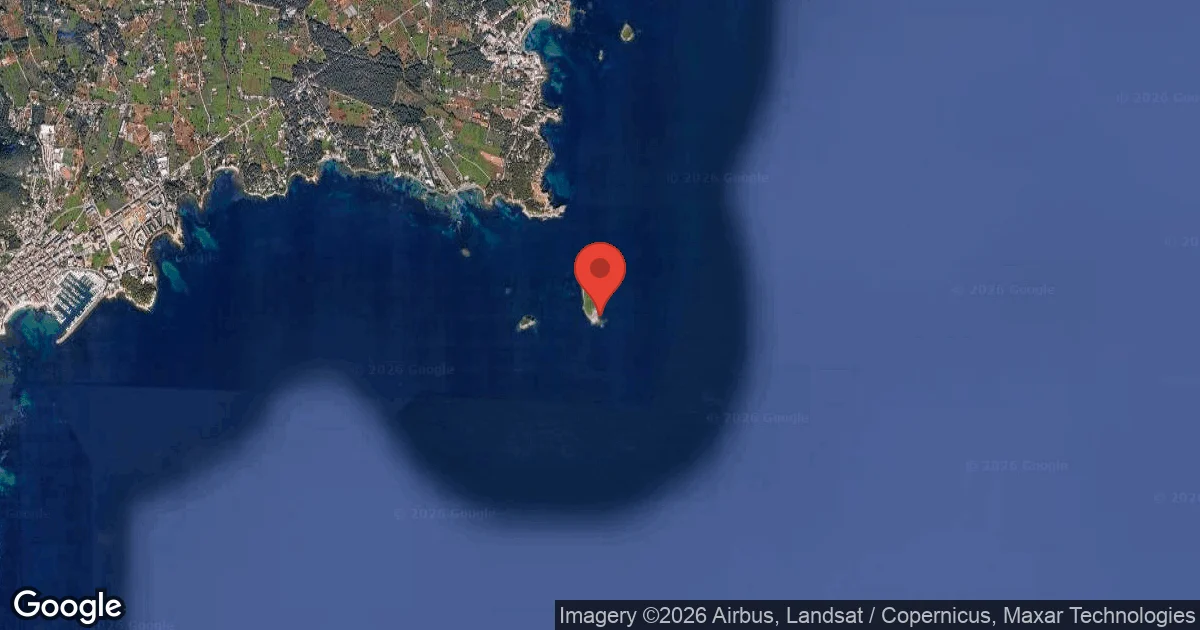
View all dive sites in SpainDiscover more underwater gems in this area.
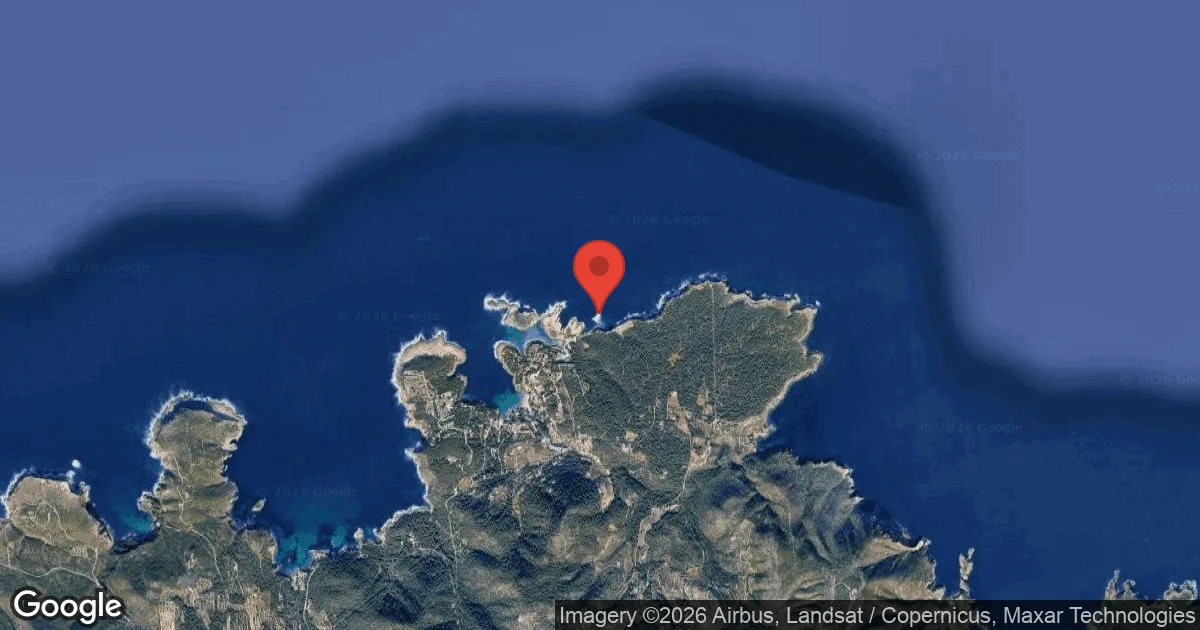
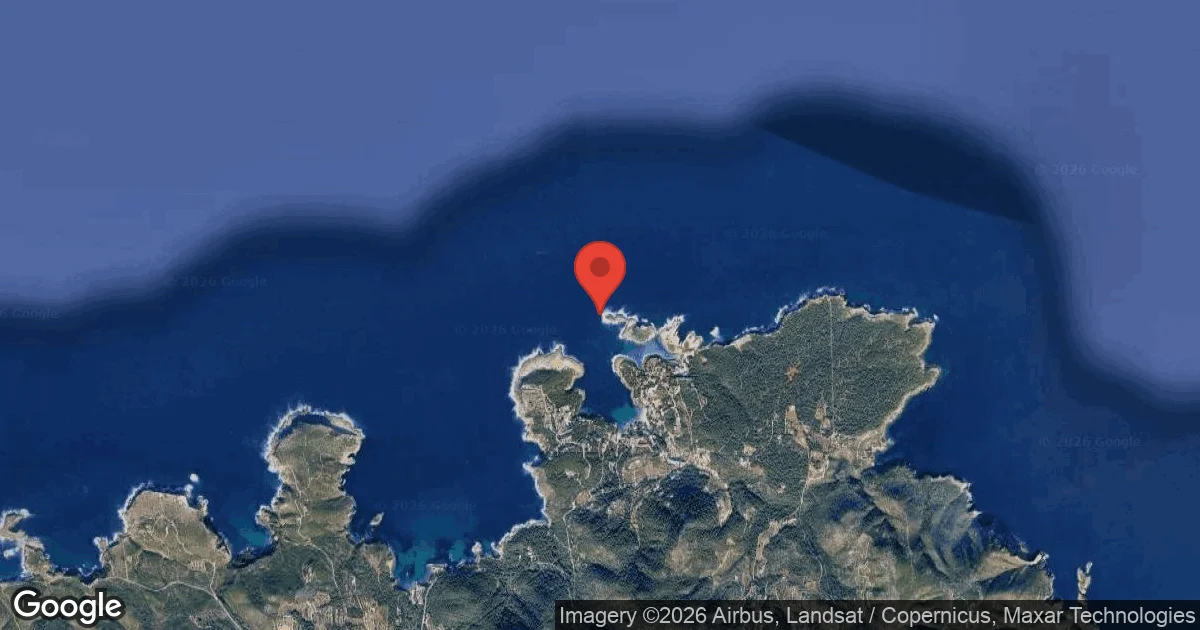
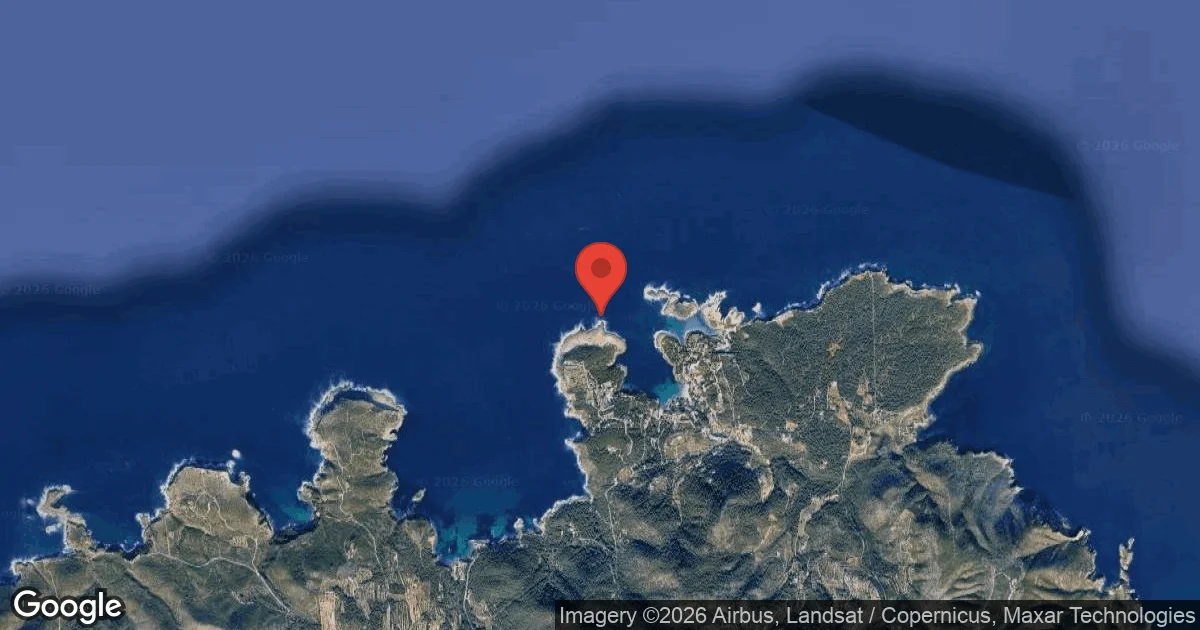
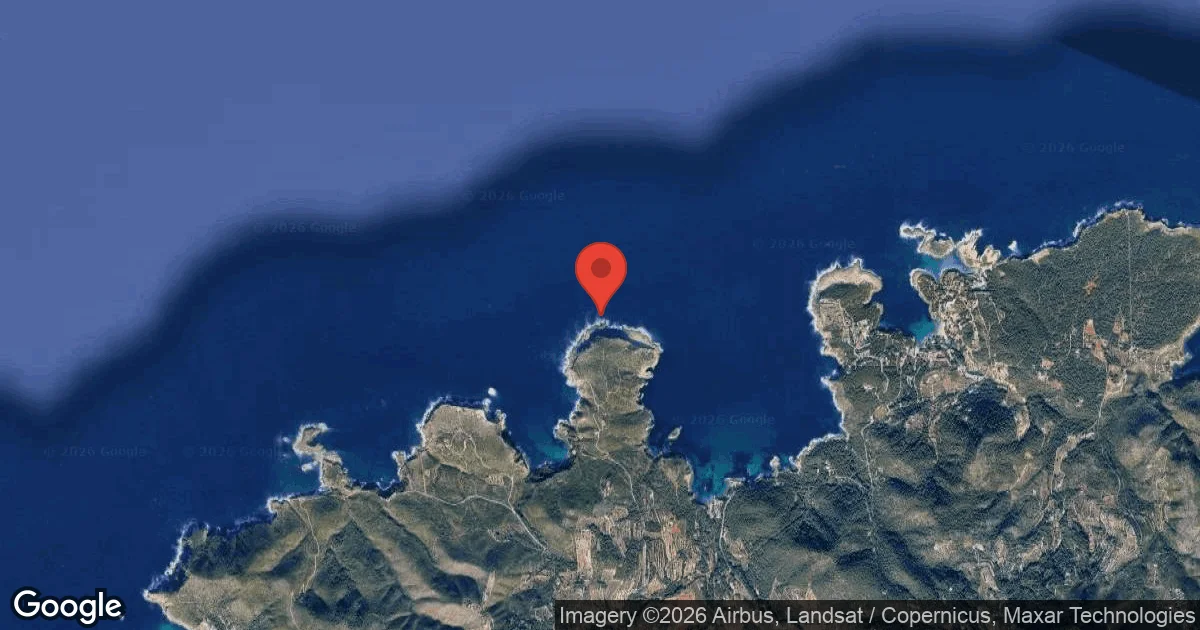
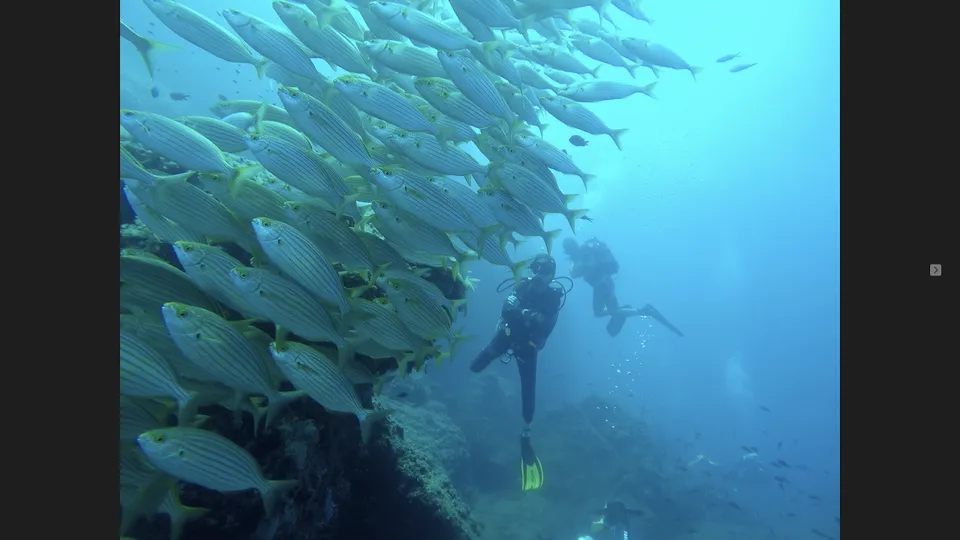
Dive Centers Near Cuevas de Ses Caletes
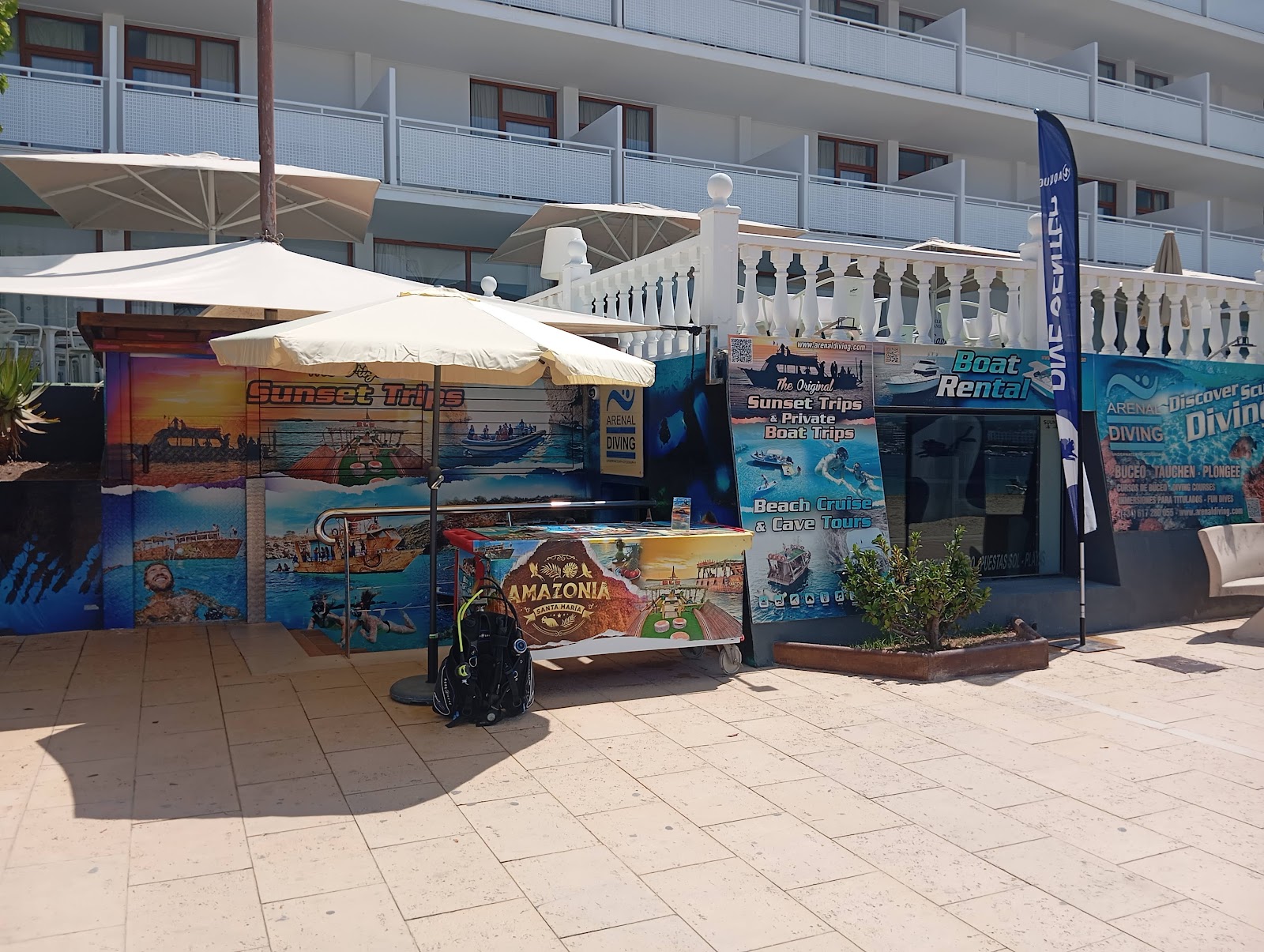
Today: 08:30 - 17:30
Nearest Airports
Nearest airports to help plan travel to this dive area.
Search Flights
Check available flights and routes on Expedia, using the nearby airports listed in this section.
Search Flights on ExpediaFrequently Asked Questions
What is the maximum depth at Cuevas de Ses Caletes?
The maximum depth recorded for diving at Cuevas de Ses Caletes is 29 meters, placing it within typical recreational limits. Features like caverns are found at around 20 meters, with rock arches at 14 and 23 meters.
What is the typical visibility like?
Visibility at Cuevas de Ses Caletes is generally good, averaging around 25 meters. Conditions can fluctuate, with ranges often observed between 20 to 30 meters depending on environmental factors.
Are there strong currents at the dive site?
Currents at Cuevas de Ses Caletes are generally reported as limited. However, as with any marine environment, localized conditions can vary, so divers should remain aware.
What kind of marine life can I expect to see?
Divers commonly encounter crabs and lobsters within the caverns. In the open water, groups of barracudas and lone groupers are often present, and stingrays can be found over the sandy seabed.
Is Cuevas de Ses Caletes suitable for all diver levels?
The site offers sections suitable for various experience levels. However, its significant caves and caverns mean that specific technical or cave diving certifications are required for safe exploration beyond the light zone.
How is the dive site accessed?
Cuevas de Ses Caletes is exclusively accessible by boat. This means planning your dive through a local dive center that provides boat charters to the site.
When is the best time of year to dive here?
The months from June to September typically offer the most favorable conditions, with warmer air temperatures, calmer seas, and minimal rainfall. However, good diving conditions are generally reported year-round.
Planning to dive Cuevas de Ses Caletes?
Send one inquiry and receive offers directly from the best verified local dive operators.
Conditions are Good
Optimal conditions expected
Current conditions near Cuevas de Ses Caletes show 22° air, 27° sea temperature, 0.8 m waves, and 29 km/h wind. Forecast data is refreshed regularly to ensure accuracy.