
Diving at Islas Hormigas (Spain)
Diving Islas Hormigas demands respect for its dynamic environment. Strong currents often define the experience, particularly around its prominent underwater pinnacles and deep drop-offs. While challenging, this vibrant marine reserve rewards divers with expansive fish schools and striking geological formations. Preparedness for these conditions is essential for a safe and memorable exploration.
Tonight's objective overview for Islas Hormigas shows an air temperature of 24°C. The measured surface conditions include wave heights around 0.6 m. This environmental data is logged for the close of the day.
Dive Site Location & Key Facts
Dive Site Overview
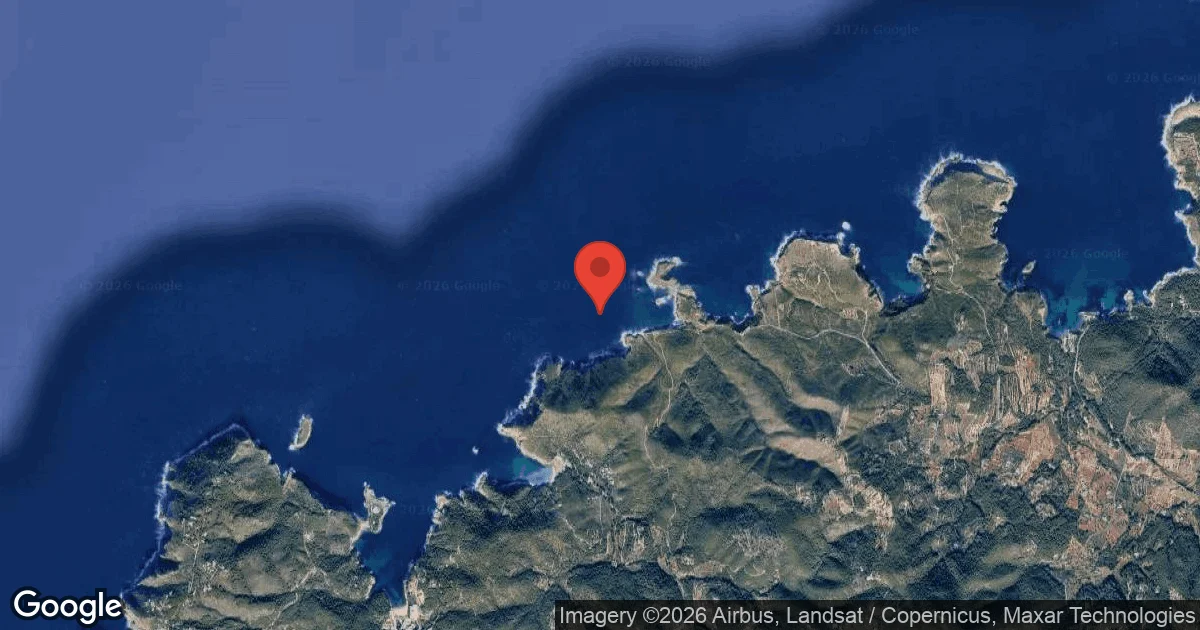
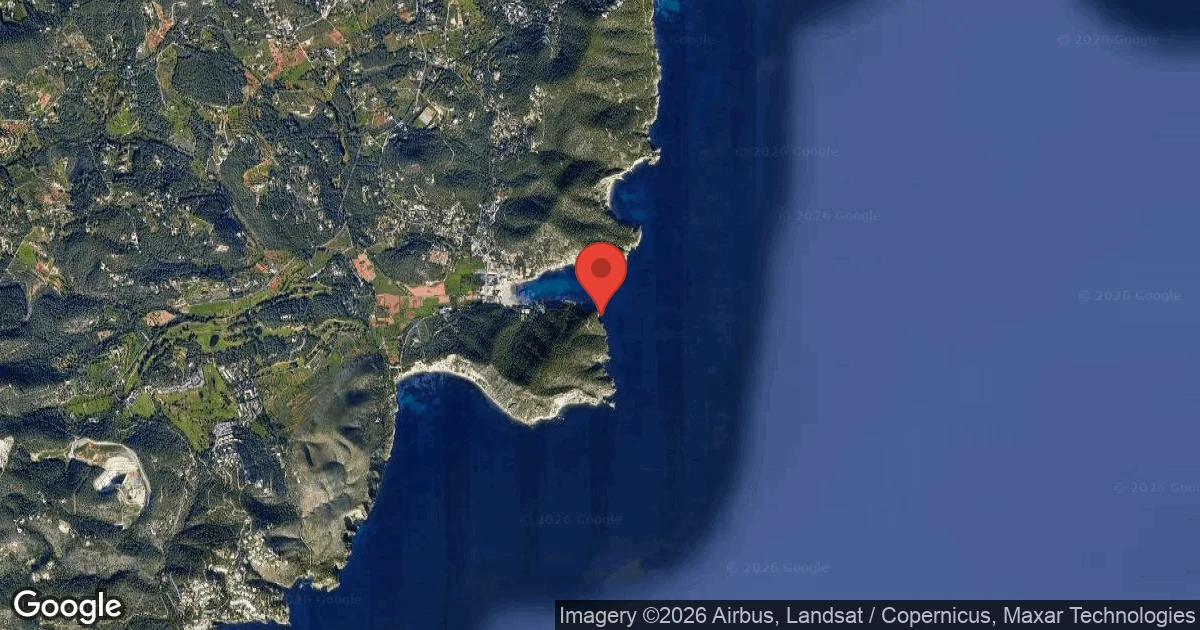
Islas Hormigas Marine Reserve, off Cabo de Palos in Murcia, Spain, serves as a gateway into a thriving Mediterranean ecosystem, distinct from tropical locales. This protected area offers a dynamic diving experience, primarily accessed by inflatable zodiac boats from the nearby harbor.
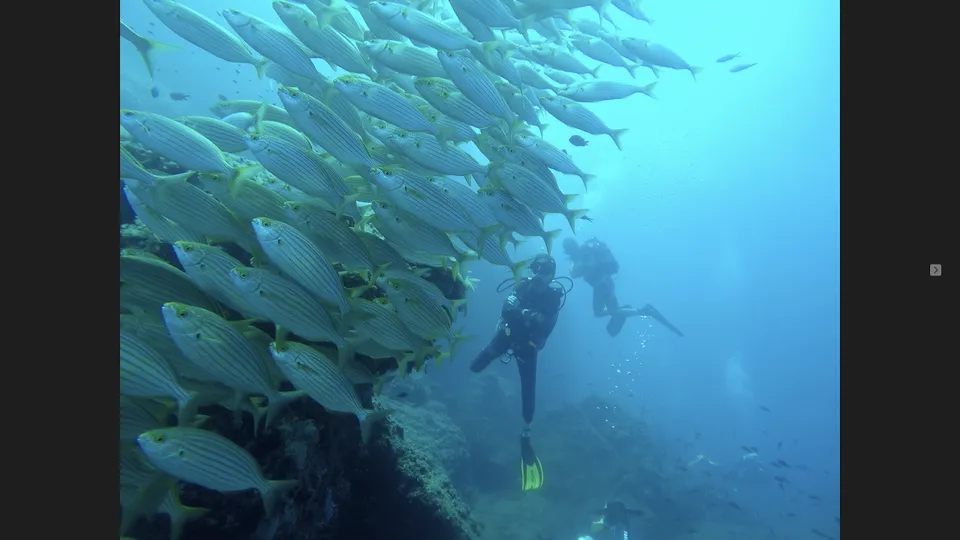
Journey to dive sites typically completes in under 20 minutes, though conditions can sometimes be bumpy. Divers often explore prominent underwater pinnacles and intricate rock formations, where sites like Bajo de Dentro allow for circumnavigation of impressive structures. Schools of barracudas, jacks, and dentex frequently patrol the deeper sections, providing constant movement in the blue.
Reefs mainly consist of rocks, richly overgrown with various green and brown plants such as seaweed and grass, punctuated by beautifully shaped, colorful gorgonians. Divers venturing to the "Las agujas / the needles" deep spot at +30 m (100 ft) at Bajo de Dentro will find yellow and purple polyps and sponges creating a vibrant scene.
Dive centers in the area usually operate single-dive trips, returning to shore to swap tanks before heading out for a second dive.
Conditions are Good
Optimal conditions expected
Current conditions near Islas Hormigas show 24° air, 27° sea temperature, 0.7 m waves, and 26 km/h wind. Forecast data is refreshed regularly to ensure accuracy.
Best Time to Dive
Planning a dive trip to Islas Hormigas offers flexibility throughout much of the year, though conditions shift. The months between April and October generally present more favorable surface conditions, with average wave heights typically below 1 meter (3.3 ft). Air temperatures during this period range from a comfortable 17°C (63°F) in April, peaking around 27°C (81°F) in July and August, then gradually cooling to 22°C (72°F) in October. Rainfall is generally minimal, with averages often below 2.2 mm (0.09 inches) per month, contributing to many sunny days. Conversely, the cooler months, from November to March, still offer good diving scores despite lower air temperatures, hovering between 13.5°C (56°F) and 15°C (59°F). Wind speeds are somewhat higher during this time, averaging 20-25 km/h (12-16 mph), which can contribute to choppier surface conditions, but many dive sites remain accessible.
PEAK SEASON SCORE
Scores combine air & water temps, waves, wind & rainfall for overall conditions.
BEST MONTHS TO DIVE
Monthly records compiled from satellite and marine observation nodes over the last 3 years. Data provided by Open-Meteo and MET Norway.
Dive Experience & Conditions
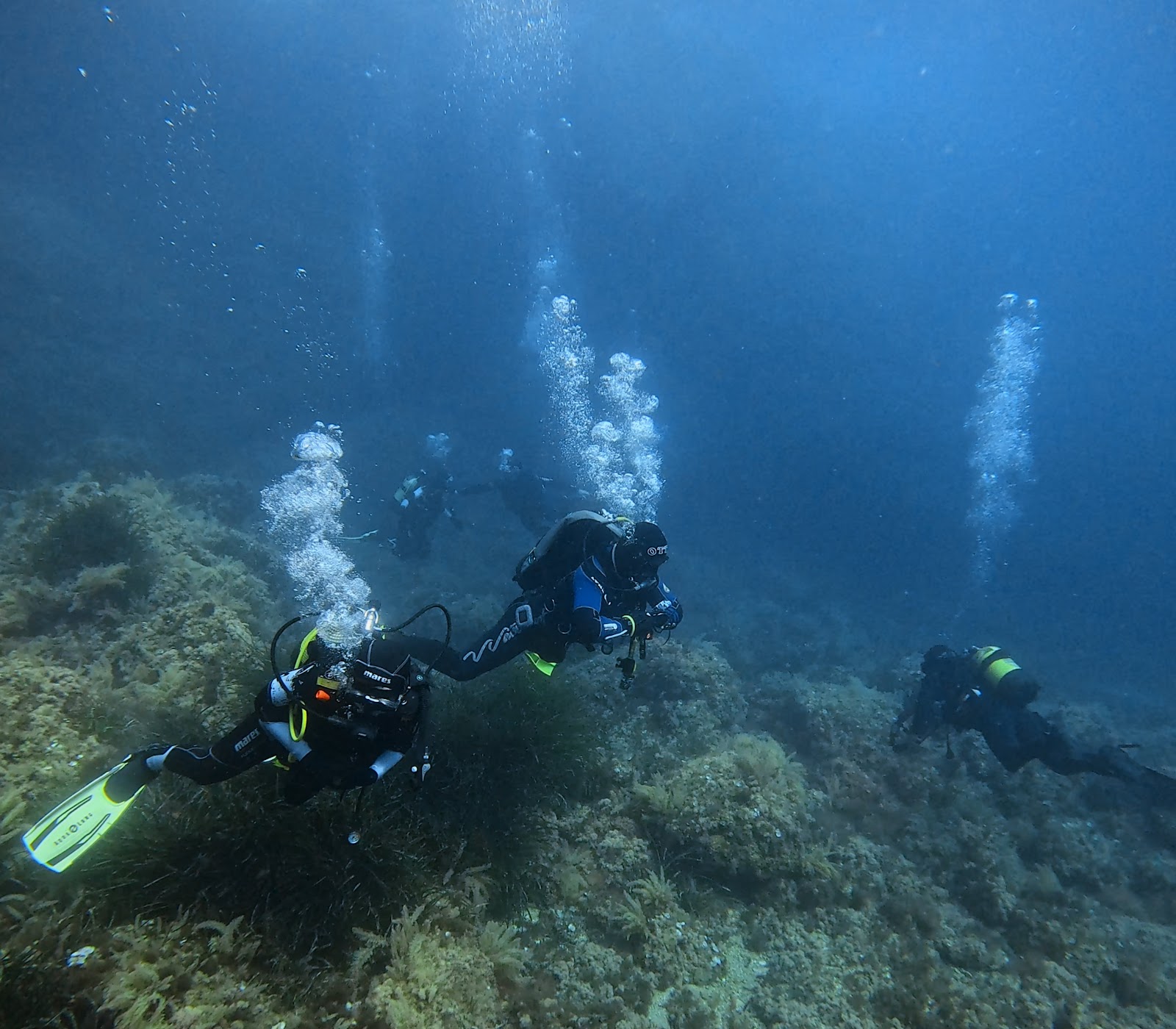
Descent into Islas Hormigas dive sites often begins with a backward roll from the zodiac. Divers require immediately grasping a line and holding it securely against potential strong surface currents. This tether guides you down to shallower sections, typically around 5 m (15 ft) or deeper, where pinnacles begin. Underwater, divers navigate depths reaching approximately 40 m (130 ft) at various sites within the marine park, though some wrecks extend to 50-60 m (160-200 ft) for technical divers. Water temperatures are not consistently reported but generally align with Mediterranean seasonal patterns. Strong currents, particularly around pinnacles, are a defining characteristic; they bring nutrients that foster a rich ecosystem but demand attentiveness from divers. Rocky reefs primarily feature the underwater landscape, adorned with diverse marine flora like sea grass and striking gorgonians.
Dive Difficulty & Safety Guidelines
Operational readiness for diving in the Islas Hormigas Marine Park involves strict adherence to local regulations and personal preparedness. Spanish law mandates that all divers possess separate dive insurance, typically costing around 5 euro per day from providers like DAN, even if you have existing health insurance coverage. You must carry printed proof of this insurance, along with your ID (original, not a copy), and your dive certification card on every boat trip.
The marine park enforces rules such as a maximum of one boat per dive site and a dive time limit of 60 minutes. Diving near the actual Hormigas islands is restricted without a special research license.
Strong currents are a common feature of many sites, requiring divers to be prepared for line-guided descents and ascents.
Recommended Equipment
Overhead environment. Do not enter beyond training and gas planning limits.
- Dive Computer
- Primary & Backup Lights
- Reel / Spool
- Cutting Tool
This gear list is based on verified equipment signals for Islas Hormigas, Spain. Always confirm final gear choices with your dive operator, guide, or liveaboard.
Recommended Dive Suit
Individual comfort in the water can vary significantly from diver to diver, even under the same conditions.
For most recreational dives, 2-3mm shorty or light wetsuit should provide comfortable protection. A hood or vest is suggested for sensitive divers due to surface winds. Environmental models indicate a modest warming trend ahead. A warming trend is expected over the next few days.
Current temperature readings suggest that the water at Islas Hormigas is around 27°C (80°F). Surface air temperatures are resting at 24°C (75°F).
Emergency & Medical Support
Essential information to help you plan your dive trip to Islas Hormigas.

Hyperbaric chambers are a critical part of dive safety infrastructure. Availability varies significantly by region, and not all dive areas have immediate access.
Before diving, it's recommended to:
- confirm nearest medical facilities
- check emergency procedures with local dive operators
- ensure dive insurance covers evacuation if required
Divers Alert Network
Diving emergency assistance available through DAN Europe.
+39 0642115685- 24/7 emergency hotline
- Diving medical assistance
- Evacuation coordination
Emergency contacts are provided for reference. Always verify local emergency services before diving.
Closest Listed Hyperbaric Chambers
Showing listed hyperbaric chamber facilities within 200 km of this dive site.
Distances are approximate straight-line distances and may not reflect emergency travel time.
Underwater and Hyperbaric Medicine
Palma de Mallorca, Spain•Approx. 104 km straight-line
Underwater and Hyperbaric Medicine
Information is provided for reference and planning purposes only. Dive Navigator does not verify operational status, staffing, availability, or quality of care at listed facilities. In an emergency, contact local emergency services, DAN, your dive operator, or the chamber directly. Do not travel to a facility without calling ahead.
Unidad Hiperbarica Hospital de Castellon UTH-HGUCS
24/7 ListedICU CapableCastellon, Spain•Approx. 172 km straight-line
Unidad Hiperbarica Hospital de Castellon UTH-HGUCS
24/7 ListedICU CapableInformation is provided for reference and planning purposes only. Dive Navigator does not verify operational status, staffing, availability, or quality of care at listed facilities. In an emergency, contact local emergency services, DAN, your dive operator, or the chamber directly. Do not travel to a facility without calling ahead.
Marine Life at Islas Hormigas
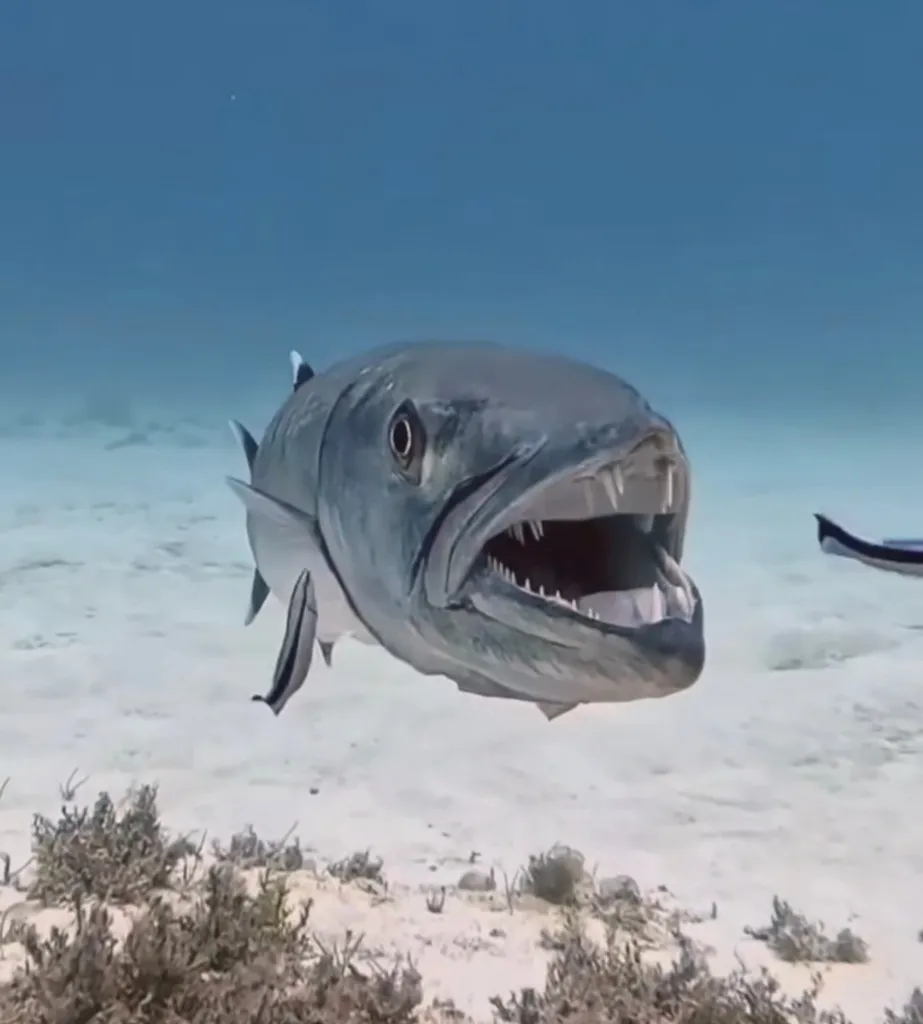
Exploring the underwater landscape of Islas Hormigas reveals a vibrant Mediterranean array. Large schools of barracudas, jacks, and dentex are frequently observed, particularly around the prominent rock formations and pinnacles.
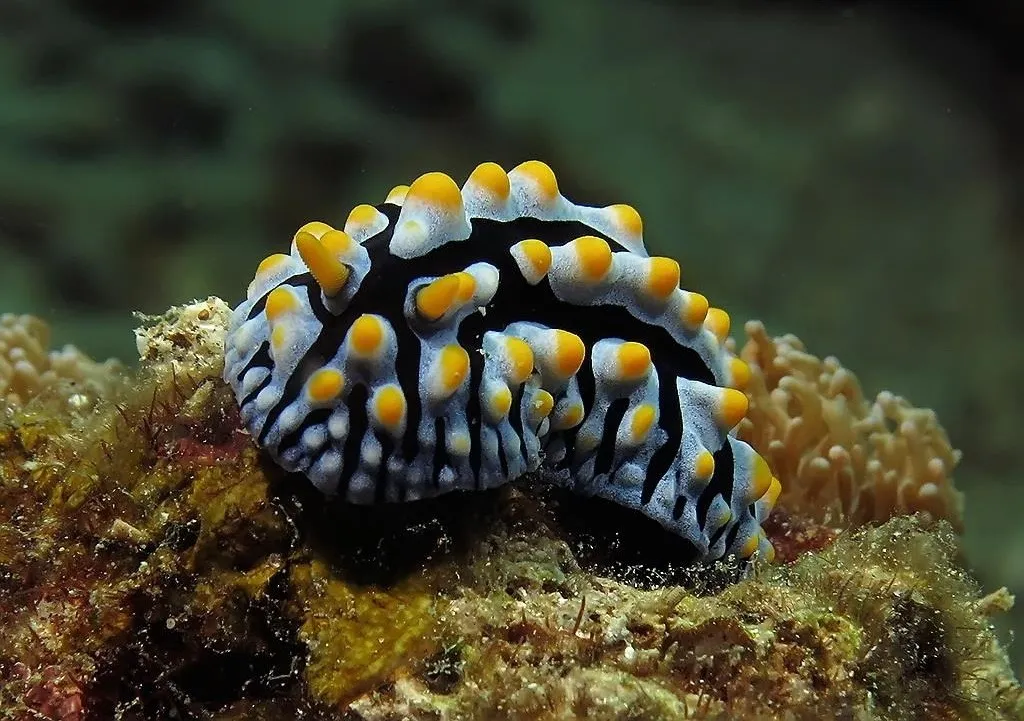
Down in the deeper sections, divers can spot striking yellow and purple polyps and sponges, adding significant color to the reef. Critter enthusiasts will find a variety of nudibranchs, including the distinctive black-dotted dorid nudibranch (Peltodoris atromaculata) and purple spiky Flabellinas.
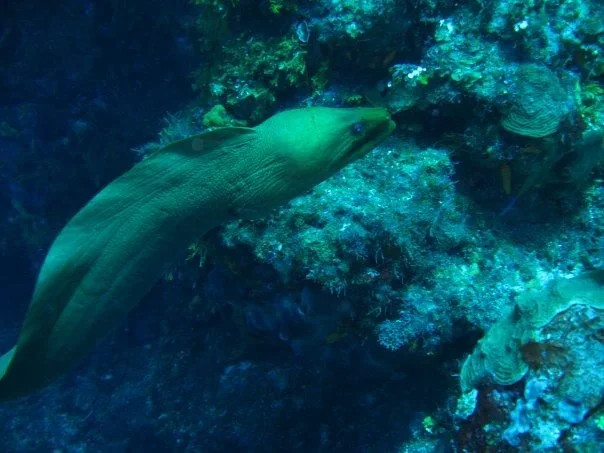
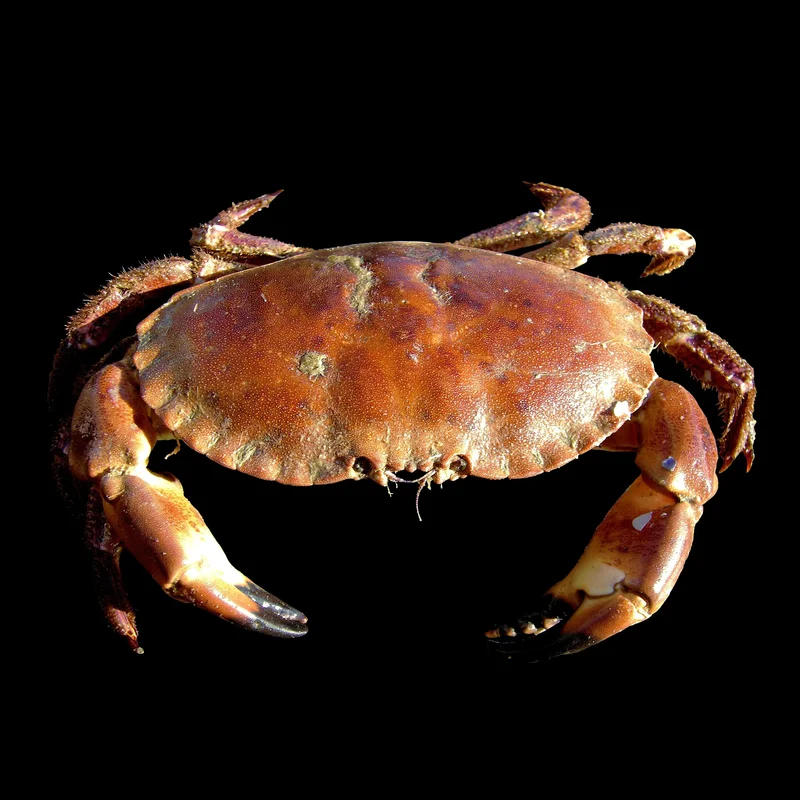
Moray eels and small crabs are also common inhabitants, blending into the rocky crevices. While tropical corals are absent, the thriving rocky reefs support this diverse aquatic community.

Dive Sites Near Islas Hormigas
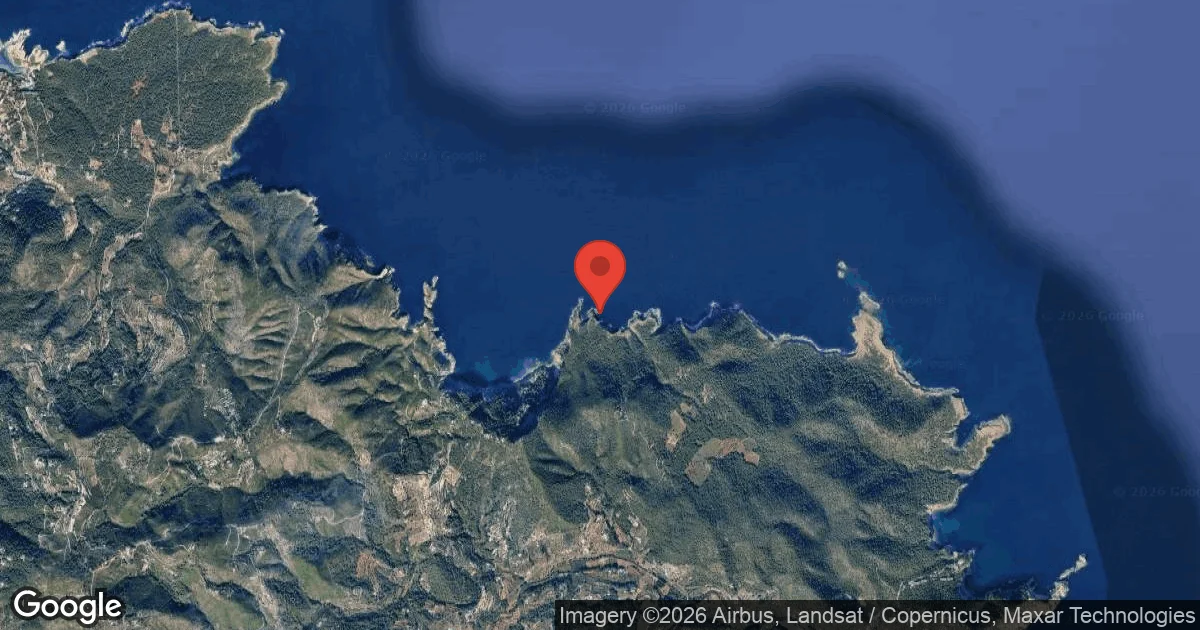
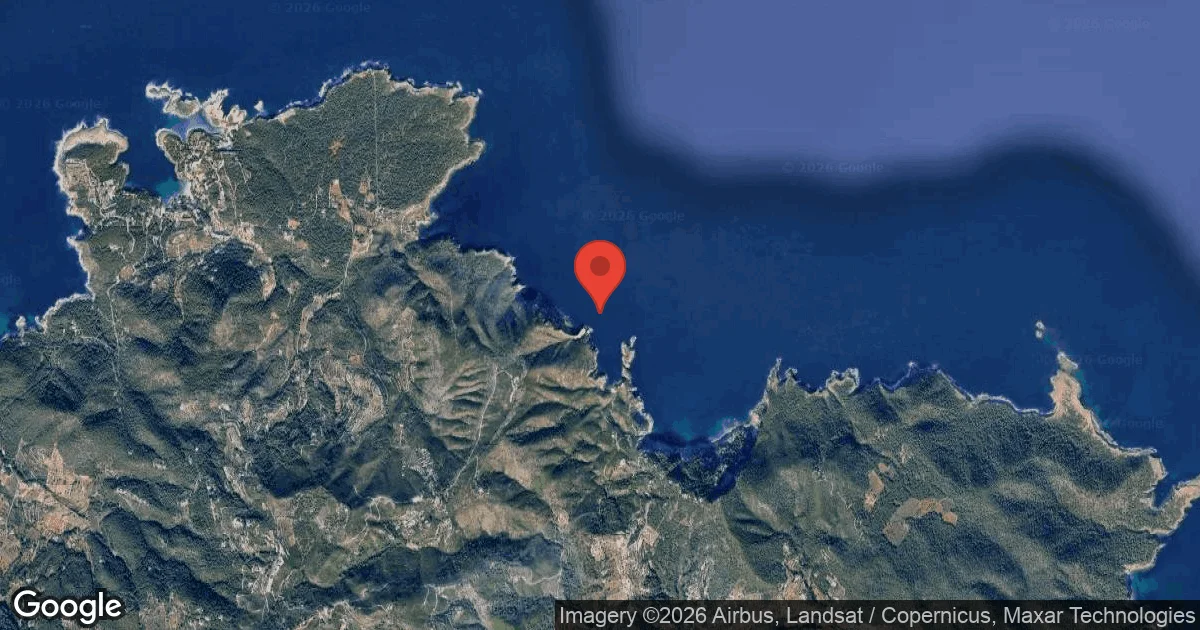
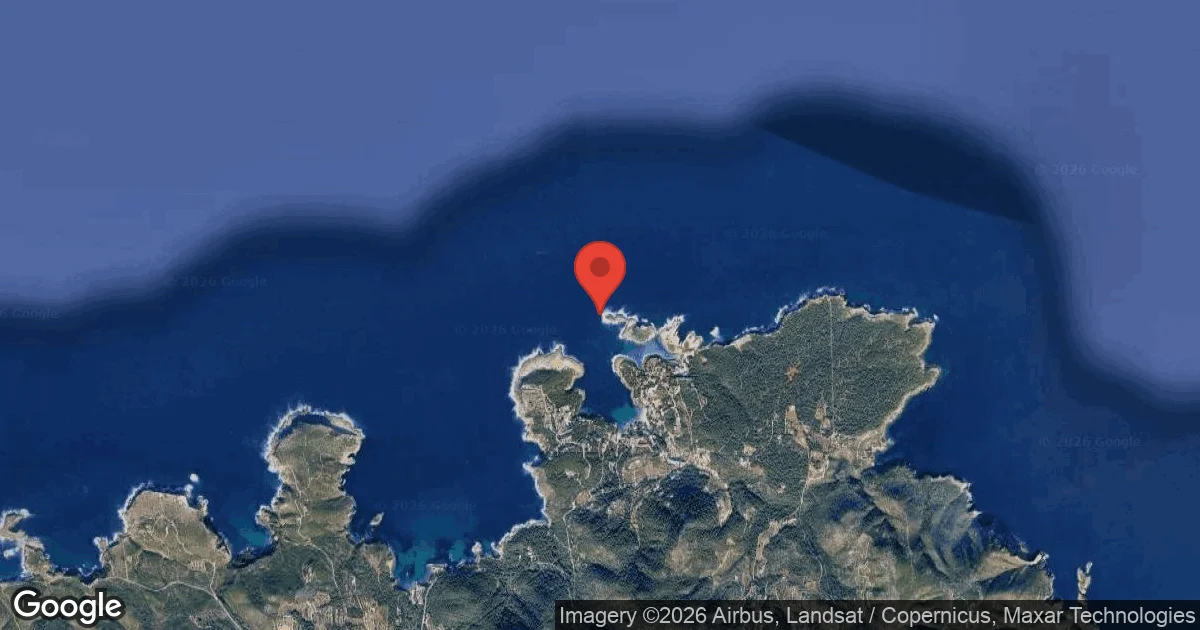
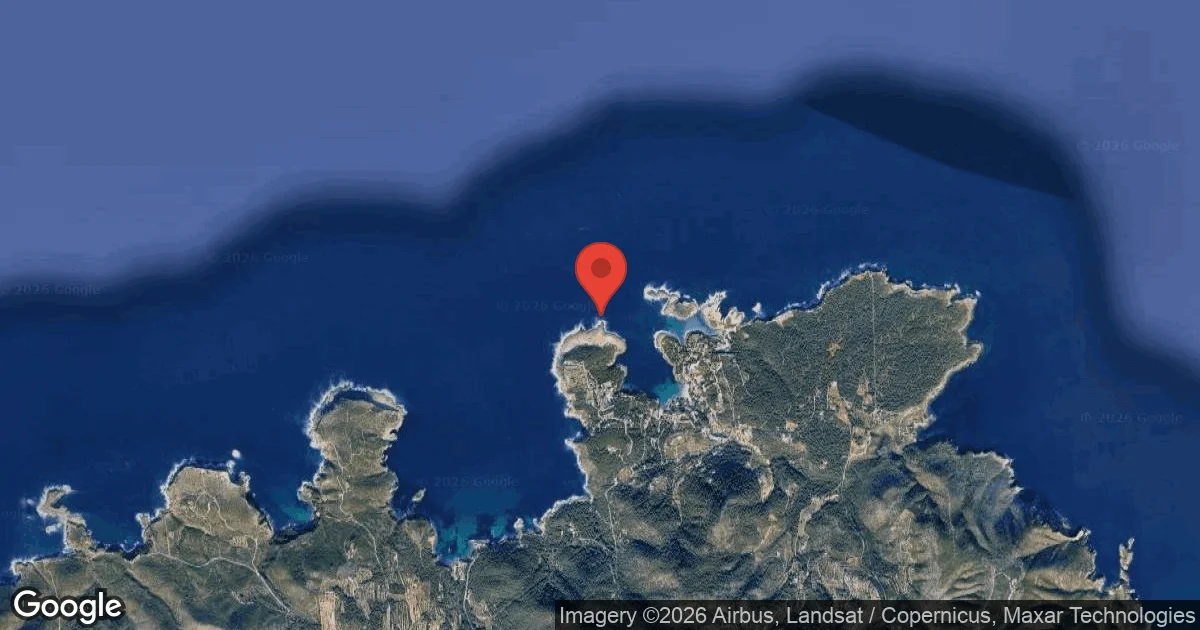
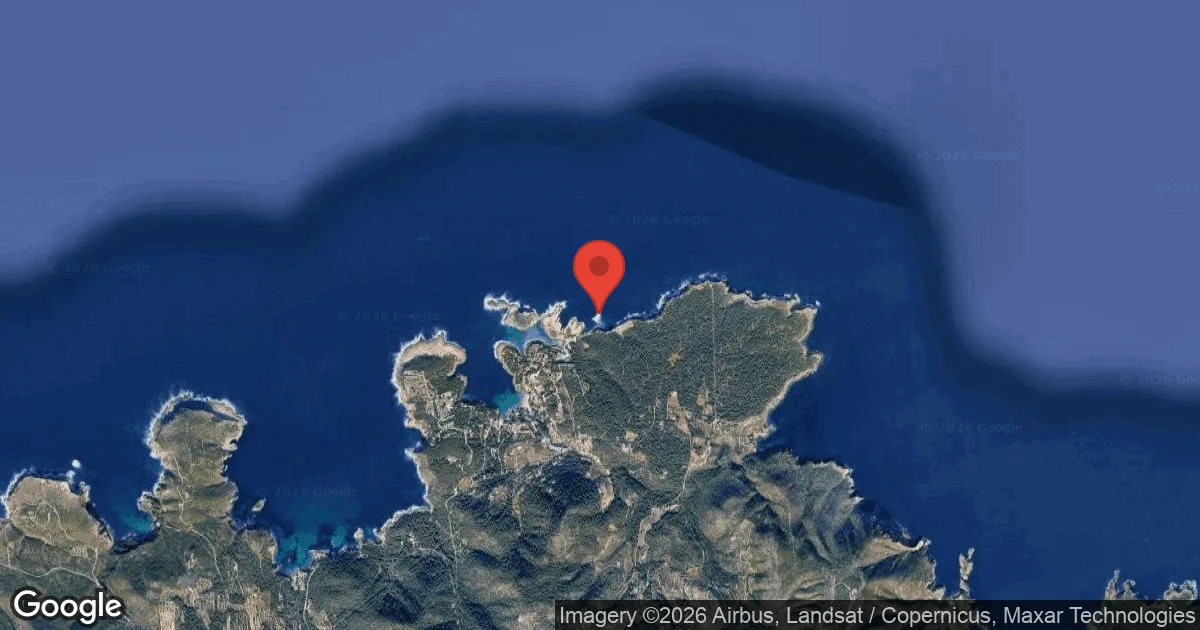
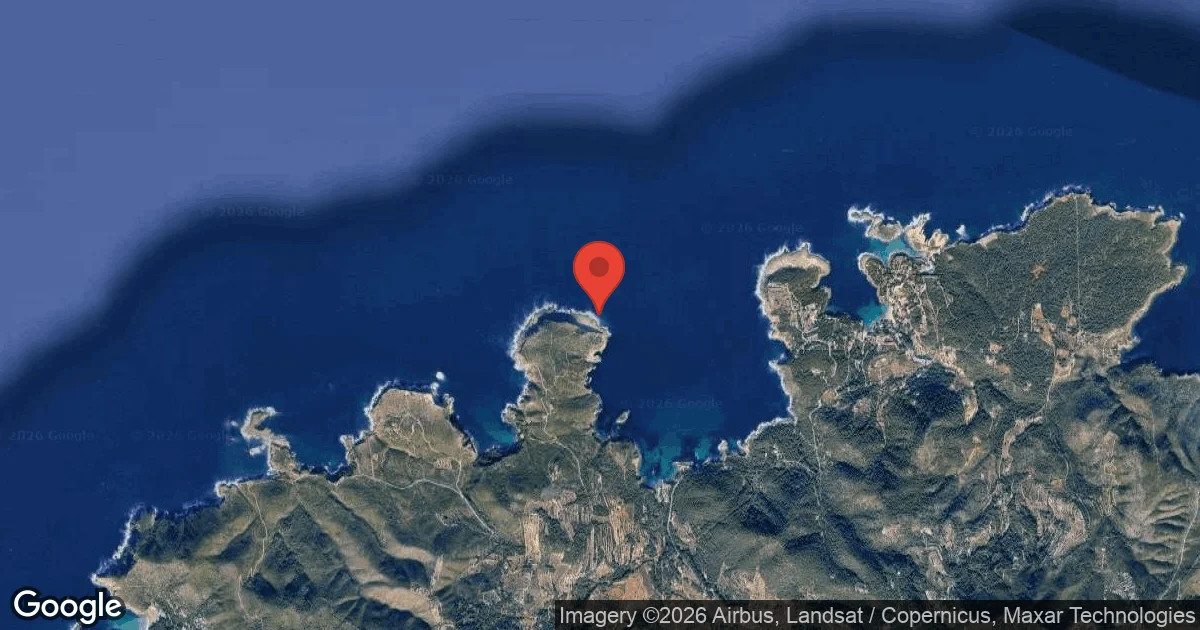
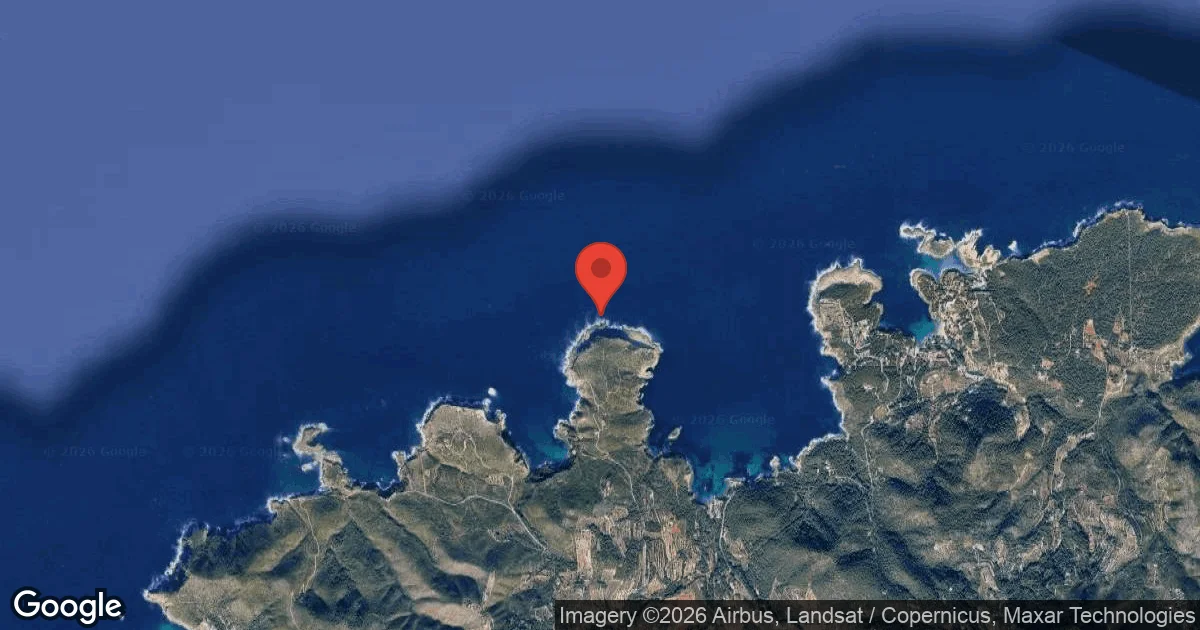
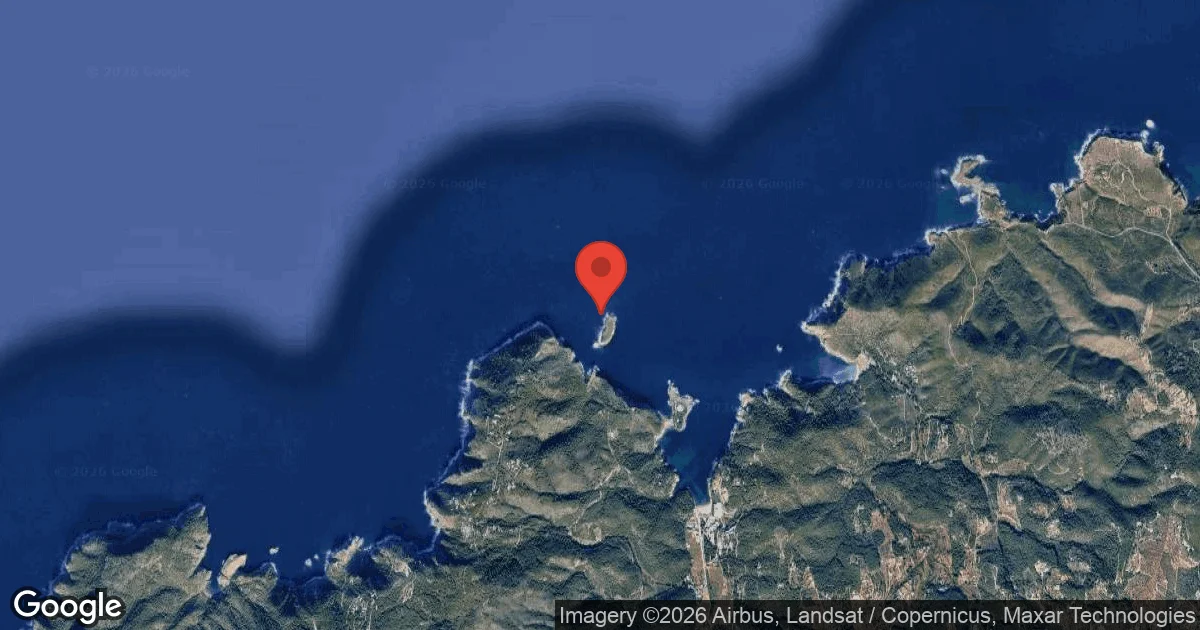
View all dive sites in SpainDiscover more underwater gems in this area.
Dive Centers Near Islas Hormigas
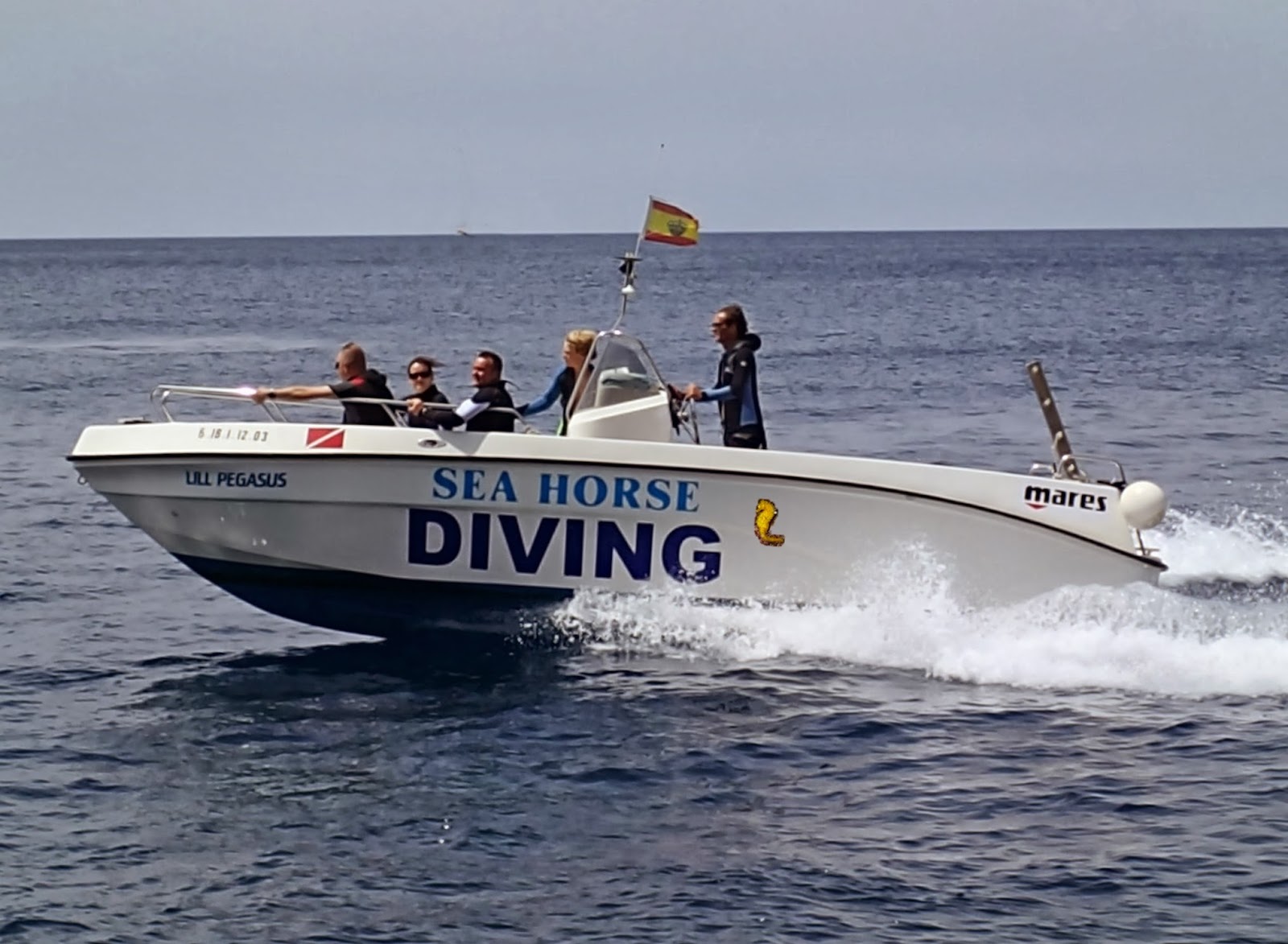
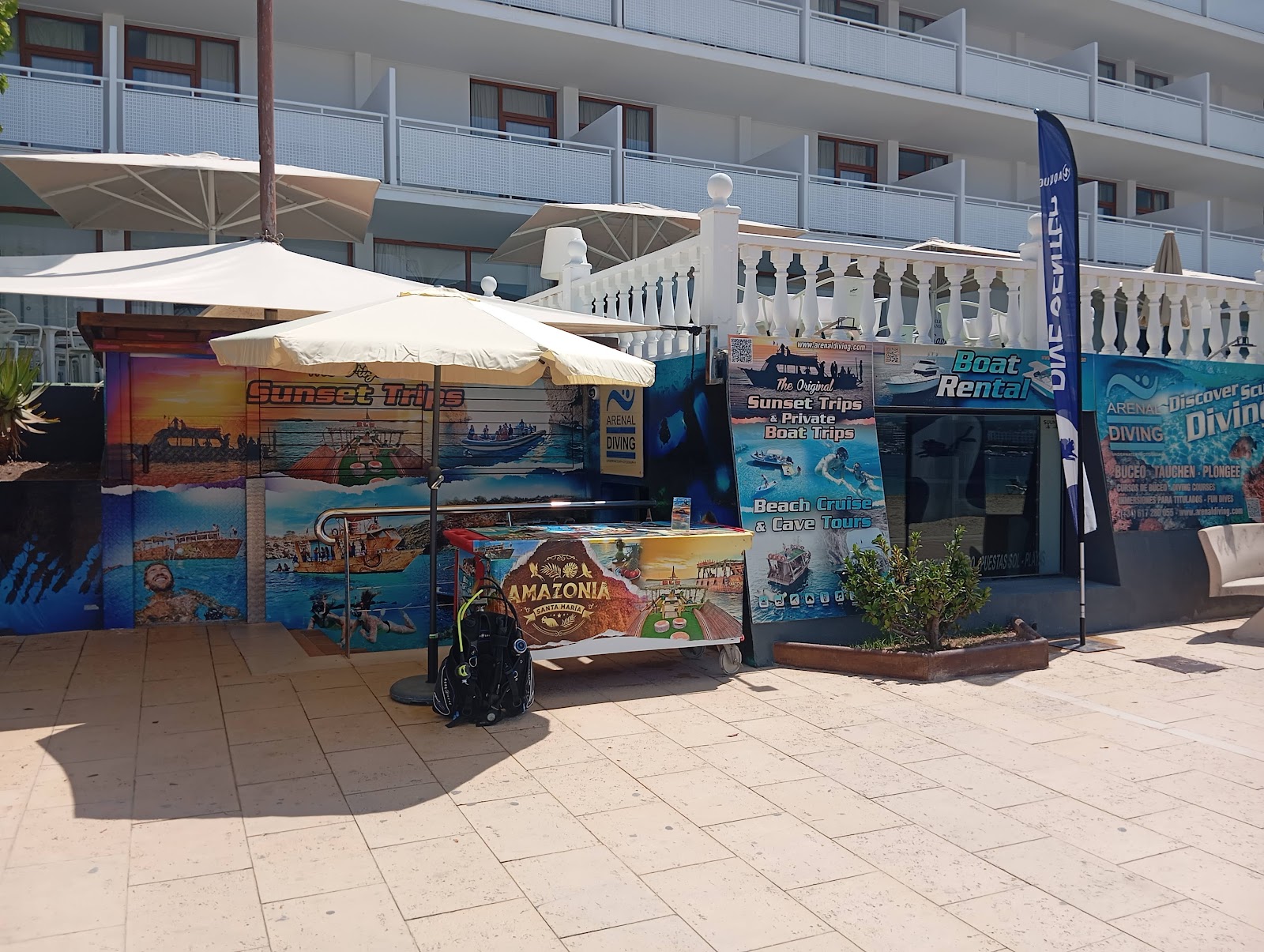
Today: 08:30 - 17:30
Nearest Airports
Nearest airports to help plan travel to this dive area.
Search Flights
Check available flights and routes on Expedia, using the nearby airports listed in this section.
Search Flights on ExpediaFrequently Asked Questions
What are the typical depths for diving at Islas Hormigas?
Dive sites within the marine park generally range to a maximum depth of 40 m (130 ft) for recreational divers. Some specialized wreck dives can extend to 50-60 m (160-200 ft) and are reserved for technical diving.
Is dive insurance mandatory for Islas Hormigas?
Yes, Spanish law requires all divers to have separate dive insurance. You must carry physical proof of this insurance, along with your ID and certification card, on every dive trip.
How are dive trips typically organized?
Most dive centers operate using inflatable zodiac boats for transport to dive sites, usually within 20 minutes. It's common to complete one dive, return to the harbor for a tank change, and then go out for a second dive.
What kind of marine life can I expect to see?
Divers often encounter schools of barracudas, jacks, and dentex. You can also find various nudibranchs, moray eels, crabs, and colorful gorgonians and polyps on the rocky reefs.
Are there any specific rules for diving in the marine park?
Yes, rules include a limit of one boat per dive site, a maximum dive time of 60 minutes, and restrictions on diving directly at the central Hormigas islands without a special license.
Can I store my equipment at the dive centers?
Many dive centers in the Cabo de Palos area offer equipment storage facilities. They also typically provide rinsing areas and hot showers for divers after their trips.
What are the conditions like for diving at Islas Hormigas?
Conditions can be dynamic, with strong currents often present, particularly around pinnacles. Surface conditions can also vary, with choppier waves reported on some days.
Planning to dive Islas Hormigas?
Send one inquiry and receive offers directly from the best verified local dive operators.
Conditions are Good
Optimal conditions expected
Current conditions near Islas Hormigas show 24° air, 27° sea temperature, 0.7 m waves, and 26 km/h wind. Forecast data is refreshed regularly to ensure accuracy.