
Diving at Punta Xarraca (Spain)
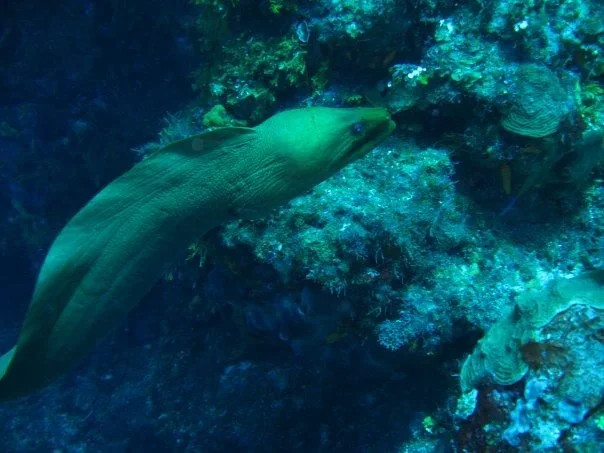
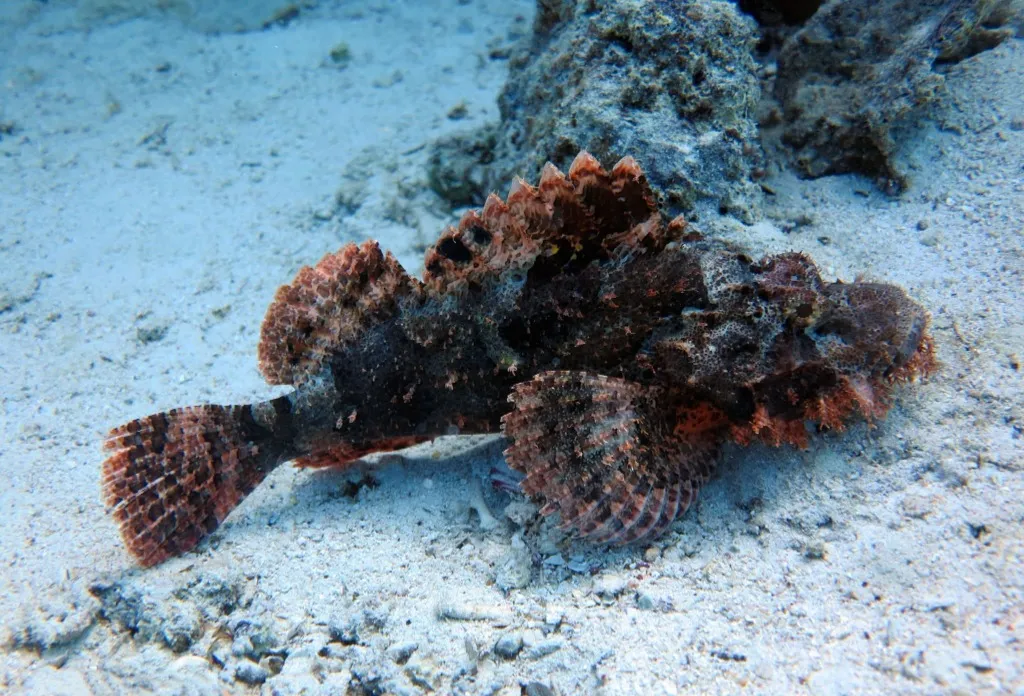
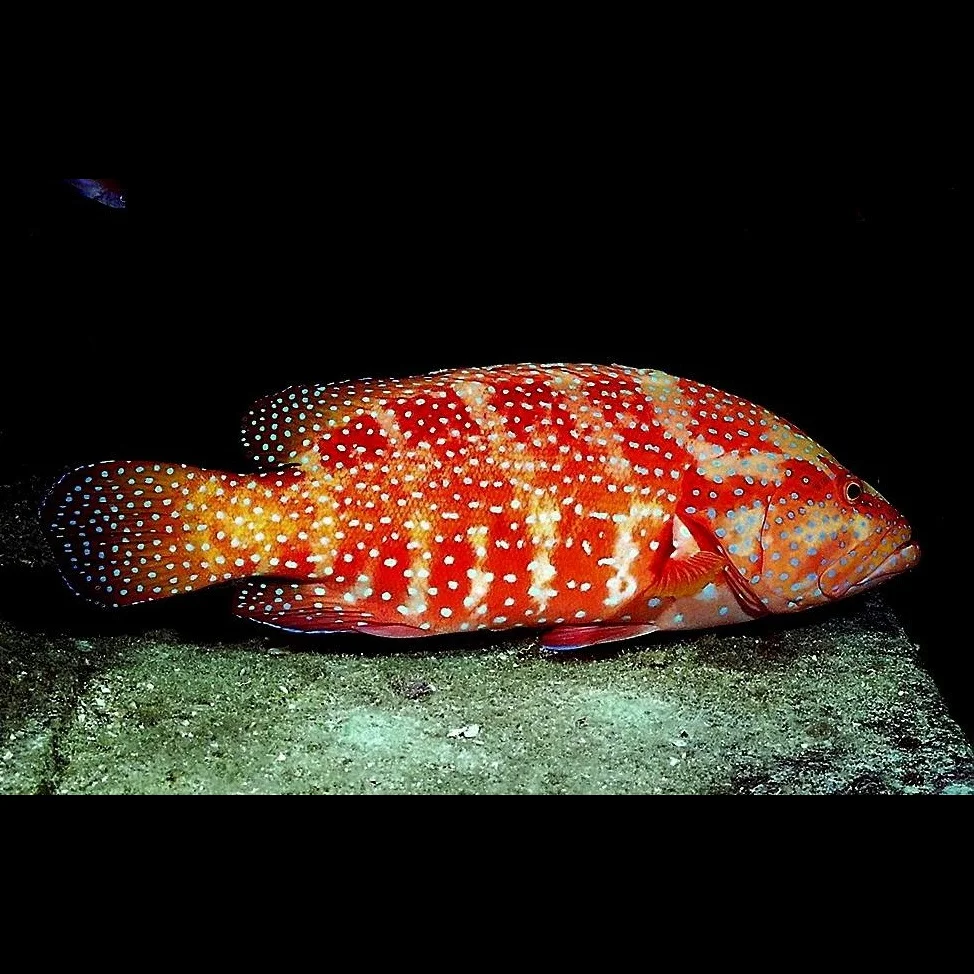
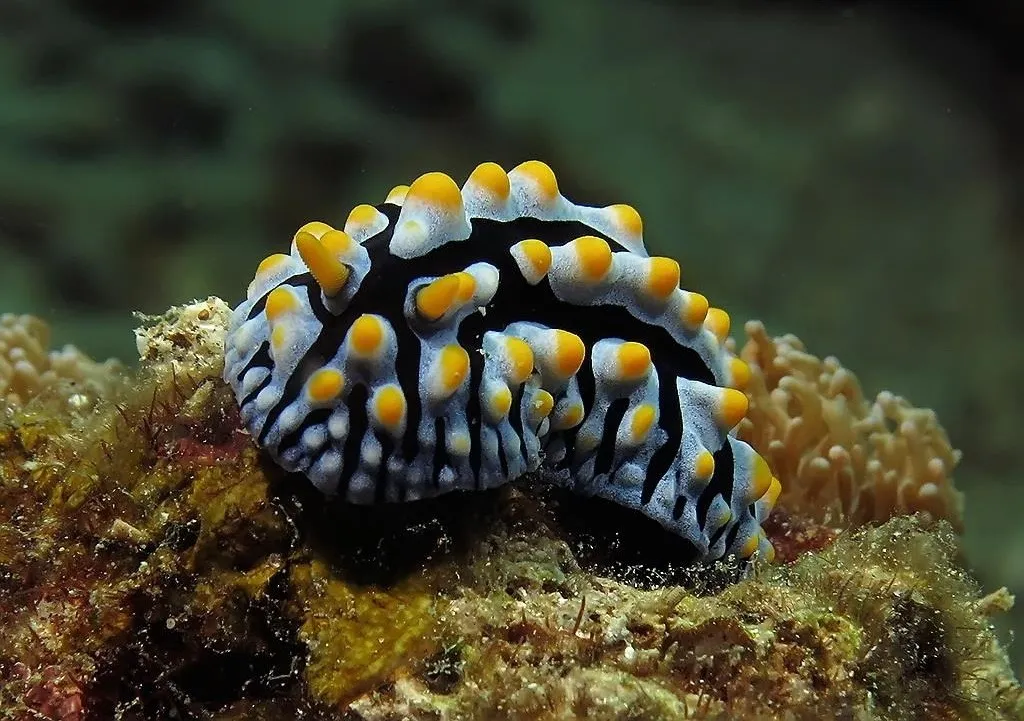
Punta Xarraca's underwater environment supports a diverse range of marine inhabitants. Divers often encounter groupers, moray eels, and the elusive scorpionfish. Numerous species of nudibranchs bring splashes of color to the rocky crevices. A vibrant ecosystem thrives among the site's varied topography, from shallow Posidonia meadows to deeper wall formations.
As evening covers Punta Xarraca, the local air temperature is measured at 25°C. The current wave height at the surface is recorded at 0.4 m. These late-day readings characterize the surface conditions for the night.
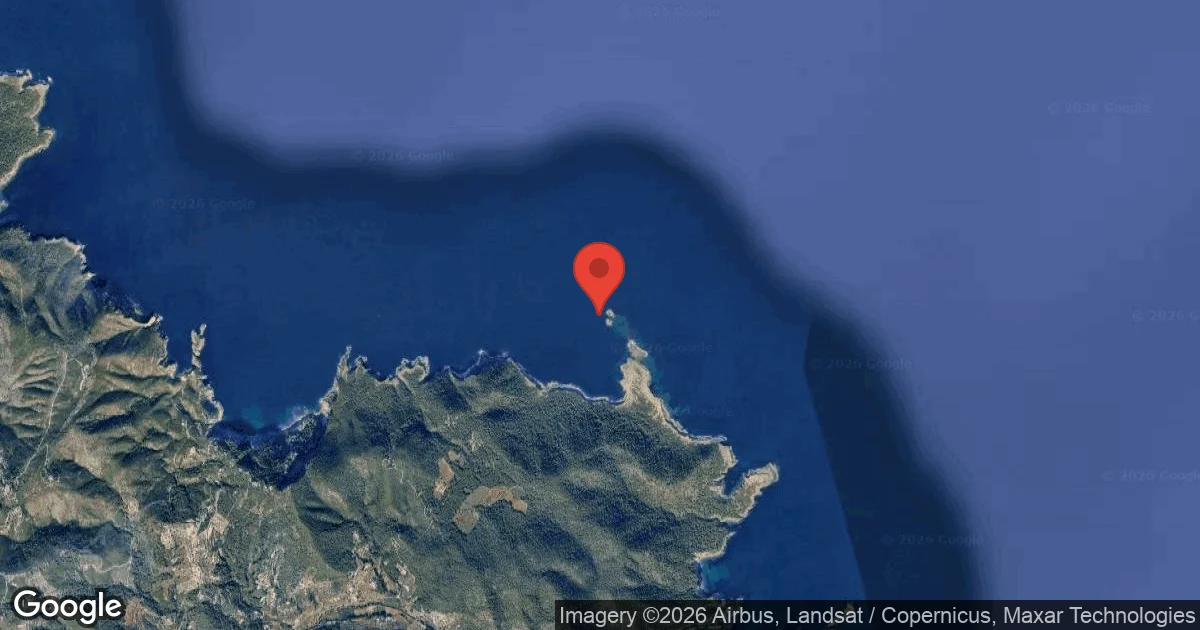
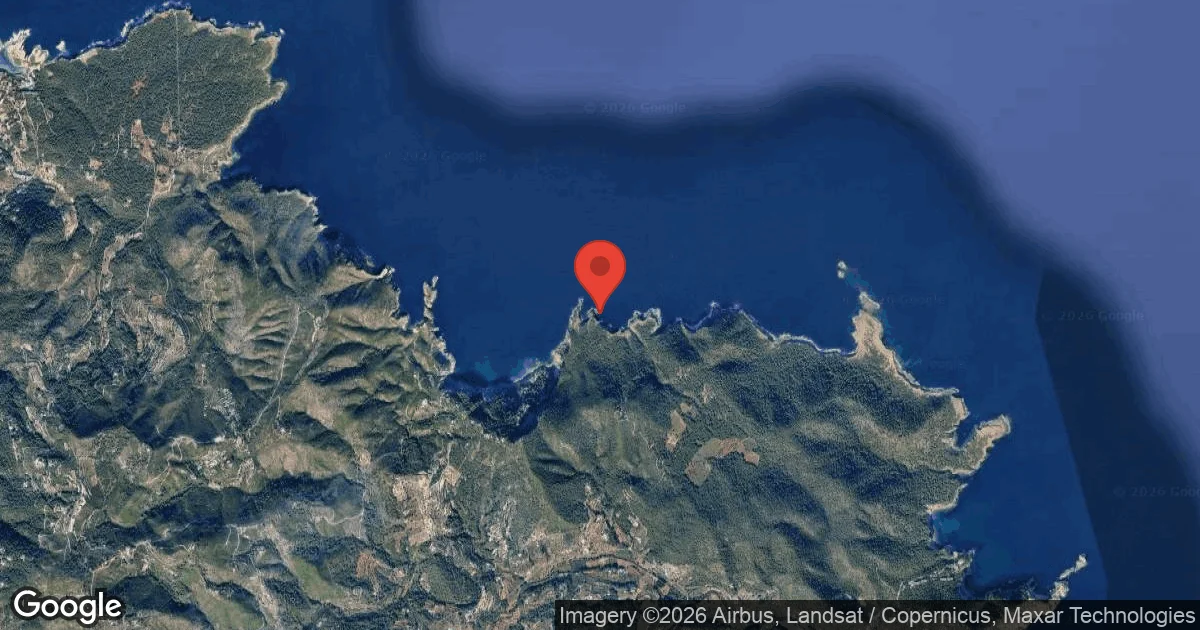
Dive Site Location & Key Facts
Dive Site Overview
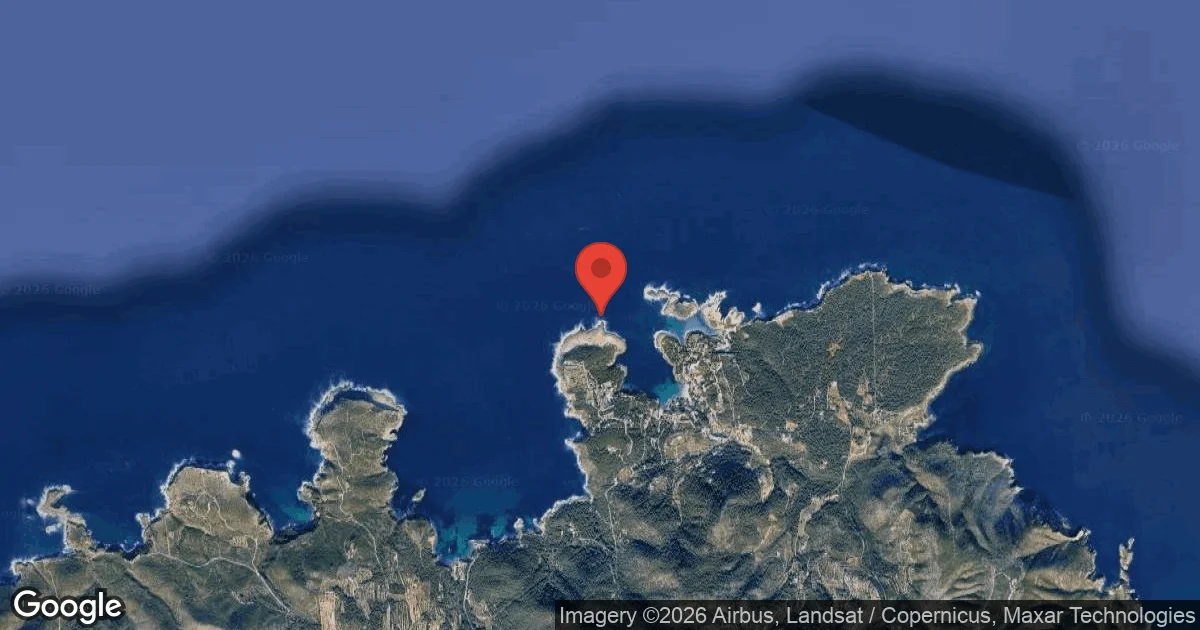
An architectural marvel awaits divers at Punta Xarraca, its geological formations crafting a unique underwater realm. Situated on the western edge of Xarraca Bay, the site provides a varied experience, catering to both novices and seasoned divers alike.
Descending through its waters, divers encounter impressive walls plummeting into the depths, intricately perforated by a complex network of tunnels and caves. Overhead environments present an exciting challenge, particularly for those with advanced training seeking exploration beyond typical open-water profiles. For less experienced divers, shallower sections offer gentle descents across thriving Posidonia meadows.
A standout feature is an easily accessible saltwater pool, tucked away within the rocky structures, offering a rare opportunity for a brief, unique inland exploration. Topography ranges significantly, from expansive Posidonia seagrass meadows in shallower sections, starting around 8 m (26 ft), to extensive rock formations extending to its maximum depth of 40 m (130 ft).
Diverse structures create rich, sheltering habitats, attracting a wide array of marine life. Exploring Punta Xarraca promises an engaging journey through an environment where natural architecture and vibrant ecosystems converge, captivating those venturing below the surface.
Conditions are Good
07:00 - 14:00
Optimal conditions expected
Current conditions near Punta Xarraca show 25° air, 27° sea temperature, 0.6 m waves, and 24 km/h wind. Forecast data is refreshed regularly to ensure accuracy.
Best Time to Dive
Planning your visit to Punta Xarraca often hinges on achieving optimal visibility. Months from June through September typically present the most favorable conditions, characterized by minimal rainfall, generally less than 1 mm per month, and reduced wave heights. Air temperatures during this peak season are comfortably warm, averaging between 24-27°C (75-81°F). While water temperatures aren't consistently reported, warmer air temperatures usually correlate with pleasant diving conditions. Transition months of April, May, and October also offer good diving, with air temperatures between 17-22°C (63-72°F) and moderate rainfall, typically around 1 mm. Winter diving is feasible, but lower air temperatures, around 14°C (57°F), and higher wave activity may impact comfort and visibility.
PEAK SEASON SCORE
Scores combine air & water temps, waves, wind & rainfall for overall conditions.
BEST MONTHS TO DIVE
Monthly records compiled from satellite and marine observation nodes over the last 3 years. Data provided by Open-Meteo and MET Norway.
Dive Experience & Conditions
Divers approaching Punta Xarraca will find its vertical walls defining the experience, offering clear depth progressions for various skill levels. Near these impressive formations, explorations can begin at a comfortable 8 m (26 ft), where expansive Posidonia meadows meet rocky sections. For those with more experience, the site extends to a maximum depth of 40 m (130 ft). A rich coraligenous environment thrives at depth, hosting a diverse variety of life. Around 12 m (40 ft), entrances to intricate cave and tunnel systems become apparent, inviting exploration into dimly lit passages. Dive profiles can range from simple routes along the reef to more complex, deeper explorations, depending on a diver's certification and comfort. General visibility supports these varied dives, often exceeding 15 m (50 ft) on calm days, though it can diminish with stronger currents or weather changes. Currents at Punta Xarraca typically remain mild, but exposed points occasionally experience stronger flows, requiring attentive navigation.
Dive Difficulty & Safety Guidelines
Approaching Punta Xarraca requires an understanding of its varied challenges. While some sections are suitable for beginners, the site does feature deeper dive options and overhead environments like tunnels and caves. These areas are specifically intended for experienced divers comfortable with advanced navigation and decompression protocols.
Always dive within your certification limits and consider the site's full depth range. Planning dives that include cavern or cave exploration demands specialized training and appropriate equipment.
It's advisable to consult with local dive centers for current conditions and site-specific briefings, ensuring a safe and enjoyable exploration.
Recommended Equipment
- Dive Computer
This gear list is based on verified equipment signals for Punta Xarraca, Spain. Always confirm final gear choices with your dive operator, guide, or liveaboard.
Recommended Dive Suit
Divers visiting Punta Xarraca today can expect water conditions around 27°C (80°F). Surface air temperatures are resting at 25°C (77°F).
For the majority of recreational dives here, 2-3mm shorty or light wetsuit should provide suitable protection.
Weather models currently point toward consistent diving conditions over the next several days.
Emergency & Medical Support
Essential information to help you plan your dive trip to Punta Xarraca.

Hyperbaric chambers are a critical part of dive safety infrastructure. Availability varies significantly by region, and not all dive areas have immediate access.
Before diving, it's recommended to:
- confirm nearest medical facilities
- check emergency procedures with local dive operators
- ensure dive insurance covers evacuation if required
Divers Alert Network
Diving emergency assistance available through DAN Europe.
+39 0642115685- 24/7 emergency hotline
- Diving medical assistance
- Evacuation coordination
Emergency contacts are provided for reference. Always verify local emergency services before diving.
Closest Listed Hyperbaric Chambers
Showing listed hyperbaric chamber facilities within 200 km of this dive site.
Distances are approximate straight-line distances and may not reflect emergency travel time.
Underwater and Hyperbaric Medicine
Palma de Mallorca, Spain•Approx. 111 km straight-line
Underwater and Hyperbaric Medicine
Information is provided for reference and planning purposes only. Dive Navigator does not verify operational status, staffing, availability, or quality of care at listed facilities. In an emergency, contact local emergency services, DAN, your dive operator, or the chamber directly. Do not travel to a facility without calling ahead.
Unidad Hiperbarica Hospital de Castellon UTH-HGUCS
24/7 ListedICU CapableCastellon, Spain•Approx. 165 km straight-line
Unidad Hiperbarica Hospital de Castellon UTH-HGUCS
24/7 ListedICU CapableInformation is provided for reference and planning purposes only. Dive Navigator does not verify operational status, staffing, availability, or quality of care at listed facilities. In an emergency, contact local emergency services, DAN, your dive operator, or the chamber directly. Do not travel to a facility without calling ahead.
Marine Life at Punta Xarraca
Marine life at Punta Xarraca thrives due to a diverse underwater landscape, which provides distinct habitats for its residents. Along extensive Posidonia beds and rocky outcrops near 8 m (26 ft), smaller species find refuge.
Descending deeper along walls, coraligenous zones become visible, attracting a different array of creatures. Groupers and moray eels are commonly sighted navigating crevices.
Spotted codling and scorpionfish blend into rockwork, requiring a keen eye to spot them. Furthermore, the site is known for its many species of nudibranchs, adding intricate detail to the marine tapestry.

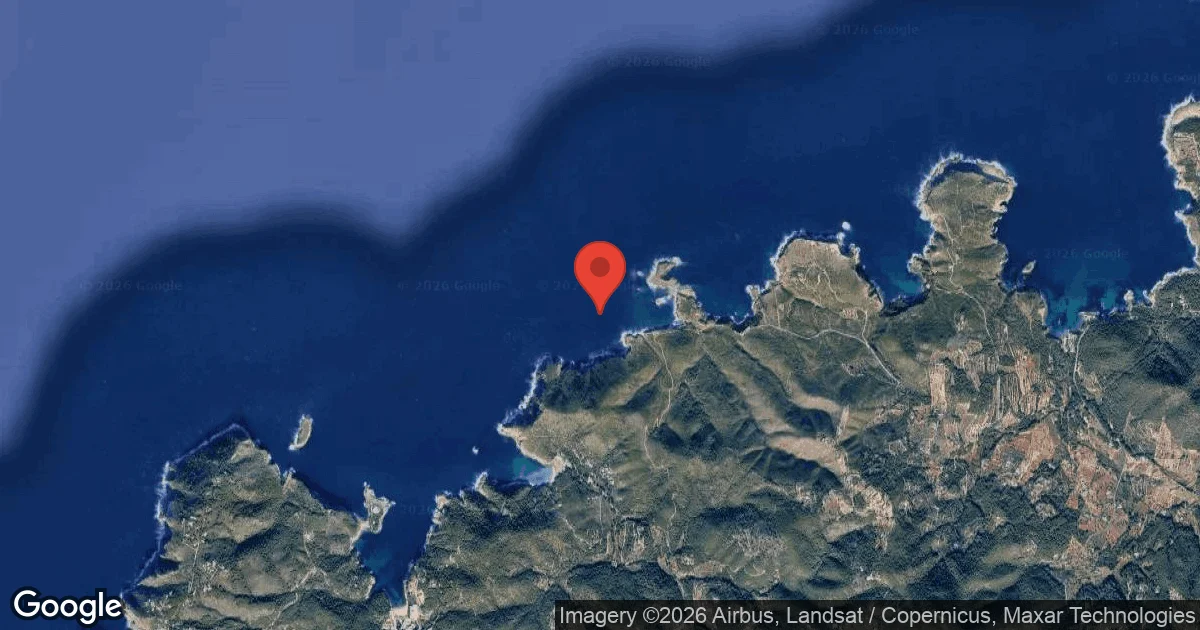
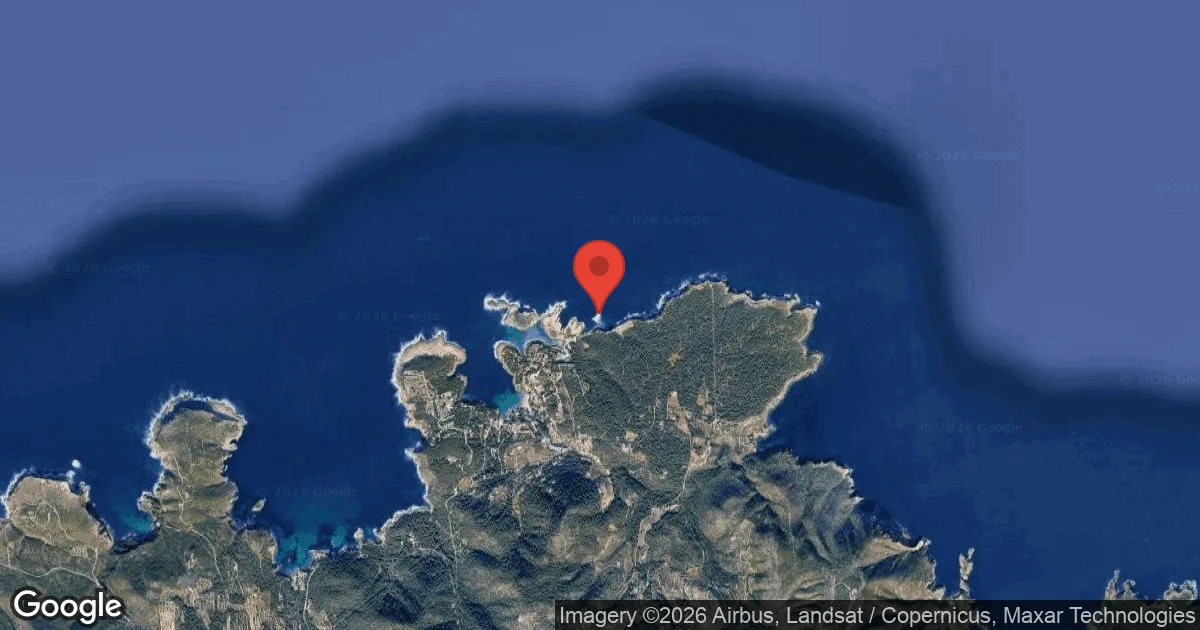
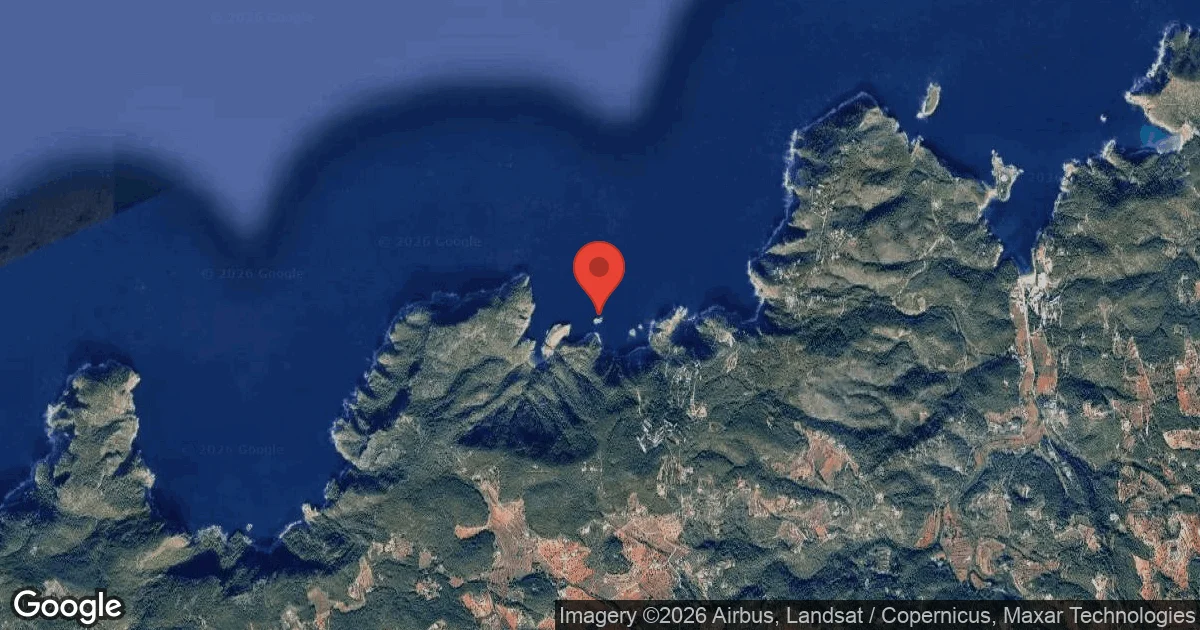
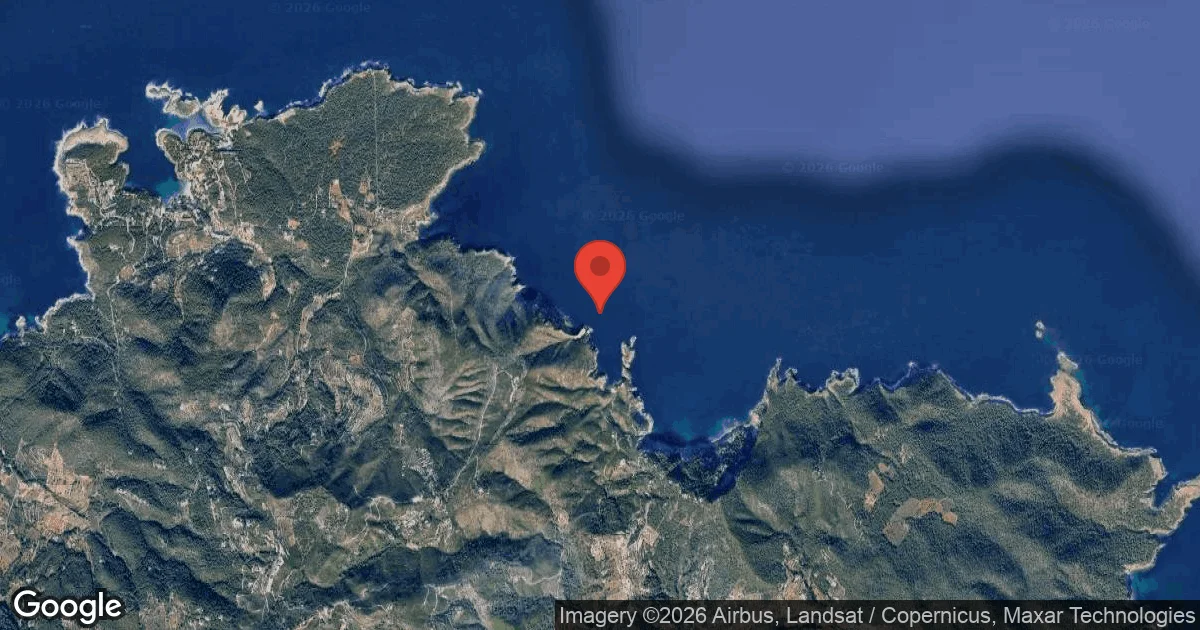
Dive Sites Near Punta Xarraca
View all dive sites in SpainDiscover more underwater gems in this area.
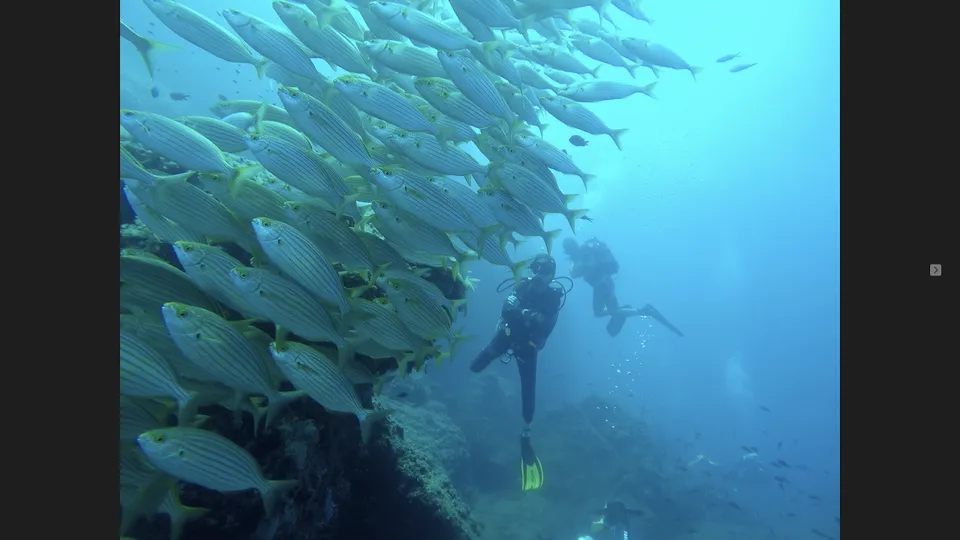
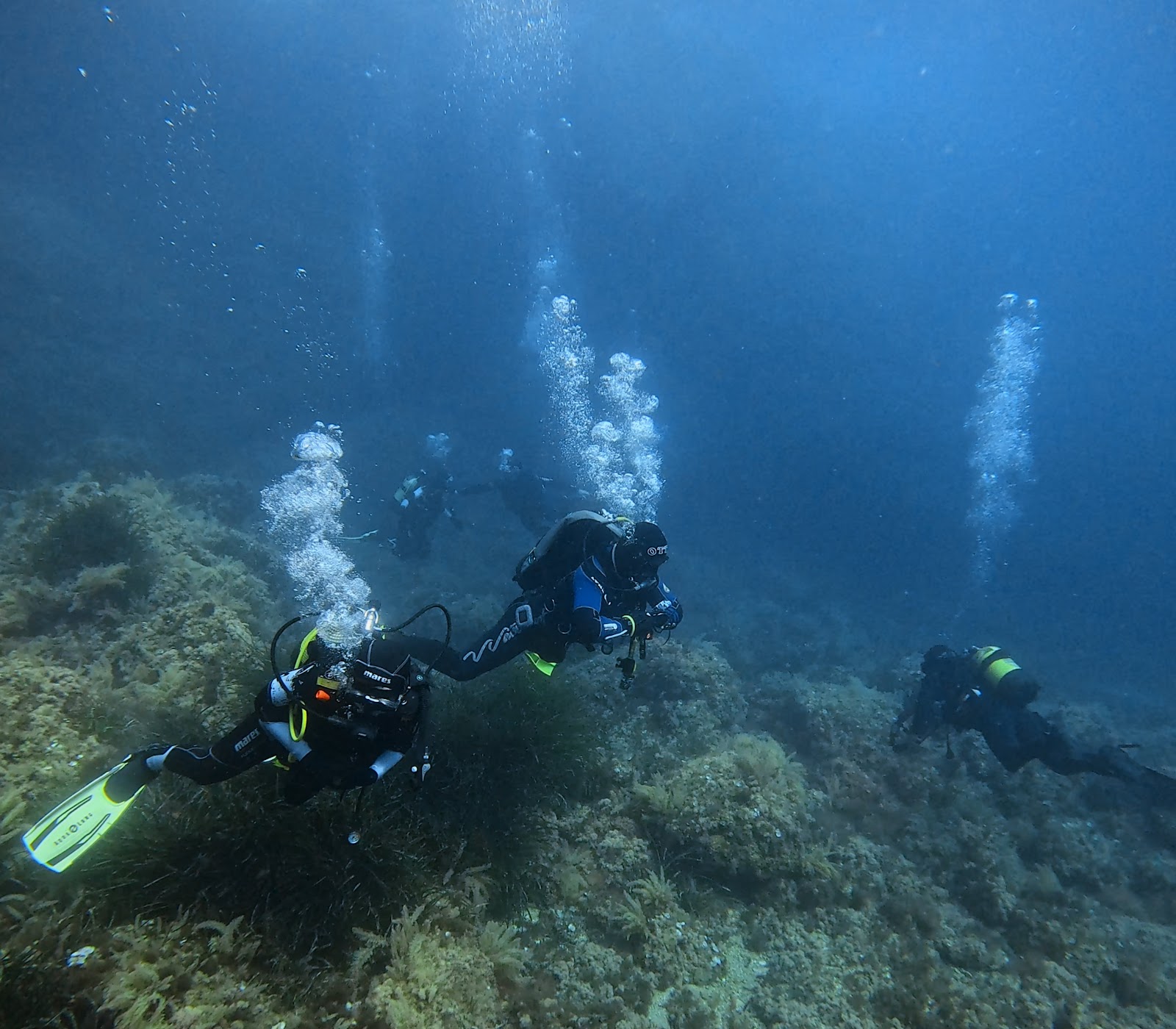
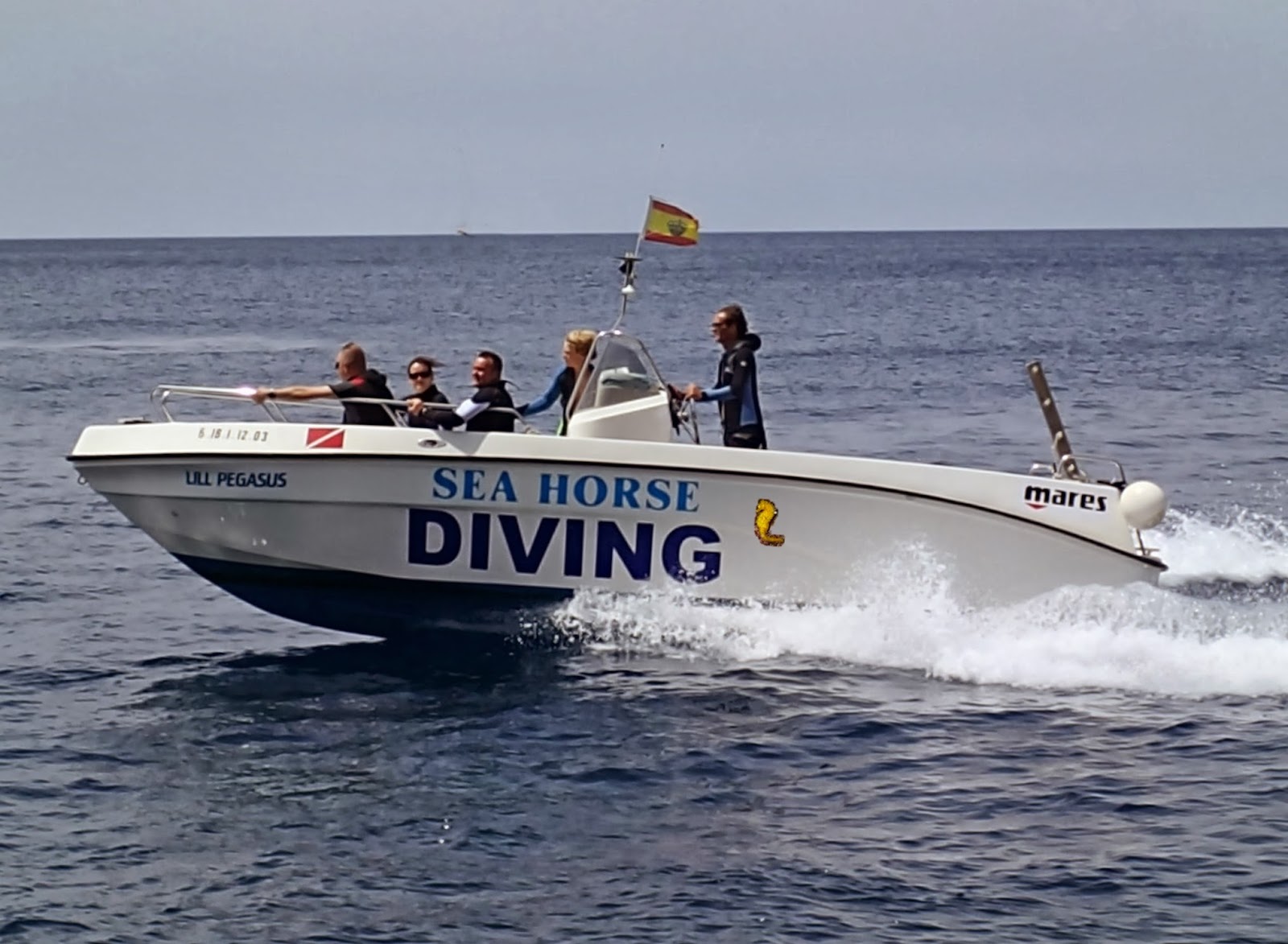
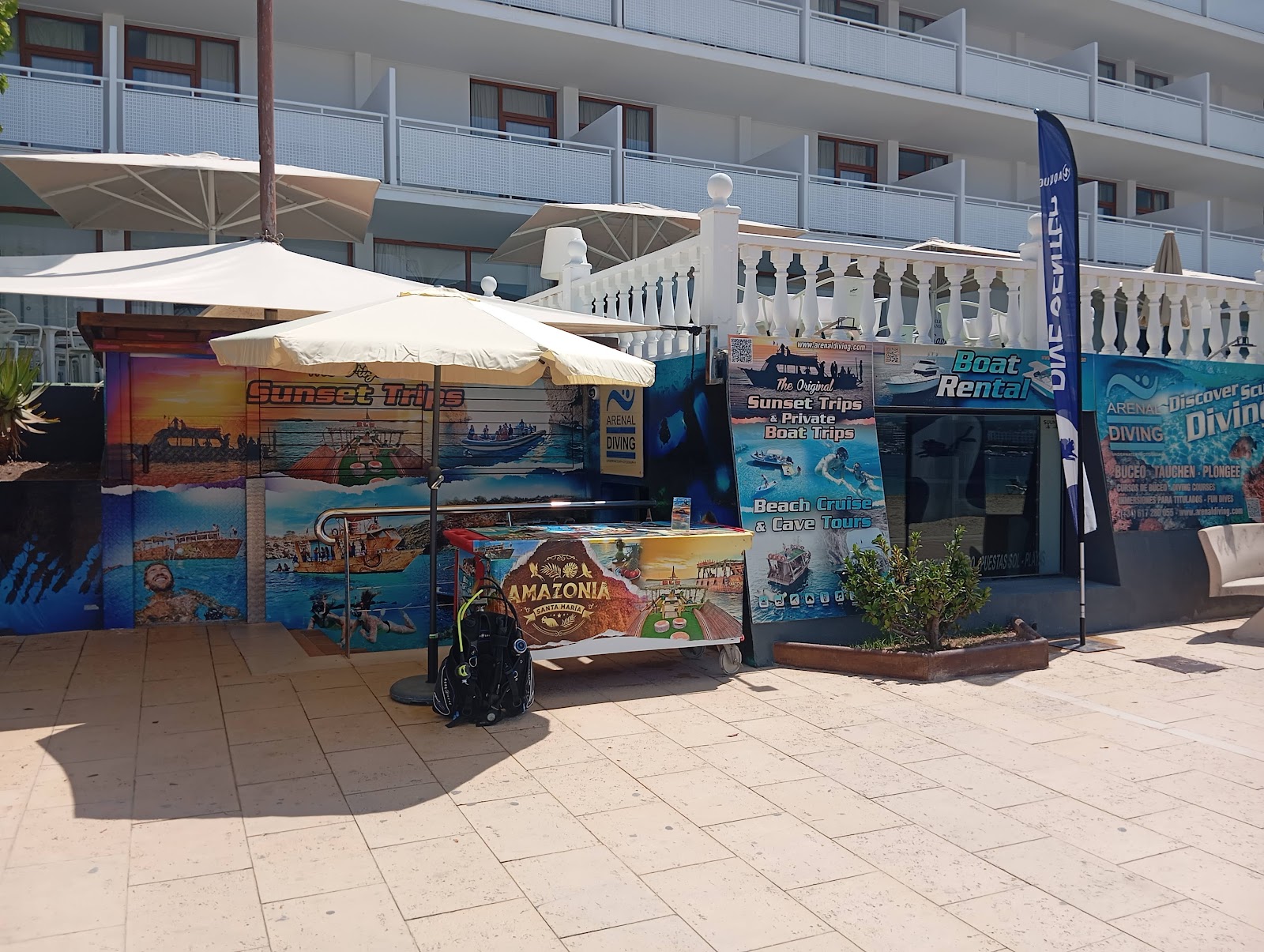
Dive Centers Near Punta Xarraca
Today: 08:30 - 17:30
Nearest Airports
Nearest airports to help plan travel to this dive area.
Search Flights
Check available flights and routes on Expedia, using the nearby airports listed in this section.
Search Flights on ExpediaFrequently Asked Questions
What is the maximum depth at Punta Xarraca?
Punta Xarraca offers dives reaching a maximum depth of 40 m (130 ft). However, there are also shallower sections suitable for beginners, starting around 8 m (26 ft).
Are there caves or tunnels to explore?
Yes, the site's walls are perforated by numerous tunnels and caves. One notable cave provides access to a unique saltwater pool amidst the rocks.
Is Punta Xarraca suitable for beginner divers?
Punta Xarraca accommodates divers of all levels. There are easy routes along the shallower sections of the walls, while deeper and overhead environments are reserved for experienced divers.
What kind of marine life can I expect to see?
Divers frequently observe groupers, moray eels, spotted codling, and scorpionfish. The site is also home to various species of nudibranchs and has coraligenous areas supporting lobsters and bream.
When is the best time of year to dive Punta Xarraca?
The most favorable conditions for diving generally occur from June to September, when air temperatures are warmest and rainfall and wave heights are at their lowest. The shoulder months of April, May, and October also offer good diving.
Is specialized training required for any part of the dive site?
Exploring the deeper sections or any overhead environments such as caves and tunnels requires appropriate advanced training and experience. Always ensure you dive within your certification limits.
Planning to dive Punta Xarraca?
Send one inquiry and receive offers directly from the best verified local dive operators.
Conditions are Good
07:00 - 14:00
Optimal conditions expected
Current conditions near Punta Xarraca show 25° air, 27° sea temperature, 0.6 m waves, and 24 km/h wind. Forecast data is refreshed regularly to ensure accuracy.