
Diving at El Brasco (Spain)
El Brasco offers a range of depths, catering to varied dive preferences within the Costa Brava region. Explorations begin in shallower, accessible areas ideal for skill refinement, gradually descending into deeper zones. Advanced divers find excitement in sites reaching maximum depths that reveal more complex underwater structures. Divers here can expect conditions that vary, sometimes requiring careful depth management and consideration for thermal protection.
Evening condition tracking at El Brasco features an air temperature of 21.5°C. We have recorded wave heights measuring 0.6 m during this period. These figures outline the environmental parameters currently present.
Dive Site Location & Key Facts
Dive Site Overview
Exploring the dive sites around El Brasco presents a compelling journey through varied underwater environments. Its topography is distinctly marked by natural cave and channel formations, which define the progression of a dive from more open, sunlit areas into intriguing confined spaces.
Environmental shifts like these require divers to possess or develop specific skill sets, making El Brasco suitable for skill refinement across various certification levels. Open Water Diver candidates, for example, can hone buoyancy and navigation in more accessible areas. Advanced Open Water and Rescue Diver courses often find ideal training grounds within challenging currents or complex navigation scenarios that occasionally arise.
Divers transition from theoretical lessons and confined water practice to applied open water dives directly within the Mediterranean's dynamic settings. While precise site-specific depths for El Brasco aren't uniformly documented, the wider Costa Brava region provides a spectrum of depths.
That spectrum includes gentle shallows perfect for beginners and training, extending to deeper sites that can exceed 30 m (100 ft) for experienced adventurers seeking to explore more extensive caverns and historical wrecks. A comprehensive depth range ensures El Brasco, and its surrounding dive zones, facilitates a confidence-building experience for divers at nearly every stage of their underwater progression.
Conditions are Good
07:00 - 14:00
Optimal conditions expected
Current conditions near El Brasco show 22° air, 24° sea temperature, 0.6 m waves, and 33 km/h wind. Forecast data is refreshed regularly to ensure accuracy.
Best Time to Dive
Optimizing visibility is key when planning a dive at El Brasco, with summer and early fall generally offering the clearest conditions, sometimes exceeding 30 meters. Such a period provides a perfect balance of favorable underwater clarity and comfortable temperatures both in and out of the water. From March to June, dive centers are fully operational, coinciding with air temperatures steadily rising from 13°C (55°F) in March to 24°C (75°F) by June, and minimal rain averaging 0.9-3.4 mm. Extended visibility during these months significantly enhances appreciation for marine life and intricate landscapes. Later, warm summer nights also facilitate night diving, revealing a different aspect of the Mediterranean's ecosystems. Booking in advance is advisable, particularly during these peak seasons, to secure preferred dive slots and align with optimal local weather patterns.
PEAK SEASON SCORE
Scores combine air & water temps, waves, wind & rainfall for overall conditions.
BEST MONTHS TO DIVE
Monthly records compiled from satellite and marine observation nodes over the last 3 years. Data provided by Open-Meteo and MET Norway.
Dive Experience & Conditions
Approaching El Brasco, divers will find conditions that vary depending on specific dive sites and prevailing weather. Water clarity in the broader Costa Brava region, where El Brasco is located, often boasts excellent visibility, particularly from summer into early fall. Currents can be encountered, influenced by weather patterns and the geographical contours of the dive sites; some areas around capes or in open water might experience stronger flows, posing an exciting challenge for experienced divers. Such diversity allows for a broad spectrum of diving, from shallow, sheltered areas suitable for beginners and training, to deeper explorations into caverns and more exposed sites for advanced divers. A dynamic Mediterranean environment ensures each descent becomes a distinct experience.
Dive Difficulty & Safety Guidelines
Diving safely at El Brasco begins with a thorough understanding of current conditions and adherence to established protocols. Divers should always review the dive plan meticulously and perform pre-dive checks on all equipment, especially if using personal gear. For those renting, verifying the quality of the provided equipment is crucial for an enhanced and secure diving experience.
Listen closely to briefings regarding local currents, planned depths, and potential marine life encounters. Maintaining medical fitness for diving is paramount, and staying hydrated while avoiding alcohol before dives contributes significantly to diver safety.
Dive centers in the area are equipped to guide divers to sites appropriate for their certification level and current conditions.
Recommended Equipment
Overhead environment. Do not enter beyond training and gas planning limits.
- Dive Computer
- Primary & Backup Lights
- Reel / Spool
- Cutting Tool
This gear list is based on verified equipment signals for El Brasco, Spain. Always confirm final gear choices with your dive operator, guide, or liveaboard.
Recommended Dive Suit
Temperatures look set to gradually increase over the next several days. A warming trend is expected over the next few days.
For typical recreational dives, 3-5mm wetsuit generally provides comfortable insulation. Consider warmer surface protection (like a boat coat) due to brisk winds. Surface intervals may feel cooler.
At El Brasco, the water is currently sitting around 24°C (74°F). Surface air temperatures are resting at 22°C (71°F).
Emergency & Medical Support
Essential information to help you plan your dive trip to El Brasco.

Hyperbaric chambers are a critical part of dive safety infrastructure. Availability varies significantly by region, and not all dive areas have immediate access.
Before diving, it's recommended to:
- confirm nearest medical facilities
- check emergency procedures with local dive operators
- ensure dive insurance covers evacuation if required
Divers Alert Network
Diving emergency assistance available through DAN Europe.
+39 0642115685- 24/7 emergency hotline
- Diving medical assistance
- Evacuation coordination
Emergency contacts are provided for reference. Always verify local emergency services before diving.
Closest Listed Hyperbaric Chambers
Showing listed hyperbaric chamber facilities within 200 km of this dive site.
Distances are approximate straight-line distances and may not reflect emergency travel time.
Unitat de Medicina Hiperbàrica (UMH)
24/7 ListedPalamos (Girona), Spain•Approx. 55 km straight-line
Unitat de Medicina Hiperbàrica (UMH)
24/7 ListedInformation is provided for reference and planning purposes only. Dive Navigator does not verify operational status, staffing, availability, or quality of care at listed facilities. In an emergency, contact local emergency services, DAN, your dive operator, or the chamber directly. Do not travel to a facility without calling ahead.
UTH-CSI
24/7 ListedICU CapableSant Joan Despí, Spain•Approx. 147 km straight-line
UTH-CSI
24/7 ListedICU CapableInformation is provided for reference and planning purposes only. Dive Navigator does not verify operational status, staffing, availability, or quality of care at listed facilities. In an emergency, contact local emergency services, DAN, your dive operator, or the chamber directly. Do not travel to a facility without calling ahead.
Marine Life at El Brasco
Around El Brasco, a diverse underwater landscape, characterized by its caves and channels, supports a variety of Mediterranean marine life. Divers can observe an array of darting fish species that find refuge and foraging grounds within these formations.
Majestic gorgonians often adorn rock walls, creating colorful underwater gardens that add to the visual appeal. An interplay of light and shadow within the channels and cave entrances often reveals smaller, more reclusive creatures, making each exploration a discovery.
Similar to many in Costa Brava, the site acts as a living textbook, offering glimpses into vibrant reef ecosystems.

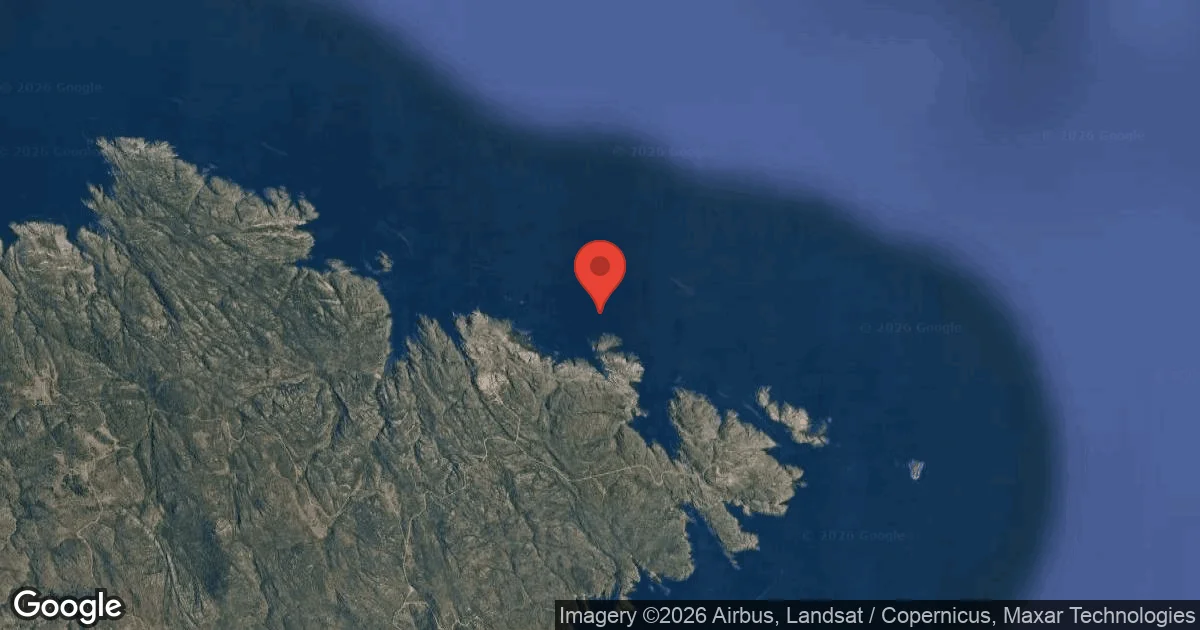
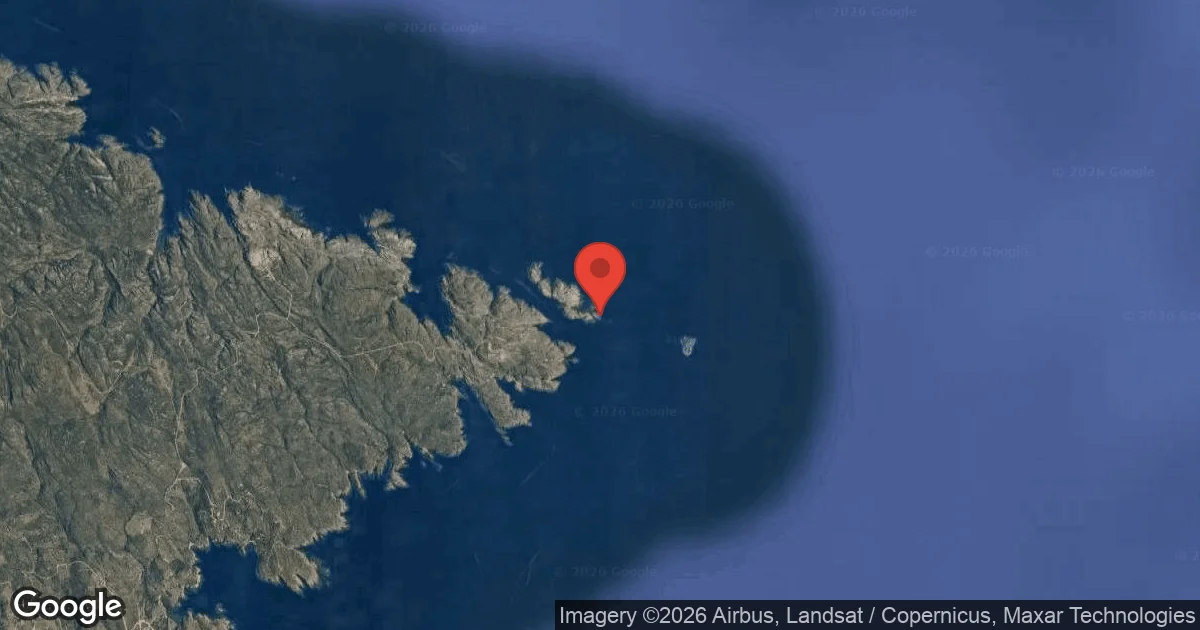
Dive Sites Near El Brasco
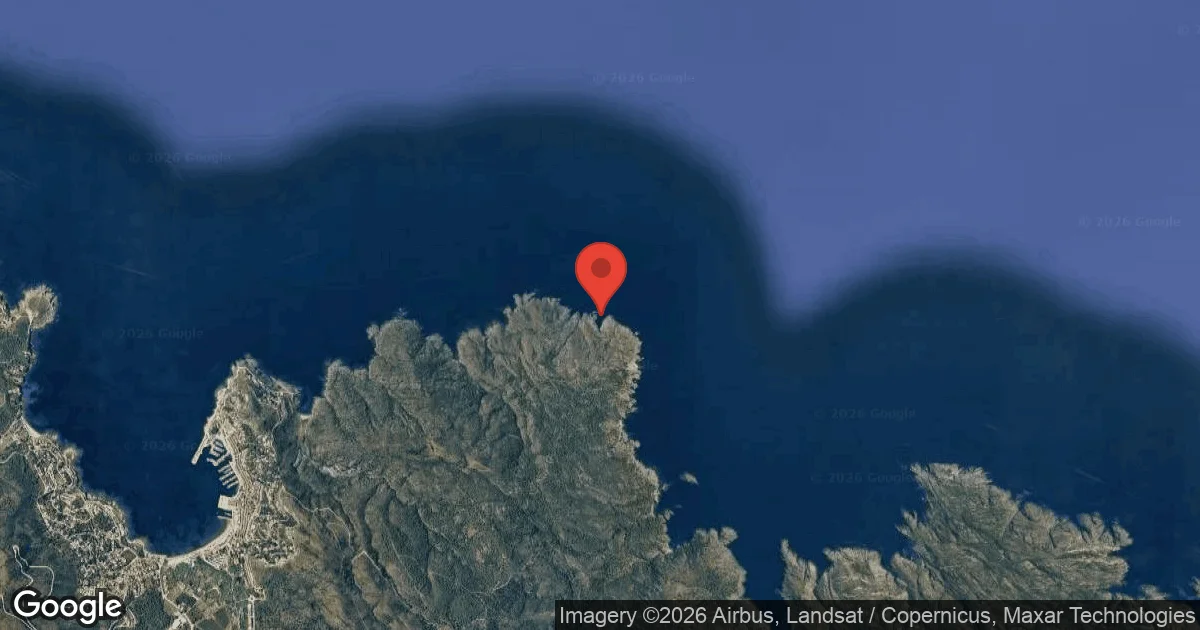
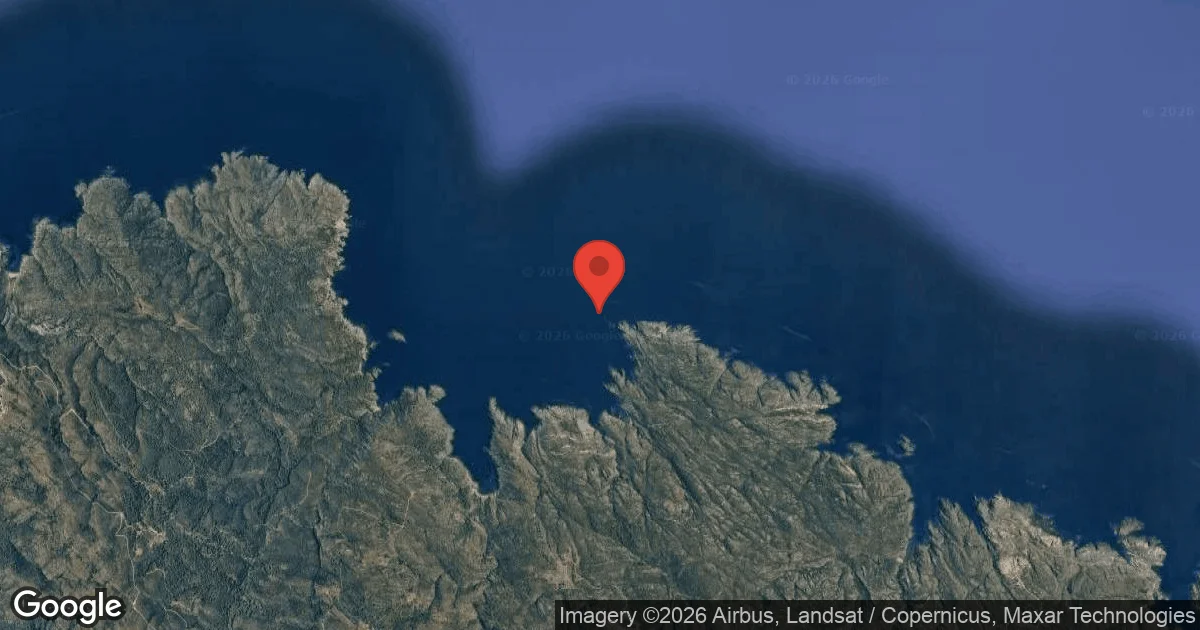
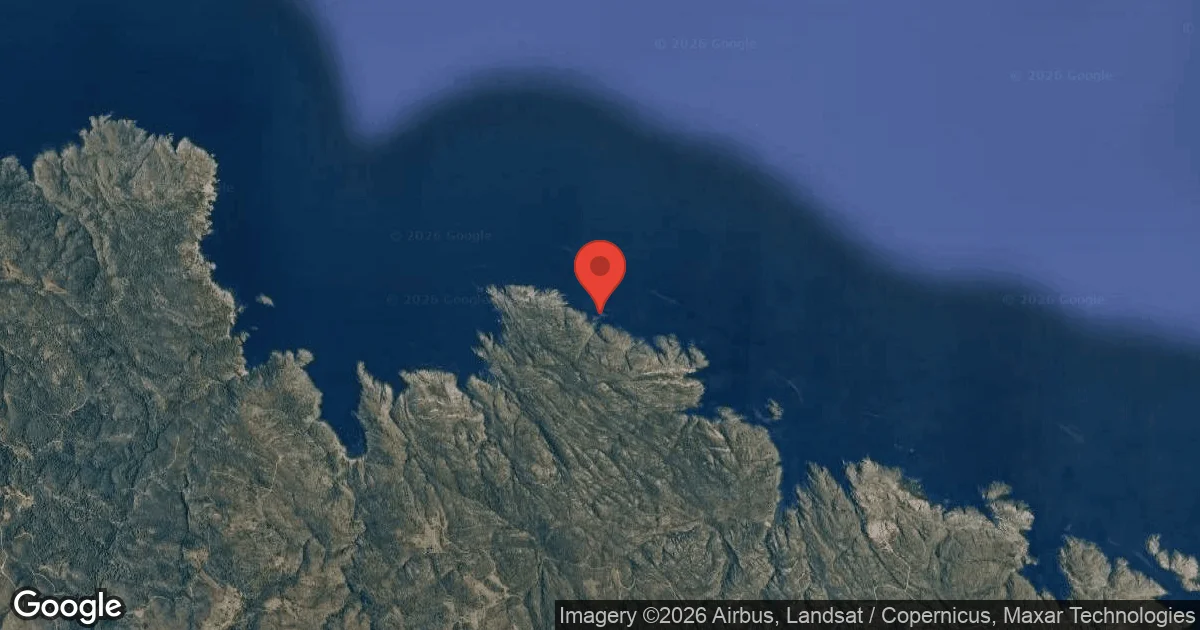
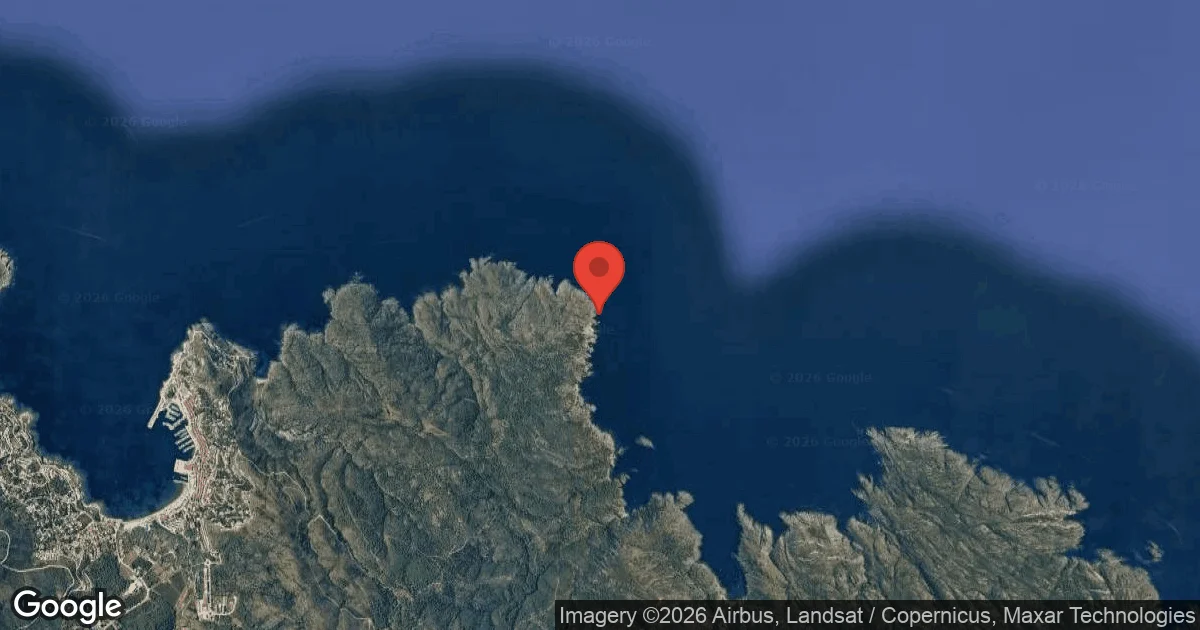
View all dive sites in SpainDiscover more underwater gems in this area.
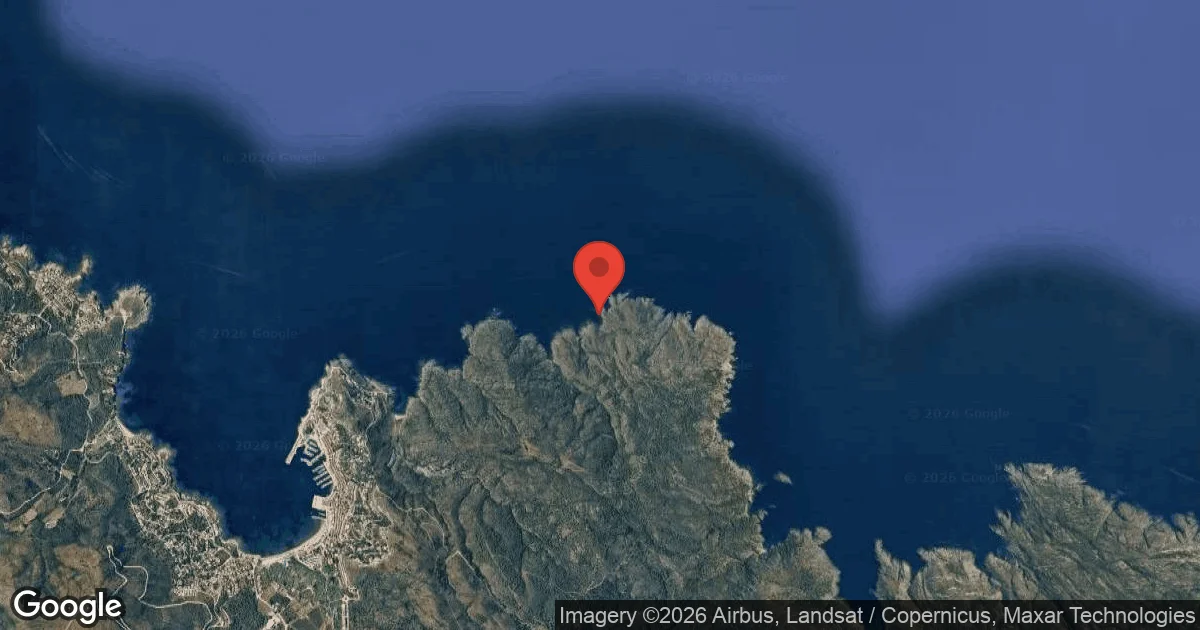
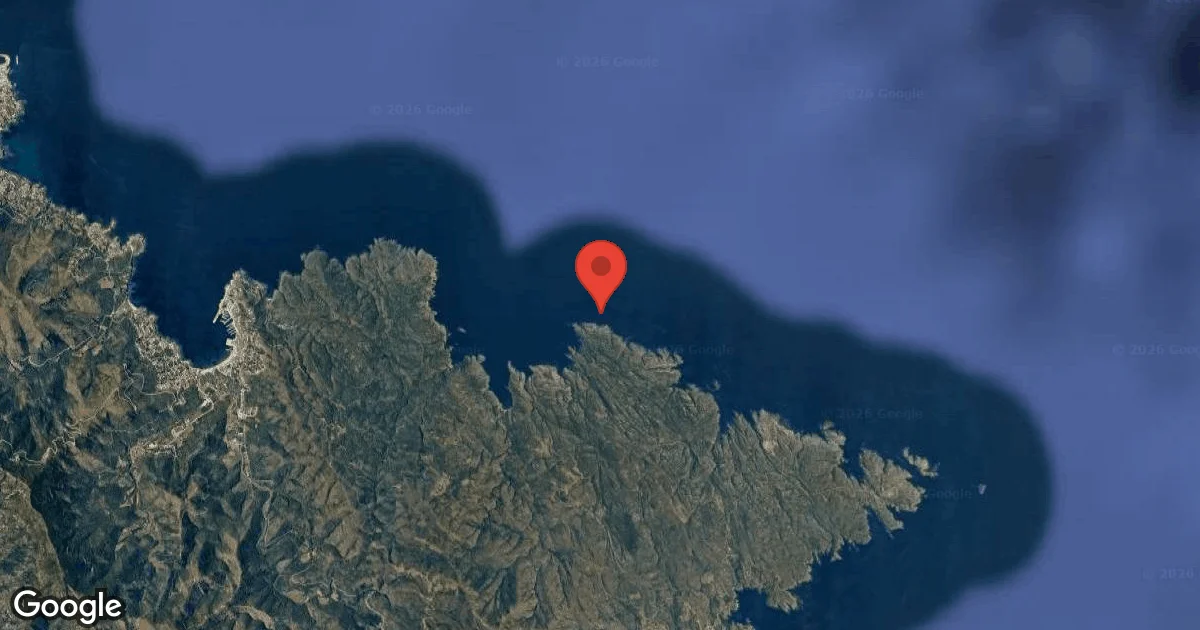
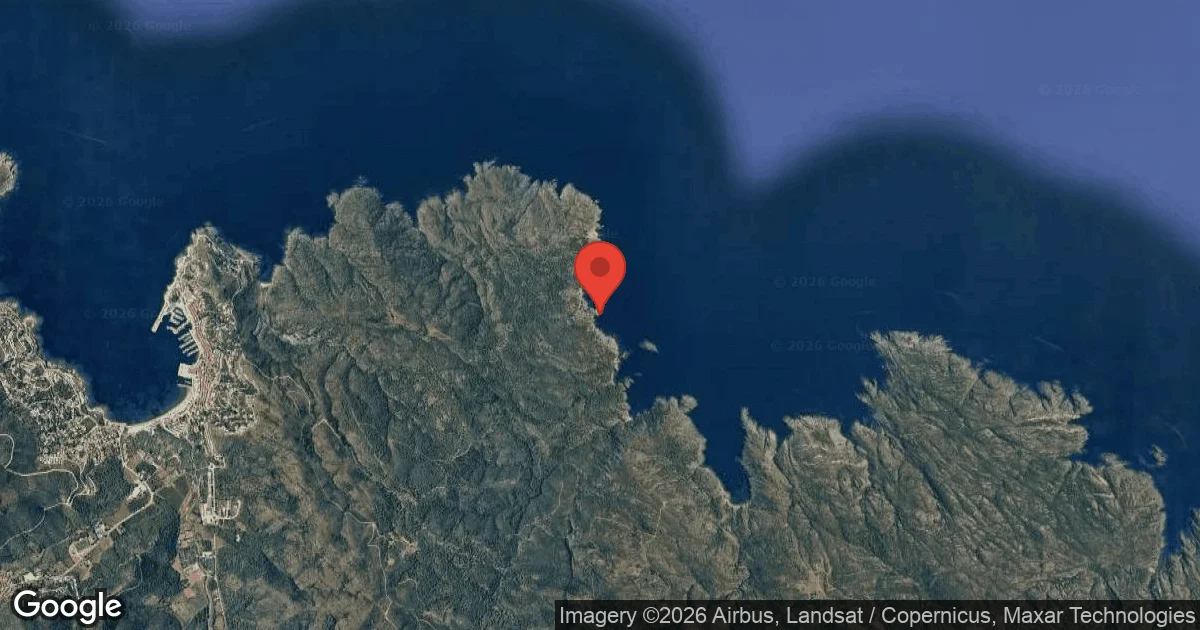
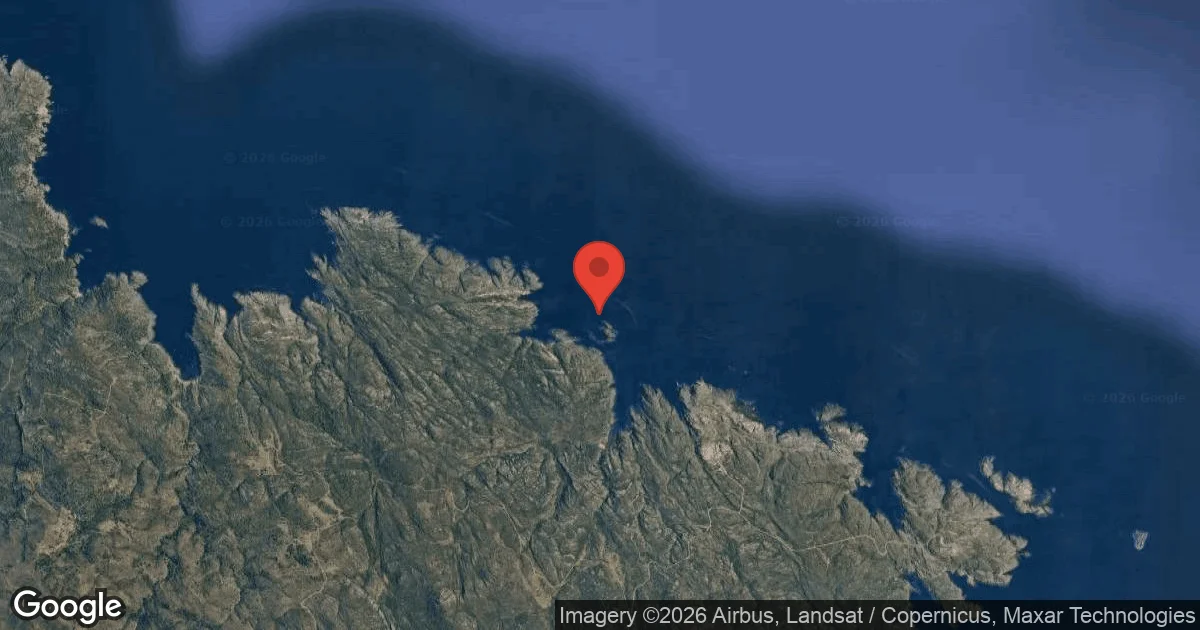
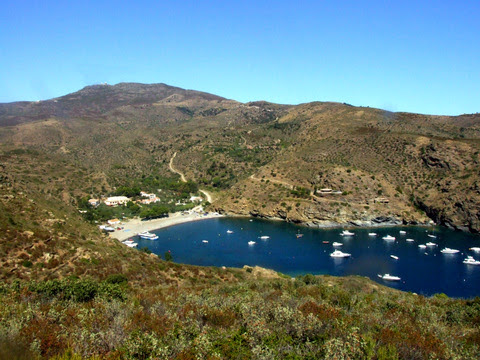
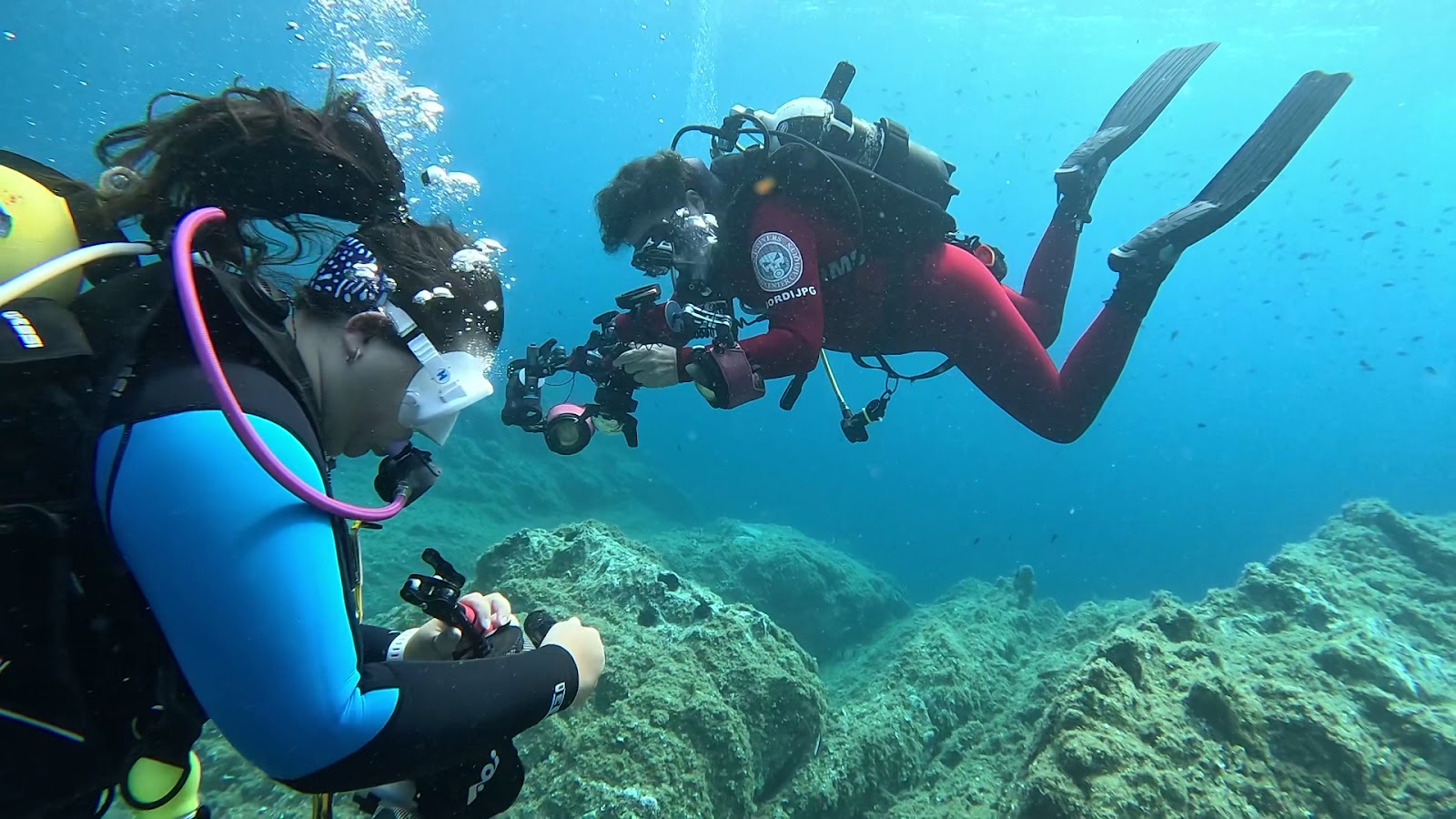
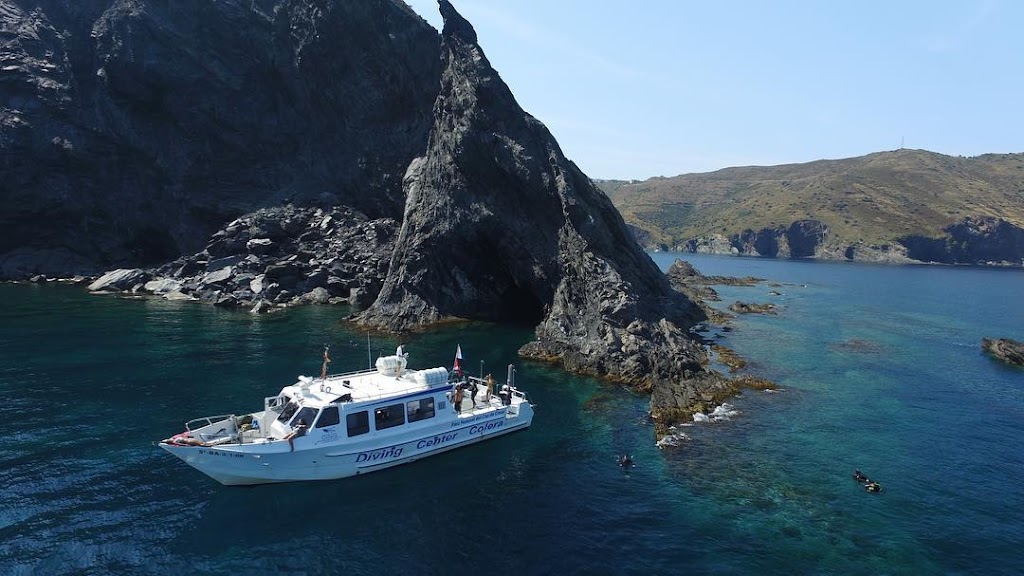
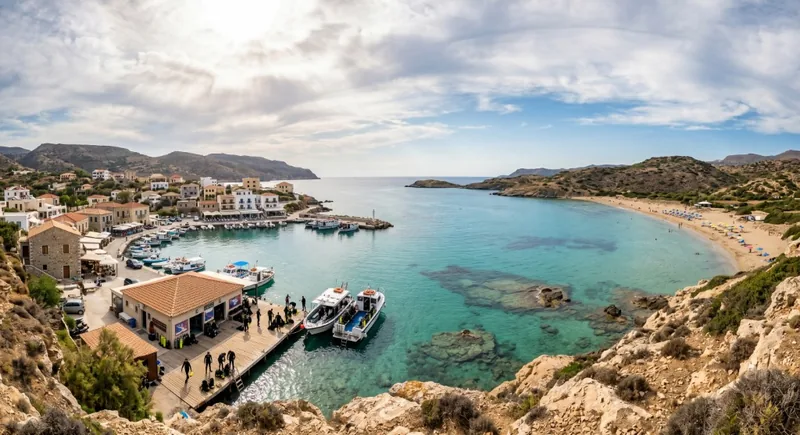
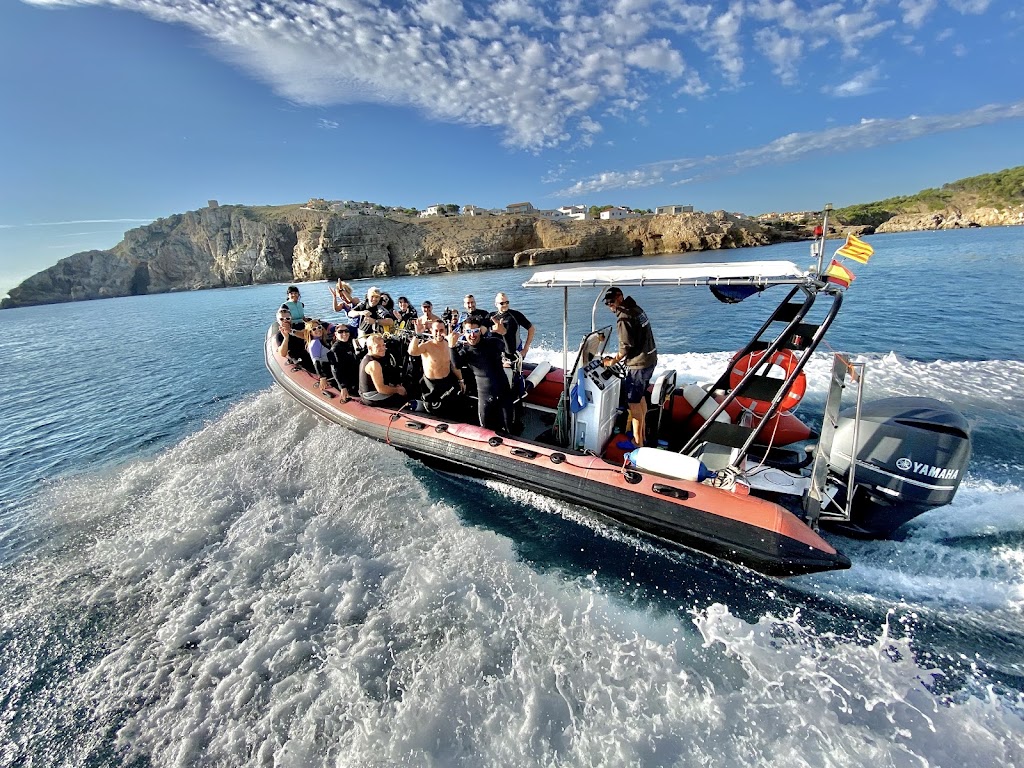
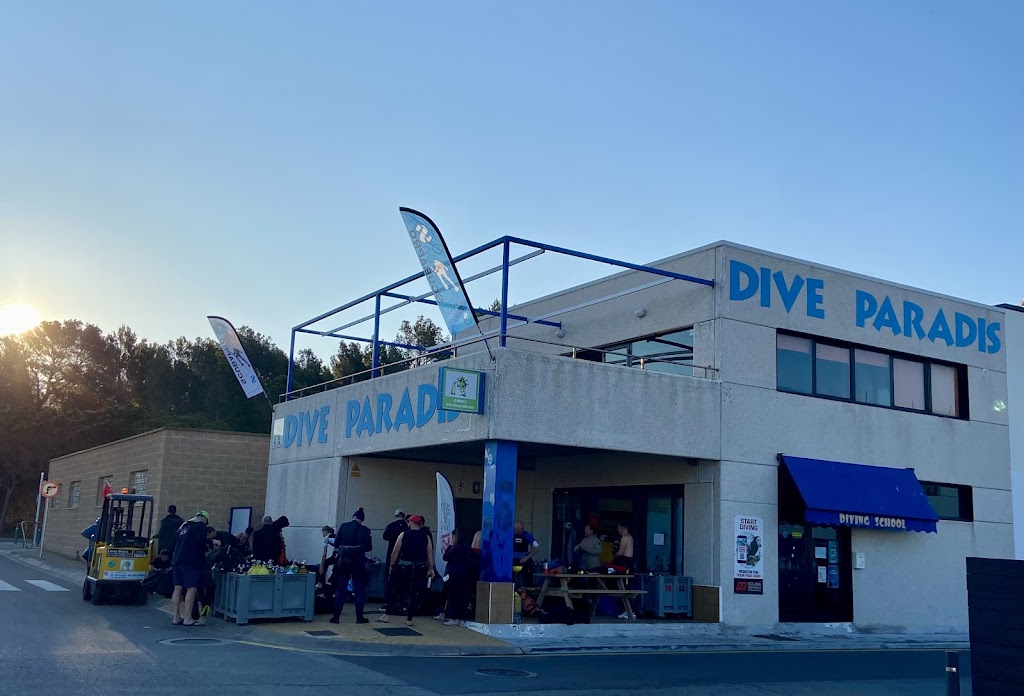
Dive Centers Near El Brasco
Today: 08:00 - 18:00

Nearest Airports
Nearest airports to help plan travel to this dive area.
Search Flights
Check available flights and routes on Expedia, using the nearby airports listed in this section.
Search Flights on ExpediaFrequently Asked Questions
What kind of dive certifications can I earn in the Costa Brava region?
You can pursue various certifications, including PADI Open Water Diver, Advanced Open Water, Rescue Diver, and even Divemaster courses. Local instructors are available to guide you through these programs, combining theoretical lessons with practical dives.
What's the typical cost for diving experiences in Costa Brava?
Prices vary widely based on the dive type and certification level. A single dive might cost €50-€100, while certification courses range from €300-€500. Equipment rental typically adds €30-€50 per dive.
When is the best time of year to dive in Costa Brava?
The optimal diving conditions are typically from March to June. Summer and early fall also offer excellent visibility, sometimes exceeding 30 meters, and comfortable water temperatures for extended diving seasons.
Are there challenging dive sites for advanced divers in Costa Brava?
Yes, Costa Brava features several advanced sites, including deep dives, night dives, and wreck explorations. Sites like the Furió Fitó or the Medes Islands provide thrilling experiences for seasoned divers.
What should I do to prepare for a dive trip in Costa Brava?
Ensure you are medically fit and have the necessary certifications. Review the dive plan, check your equipment thoroughly, and familiarize yourself with the site's conditions and challenges. Confirm bookings and transport in advance.
What should I be aware of regarding currents in Costa Brava?
Currents can vary, influenced by weather and site geography. Some areas, especially around capes or in open water, may have stronger currents. Dive centers are knowledgeable and can guide divers to sites with favorable conditions.
Planning to dive El Brasco?
Send one inquiry and receive offers directly from the best verified local dive operators.
Conditions are Good
07:00 - 14:00
Optimal conditions expected
Current conditions near El Brasco show 22° air, 24° sea temperature, 0.6 m waves, and 33 km/h wind. Forecast data is refreshed regularly to ensure accuracy.