
Diving at Bajo de Cullero (Spain)
Bajo de Cullero reveals an imposing underwater landscape just off the Spanish coast. Descending along a dramatic rocky wall, divers encounter depths stretching from 28 m (92 ft) down to 55 m (180 ft). This submerged pinnacle provides a canvas for vibrant marine growth. It's a site defined by its impressive verticality and diverse Mediterranean ecosystem.
Tonight's objective overview for Bajo de Cullero shows an air temperature of 25.5°C. The measured surface conditions include wave heights around 0.4 m. This environmental data is logged for the close of the day.
Dive Site Location & Key Facts
Dive Site Overview
Diving at Bajo de Cullero immediately reveals the deep, foundational structures of the Mediterranean. A significant rocky ascent, it plunges from approximately 28 meters to its maximum depth of 55 m (180 ft).
This presents an advanced dive profile, primarily suitable for divers comfortable with deeper excursions and deco procedures. Exploring its vibrant vertical wall, divers will traverse impressive formations, becoming more dramatic with increasing depth. Expansive fields of gorgonians characterize the deeper sections of the structure.
Delicate red coral formations punctuate the darker recesses and crevices, adding intense color to the rocky substrate. Throughout the descent and ascent, a rich array of typical Mediterranean flora and fauna clings to the rock face.
Its substantial max depth means careful dive planning, gas management, and appropriate certification are essential for a safe, rewarding experience. An impressive underwater pinnacle, this site acts as an aggregation point for various species, offering a glimpse into thriving biodiversity.
Conditions are Good
07:00 - 14:00
Optimal conditions expected
Current conditions near Bajo de Cullero show 26° air, 24° sea temperature, 0.5 m waves, and 30 km/h wind. Forecast data is refreshed regularly to ensure accuracy.
Best Time to Dive
Optimizing your visit to Bajo de Cullero often hinges on favorable conditions for maximum visibility. The period from May through October generally offers the best dive scores, coinciding with warmer air temperatures ranging from 18°C (64°F) to 26°C (79°F). During these months, wave heights typically remain below 0.8 meters (2.6 ft) and rainfall is minimal, usually less than 2.3 mm (0.09 inches), contributing to clearer waters. Winds are also calmer, averaging around 22-26 km/h (14-16 mph). Though specific water temperature data isn't consistently reported for Bajo de Cullero, the summer and early autumn months usually bring the most comfortable conditions across the Mediterranean. Visiting in spring (April) or late autumn (November) can still be good, with air temperatures between 14°C (57°F) and 15.5°C (60°F), but wave heights and rain might see slight increases. Winter months typically bring moderate dive scores due to cooler air and potentially rougher seas.
PEAK SEASON SCORE
Scores combine air & water temps, waves, wind & rainfall for overall conditions.
BEST MONTHS TO DIVE
Monthly records compiled from satellite and marine observation nodes over the last 3 years. Data provided by Open-Meteo and MET Norway.
Dive Experience & Conditions
The descent at Bajo de Cullero immediately immerses divers onto a dramatic vertical wall. Starting around 28 meters, primary exploration involves following the impressive rocky structure to its maximum extent. Currents can vary; assessing local conditions before the dive is always prudent. Throughout the dive, visibility typically remains good, offering clear views of the extensive gorgonian fields and other deep-water inhabitants. Water temperatures, while not specifically recorded for this site, generally follow regional patterns, with cooler conditions expected in these deeper areas. The complexity of the dive profile necessitates excellent buoyancy control and careful monitoring of dive time and gas supply. Ascending, divers retrace their path along the rugged wall, allowing for safety stops at shallower depths.
Dive Difficulty & Safety Guidelines
Approaching Bajo de Cullero means acknowledging the inherent challenges of deep wall diving. Its depth profile, extending to significant depths, requires divers to possess advanced certifications and experience with deep diving protocols. Adequate gas planning is paramount, including considerations for decompression if required.
Always monitor bottom time and no-decompression limits diligently. Because currents can sometimes be present, divers should be proficient in drift diving techniques or comfortable navigating varying water movements.
Maintaining excellent buoyancy control is crucial, especially along the vertical wall, to prevent uncontrolled descents or ascents and to protect delicate marine life. Diving with a reliable buddy and carrying appropriate safety equipment, such as an SMB and cutting device, further enhances overall safety and preparedness.
Recommended Equipment
- Dive Computer
This gear list is based on verified equipment signals for Bajo de Cullero, Spain. Always confirm final gear choices with your dive operator, guide, or liveaboard.
Recommended Dive Suit
Weather models currently point toward consistent diving conditions over the next several days.
For typical recreational dives, 3-5mm wetsuit generally provides comfortable insulation. Consider warmer surface protection (like a boat coat) due to brisk winds.
Current dive conditions indicate that water temperatures around Bajo de Cullero are sitting at roughly 24°C (74°F). Surface air temperatures are resting at 26°C (78°F).
Emergency & Medical Support
Essential information to help you plan your dive trip to Bajo de Cullero.

Hyperbaric chambers are a critical part of dive safety infrastructure. Availability varies significantly by region, and not all dive areas have immediate access.
Before diving, it's recommended to:
- confirm nearest medical facilities
- check emergency procedures with local dive operators
- ensure dive insurance covers evacuation if required
Divers Alert Network
Diving emergency assistance available through DAN Europe.
+39 0642115685- 24/7 emergency hotline
- Diving medical assistance
- Evacuation coordination
Emergency contacts are provided for reference. Always verify local emergency services before diving.
Closest Listed Hyperbaric Chambers
Showing listed hyperbaric chamber facilities within 200 km of this dive site.
Distances are approximate straight-line distances and may not reflect emergency travel time.
Unitat de Medicina Hiperbàrica (UMH)
24/7 ListedPalamos (Girona), Spain•Approx. 55 km straight-line
Unitat de Medicina Hiperbàrica (UMH)
24/7 ListedInformation is provided for reference and planning purposes only. Dive Navigator does not verify operational status, staffing, availability, or quality of care at listed facilities. In an emergency, contact local emergency services, DAN, your dive operator, or the chamber directly. Do not travel to a facility without calling ahead.
UTH-CSI
24/7 ListedICU CapableSant Joan Despí, Spain•Approx. 149 km straight-line
UTH-CSI
24/7 ListedICU CapableInformation is provided for reference and planning purposes only. Dive Navigator does not verify operational status, staffing, availability, or quality of care at listed facilities. In an emergency, contact local emergency services, DAN, your dive operator, or the chamber directly. Do not travel to a facility without calling ahead.
Marine Life at Bajo de Cullero
At Bajo de Cullero, the deep rocky wall supports a diverse range of marine organisms, offering compelling sights. Expansive fields of vibrant gorgonians carpet much of the vertical surface, creating intricate living tapestries.
Delicate formations of red coral are often discovered in more sheltered or deeper crevices, adding striking color contrasts. Among the rocky outcrops and ledges, observant divers may spot langoustes and homards, often tucked into protective nooks.
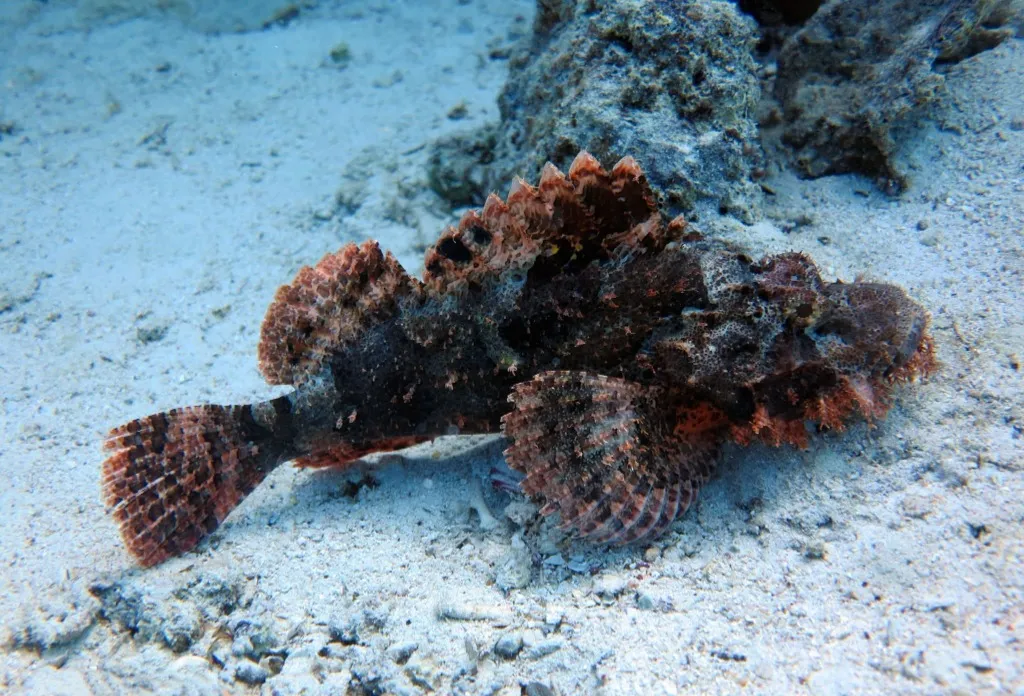
Scorpionfish (rascasse) camouflage expertly against the textured rock, waiting for prey. Beyond these specific highlights, the site is home to a variety of typical Mediterranean fish species, contributing to a thriving ecosystem on this underwater pinnacle.

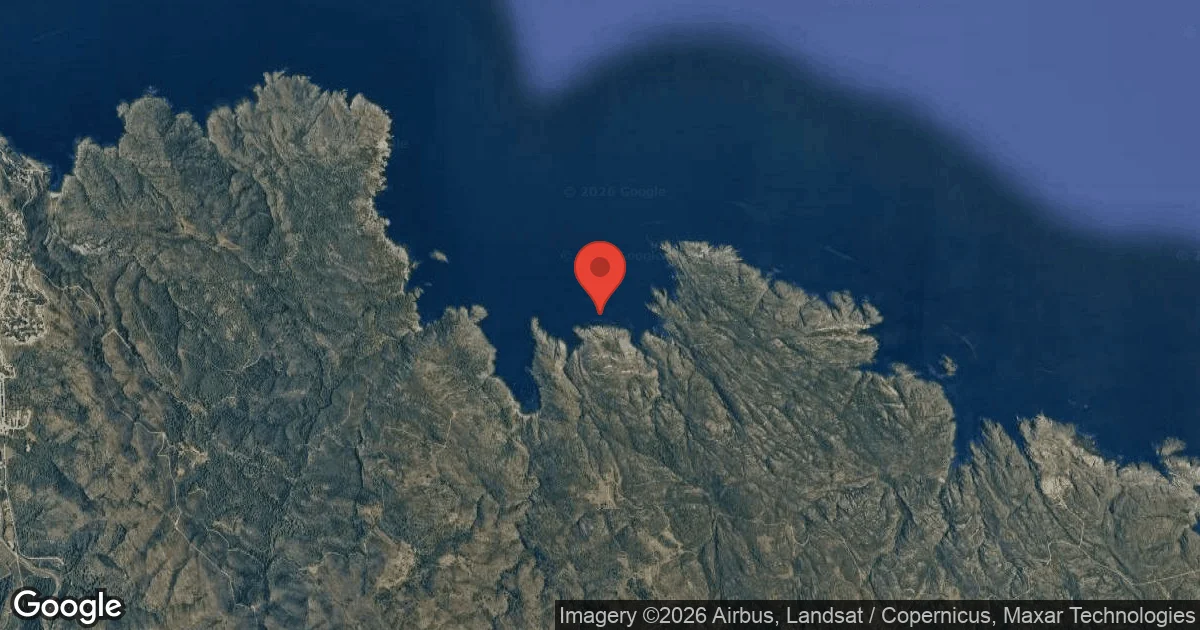
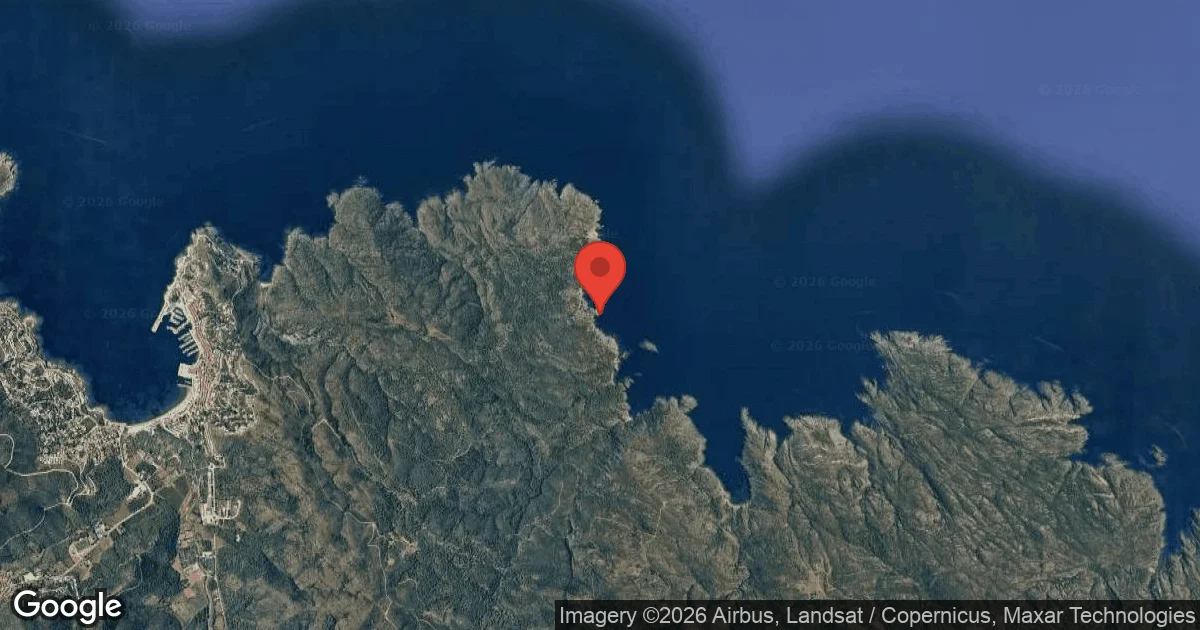
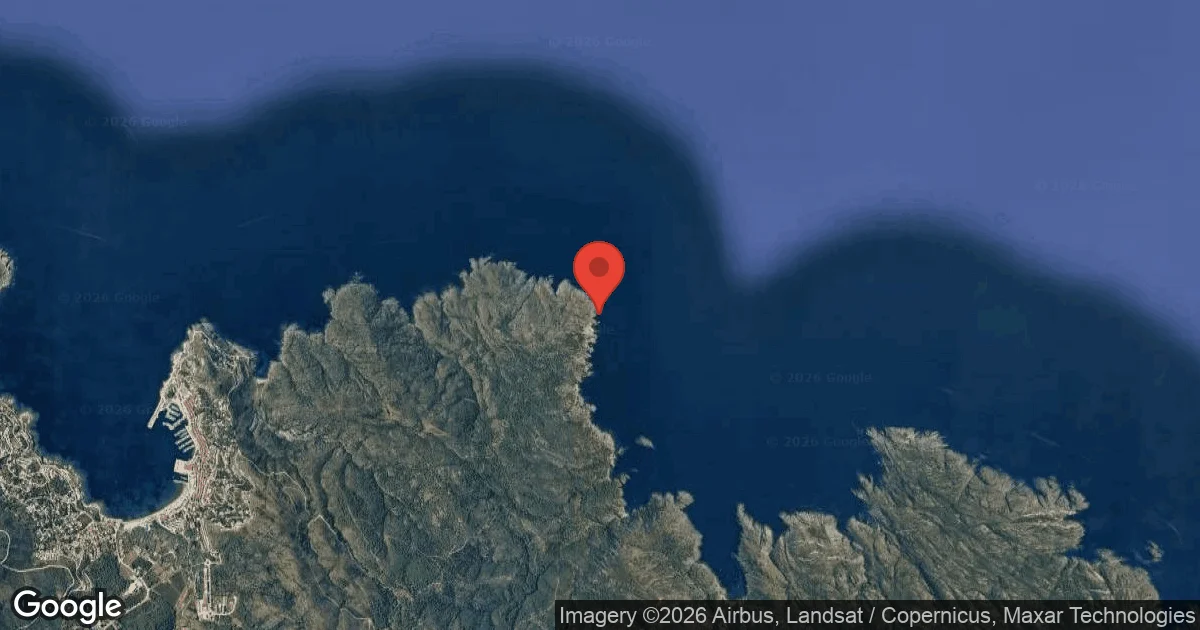
Dive Sites Near Bajo de Cullero
View all dive sites in SpainDiscover more underwater gems in this area.
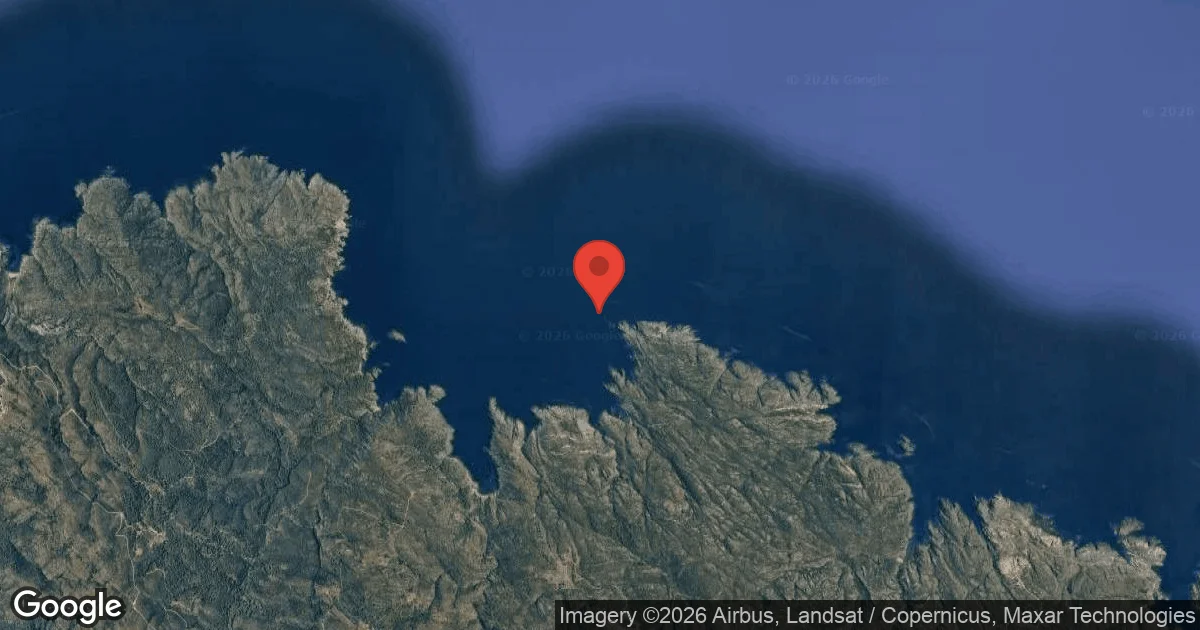
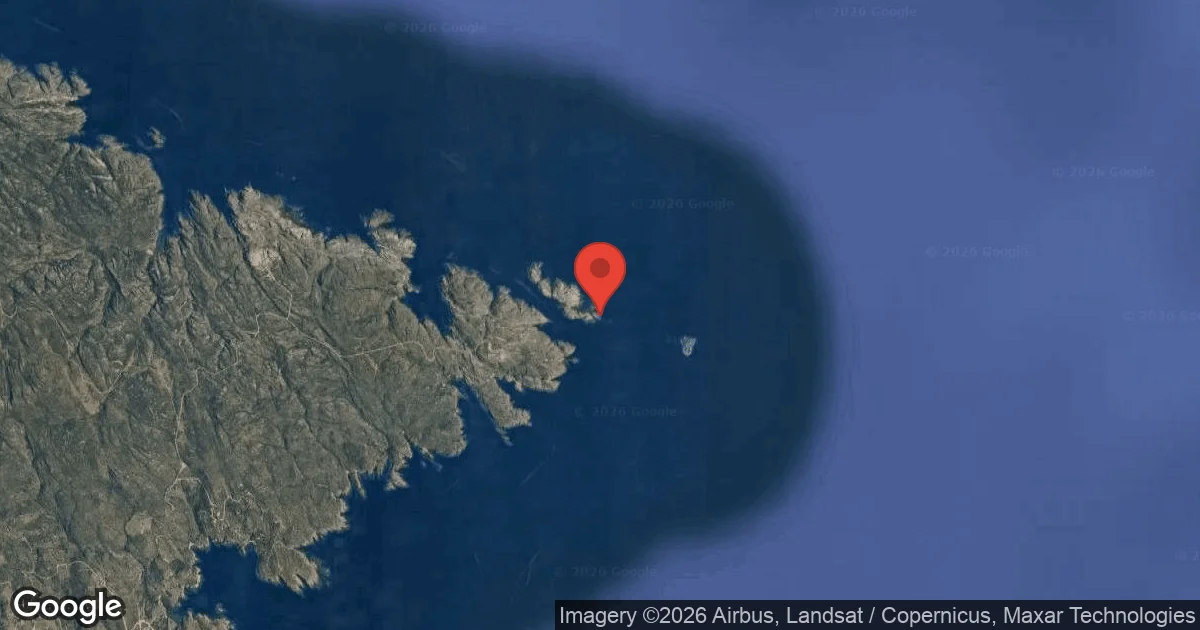
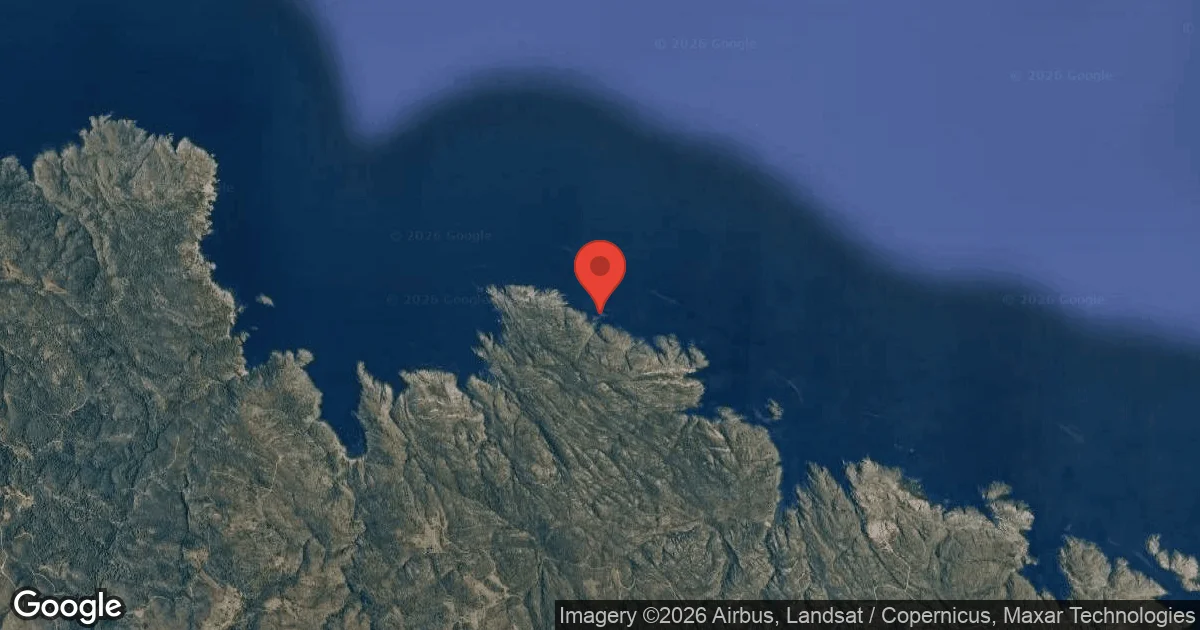
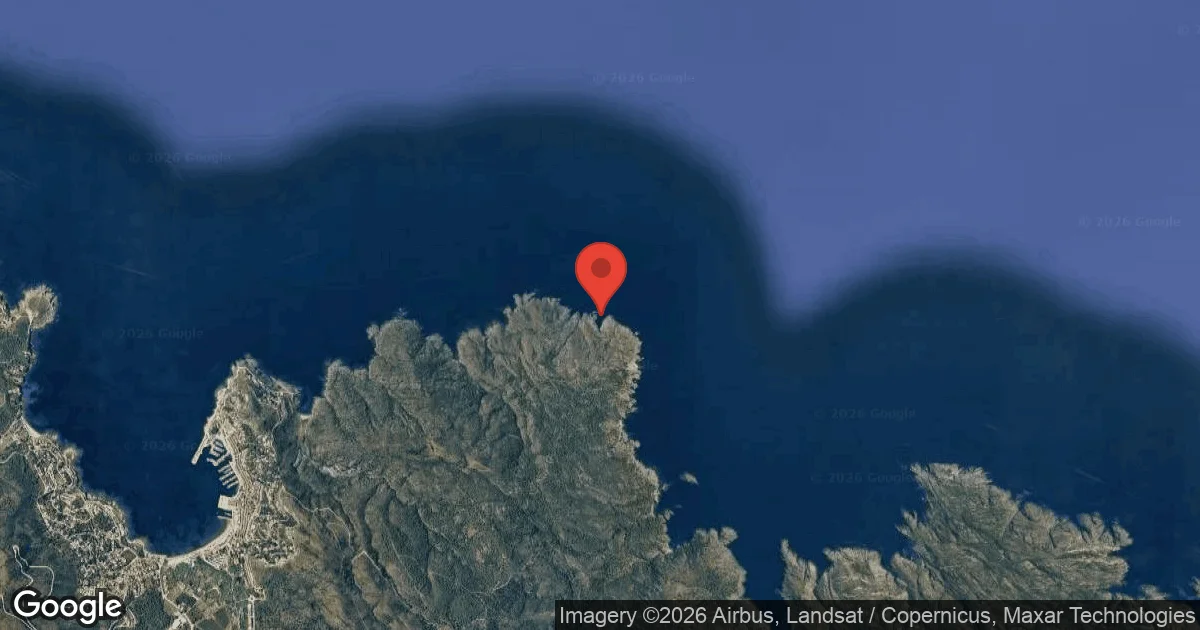
Dive Centers Near Bajo de Cullero
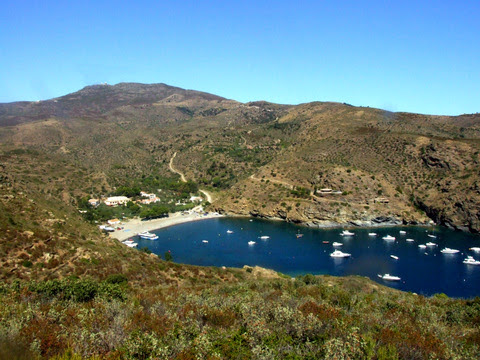
Today: 08:00 - 18:00



Nearest Airports
Nearest airports to help plan travel to this dive area.
Search Flights
Check available flights and routes on Expedia, using the nearby airports listed in this section.
Search Flights on ExpediaFrequently Asked Questions
What is the maximum depth at Bajo de Cullero?
The site features a significant rocky ascent that extends to a maximum depth of 55 m (180 ft). Dives typically begin around 28 meters and explore the deeper sections.
What certification level is required for this dive?
Due to its considerable depth, Bajo de Cullero is best suited for advanced divers. You should have appropriate deep diving certification and experience with related protocols.
What is the typical underwater topography of Bajo de Cullero?
This site is characterized by a dramatic rocky wall or pinnacle. It features extensive gorgonian fields and delicate red coral formations that grow along its vertical surfaces.
What kind of marine life is commonly found here?
Divers frequently encounter vibrant gorgonians and red coral on the walls. Look for langoustes, homards, and scorpionfish (rascasse) nestled among the rocks.
Are currents a factor when diving Bajo de Cullero?
Currents can vary at the site. It's advisable to check local conditions before your dive and be prepared for potential water movement.
When is the best time of year to dive Bajo de Cullero for optimal conditions?
The period from May through October generally offers the best diving conditions. During these months, air temperatures are warmer, and calmer seas typically lead to better visibility.
Is Bajo de Cullero a cave dive?
No, this specific Bajo de Cullero is primarily known as a deep rocky wall and pinnacle dive. While other sites in the broader region may feature caves, this dive focuses on its extensive vertical reef structure.
Planning to dive Bajo de Cullero?
Send one inquiry and receive offers directly from the best verified local dive operators.
Conditions are Good
07:00 - 14:00
Optimal conditions expected
Current conditions near Bajo de Cullero show 26° air, 24° sea temperature, 0.5 m waves, and 30 km/h wind. Forecast data is refreshed regularly to ensure accuracy.