
Diving at Cap Gros (Spain)
Divers exploring Cap Gros can descend into an underwater environment characterized by a dynamic depth profile, typically reaching up to 30-31 m (100-102 ft). This range accommodates both shallower exploratory dives along rock formations and deeper investigations of submerged platforms. Its diverse underwater structures present varied opportunities for discovery, from accessible introductory depths to the maximum recreational limits.
Tonight's objective overview for Cap Gros shows an air temperature of 21°C. The measured surface conditions include wave heights around 0.7 m. This environmental data is logged for the close of the day.
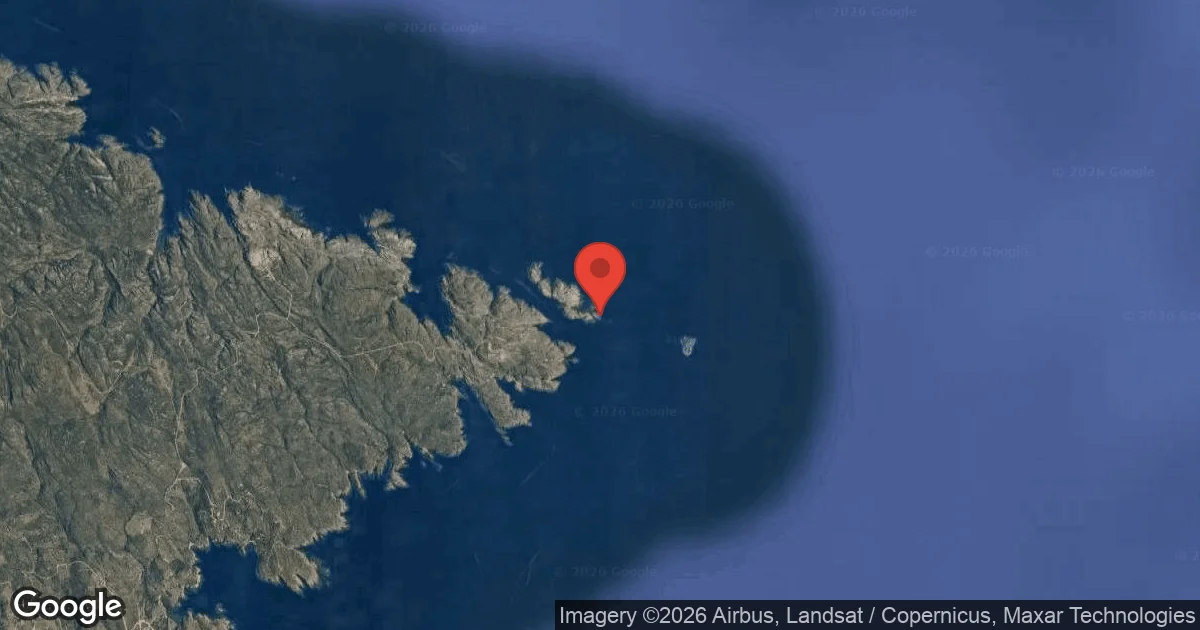
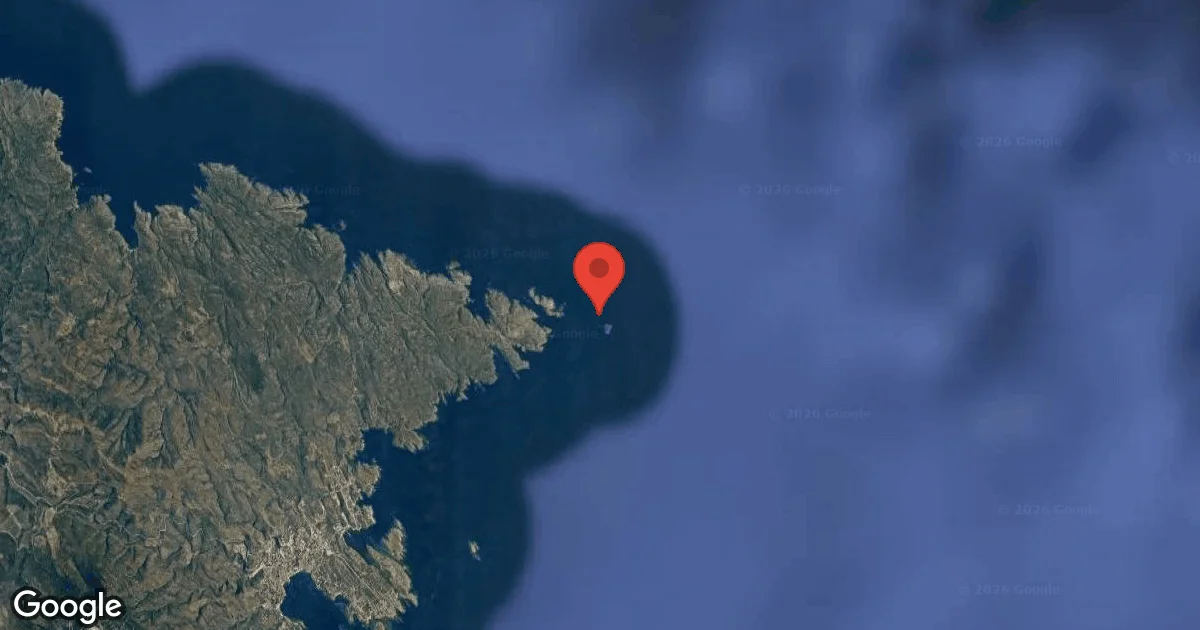
Dive Site Location & Key Facts
Dive Site Overview
Cap Gros presents a complex and visually rich underwater topography. Divers encounter dramatic wall dives marked by prominent pinnacles and spectacular rock features, forming a highly engaging environment throughout the site.
Explorers can also navigate distinct cave systems; one notable location even features two accessible caves during a single dive, adding a unique exploratory dimension. Descending further, a significant submerged platform acts as a central hub, from which a deep wall plummets to a maximum depth of 31 m (102 ft). Along this deeper section, beautiful rock formations emerge from the sandy bottom, providing shelter and points of interest.
A striking chimney feature offers another vertical ascent, exiting into shallower waters around 20 m (66 ft). Beyond the dramatic walls and rock formations, the seabed gradually transitions from sandy patches and scattered rocks into extensive Posidonia meadows, each habitat contributing to the overall biodiversity and offering varied scenes for divers to discover.
This combination of deep walls, intriguing caves, and vibrant meadows provides a comprehensive and stimulating dive experience.
Conditions are Excellent
07:00 - 14:00
Optimal conditions expected
Current conditions near Cap Gros show 21° air, 24° sea temperature, 0.5 m waves, and 21 km/h wind. Forecast data is refreshed regularly to ensure accuracy.
Best Time to Dive
Seasonal variations influence optimal dive times at Cap Gros, with the most favorable conditions typically occurring from May through October. During these months, average air temperatures range from 18.5°C (65°F) to 26°C (79°F), and wave heights are generally lower, contributing to 'Good' dive scores. Conversely, months like January, March, and December see 'Moderate' conditions, with air temperatures dropping to between 9.5°C (49°F) and 12.5°C (54°F) and slightly higher wave activity. While specific water temperature data isn't consistently reported, the warmer air and calmer seas of late spring to early autumn generally indicate more comfortable diving.
PEAK SEASON SCORE
Scores combine air & water temps, waves, wind & rainfall for overall conditions.
BEST MONTHS TO DIVE
Monthly records compiled from satellite and marine observation nodes over the last 3 years. Data provided by Open-Meteo and MET Norway.
Dive Experience & Conditions
Divers at Cap Gros encounter varied conditions, making it accessible for a wide range of skill levels. The site frequently offers good visibility and generally calm waters, creating an inviting environment for beginners, training sessions, and those seeking introductory dives. Protected areas ensure comfortable conditions persist, even when general weather proves less favorable. Shallower sections, starting around 5 m (16 ft), provide ample opportunity for extended bottom times, ideal for new divers or those refining skills. Experienced divers, however, will appreciate the challenge and beauty of the deeper wall sections. A notable chimney feature also descends into the site's deepest points, requiring careful navigation and advanced dive planning. While surface conditions are often calm, assessing currents and surge is always prudent, especially around prominent rock formations. This varied topography, from accessible shallows to the maximum recreational depth, ensures a stimulating and adaptable dive profile for everyone.
Dive Difficulty & Safety Guidelines
Prioritizing safety at Cap Gros is essential, given its diverse topography, which encompasses intricate walls, distinct cave systems, and deeper sections. Always operate strictly within your certification level, and verify you're equipped with gear suitable for the anticipated depths and specific environment. Crucial for both safety and preserving the site's delicate ecosystems is maintaining precise buoyancy control, especially when navigating close to rock formations or within the reported confined cave spaces.
Always dive with a dependable buddy, meticulously monitoring your dive profile, including no-decompression limits, and diligently managing your gas supply. Before entering the water, a thorough check of local conditions is advised.
Look for currents, potential surge, and be aware of any boat traffic in the area to ensure a safe surface interval and ascent. Understanding the site's layout and potential exit points further contributes to a secure diving experience.
Recommended Equipment
Overhead environment. Do not enter beyond training and gas planning limits.
- Dive Computer
- Primary & Backup Lights
- Reel / Spool
- Cutting Tool
This gear list is based on verified equipment signals for Cap Gros, Spain. Always confirm final gear choices with your dive operator, guide, or liveaboard.
Recommended Dive Suit
In conditions like these, many divers prefer diving with 3mm wetsuit. Consider warmer surface protection (like a boat coat) due to brisk winds. Surface intervals may feel cooler.
Current readings at Cap Gros show water temperatures near 24°C (76°F). Surface air temperatures are resting at 21°C (70°F).
Environmental models indicate a modest warming trend ahead. A warming trend is expected over the next few days.
Due to technical issues with our weather providers, data hasn't been fetched for over 48 hours. The data above reflects the conditions at the time of the last successful fetch.
Emergency & Medical Support
Essential information to help you plan your dive trip to Cap gros.

Hyperbaric chambers are a critical part of dive safety infrastructure. Availability varies significantly by region, and not all dive areas have immediate access.
Before diving, it's recommended to:
- confirm nearest medical facilities
- check emergency procedures with local dive operators
- ensure dive insurance covers evacuation if required
Divers Alert Network
Diving emergency assistance available through DAN Europe.
+39 0642115685- 24/7 emergency hotline
- Diving medical assistance
- Evacuation coordination
Emergency contacts are provided for reference. Always verify local emergency services before diving.
Closest Listed Hyperbaric Chambers
Showing listed hyperbaric chamber facilities within 200 km of this dive site.
Distances are approximate straight-line distances and may not reflect emergency travel time.
Unitat de Medicina Hiperbàrica (UMH)
24/7 ListedPalamos (Girona), Spain•Approx. 56 km straight-line
Unitat de Medicina Hiperbàrica (UMH)
24/7 ListedInformation is provided for reference and planning purposes only. Dive Navigator does not verify operational status, staffing, availability, or quality of care at listed facilities. In an emergency, contact local emergency services, DAN, your dive operator, or the chamber directly. Do not travel to a facility without calling ahead.
UTH-CSI
24/7 ListedICU CapableSant Joan Despí, Spain•Approx. 147 km straight-line
UTH-CSI
24/7 ListedICU CapableInformation is provided for reference and planning purposes only. Dive Navigator does not verify operational status, staffing, availability, or quality of care at listed facilities. In an emergency, contact local emergency services, DAN, your dive operator, or the chamber directly. Do not travel to a facility without calling ahead.
Marine Life at Cap Gros
The diverse underwater terrain at Cap Gros provides shelter for a variety of marine life. Rock formations and cavities frequently host different critters, inviting careful observation.
Along the walls and deeper sections, divers often encounter varied fish populations. Vibrant gorgonian corals and patches of red coral contribute to the site's rich colors, enhancing the visual appeal of this marine habitat.
Posidonia seagrass meadows also serve as crucial nurseries and feeding grounds, enriching the overall biodiversity.

Dive Sites Near Cap Gros
View all dive sites in SpainDiscover more underwater gems in this area.
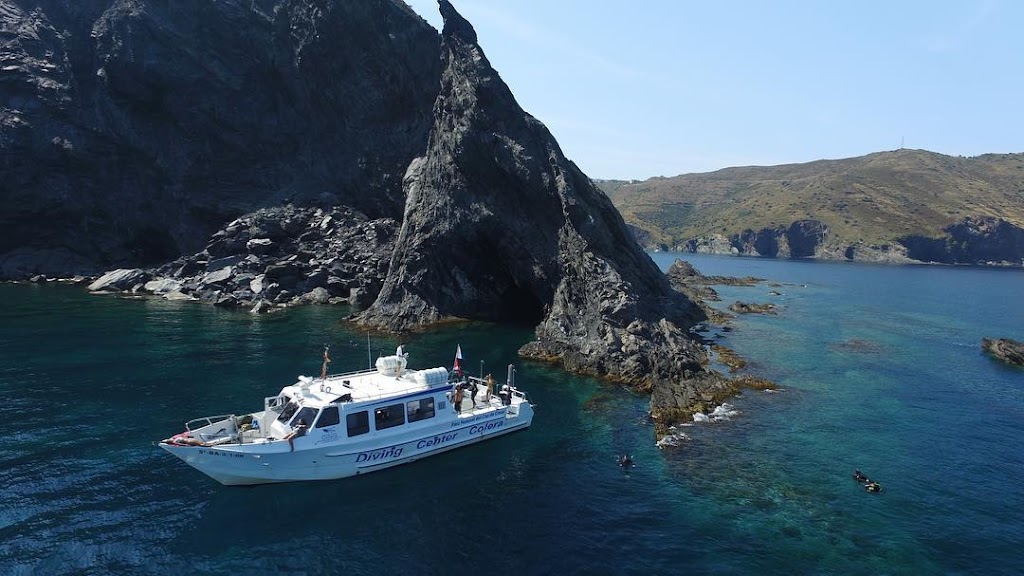
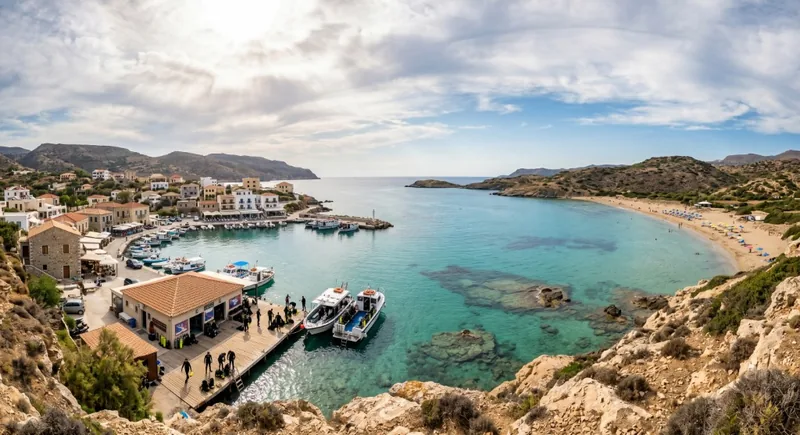
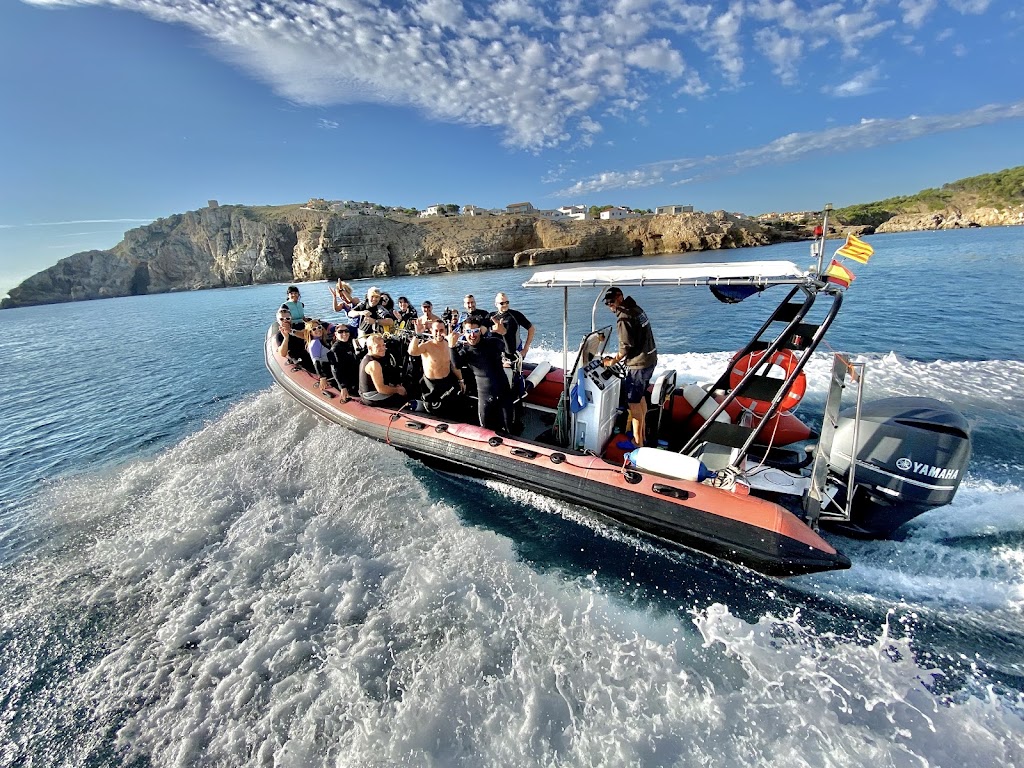
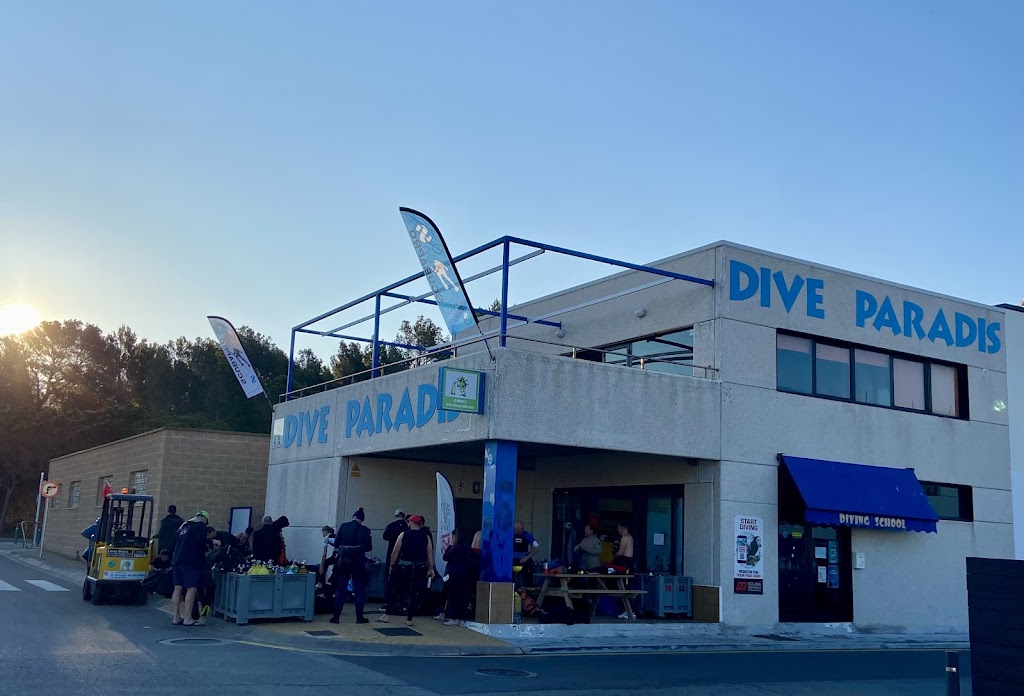
Dive Centers Near Cap Gros
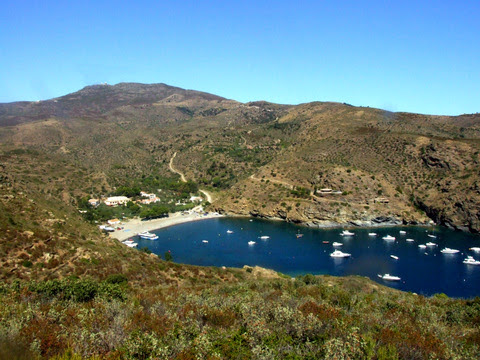
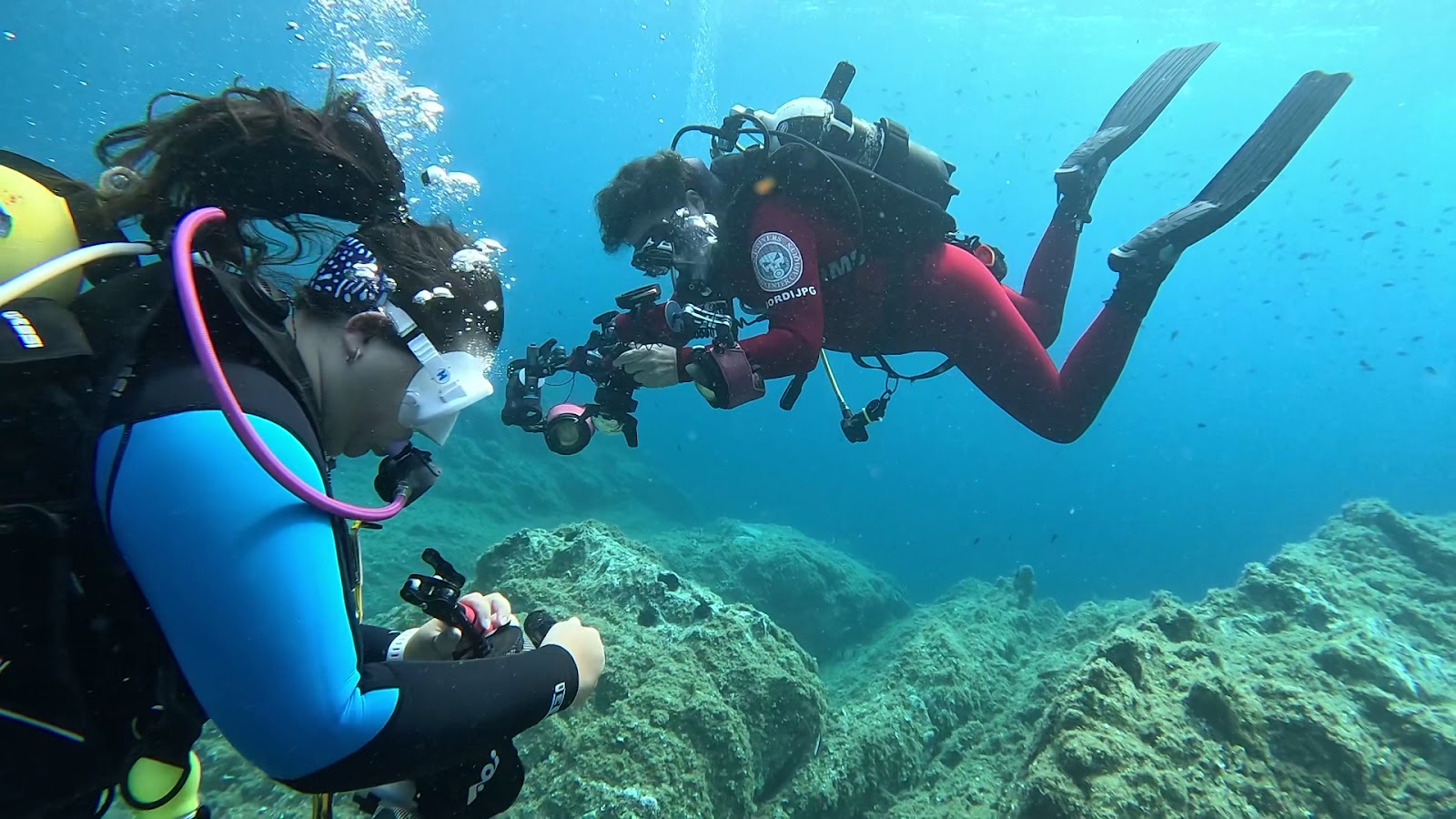
Today: 08:00 - 18:00

Nearest Airports
Nearest airports to help plan travel to this dive area.
Search Flights
Check available flights and routes on Expedia, using the nearby airports listed in this section.
Search Flights on ExpediaFrequently Asked Questions
What is the typical depth range at Cap Gros?
Cap Gros offers a versatile depth profile, generally ranging from shallower sections suitable for beginners to its deepest points reaching the maximum recreational limits. This allows for dives appropriate for various experience levels, from introductory to advanced explorations.
Is Cap Gros suitable for beginner divers?
Yes, Cap Gros is widely considered suitable for all levels, including beginners and those undergoing training. Several areas are protected and feature calmer waters with good visibility, allowing for comfortable introductory dives.
Are there any caves to explore at Cap Gros?
Cap Gros features distinct cave systems. One particular location is noted for having two different caves that divers can visit during a single dive, offering unique exploratory opportunities.
What kind of underwater topography can I expect?
The topography at Cap Gros is varied and dramatic, including impressive wall dives, large pinnacles, and intricate rock formations. You'll also find a significant platform, a deep wall leading to sandy areas, and a chimney feature.
How are the typical water conditions and visibility?
Diving at Cap Gros typically offers good visibility and calm water conditions. The site benefits from protected areas, providing comfortable diving experiences even when general weather conditions might be less favorable elsewhere.
What marine life might I see here?
Divers at Cap Gros can observe a variety of marine life, including diverse fish populations, particularly around the extensive rock formations. Critters are often found tucked into darker areas and cavities, and vibrant gorgones and red coral add color to the underwater landscape.
Planning to dive Cap Gros?
Send one inquiry and receive offers directly from the best verified local dive operators.
Conditions are Excellent
07:00 - 14:00
Optimal conditions expected
Current conditions near Cap Gros show 21° air, 24° sea temperature, 0.5 m waves, and 21 km/h wind. Forecast data is refreshed regularly to ensure accuracy.