
Diving at Figarola (Spain)
Approaching Figarola requires careful planning, as its varied depths and specific underwater features necessitate attentive navigation. Although no direct hazards are consistently reported, divers should always be prepared for changing conditions typical of a coastal marine environment. Understanding the site's structure, from its shallower ledges to deeper sections, is key for a safe and rewarding experience. Maintaining situational awareness throughout the dive prevents unexpected challenges.
As evening covers Figarola, the local air temperature is measured at 21.5°C. The current wave height at the surface is recorded at 1.1 m. These late-day readings characterize the surface conditions for the night.
Dive Site Location & Key Facts
Dive Site Overview
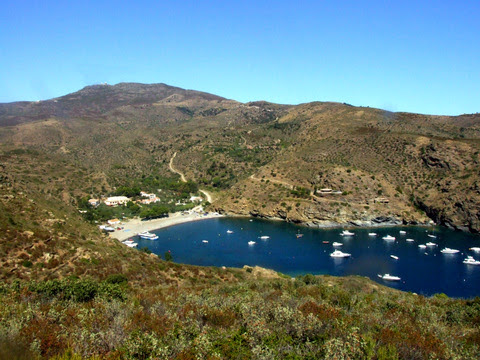
Figarola, off the coast of Spain, has long drawn divers to its intricate underwater landscape, becoming a recognized site for exploring the rich marine ecosystems of the region. Depths here range from a shallow 5 m (16 ft) to a maximum of 27 m (89 ft), offering diverse exploration opportunities for various certification levels.
This site is particularly appreciated for its reef structures that host a mosaic of life. Navigating the rocky outcrops and observing the vibrant coral formations reveals a dynamic environment. The relatively accessible nature of Figarola makes it a frequent destination for local dive operators, contributing to its enduring appeal.
While specific historical accounts of its discovery for diving are limited, its consistent mention by local centers highlights its established place in the dive community.
Conditions are Good
07:00 - 14:00
Optimal conditions expected
Current conditions near Figarola show 22° air, 24° sea temperature, 0.5 m waves, and 30 km/h wind. Forecast data is refreshed regularly to ensure accuracy.
Best Time to Dive
For an optimal dive experience at Figarola, consider visiting from May through October, when conditions are generally more favorable. During these months, average air temperatures range comfortably from 18.5°C (65°F) in May to 26°C (79°F) in August, ensuring pleasant surface intervals. Rainfall is also minimal during this period, typically less than 2 mm (0.08 inches) per month, reducing the likelihood of surface chop or runoff affecting visibility. Although good dive scores extend from February to November, the peak summer and early autumn offer the warmest air and calmest sea conditions, which enhances overall comfort. Conversely, cooler air temperatures and higher wave heights, particularly from December to March, can present a more challenging, albeit still moderate, dive environment.
PEAK SEASON SCORE
Scores combine air & water temps, waves, wind & rainfall for overall conditions.
BEST MONTHS TO DIVE
Monthly records compiled from satellite and marine observation nodes over the last 3 years. Data provided by Open-Meteo and MET Norway.
Dive Experience & Conditions
Descending into Figarola, divers first encounter the vibrant shallower sections, where light penetration reveals an active ecosystem. As one progresses, the maximum recreational depth is approached, transitioning through different reef structures. Moving deeper, the landscape shifts to more pronounced rock formations and potential sheltered areas, providing refuge for various marine species. Water conditions vary depending on seasonal changes, but typically offer good visibility, allowing for clear views of the underwater topography and its intricate features. While specific current strengths are not consistently reported, local conditions often dictate mild to moderate flows. Divers should remain aware of these conditions, as they can influence navigation. The interaction between the reef and the surrounding waters creates a dynamic environment for exploration, making each dive a unique experience.
Dive Difficulty & Safety Guidelines
Ensuring a safe dive at Figarola depends significantly on a diver's skill level and adherence to standard procedures. Recreational divers should remain within the stipulated depth limits, mindful of their air consumption and no-decompression limits. Given the site's max depth, advanced open water certification is advisable for exploring deeper sections.
Always dive with a buddy, maintaining close communication and a clear dive plan. Prior to entry, perform thorough equipment checks and buoyancy control practice.
Respect for the marine environment is paramount; avoid touching or disturbing marine life and coral formations. Understanding your personal limits and consulting with local dive centers for real-time conditions will enhance safety.
Recommended Equipment
- Dive Computer
This gear list is based on verified equipment signals for Figarola, Spain. Always confirm final gear choices with your dive operator, guide, or liveaboard.
Recommended Dive Suit
Divers planning relaxed exploration may appreciate the warmth of 3-5mm wetsuit. Strong winds are present; please take strong precautions against rapid cooling during surface intervals. Surface intervals may feel cooler. Divers often notice that perceived temperature can feel cooler during deeper or longer dives.
The waters surrounding Figarola are currently maintaining temperatures close to 24°C (75°F). Surface air temperatures are resting at 22°C (71°F).
Temperatures look set to gradually increase over the next several days. A warming trend is expected over the next few days.
Due to technical issues with our weather providers, data hasn't been fetched for over 48 hours. The data above reflects the conditions at the time of the last successful fetch.
Emergency & Medical Support
Essential information to help you plan your dive trip to Figarola.

Hyperbaric chambers are a critical part of dive safety infrastructure. Availability varies significantly by region, and not all dive areas have immediate access.
Before diving, it's recommended to:
- confirm nearest medical facilities
- check emergency procedures with local dive operators
- ensure dive insurance covers evacuation if required
Divers Alert Network
Diving emergency assistance available through DAN Europe.
+39 0642115685- 24/7 emergency hotline
- Diving medical assistance
- Evacuation coordination
Emergency contacts are provided for reference. Always verify local emergency services before diving.
Closest Listed Hyperbaric Chambers
Showing listed hyperbaric chamber facilities within 200 km of this dive site.
Distances are approximate straight-line distances and may not reflect emergency travel time.
Unitat de Medicina Hiperbàrica (UMH)
24/7 ListedPalamos (Girona), Spain•Approx. 55 km straight-line
Unitat de Medicina Hiperbàrica (UMH)
24/7 ListedInformation is provided for reference and planning purposes only. Dive Navigator does not verify operational status, staffing, availability, or quality of care at listed facilities. In an emergency, contact local emergency services, DAN, your dive operator, or the chamber directly. Do not travel to a facility without calling ahead.
UTH-CSI
24/7 ListedICU CapableSant Joan Despí, Spain•Approx. 146 km straight-line
UTH-CSI
24/7 ListedICU CapableInformation is provided for reference and planning purposes only. Dive Navigator does not verify operational status, staffing, availability, or quality of care at listed facilities. In an emergency, contact local emergency services, DAN, your dive operator, or the chamber directly. Do not travel to a facility without calling ahead.
Marine Life at Figarola
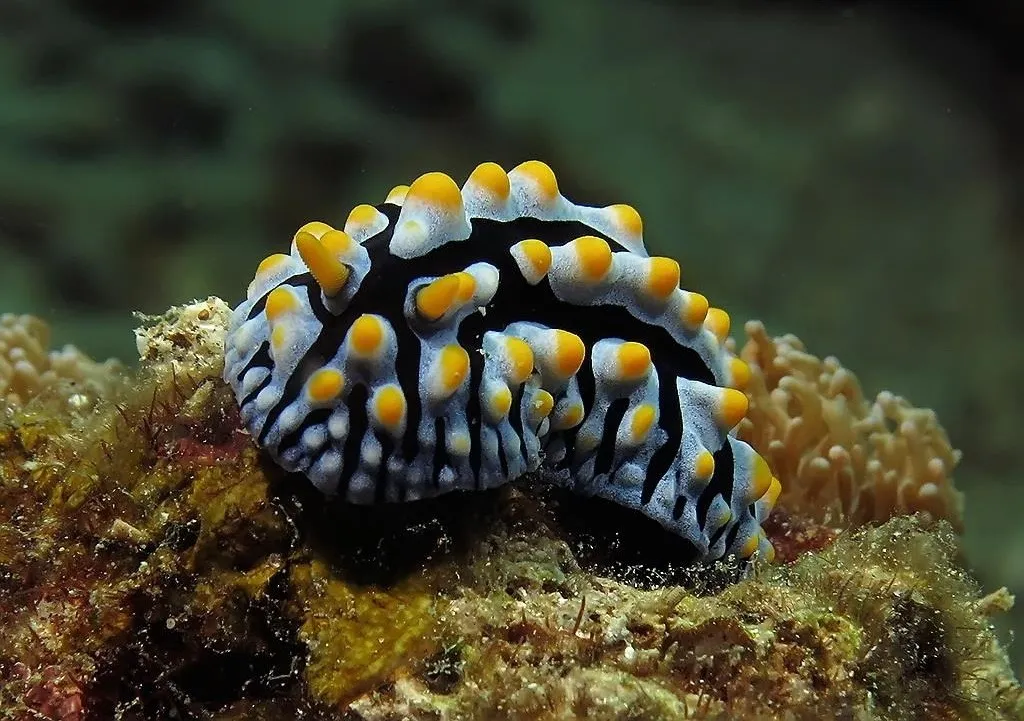
The first thing divers often notice at Figarola is the abundance of macro life nestled within the reef system. A closer inspection reveals numerous nudibranchs, displaying their intricate colors and patterns along the rocky surfaces.
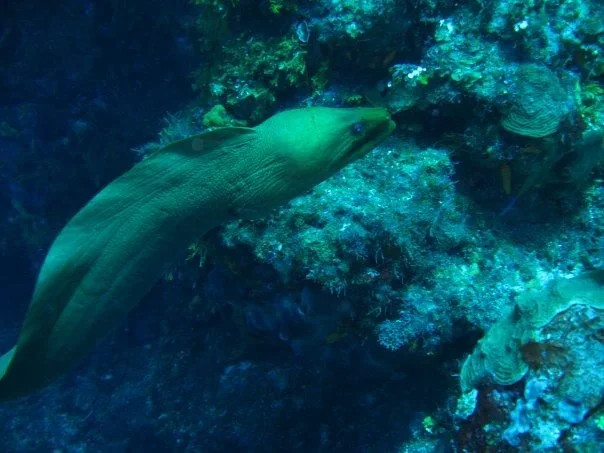
Moray eels can frequently be spotted peering from crevices or gliding between rocks, adding an element of excitement to the dive. Deeper sections of the site showcase striking red coral formations, providing a vivid contrast against the natural rock, creating an engaging and colorful underwater tableau.

Dive Sites Near Figarola
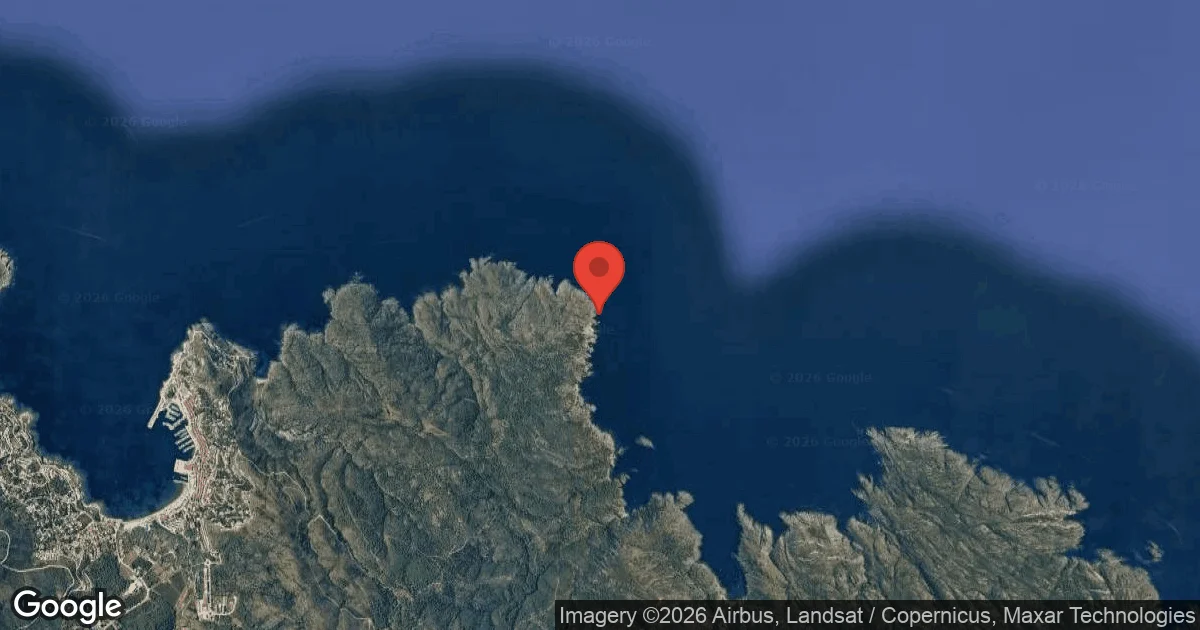
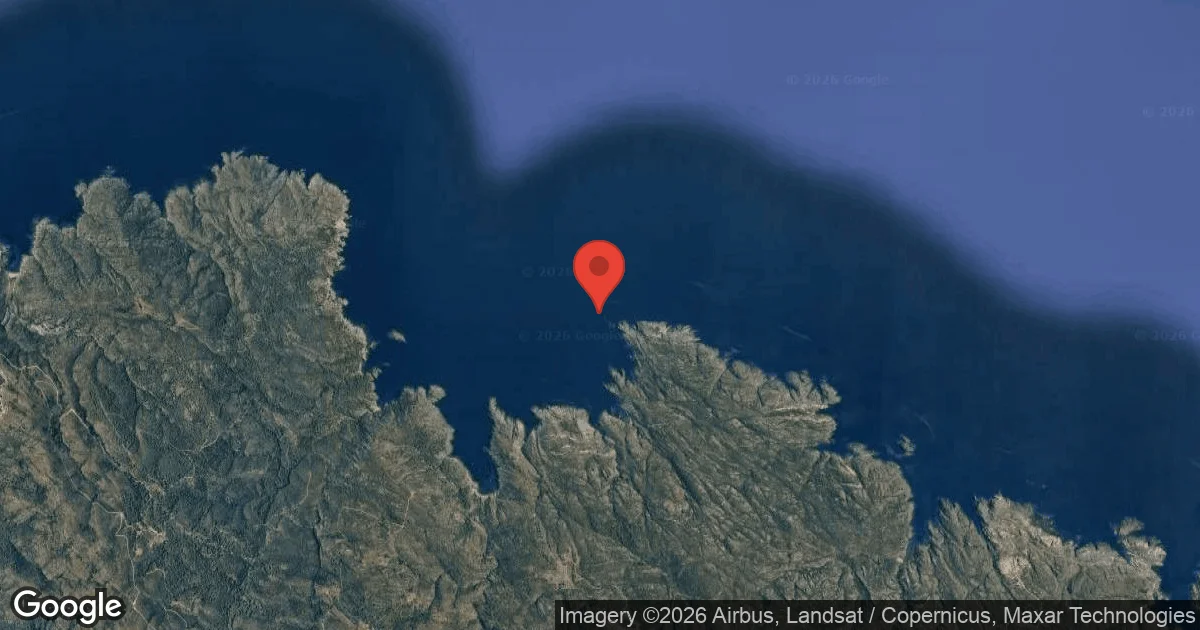
View all dive sites in SpainDiscover more underwater gems in this area.
Dive Centers Near Figarola
Today: 08:00 - 18:00

Nearest Airports
Nearest airports to help plan travel to this dive area.
Search Flights
Check available flights and routes on Expedia, using the nearby airports listed in this section.
Search Flights on ExpediaFrequently Asked Questions
What is the maximum depth at Figarola?
Figarola offers a dive depth ranging from 5 m (16 ft) to a maximum of 27 m (89 ft). This range accommodates both beginner and more experienced divers.
What kind of marine life can I expect to see?
Divers often encounter nudibranchs, moray eels, and vibrant red coral. The site's reef structure provides a habitat for various other Mediterranean species.
Is Figarola suitable for new divers?
The shallower sections of Figarola are generally suitable for open water certified divers. For deeper areas, an advanced open water certification or higher is recommended.
When is the best time of year to dive Figarola?
Diving conditions are typically optimal from May through October, with comfortable air temperatures and minimal rainfall. These months generally offer the calmest seas.
Are there strong currents at this dive site?
Specific current information is not consistently reported for Figarola. However, as with many coastal sites, currents can vary and are often mild to moderate, depending on local weather and tides.
Can I rent dive equipment locally?
Yes, local PADI 5 Star Dive Centers in nearby Fuengirola and surrounding areas offer equipment rental services. It's advisable to book in advance, especially during peak season.
Planning to dive Figarola?
Send one inquiry and receive offers directly from the best verified local dive operators.
Conditions are Good
07:00 - 14:00
Optimal conditions expected
Current conditions near Figarola show 22° air, 24° sea temperature, 0.5 m waves, and 30 km/h wind. Forecast data is refreshed regularly to ensure accuracy.